


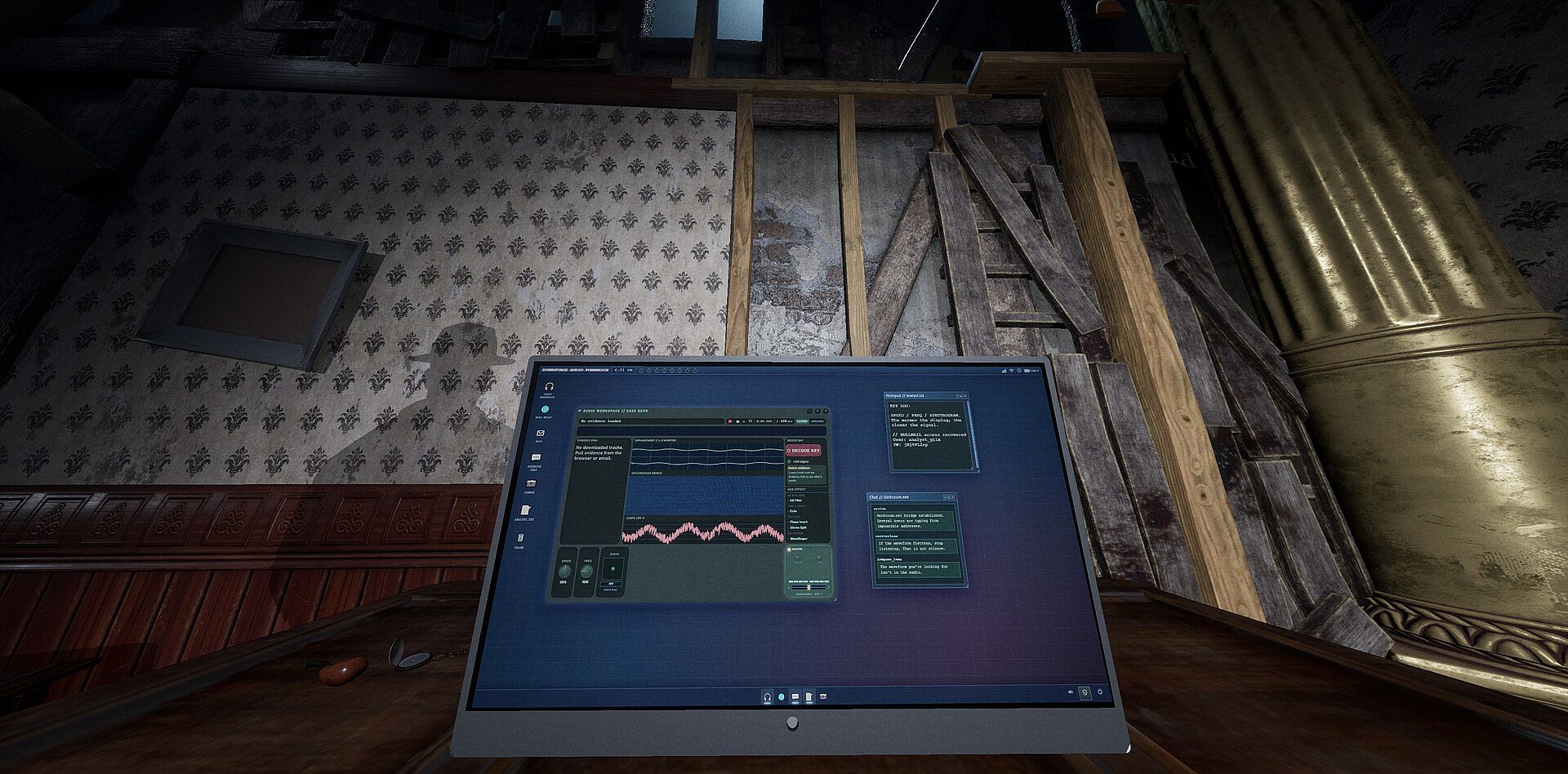
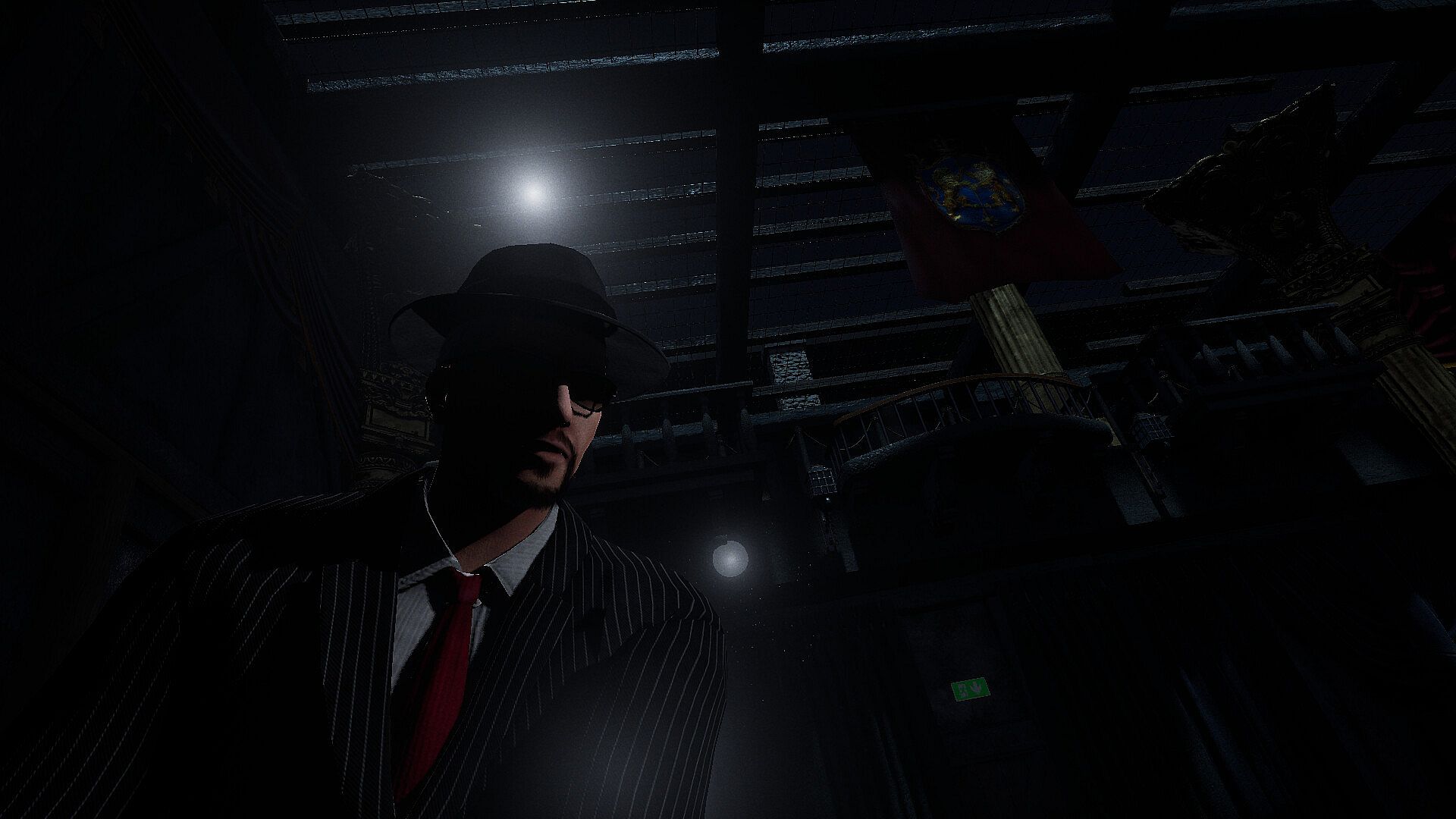
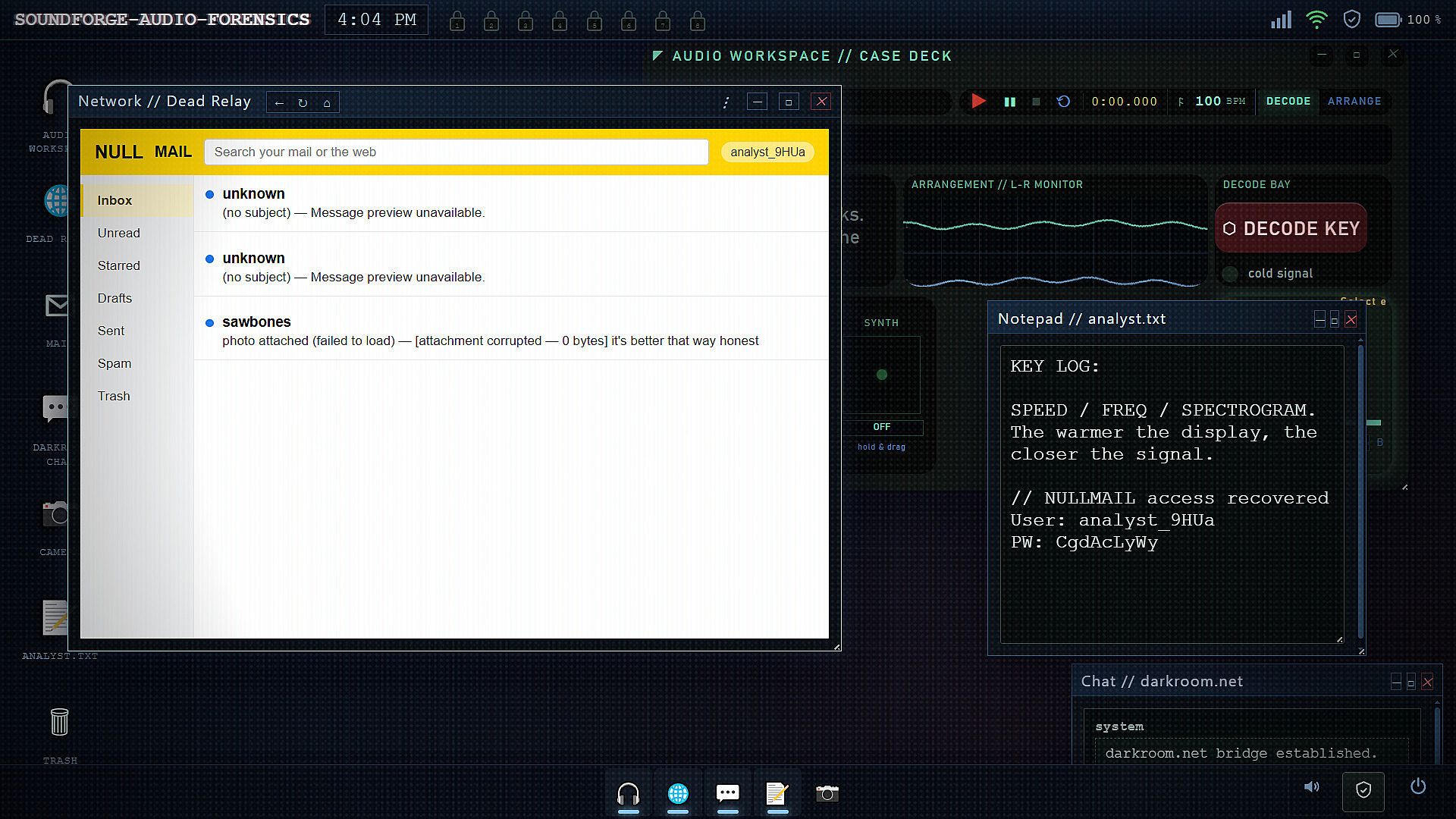
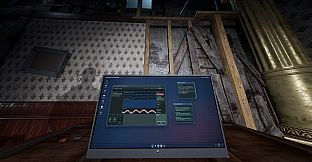


Silent Sonata II: Dead Air is a single-player action, strategy, indie, and simulation title built around audio forensics work in a tense overnight setting. Players take on the role of a specialist tasked with recovering fragmented audio data from obscure online locations while managing a series of operational hazards inside a back room at the Thaddaeus Opera House.
Gameplay
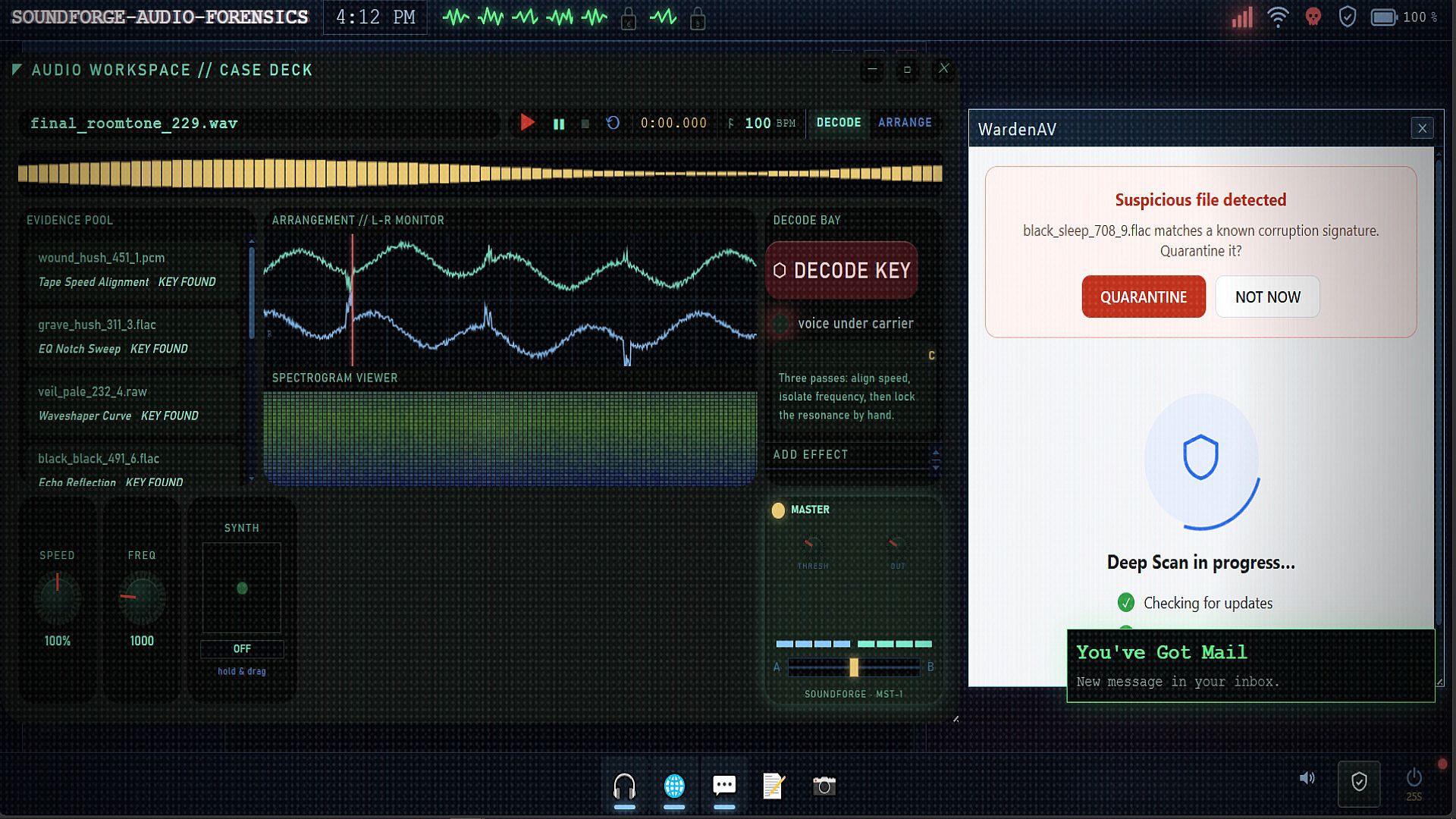
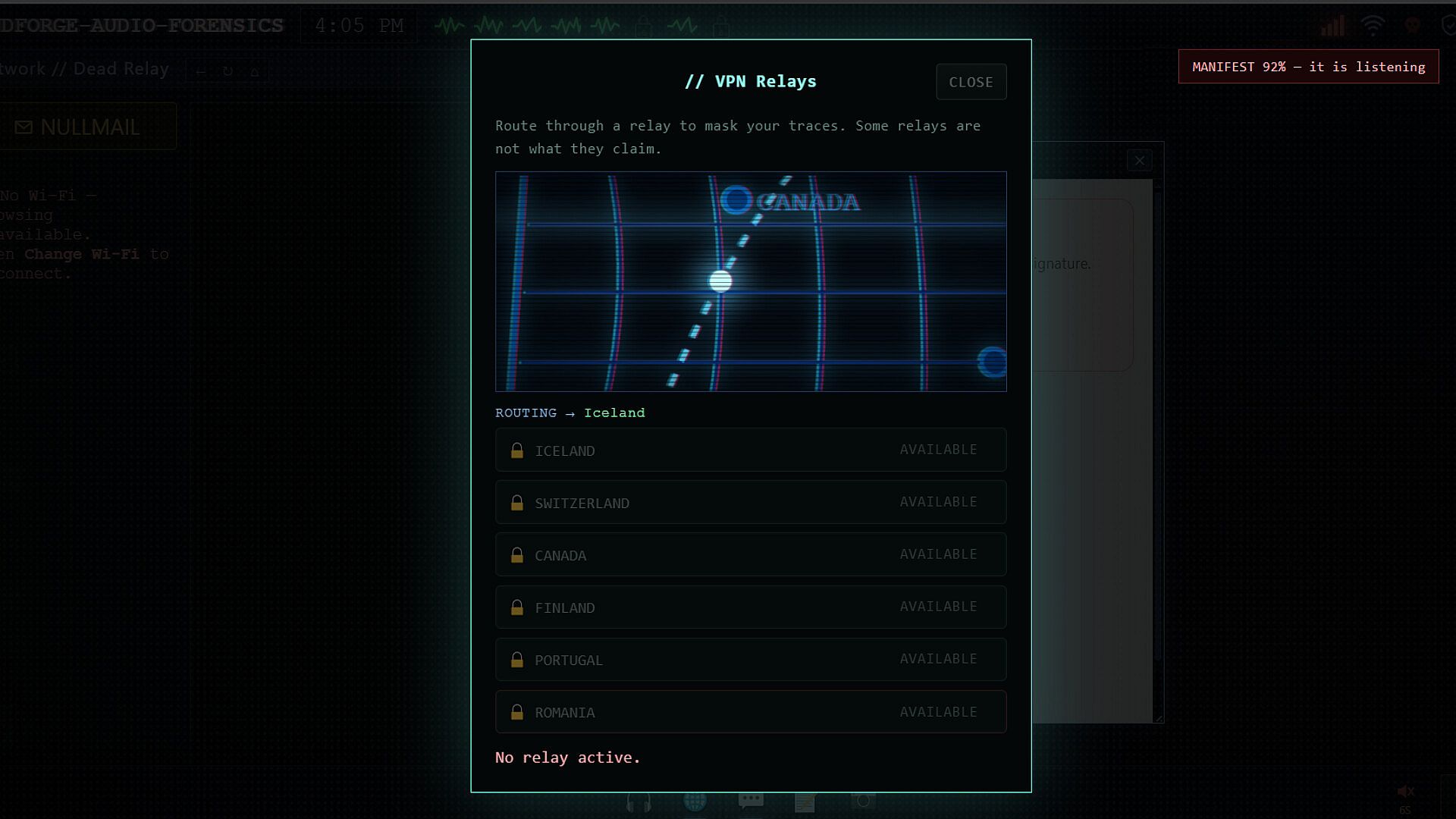
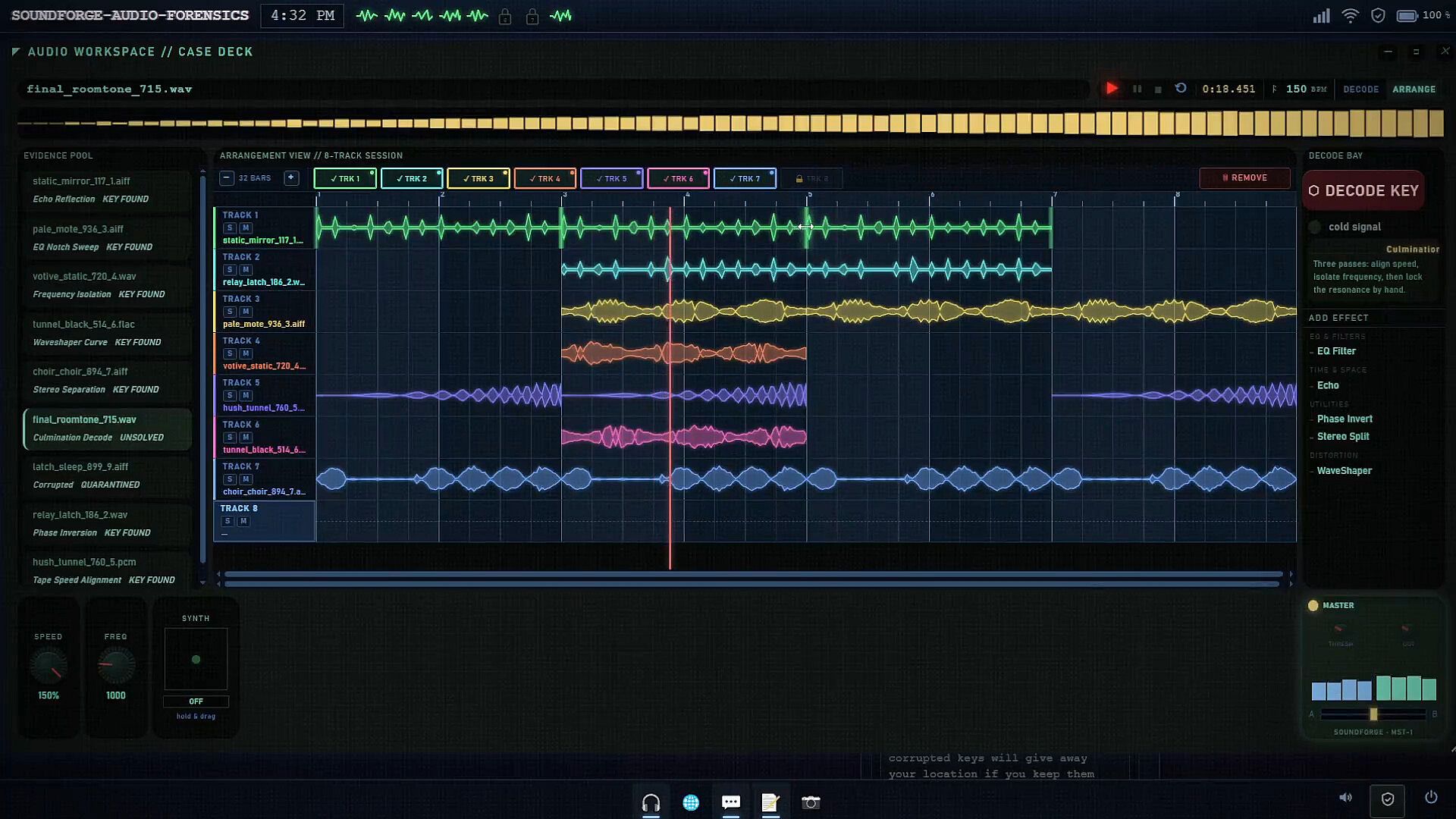
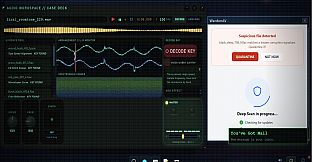
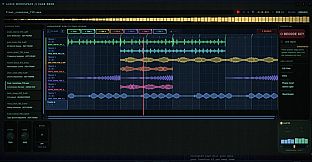
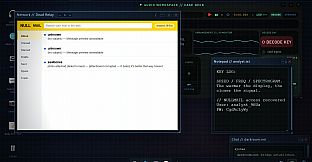
The core loop centers on locating and assembling eight audio keys scattered across 29 simulated websites that mimic forgotten corners of the early internet. A functional digital audio workstation serves as the primary tool for isolating frequencies and decoding the recovered material. Each session begins with routine setup that quickly shifts when a hidden USB reveals instructions unrelated to the official assignment.
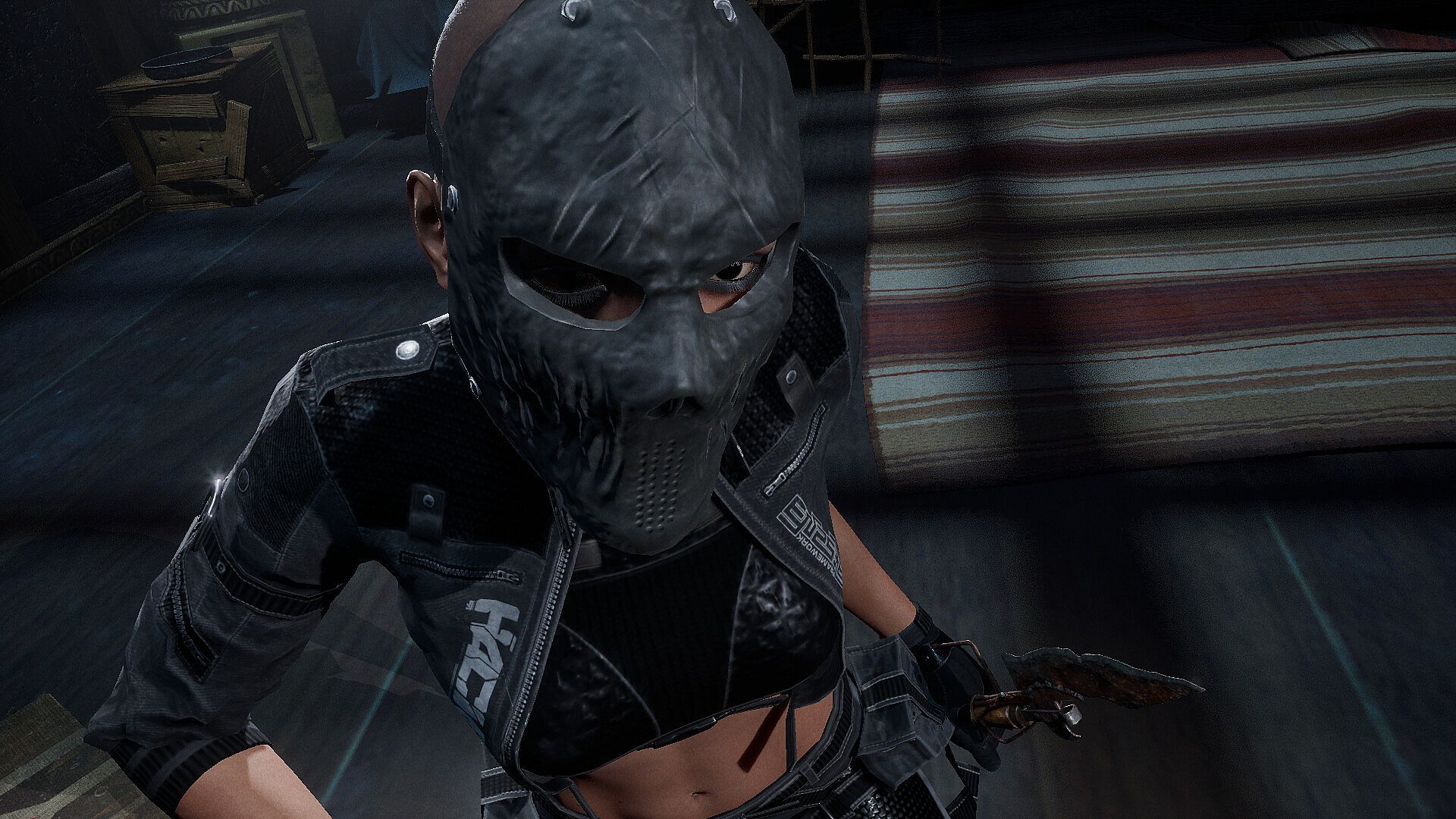
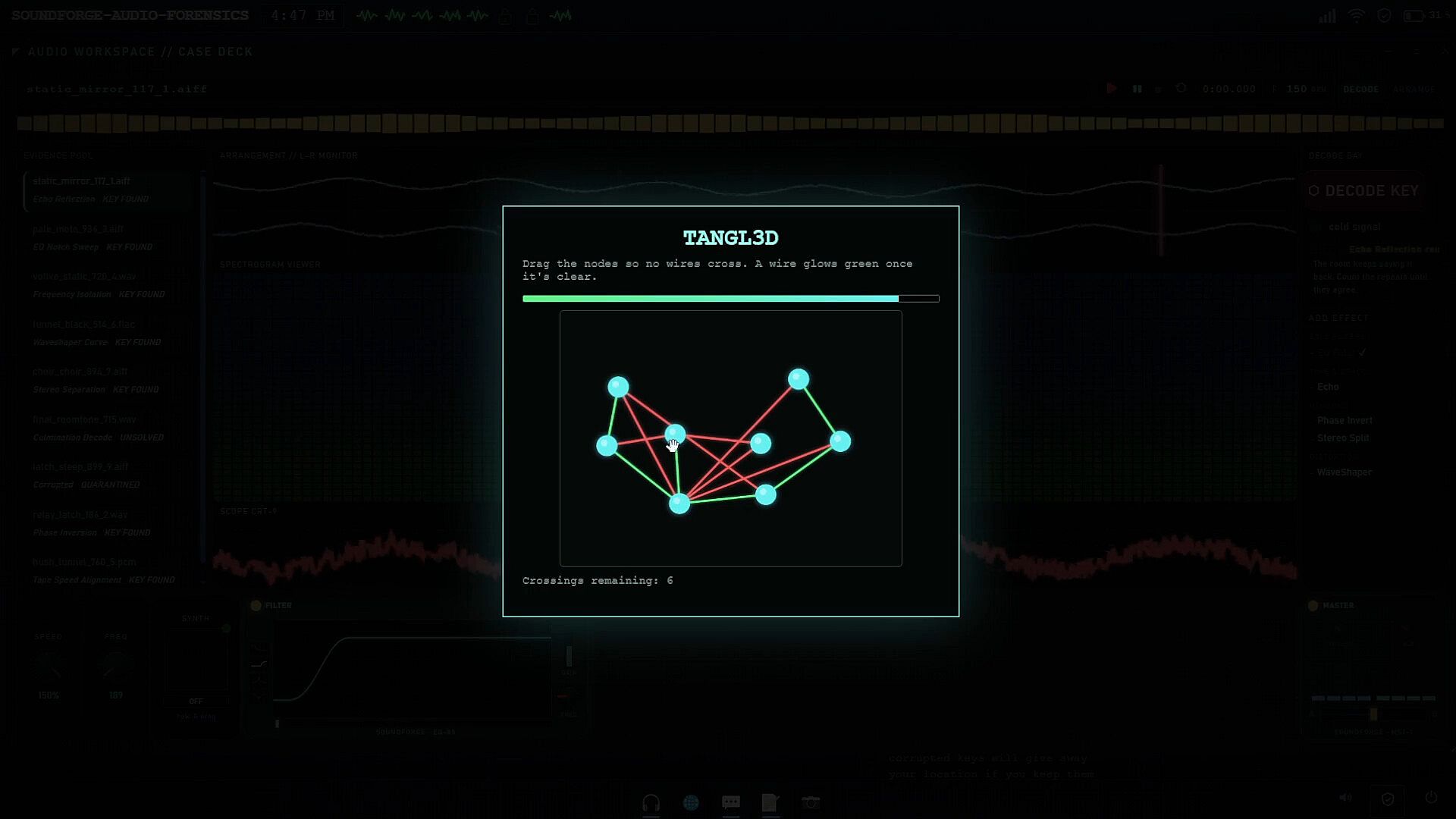
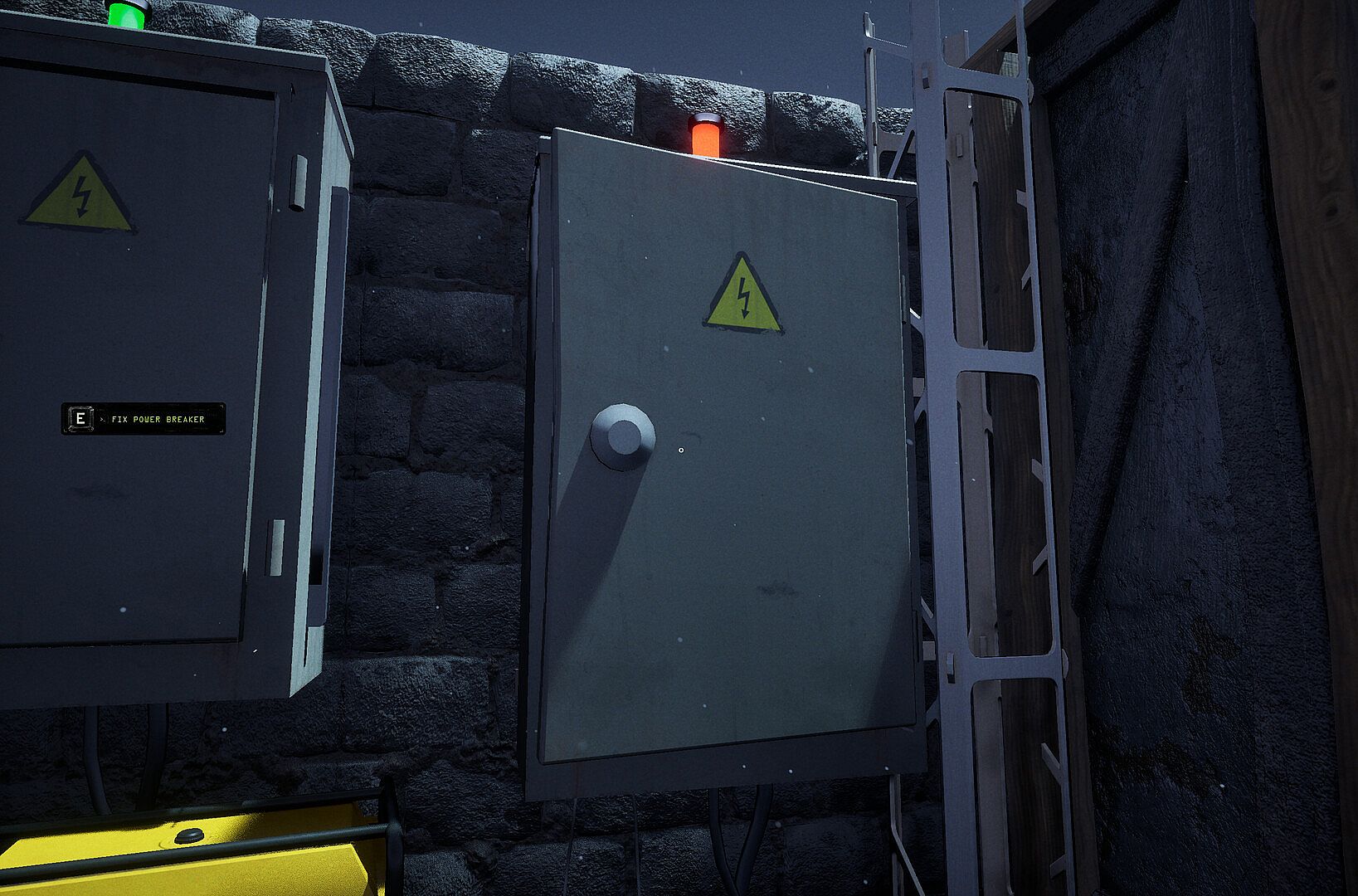
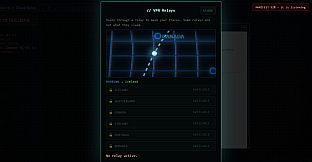
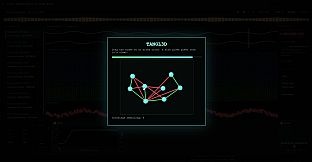
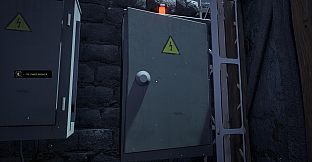
Progress requires constant attention to multiple systems at once. Offensive hacks interrupt searches and demand quick responses through seven distinct counter-hack minigames. The breaker box can trip without warning, forcing manual resets. Security cameras require periodic monitoring to avoid detection. Blackouts, room tasks, and other distractions add layers of pressure that force players to prioritize actions carefully. Randomized elements ensure that website layouts, threat timing, and event sequences differ between runs.
Permadeath means a single mistake can end the entire shift, requiring a fresh start with new randomization. The threat systems track exposure and behavior, leading to different conclusions depending on how thoroughly or carelessly the job is handled. A dedicated hardmode option increases the intensity for players seeking greater challenge.
Game Modes
Standard play follows the main objective of recovering all eight fragments before the shift ends. Randomized runs alter website content, hack patterns, and distraction frequency to keep each attempt distinct. Hardmode applies stricter rules across all systems, amplifying the consequences of errors and reducing available reaction time.
Multiple threat systems operate independently, each capable of triggering separate endings based on accumulated mistakes or successful concealment. No cooperative or multiplayer options exist; every session remains strictly single-player with permadeath enforcing one continuous attempt per run.
Key Mechanics and Systems
Website navigation forms the backbone of exploration, with fully browsable pages that contain the buried audio fragments. Decoding happens inside the in-game DAW, where players manipulate audio parameters to extract usable keys. Counter-hack minigames provide short, focused challenges that interrupt the main search and test reaction speed and pattern recognition.
Environmental management adds another dimension. Monitoring cameras prevents external interference, while handling breaker trips and blackouts keeps essential equipment online. These tasks compete for attention alongside the primary search, creating a constant need to balance priorities under time pressure.
Is It Worth Playing?
The game targets players who enjoy procedural single-player experiences that combine simulation elements with strategy and light puzzle solving. Its emphasis on multitasking, randomized threats, and permadeath creates a high-stakes atmosphere suited to those comfortable with trial-and-error progression and careful resource allocation.
Because the title remains unreleased with no user reviews available, reception cannot yet be assessed. The confirmed feature set of counter-hack minigames, a working DAW, multiple independent threat systems, and hardmode support suggests appeal for fans of tense, self-contained indie simulations that reward methodical play and punish carelessness. Availability will depend on the eventual release date, after which players can evaluate whether the mechanics align with their preferred style of focused, high-pressure single-player sessions.