






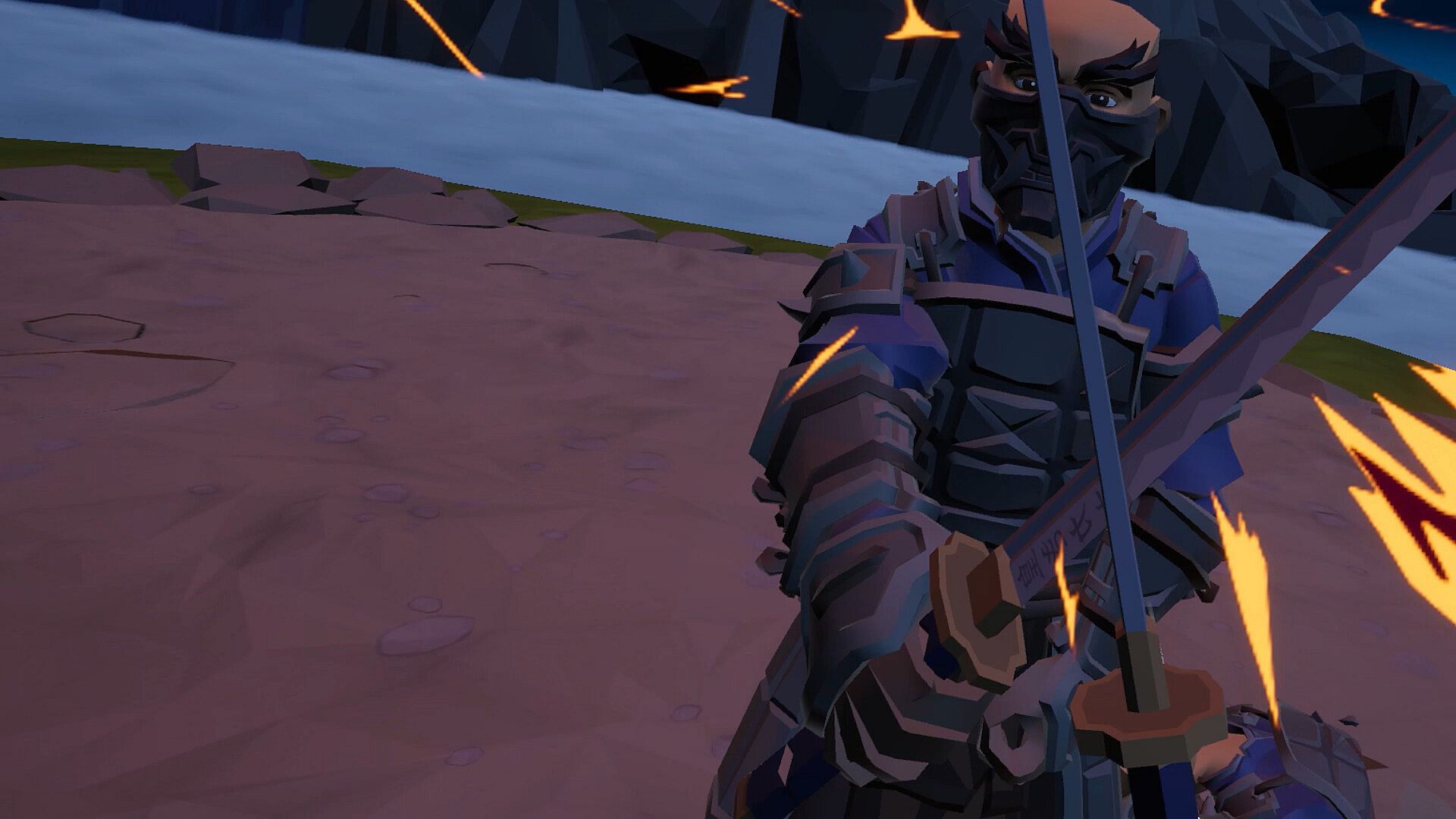
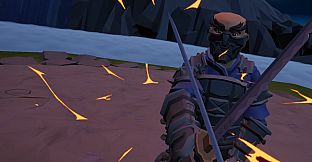
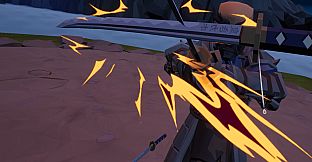
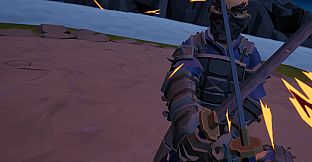
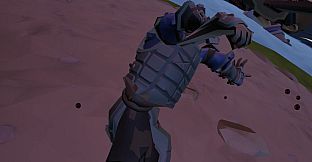
SHUREN: Katana VR is a first-person VR action game centered on precise, physics-based katana combat for PC. Players wield tracked motion controllers to engage enemies in close-quarters battles that reward timing, positioning, and controlled strikes rather than button mashing.
Gameplay
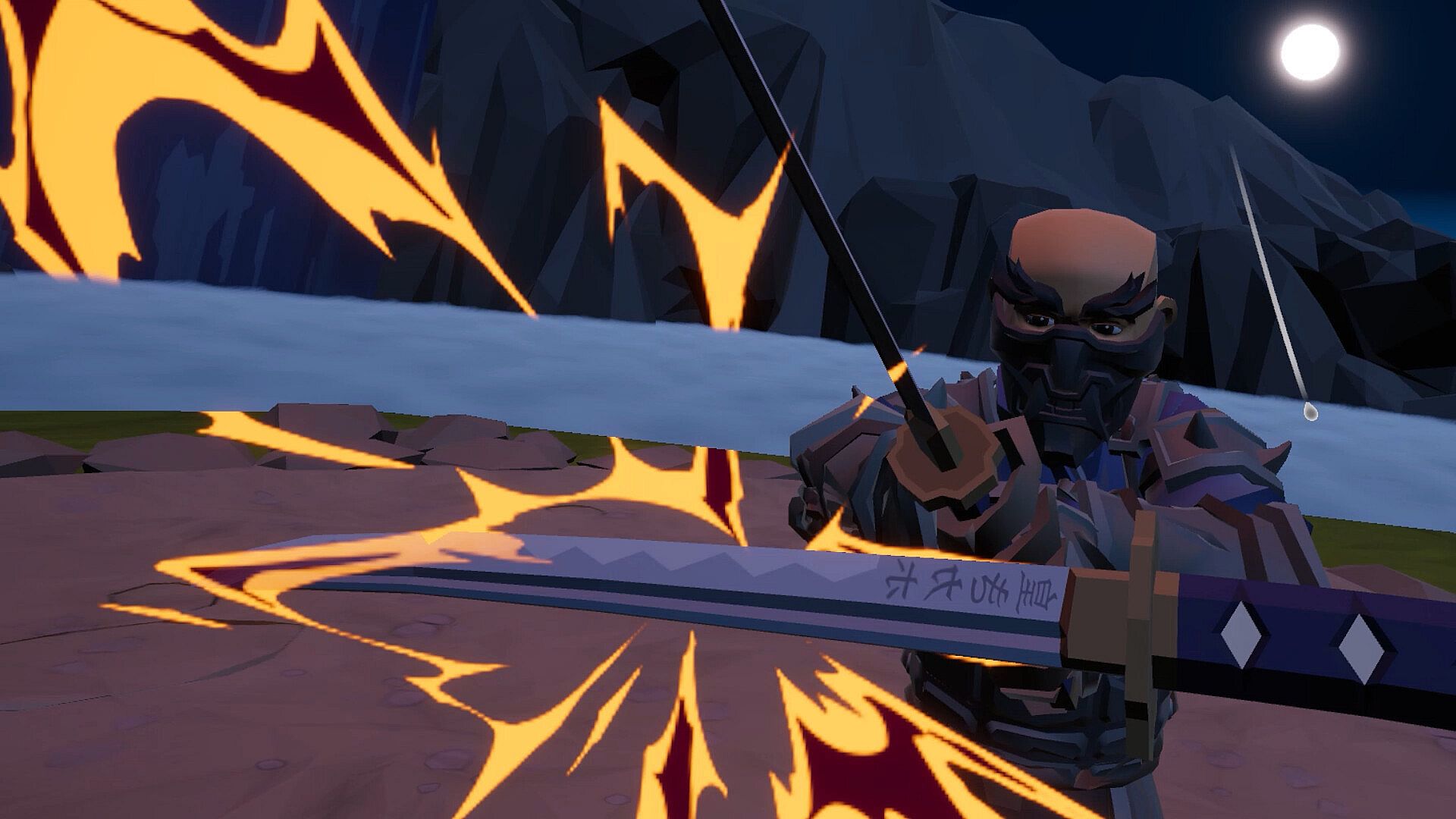
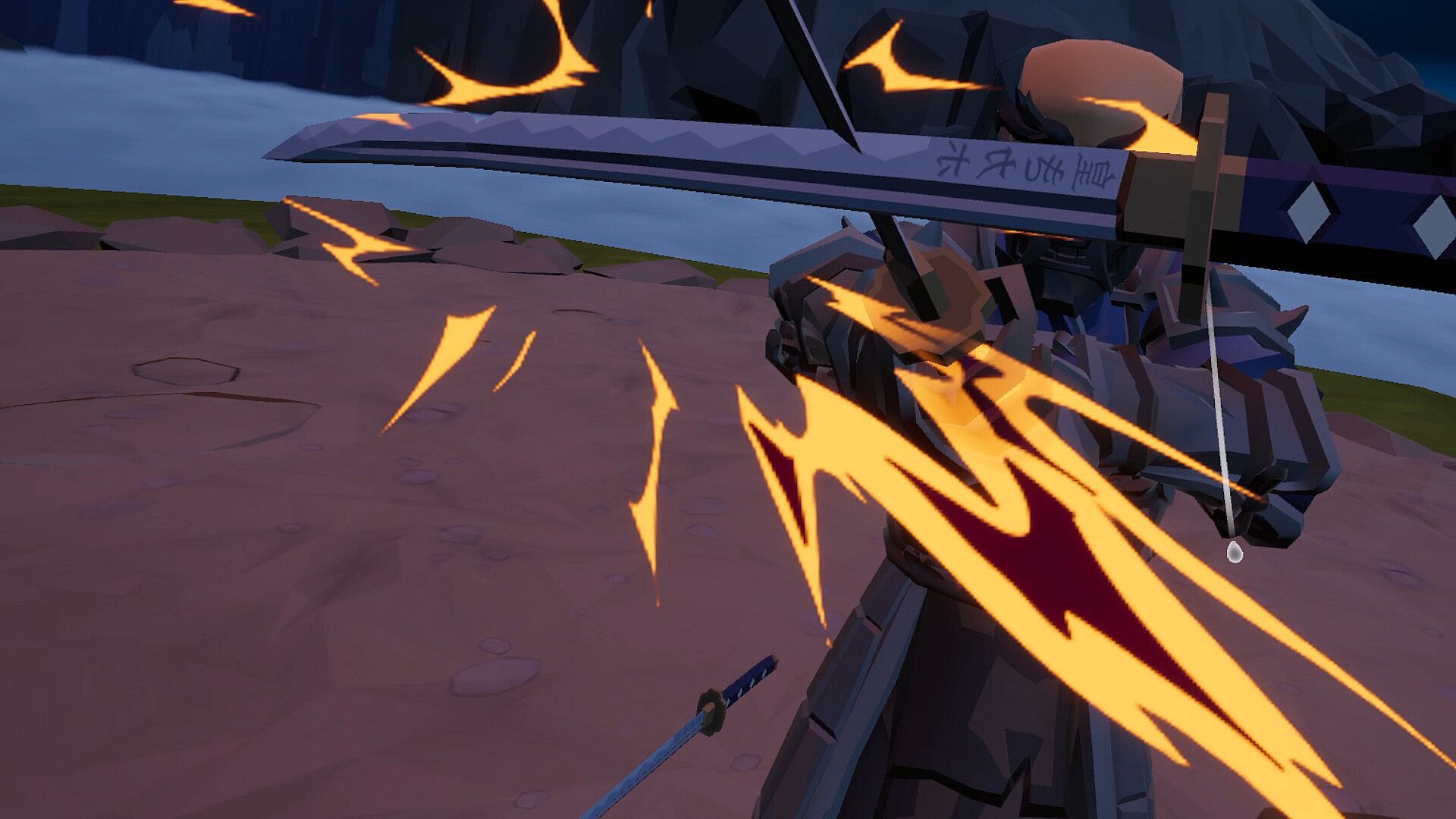
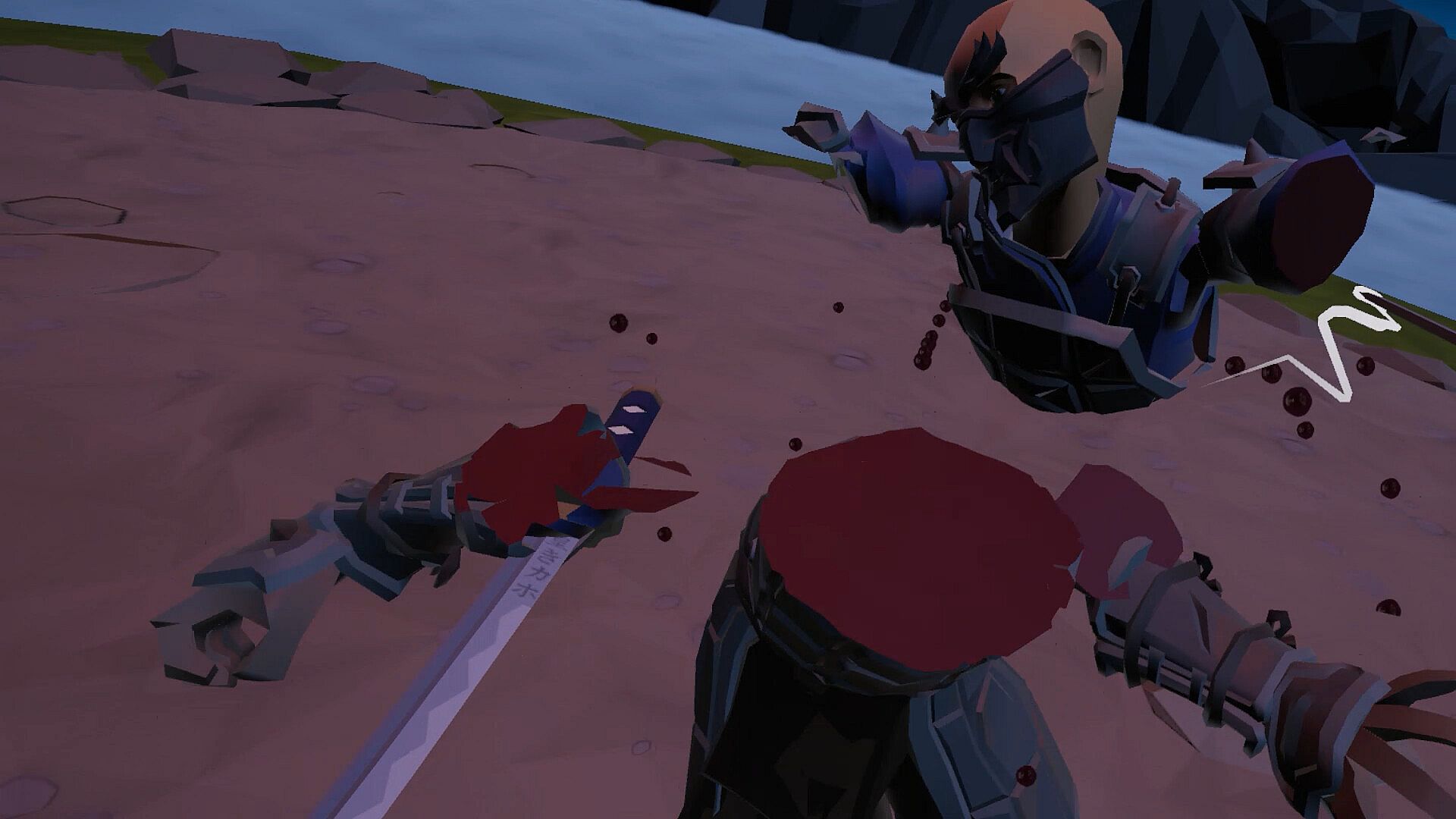
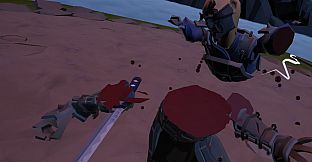
The core loop revolves around reading enemy movements, executing timely parries, and delivering accurate counterattacks with the blade. Combat feels physical because the sword responds to real hand motions, allowing cuts that can sever limbs or cause dismemberment on contact. Each swing carries weight and momentum, so players must manage their stance and follow-through to land effective blows without leaving themselves open.
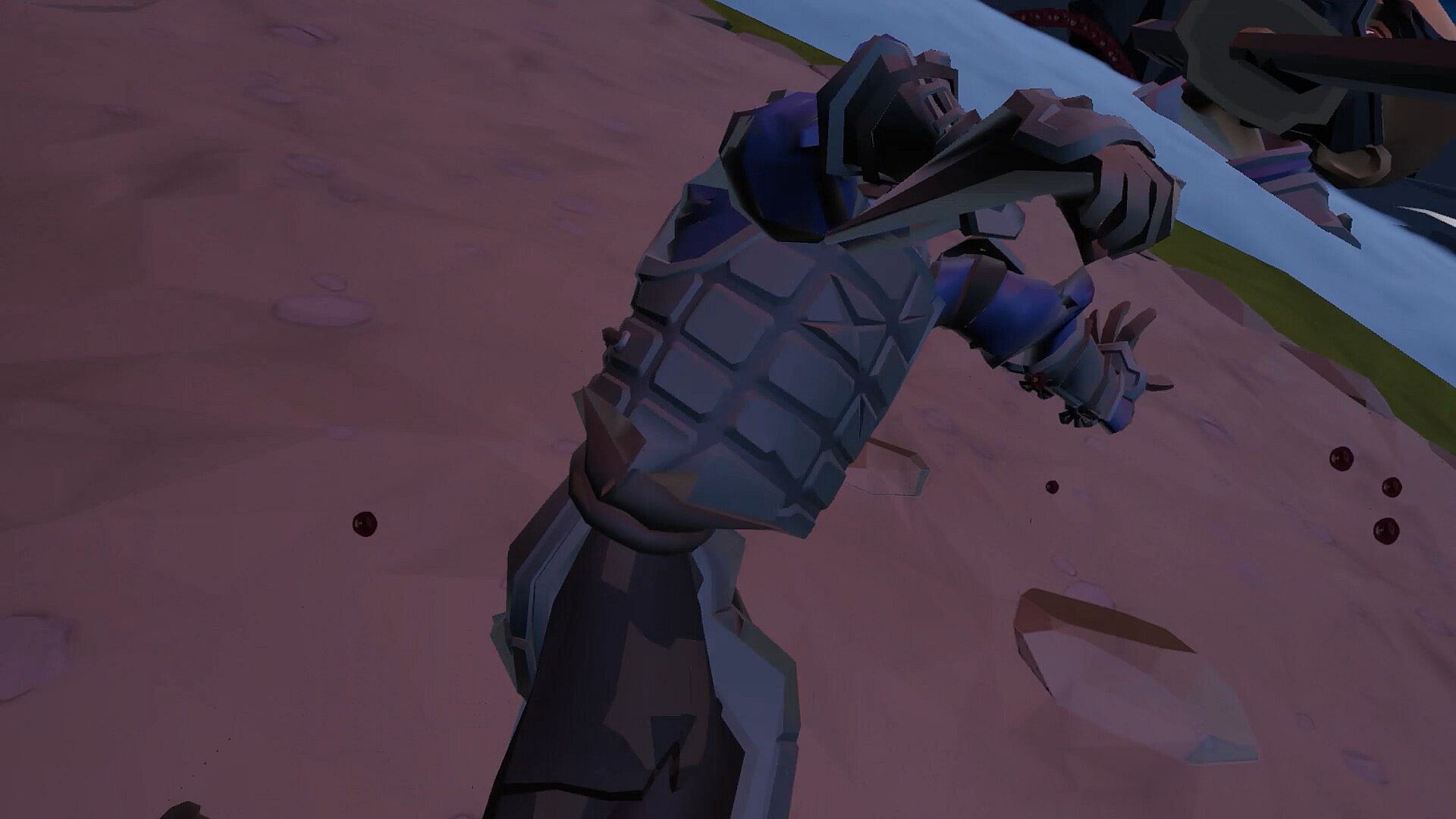
Parries require exact timing to deflect incoming attacks, creating openings for follow-up strikes. The system emphasizes reflexes over raw power, with encounters designed to feel reactive and punishing when mistakes occur. Dismemberment adds a layer of visual feedback, as successful cuts visibly alter enemy forms mid-fight. All interactions rely on the precision of VR motion controllers, making the experience demanding on hand-eye coordination and spatial awareness.
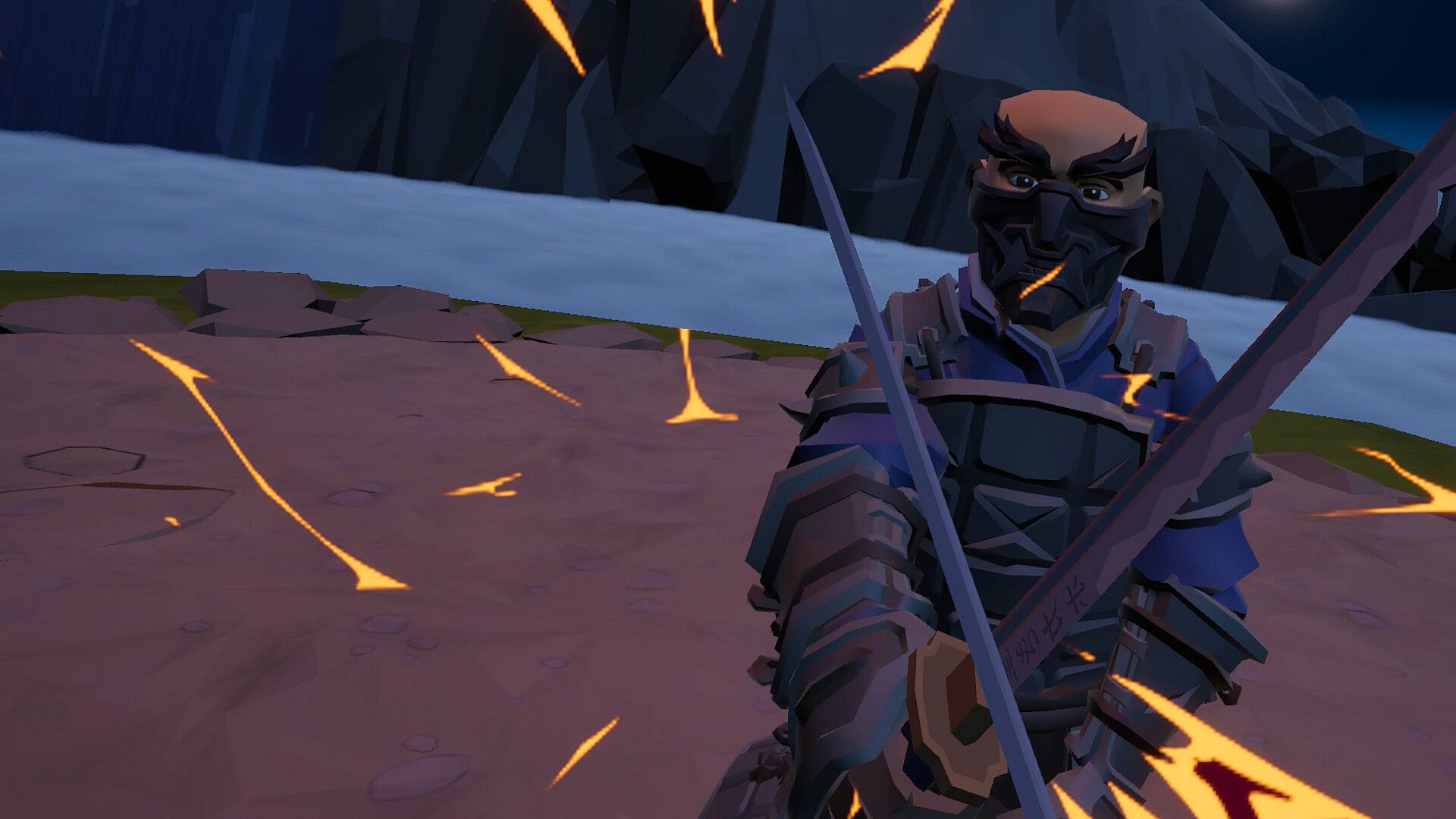
Encounters stay focused on blade-to-blade duels in first-person perspective. There are no ranged options or secondary weapons mentioned, keeping attention squarely on sword handling and defensive timing. The physics simulation handles blade collisions and enemy reactions, resulting in fights that change based on where and how the player connects.
Game Modes
The game operates as a single-player experience built around sequential combat challenges. Players progress through encounters that test parry timing and strike accuracy against successive opponents. No additional modes such as multiplayer, endless waves, or separate training arenas receive confirmation in available details.
Progression centers on surviving these blade-focused battles, with each fight building on the same set of core mechanics. The structure keeps sessions centered on improving personal performance in direct confrontations rather than exploring varied objectives or team-based play.
Combat Mechanics in Detail
Physics-driven swordplay forms the foundation, where the virtual blade interacts realistically with enemy models and incoming attacks. Players learn to angle strikes for maximum effect, targeting vulnerabilities exposed after successful parries. The dismemberment system reacts to cut locations, creating varied outcomes depending on swing trajectory and power.
Timing-based parries serve as the primary defensive tool. A well-timed block not only neutralizes an attack but also staggers the opponent briefly, opening a window for retaliation. This back-and-forth creates a rhythm that rewards practice and anticipation over aggressive swinging.
Fast-paced battles unfold in confined spaces that force constant awareness of enemy positioning. The first-person view heightens immersion by placing the player directly behind the blade, with every movement tracked through standard VR controllers.
Is It Worth Playing?
SHUREN: Katana VR targets players who enjoy skill-intensive VR melee combat and are willing to invest time mastering timing and precision. Its emphasis on parries, controlled strikes, and visible dismemberment delivers a focused, brutal style of sword fighting that stands apart from more arcade-oriented VR titles.
Because the game remains in a coming-soon state with no released version or player reviews available, any assessment rests on the described mechanics alone. Those drawn to physics-heavy swordplay and single-player challenge loops will likely find the core loop engaging once it launches. Fans of slower, more deliberate VR combat may appreciate the reactive nature of encounters, while those seeking broader content variety or multiplayer options should monitor further announcements.
The title suits dedicated VR users with compatible headsets and motion controllers who prioritize mechanical depth over expansive worlds or story elements. Its narrow focus on katana combat makes it a specialized choice rather than a general audience game.











