

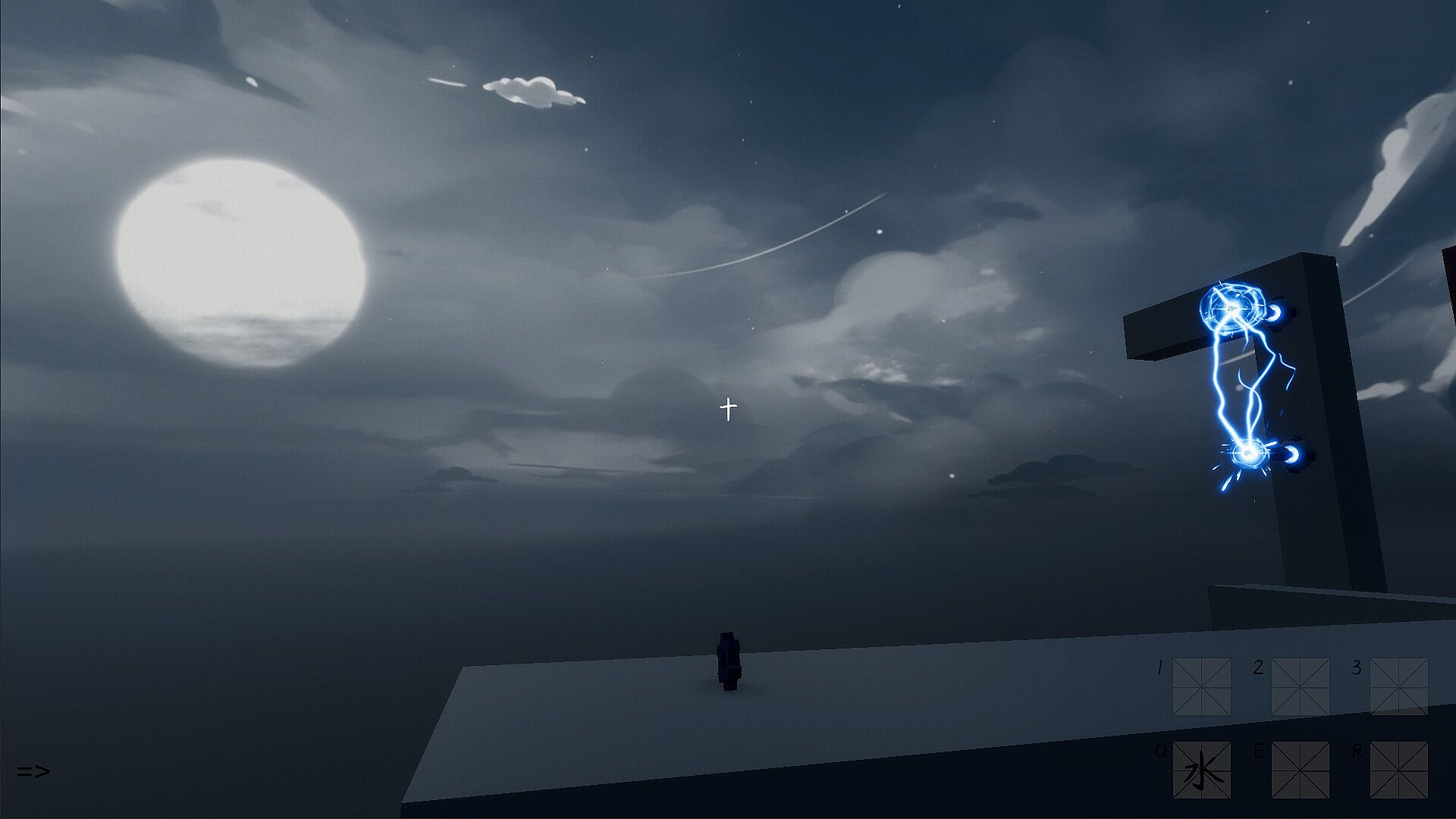
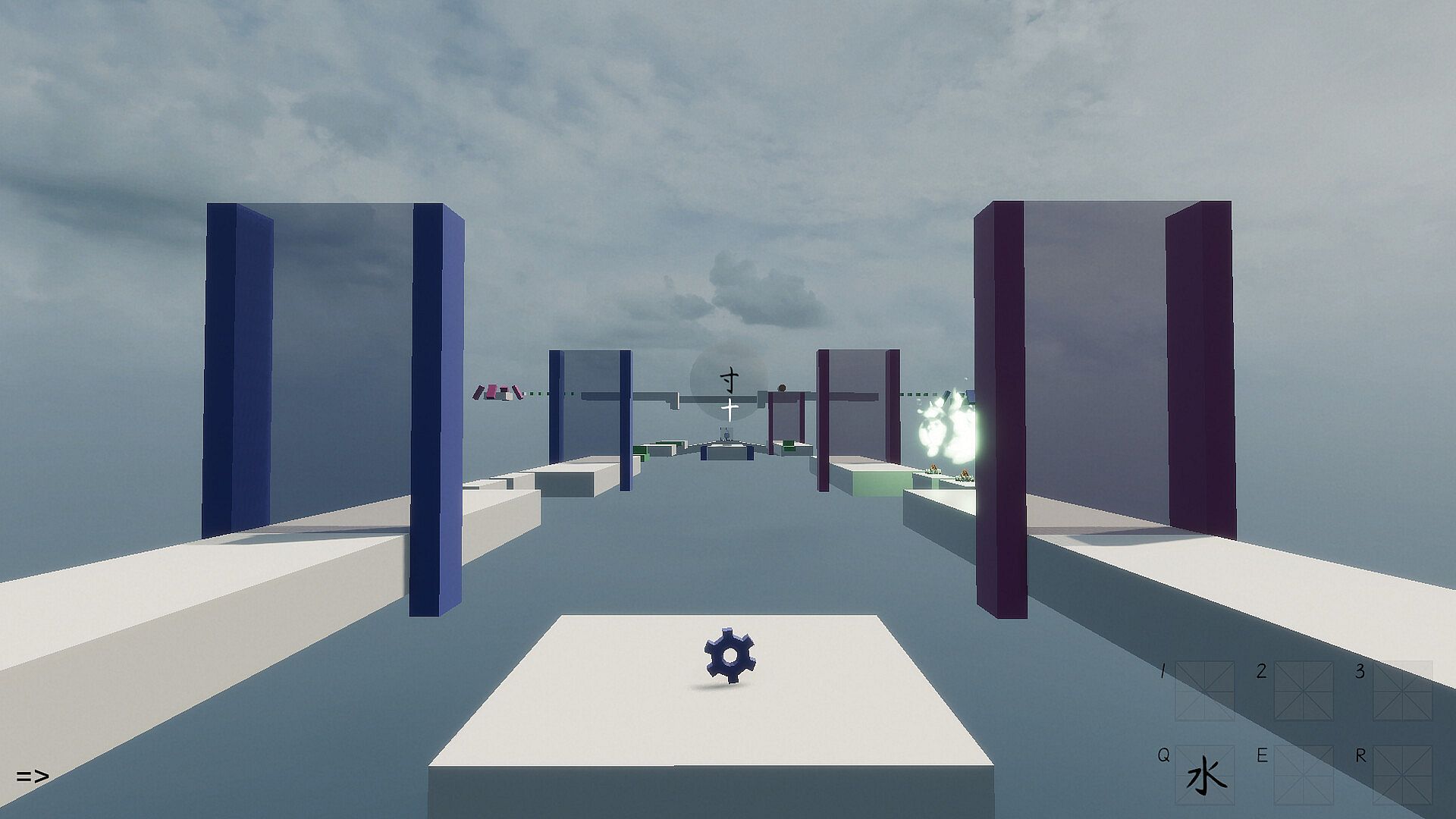
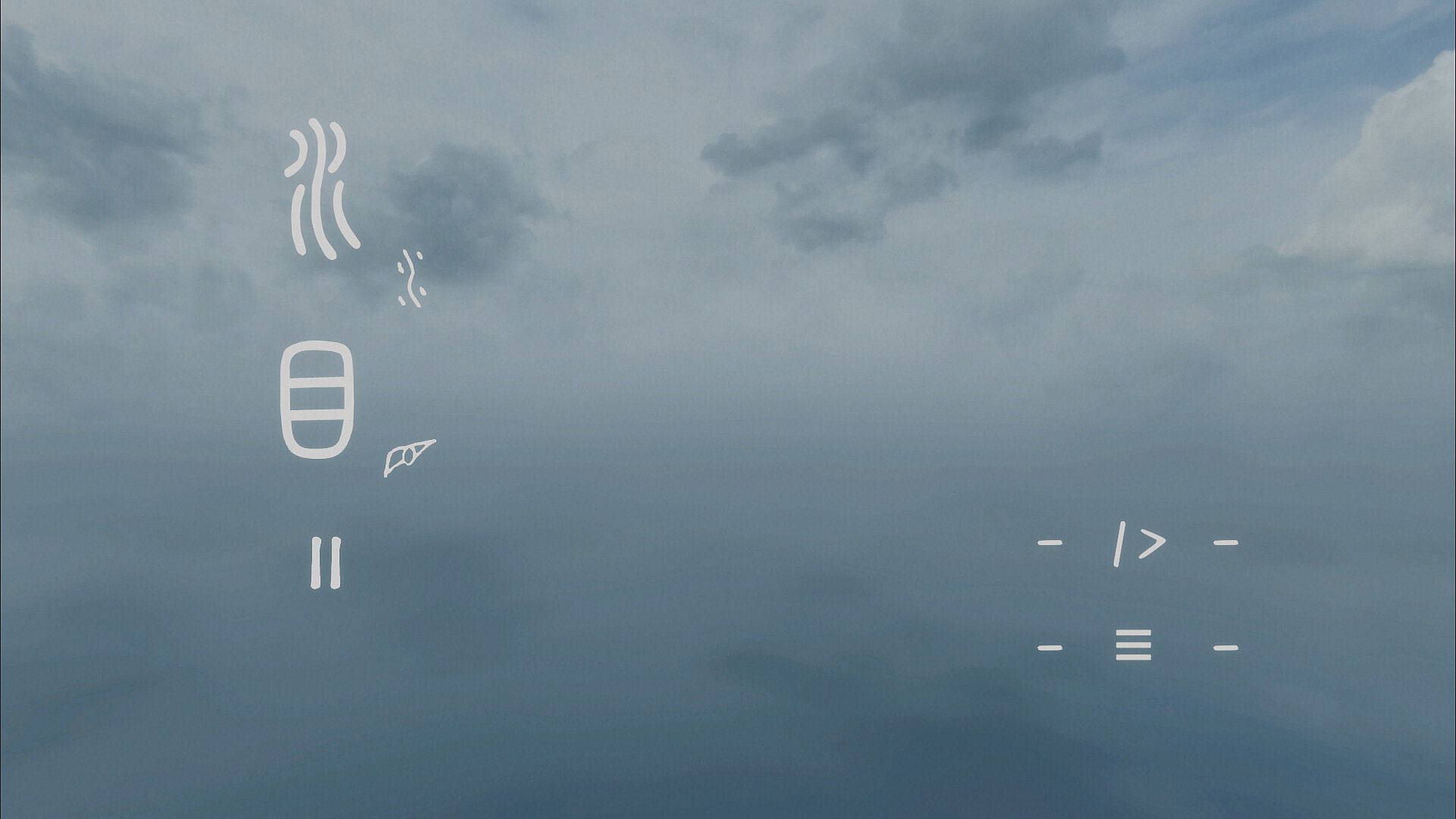
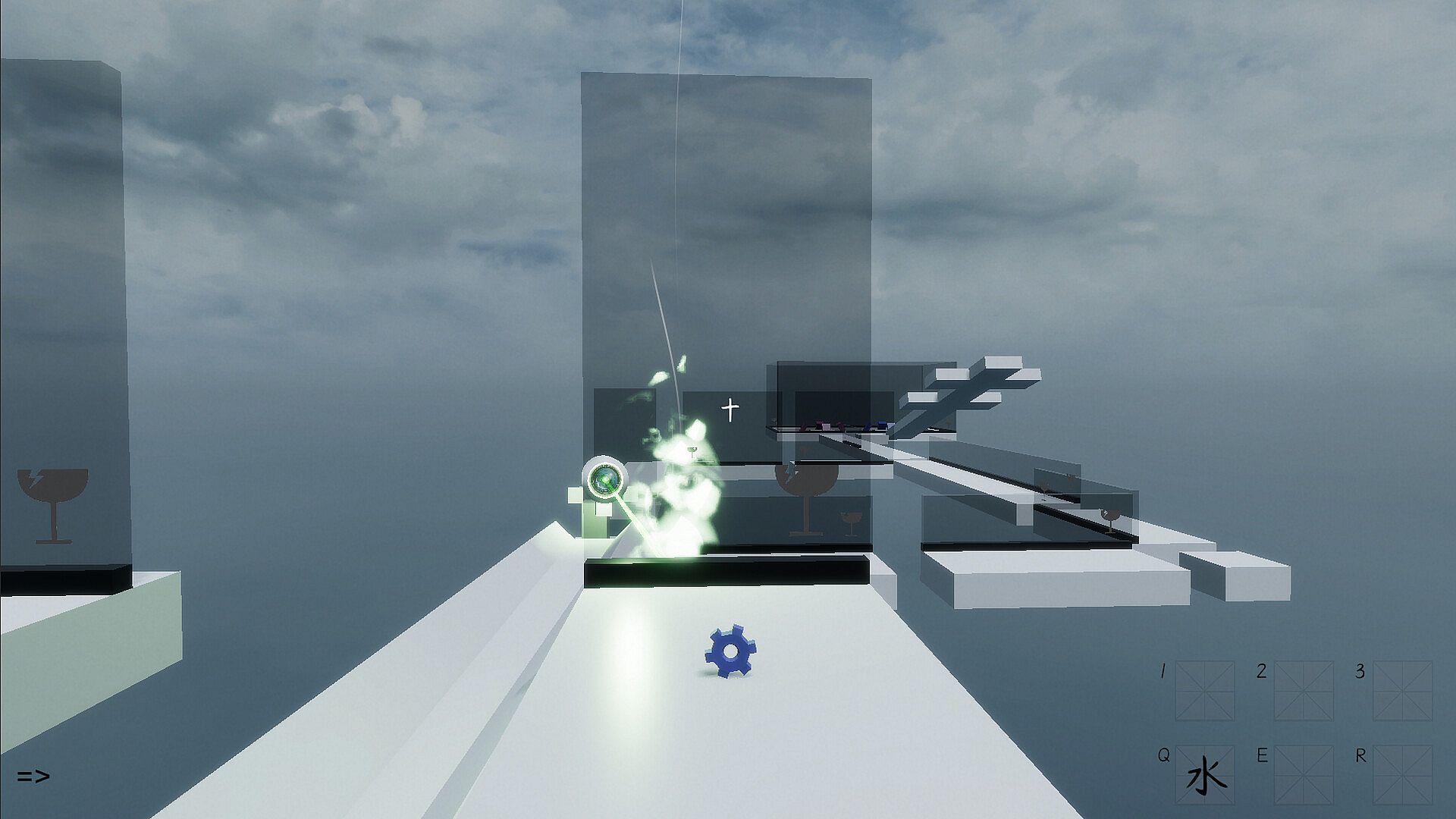
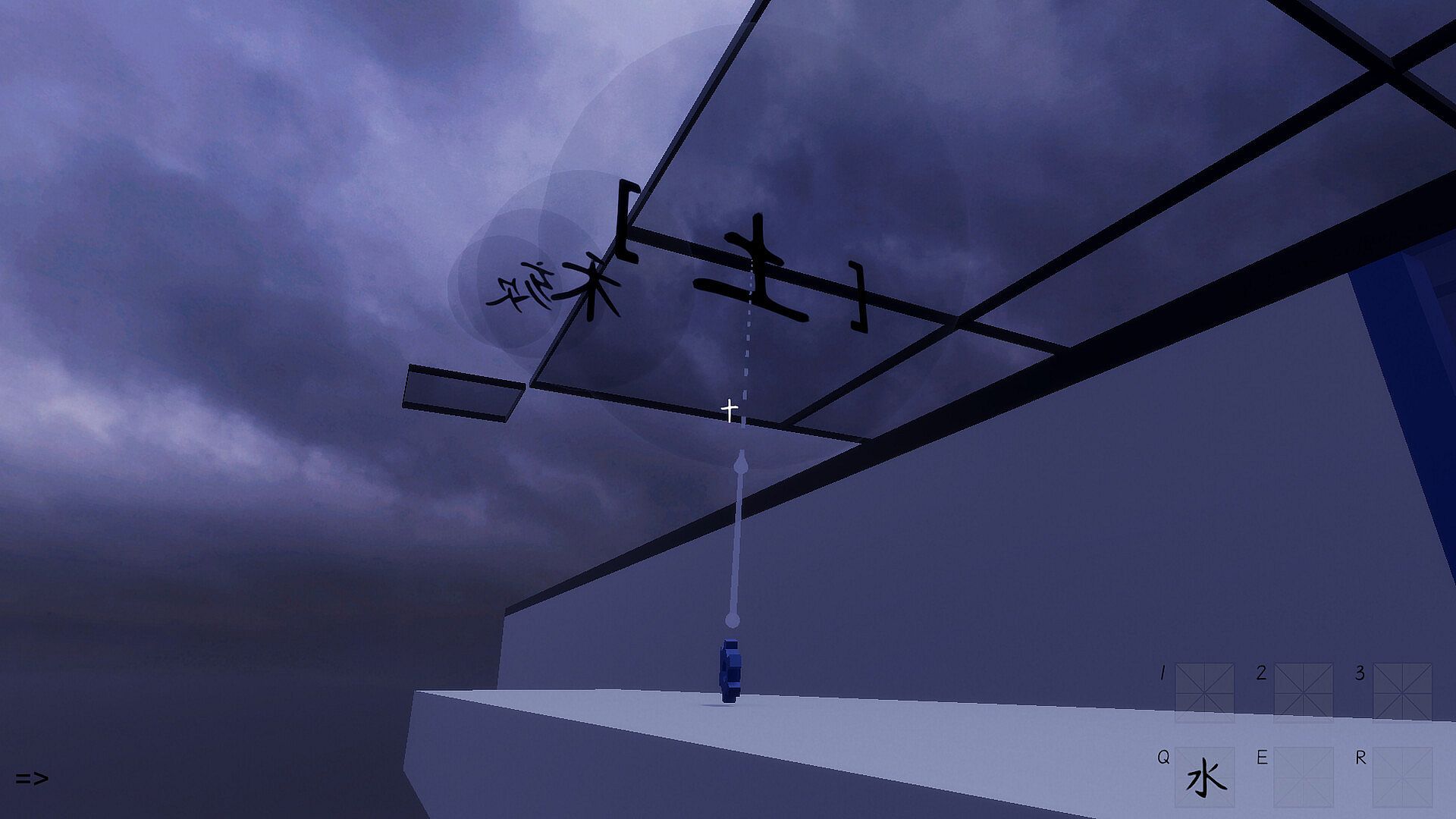


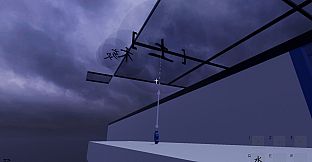
ShuiMu Ⅱ is a two-player cooperative puzzle adventure game built around the creative combination of Chinese characters. Players work together in a world where hanzi components become tools for solving environmental challenges through real physical and chemical reactions. The game emphasizes collaboration between two participants who each control a distinct gear as they navigate puzzles and mechanisms.
Gameplay
The core loop centers on exploration and creation. Two players move through levels while gathering individual hanzi parts scattered along the path. Success depends on pairing these parts into complete characters that trigger tangible effects in the environment. A formed character might generate force to move objects, create reactions to alter terrain, or produce other interactions needed to clear obstacles.
Each puzzle requires precise timing and shared ideas. One player might position their gear to deliver a component while the other assembles it at the right moment. The system rewards experimentation with different combinations, turning language elements into functional abilities that interact with the surrounding world. This approach blends puzzle solving with light strategy as players plan sequences of character formations to progress through sections filled with intricate devices and barriers.
Control involves maneuvering the two gears in tandem. The gears serve as the primary means of movement and interaction, allowing players to reach elevated areas, activate switches, or position themselves for character assembly. The visual style presents a stylized setting where the beauty of the environment ties directly into the hanzi mechanics, making every successful combination feel like a discovery within the world itself.
Game Modes
ShuiMu Ⅱ focuses on cooperative play designed specifically for two participants. Sessions support both local and online co-op, letting pairs play side by side or remotely. The structure centers on joint puzzle progression rather than competitive elements or solo campaigns.
Within this cooperative framework, players tackle sequential challenges that build on previous combinations. There are no separate competitive modes or single-player variants confirmed. The emphasis remains on synchronized teamwork as the two gears and the characters they form become the only reliable way to overcome the designed obstacles.
Cooperative Puzzle Design
Every level integrates hanzi creation with environmental interaction. Players must identify which parts to collect and how to combine them to produce the needed effect. Some puzzles involve multiple steps where an initial character reaction opens access to further components for a larger solution. This layered approach tests both individual creativity and the ability to communicate ideas quickly during play.
The mechanics encourage repeated attempts at different pairings. A single set of parts can yield multiple outcomes depending on order and context, adding replay value to each area. The game avoids direct combat or racing elements, instead channeling all activity through the puzzle-solving process that relies on the two players maintaining close coordination.
Is It Worth Playing?
ShuiMu Ⅱ targets players who enjoy cooperative puzzle experiences centered on language and creative problem solving. The two-player requirement makes it ideal for pairs seeking a shared activity that rewards communication and joint experimentation rather than individual skill alone.
Because the game remains in a pre-release state with no completed reviews or player statistics available, its long-term reception cannot yet be assessed. Those drawn to hanzi-based mechanics and cooperative environmental puzzles will find the described systems align closely with that interest. Availability is currently limited to wishlist status on its platform, with release details pending.
The title suits casual sessions focused on discovery and teamwork. Its strength lies in the direct link between character formation and in-game consequences, offering a distinct puzzle style that stands apart from traditional matching or physics games. Pairs comfortable with Chinese language elements or willing to explore combinations visually will likely appreciate the core loop most.