


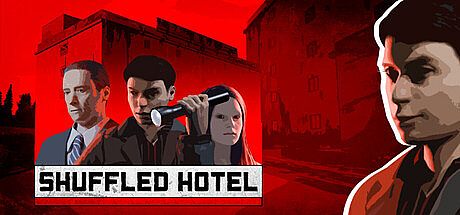


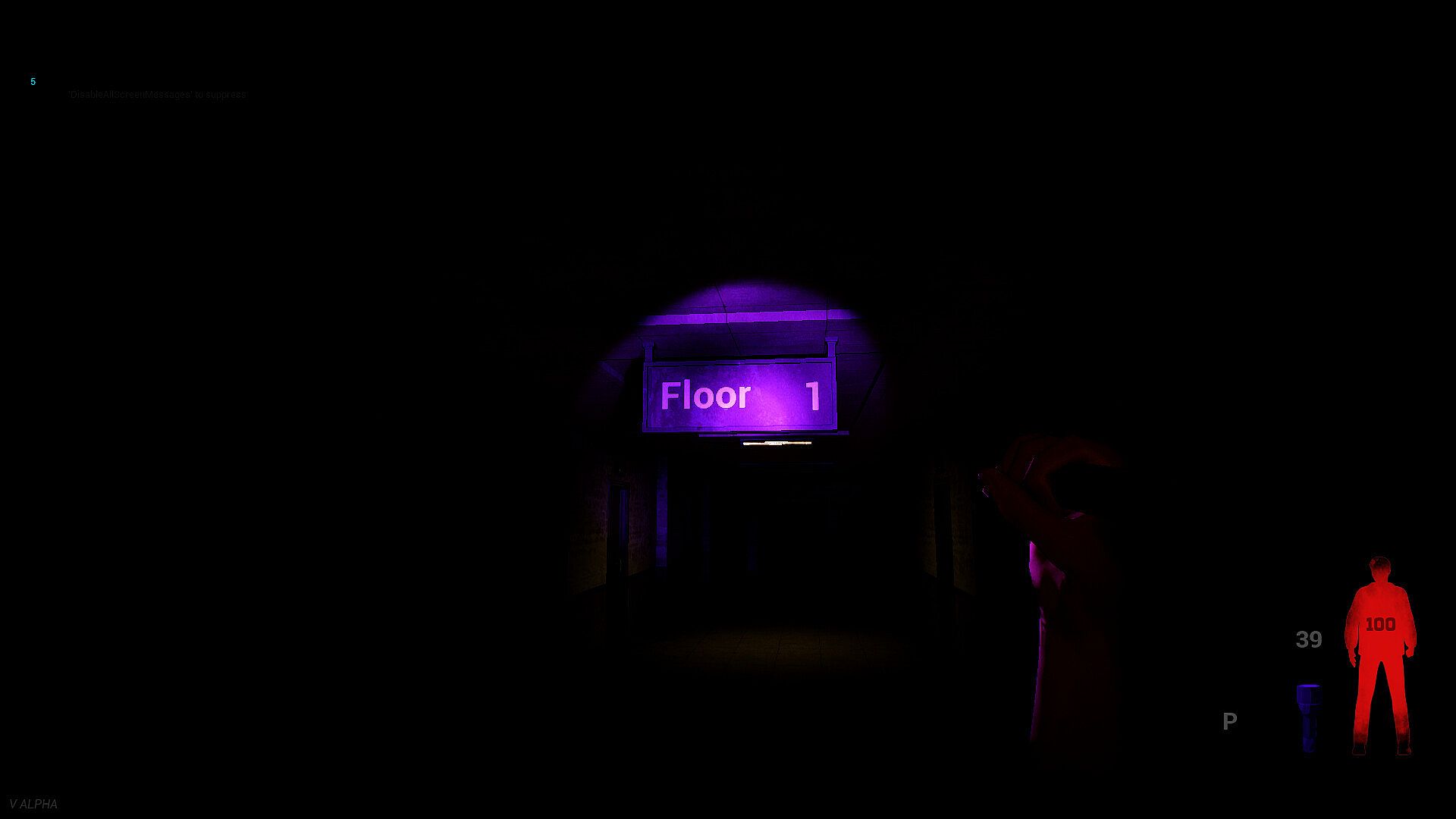
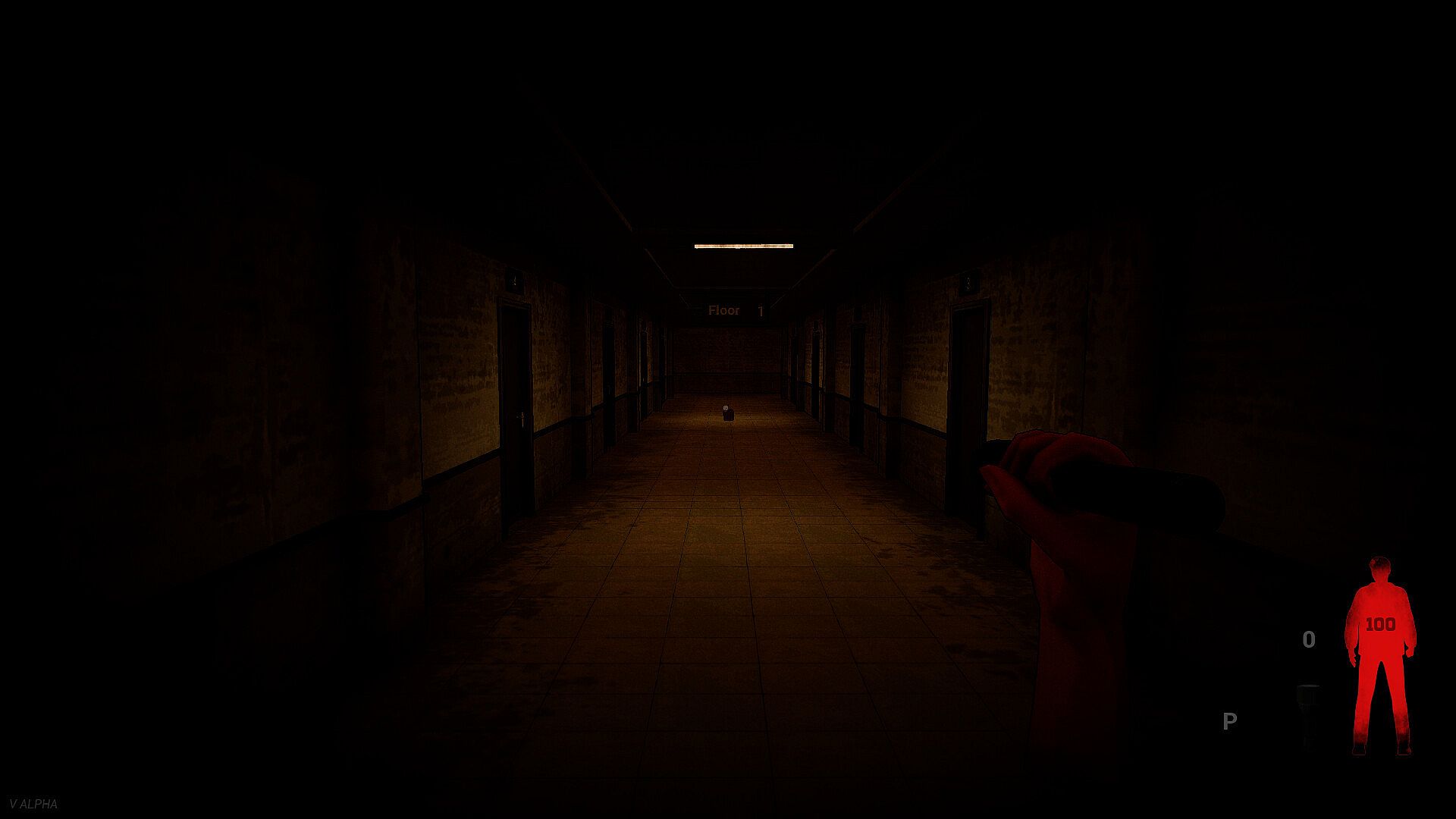
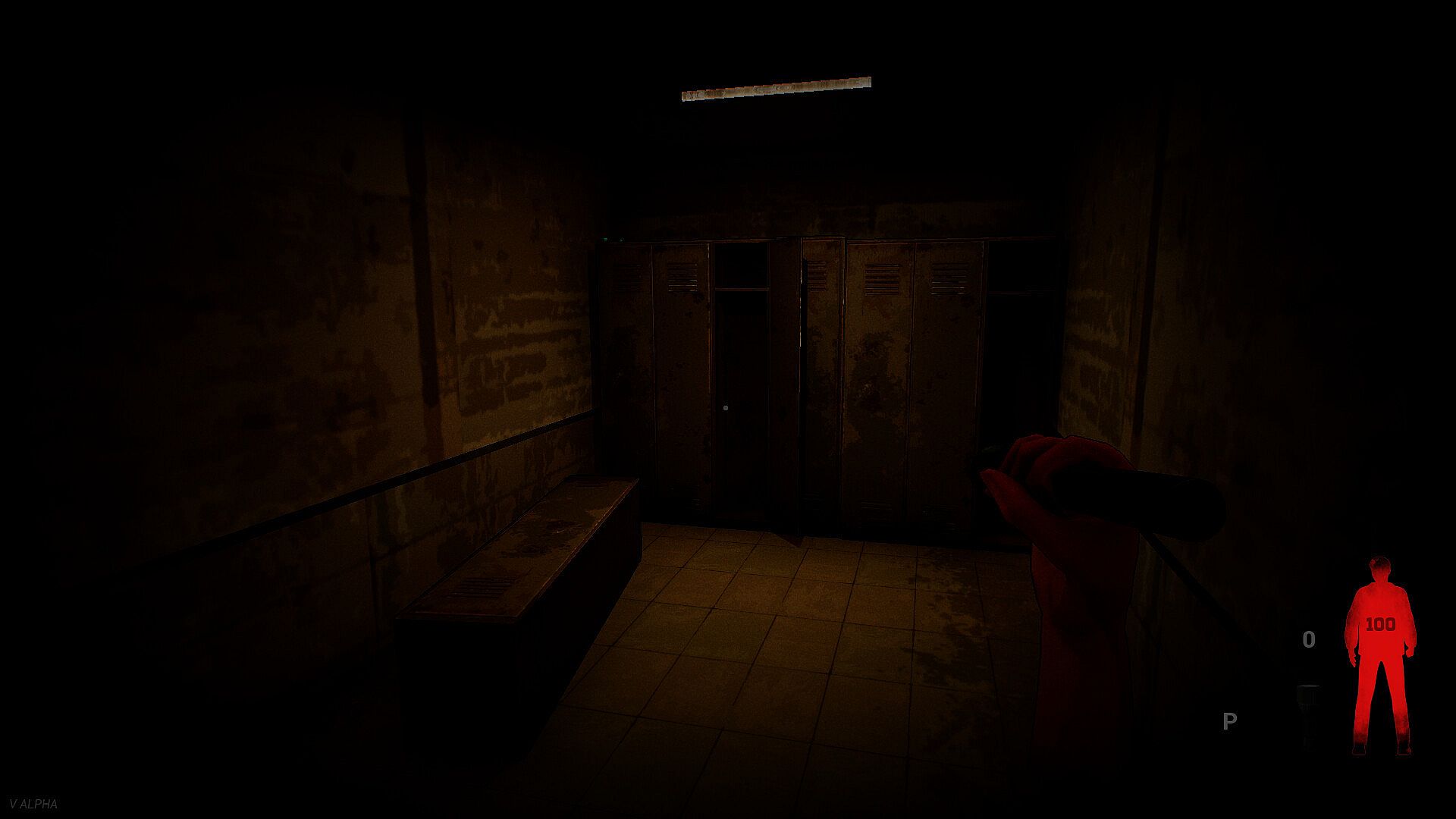
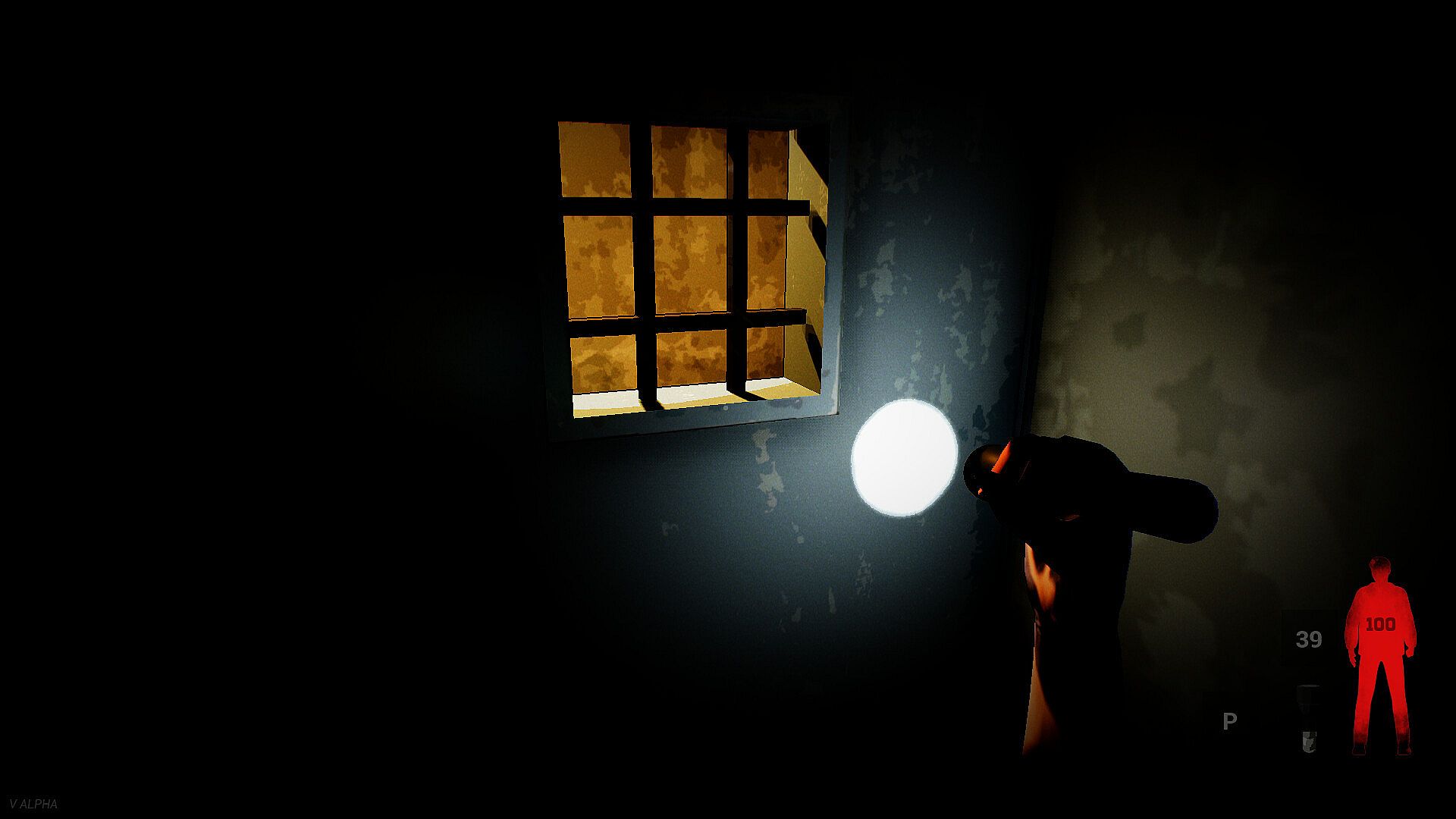
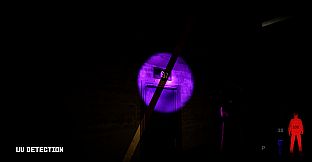
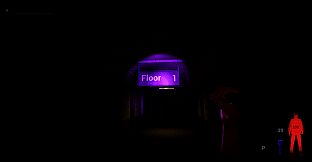
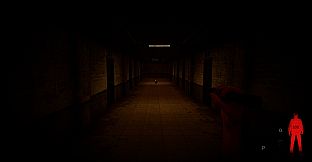
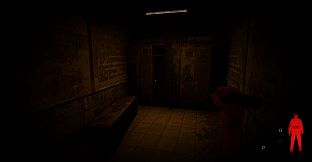
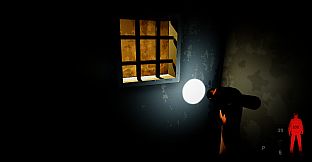
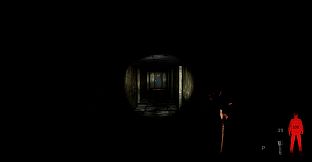
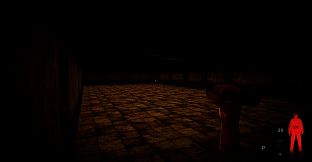
Shuffled Hotel is a first-person psychological horror and puzzle game developed as an indie title for PC. Players step into the role of someone drawn into a building that rearranges its layout according to a strict internal pattern, turning exploration into a test of observation and logic rather than memory or speed.
Gameplay
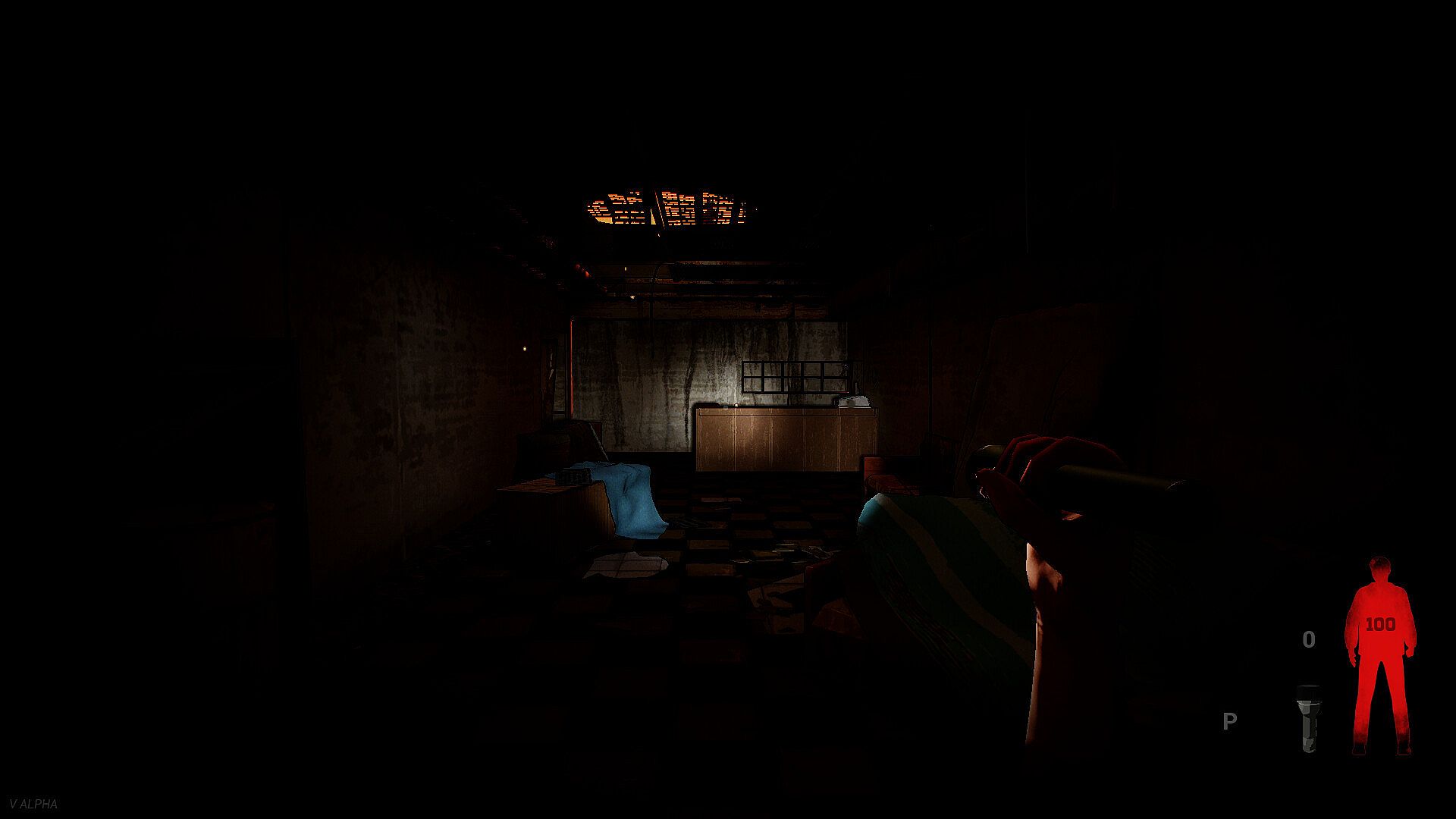
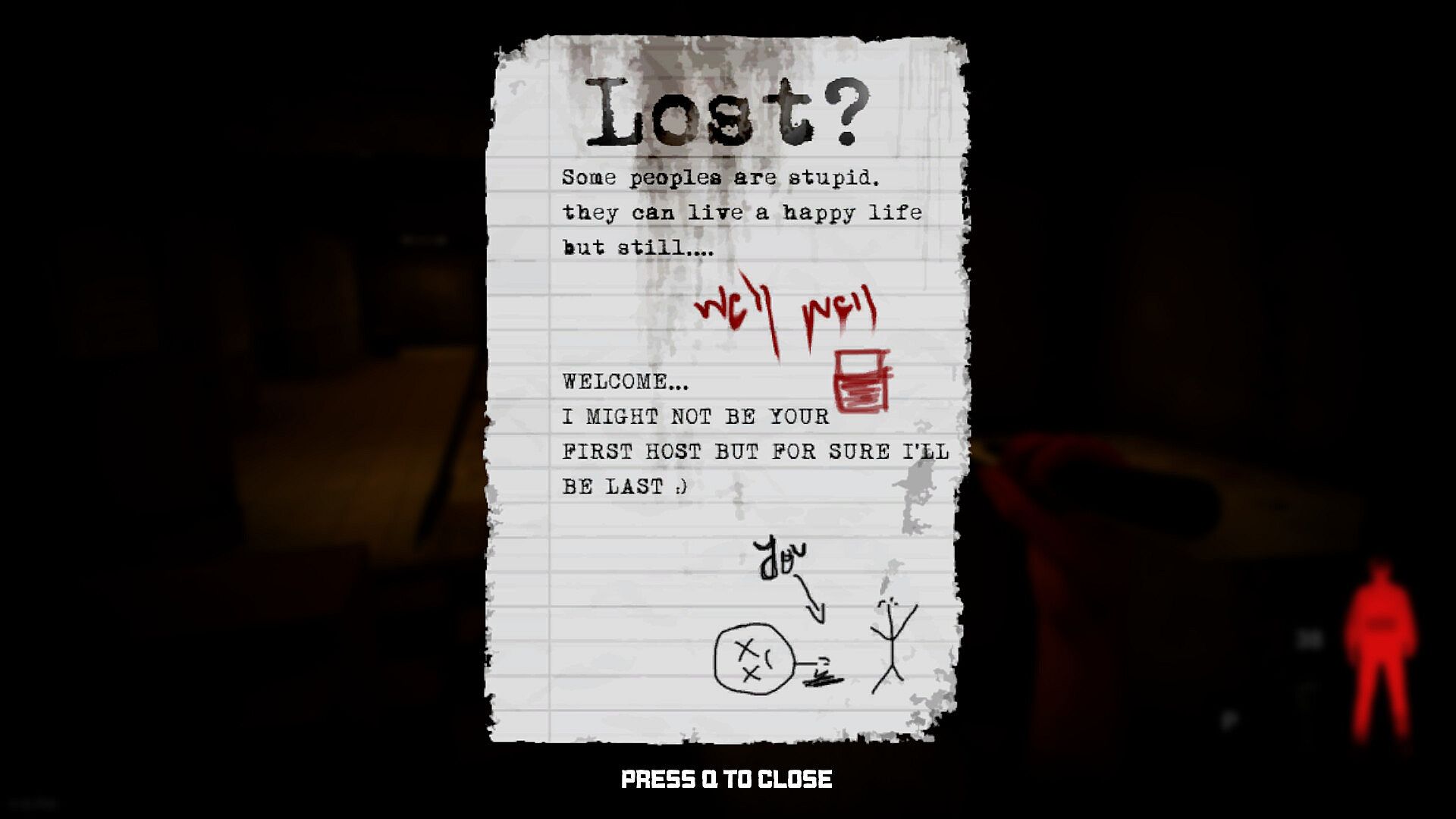
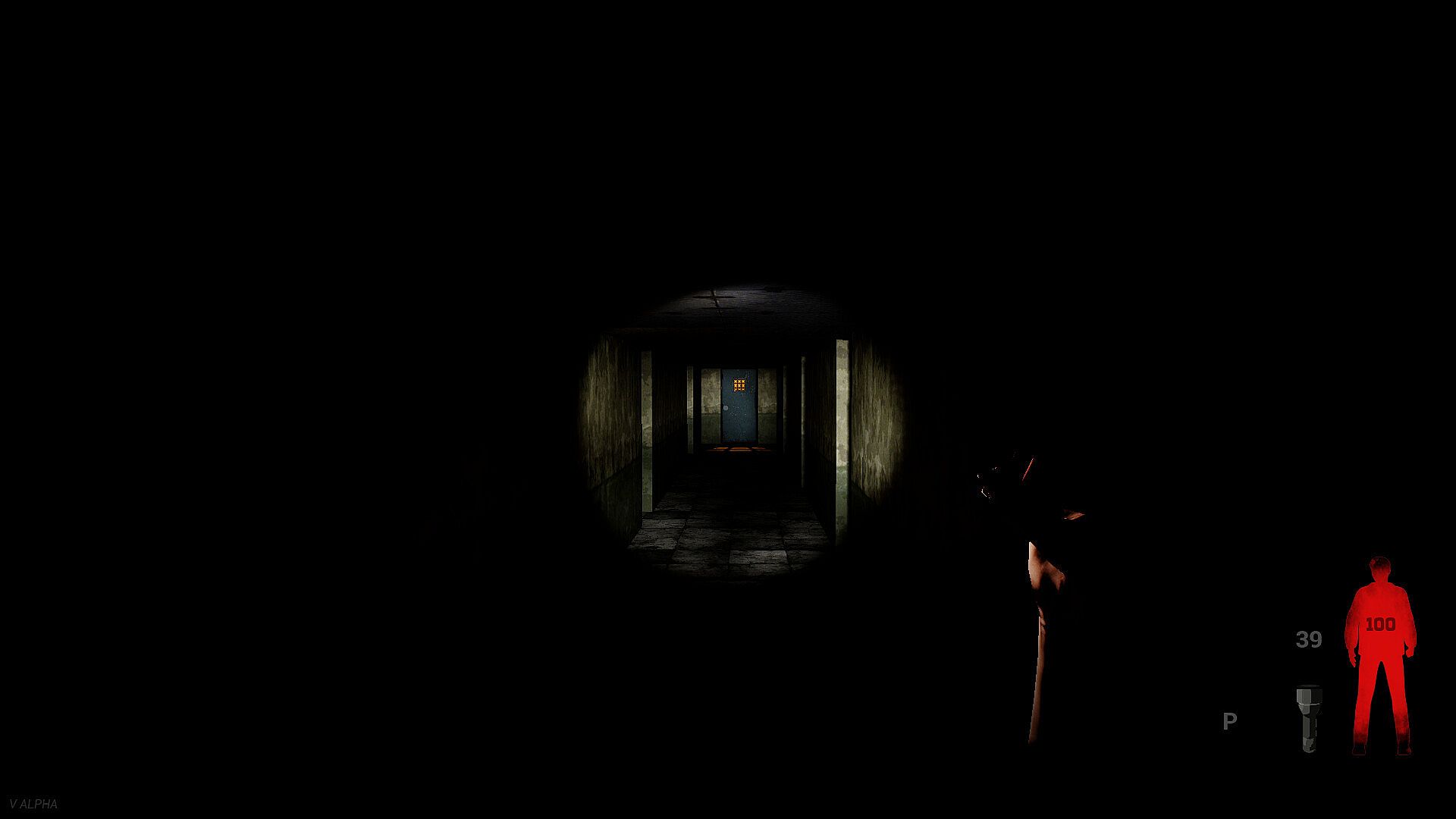
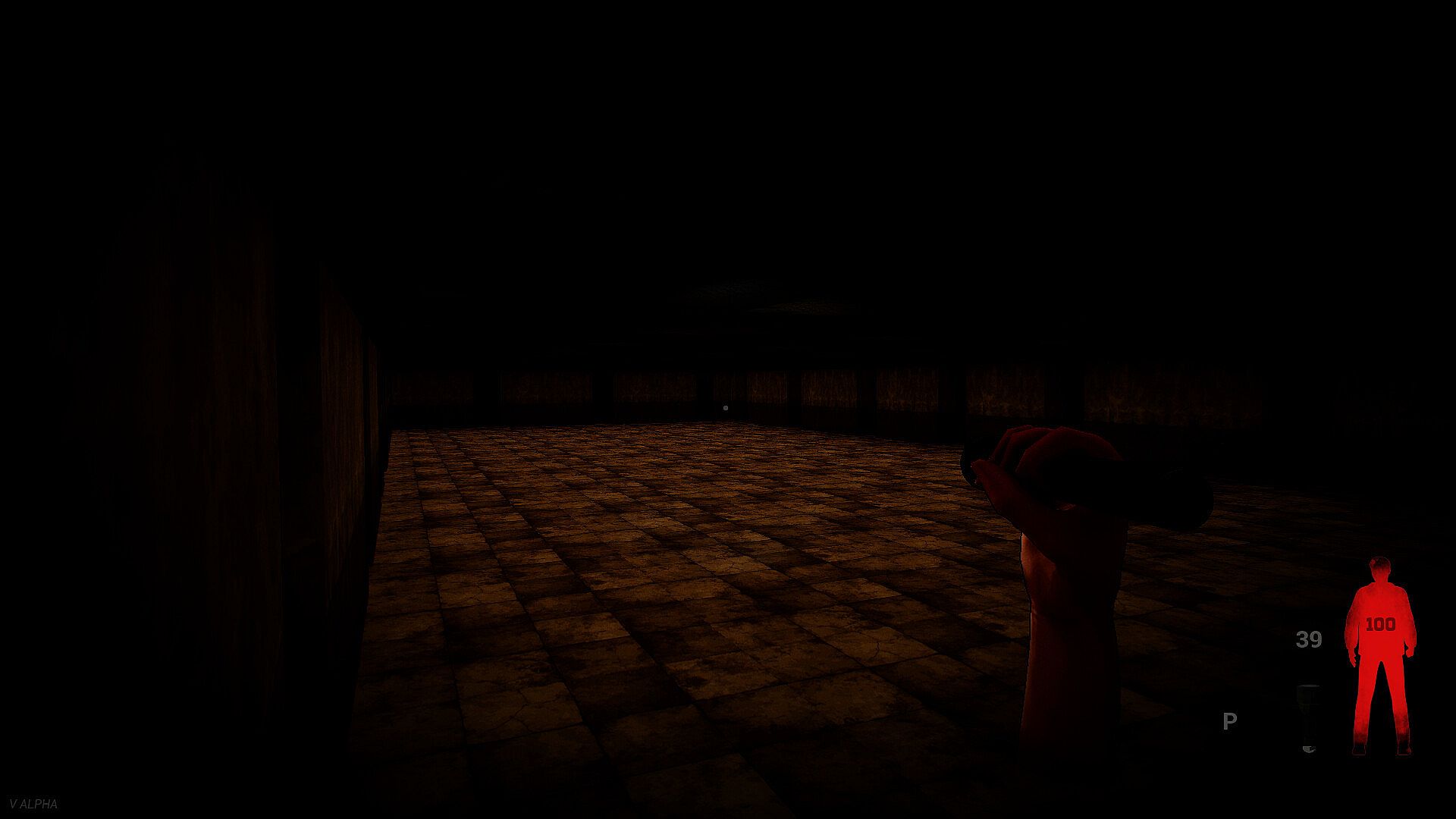
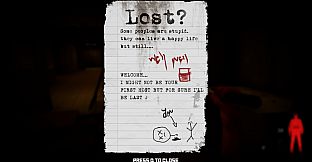
The core loop centers on navigating corridors and rooms that shift without warning. Memorization offers no advantage because the hotel follows its own rigid sequence, forcing constant reassessment of the environment. A failing flashlight provides limited visibility, while scattered homework assignments and printed notes serve as the primary sources of information. These documents contain cryptic clues about a past tragedy tied to the building's former owner, and players must connect details across multiple encounters to uncover an escape formula.
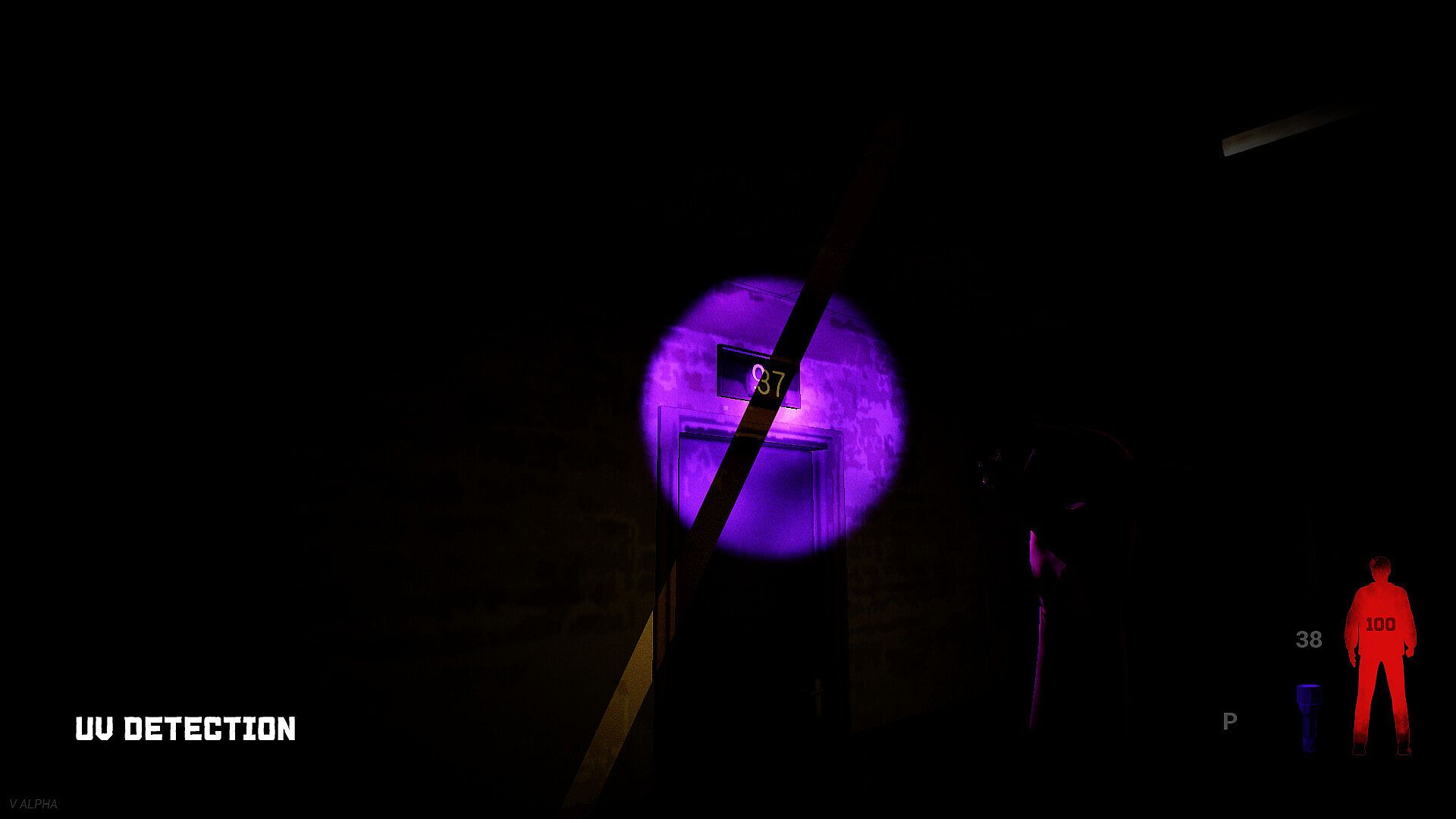
Environmental changes act as both hazards and indicators. Subtle shifts in furniture placement, wall markings, or terminal outputs signal when the layout is about to change, rewarding careful attention over quick movement. Mathematical and logical puzzles appear through the notes and printer outputs, where misreading a pattern leads to dead ends or worse. The flashlight's deteriorating state adds pressure, requiring players to manage its use while hunting for new clues in plain sight.
Game Modes
Shuffled Hotel presents a single continuous experience without separate modes or branches. The entire session unfolds as one unfolding test within the shifting structure, where progress depends on piecing together the hotel's pattern through repeated observation and note collection. No cooperative or competitive elements exist, keeping the focus entirely on individual problem-solving and survival within the hostile architecture.
Story and Atmosphere
Environmental storytelling drives the narrative. Abandoned records and messages left in hallways reveal fragments of a decades-old event connected to the hotel's owner. These elements emerge naturally during exploration rather than through direct exposition, building a sense of dread through implication. The calculated hostility of the building itself becomes the central antagonist, with every rearrangement reinforcing the idea that escape requires decoding an underlying system rather than brute force.
Sound design and visual cues emphasize isolation. The failing flashlight casts unreliable beams across rearranging spaces, while printer outputs deliver terse, unsettling instructions. Players must weigh each step carefully, as the layout never stays static long enough for comfort.
Is It Worth Playing?
Shuffled Hotel suits players who enjoy deliberate, observation-heavy horror experiences built around logic and pattern recognition. Those drawn to psychological tension and environmental puzzles will find the shifting mechanics create consistent pressure without relying on traditional jump scares or combat. The game demands patience and repeated scrutiny of the same spaces as they transform, which rewards methodical playstyles over fast reflexes.
Its indie scale keeps the scope focused on the core loop of note gathering and spatial awareness. Anyone seeking a straightforward narrative or multiple endings may find the singular, pattern-driven structure limiting, but the emphasis on hidden details in plain sight offers depth for attentive explorers. Availability on PC makes it accessible for those interested in short-to-medium sessions centered on unraveling a hostile, rule-bound environment.












