


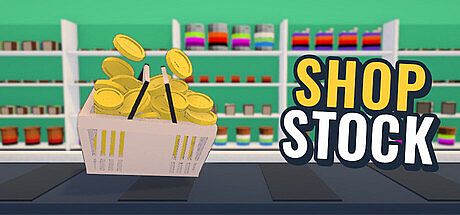






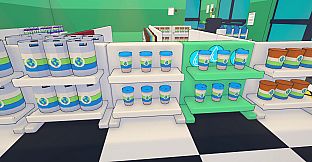
ShopStock is an indie simulation and adventure game for PC in which players manage a retail store by manipulating customer paths and purchases to maximize profits amid tight financial pressures.
Gameplay
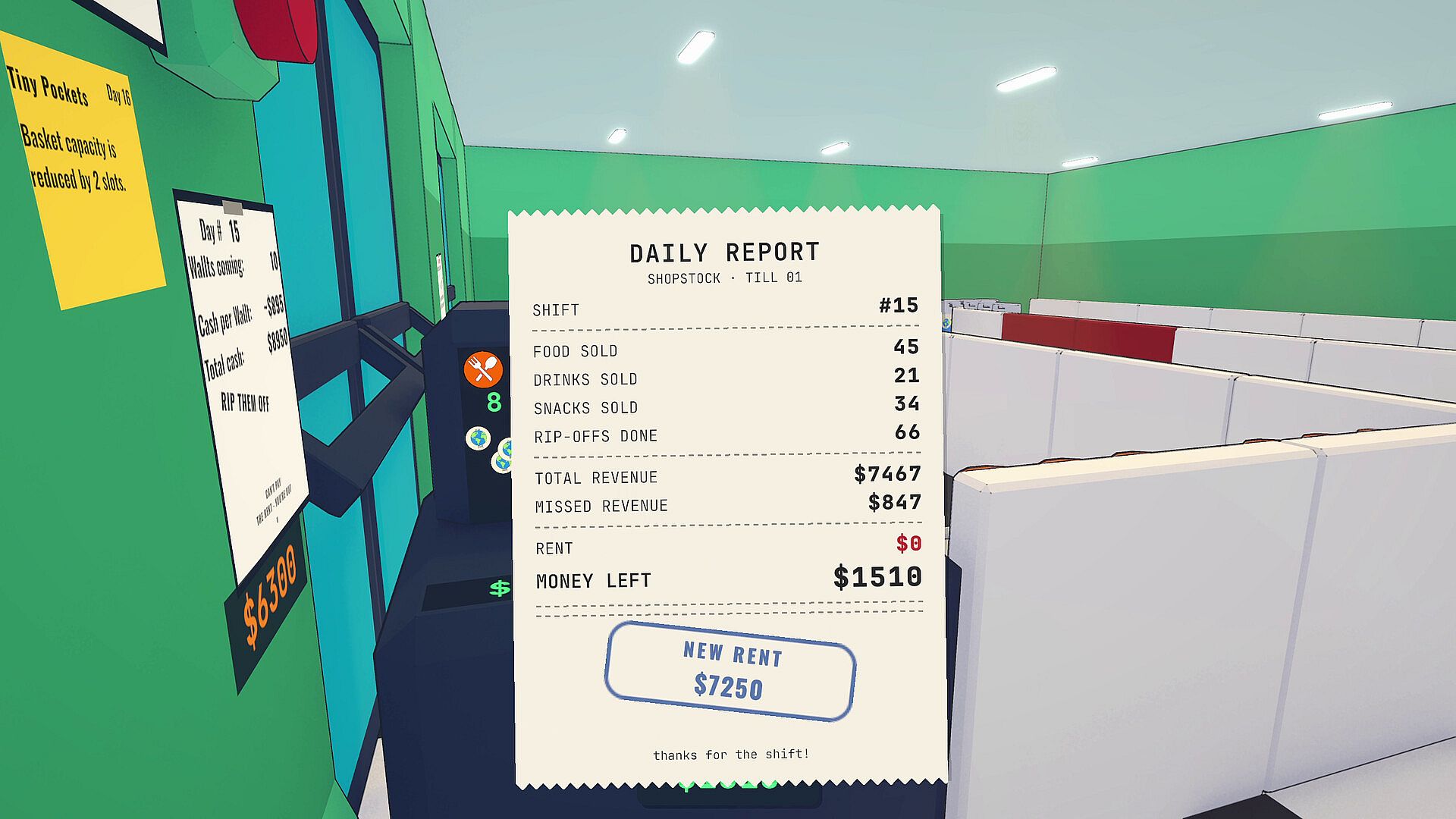
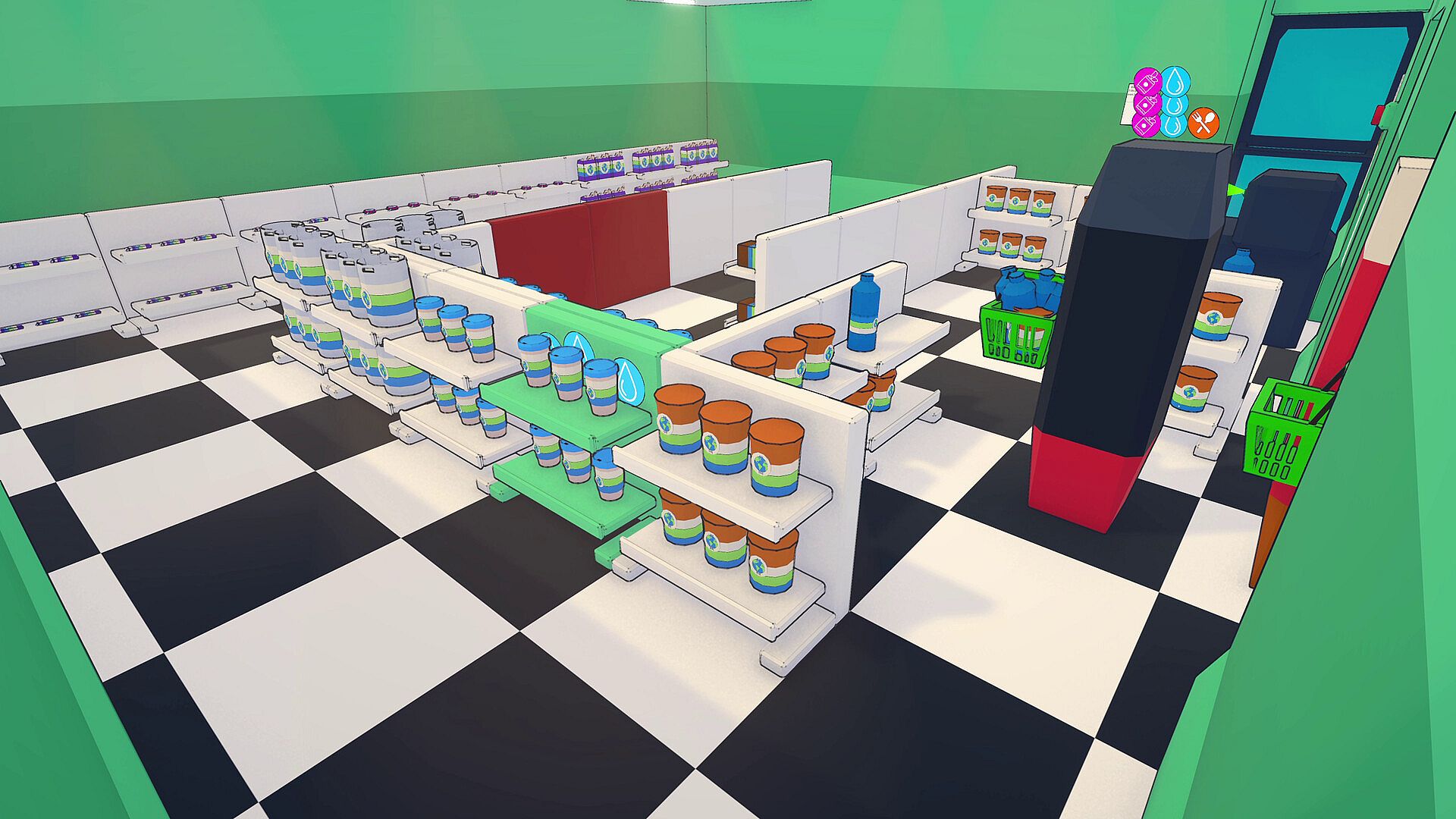
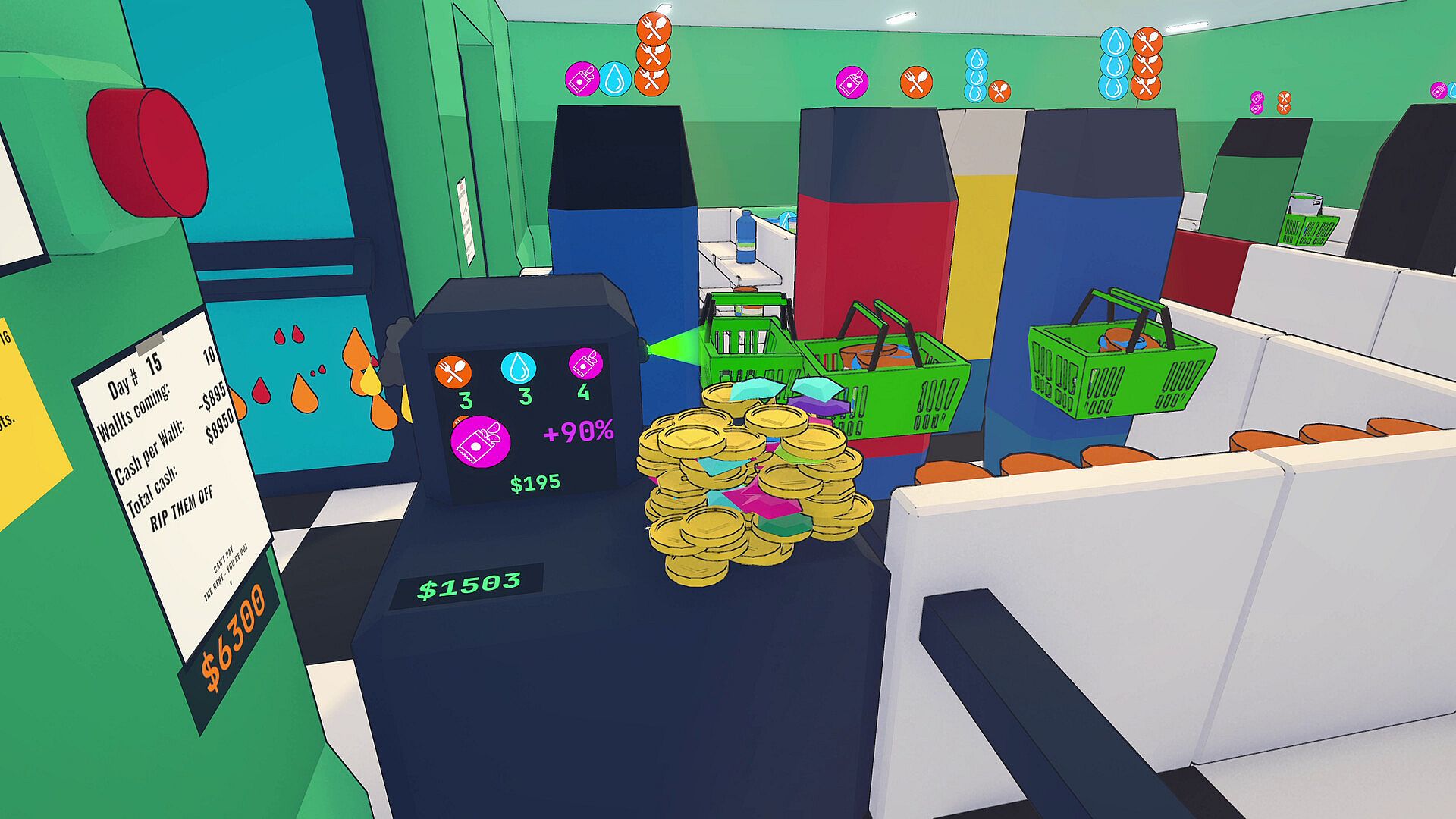
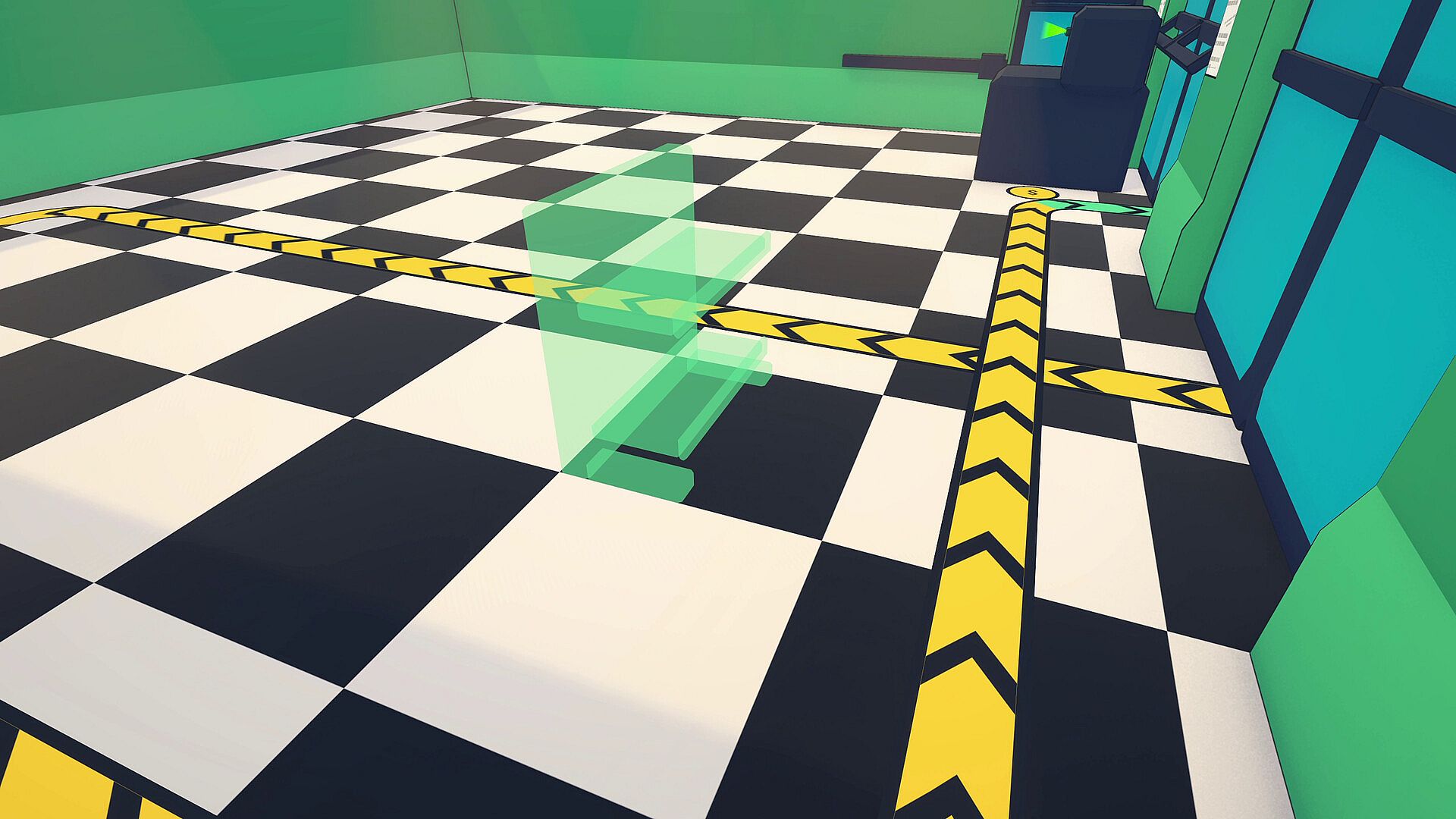
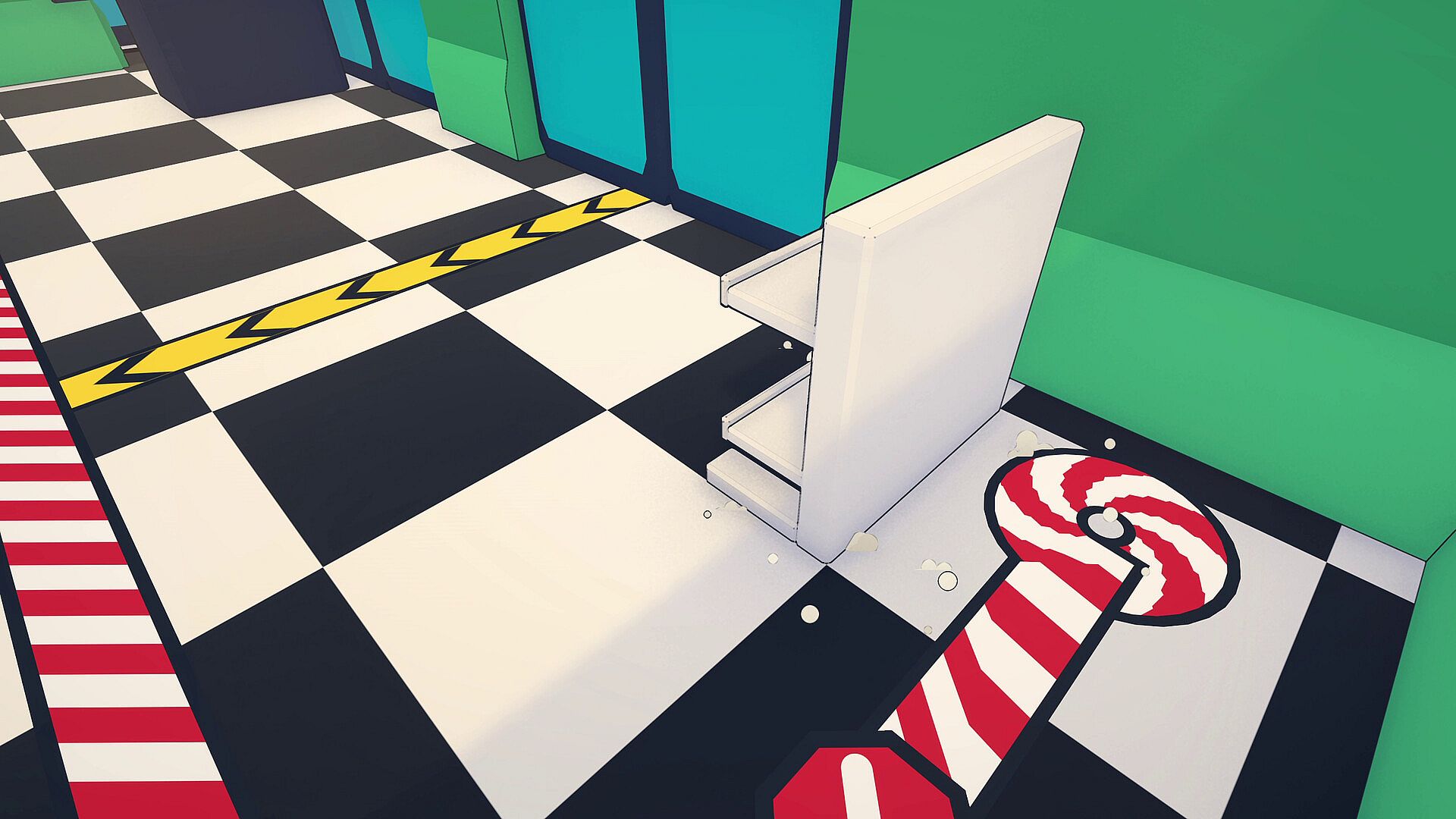
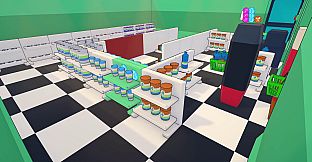
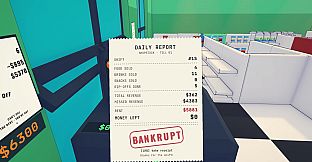
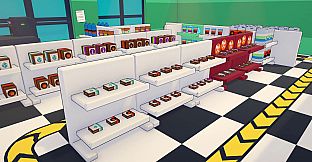
The core loop centers on designing store layouts that guide Wallts, the game's typical customers who impulsively buy items they did not originally intend to purchase. Players arrange shelves into labyrinthine patterns to control movement, direct attention to specific products, and influence cravings through strategic placement. Daily rent payments to the Landlord create constant pressure, requiring precise floor plans that generate enough revenue each shift to avoid immediate eviction.
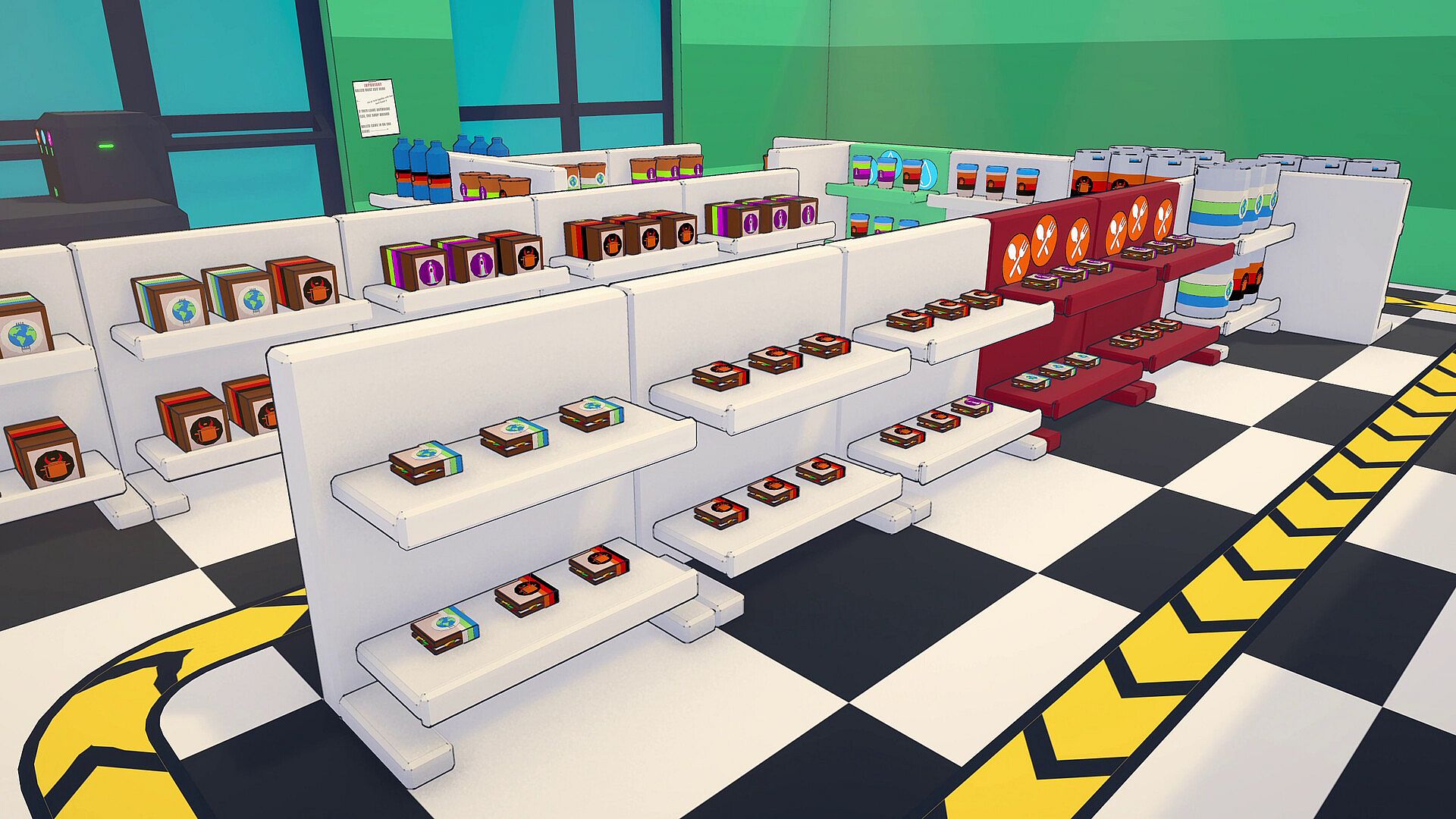
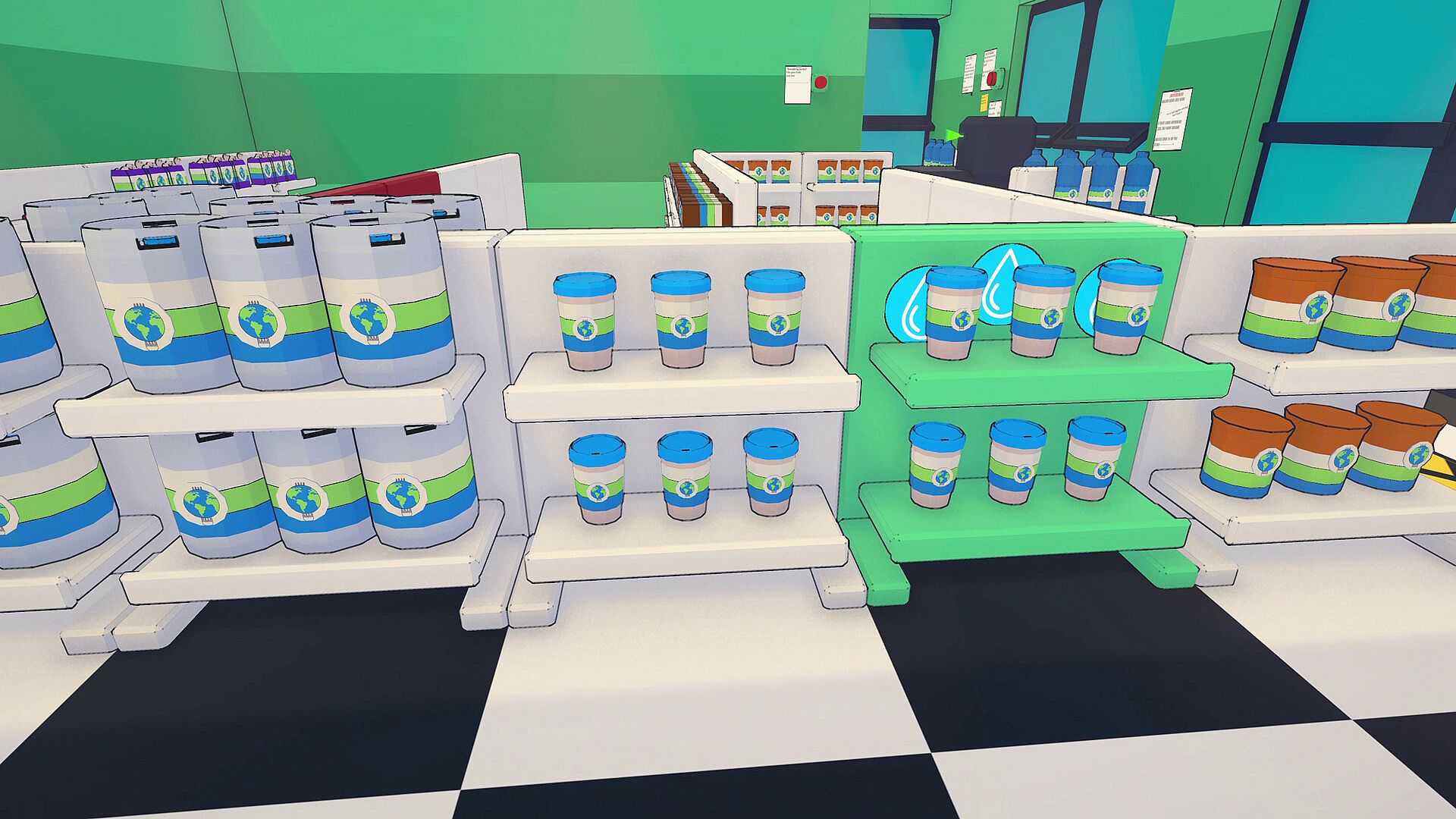
Specialized shelves, product stickers, and shop upgrades form the main tools for optimization. These elements allow players to create conditions where customers fill carts with matching brands or product types, triggering cascading effects at checkout. The calendar provides advance notice of upcoming shifts, enabling adjustments such as prioritizing energy drinks over food when demand shifts or offloading unpopular stock through heavy discounts. Tactile trinkets on the desk deliver gameplay bonuses, while bizarre special shelves alter fundamental rules to favor higher earnings.
Game Modes
ShopStock operates through a sequence of daily shifts that function as self-contained management challenges. Each shift demands adaptation to the forecasted customer preferences shown on the calendar, with success measured by clearing rent obligations before time expires. The structure emphasizes single-player progression through repeated attempts at refining layouts and inventory choices rather than separate named modes or multiplayer options.
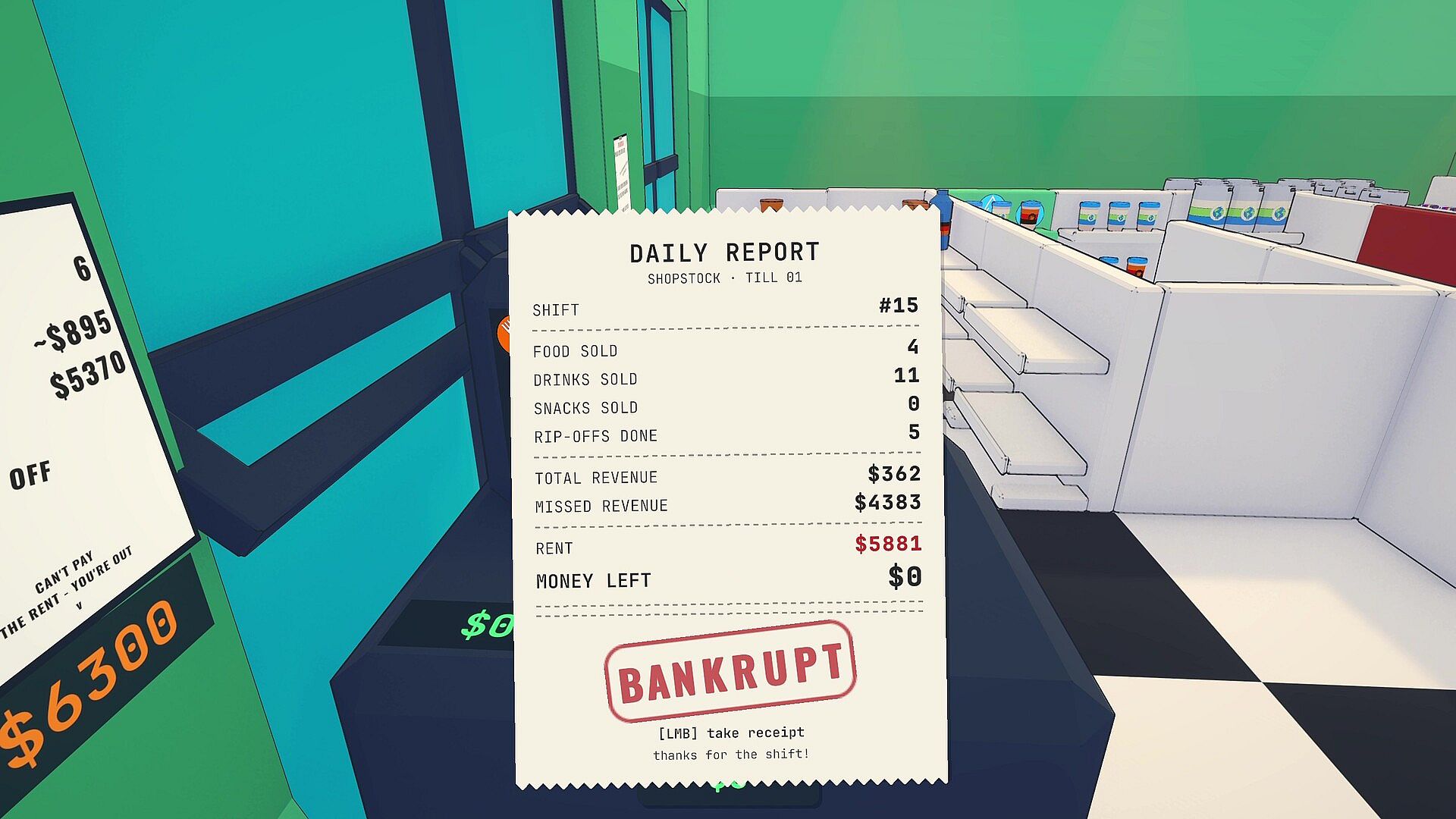
Players experiment with combinations of shelf types, stickers, and upgrades across successive days to build more effective systems. Failure results in eviction, resetting the immediate progress and encouraging new approaches to the same core constraints of space, customer behavior, and profit targets.
Core Mechanics and Systems
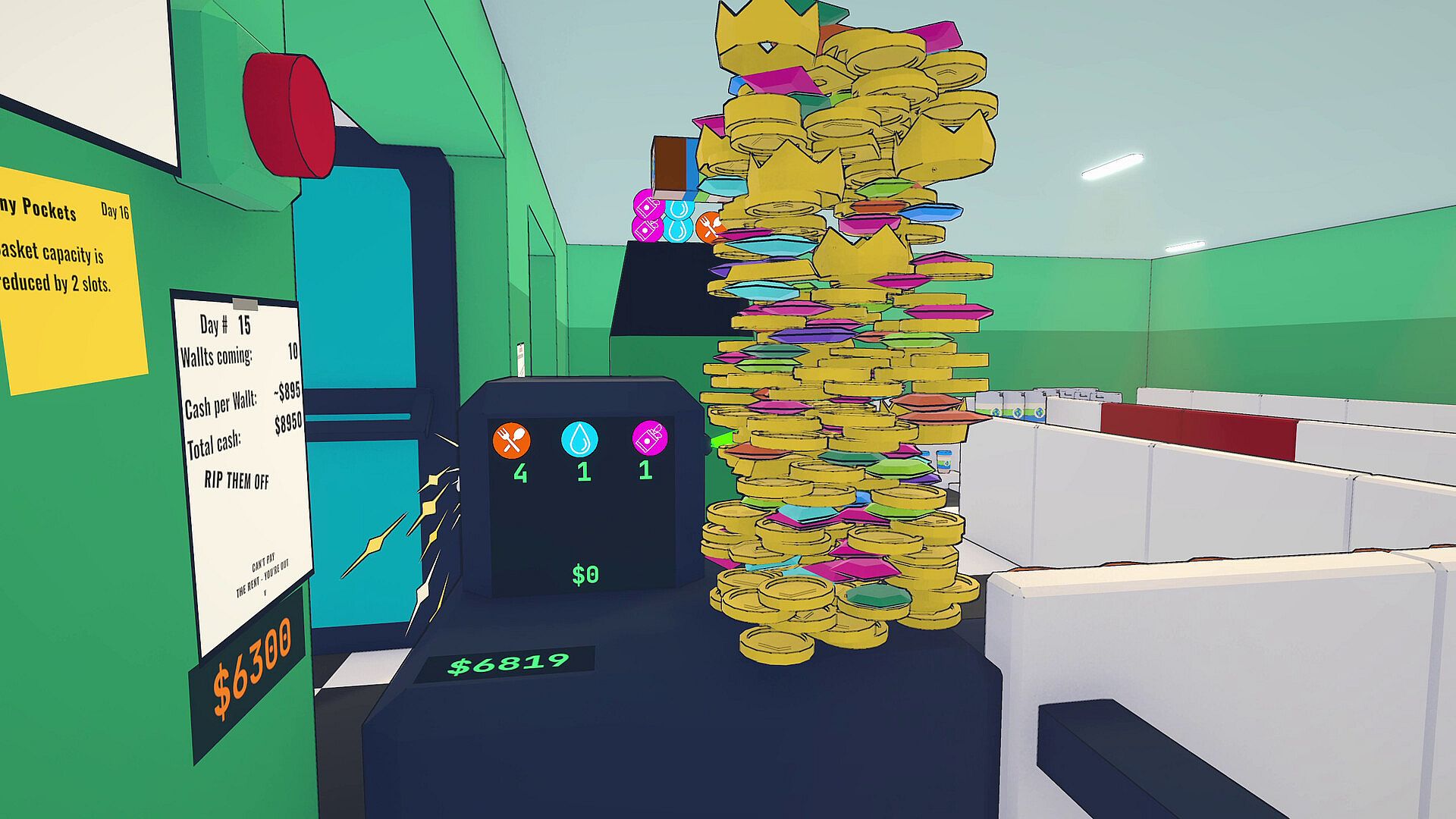
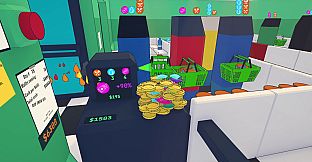
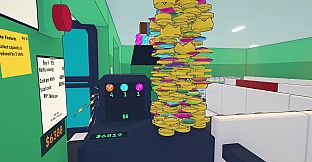
The RIPOFF system drives much of the revenue potential by rewarding players for steering customers toward grouped purchases of identical brands or categories. These groupings activate multipliers at the register that can double the final receipt total. Inventory management involves reacting to external factors like brand cancellations by redirecting stock to sale shelves that still attract buyers.
Shop upgrades expand options for controlling the environment, while the absence of decorative elements reinforces a strictly business-focused approach. Every decision ties directly back to influencing Wallt behavior and ensuring the daily profit threshold is met without waste or miscalculation.
Is It Worth Playing?
ShopStock suits players who enjoy detailed simulation experiences centered on layout strategy, resource management, and incremental optimization in a retail setting. The emphasis on precise customer manipulation and rent deadlines creates a tense, replayable loop that rewards careful planning over broad exploration.
Those drawn to indie titles with focused mechanics and no extraneous features will find the systems engaging through repeated shifts. The game appeals most to fans of management simulations who prefer direct control over paths and purchases rather than open-ended building or narrative elements. Availability on PC makes it accessible for those seeking a compact yet demanding profit-driven challenge.












