



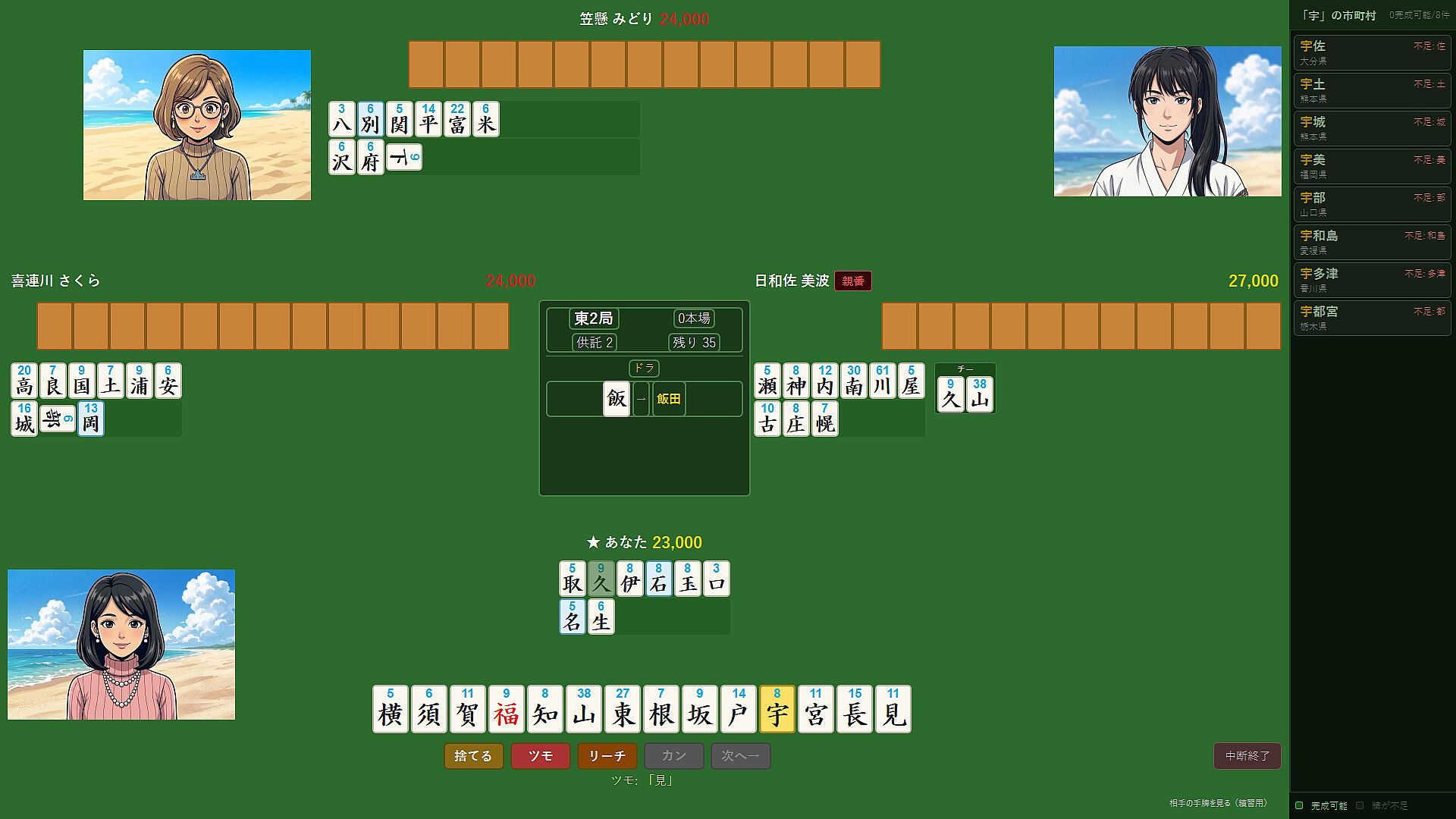
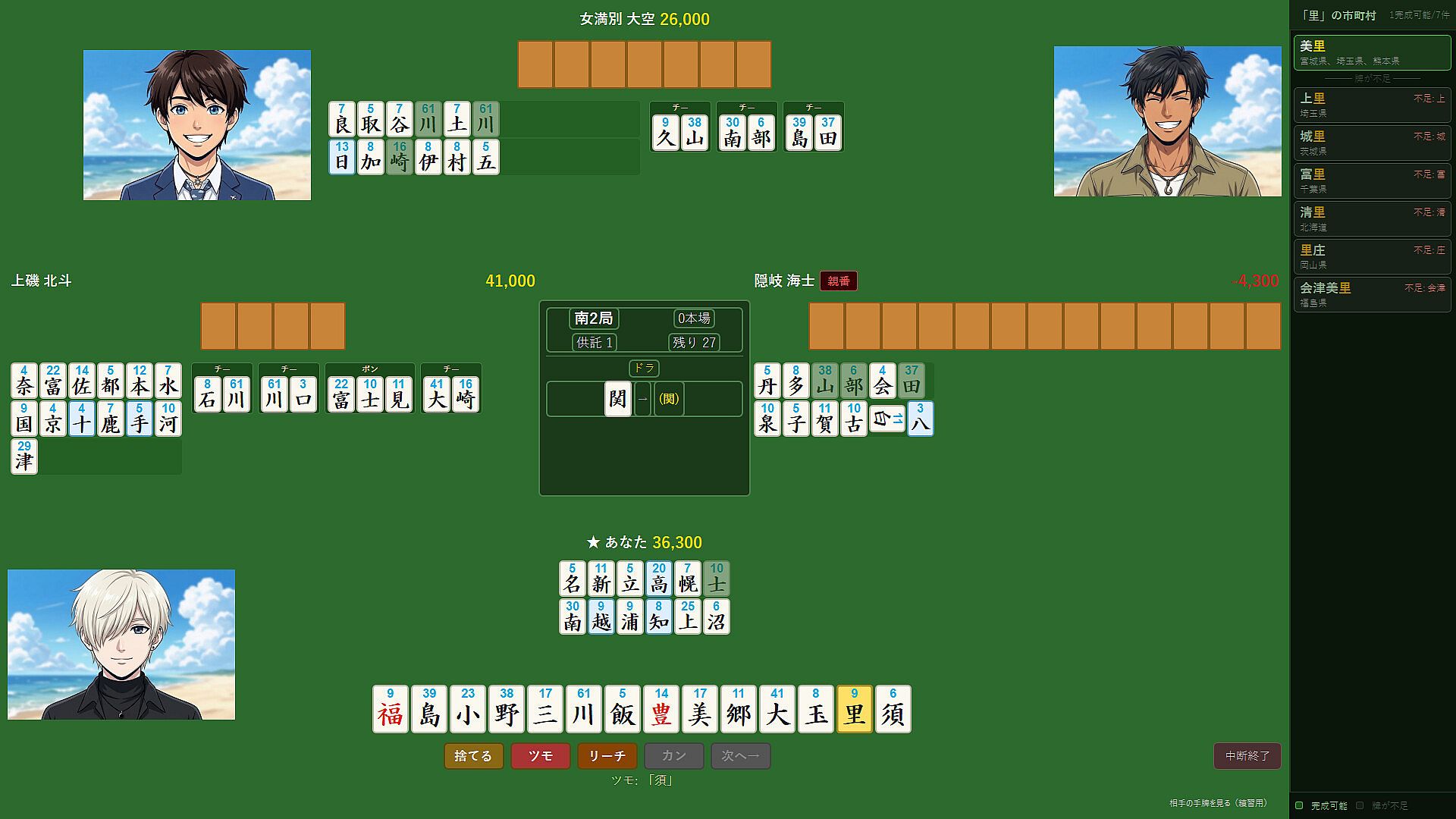

市町村麻雀 is a single-player mahjong variant available on PC that replaces traditional tile suits and numbers with single kanji characters. Players combine these tiles to form the names of real Japanese municipalities rather than standard melds. The game runs exclusively in Japanese and draws from a pool of 606 actual city, town, and village names across the country.
Gameplay
The core loop follows standard Japanese mahjong rules while swapping the meaning of every tile. There are 114 distinct tile types and 136 tiles in total, each bearing one kanji. A winning hand requires arranging all 14 tiles into valid municipality names instead of the usual chows, pungs, and kongs. Meld sizes vary because municipality names range from one to four characters, and some single-tile names exist.
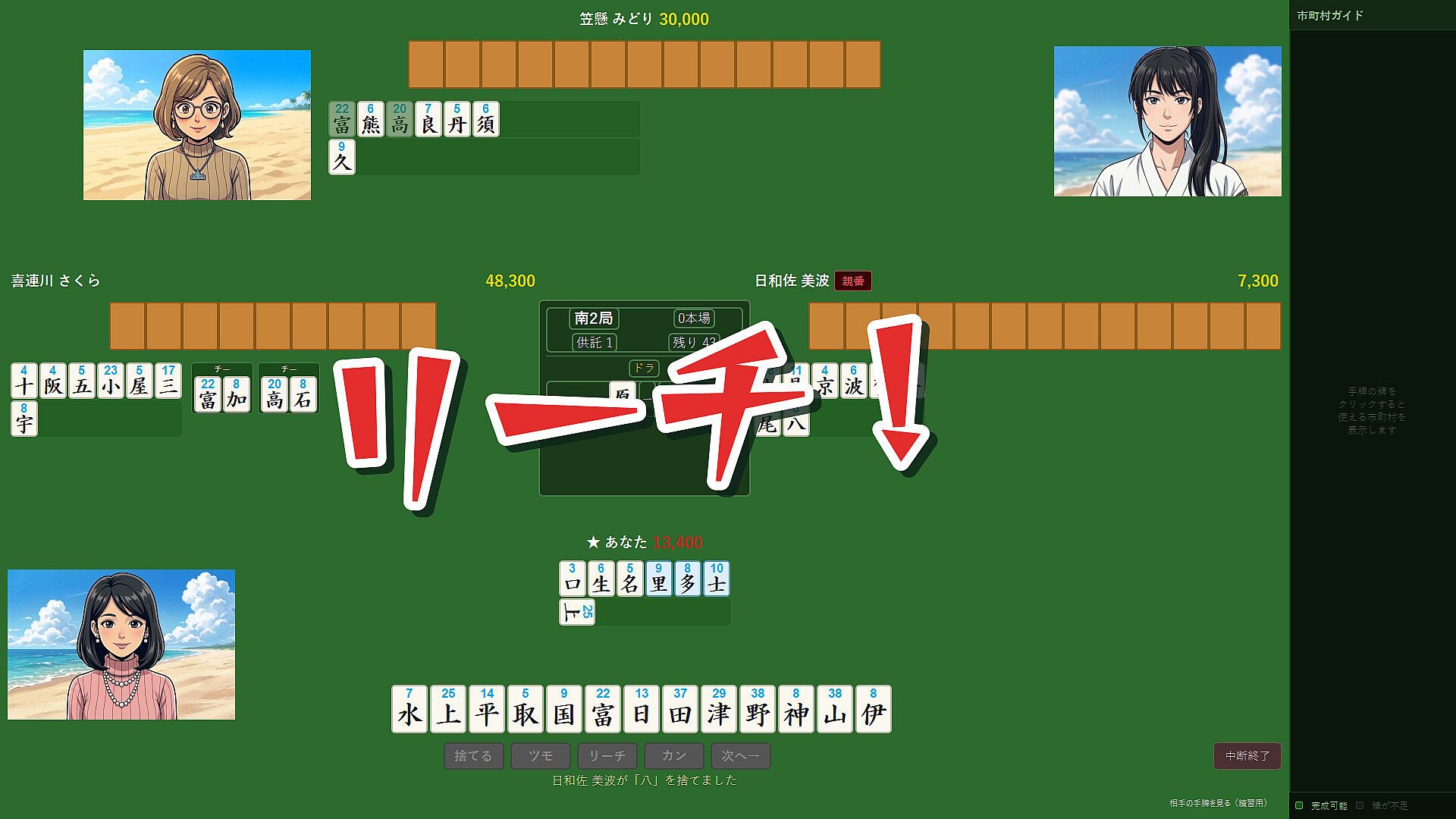
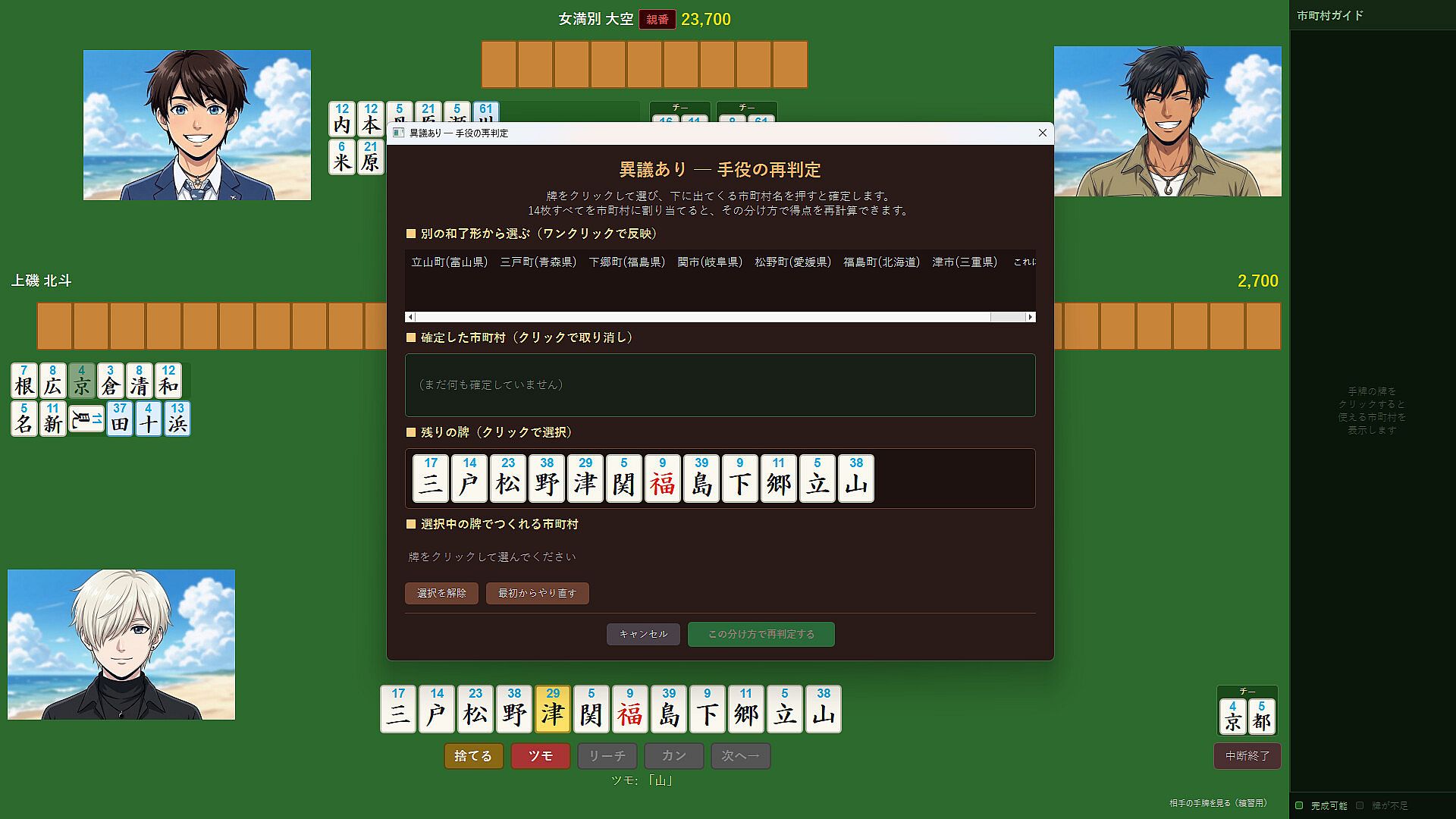
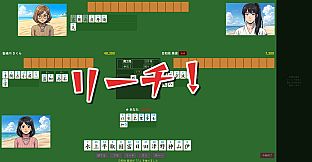
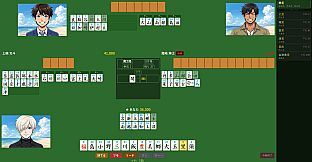
Standard actions remain intact. Players can declare riichi, win by tsumo or ron, and perform chi, pon, or kan. Dora and ura-dora indicators function normally, with the dora display showing a representative municipality. The game tracks frequency numbers on tiles to indicate how many municipalities use each kanji, helping players judge safe discards and avoid overused characters that block certain wins.
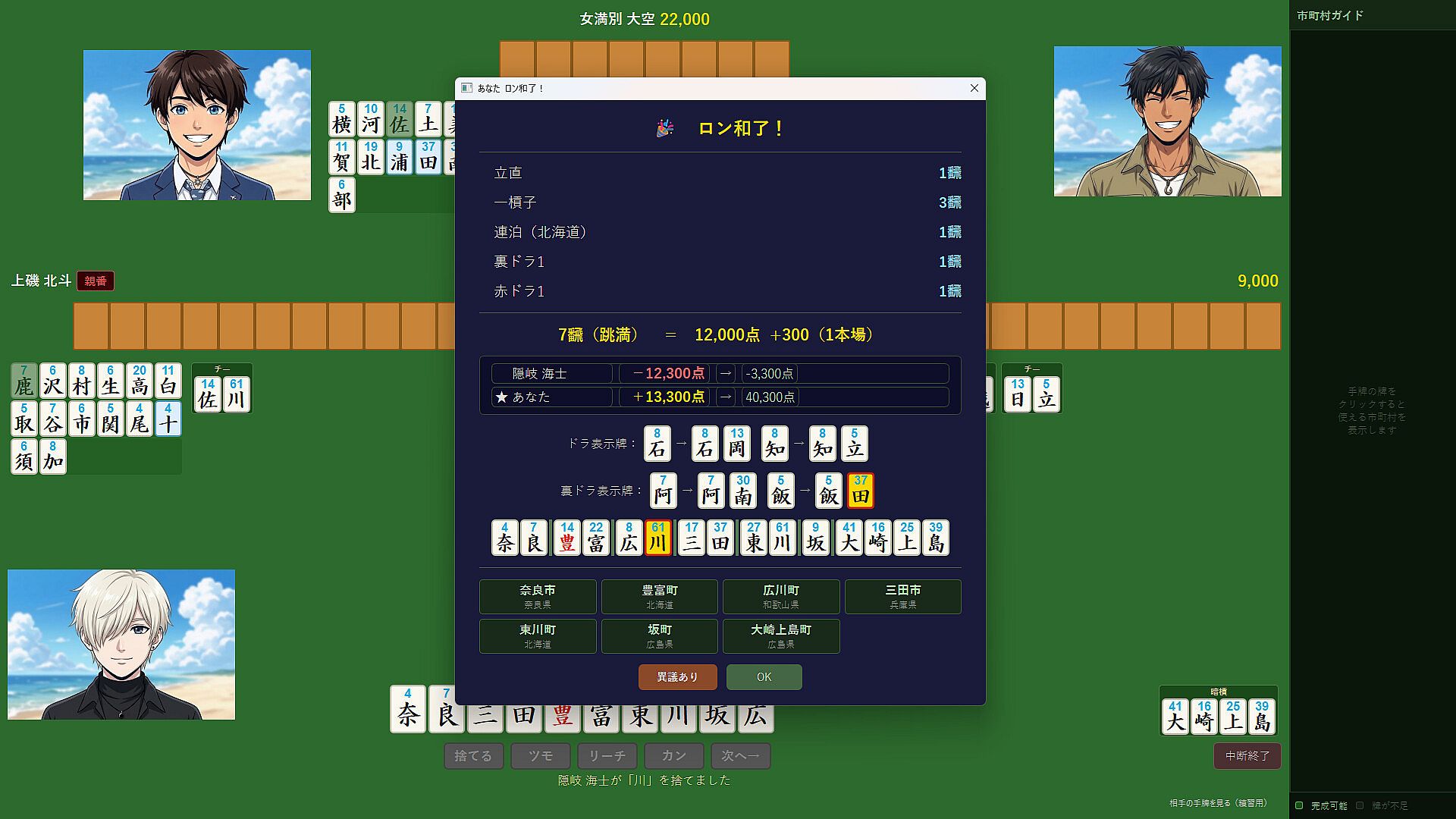
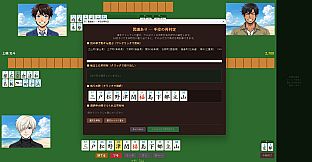
Two special rules add strategic depth. The 異議あり button lets players override the automatic division of a 14-tile hand into municipality groups when the system chooses a different split than intended. The game also enforces restrictions on repeated characters in two-character names to prevent trivial completions.
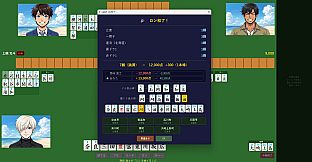
Special scoring combinations reward geographic themes. These include collecting municipalities from the same prefecture, the same region, or avoiding all of Honshu entirely. Completed hands display the specific location or region where the hand formed.
Game Modes
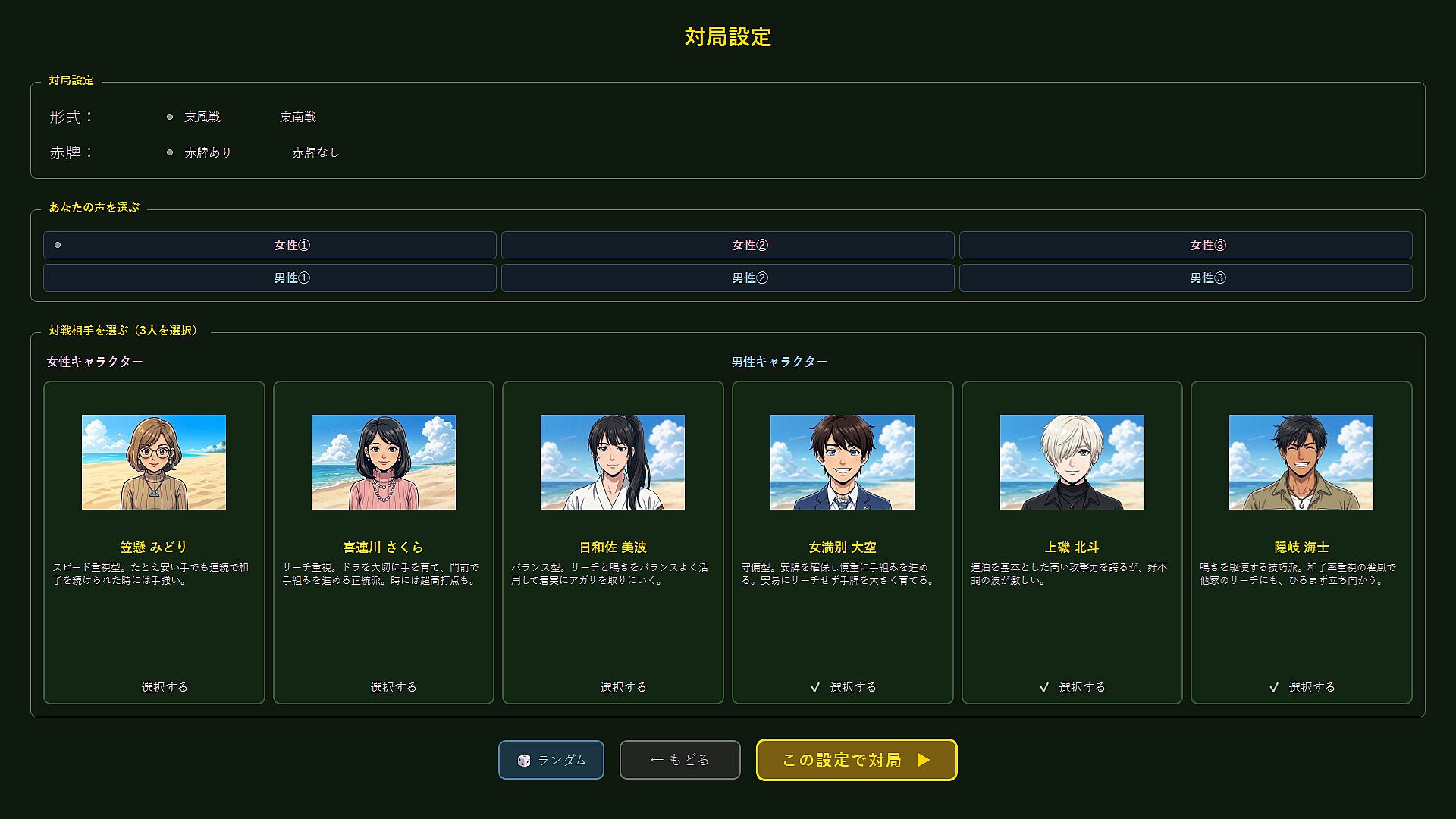
Two match lengths are available. East wind matches consist of a single round, while East-South matches extend to two rounds. Both formats pit the player against three computer opponents in self-contained sessions that require no network connection.
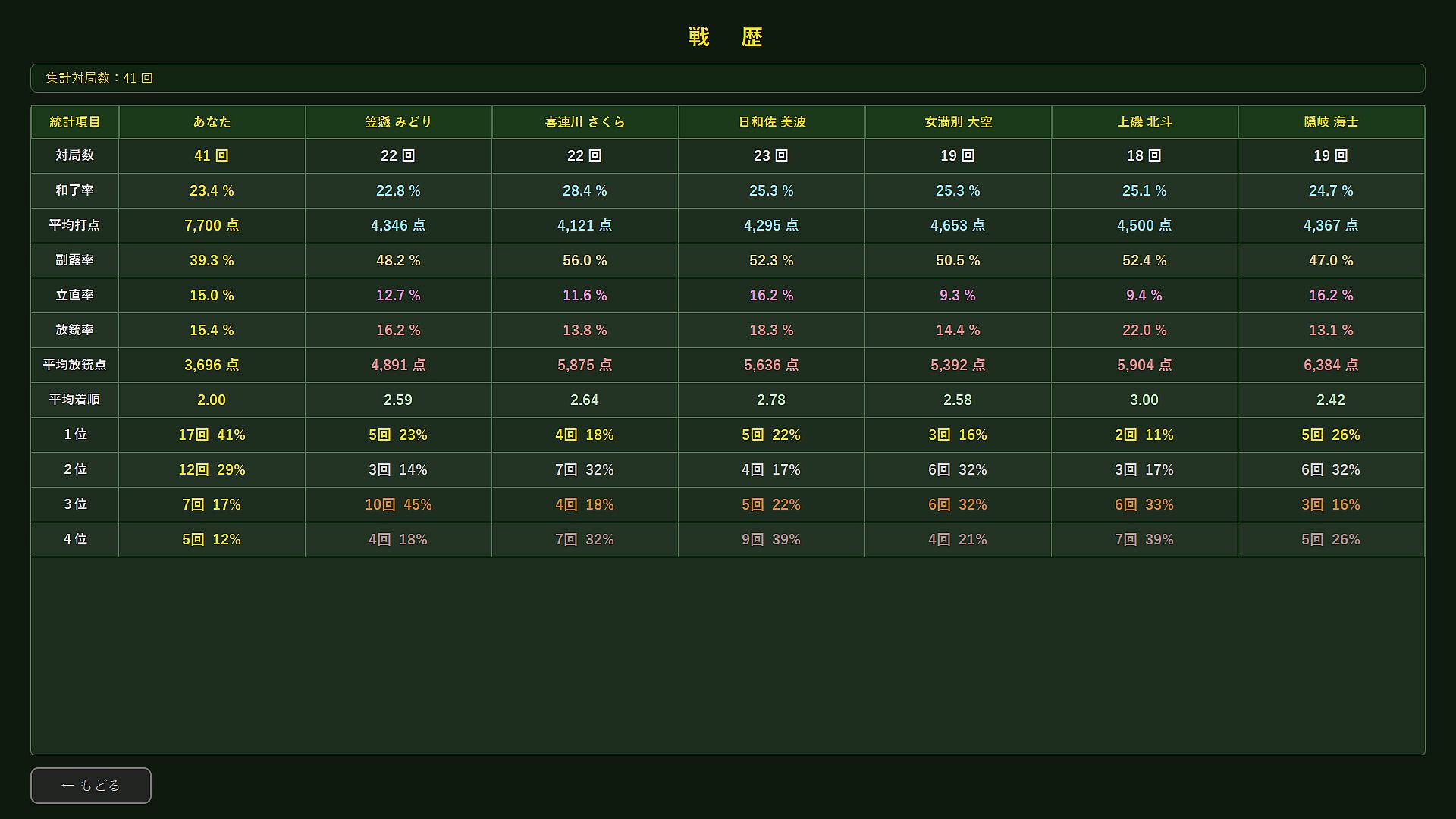
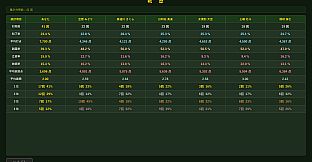
Progress carries over between sessions. A player can exit mid-match and resume from the exact point on the next launch. Opponent selection includes six distinct AI personalities, each with measurable statistics such as placement frequency, win rate, and discard rate. These records update automatically after every match.
Additional Features
A yaku collection system logs every unique scoring combination achieved across all sessions. Players can review personal statistics including final placement, win percentage, and loss percentage. The interface displays these metrics clearly after each match.
The game runs on Windows and contains no additional languages or online components. All content focuses on Japanese municipality names and geography knowledge integrated directly into the mahjong framework.
Is It Worth Playing?
市町村麻雀 suits players who already enjoy mahjong and want a fresh twist that rewards familiarity with Japanese place names. The single-player format against consistent AI opponents provides steady practice without the pressure of live tables. Resume support and detailed statistics encourage repeated sessions focused on improving placement and yaku collection.
Those seeking competitive multiplayer or English-language support will find the experience limited. The game delivers a precise, geography-infused mahjong variant that stays faithful to core rules while introducing meaningful new constraints and scoring layers. Players interested in the intersection of tile strategy and regional knowledge will find the most value here.