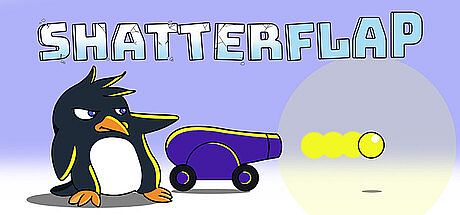


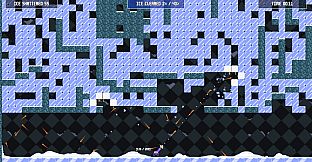
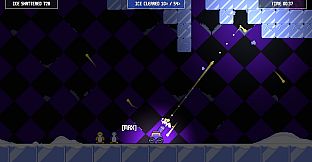
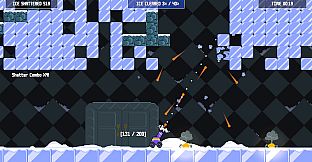
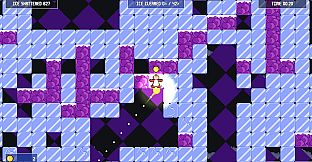
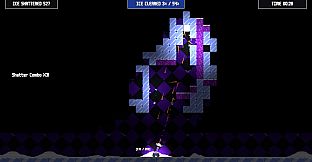
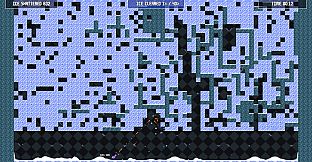
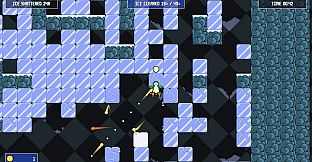
Shatterflap is a physics-based incremental action and strategy game developed for PC. Players fire bouncing balls at towering formations of ice, using ricochets to crack and shatter blocks while navigating changing board layouts. The experience blends precise aiming with long-term progression as each destroyed piece of ice permanently alters the environment and opens new opportunities for future shots.
Gameplay
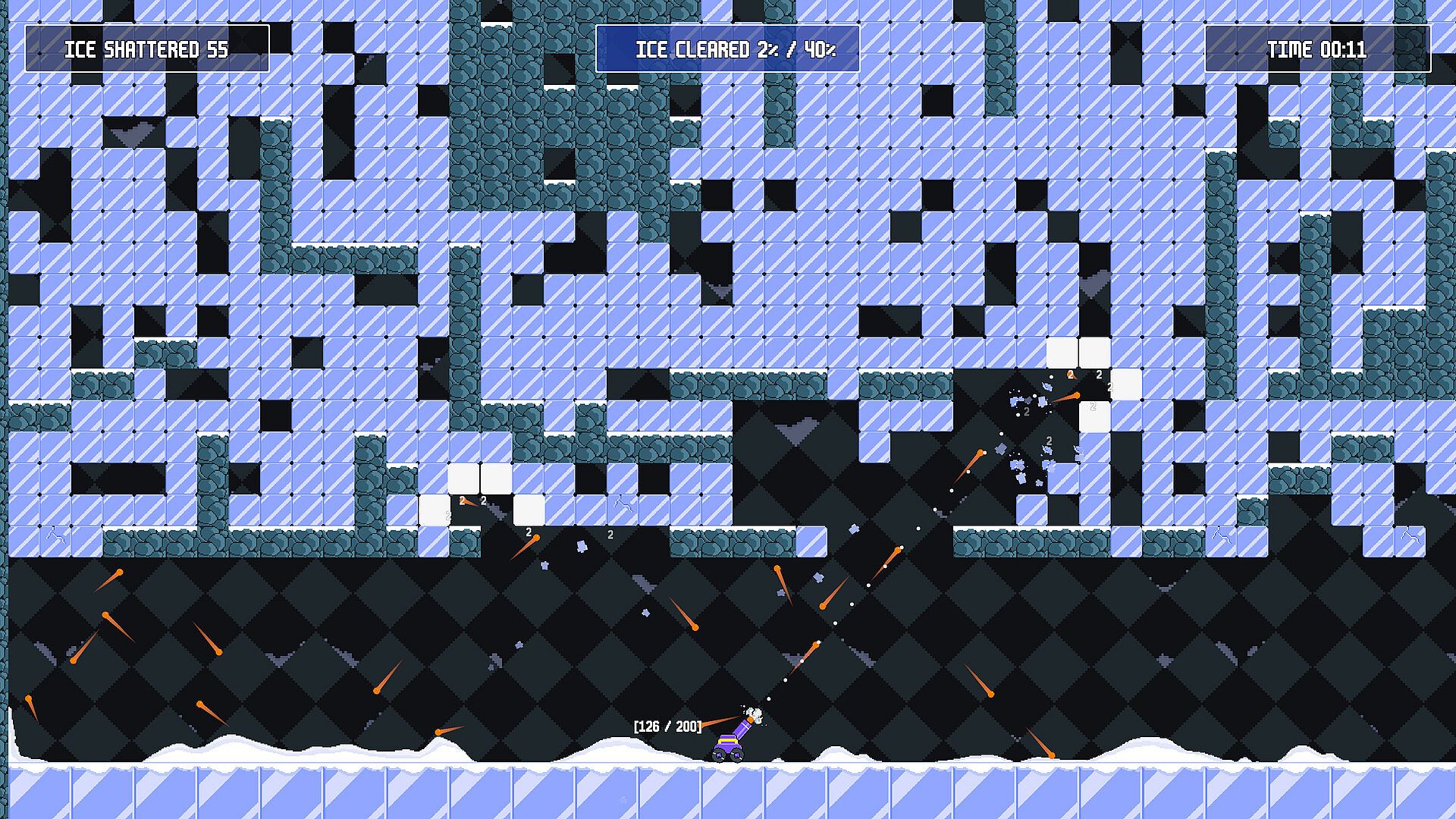
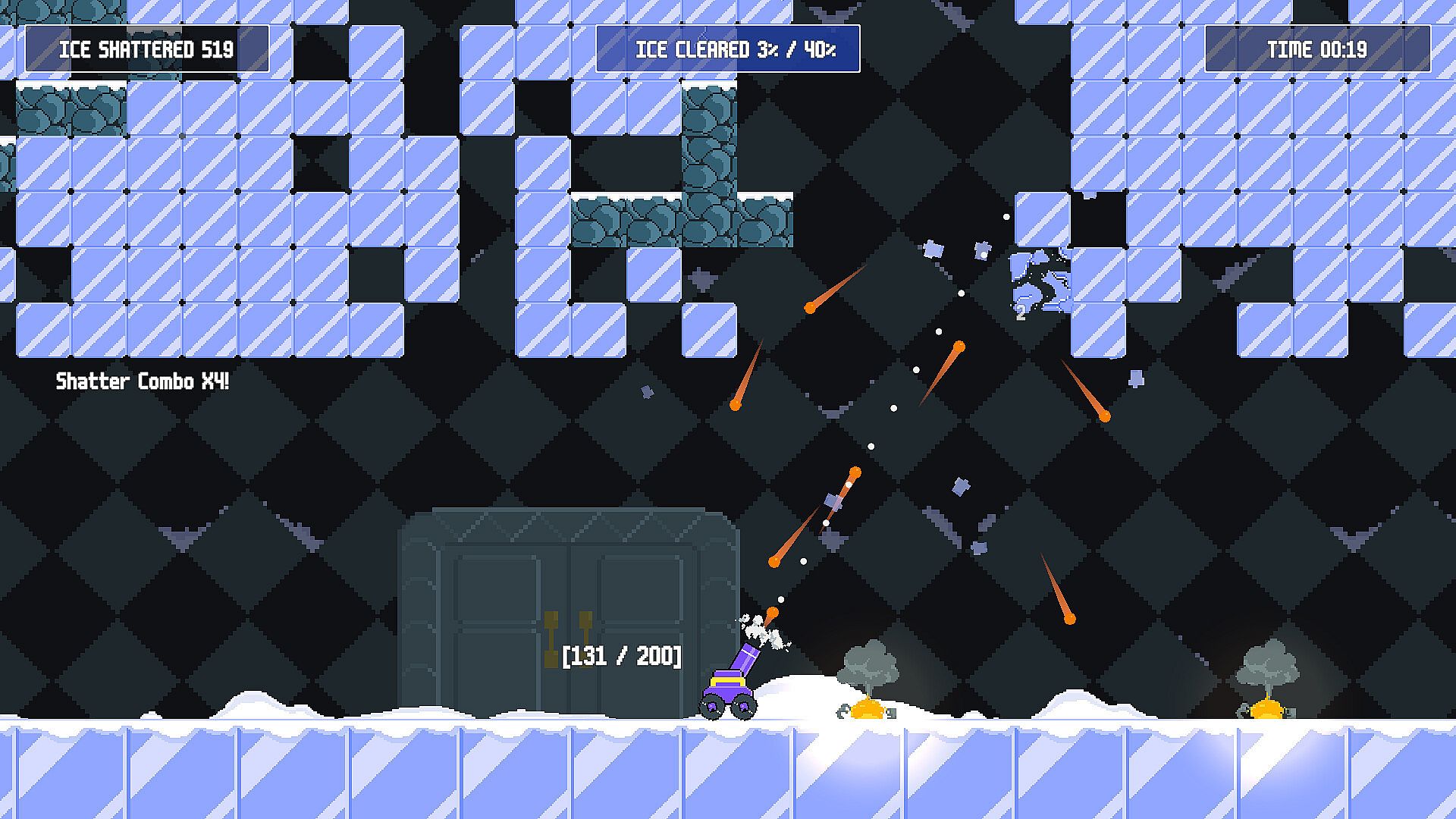
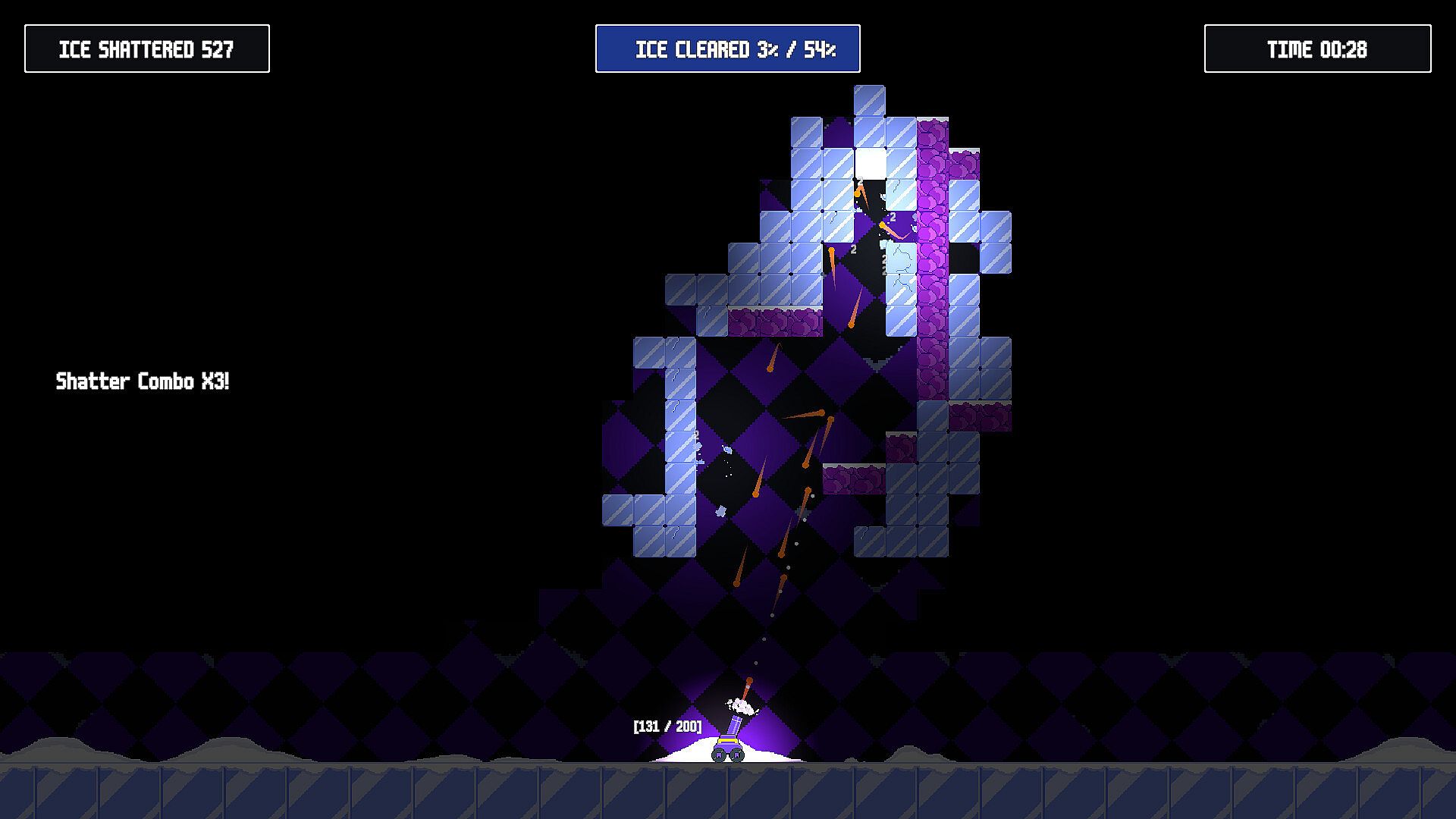
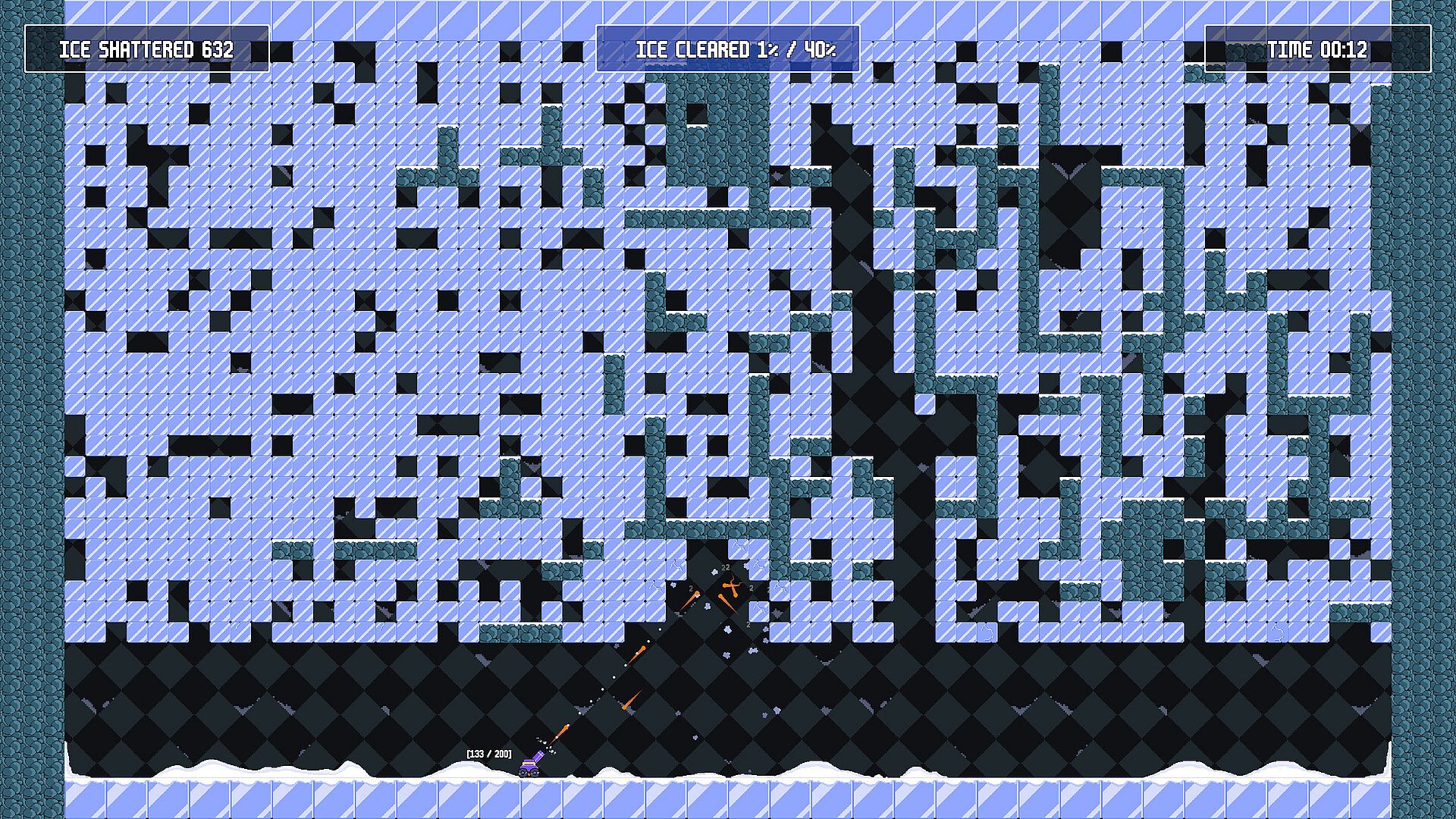
The core loop centers on aiming and firing balls that bounce through levels filled with ice structures. Shots ricochet off surfaces and ice blocks, gradually cracking formations until enough ice breaks to clear the stage. Destroying blocks changes the layout in real time, creating new tunnels, rebound angles, and paths that affect subsequent shots. This board-altering physics creates a sense of evolving strategy within each level.
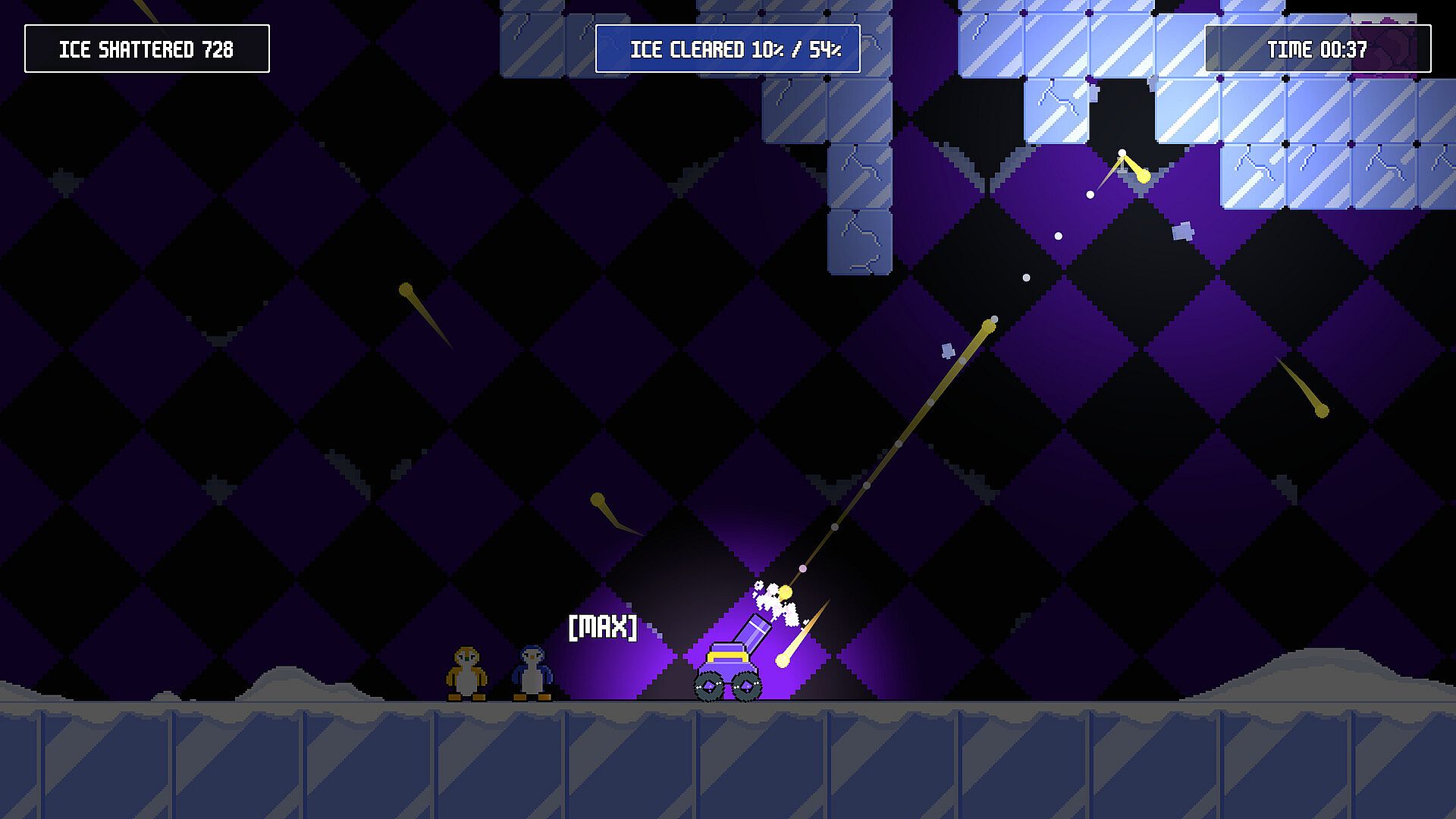
Specialized ammo types expand tactical options. Standard balls handle basic ricochets, while Heavy, Bomb, Drill, and Split variants introduce distinct behaviors for breaking tougher ice or clearing specific areas. Level modifiers such as darkness and wind further adjust shot trajectories and visibility, forcing players to adapt their approach. Across more than 300 procedural levels, formations grow more complex with tighter routes and deeper pockets that demand careful planning.
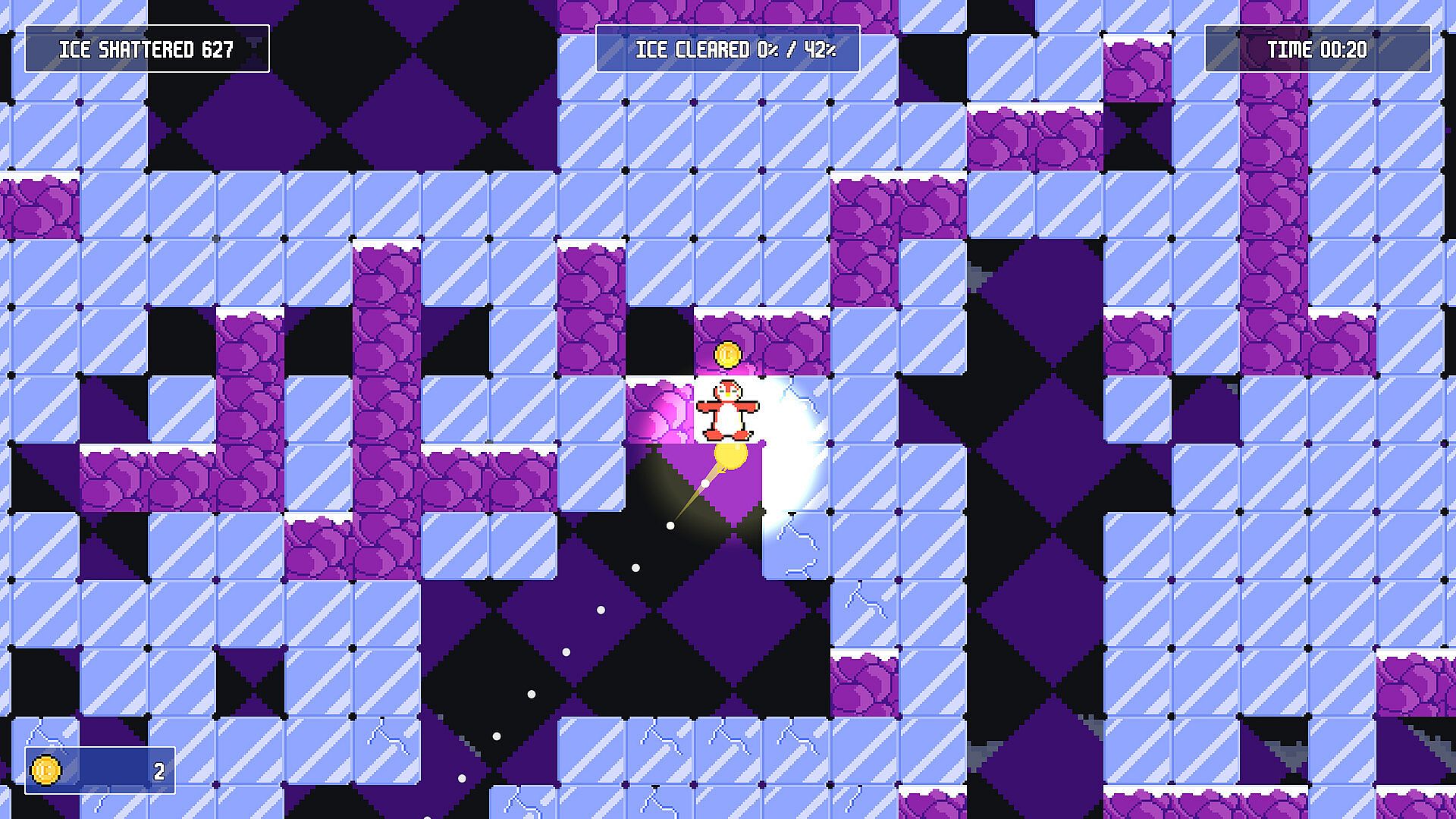
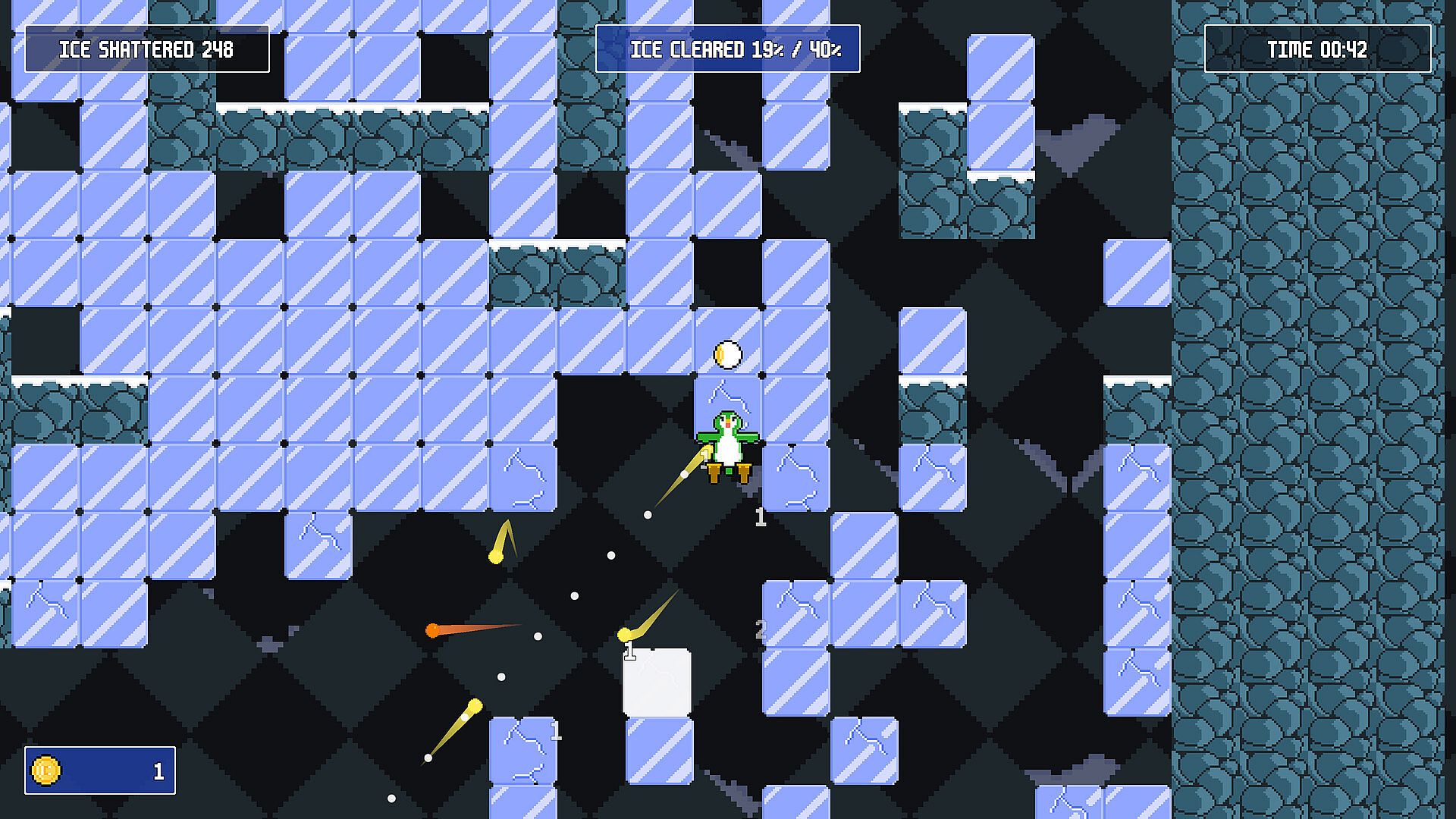
Hidden penguins appear throughout the ice, and rescuing them provides coins for permanent upgrades. The Cold Deck system lets players flip upgrade cards that boost damage, durability, multi-ball capabilities, cannon functions, and ammo mastery. These upgrades build visible power growth, turning early careful ricochets into larger-scale destruction over repeated play sessions.
Game Modes
Shatterflap focuses on a single-player progression structure built around its 300-plus procedural levels. Each level presents increasingly difficult ice formations and environmental challenges that test aiming precision and adaptation to changing physics. Players advance by clearing stages while collecting hidden penguins, which feed into the upgrade system for stronger returns on later attempts.
The incremental nature encourages repeated runs on the same or similar layouts. As upgrades accumulate, familiar levels become opportunities for faster clears and higher efficiency. Procedural generation ensures variety, with new combinations of ice structures, wind effects, and darkness appearing to keep the core loop fresh without requiring separate named modes.
Progression and Upgrades
Coins earned from rescued penguins flow directly into The Cold Deck, where players select and flip cards for lasting improvements. These permanent upgrades affect core systems such as ball damage output, how many balls can be active at once, and specialized ammo performance. The result is a clear sense of growth where early levels serve as training grounds and later ones showcase the full impact of accumulated power.
Ammo mastery adds another layer, rewarding players who learn the physics and roles of each ball type. Heavy balls punch through dense ice, bombs create area effects, drills bore straight paths, and split balls multiply on impact. Combining these with board changes from prior shots leads to satisfying chains of destruction.
Is It Worth Playing?
Shatterflap suits players who enjoy physics-driven puzzle elements mixed with incremental progression and strategy. The emphasis on ricochet planning, permanent board changes, and upgrade-driven power growth rewards experimentation and repeated play. Those drawn to casual action games with depth in aiming and adaptation will find the 300-plus levels provide substantial content that scales in challenge.
The game delivers satisfying ice-shattering feedback and visible mechanical growth without relying on external multiplayer features. Its indie focus on a single cohesive loop makes it a strong choice for sessions focused on mastery and optimization rather than story or competitive elements. If the described physics incremental style aligns with personal preferences, the title offers consistent engagement through its core systems.