


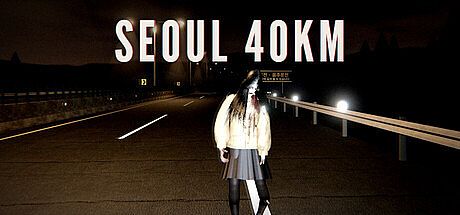


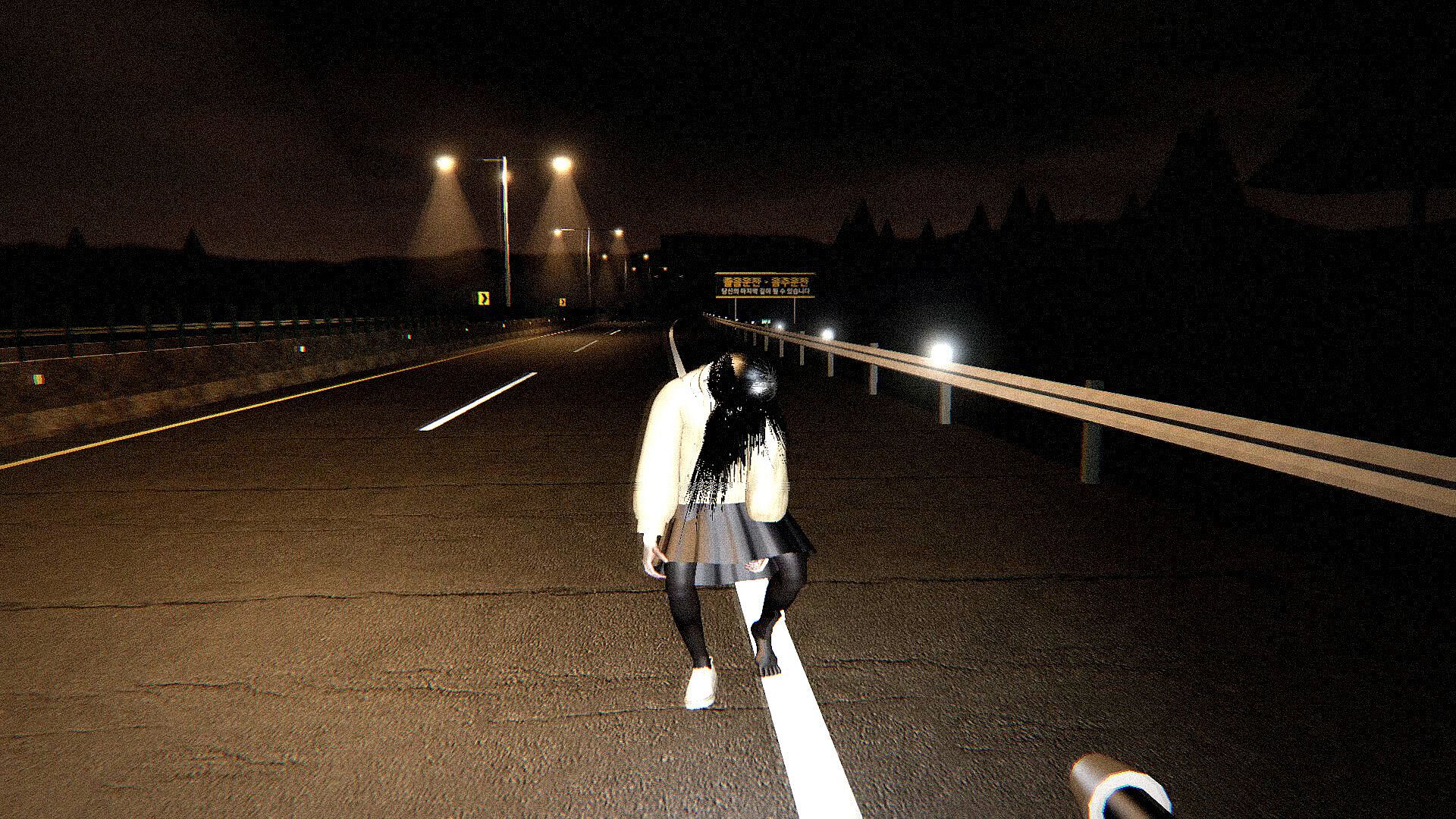
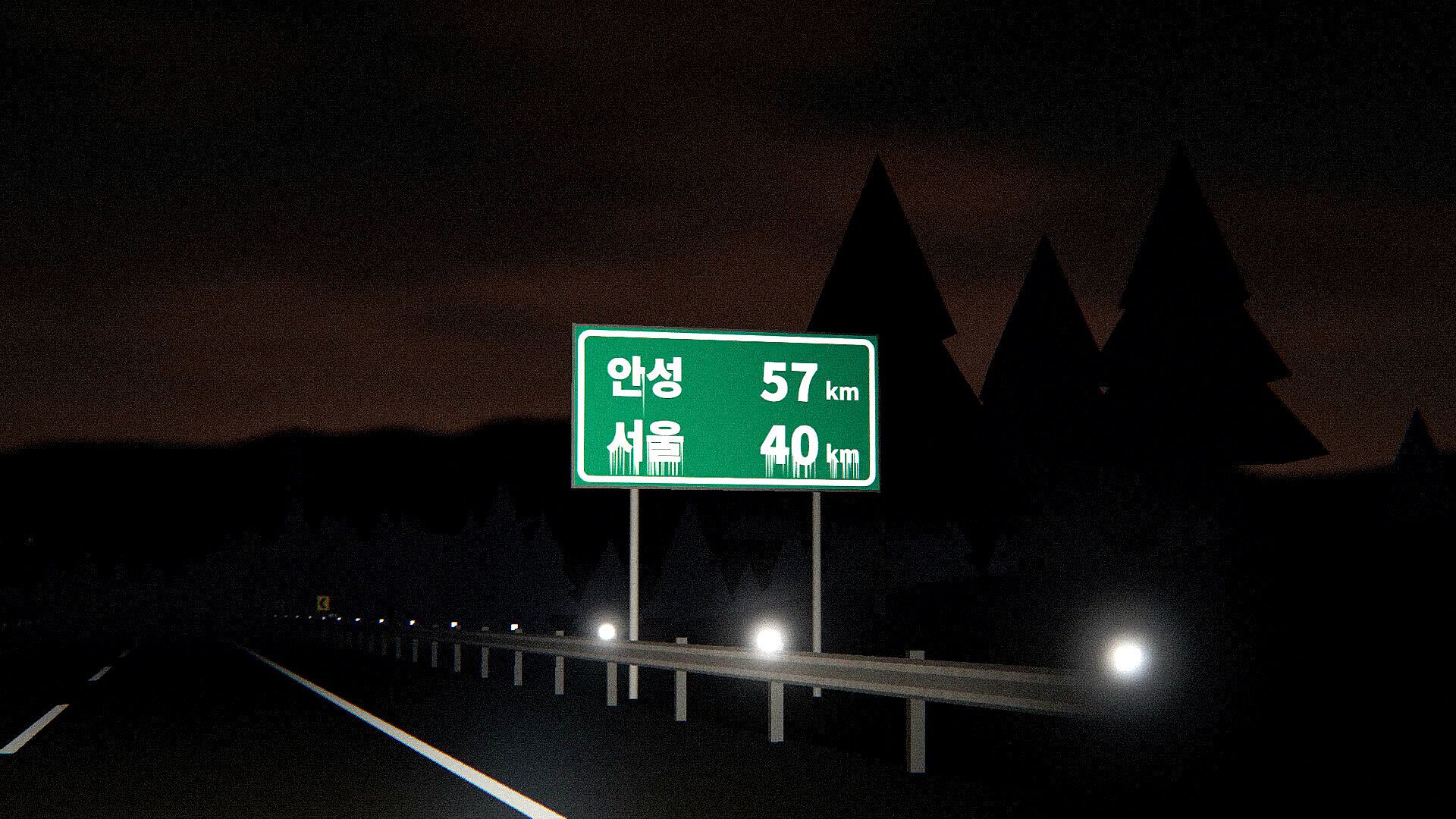
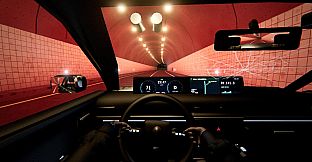


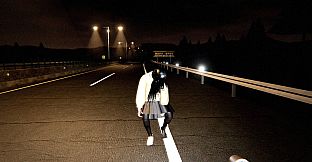
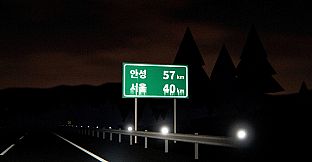
Seoul 40km is a first-person horror adventure game for PC that places players in a looping night drive along a Korean expressway. The core premise follows a driver who fled the scene after hitting someone while intoxicated, only to discover the road to Seoul refuses to end. Signs repeatedly indicate 40 kilometers remain, creating a disorienting loop where progress depends on careful observation and quick decisions at rest stops.
Gameplay
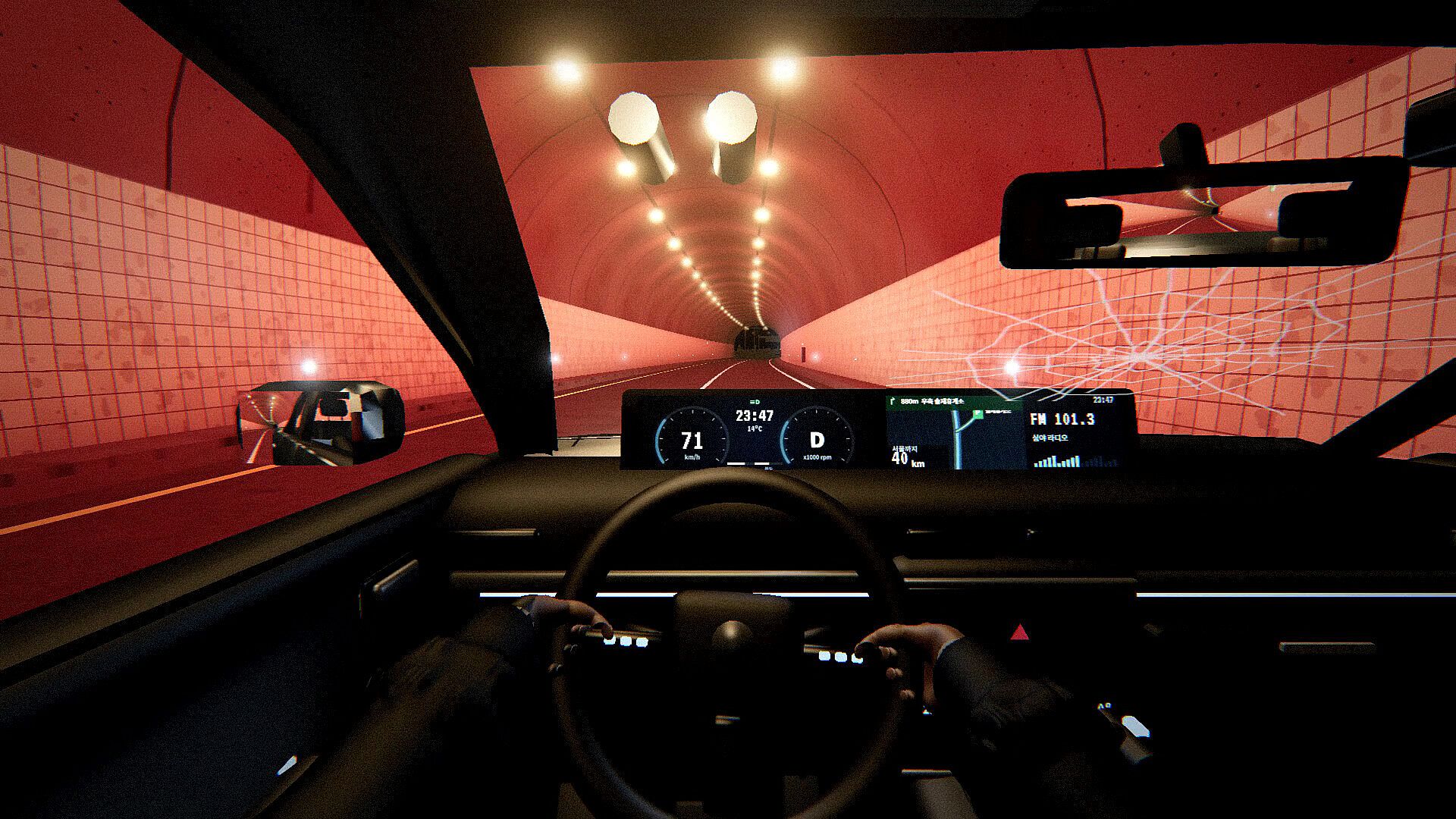
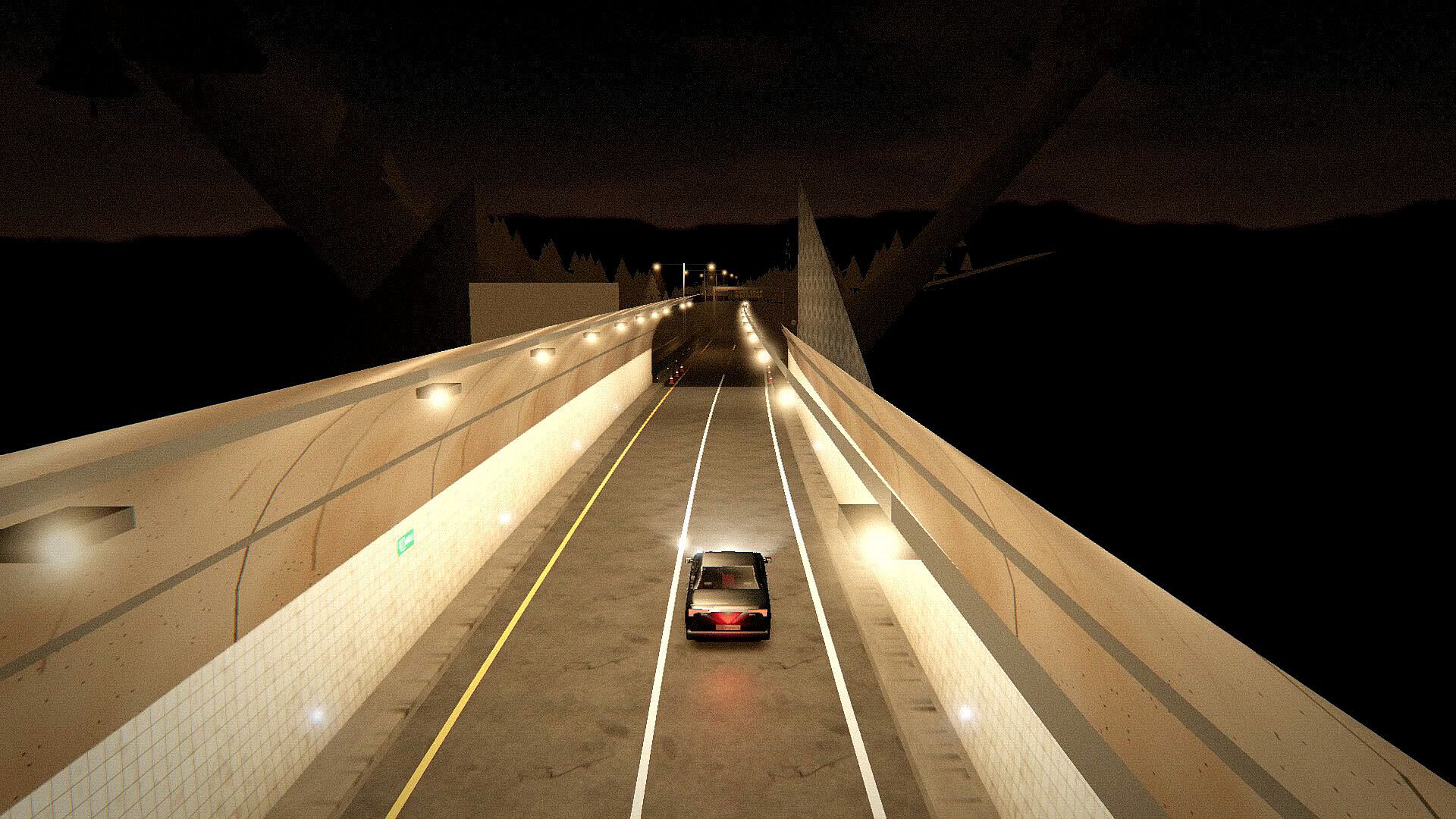
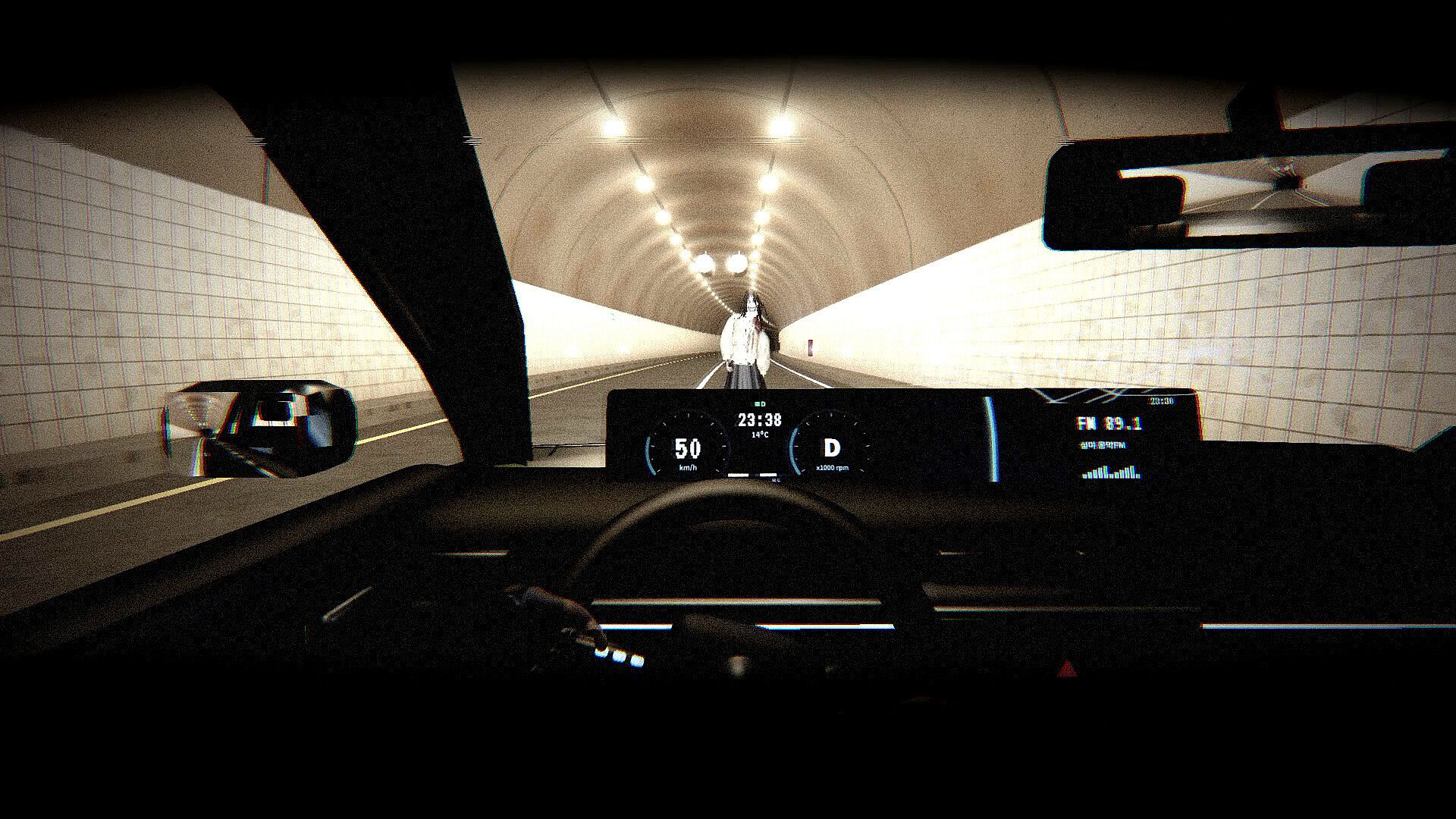
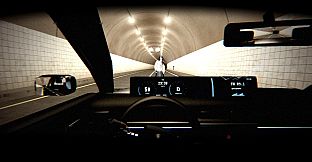
The experience centers on maintaining focus during extended stretches of highway driving. Players must scan the road ahead, roadside signs, tunnel interiors, and the car radio for anything out of place. Spotting an anomaly correctly allows the distance to Seoul to decrease by five kilometers. Missing or misidentifying one extends the loop by the same amount. Fatigue builds over time, forcing stops at rest areas when tiredness peaks, as falling asleep at the wheel resets progress entirely.
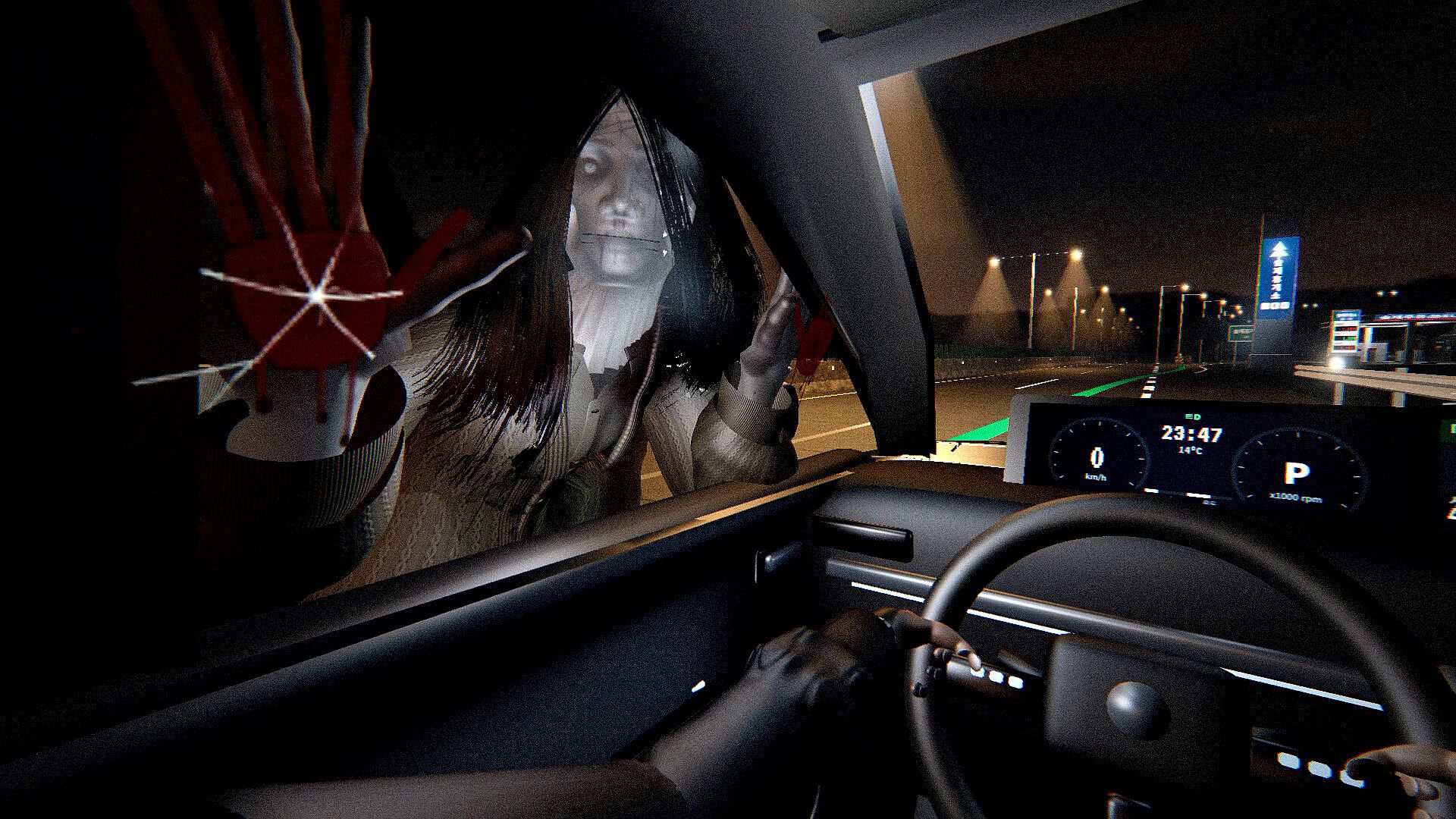
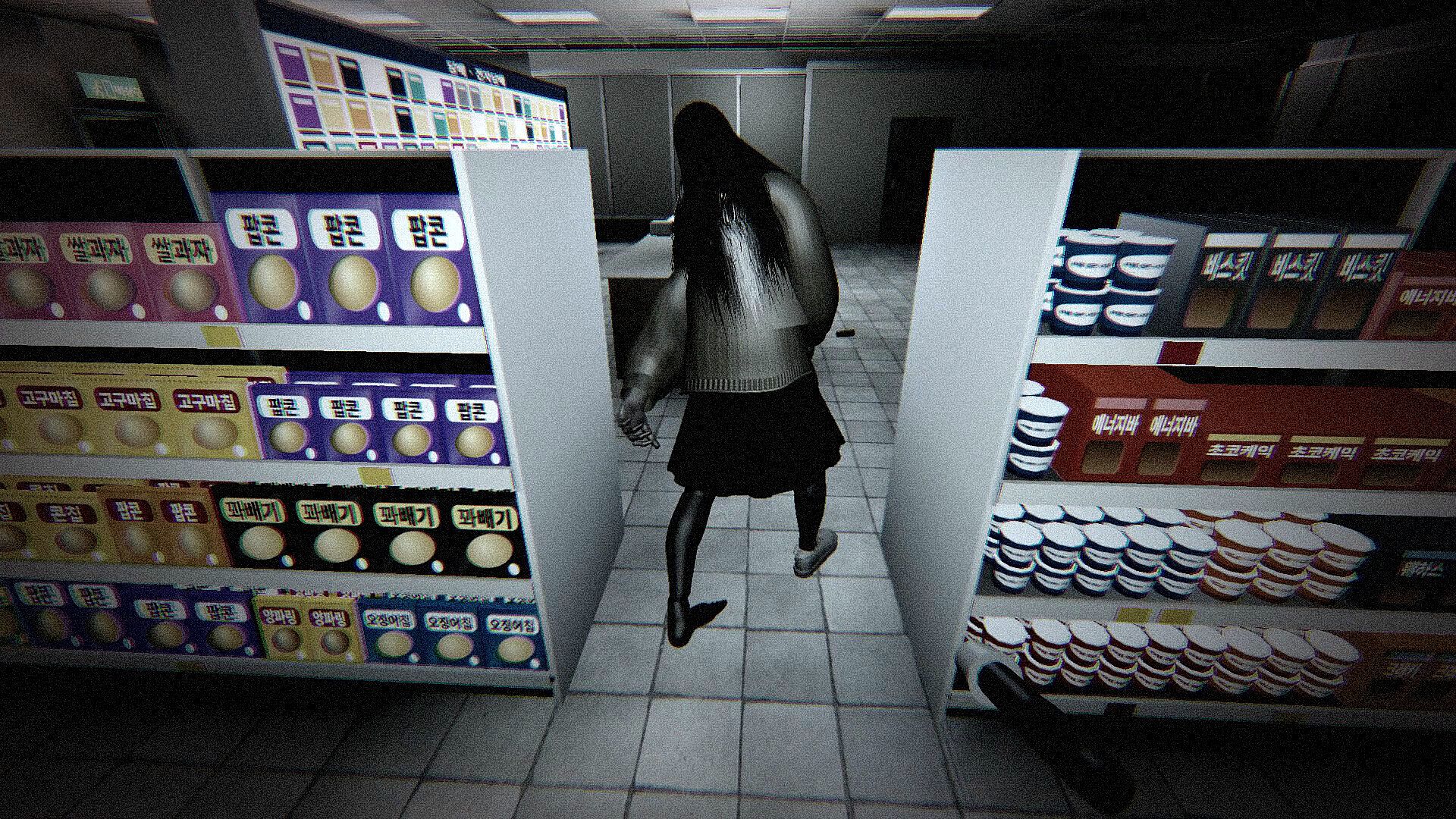
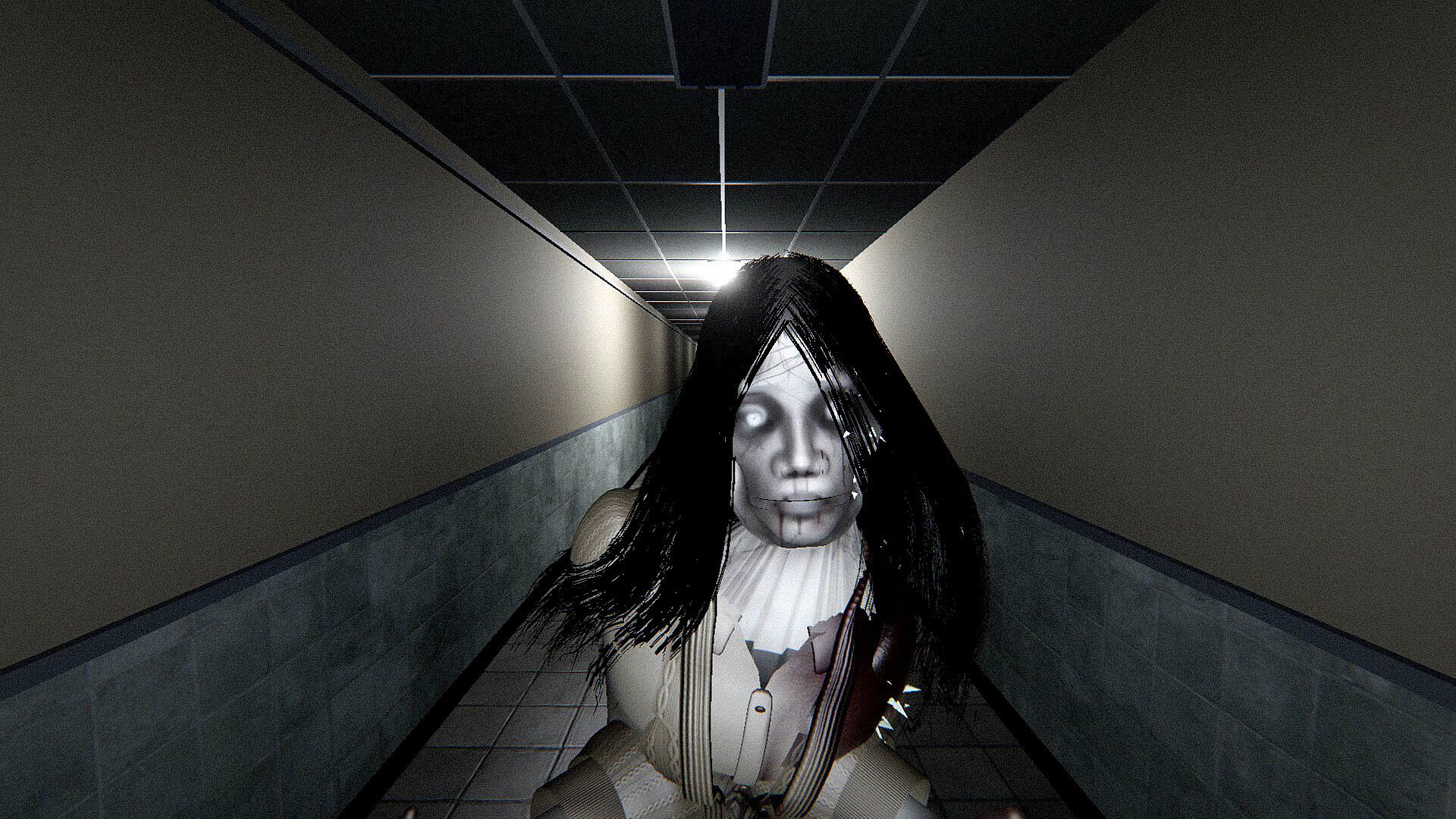
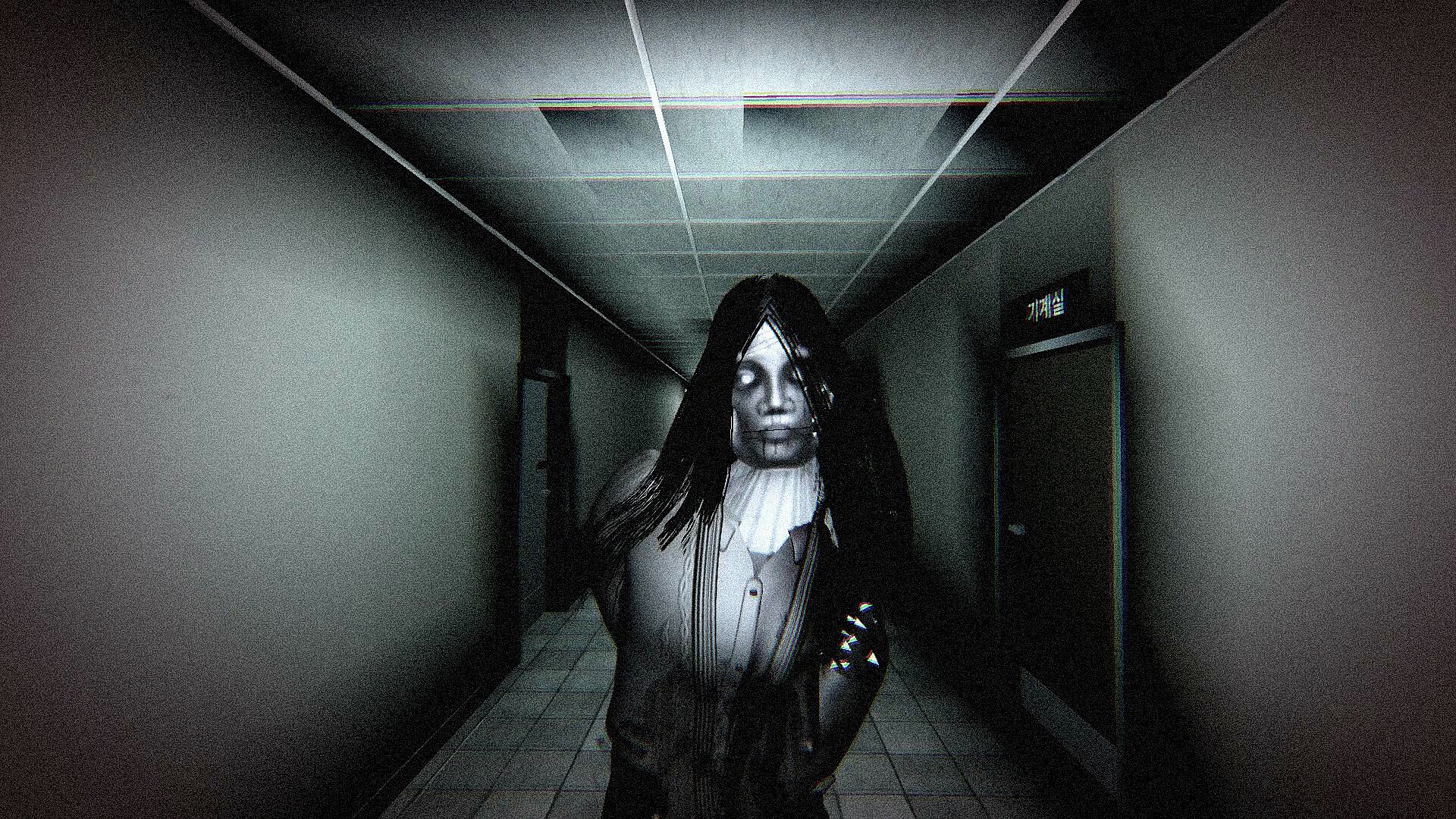
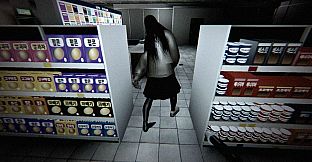
Rest stops introduce survival elements. Players secure doors, lower shutters, and seek hiding spots such as under tables or behind counters while stamina depletes. A pursuing figure appears in reflections, on shoulders, or within tunnels, growing closer whenever lights flicker or fail. Movement relies on standard first-person controls suited for quick navigation through confined spaces and back to the vehicle. Korean voice lines with English subtitles deliver key narrative beats during these encounters.
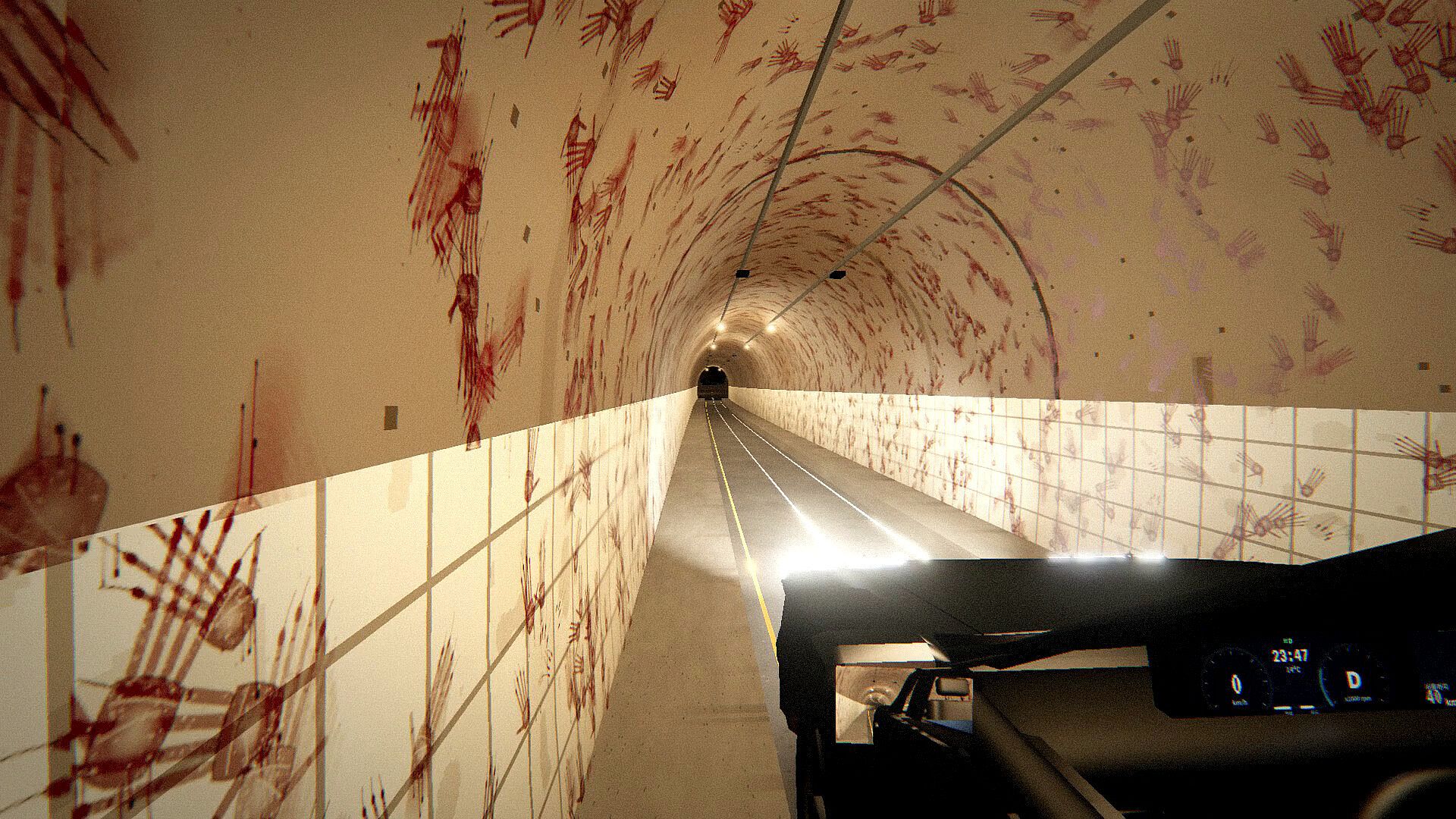
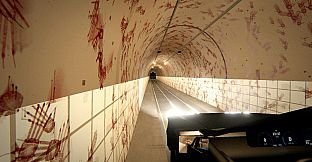
Between driving segments, short chapters interrupt the loop with specific challenges. One involves managing a vehicle that runs out of fuel while evading pursuit through a kitchen area. Another features a tunnel that progressively narrows, heightening tension through spatial restriction. These segments emphasize timing, resource management, and evasion rather than combat.
Game Modes
The game structures its content around a repeating anomaly detection loop combined with narrative interludes. The primary loop requires repeated highway traversal where players identify inconsistencies in the environment or audio cues. Correct choices advance the journey, while errors prolong it and increase risk from the pursuing presence.
Interwoven chapters provide distinct scenarios that break the repetition. These include fuel depletion sequences with on-foot evasion and confined tunnel navigation that alters the driving perspective. No separate competitive or cooperative modes exist, keeping the focus on solitary progression through the horror loop and its variations.
Atmosphere and Setting
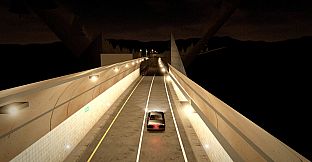
The setting draws from Korean expressways at night, featuring tunnels, rest areas, and convenience stores rendered in a realistic style. Lighting plays a central role, with sudden outages signaling increased danger. The radio serves as both a source of information and potential anomalies, adding layers to the observation required during drives.
Sound design supports immersion through ambient road noise, radio broadcasts, and the figure's subtle movements. Headphones enhance the spatial audio cues that indicate proximity of threats. The fiction disclaimer at the outset reminds players that the depicted events remain entirely fictional, separate from real-world driving safety concerns.
Is It Worth Playing?
Seoul 40km suits players who enjoy deliberate, observation-based horror with survival mechanics rather than action or jump scares alone. The anomaly loop rewards patience and attention to detail, while rest stop sequences test resource and positioning awareness. Those drawn to single-player indie adventures that blend driving tension with evasion will find the structure engaging across multiple loops and chapters.
The game offers no multiplayer options or additional modes beyond the core loop and interludes, making it ideal for focused solo sessions. Its emphasis on Korean cultural details in the setting and audio adds distinct flavor for fans of atmospheric horror. Availability remains limited to PC, with the experience best approached in a quiet environment to fully appreciate the audio cues and gradual escalation.












