




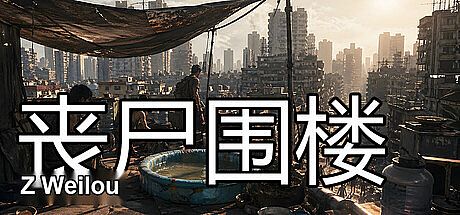


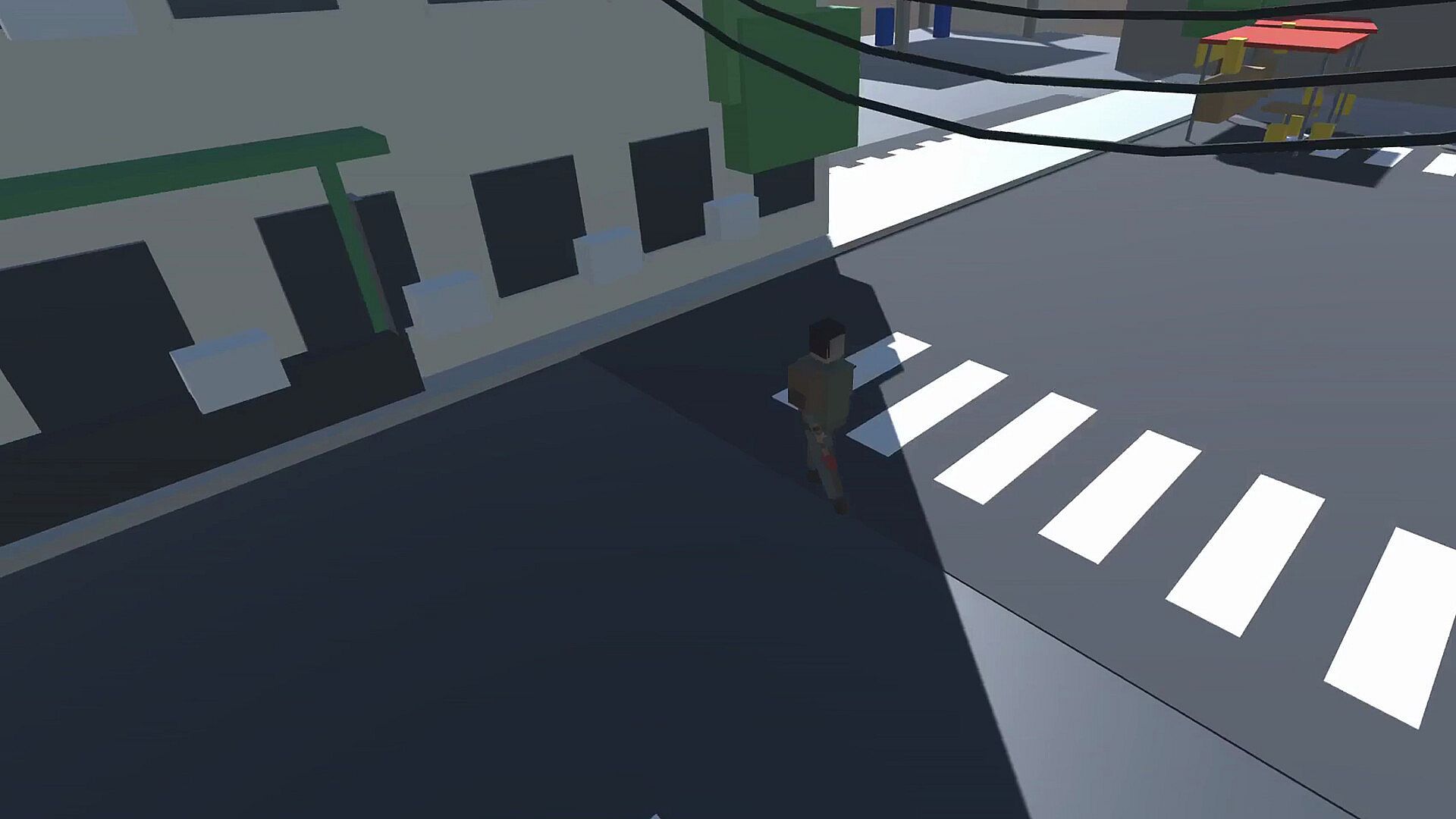
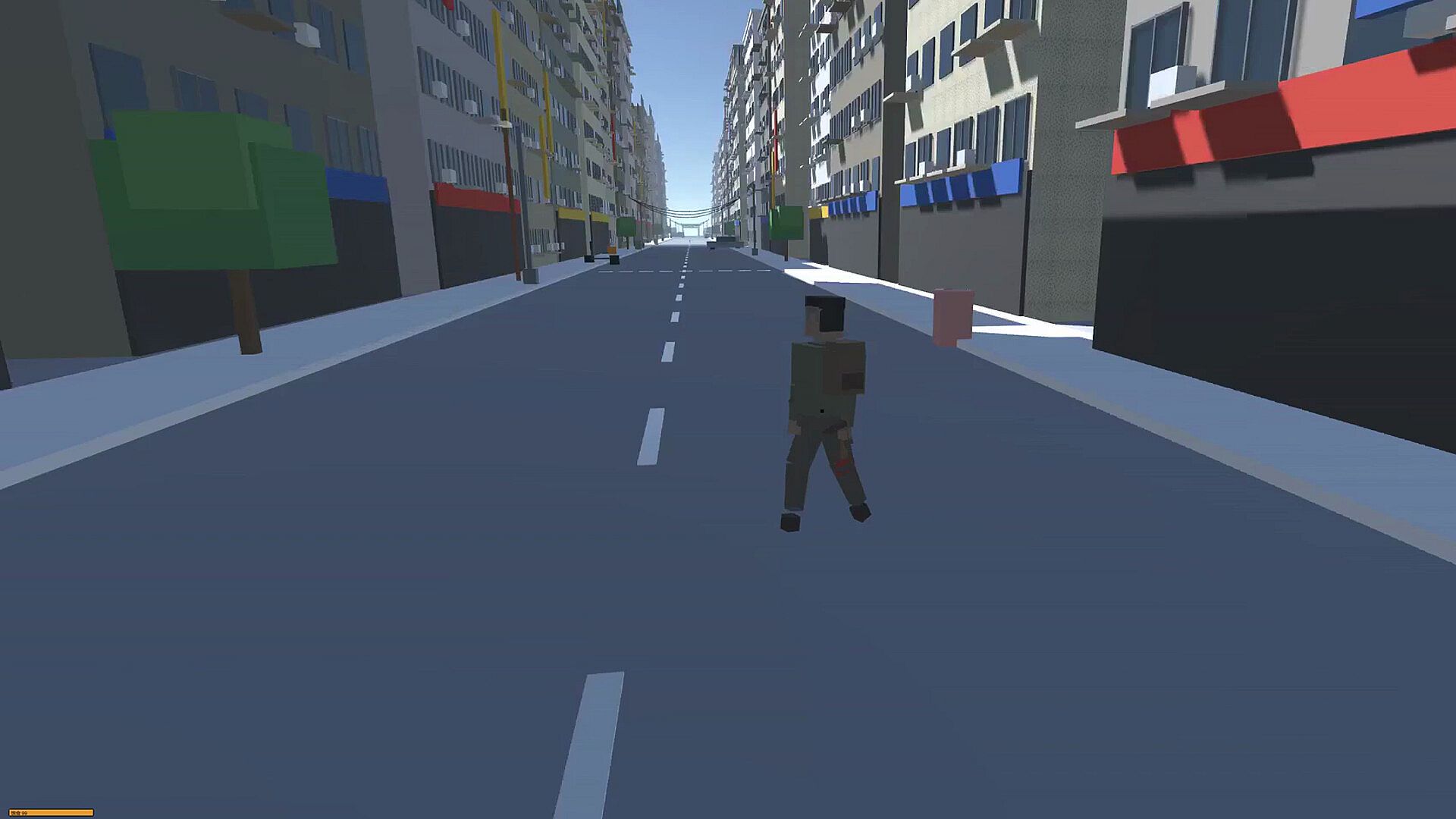
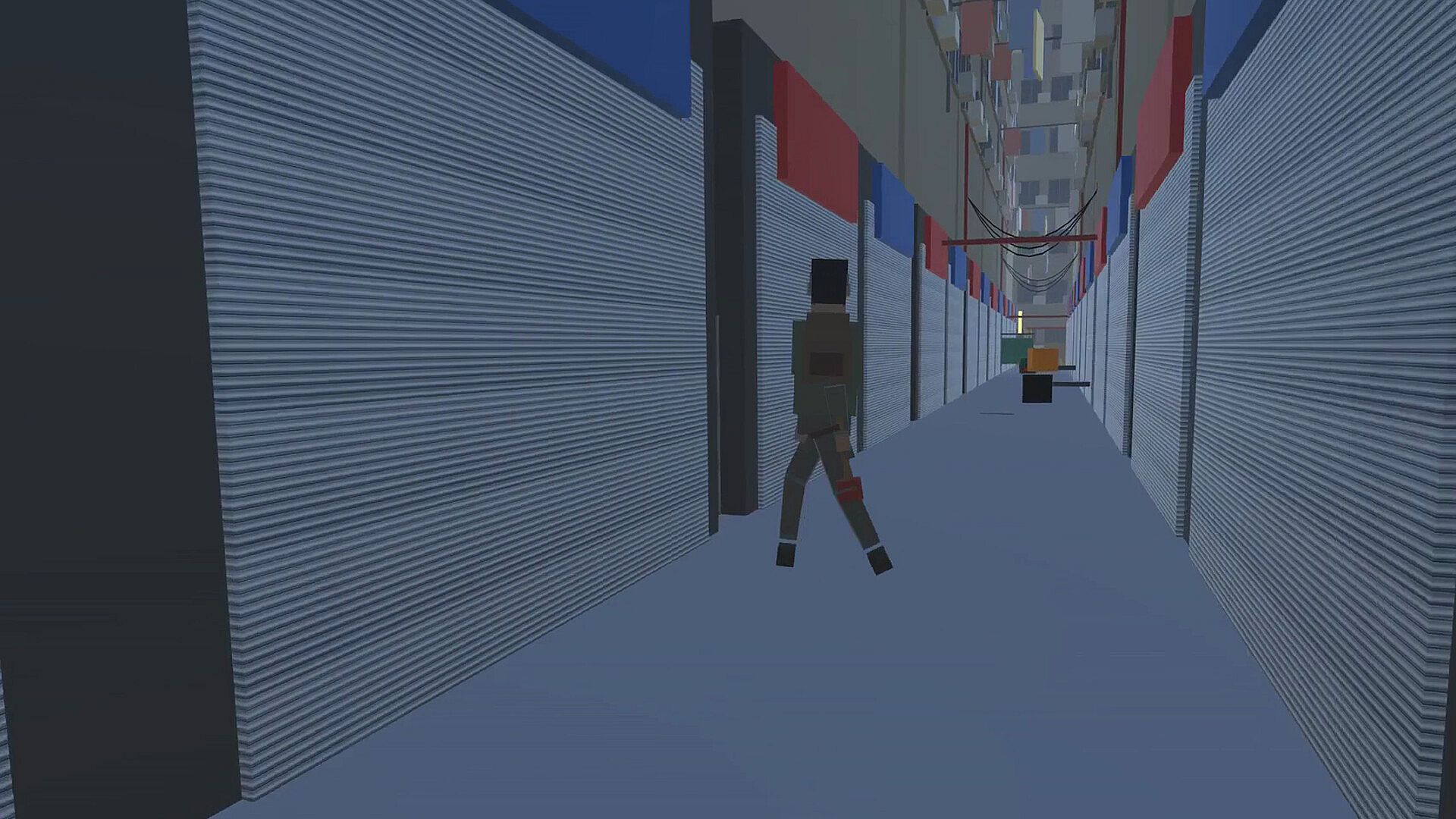

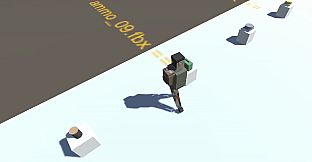
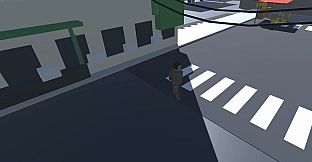
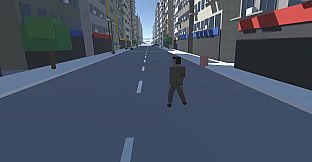
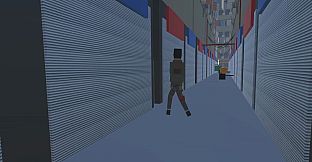
丧尸围楼 is a third-person 3D survival strategy game set during a zombie outbreak in a Shenzhen tenement building. Players control a resident trapped inside Hezhou Wei, a twelve-story structure housing 176 households and 21 named neighbors. The entire experience unfolds across fourteen days in this confined urban environment and the immediate square kilometer surrounding it.
Gameplay
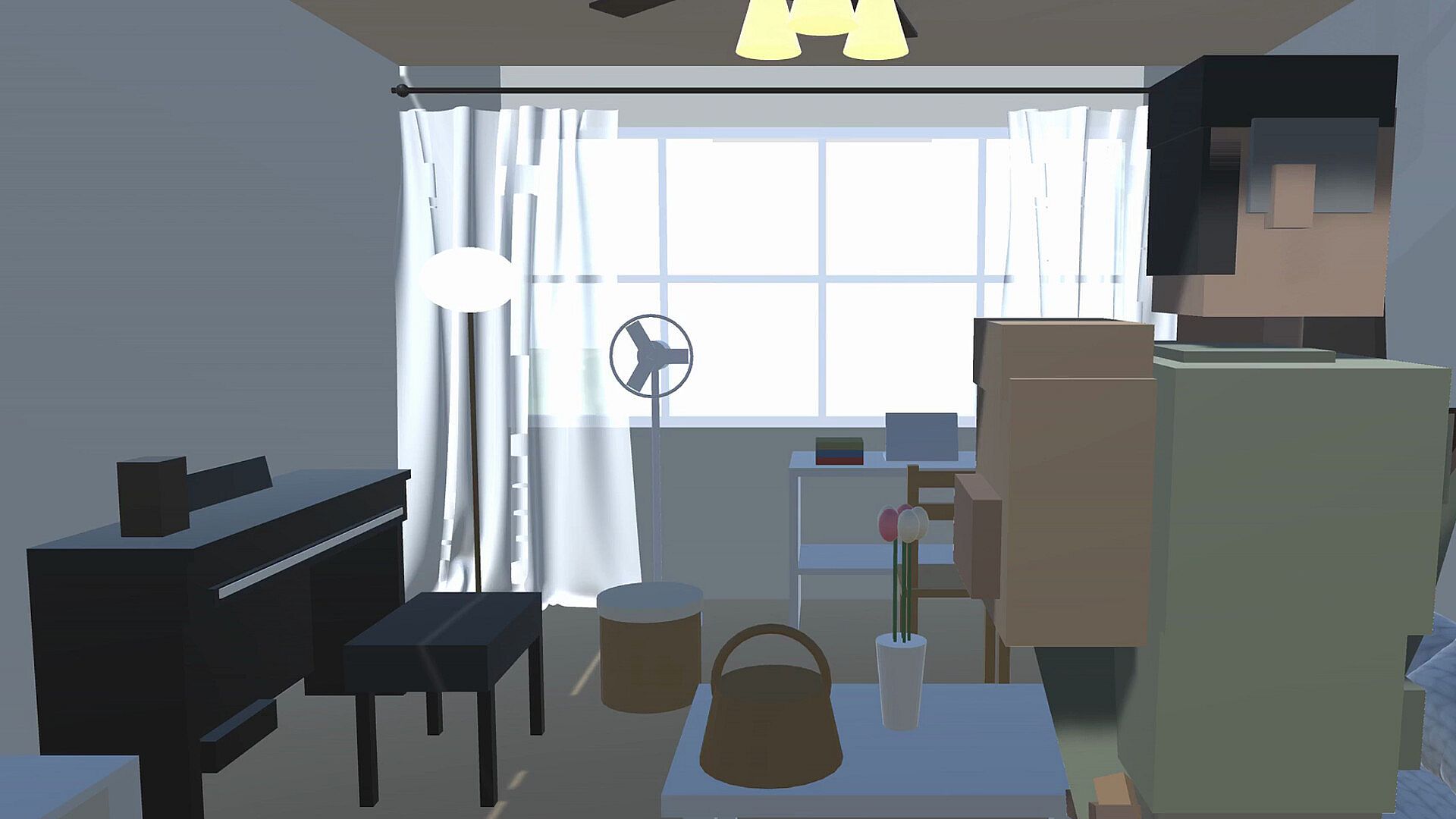
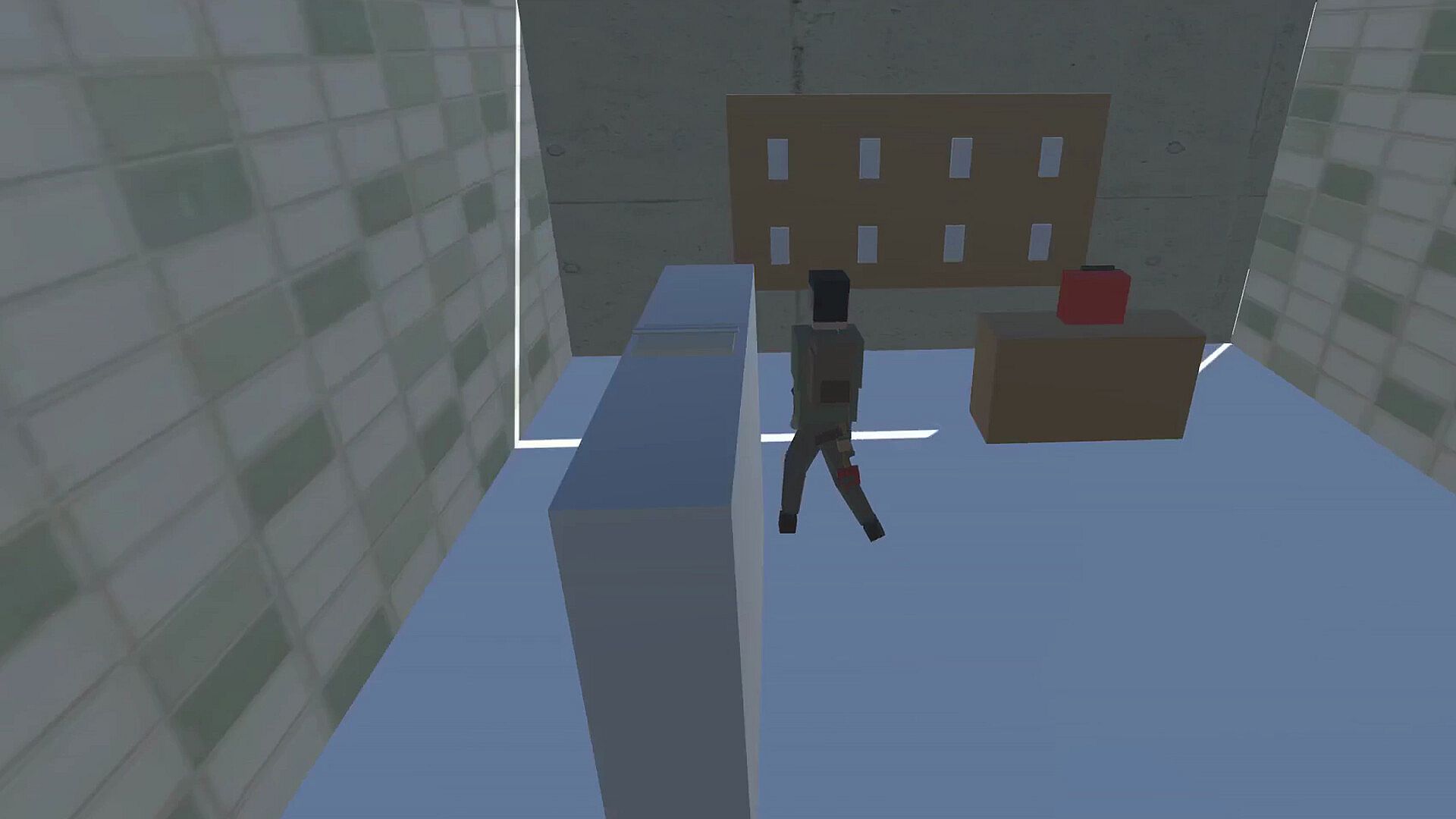
The core loop revolves around managing limited resources and relationships inside one building. Daytime focuses on scavenging nearby city blocks that include supermarkets, clinics, hardware stores, gas stations, and handshake tenements. Every apartment contains unique items and personal stories, from half-finished meals to midlife purchases locked in safes. Nighttime shifts to crafting using books on military and engineering topics found within the building, followed by defense preparations such as stacking furniture against doors and boarding windows. Negotiation forms a constant layer, requiring players to vote on rations, enforce quarantines, or decide the fate of bitten residents in group discussions. Each of the 21 neighbors speaks in the dialect of their hometown and brings distinct skills or attitudes that influence survival choices.
Game Modes
The game operates as a single-player experience with no separate multiplayer modes. Progression follows a fixed fourteen-day structure where daily cycles of scavenging, crafting, defending, and negotiating build tension. Outcomes depend on how players balance resource allocation, neighbor interactions, and defensive setups, with no two nights playing out identically due to varying zombie pressures and internal conflicts.
Setting and Atmosphere
The apocalypse unfolds in a realistic first-tier Chinese city environment rather than a generic small-town setting. Details include urban-village renovation blocks, delivery scooters, shared bikes, and everyday objects like fire axes from actual building cabinets or folded floor plans in security drawers. This specificity extends to the neighbors, each tied to real regional backgrounds from cities such as Xi'an, Zigong, Wuhan, and Shanghai, adding layers of cultural nuance through dialogue and behavior.
Is It Worth Playing?
Players interested in dense, story-driven survival strategy with a strong emphasis on interpersonal decisions and confined-space management will find the fourteen-day structure compelling. The game highlights resource scarcity and moral choices around infection without relying on open-world exploration. As a title still listed as coming soon with no user reviews available, its appeal rests on the detailed single-building premise and the interplay between daily scavenging runs and nighttime negotiations. Those who enjoy methodical planning across repeated cycles in a culturally specific zombie scenario may appreciate the focused design.











