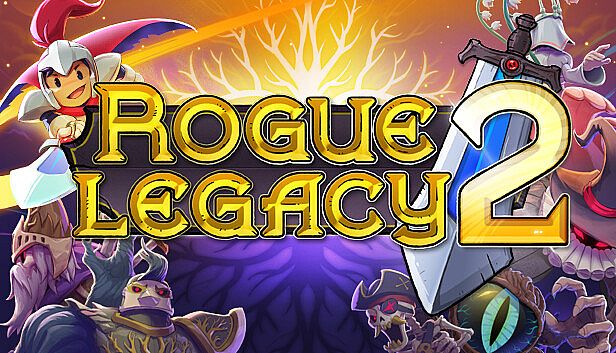















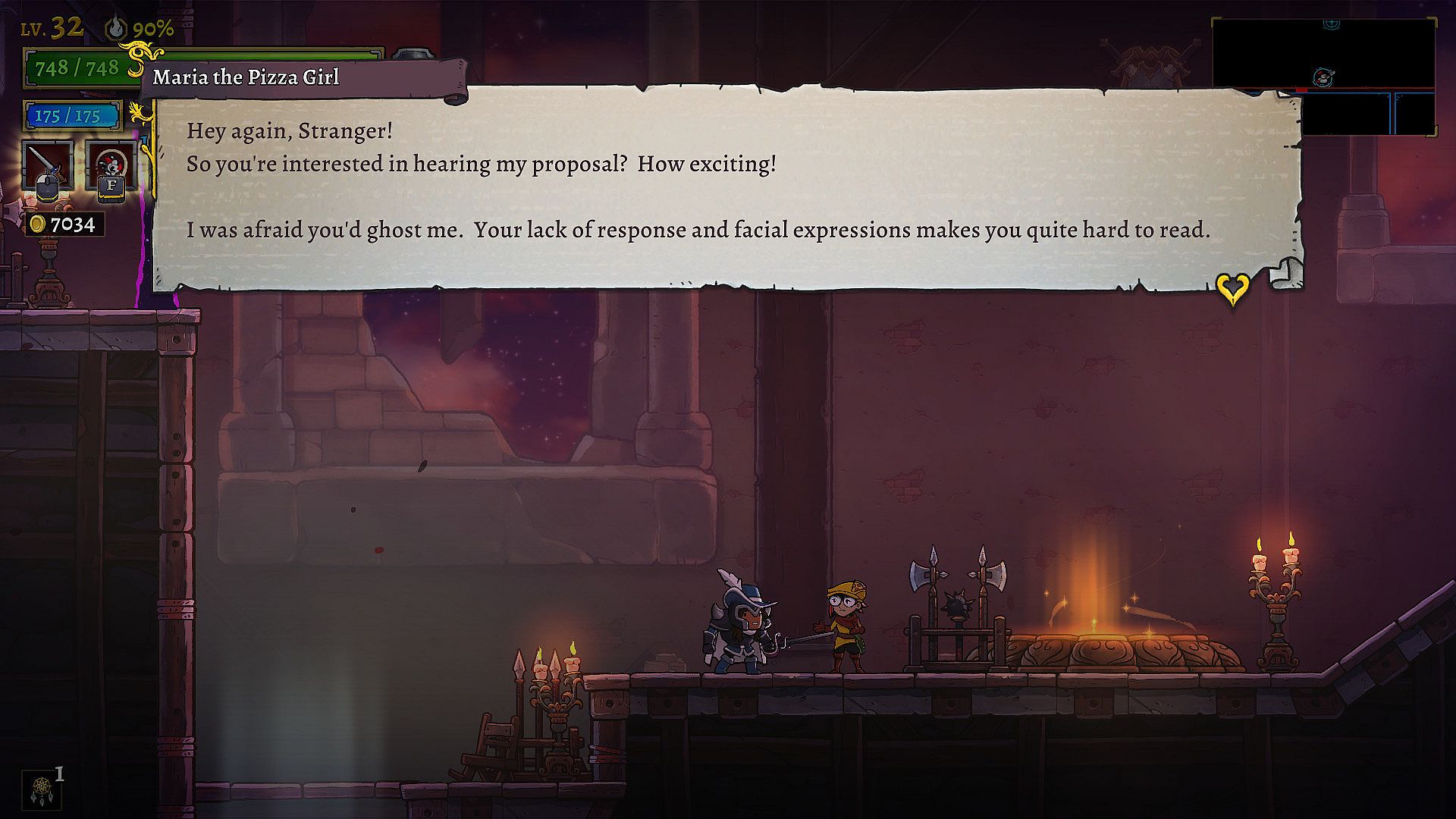
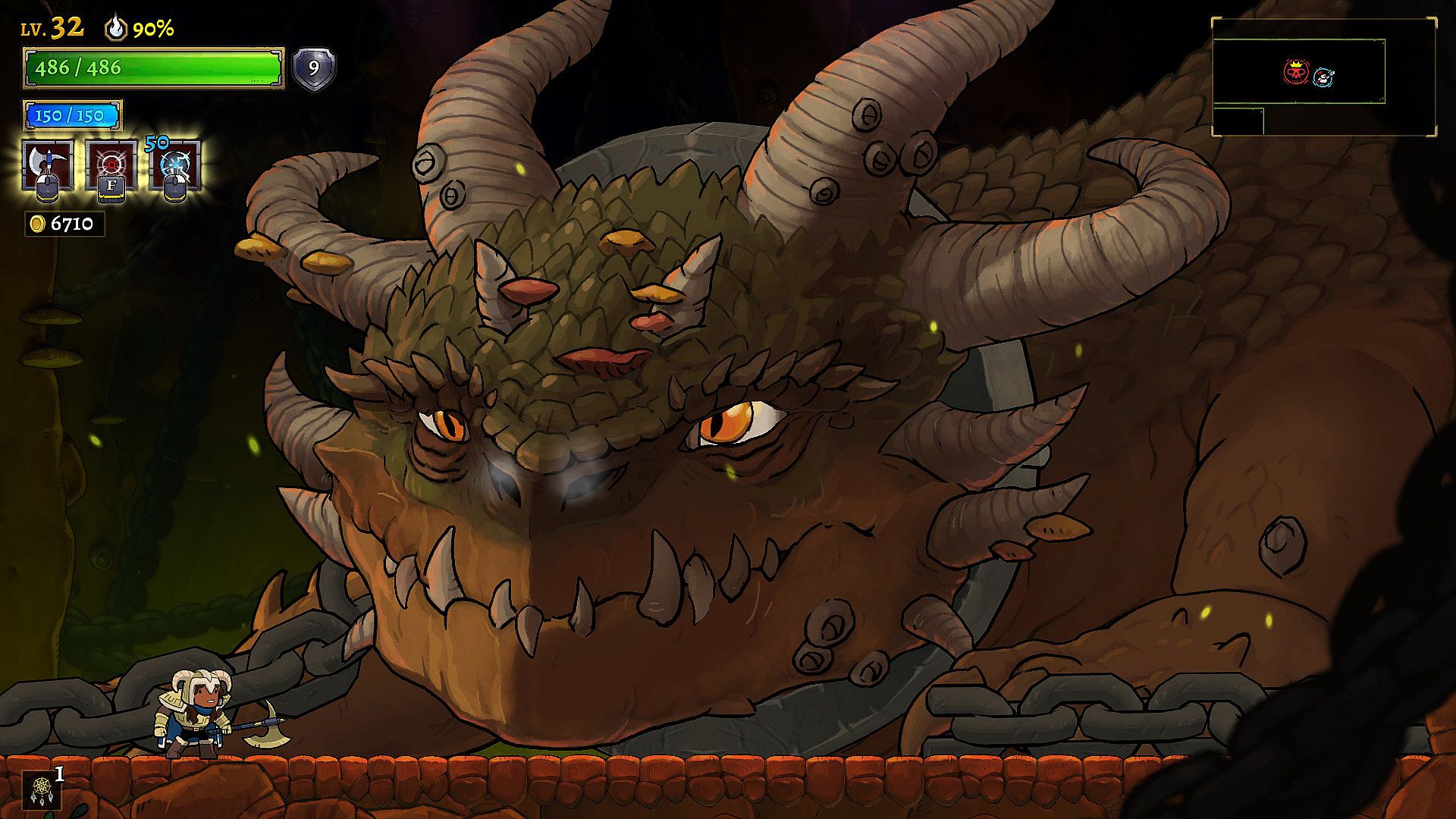
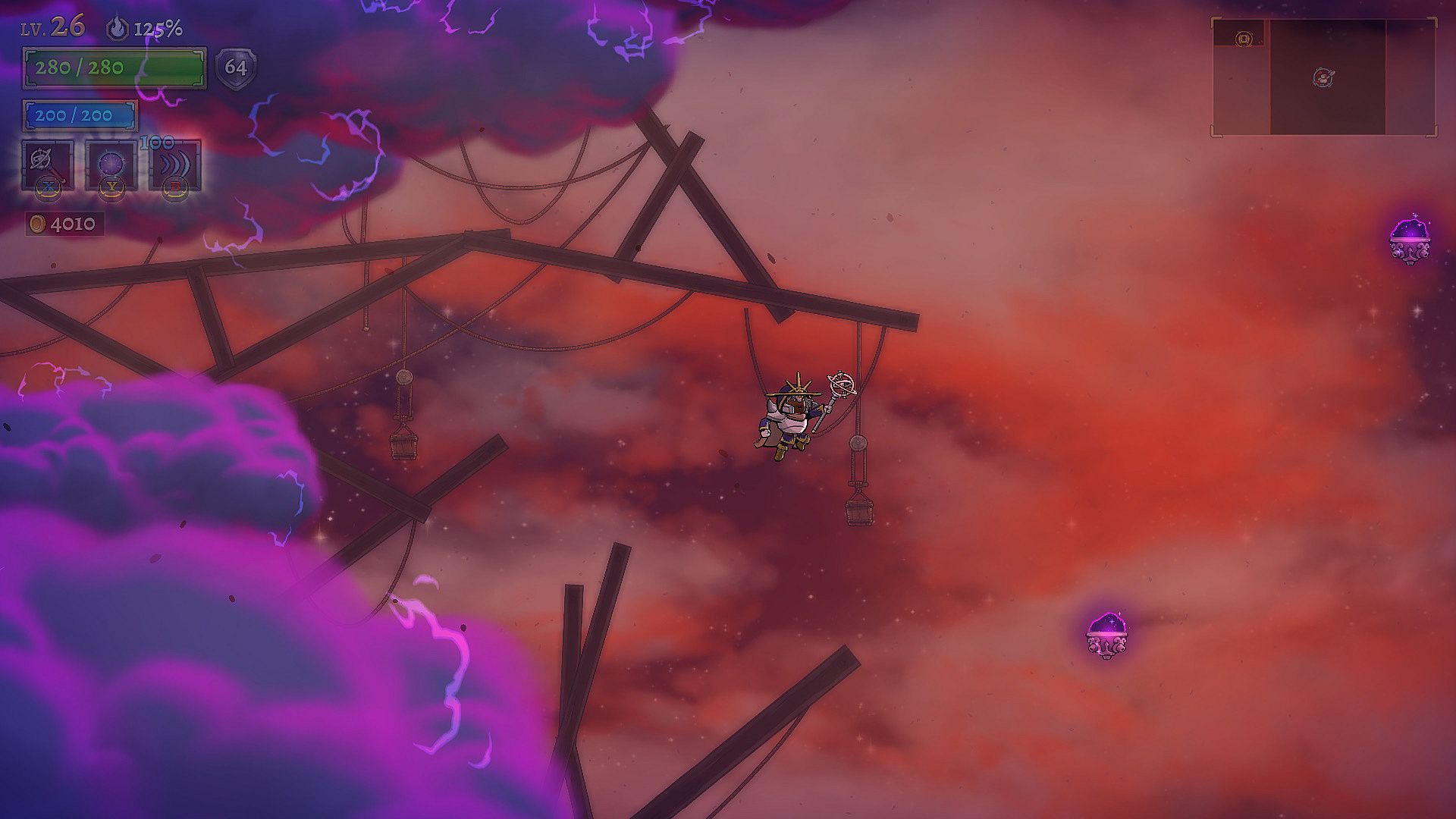
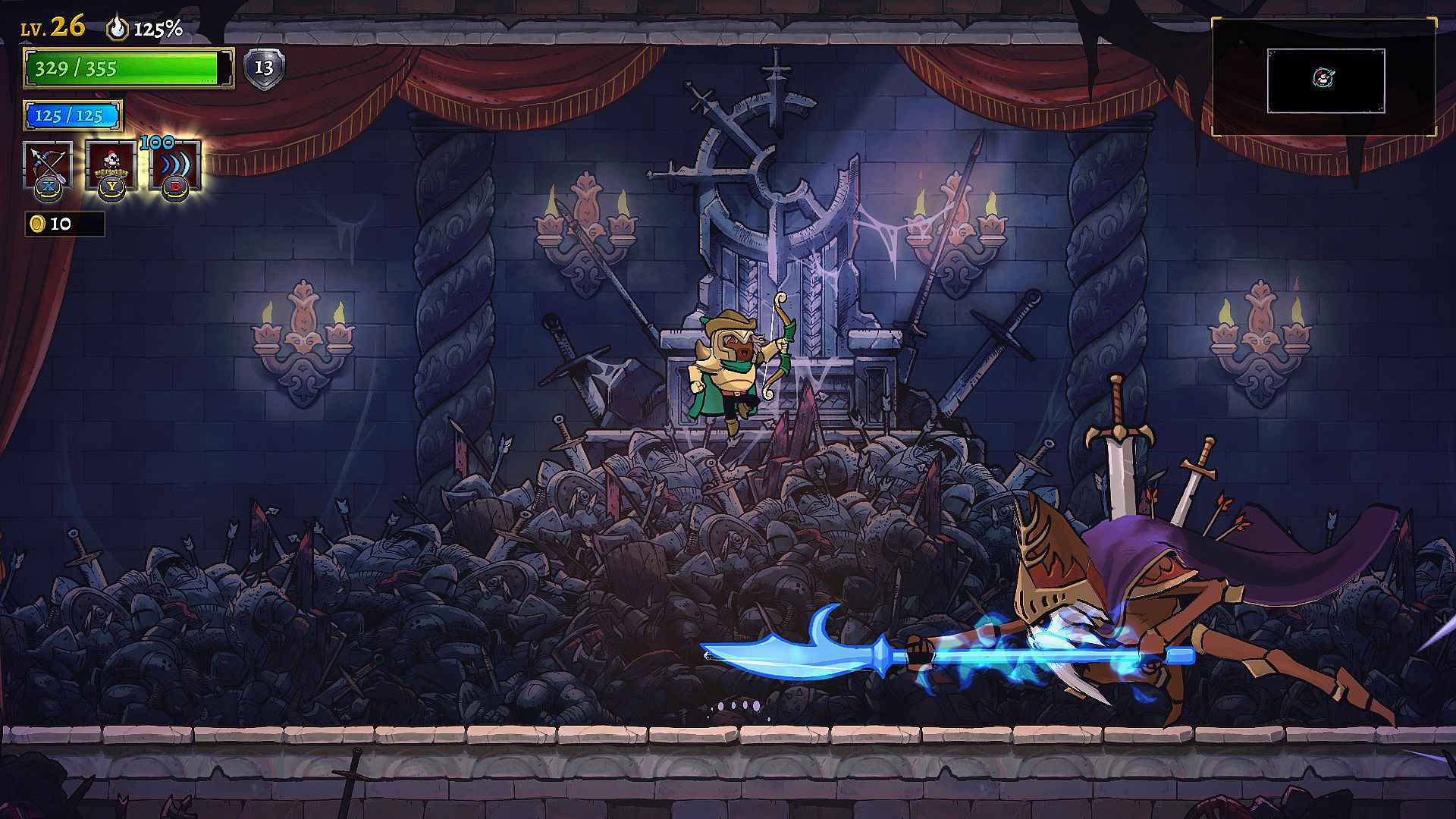
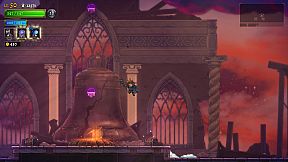
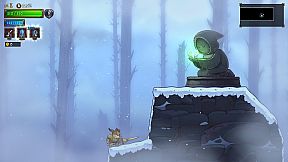
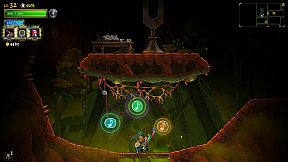
Rogue Legacy 2 es un roguelite de acción en 2D que combina partidas aleatorias con una progresión constante a través de distintas generaciones de herederos. El jugador controla a varios miembros de una misma familia que asumen la tarea de explorar un reino hostil; cada intento termina en la muerte, pero el avance general se consolida mediante mejoras en el feudo y nuevas habilidades desbloqueadas.
Jugabilidad
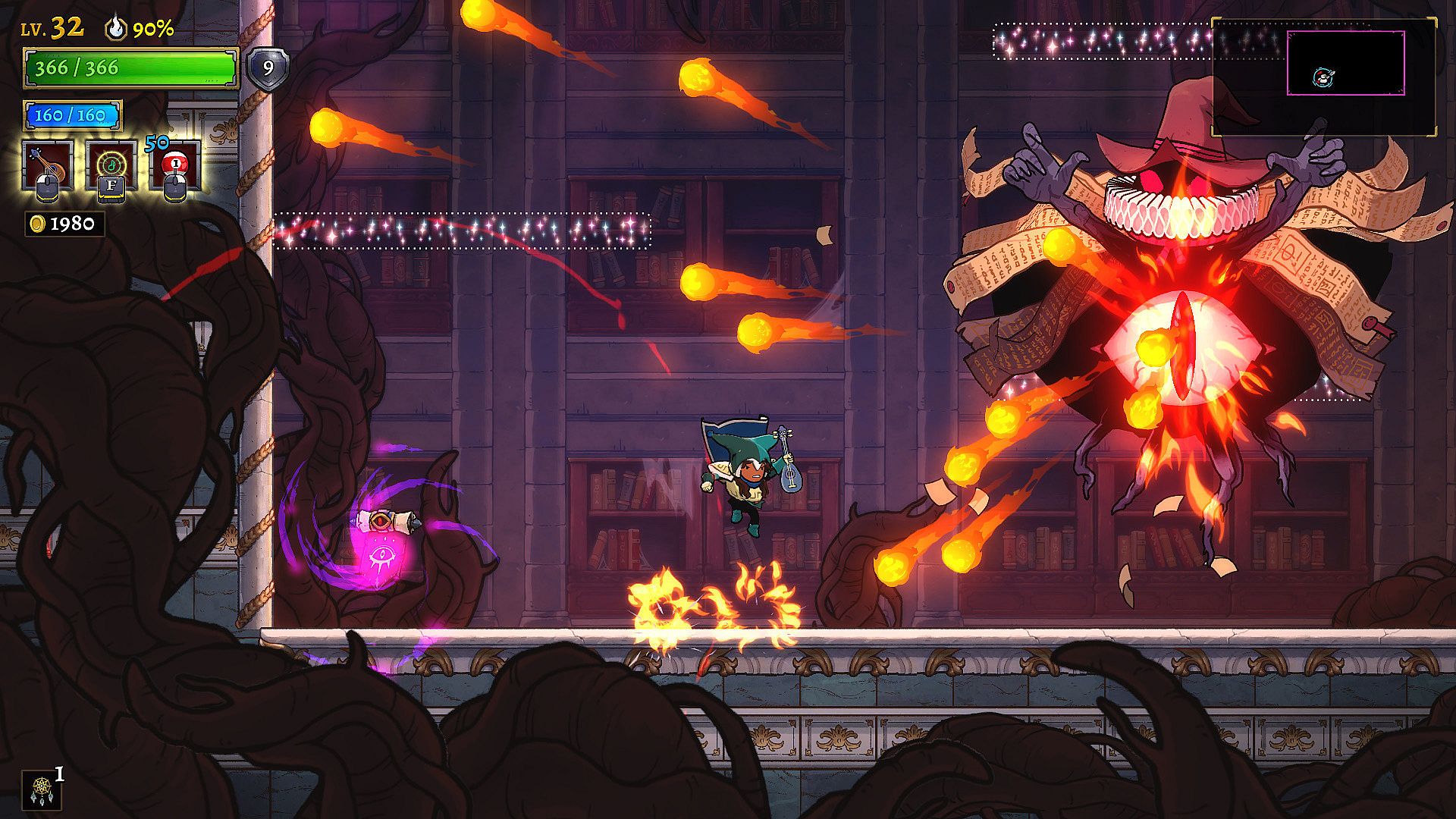
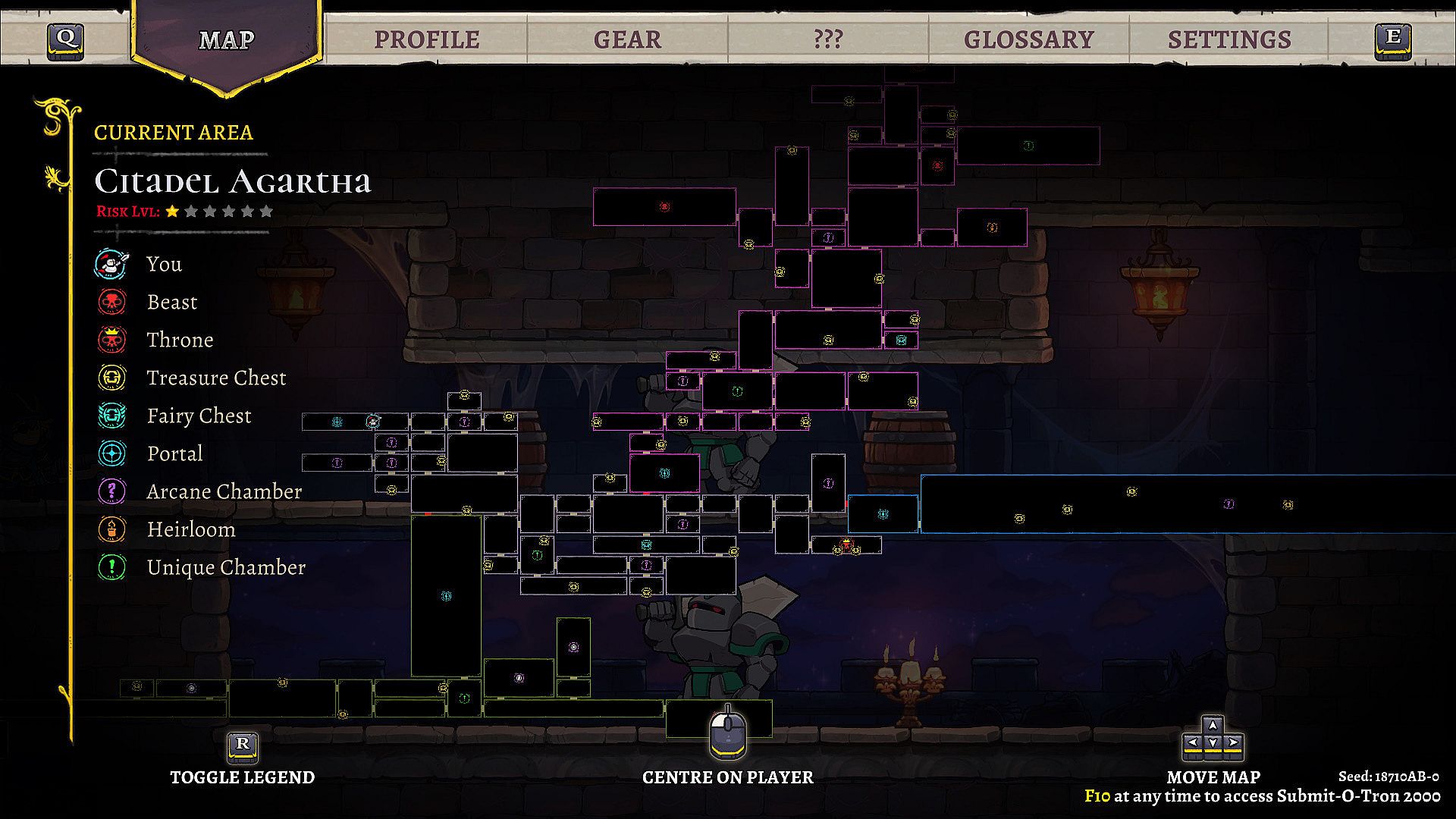
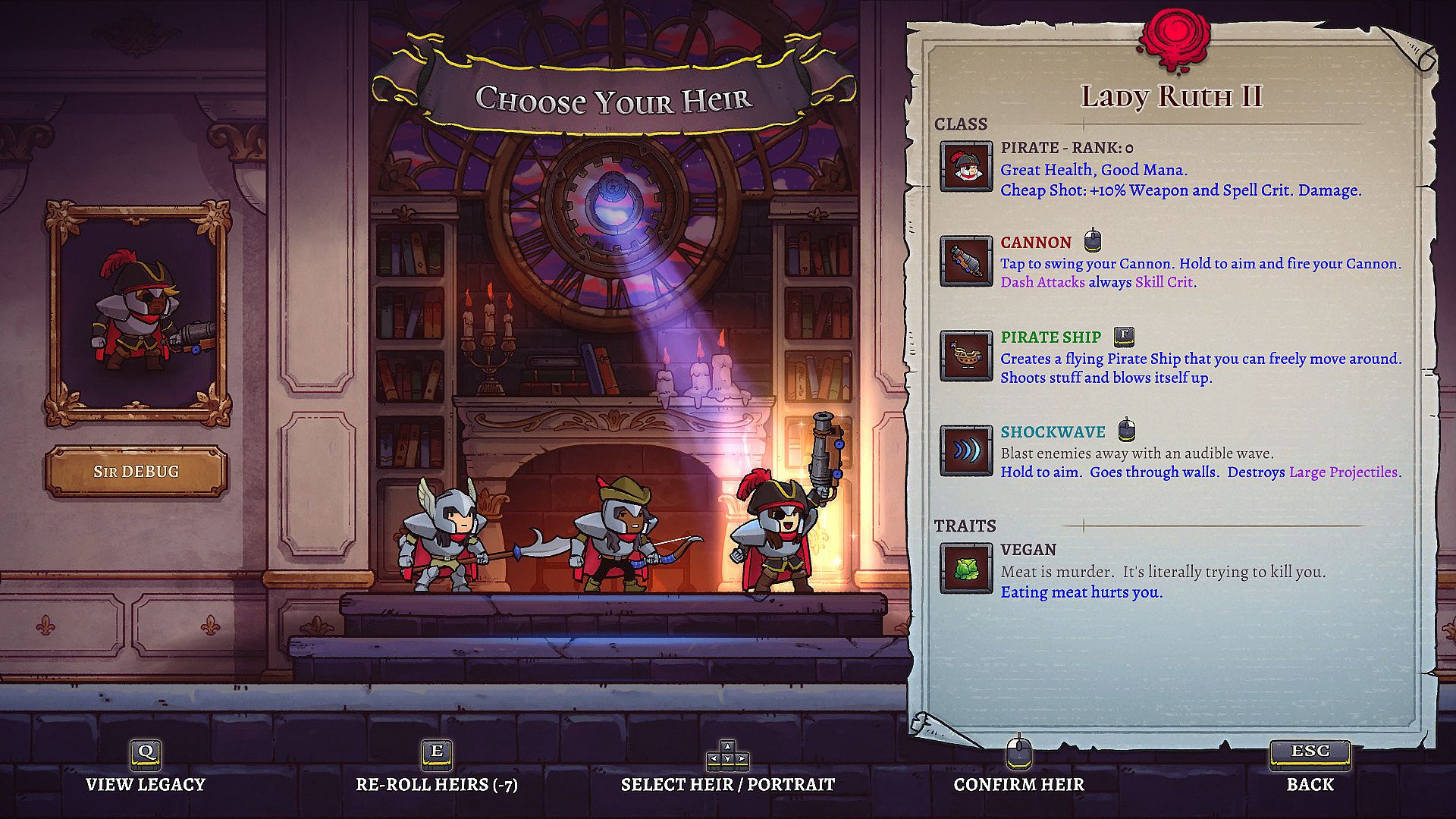
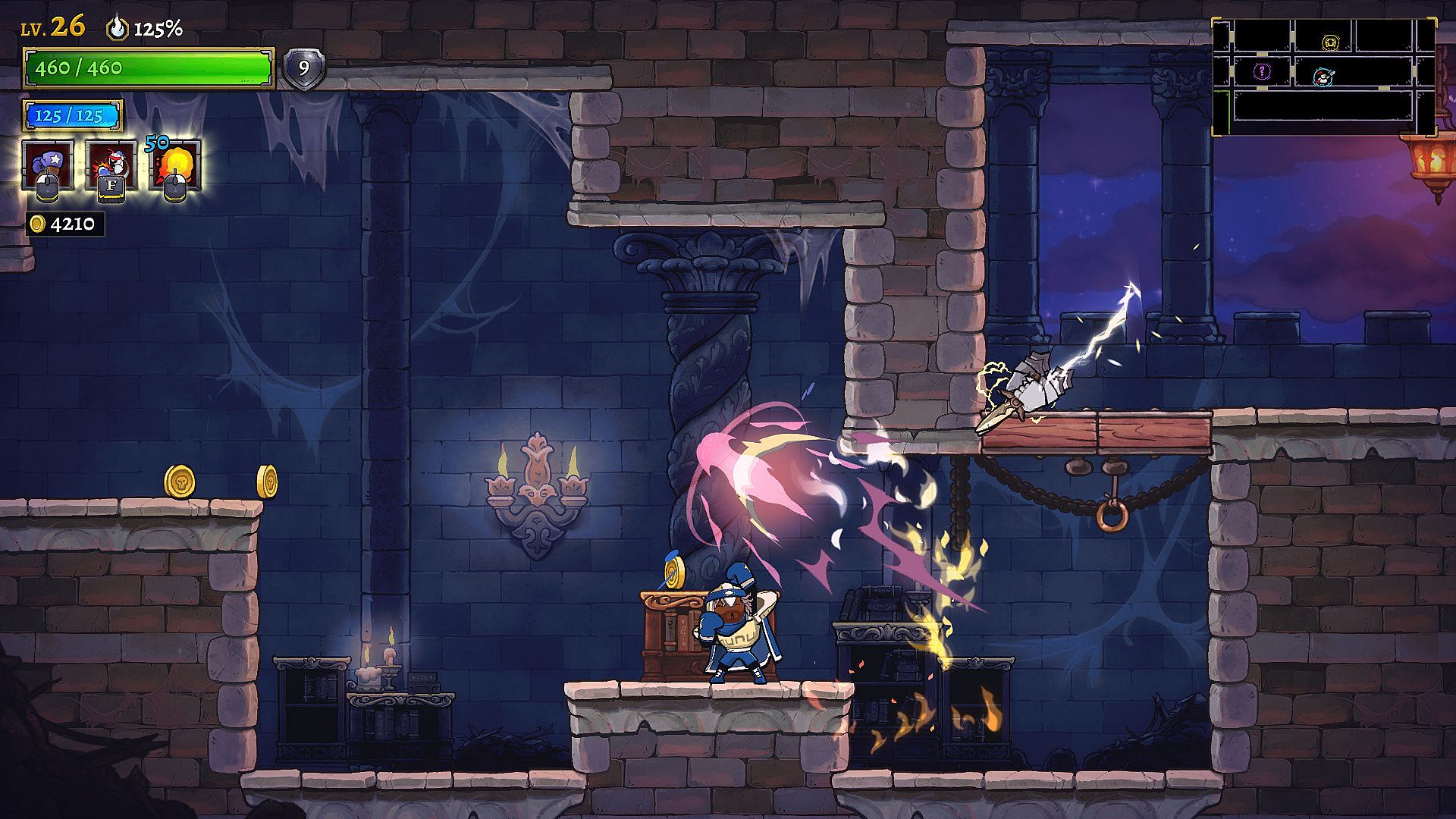
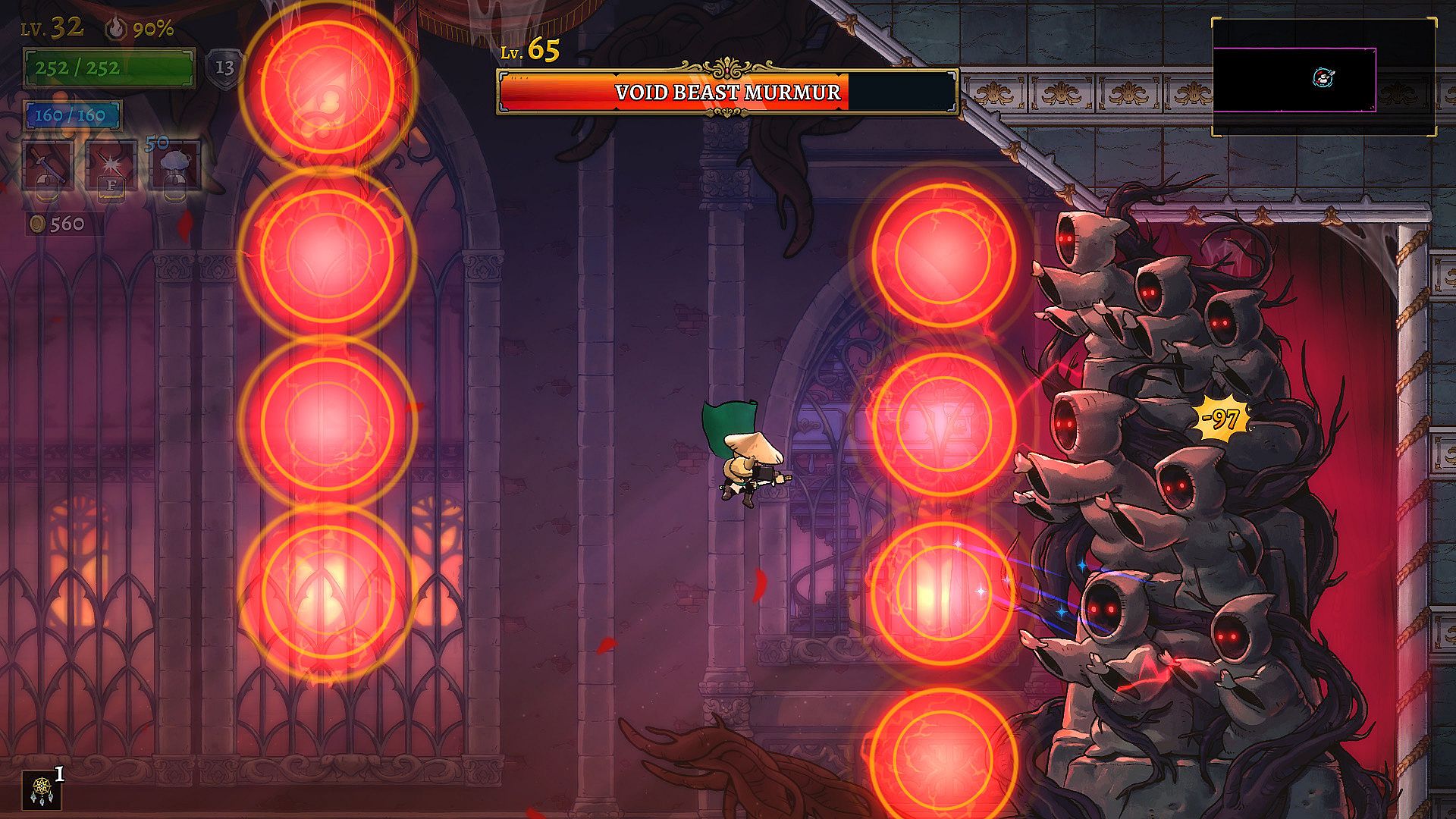
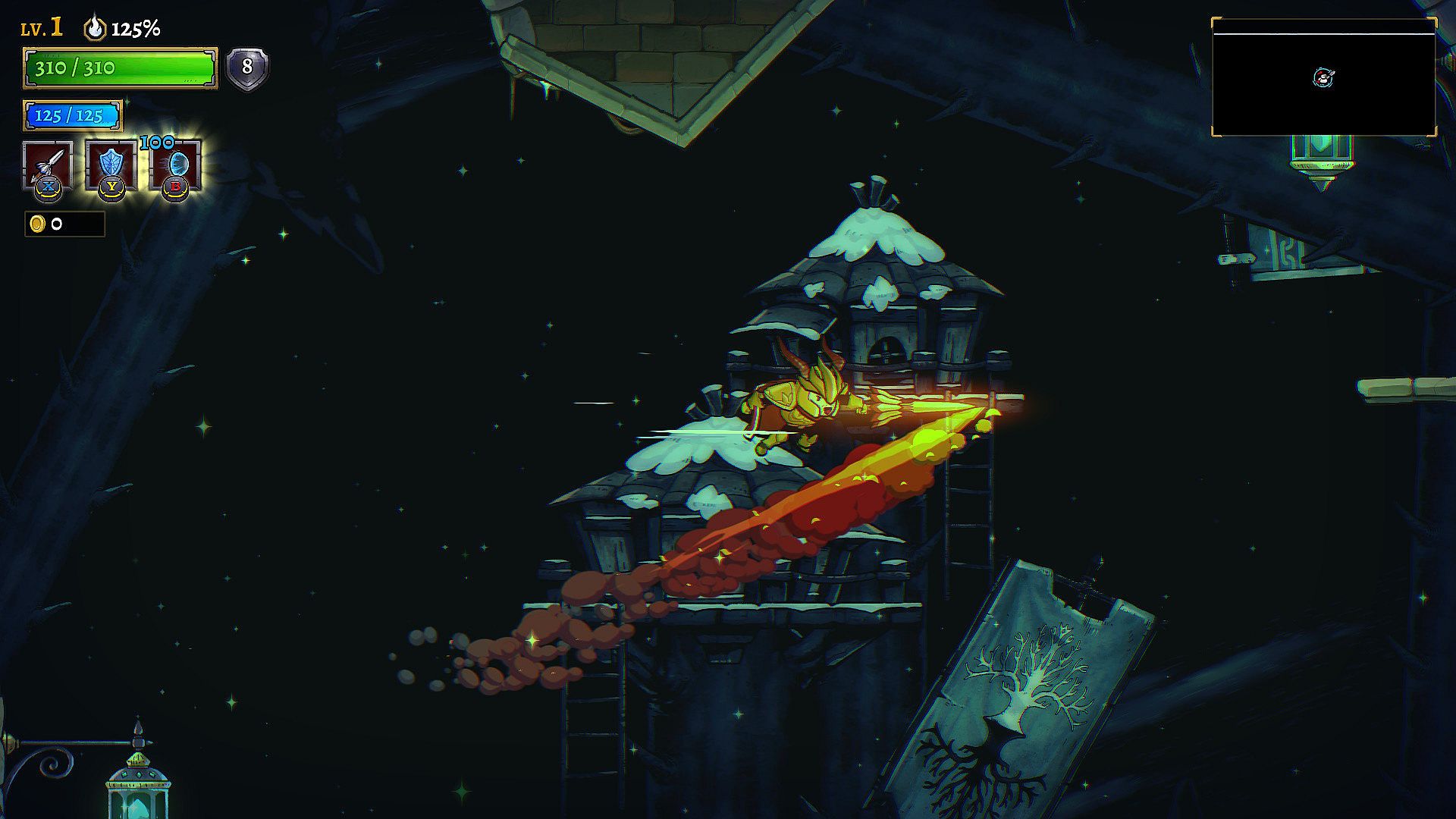
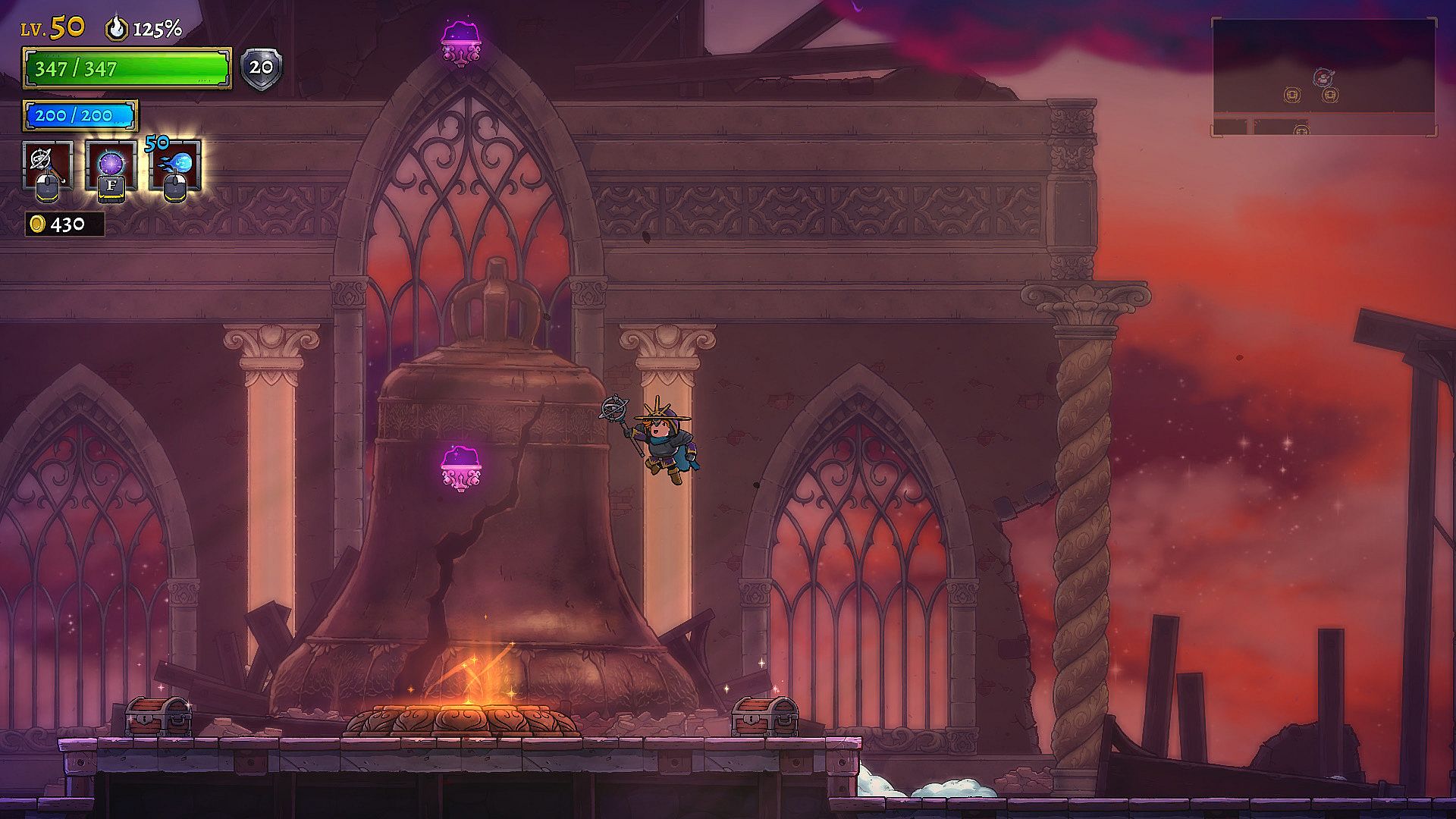
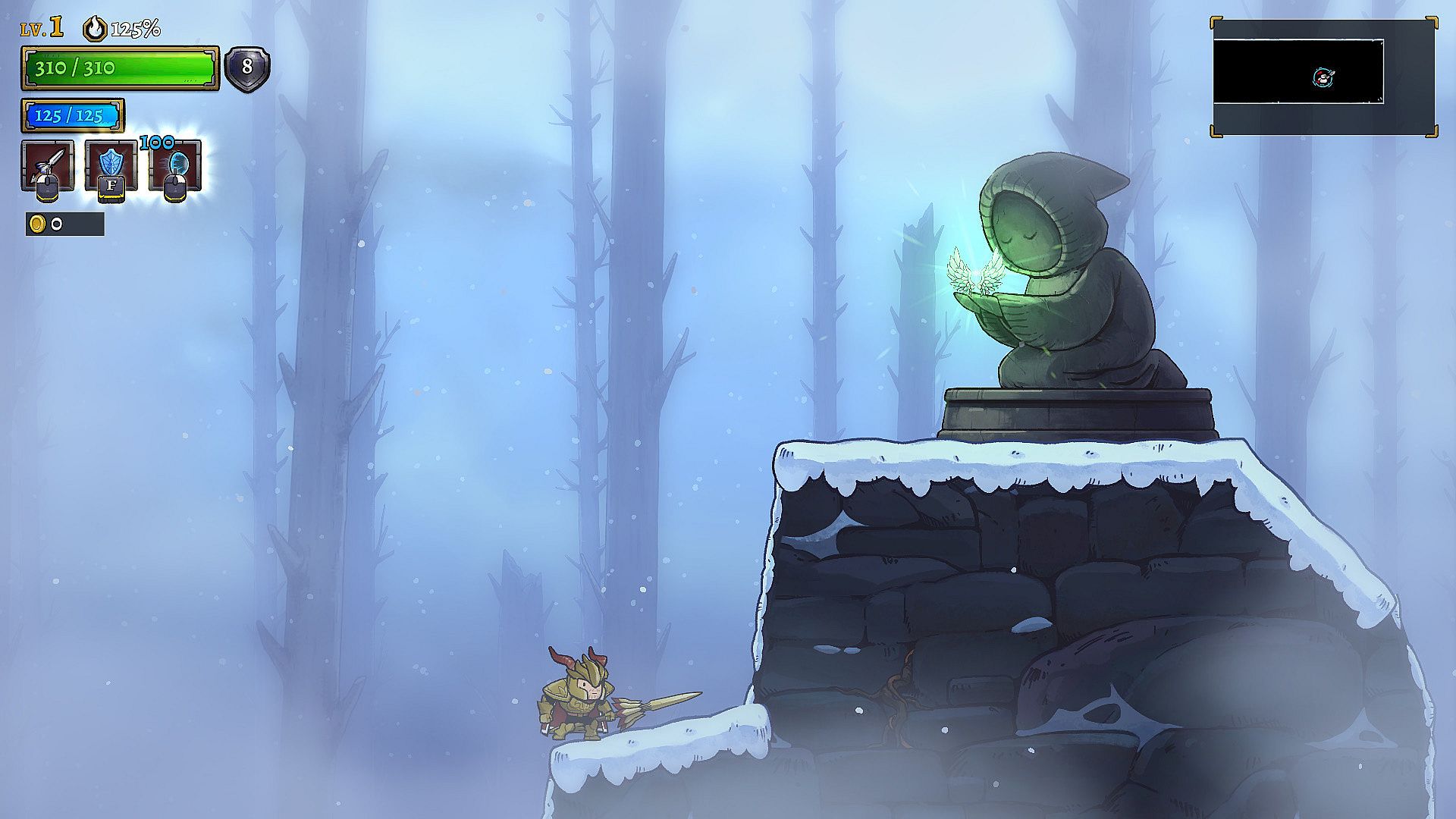
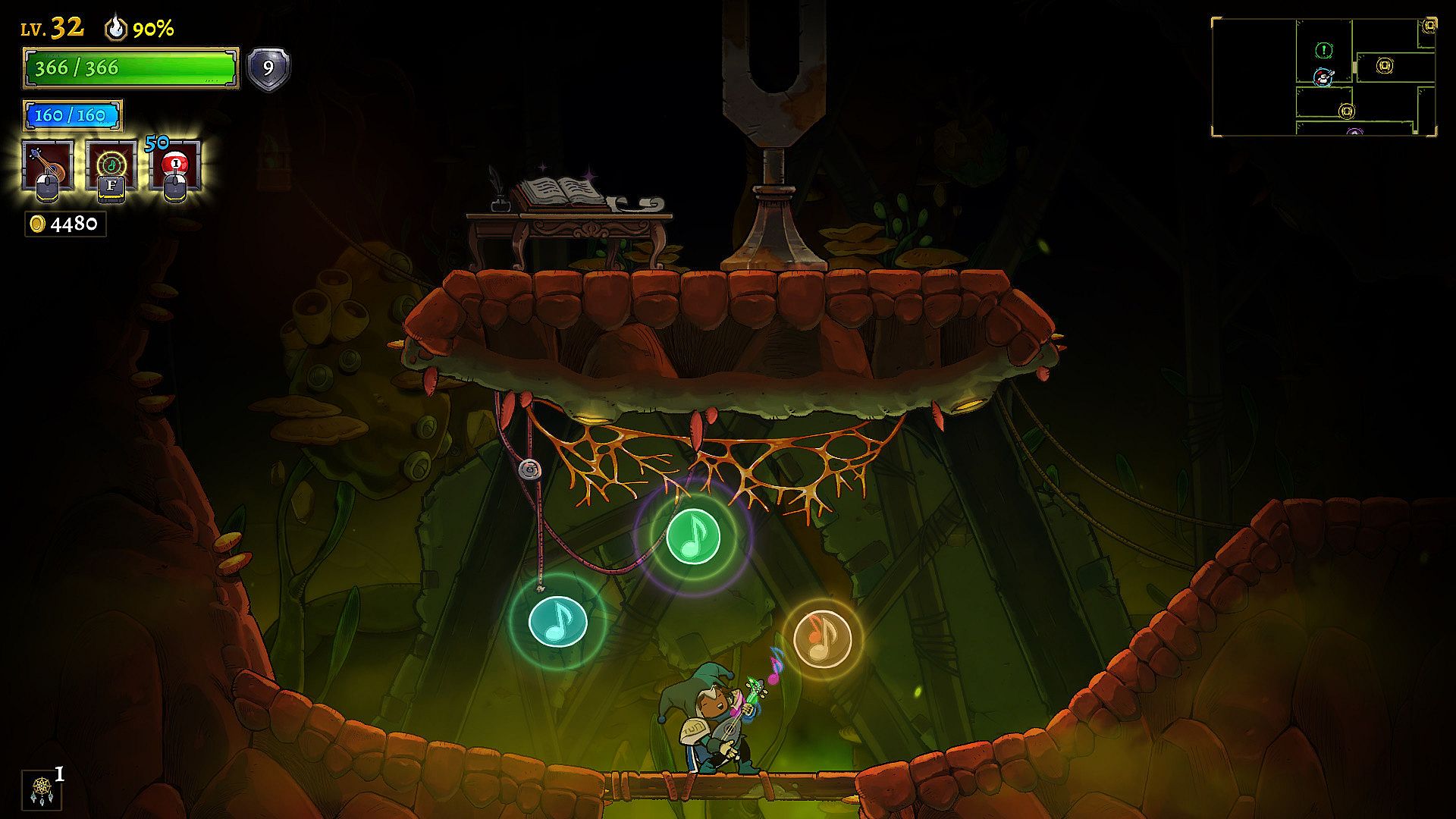
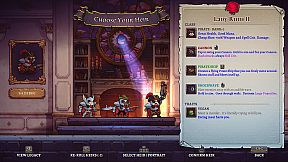
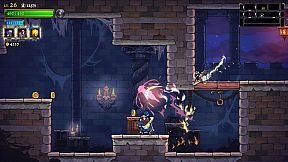
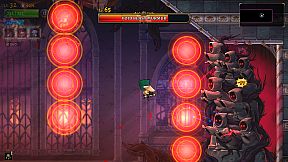
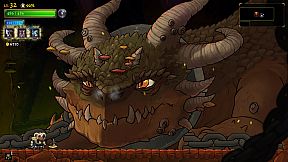
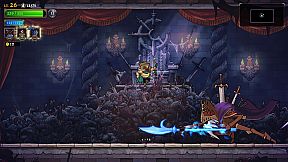
La mecánica principal consiste en expediciones breves por zonas generadas de forma procedimental, llenas de enemigos, trampas y secciones de plataformas. Cada heredero cuenta con rasgos únicos que modifican el combate y el movimiento, como el daltonismo o el pacifismo, además de habilidades propias de su clase. Quince clases ofrecen estilos de juego muy distintos: desde el tiro a distancia del Ranger hasta los ataques aéreos del Dragon Lancer o los golpes rítmicos del Bard. El combate premia la improvisación, ya que la disposición de los escenarios y los peligros cambian en cada intento.
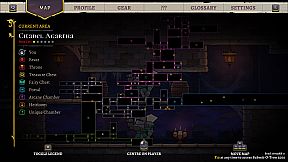
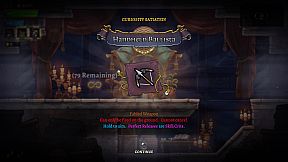
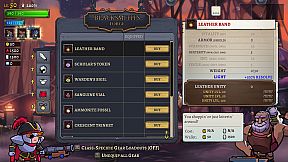
El progreso permanente se consigue invirtiendo el oro recogido en el feudo. Estas mejoras otorgan a los siguientes herederos mejores estadísticas iniciales y nuevas opciones. Los relicarios añaden profundidad estilo Metroidvania al conceder habilidades definitivas tras completar desafíos ocultos en cámaras secretas; existen siete en total y cada uno transforma el movimiento y el combate una vez desbloqueado. Las reliquias ofrecen modificadores temporales como bonificaciones de estadísticas o nuevas habilidades, aunque aumentan el desgaste de la resolución y desaparecen al morir. Los rasgos ahora recompensan con oro en función de sus desventajas, convirtiendo la elección del heredero en una decisión estratégica.
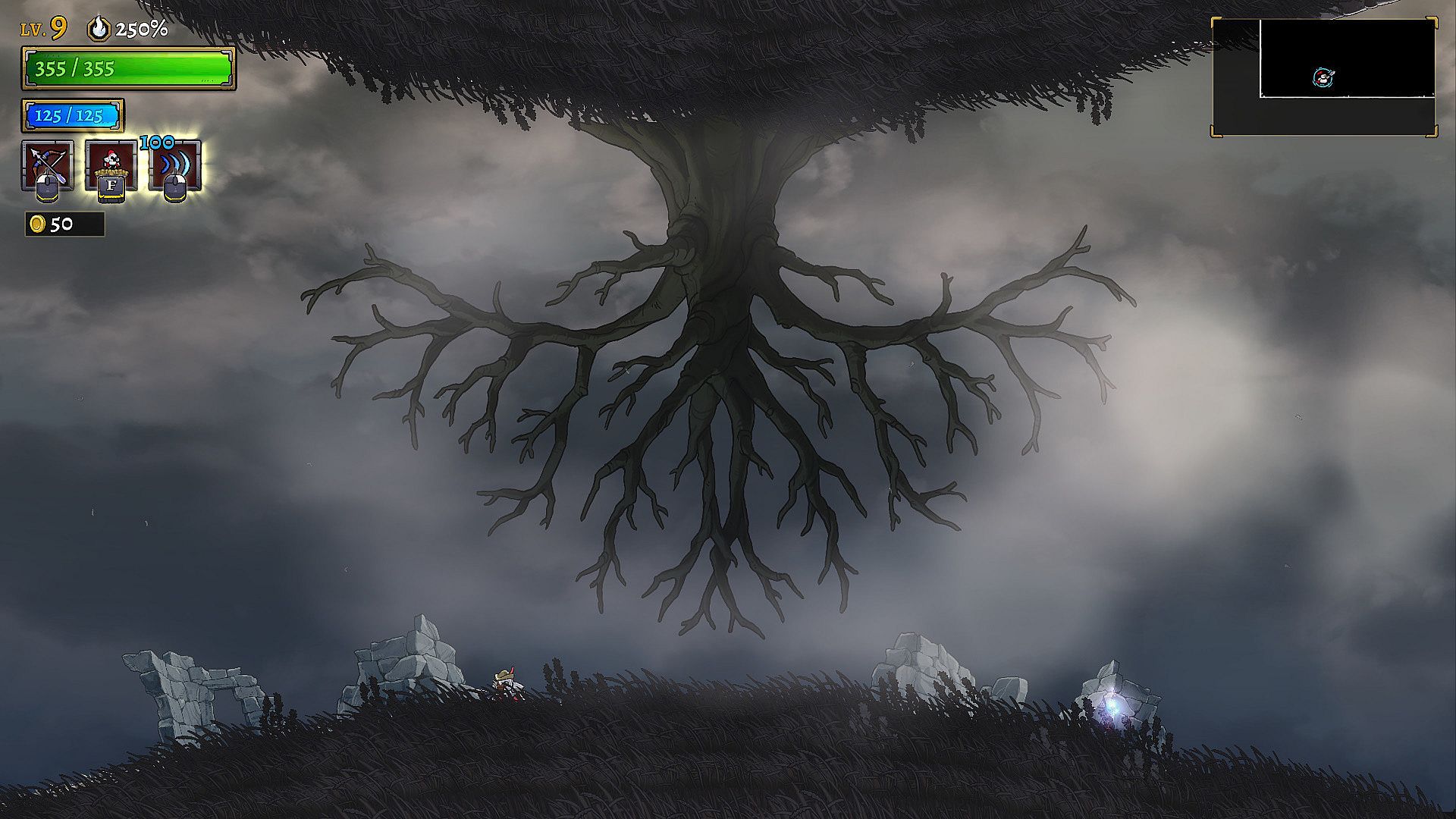
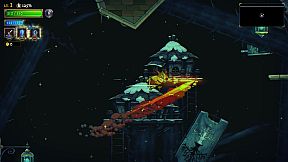
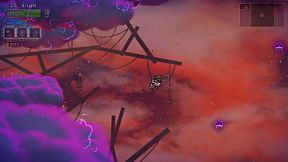
La generación de biomas crea regiones diferenciadas con sus propios diseños y peligros. La presentación en 2.5D combina fondos dibujados a mano con personajes en 3D sombreados y animaciones escalonadas que mantienen la identidad visual de la saga sin sacrificar fluidez.
Modos de juego
La experiencia principal se basa en sucesivas partidas roguelite por el reino, donde el éxito depende de adaptarse a nuevos diseños y gestionar recursos antes de regresar al feudo. New Game+ amplía esta estructura a través de varios ciclos. Tras completar la partida inicial, el jugador puede activar modificadores como peligros alterados en los biomas o encuentros de jefe más exigentes para aumentar la dificultad sin cambiar los sistemas básicos. Este formato permite campañas largas con retos que evolucionan y revelaciones narrativas que se descubren con cada victoria.
Las Reglas de la Casa actúan como una capa opcional que modifica parámetros como el daño por contacto, la salud y el daño global o la asistencia en plataformas, por ejemplo el vuelo. Estos ajustes permiten personalizar la experiencia de cada partida sin afectar la estructura roguelite ni los desbloqueos permanentes.
Sistemas de progresión
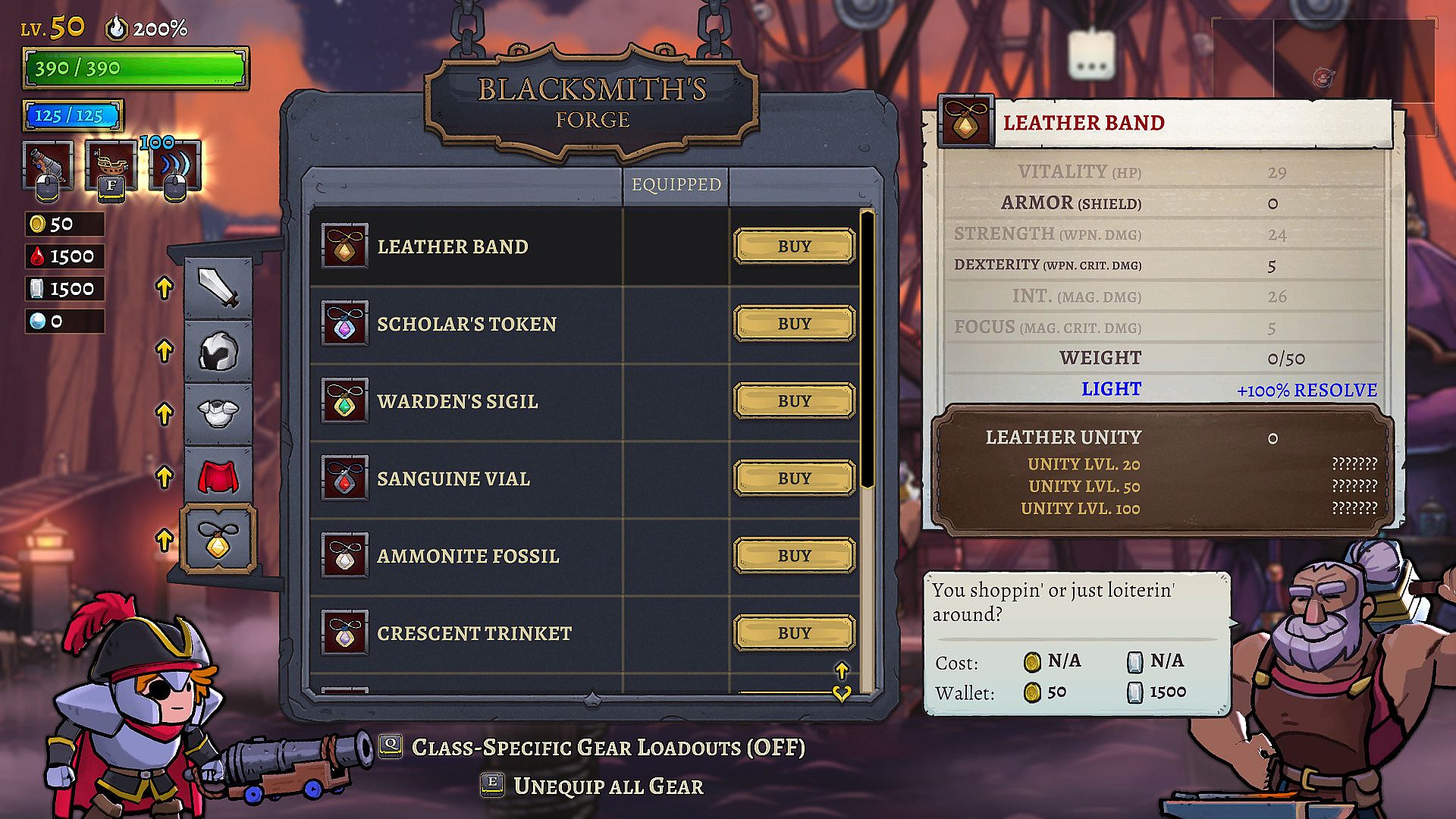
El desarrollo del feudo y la obtención de relicarios constituyen la base del avance a largo plazo. El oro invertido en mejoras se mantiene entre generaciones, mientras que los relicarios exigen exploración deliberada y completar pruebas para abrir nuevas rutas y habilidades. Las reliquias introducen decisiones de riesgo-recompensa dentro de cada partida, obligando a equilibrar el poder obtenido con el coste de resolución. Equipo, hechizos y rasgos adicionales amplían las posibilidades a medida que avanza la campaña, y New Game+ añade más capas de personalización mediante los peligros seleccionados.
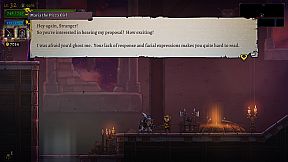
Los elementos narrativos se revelan de forma gradual a lo largo de varias partidas. El lore expandido detalla la decadencia del reino y las figuras que la provocaron, accesible mediante repeticiones y conversaciones con personajes recurrentes.
¿Merece la pena jugarlo?
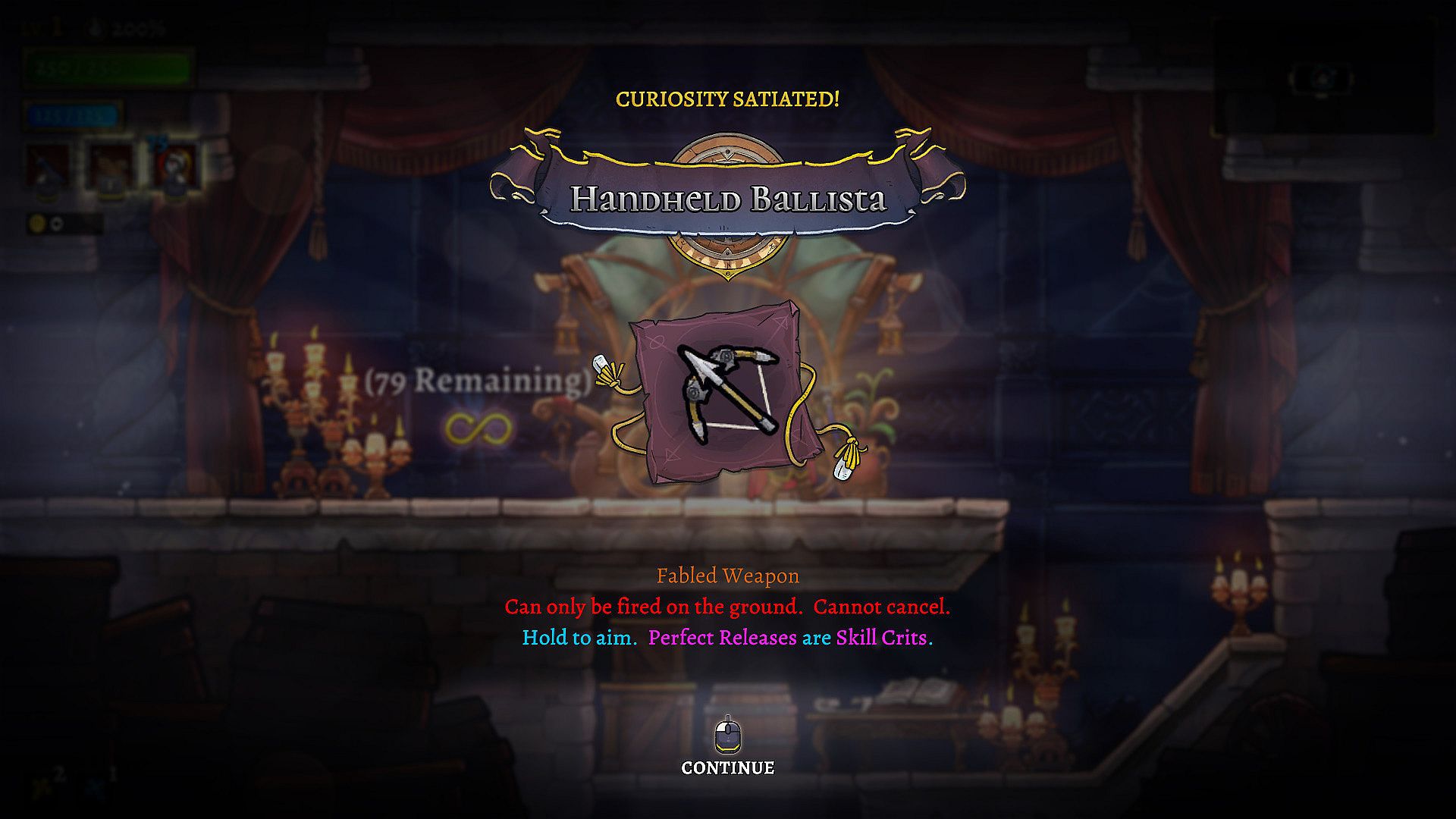
Rogue Legacy 2 está pensado para quienes buscan roguelites que combinen partidas cortas y de alto riesgo con un crecimiento significativo a largo plazo. La variedad de clases y el sistema de relicarios fomentan la experimentación, mientras que las Reglas de la Casa ofrecen flexibilidad para distintos niveles de habilidad o necesidades de accesibilidad. Las reseñas de usuarios en Steam se mantienen en Muy positivas tanto de forma general como reciente. El juego se lanzó en 2022 y sigue recibiendo atención años después gracias a actualizaciones que añadieron armas, reliquias y mejoras de rendimiento.
Quienes busquen plataformas exigentes, una personalización profunda del personaje y rejugabilidad a través de las variantes de New Game+ encontrarán un contenido abundante. Su enfoque en un solo jugador y sus sistemas persistentes garantizan una implicación constante sin necesidad de componentes multijugador.