





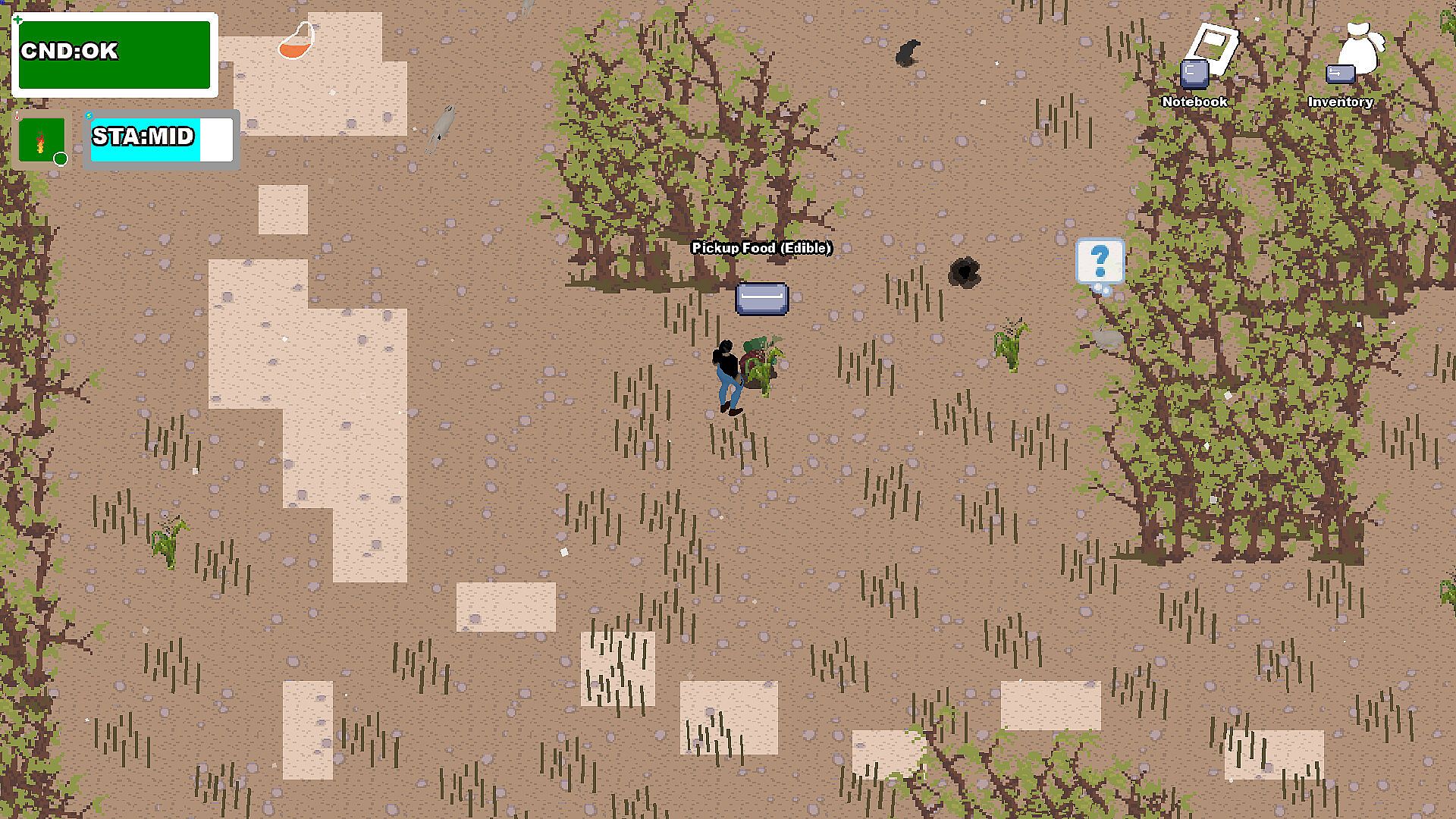
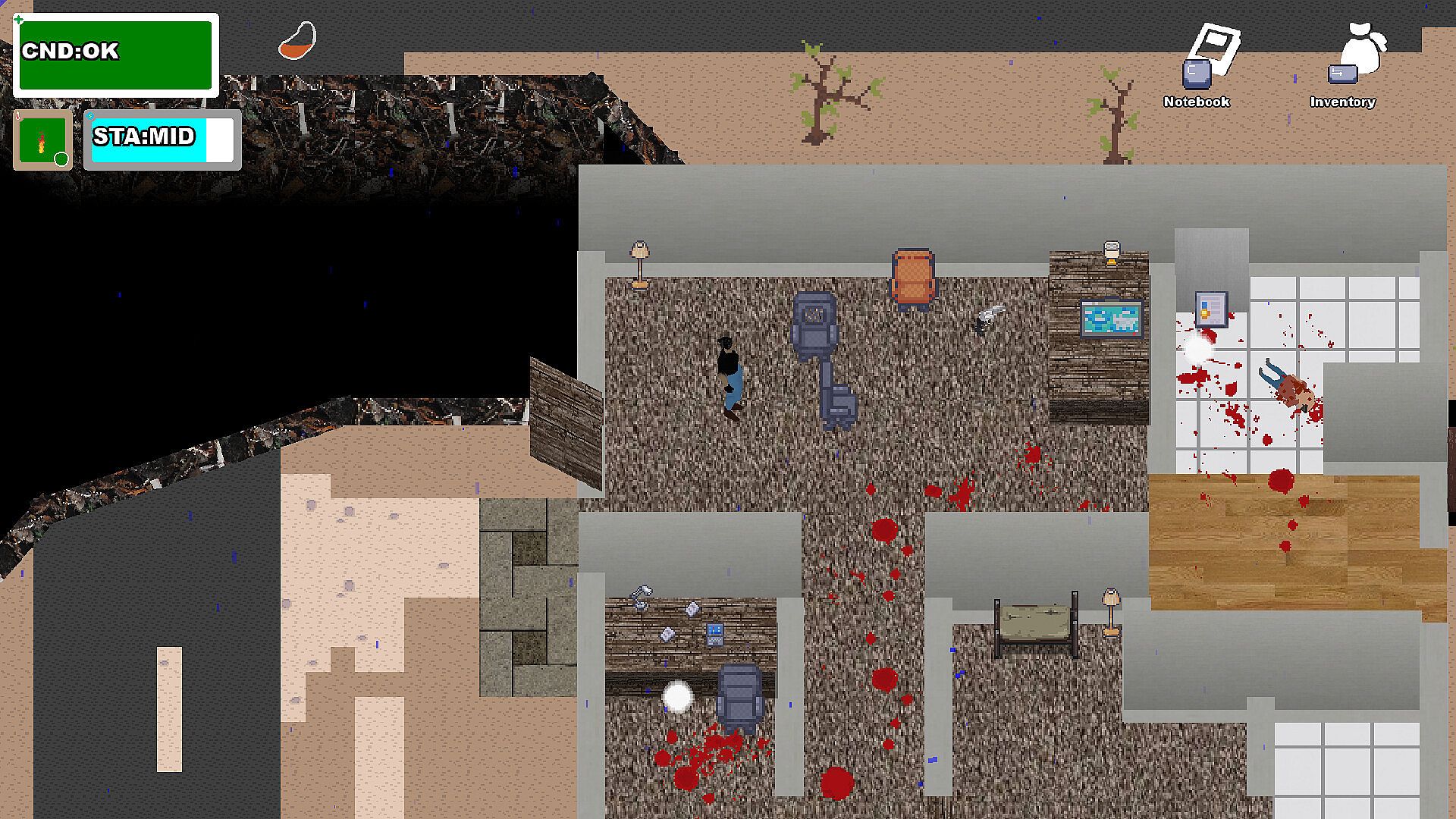
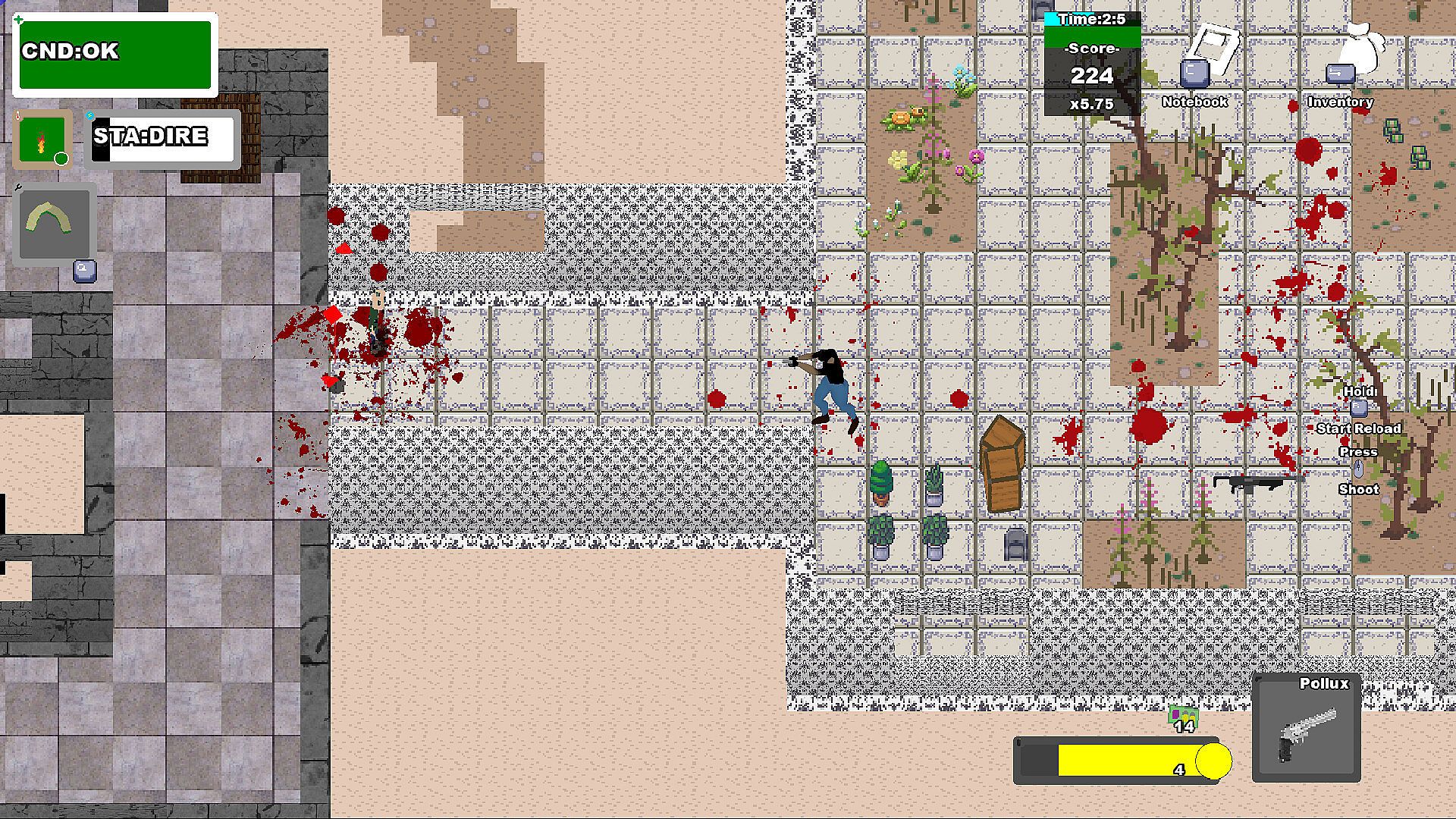
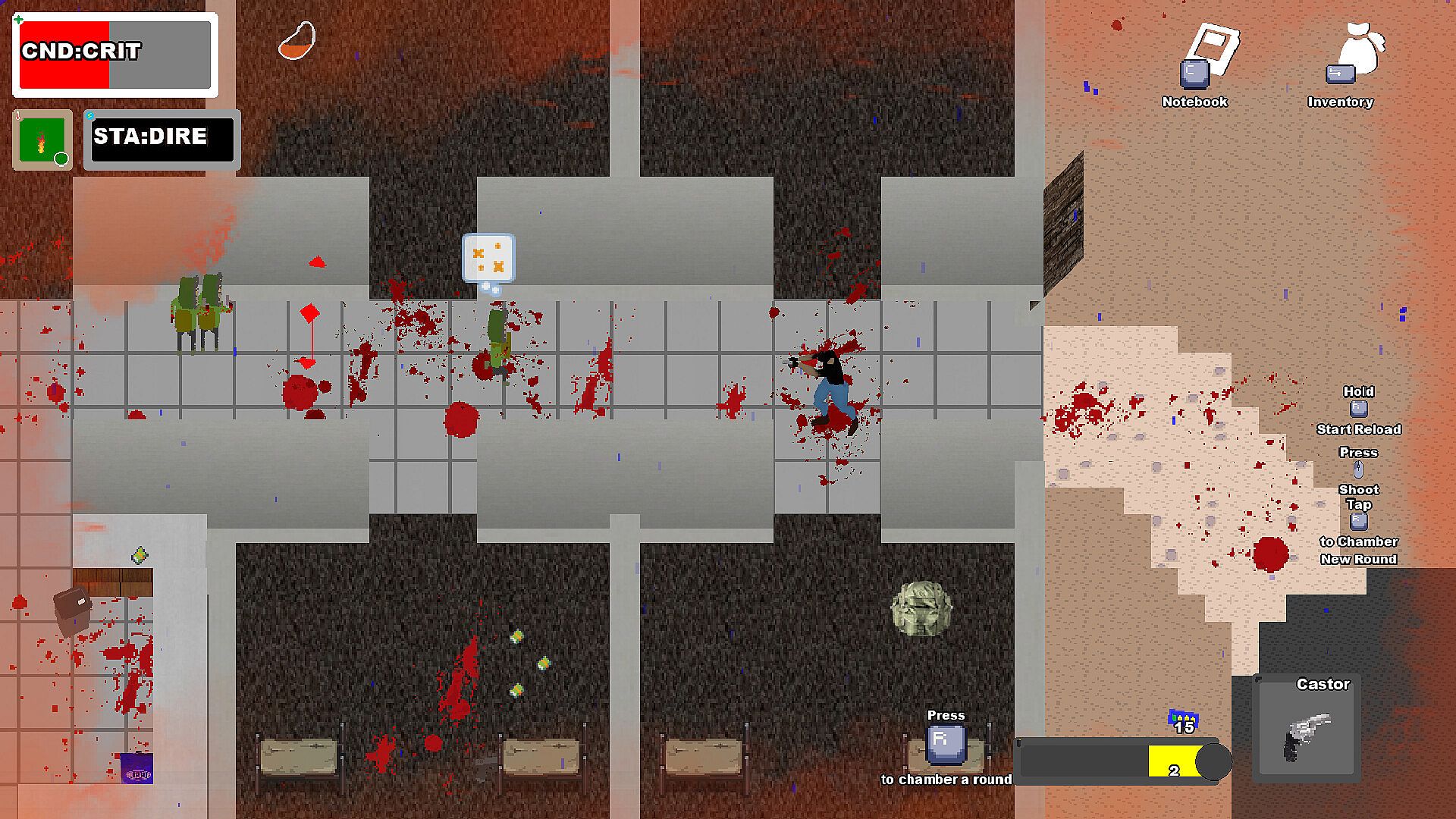
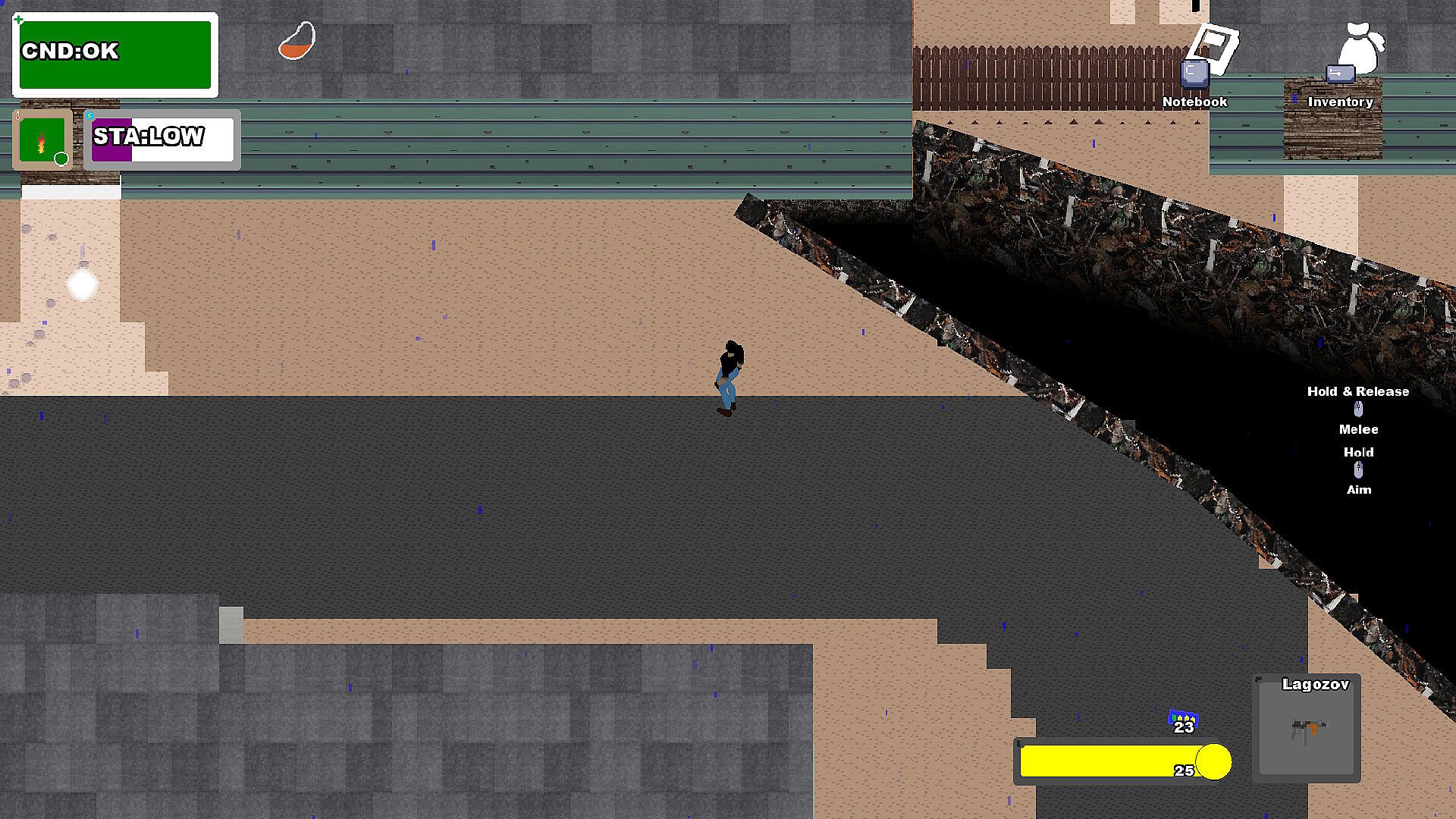
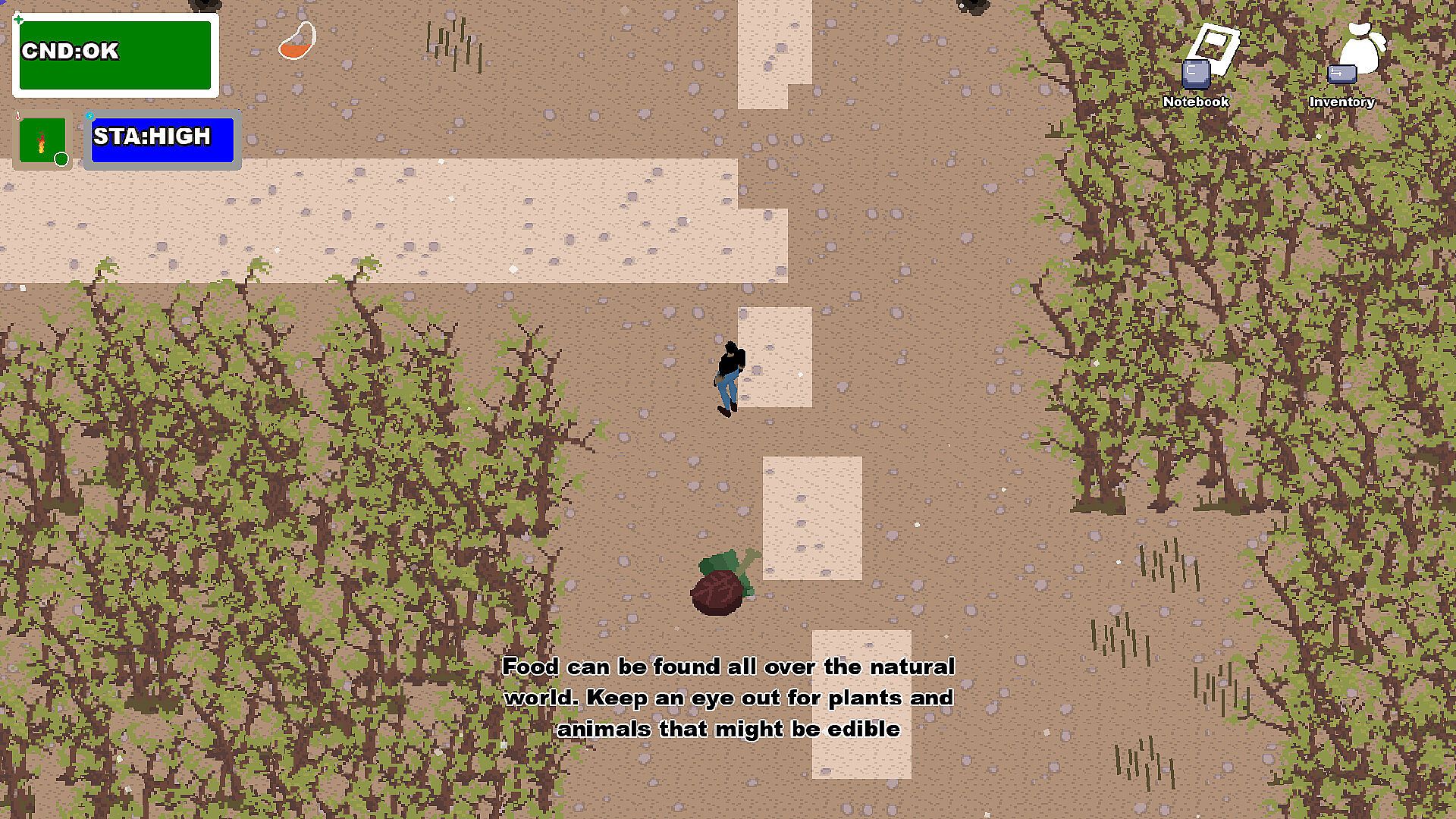
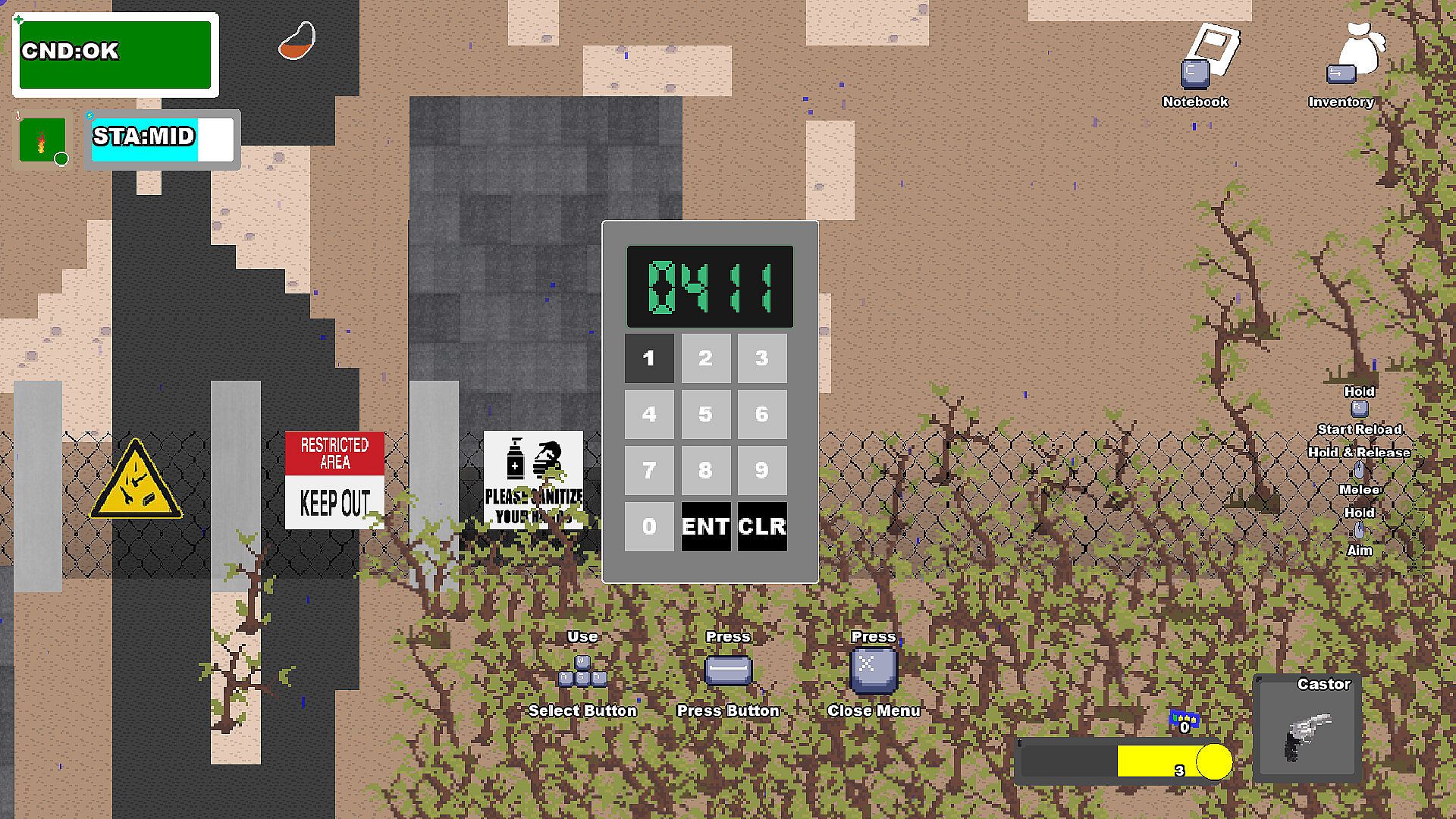
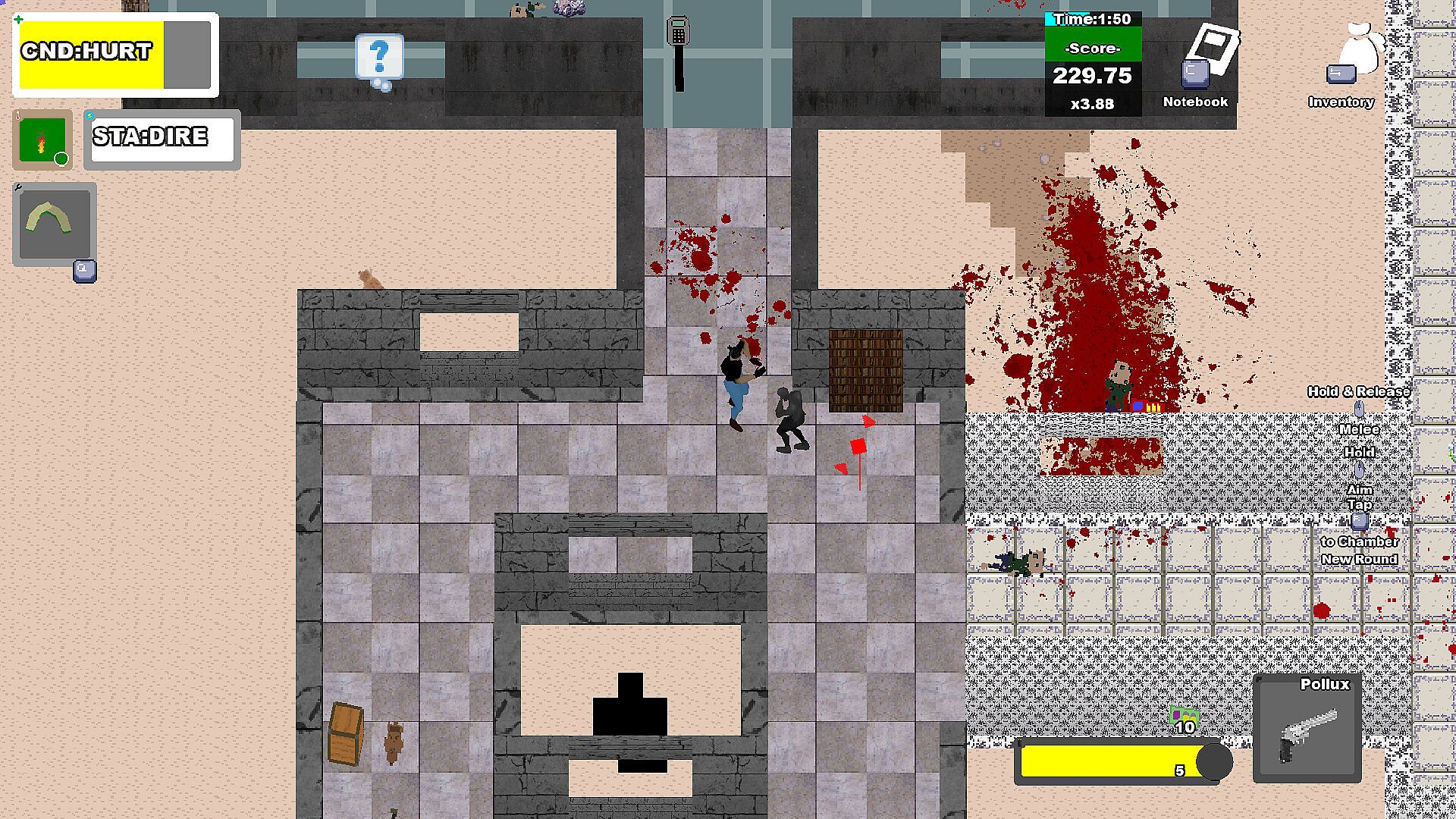
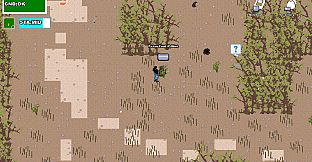
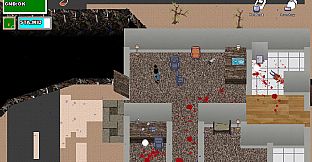
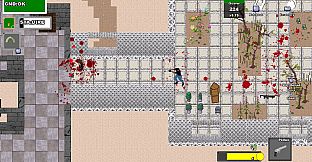
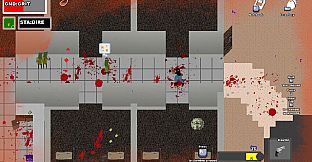
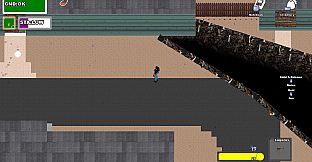
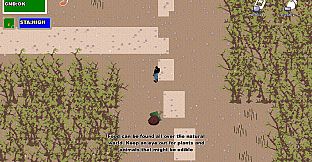
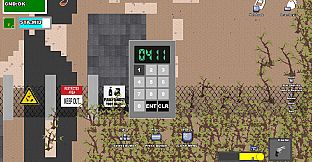
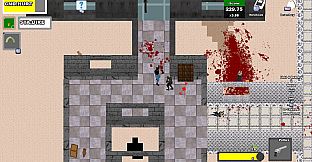
Qumaq is a survival horror action adventure game set on PC that places players in the role of shipwreck survivors stranded on Quarrel Island in the Bering Sea. The title blends tense exploration, resource scarcity, and combat against unusual threats while revealing layers of the island's past through abandoned structures and environmental clues. Developed by CakeNeq Games in partnership with Alaskan author Don Rearden, the experience draws on real regional history and culture to create a grounded yet unsettling atmosphere focused on endurance and community.
Gameplay
Core survival loops revolve around scavenging supplies to maintain food, water, and warmth during long Arctic nights. Players move through varied terrain that includes the ruins of a Soviet prison, remnants of an old fishing settlement, open steppe, and settlements built into volcanic slopes. Resource management requires careful decisions about what to carry and how to allocate limited items among the group of survivors.
Combat involves a mix of firearms, melee weapons, and improvised tools to fend off infested creatures that inhabit the island. Encounters emphasize positioning and conservation of ammunition rather than endless aggression. Exploration rewards attention to detail, as hidden paths and collectible notes gradually piece together the island's history and the reasons behind its current state of decay.
Relationships with other survivors add another layer, as each character brings distinct Alaskan perspectives and skills that influence group dynamics. Contributing to their needs can unlock new options for shelter, information, or assistance during critical moments. The overall loop encourages repeated visits to locations to uncover more while adapting to changing conditions on the island.
Game Modes
Qumaq focuses on a single-player campaign that integrates survival mechanics with narrative progression. Players handle all aspects of exploration, combat, and resource allocation without reliance on external matchmaking or competitive systems. The structure supports steady advancement through the island's mysteries at a pace set by individual play style and risk tolerance.
Progression ties directly to managing the group's collective needs while pushing deeper into restricted or dangerous areas. No separate competitive or cooperative modes appear in the design, keeping emphasis on personal decision-making and discovery within the shared environment.
Story and Setting
Quarrel Island functions as more than a backdrop, serving as a living entity shaped by decades of isolation. An abandoned Soviet prison facility, decaying fishing villages, and a looming volcano with activity inside its caldera provide distinct zones filled with environmental storytelling. The narrative explores themes of resilience and belonging as survivors confront both immediate dangers and longer-term questions about their place on this remote land.
The collaboration with Don Rearden brings authentic details from Alaskan experiences into character dialogue and world-building. This results in a cast whose backstories reflect regional realities, adding weight to choices about trust, cooperation, and escape attempts.
Is It Worth Playing?
Qumaq targets players who enjoy deliberate survival horror combined with adventure elements and light narrative branching through character interactions. The emphasis on atmospheric exploration and resource tension suits those drawn to slower-paced experiences rather than fast action or large-scale multiplayer. With a planned public demo ahead of the full release window in late 2026 or early 2027, interested players can evaluate the core systems firsthand before committing.
The unique Alaskan collaboration and focus on a contained island setting distinguish it from broader genre entries, offering a self-contained story about community and endurance in extreme conditions. Those seeking polished single-player survival with cultural specificity will find the most alignment with its approach.








