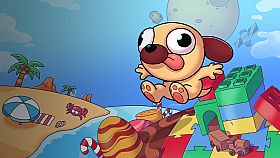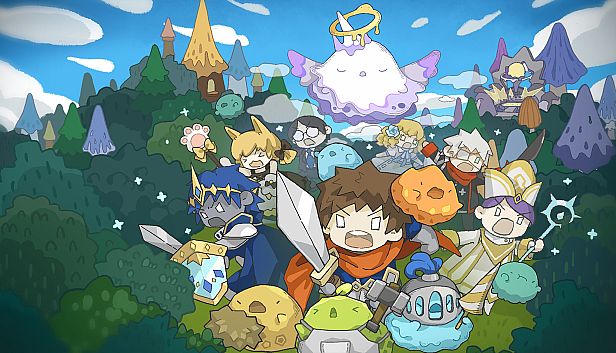


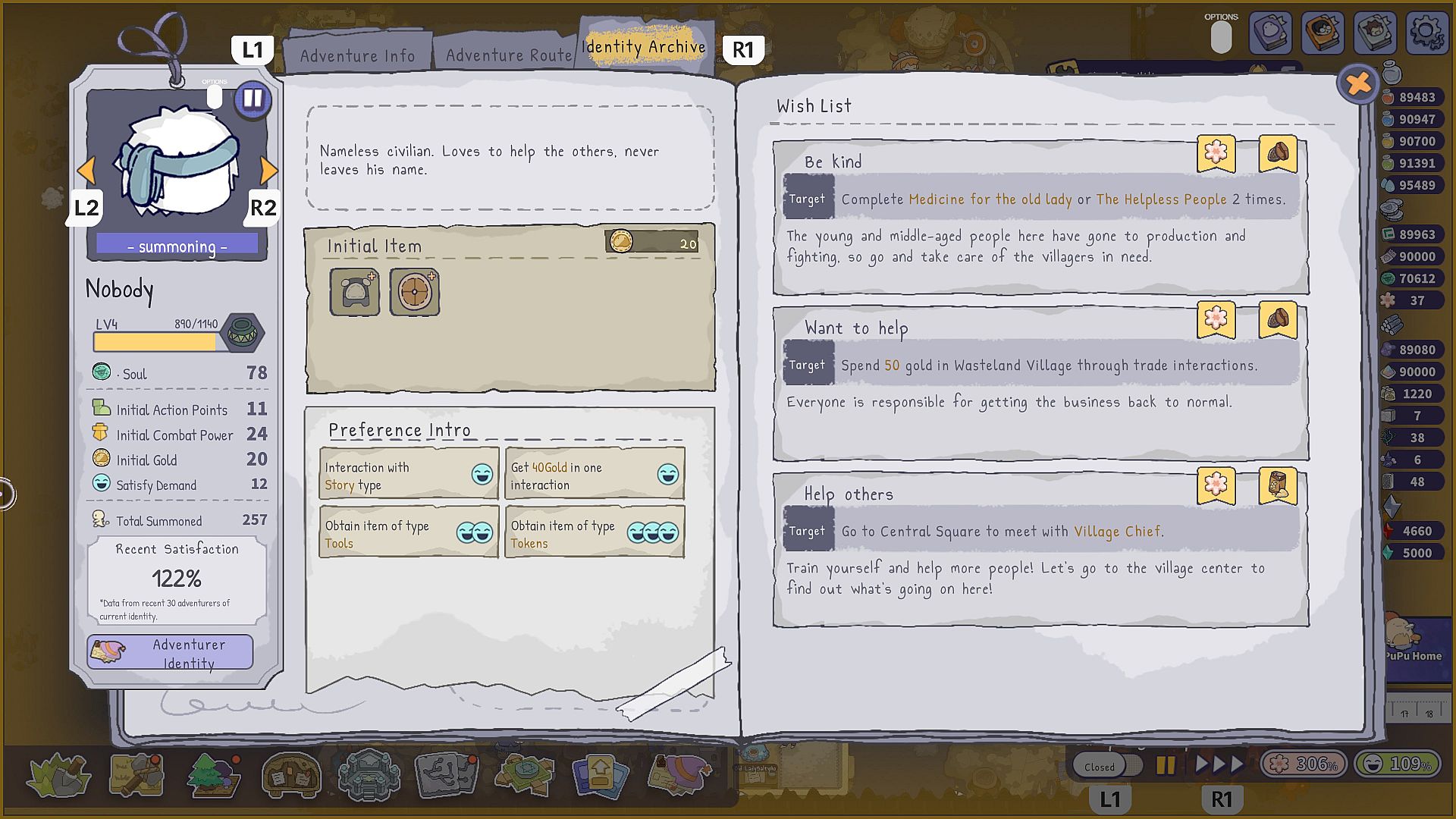
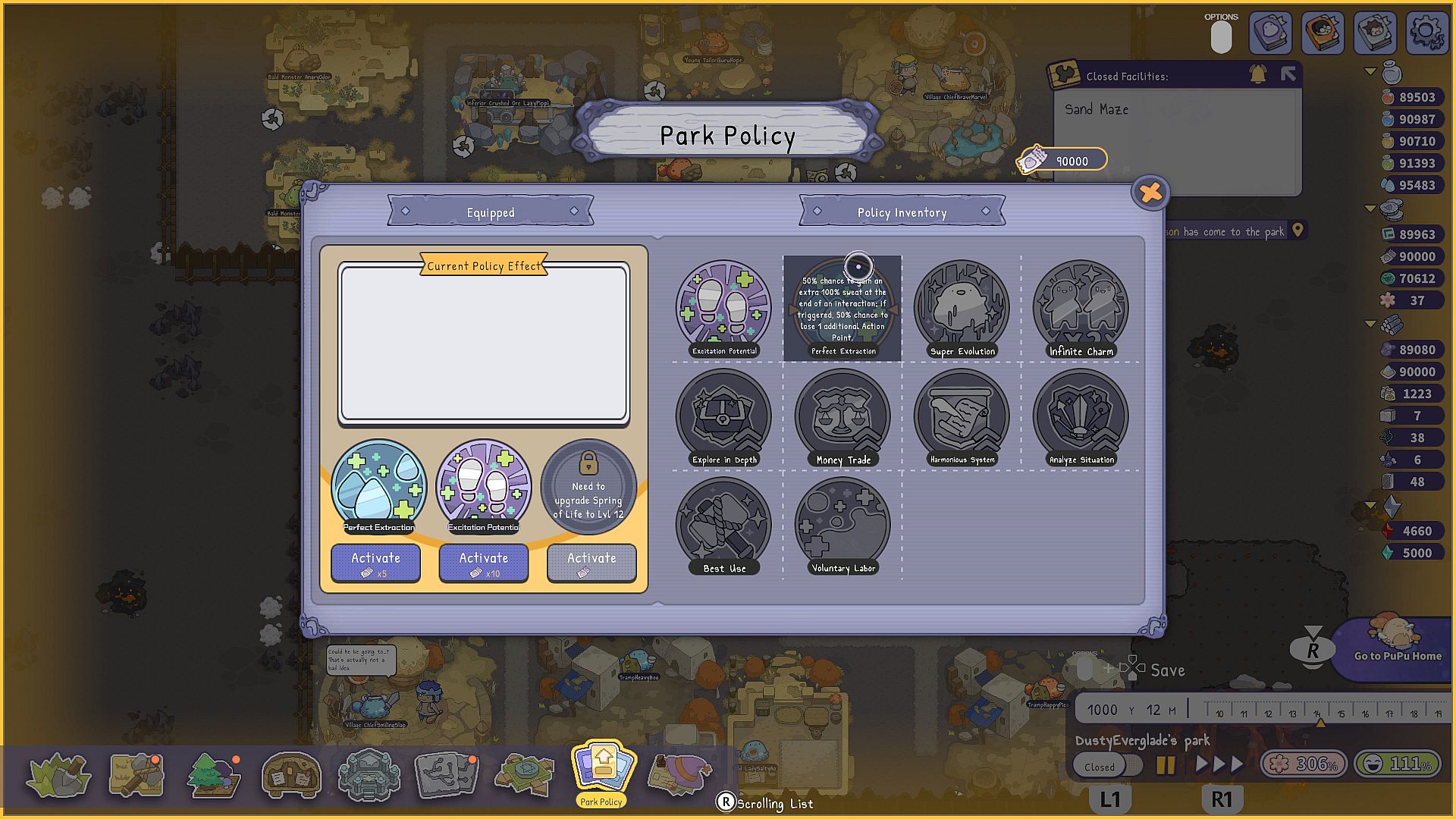
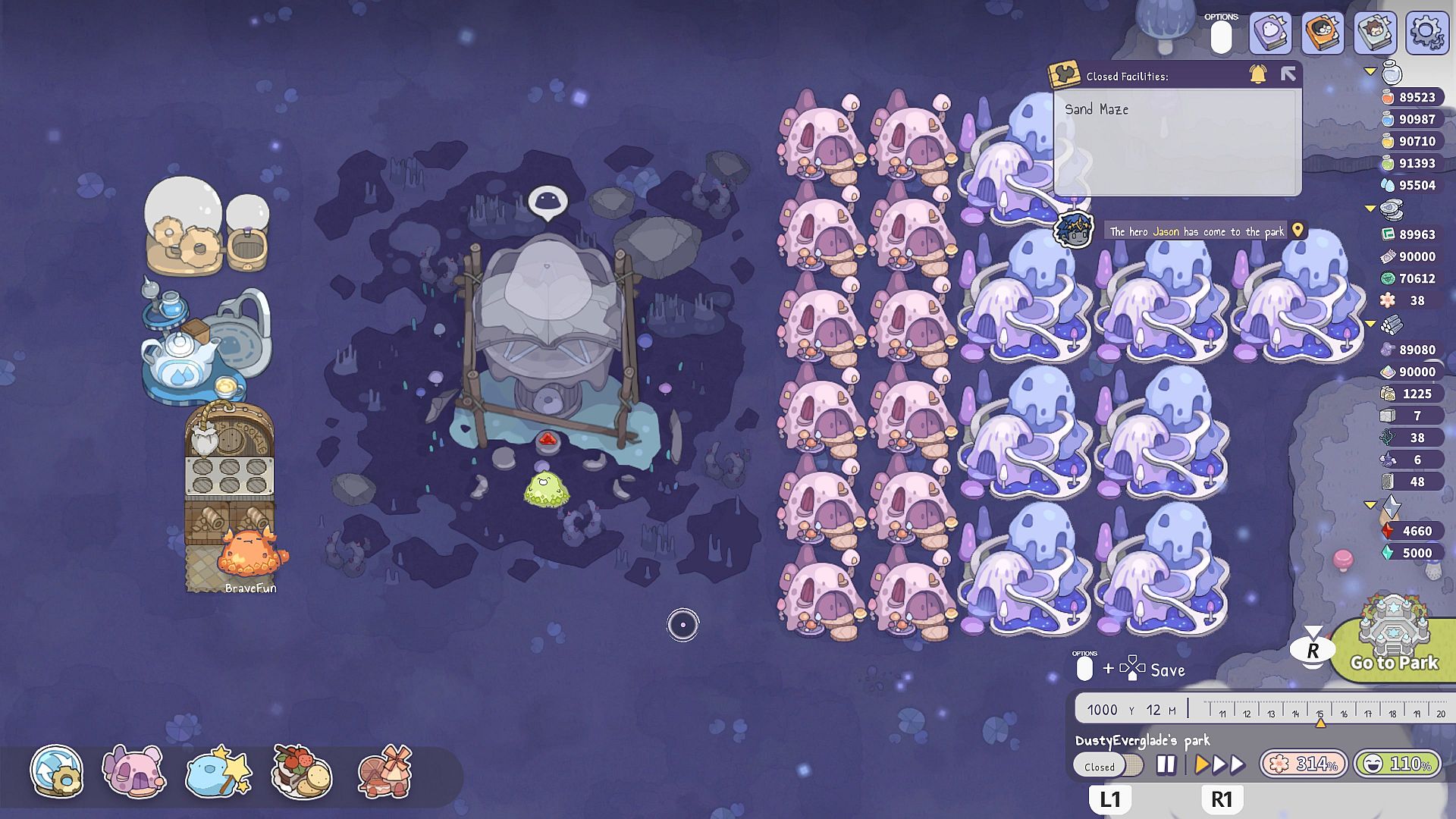
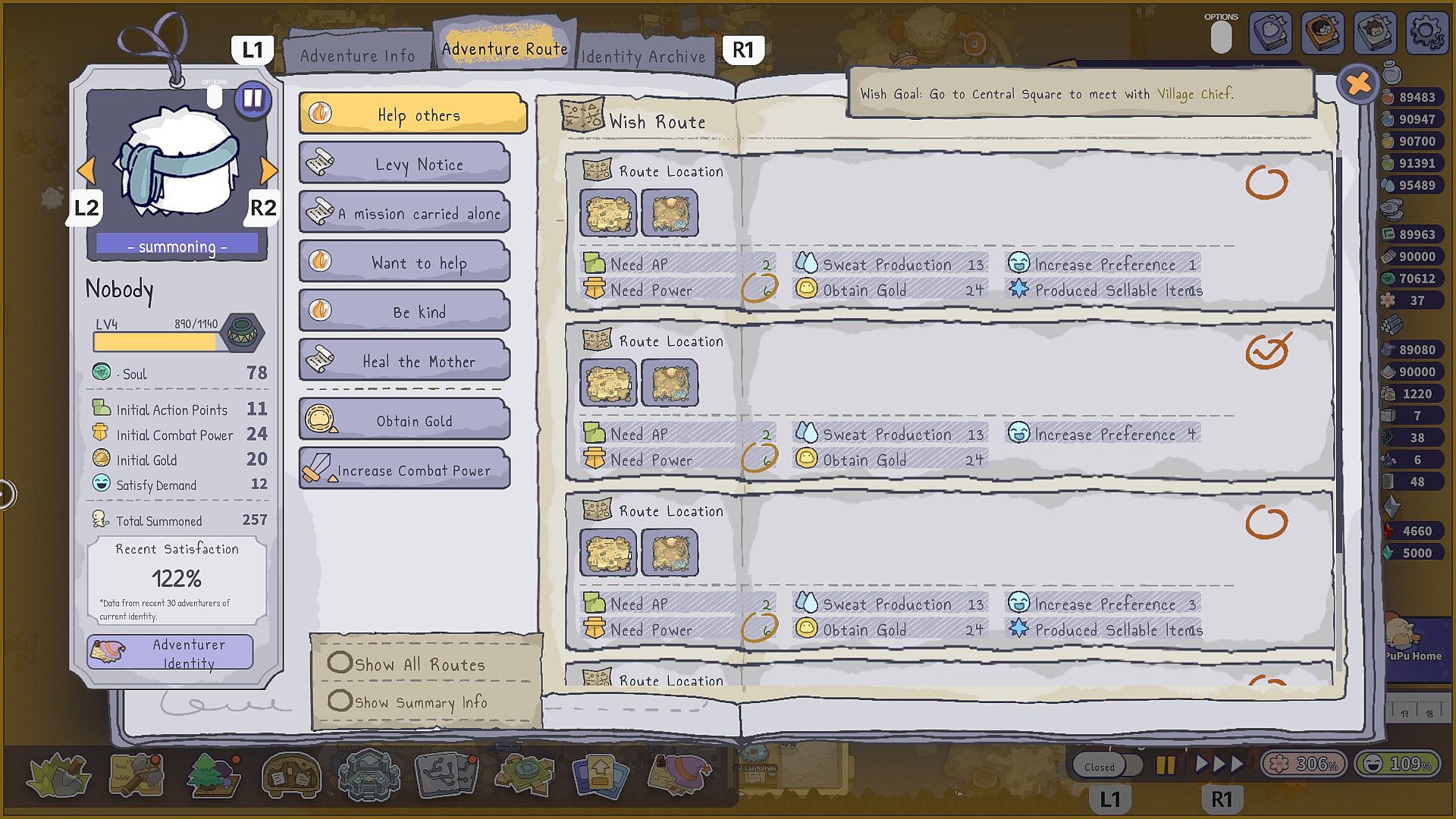
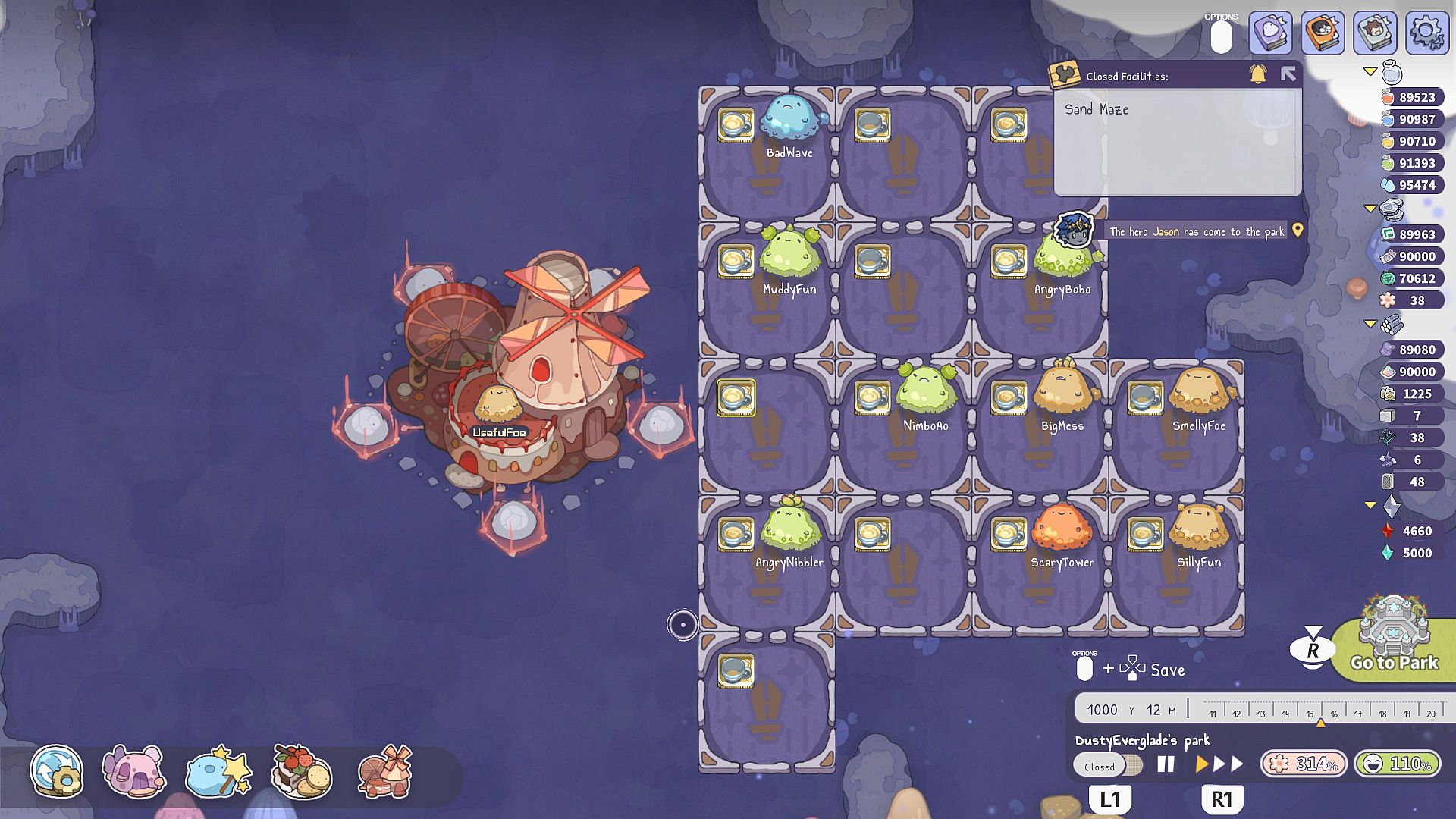
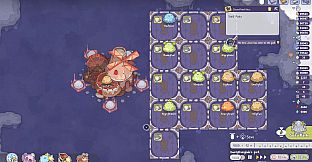
PuPu's Adventure Park is a single-player strategy and simulation game that blends management mechanics with light RPG and breeding elements. Players take control of the PuPu clan as they operate a fantasy adventure park on a leased plot from the Dark Goblins, attracting summoned heroes who generate resources through their exertions.
Gameplay
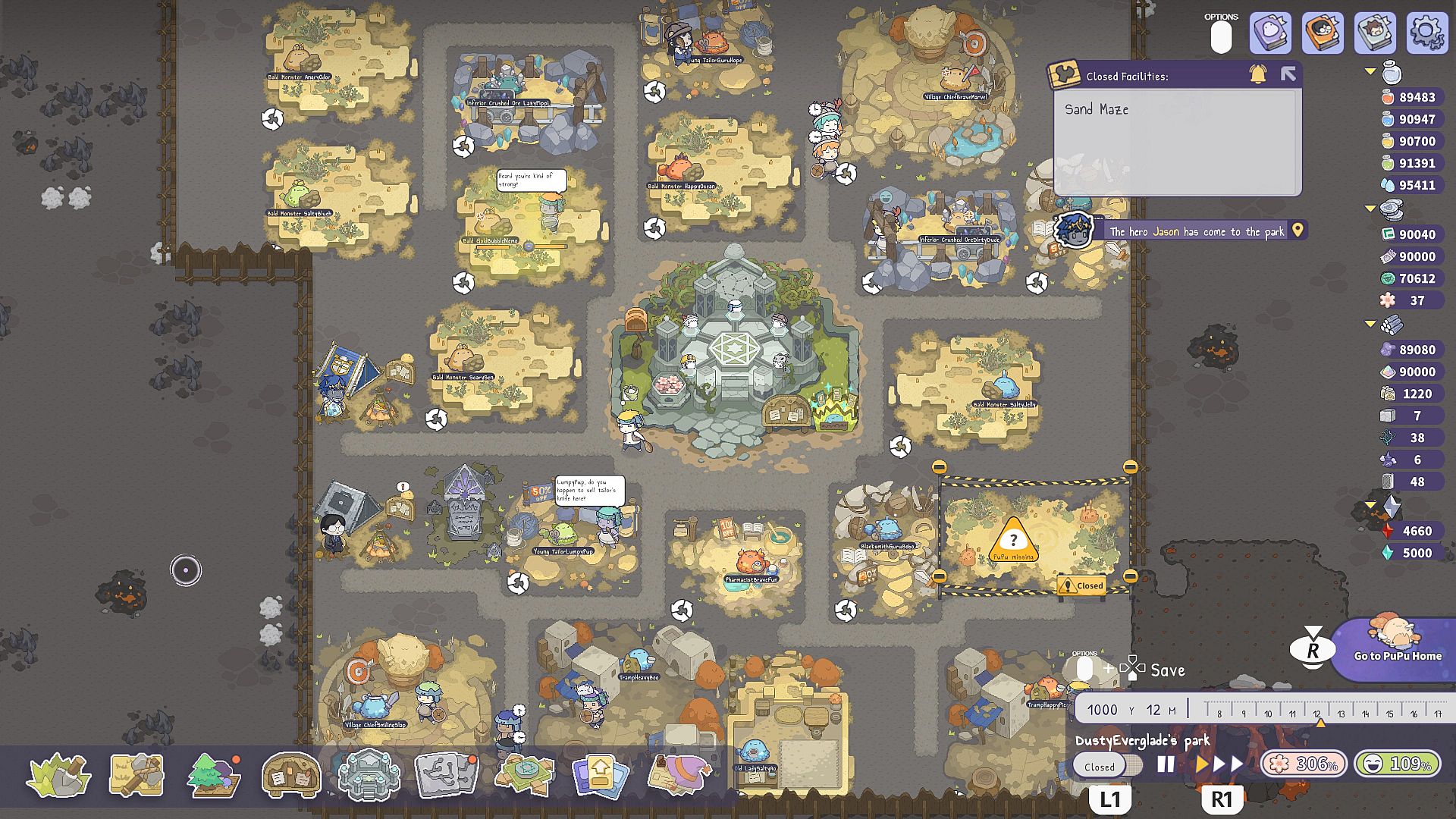
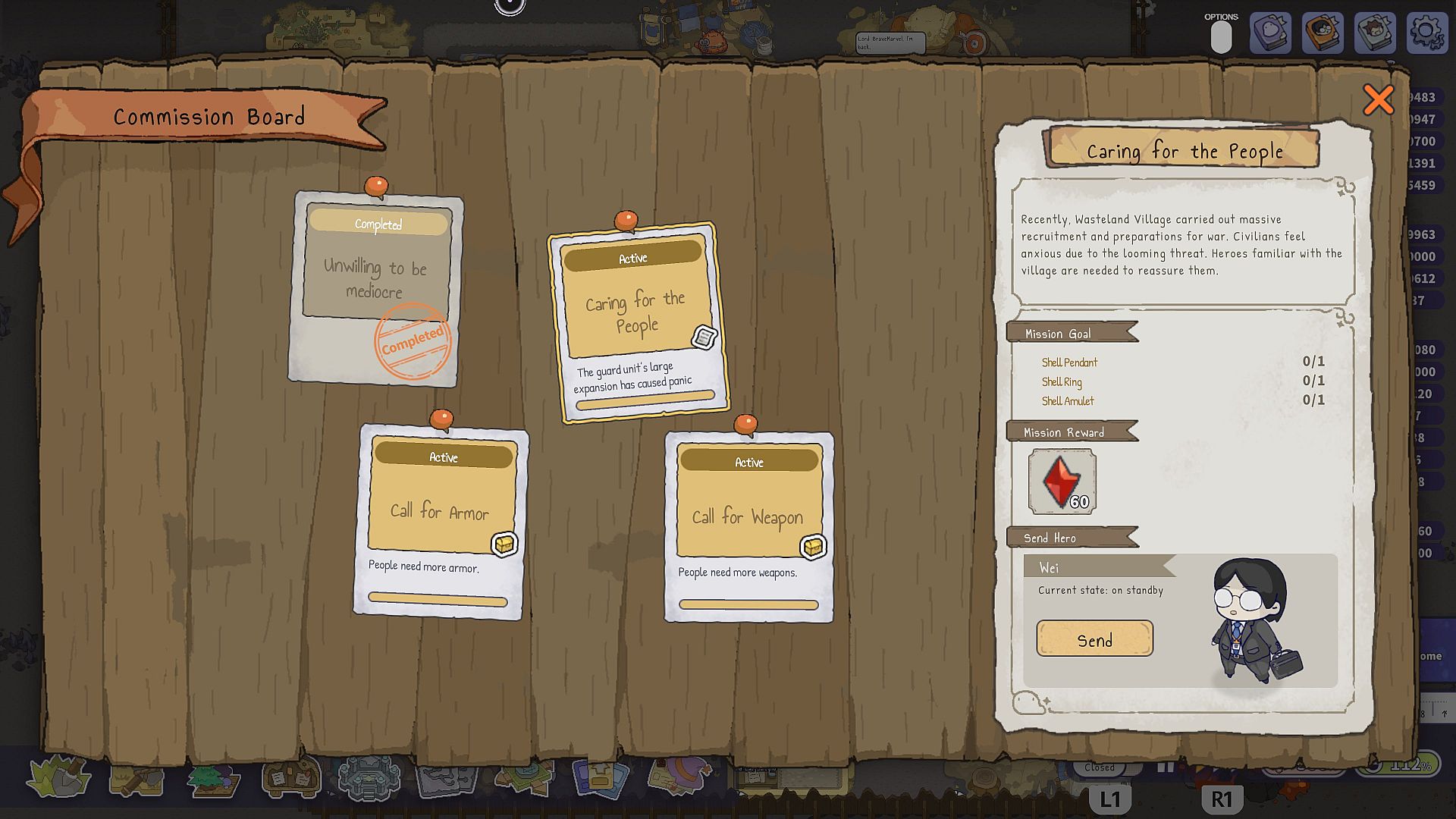
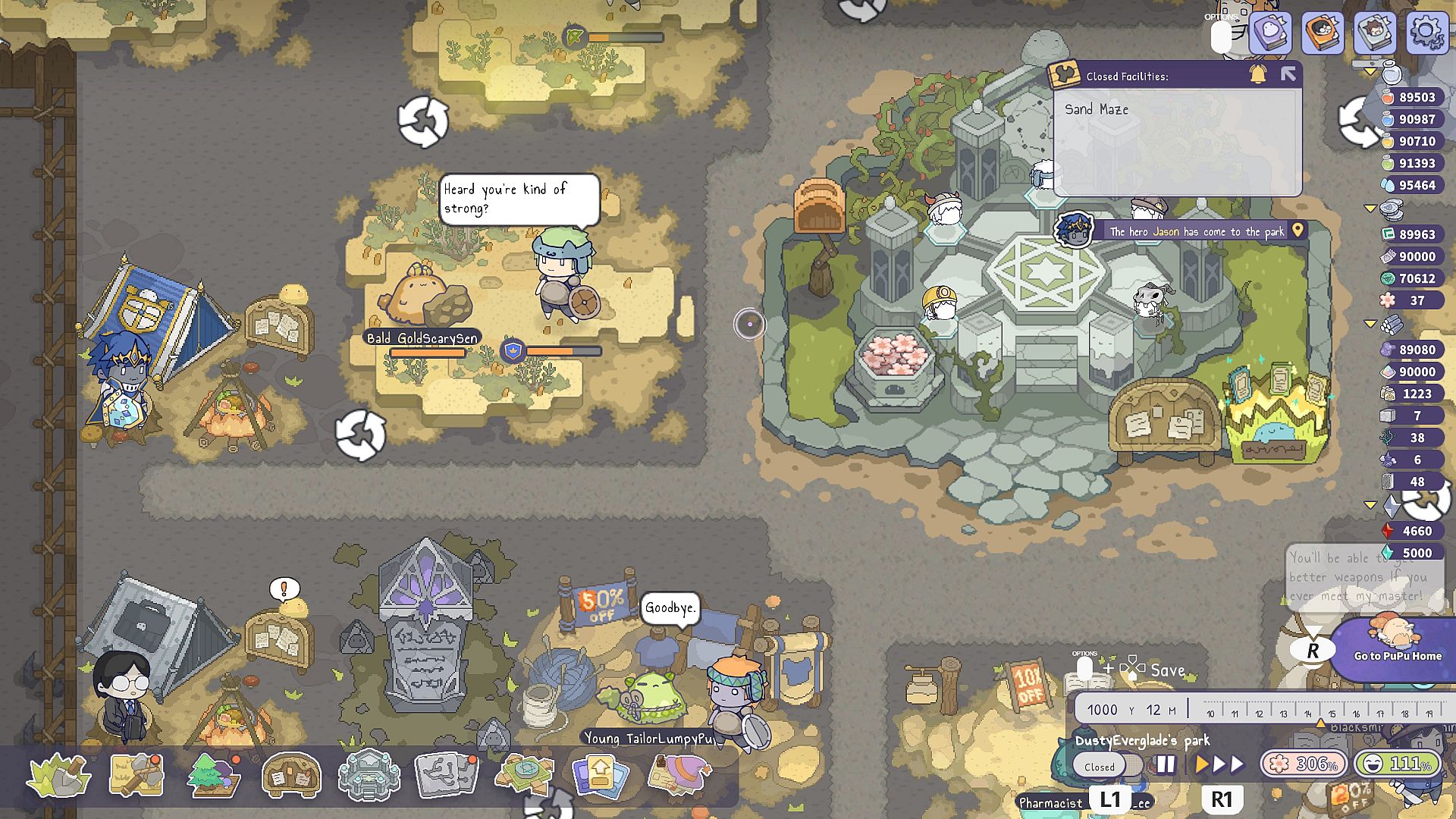
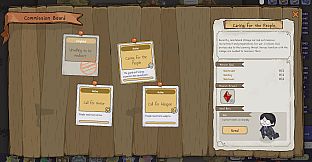
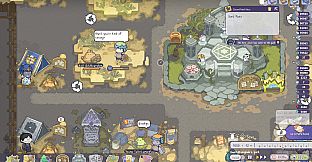
The core loop centers on park construction and clan management. Players build facilities such as weapon shops, general stores, and tailor shops, then assign individual Pupus to operate them. Heroes arrive via the commission board and tackle designed tasks, producing resources like sweat that convert into usable materials for further expansion. Resource chains require careful balancing of production buildings, storage, and upgrades to meet rent demands and sustain growth.
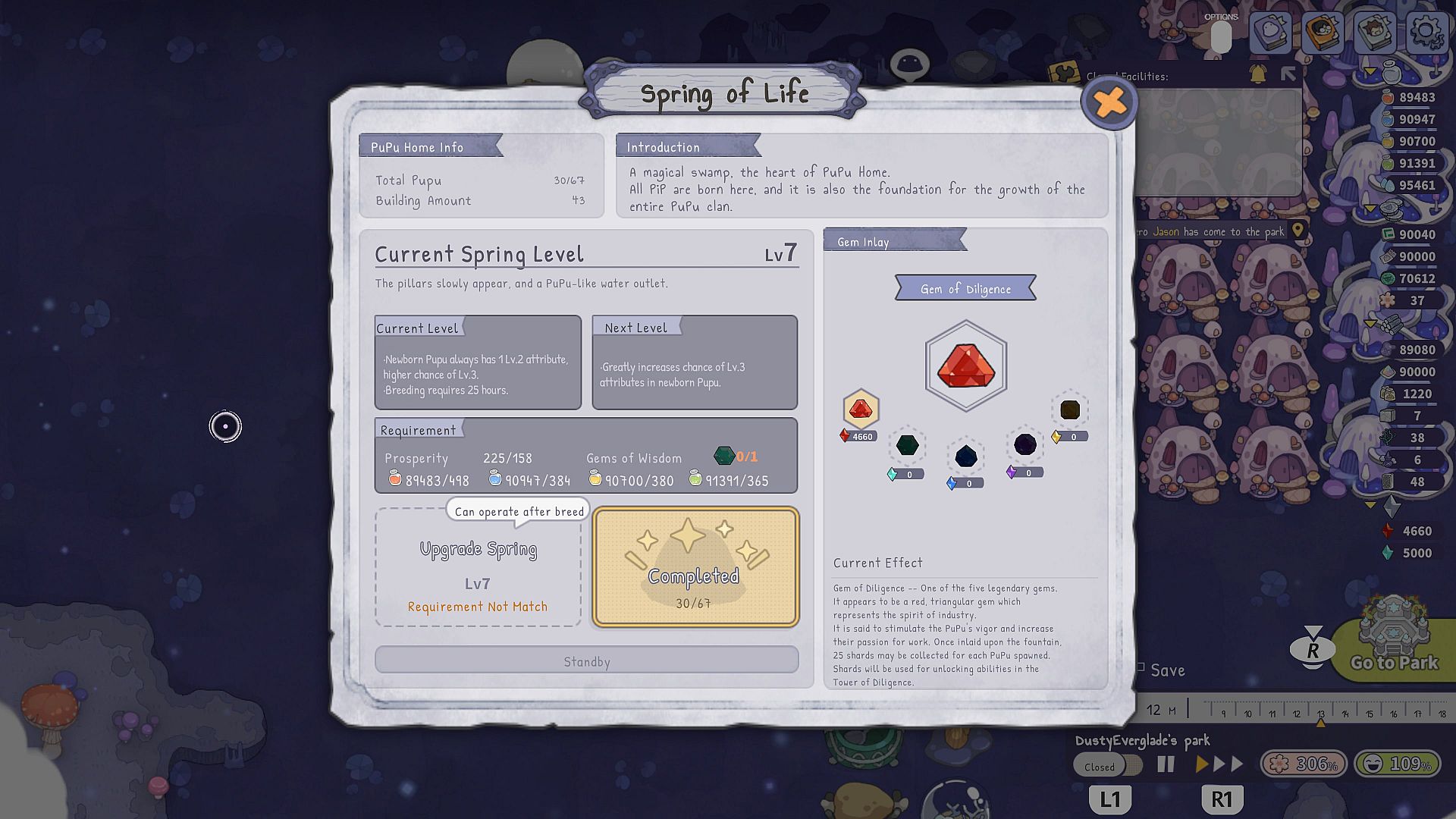
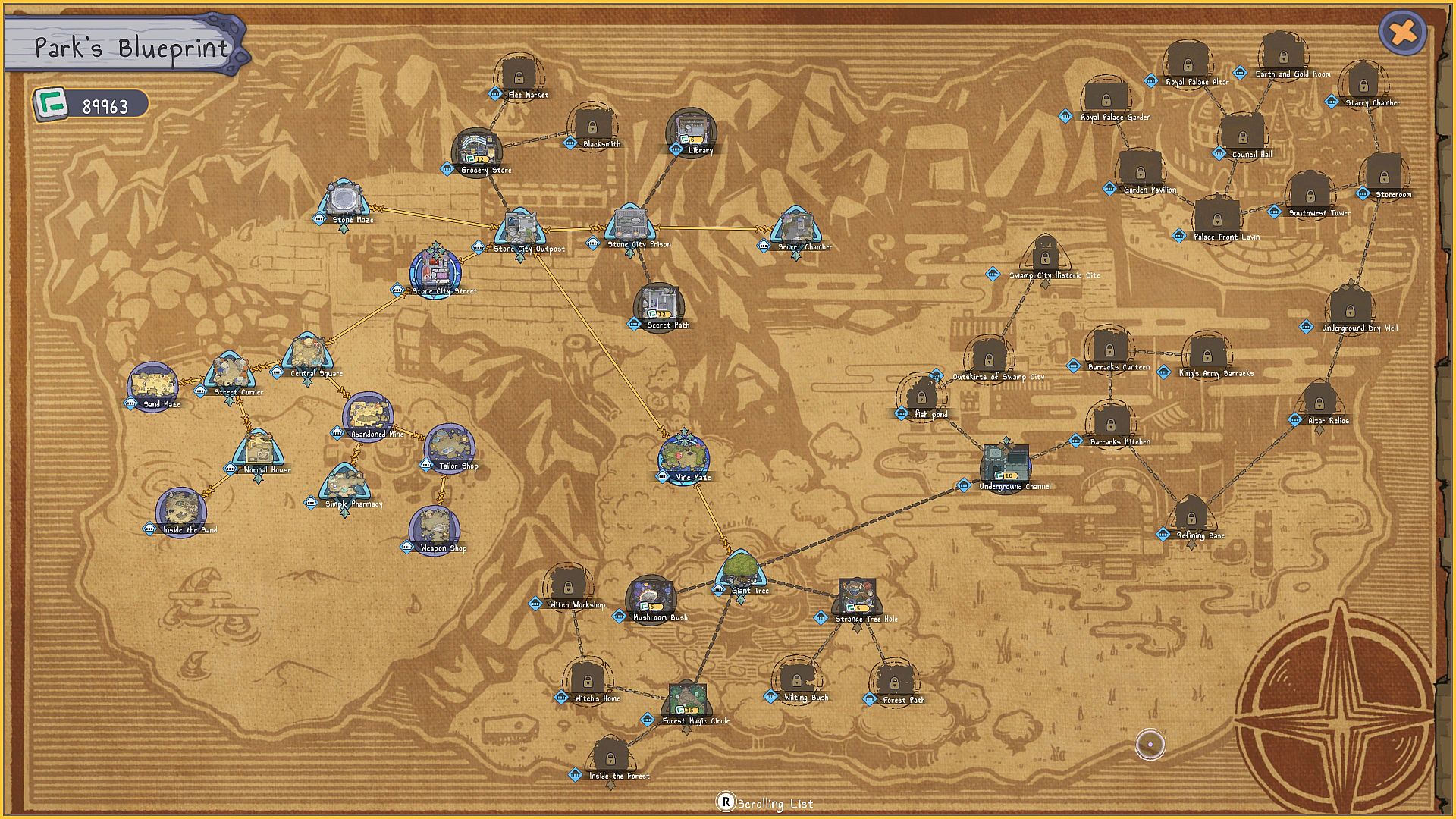
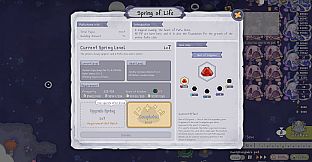
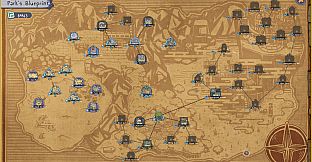
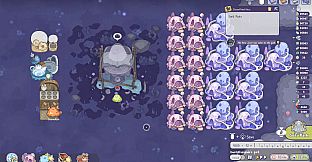
Pupus serve as the workforce and must be bred through the Spring of Life, housed in appropriate structures, and kept content with cookies, cakes, and mood management. Their happiness and energy levels directly affect facility output, so players rotate staff, provide rest, and expand living quarters as the park scales. Blueprints unlock progressively, adding specialized buildings and NPCs such as bards, merchants, and bounty hunters that introduce new revenue streams and interactions.
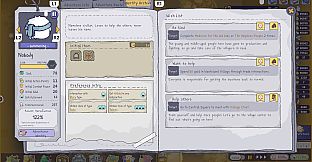
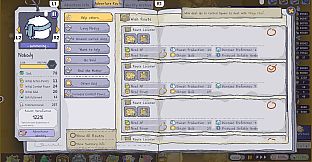
Additional layers include hero commissions that reward rare items and hero essence for park upgrades. Players design task variety to attract different hero types while optimizing for revenue and key materials. The 2D presentation features hand-drawn Pupus and a light narrative thread that unfolds through construction and story-related commissions.
Game Modes
The game operates as a continuous single-player management experience without separate named modes. All progression occurs within the main park simulation, where players expand across available regions, unlock new facilities, and deepen clan and hero systems over time. Updates have introduced additional map areas with unique environmental effects that influence resource collection rates and hero performance, but these integrate into the core loop rather than functioning as distinct modes.
Progression relies on blueprint unlocks, PuPu breeding advancements, and commission completion to reveal further content. There is no multiplayer component or competitive structure, keeping focus on personal park optimization and steady expansion.
Key Systems and Progression
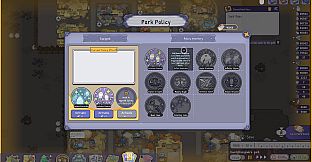
Facility management forms the foundation, with roads and placement affecting accessibility and efficiency. Players must clear terrain and connect buildings while assigning the most suitable Pupus based on their traits and current condition. Hero essence gathered from commissions enables targeted upgrades to buildings and clan capabilities.
Breeding mechanics expand the workforce through the Spring of Life, with caps increasing via upgrades. New transformation options and production buildings for sweets support larger populations. Story elements emerge gradually through specific commissions and building interactions, providing context for the park's operations without interrupting the management flow.
Is It Worth Playing?
Reviews on major platforms describe the experience as mixed to mostly positive, with players appreciating the depth of resource management and breeding systems once past the initial learning curve. The game suits those who enjoy deliberate city-builder and simulation titles with cute aesthetics and interconnected mechanics rather than fast-paced action.
Full release versions include expanded content such as new regions and buildings that enhance long-term engagement. Availability on PS5 provides controller-friendly access to the management tools. It appeals most to fans of indie strategy simulations who value steady progression and optimization over narrative-driven campaigns or competitive play. Those seeking a relaxed yet layered management title with charming visuals and ongoing updates may find it a worthwhile addition to their library.