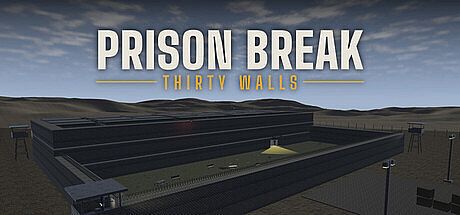


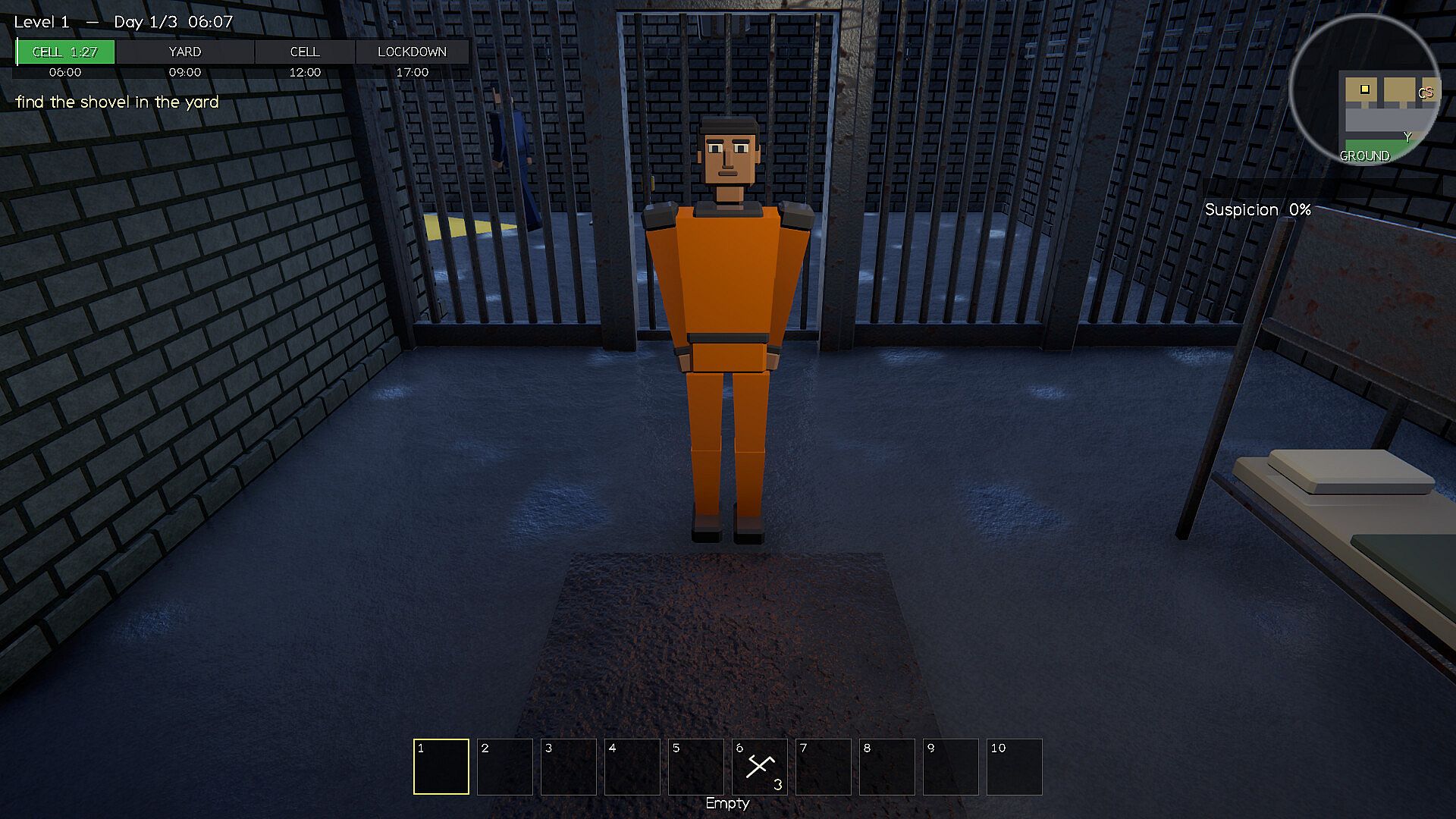
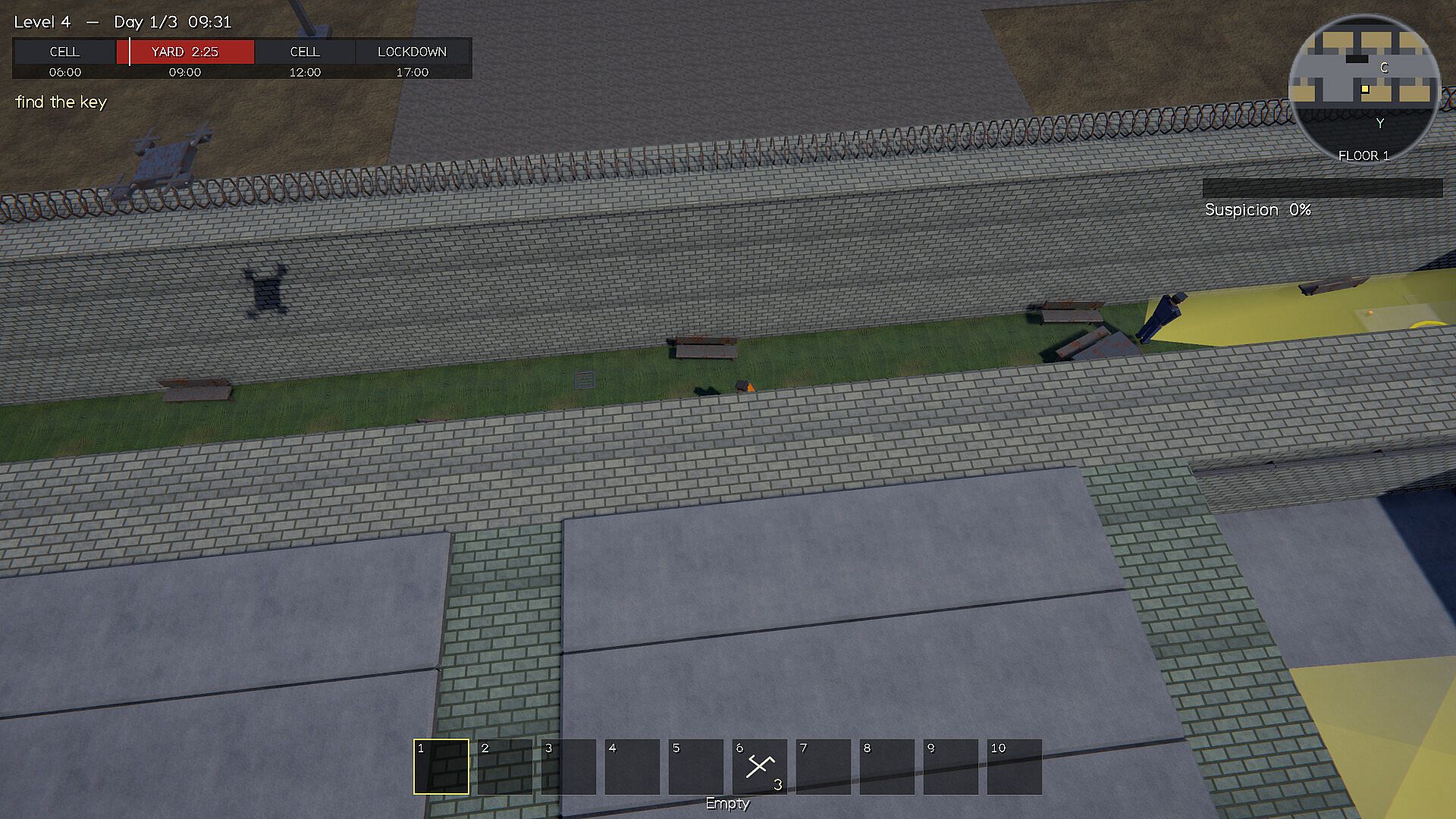
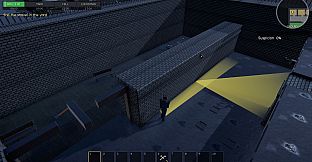
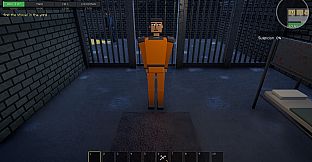
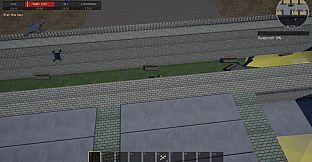
Prison Break: Thirty Walls is an action strategy indie game for PC that puts players in charge of escaping thirty distinct prisons through careful timing, resource management, and adaptive planning. The core experience revolves around learning each facility's daily rhythm and exploiting brief windows of opportunity to dig, distract, or improvise a path to freedom.
Gameplay
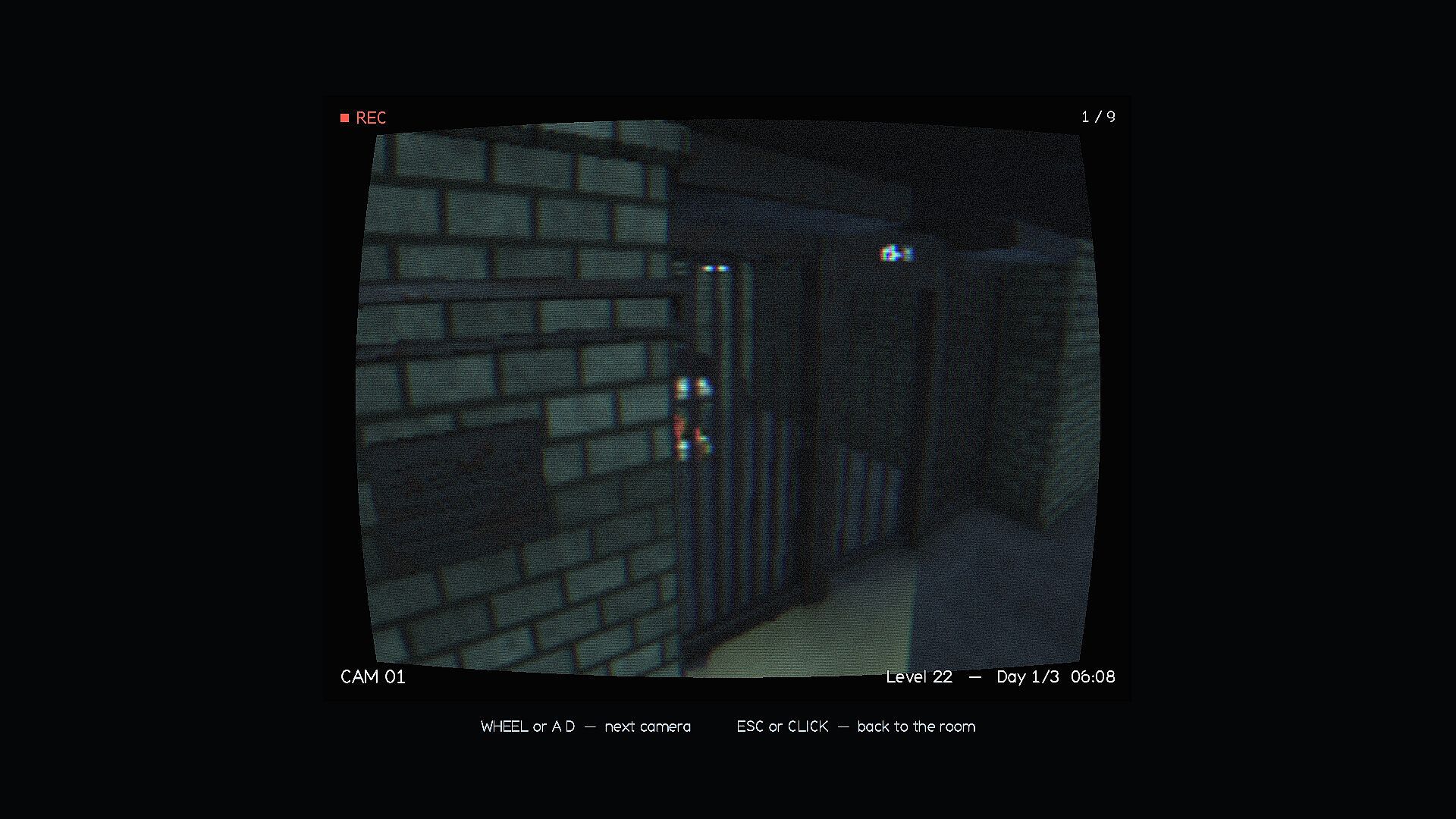
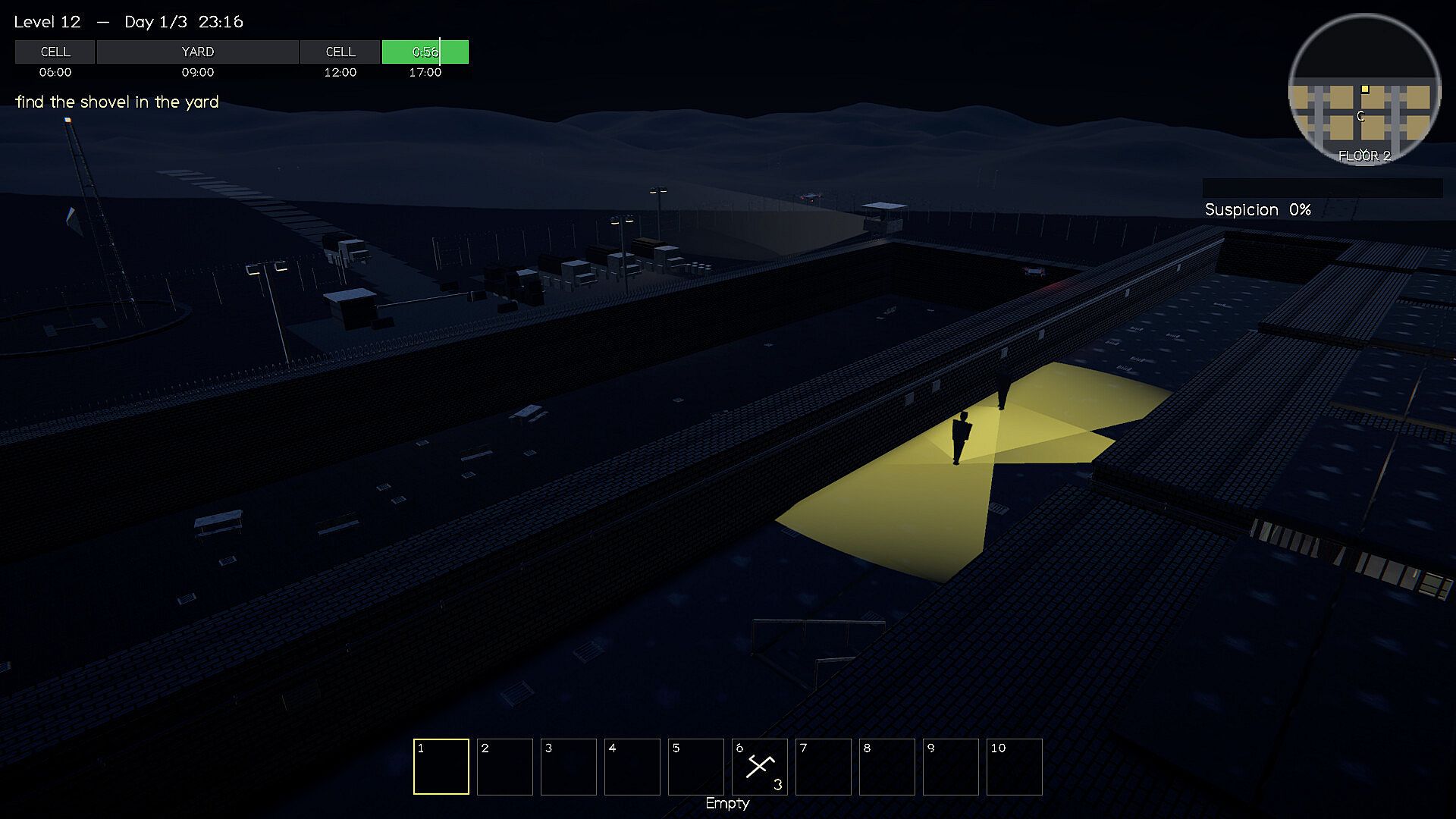
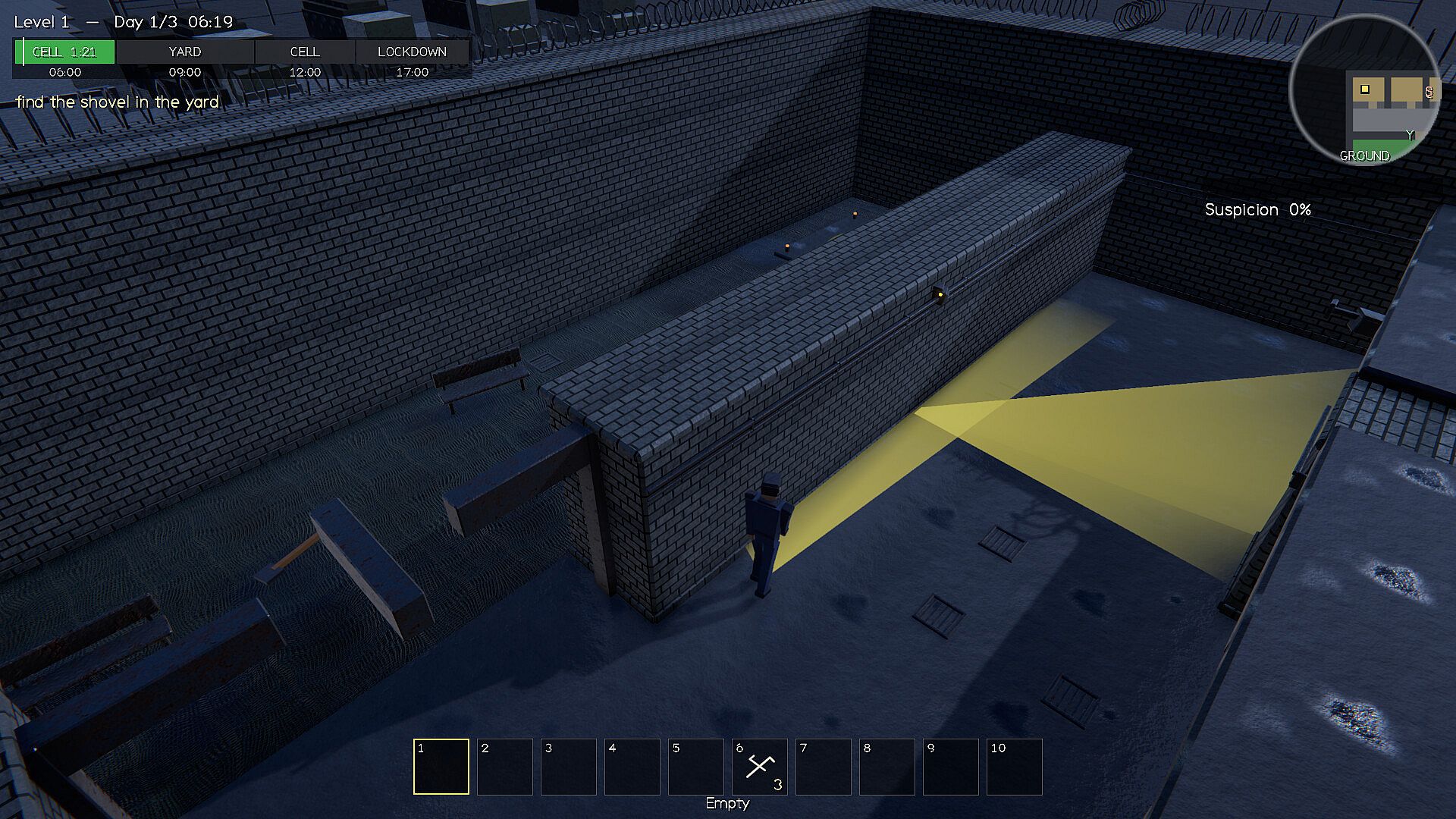
The day in each prison follows a strict schedule that determines which areas count as suspicious. Moving through the yard during designated yard time blends a prisoner into the background, while the same path during lockdown triggers immediate alarms from guards, cameras, searchlights, and drones. Players must locate a shovel, return it safely to their cell, and begin digging, with later prisons adding layers of security such as locked doors or armed guards that require new approaches.
Disturbances create openings. A yard fight draws attention from every visible guard, leaving their usual routes exposed. A prisoner armed with a shiv can spark chaos that pulls security to one location. One guard carries a pistol with six rounds that cannot be reloaded, and each shot echoes throughout the entire facility, serving as a deliberate signal rather than a direct combat tool. Getting caught sends the player to solitary confinement at the far end of the building, forcing a long walk back to the starting cell while reflecting on the failed attempt.
Game Modes
Single-player runs focus on mastering each procedurally generated prison alone, using observation and precise timing to progress through the thirty facilities. Every prison builds on the last in difficulty, with earlier successes informing strategies that only partially carry over due to fresh layouts.
Co-op play allows two players to coordinate escapes, with one handling the shovel and digging while the other creates distractions to divert guards and cameras. The shared experience emphasizes communication and role division without requiring identical actions from both participants.
Procedural Design and Progression
Each of the thirty prisons generates from a plan combined with a seed value. Repeating the same seed produces the identical building layout, while advancing to the next prison guarantees an entirely new arrangement of towers, yards, cell blocks, fences, and floodlights. This system ensures that tactics refined in one facility only partially apply to the next, encouraging constant adaptation rather than memorized routes.
All visual and structural elements, including walls, bars, badge readers, and lighting effects, generate in code at runtime. The approach keeps the download size minimal while delivering consistent variety across playthroughs.
Is It Worth Playing?
Prison Break: Thirty Walls suits players who enjoy methodical strategy combined with action elements in a single-player or co-op prison escape setting. The emphasis on time-of-day mechanics, opportunistic distractions, and seed-based procedural layouts rewards observation and experimentation over direct confrontation. With its upcoming release on PC and focus on replayable, code-driven environments, the game appeals to those seeking a compact yet layered challenge that changes with each new prison. Those drawn to indie titles built around systems and timing will find the core loop engaging, particularly when tackling the full sequence of thirty facilities either solo or with a partner.