


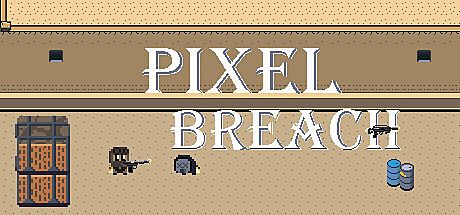


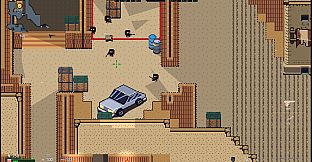
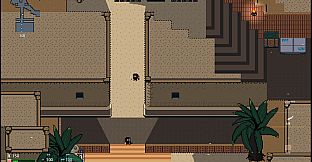
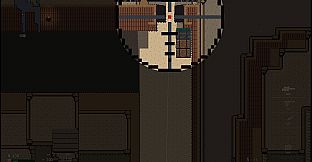
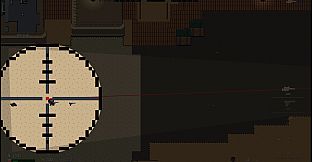
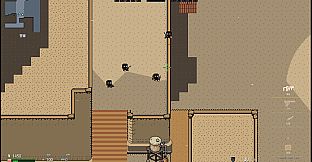
Pixel Breach is an action and strategy indie game for PC that reimagines the core tension of bomb defusal encounters in a top down pixel art format. Players engage in round based contests that reward precise aim, smart positioning, careful timing, and effective use of limited information. The experience emphasizes tactical decision making over raw reflexes, with every round hinging on how teams gather and act on what they can actually see and hear.
Gameplay
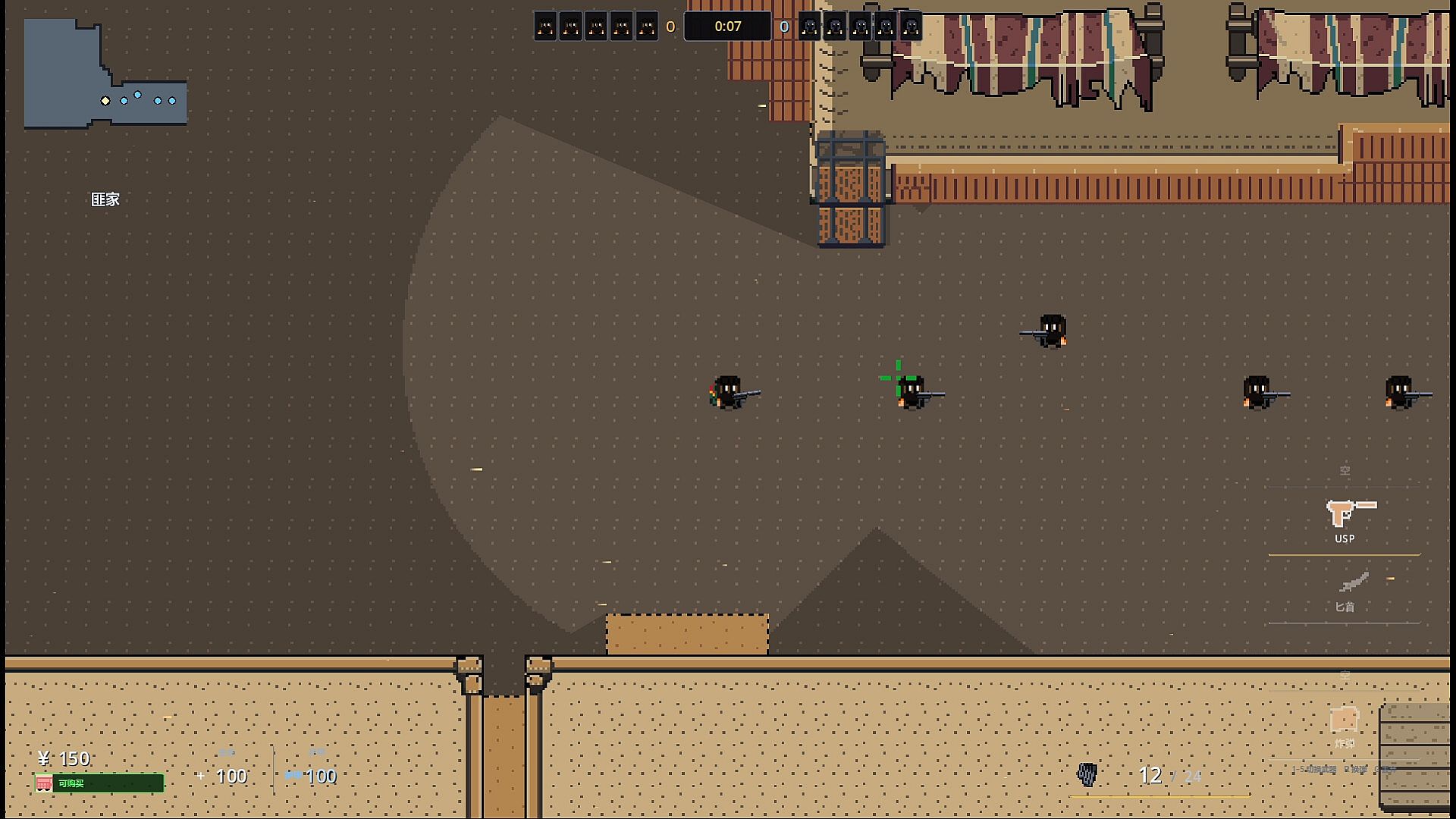
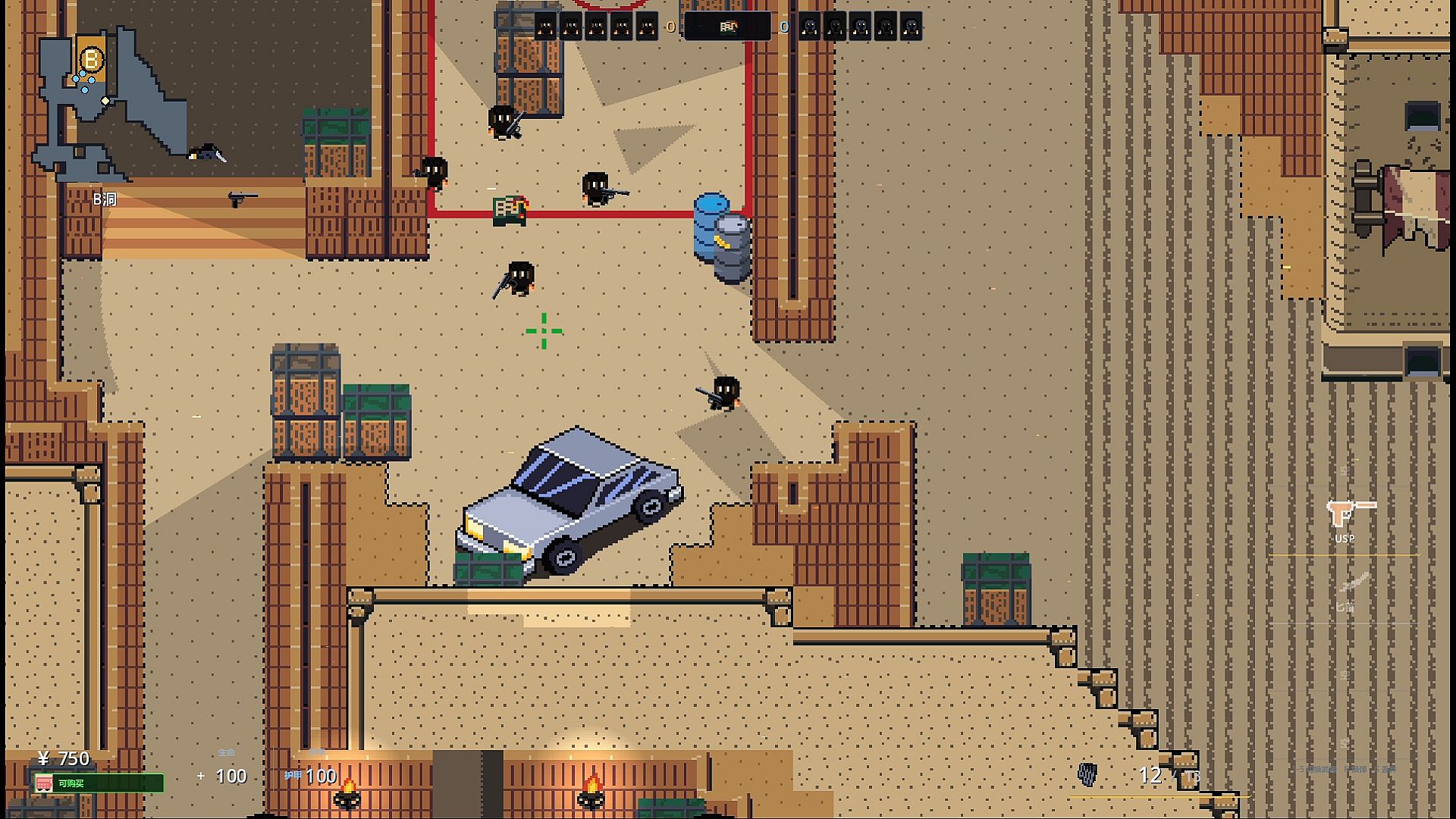
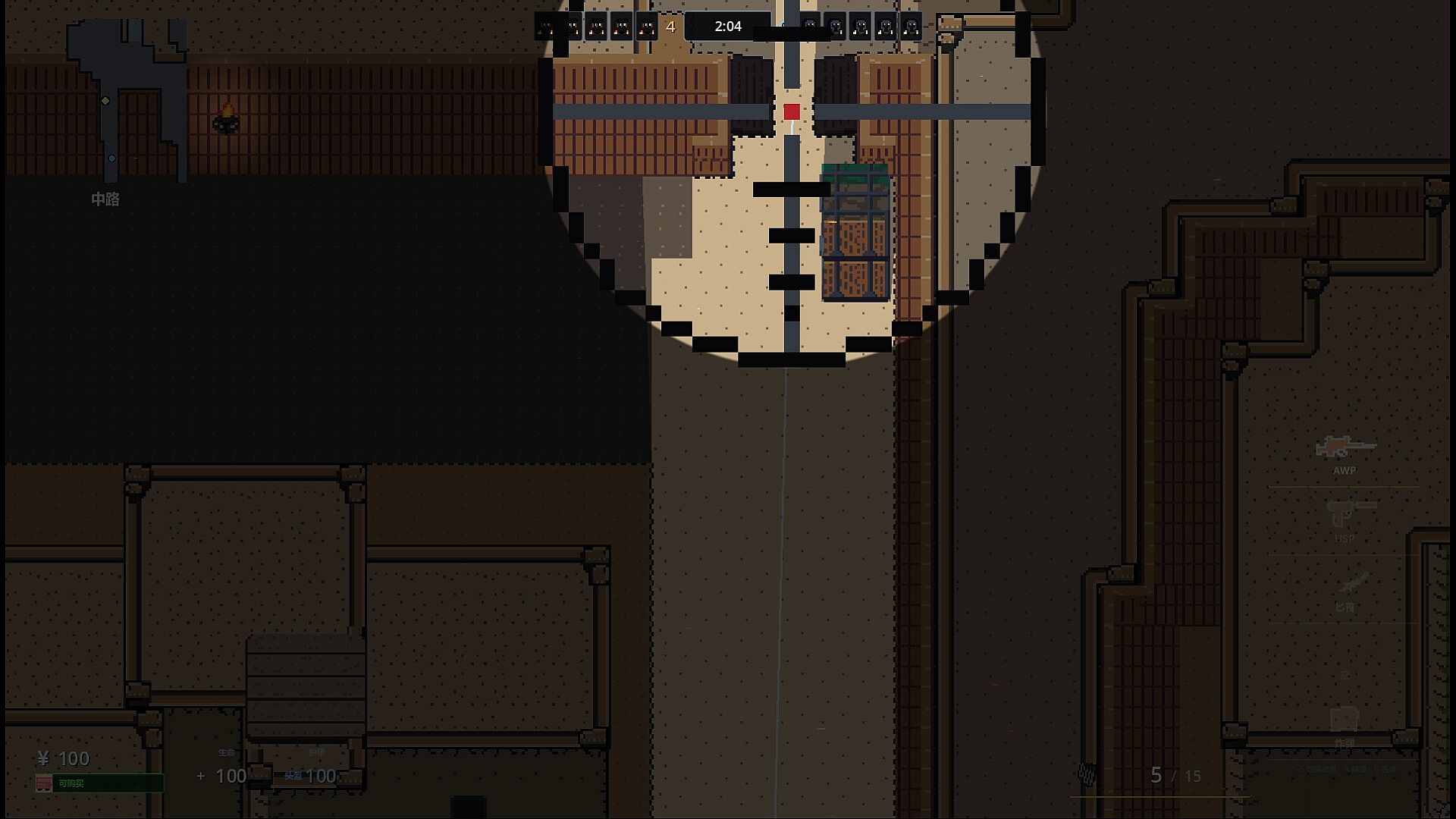
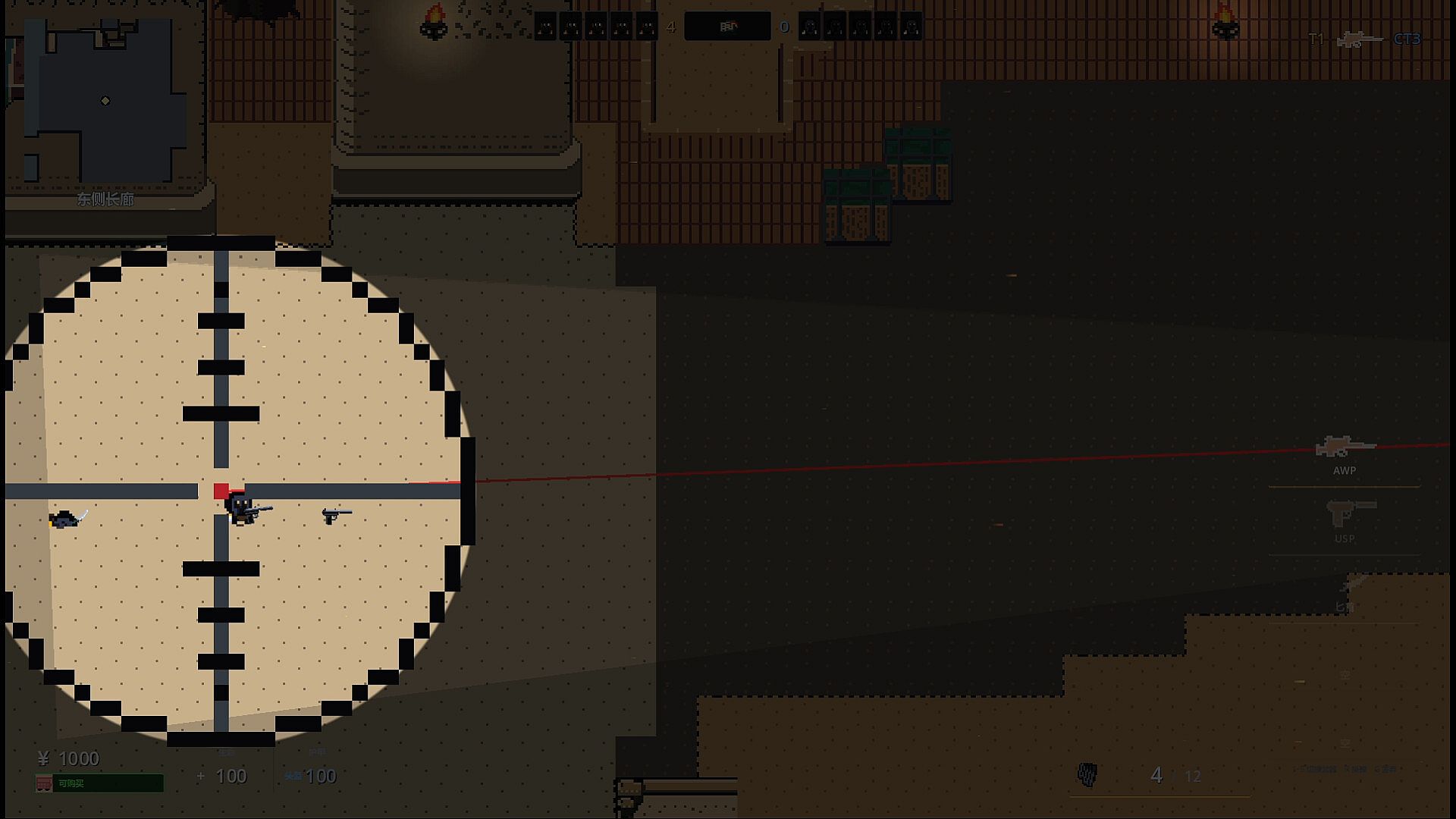
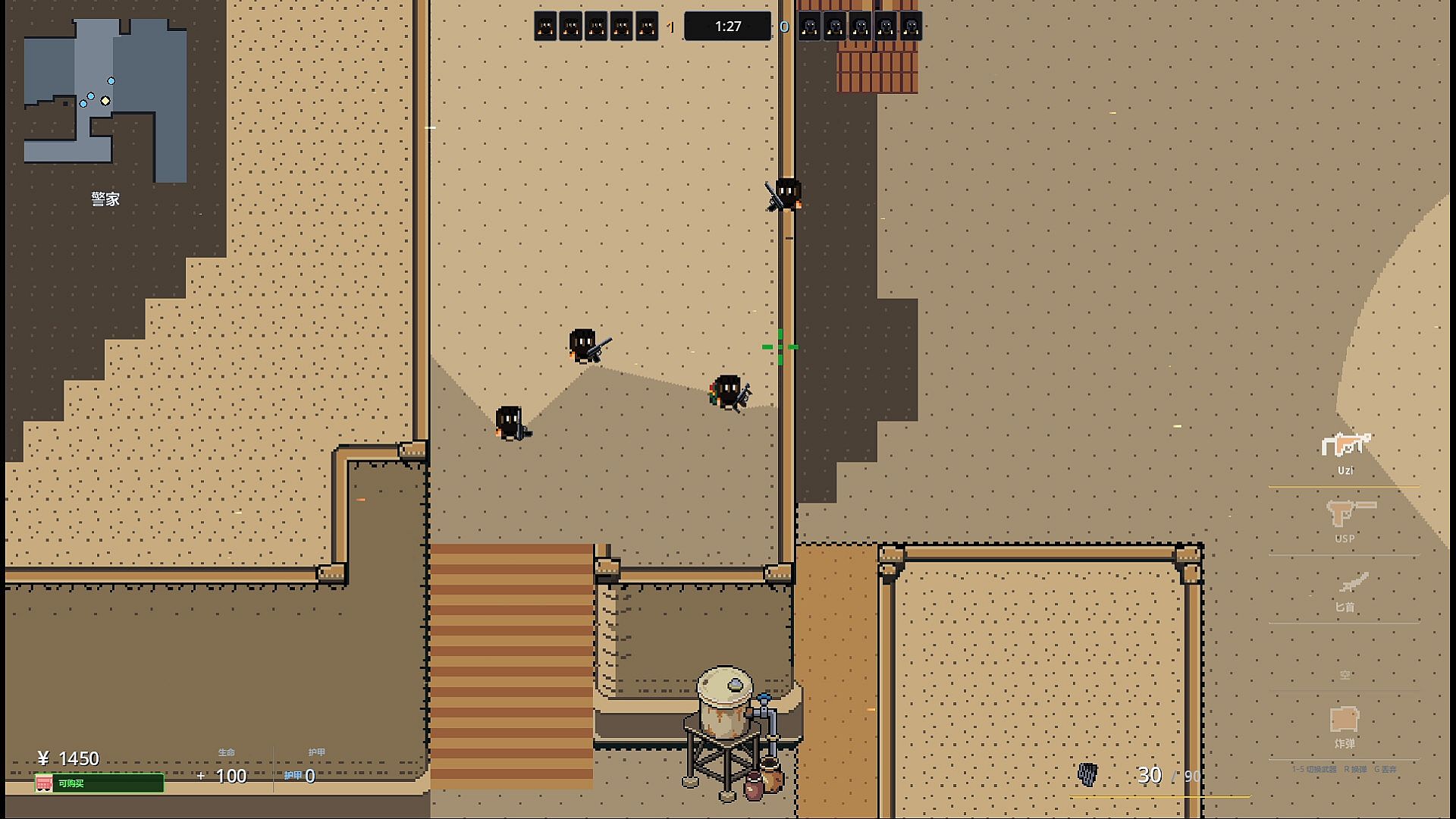
The central loop revolves around planting or defusing a bomb on a site while managing line of sight restrictions. Attackers push forward to secure the plant, while defenders hold positions to prevent it or clear the area afterward. Vision is restricted to what each team member can directly observe, so walls, smoke, elevation changes, and other obstacles break sightlines and force players to rely on audio cues like footsteps and gunfire to track threats.
Economy plays a major role across rounds. Successful performance earns money that funds weapon purchases, with options ranging from reliable rifles and mobile submachine guns to long range sniper rifles, melee tools, and grenades. Survivors keep their gear for the next round, while fallen players leave equipment that others can pick up. This system encourages saving in some rounds and aggressive spending in others to adapt to the opposing team's loadouts and map control.
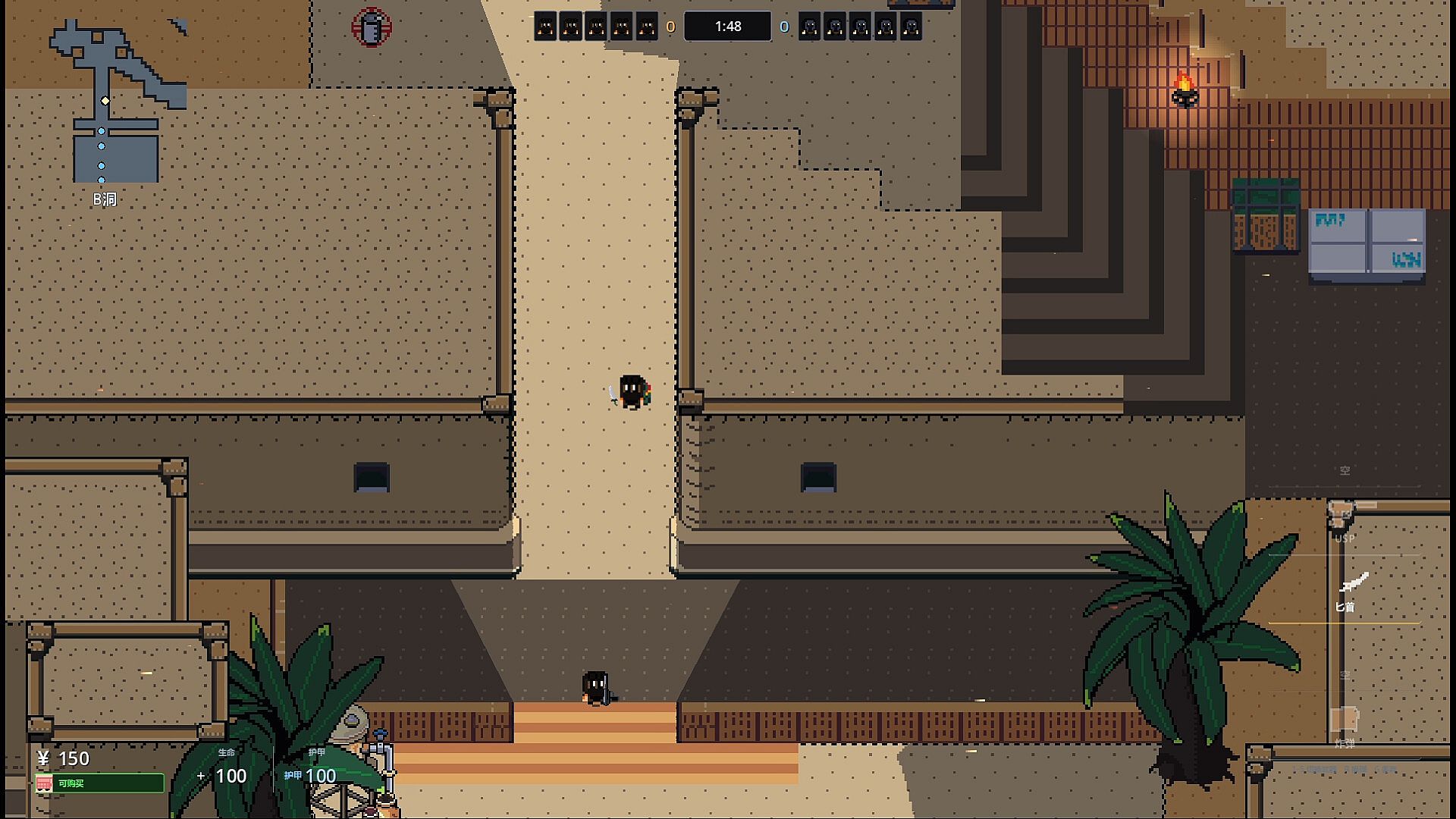
Pixel art visuals and atmospheric audio support the tactical focus, making small details like corner angles and sound direction matter in every engagement. The design keeps matches tense even without large player counts, as information asymmetry and positioning create meaningful choices throughout each round.
Game Modes
Pixel Breach centers on round based bomb planting and defusing matches. Attackers aim to plant the device and defend it until detonation, while defenders work to stop the plant or defuse it if successful. Matches support team play with friends through available multiplayer options or solo practice against bots that replicate the full round structure.
Bot matches allow players to experience the complete combat loop without needing a full lobby. Friend based matches emphasize smaller group coordination, where the vision and audio systems remain effective even with fewer participants. No additional modes beyond these core round based encounters are part of the verified design.
Core Mechanics and Systems
Information warfare defines much of the strategy. Players must clear corners methodically, monitor long sightlines, and interpret indirect signals without full knowledge of enemy positions. Smoke and elevation further complicate visibility, turning basic movement into calculated risks.
Weapon variety supports different playstyles within the economy framework. Rifles provide consistent damage output, submachine guns favor aggressive pushes, sniper rifles dominate open lanes, and grenades enable area denial or setup plays. Equipment drops from defeated opponents add another layer, letting teams recover or upgrade mid round through successful engagements.
The top down perspective combined with pixel art keeps the focus on layout awareness and team coordination rather than individual heroics. Sound design reinforces the tactical layer by providing directional warnings that complement limited visual data.
Is It Worth Playing?
Pixel Breach suits players who enjoy deliberate, information driven tactical shooters and appreciate round based formats that reward planning and adaptation. The bot support makes it accessible for solo practice or smaller groups, while the economy and vision mechanics add depth that rewards repeated play. Those seeking fast paced action without strategic layers may find the pace slower than expected, but the design delivers consistent tension through positioning and decision making. Availability on PC positions it as a niche option for fans of indie tactical experiences that scale well beyond standard team sizes.











