




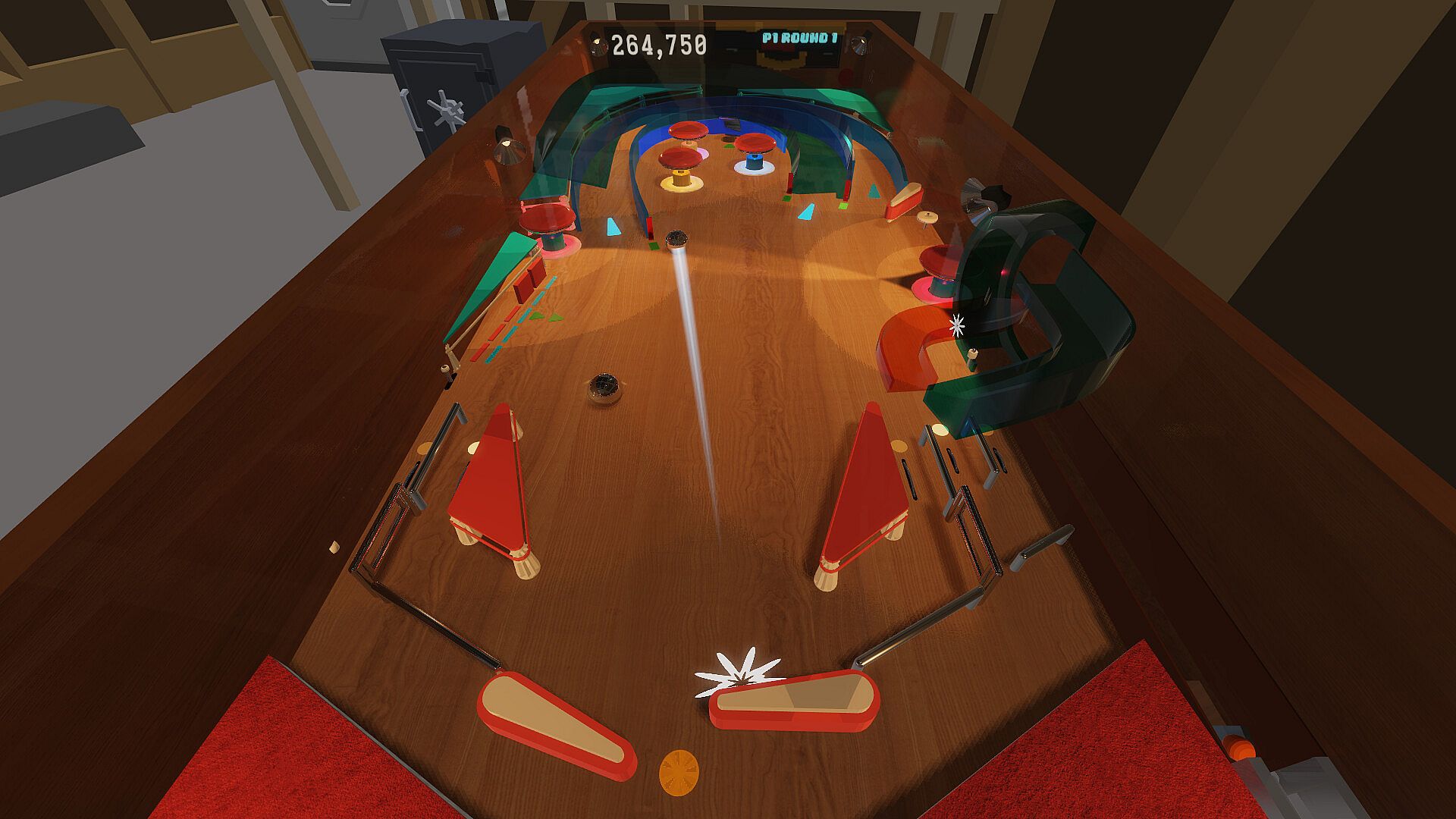
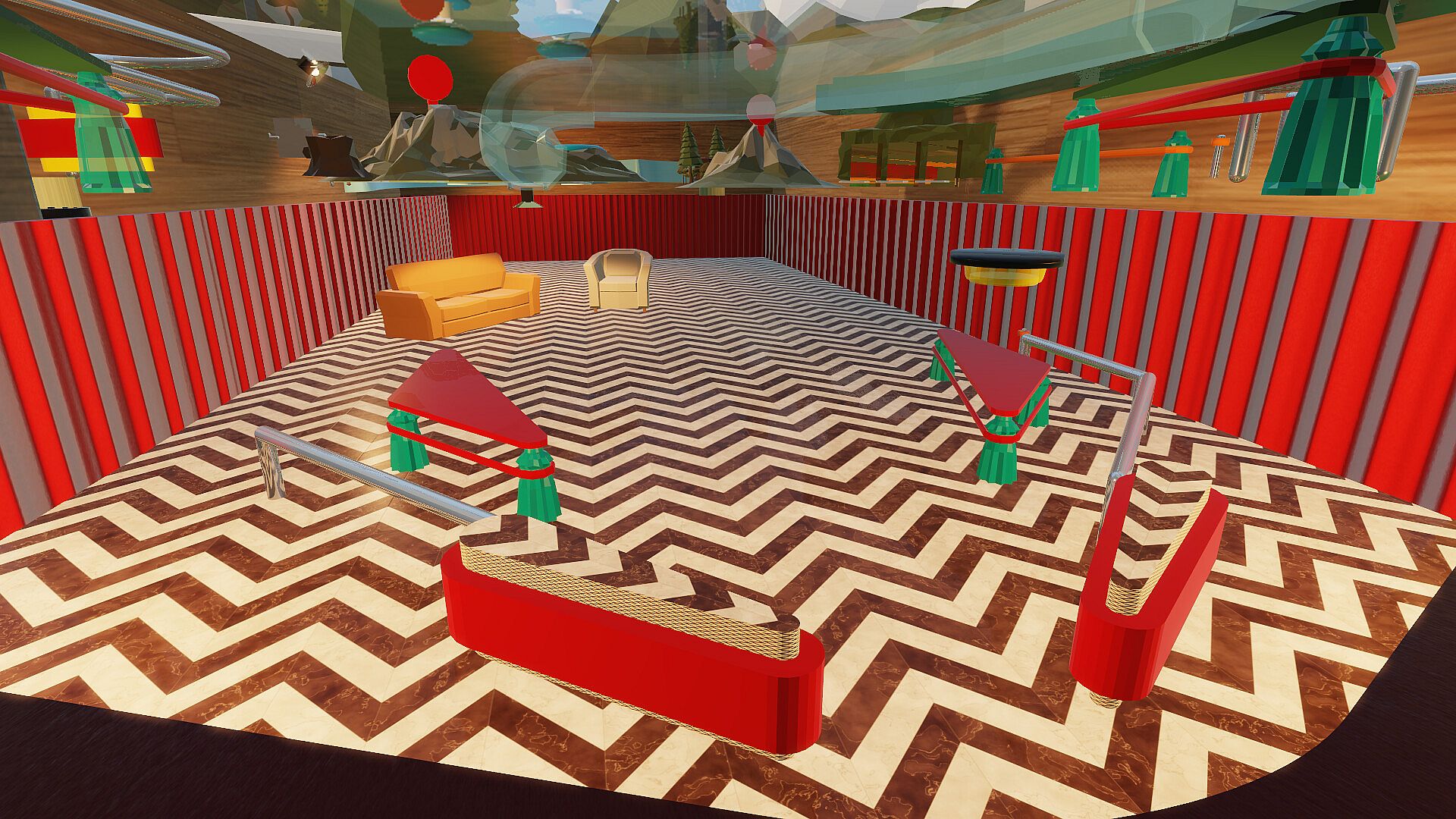
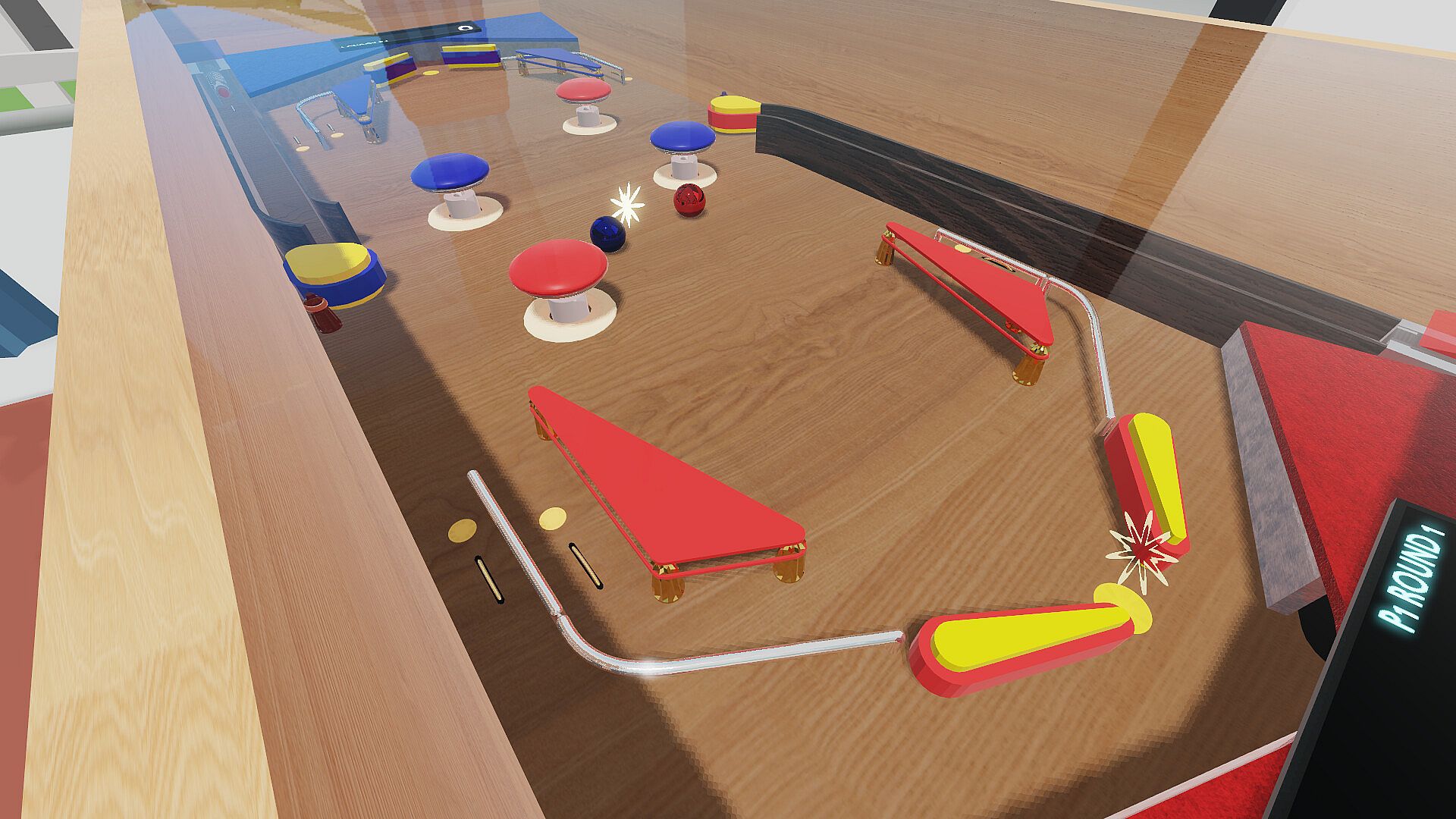
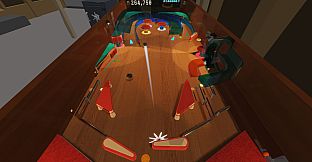
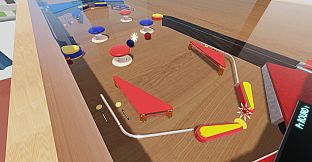
Pinward is an action, indie, and simulation game centered on pinball tables scattered throughout a town. Players navigate a roguelite structure where each run involves managing limited balls while adapting the table through upgrades and rewards. The experience blends precise physical pinball mechanics with opportunities to reshape playfields and compete or cooperate with others.
Gameplay
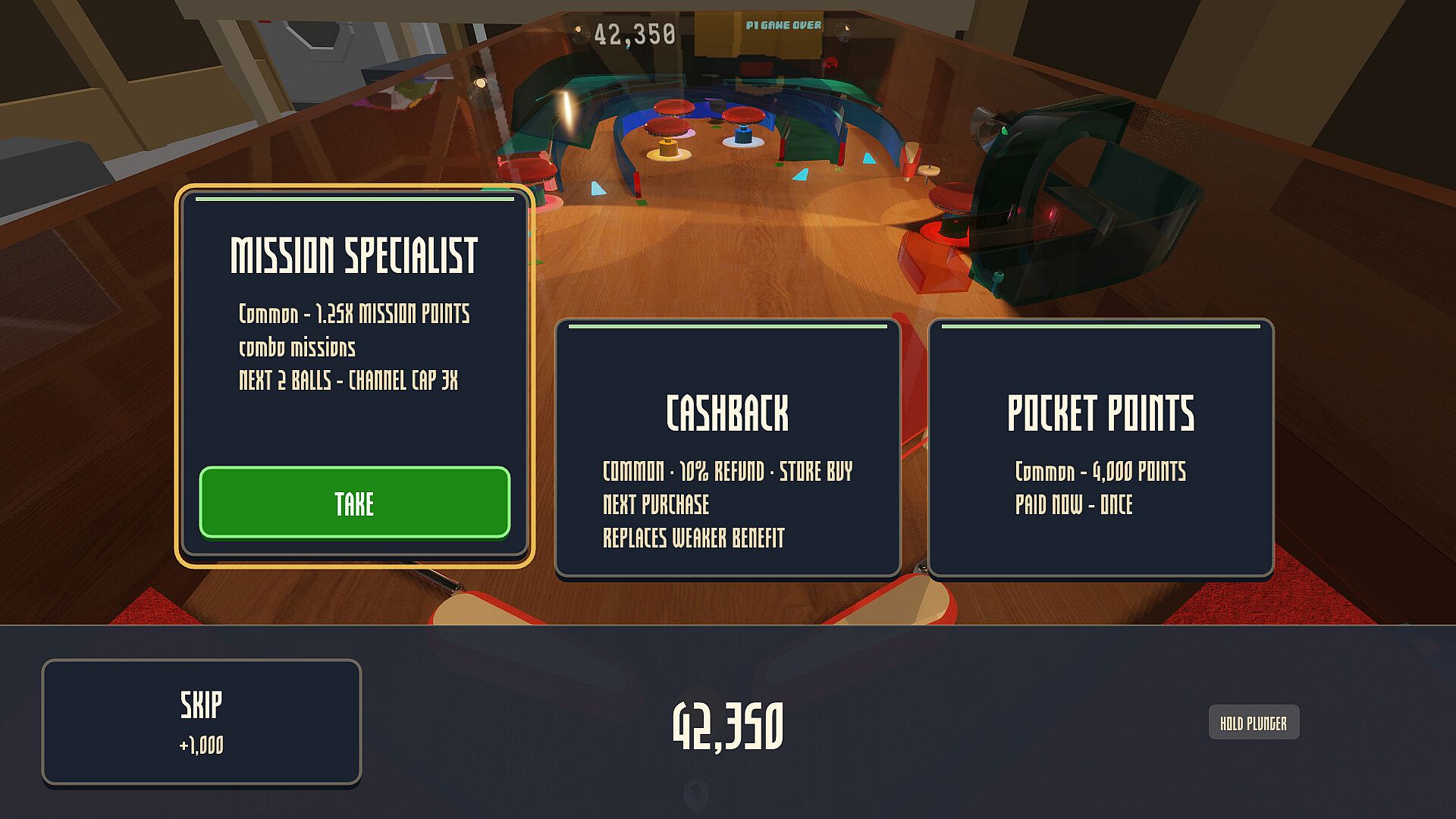
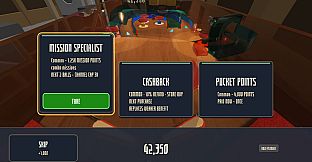
The core loop revolves around launching balls onto tables hidden in everyday locations like garages and shops. The first three balls come free, after which the score doubles as currency to purchase additional balls or invest in upgrades that increase earnings over time. Between launches, reward choices appear that enhance scoring potential, introduce new missions, or refine future options for stronger combinations on subsequent shots.
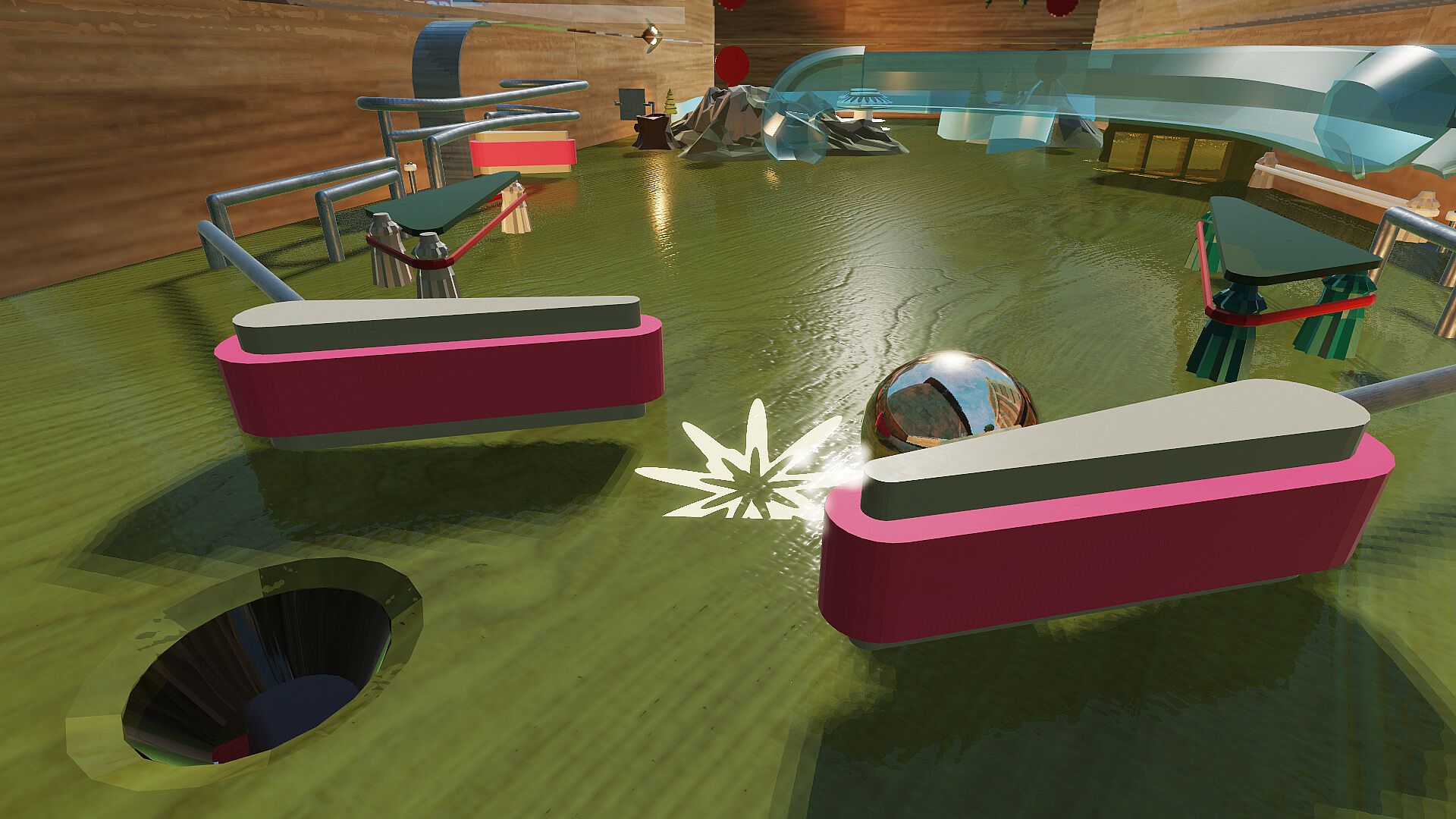
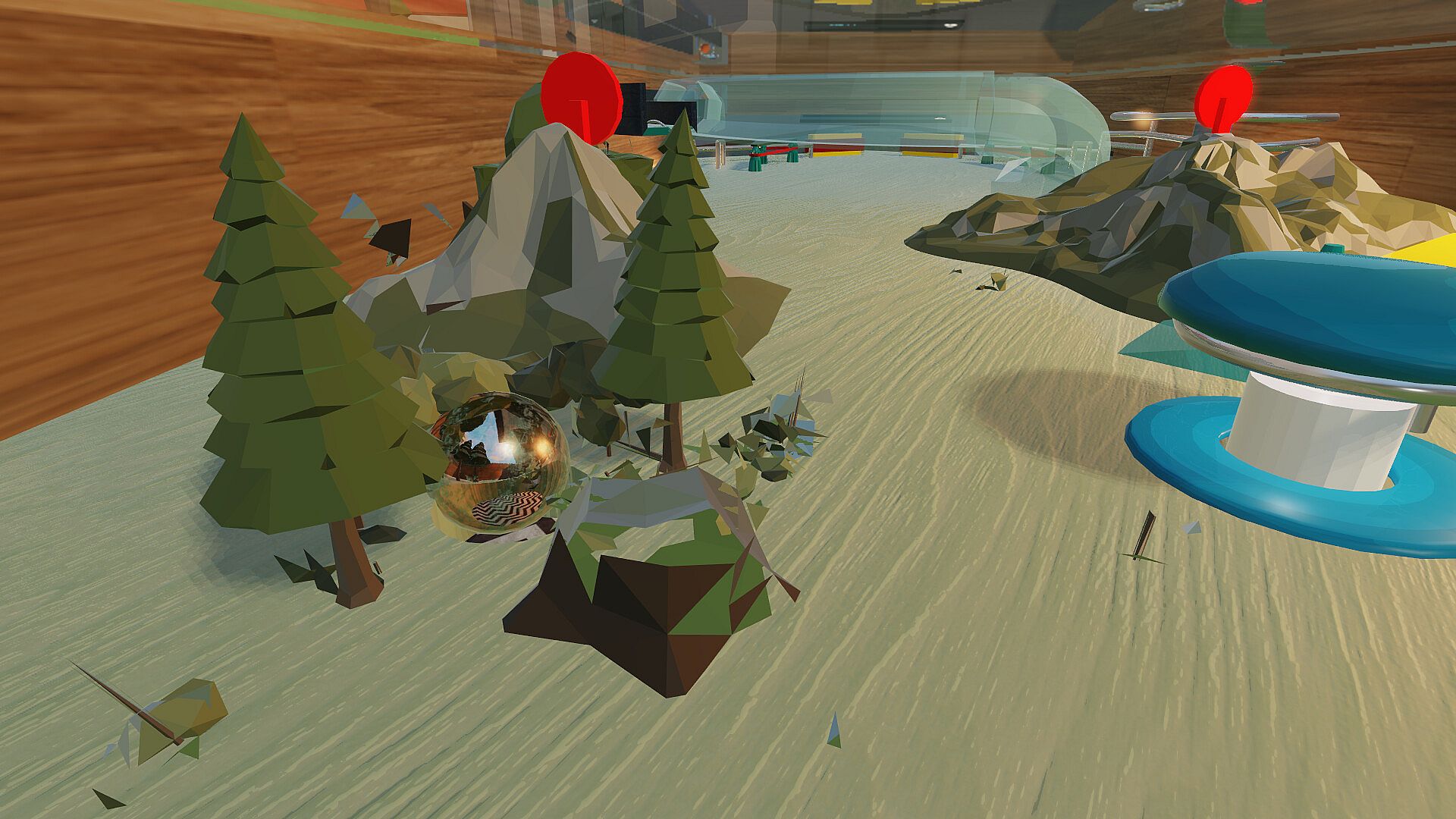
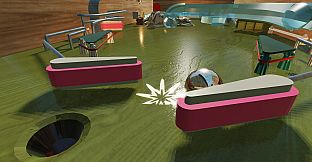
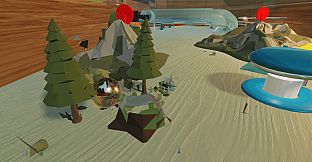
Physics respond realistically to player input. The ball curves under spin, slows from friction, and reacts to nudges in any direction. Techniques such as dead catches and slap saves receive names and grades that contribute separate bonus points. A tilt ends the bonus accumulation for that run. Tables often conceal additional playfields or feature breakable elements that alter ball paths, encouraging experimentation with unconventional pinball designs.
Score spent in the store modifies the table directly. Upgrades affect mechanisms while alternative components grow and reshape toys to create fresh shots and mission opportunities. The system supports ongoing runs that grow more demanding as ball costs rise.
Game Modes
Single-player runs emphasize survival and progression through escalating challenges. Players select rewards strategically to sustain momentum across multiple balls while pursuing higher scores and completing missions that appear during play.
Multiplayer takes place on a shared table where each participant controls their own ball that drains independently. Actions include defending a personal drain, disrupting an opponent's ball trajectory, or sinking a ball into a rival's drain for bonus points. Sessions support local play, online connections, team formats, or matches against computer opponents.
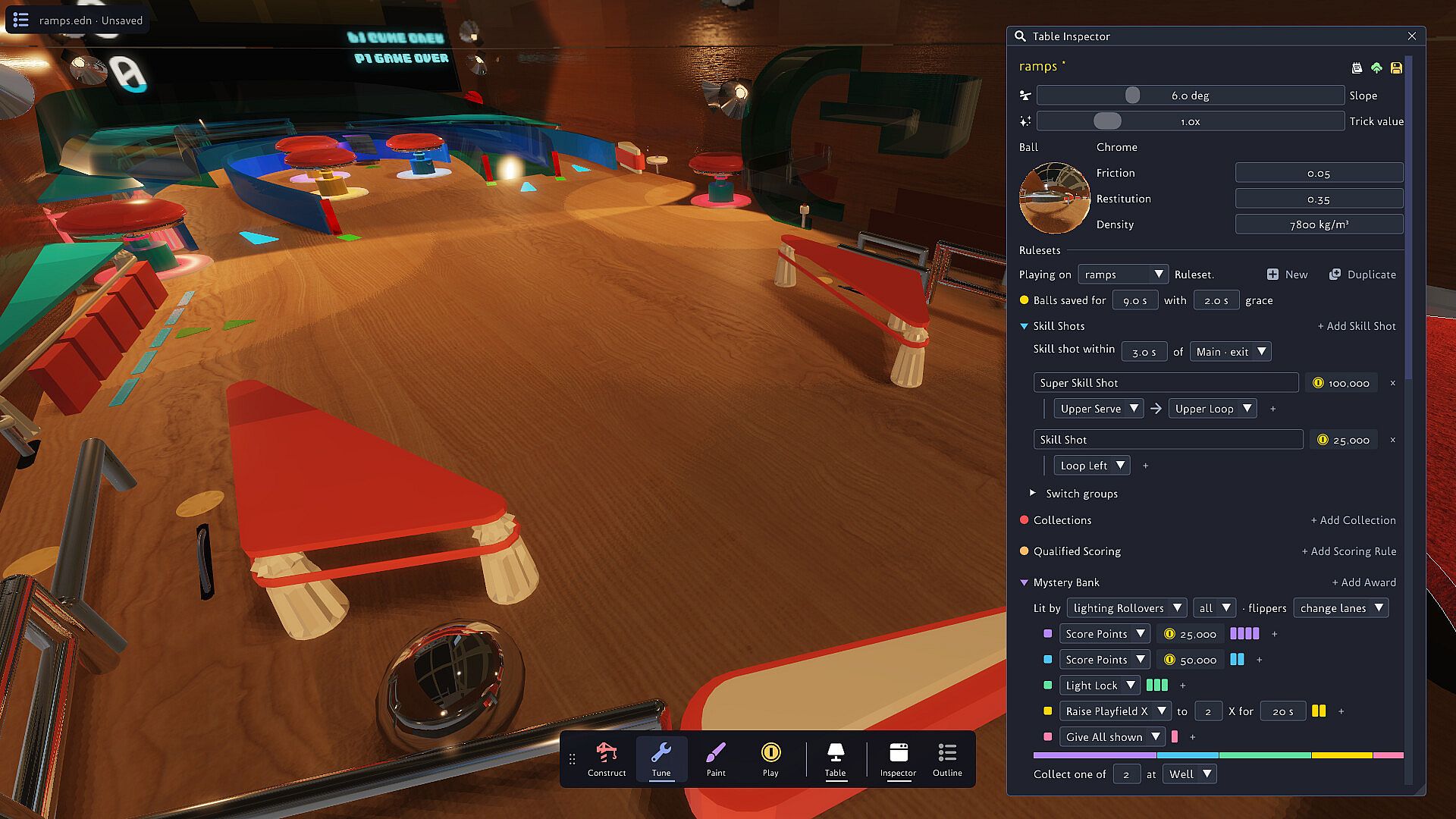
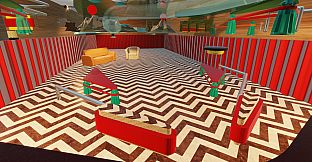
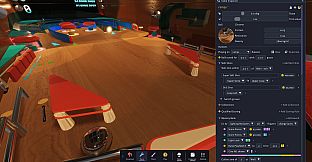
Table creation functions as a dedicated creative mode. Users select a location, construct a layout using elements from basic flippers to advanced railguns, and apply decorations from extensive prop and lighting collections along with custom artwork. Rules for missions, multiball, and scoring can be adjusted, with bot testing available to refine designs before sharing completed tables and blueprints.
Table Building and Customization
The included editor requires no coding knowledge. Builders place components to open new shot angles and mission paths, then tune parameters to balance scoring and objectives. Hundreds of decorative options allow personalization of each creation. Completed tables can be tested thoroughly before distribution to other players.
Advanced mechanics such as hidden playfields and breakable obstacles expand the range of possible designs beyond traditional pinball layouts. The system encourages iteration, with reward and upgrade systems from the main game informing how custom tables perform during extended sessions.
Is It Worth Playing?
Pinward appeals to players who enjoy pinball physics combined with roguelite decision-making and creative freedom. The progression of ball costs and reward selections creates tension in every run, while the physics model rewards practice of specific techniques. Multiplayer adds direct competition on identical tables without requiring separate instances.
Those interested in building and sharing custom content will find the editor comprehensive, supporting everything from simple modifications to entirely new layouts with tuned rulesets. The game remains in development with a planned release in Q2 2027, so current information reflects the described systems and features available at launch.
Overall, the combination of adaptive runs, precise controls, and multiplayer interaction on one table offers a distinct take on pinball simulation suitable for both solo experimentation and group sessions.












