





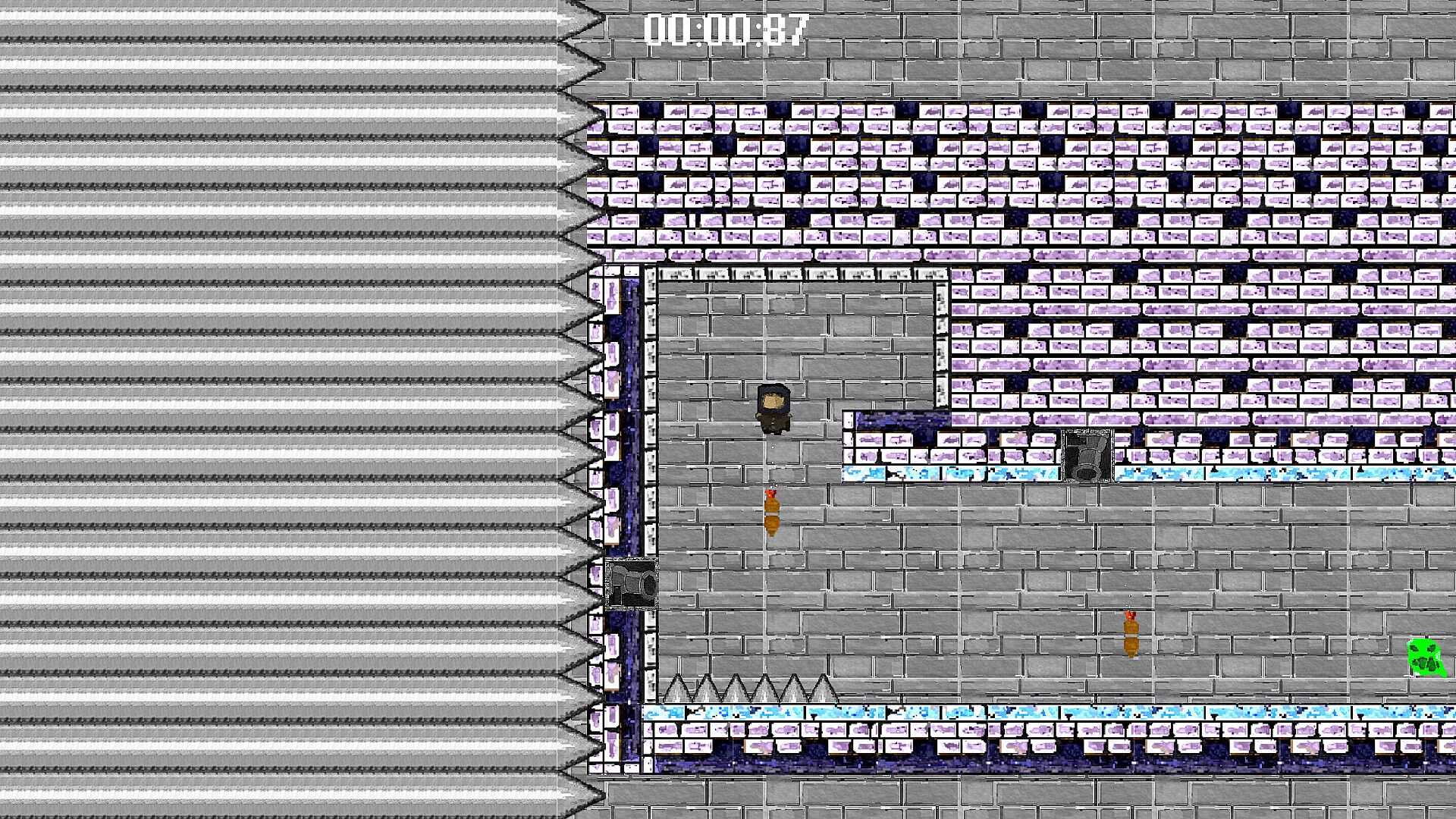
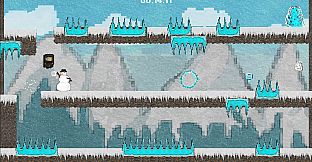
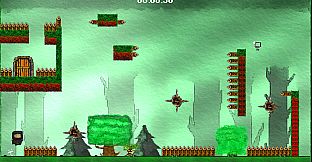
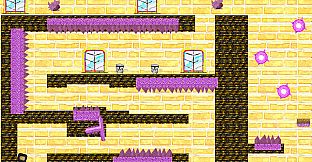
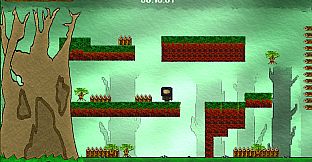
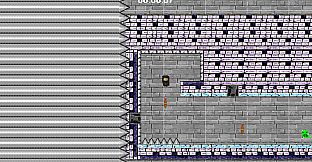
Patience Is Key is a single-player 2D platformer that places precision and deliberate pacing at the center of its experience. Developed as an indie adventure title for PC, the game challenges players to navigate demanding stages where quick reflexes alone will not suffice. Instead, success comes from observing patterns, planning routes, and persisting through repeated attempts on tricky sections.
Gameplay
The core loop revolves around running, jumping, and maneuvering through carefully constructed 2D environments. Levels feature hazards and layouts that punish impatience, encouraging players to pause, study the terrain, and test incremental improvements. Movement feels responsive yet unforgiving, with each stage designed to highlight the need for better solutions rather than brute-force repetition.
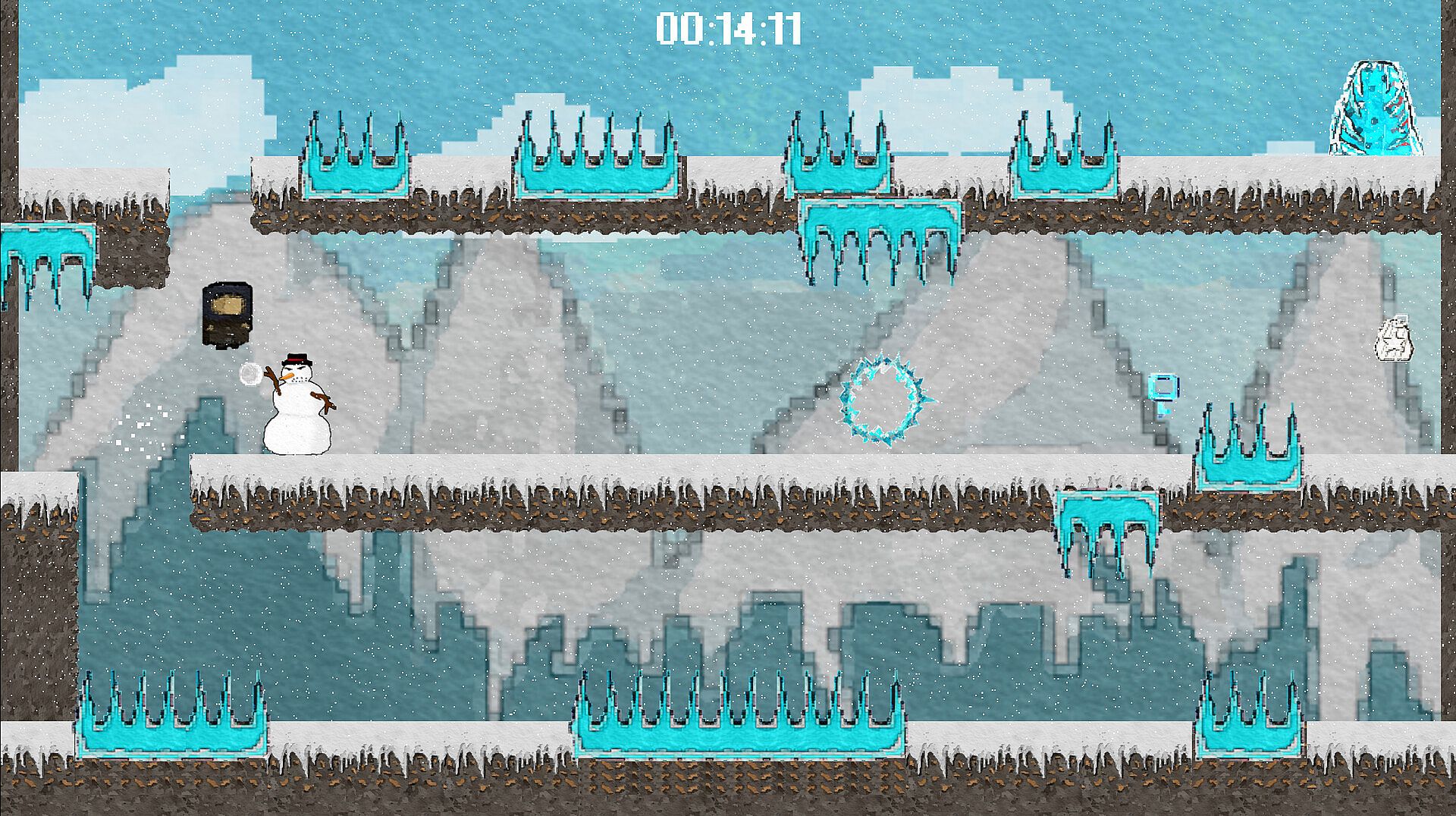
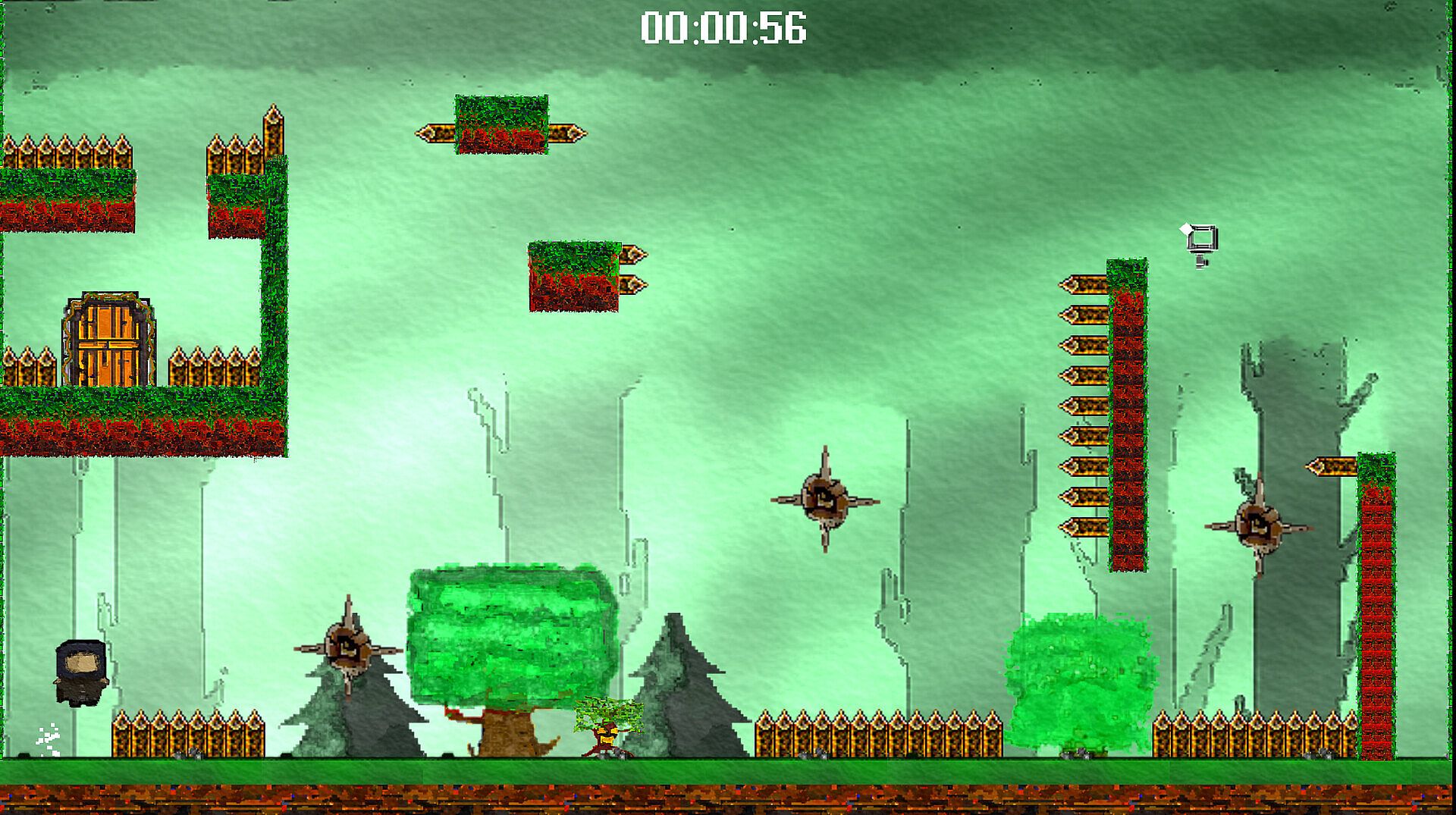
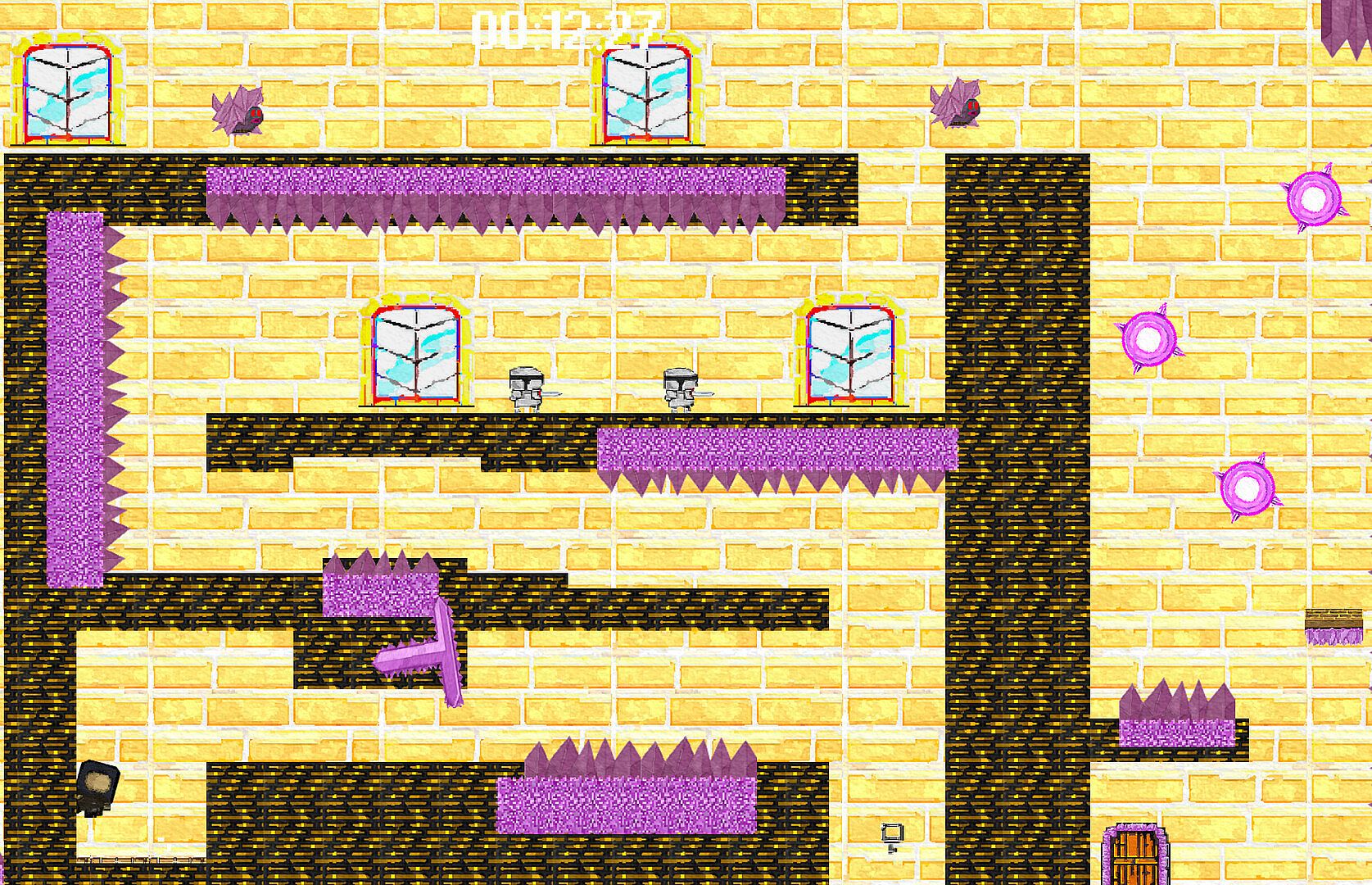
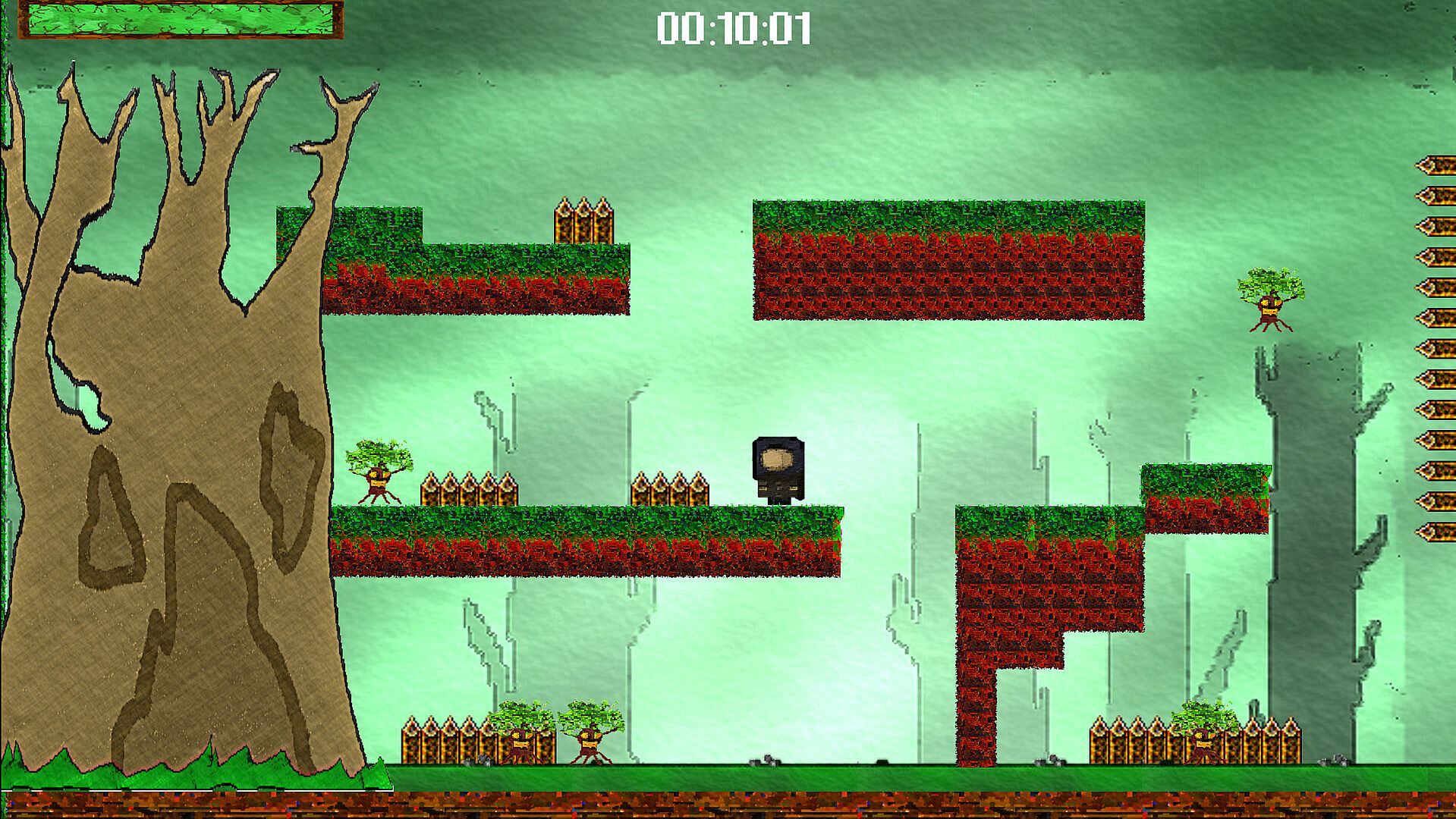
Progression follows a protagonist fleeing an attacked village and heading toward a distant castle. The journey spans four distinct chapters, each tied to a unique landmark that introduces new visual themes and environmental challenges. At the conclusion of every chapter, a dedicated gatekeeper encounter serves as a boss fight, requiring players to apply lessons from prior stages in a more structured confrontation.
Game Modes
The primary experience is the adventure playthrough, which comprises 44 levels distributed across the four chapters. This mode emphasizes exploration of the story-driven path and mastery of each landmark's obstacles.
A separate set of 16 levels forms the time trials challenges. These focus on speed and efficiency, offering an alternative way to engage with the same core mechanics under stricter performance expectations. Both modes draw from the same pool of platforming skills but differ in their pacing and objectives.
Story and Structure
The narrative frames the action as a direct response to mysterious attacks on the protagonist's village. Crystal objects originating from a kingdom's castle set the central conflict in motion, prompting a trek through varied terrain. Each chapter builds on this premise by presenting new settings that reflect the journey's progression, from forested areas to mountainous regions, underground passages, and the castle itself.
With a total of 60 levels, the game balances linear advancement in the adventure mode with optional time-based trials. Boss encounters at chapter ends provide structured tests that integrate accumulated skills into larger confrontations.
Is It Worth Playing?
Patience Is Key targets players who appreciate deliberate, skill-focused 2D platformers over fast-paced action. Its emphasis on thoughtful navigation and repeated refinement suits those who enjoy overcoming obstacles through observation and persistence rather than speed alone. The single-player structure and achievement support make it a self-contained experience for solo sessions.
Because the game remains in development ahead of its planned release, concrete player feedback is not yet available. Those drawn to indie platformers with chapter-based progression, boss fights, and dedicated challenge modes will find the described systems align closely with that preference. The combination of story context and varied level types provides a clear framework for extended play without unnecessary complexity.












