


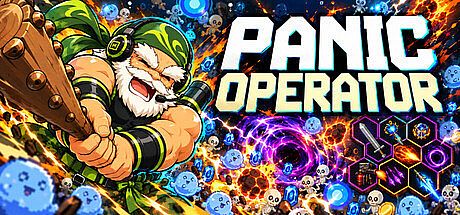


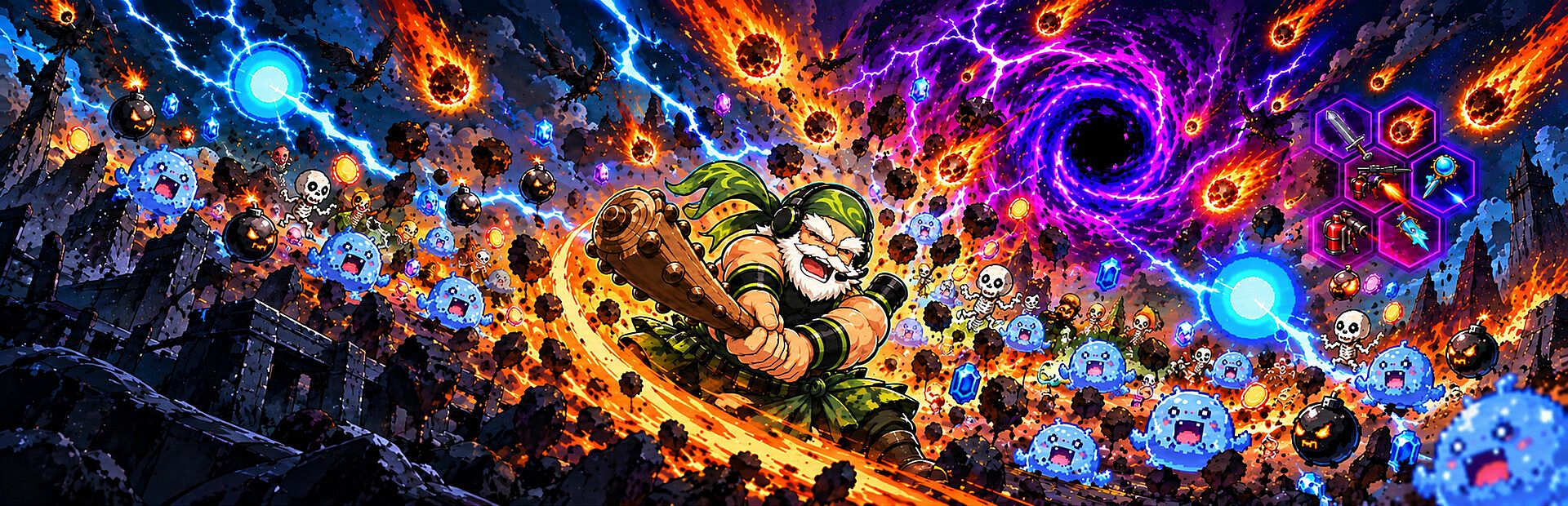
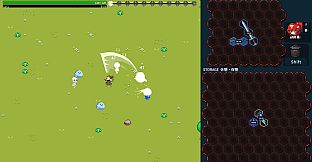
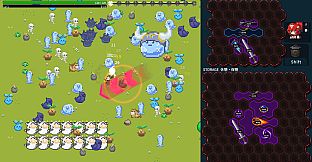
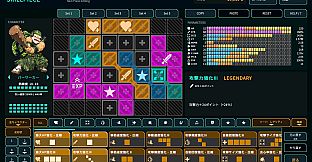
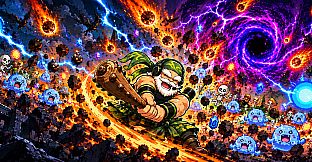
PanicOperator is a top-down roguelite action game that blends fast-paced battlefield movement with deliberate backpack and inventory management on PC. Players control a character who dodges waves of enemies while arranging weapons and items inside a limited hexagonal grid backpack. Swords, guns, and magic strike automatically once placed, shifting the focus from direct aiming to positioning, rotation, and timing of gear swaps.
Gameplay
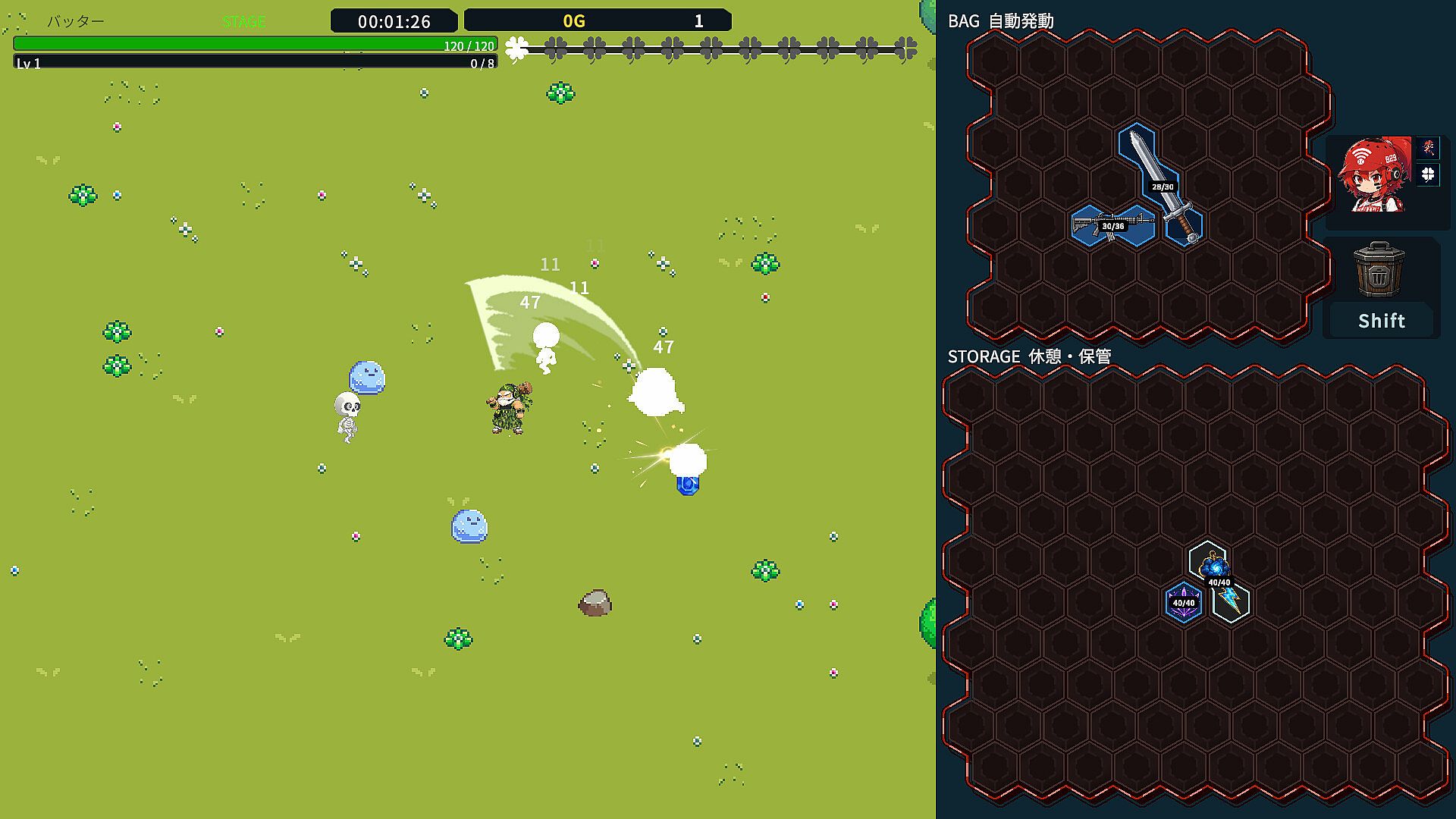
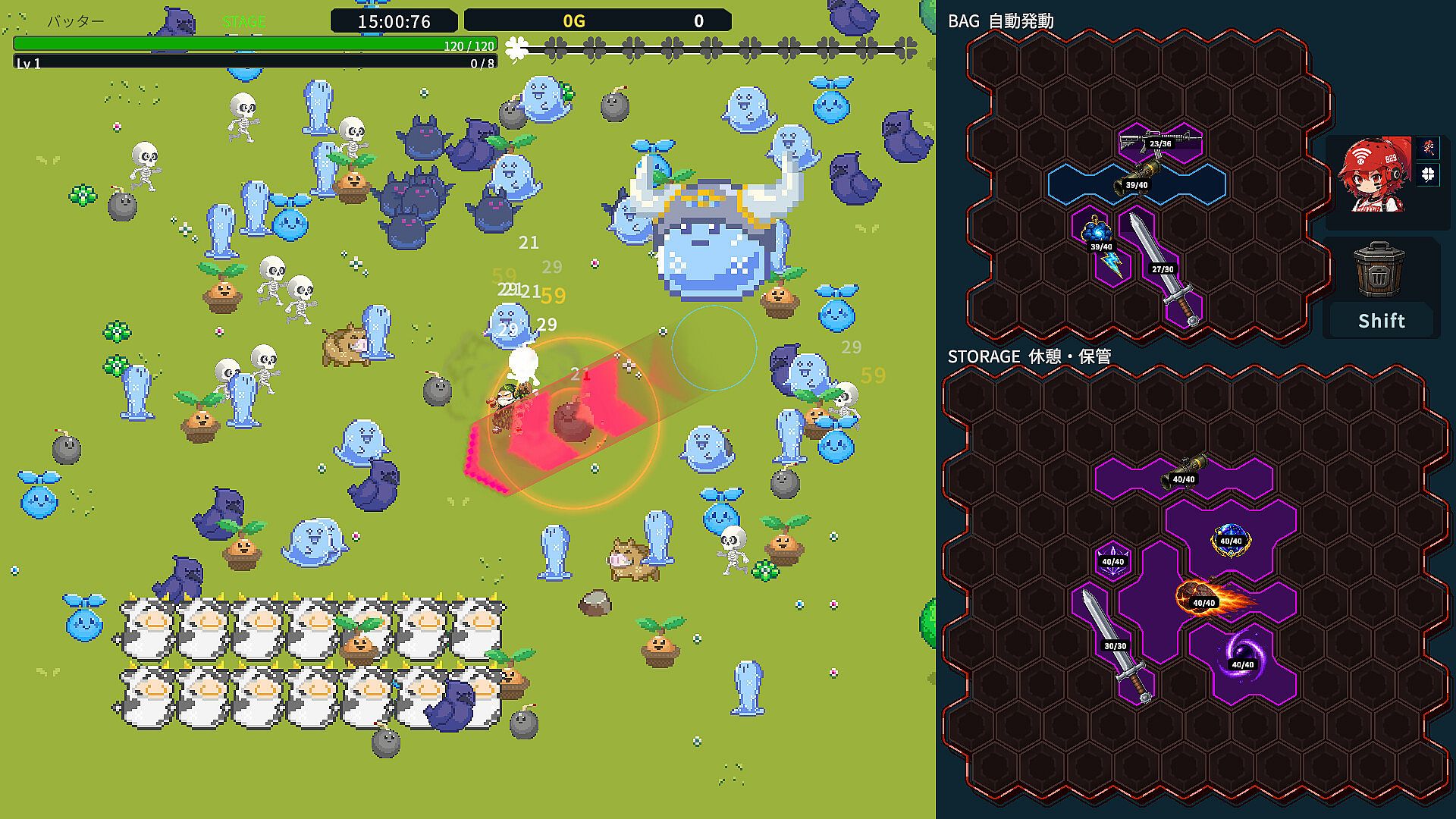
The core loop centers on constant motion across the battlefield combined with real-time decisions inside the backpack. Weapons and support items occupy spaces on a hexagonal grid, and players rotate pieces of different shapes to maximize adjacency effects and available slots. Flicking a weapon from storage launches it into an open backpack position, where it joins the automatic attacks. Overheating occurs after sustained use, sending the item back to storage for cooldown, which can be accelerated by placing cooling fans nearby.
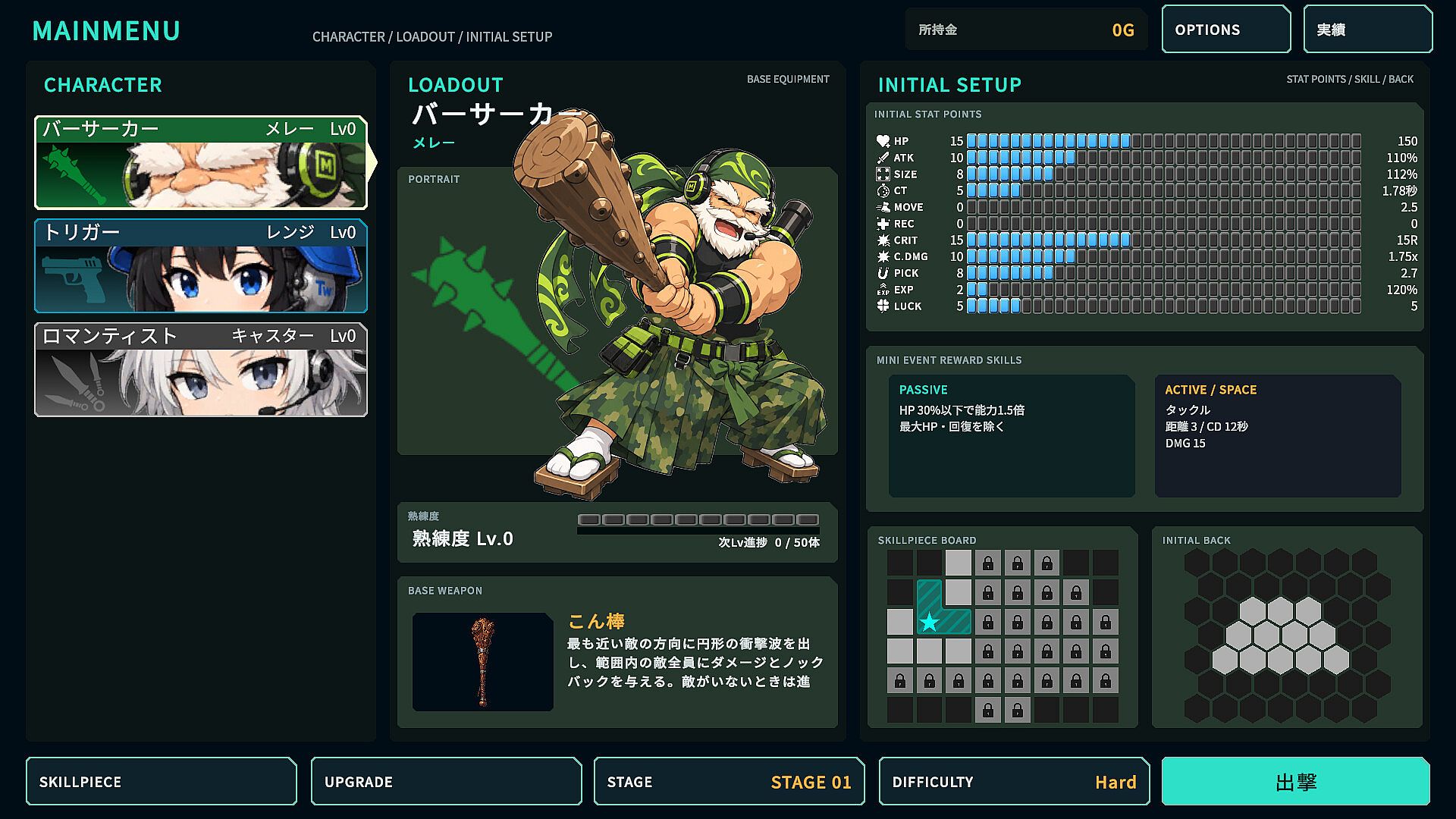
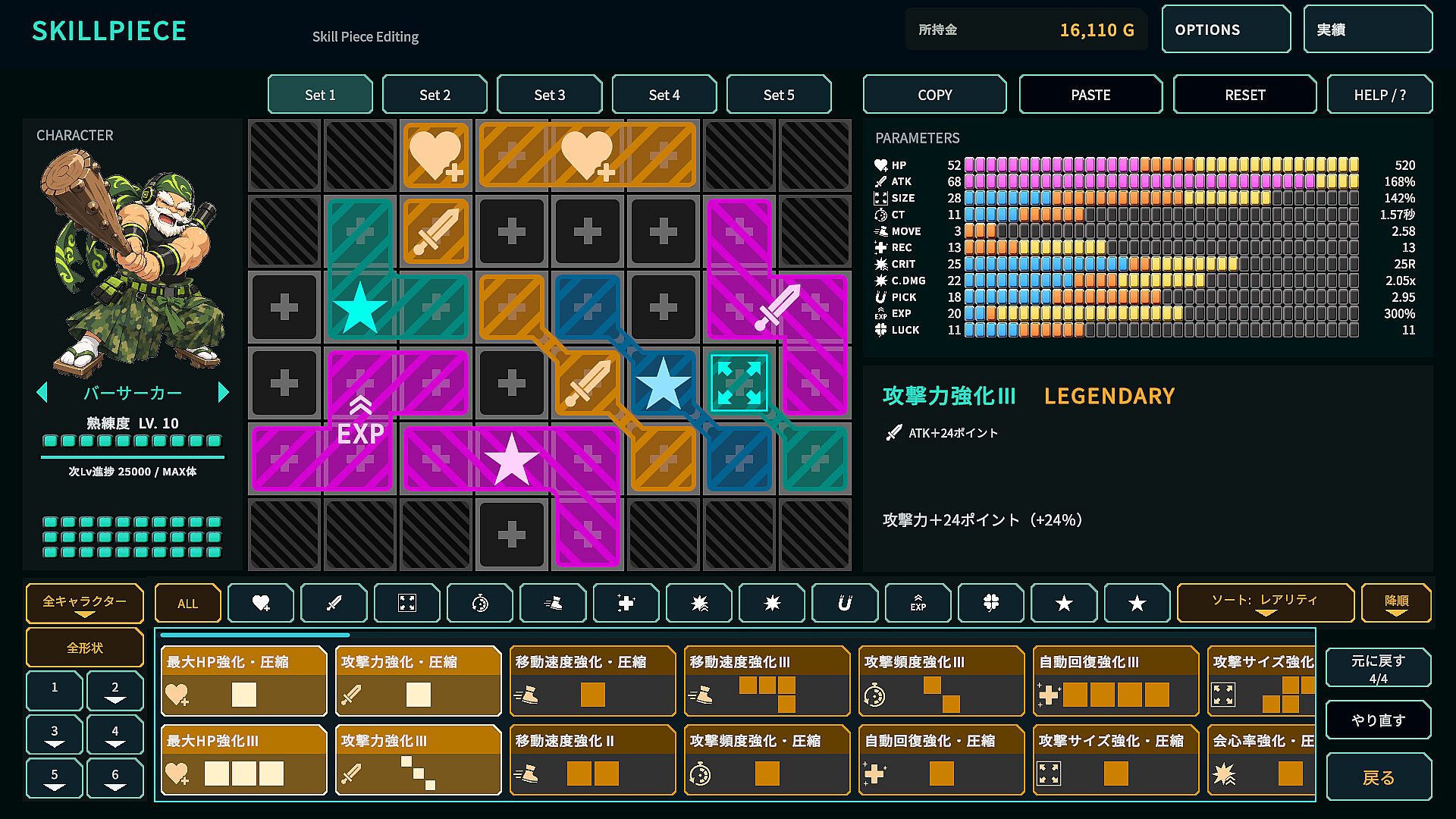
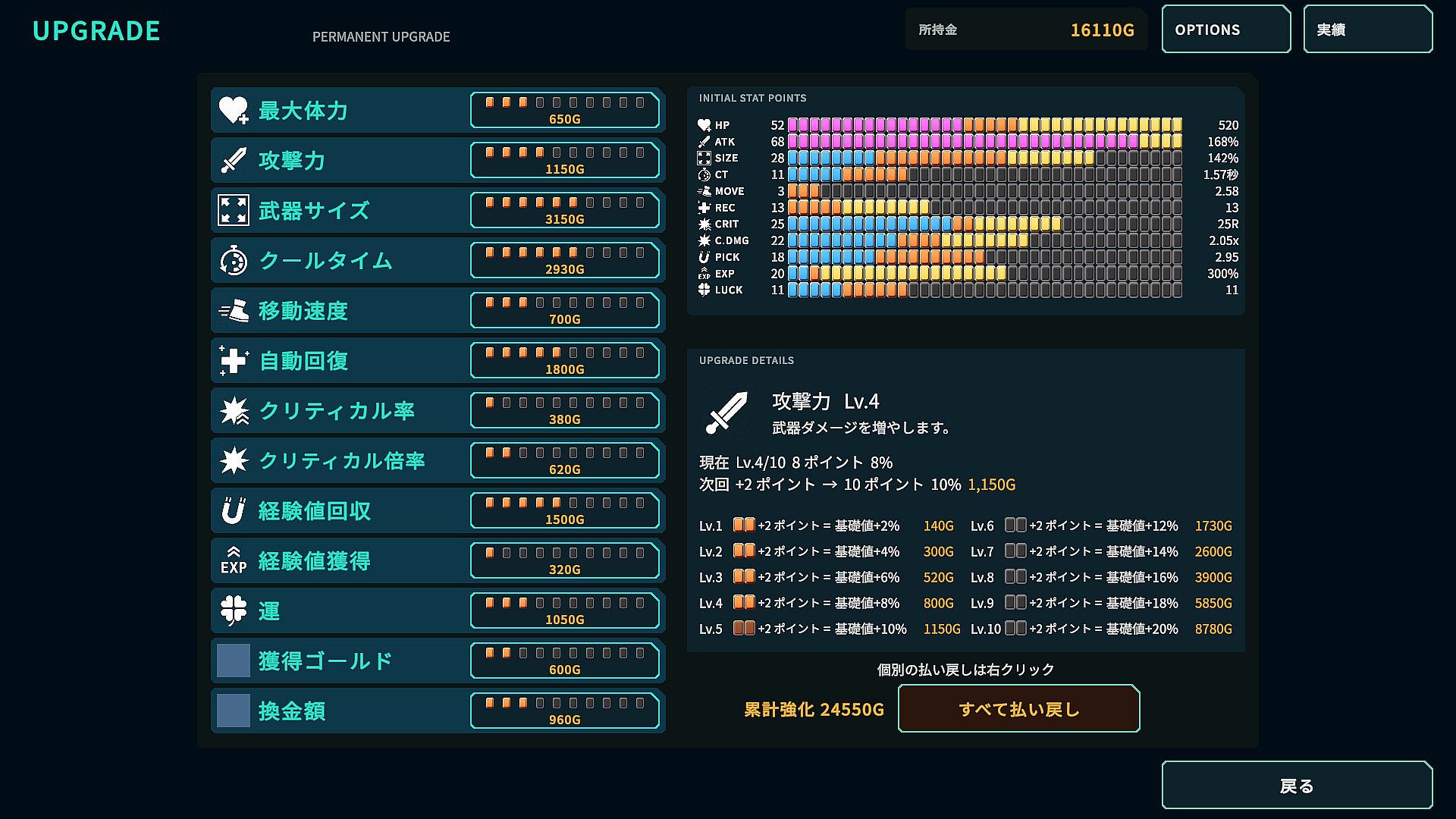
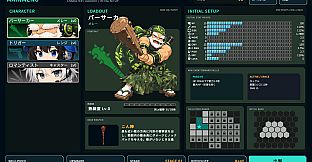
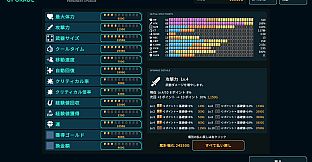
Merging identical items of the same rarity upgrades them along a progression from common to rare, epic, and legendary. Higher rarities often alter attack patterns or power, while freeing backpack space for additional gear. Level-up rewards and treasure chests provide new pieces to integrate into the current loadout. Character selection at the start of each run grants a unique weapon and skill, with further customization available through skill piece arrangements. Gold earned carries over for permanent upgrades that improve future attempts.
Enemies approach in increasing numbers, forcing players to balance offensive output, defensive positioning, and quick reorganization under pressure. A character's special skill offers emergency escapes when surrounded. The run culminates in a boss encounter that tests the full strength of the assembled gear and strategy.
Game Modes
PanicOperator structures its experience around repeated runs in a single-player roguelite format. Each attempt begins with character and skill selection, followed by battlefield progression through enemy waves toward the boss. Between runs, players spend accumulated gold on lasting upgrades and experiment with different character abilities or weapon combinations. The absence of multiplayer elements keeps the emphasis on personal loadout experimentation and adaptation to the hexagonal inventory constraints.
Progression rewards thoughtful merging and cooling management, encouraging players to refine their approach across multiple attempts rather than relying on a single fixed setup. Treasure chests and level rewards introduce variability, while the core loop of movement, placement, and automatic combat remains consistent throughout every run.
Key Mechanics and Progression
Backpack expansion items allow more gear to be carried, directly influencing how many weapons and utilities can stay active at once. Neighboring item effects create synergies that reward careful grid planning, such as positioning support pieces to boost nearby attackers. Storage serves as a holding area where cooled weapons wait for re-entry, turning cooldown timing into a strategic layer alongside battlefield dodging.
Rarity merging not only strengthens individual pieces but also alters their behavior at higher tiers, giving long-term value to repeated finds of the same type. Permanent upgrades purchased with run earnings expand options for future characters and layouts, creating a meta layer of preparation before entering the next battlefield.
Is It Worth Playing?
PanicOperator suits players who enjoy roguelite runs paired with puzzle-like inventory systems and real-time action. The hexagonal grid placement and overheating cycle add depth to what would otherwise be standard top-down combat, rewarding those who plan layouts while staying mobile. Character variety and skill customization provide replayability through different fighting styles, while merging and rarity progression give each run a sense of building power.
Those drawn to indie action-strategy titles that emphasize resource management over pure reflexes will find the backpack mechanics engaging. The single-player focus and run-based structure make it accessible for shorter sessions or extended experimentation. Availability on PC positions it well for keyboard-and-mouse precision in grid management alongside controller-friendly movement.











