




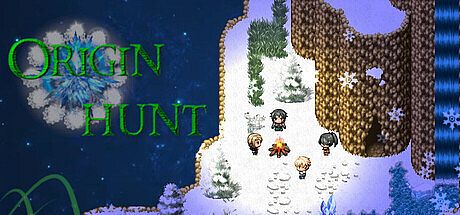


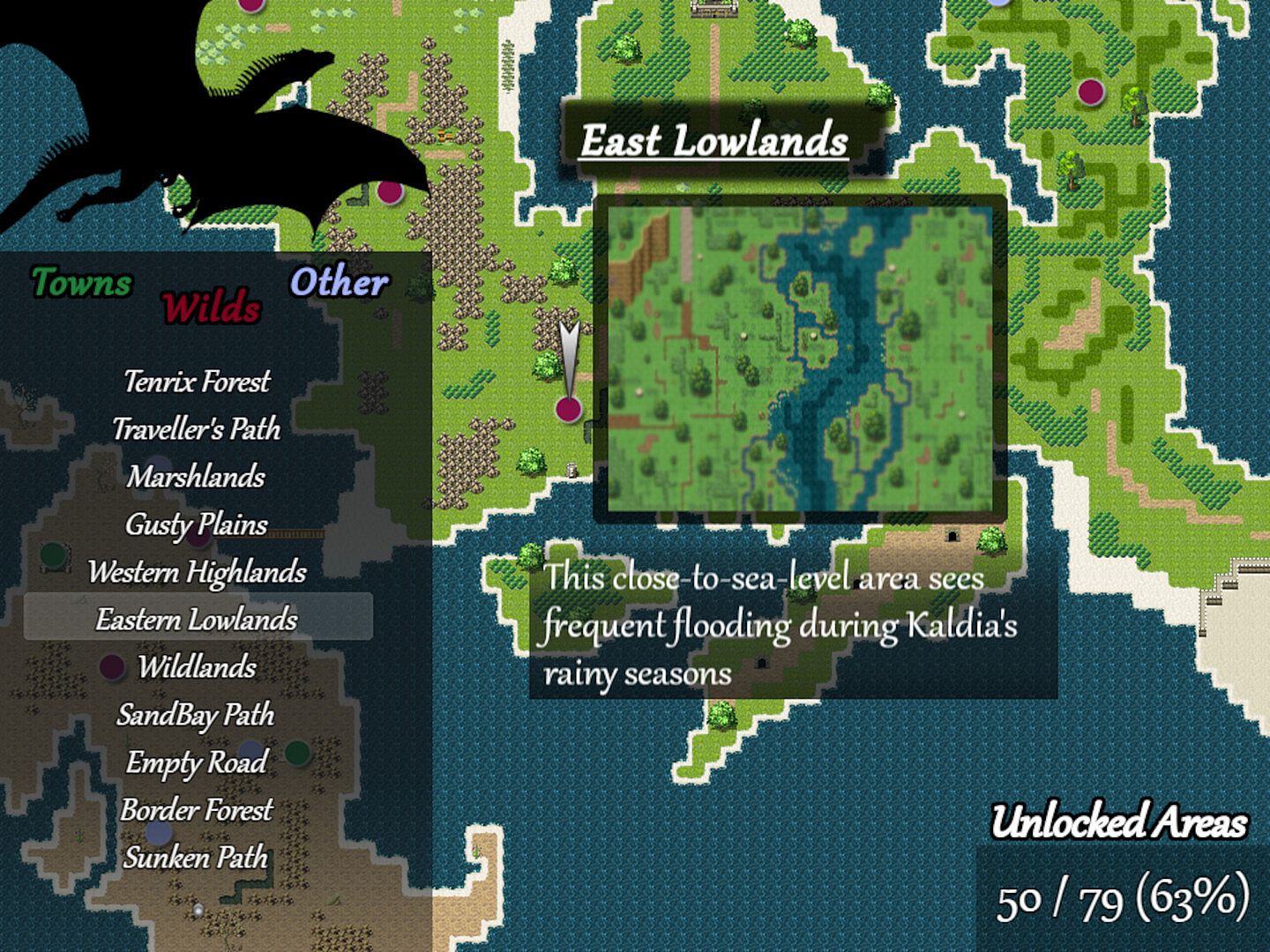
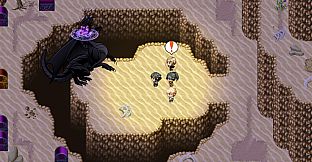
Origin Hunt is an indie RPG adventure developed for PC by a solo creator. Players step into the role of a kidnapped monster navigating a foreign land amid tensions between powerful Origin Mages who have maintained peace in Lenma for centuries. The narrative centers on personal stakes, hidden histories, and decisions that shape relationships and outcomes in a world where stability frays after a past tragedy.
Gameplay
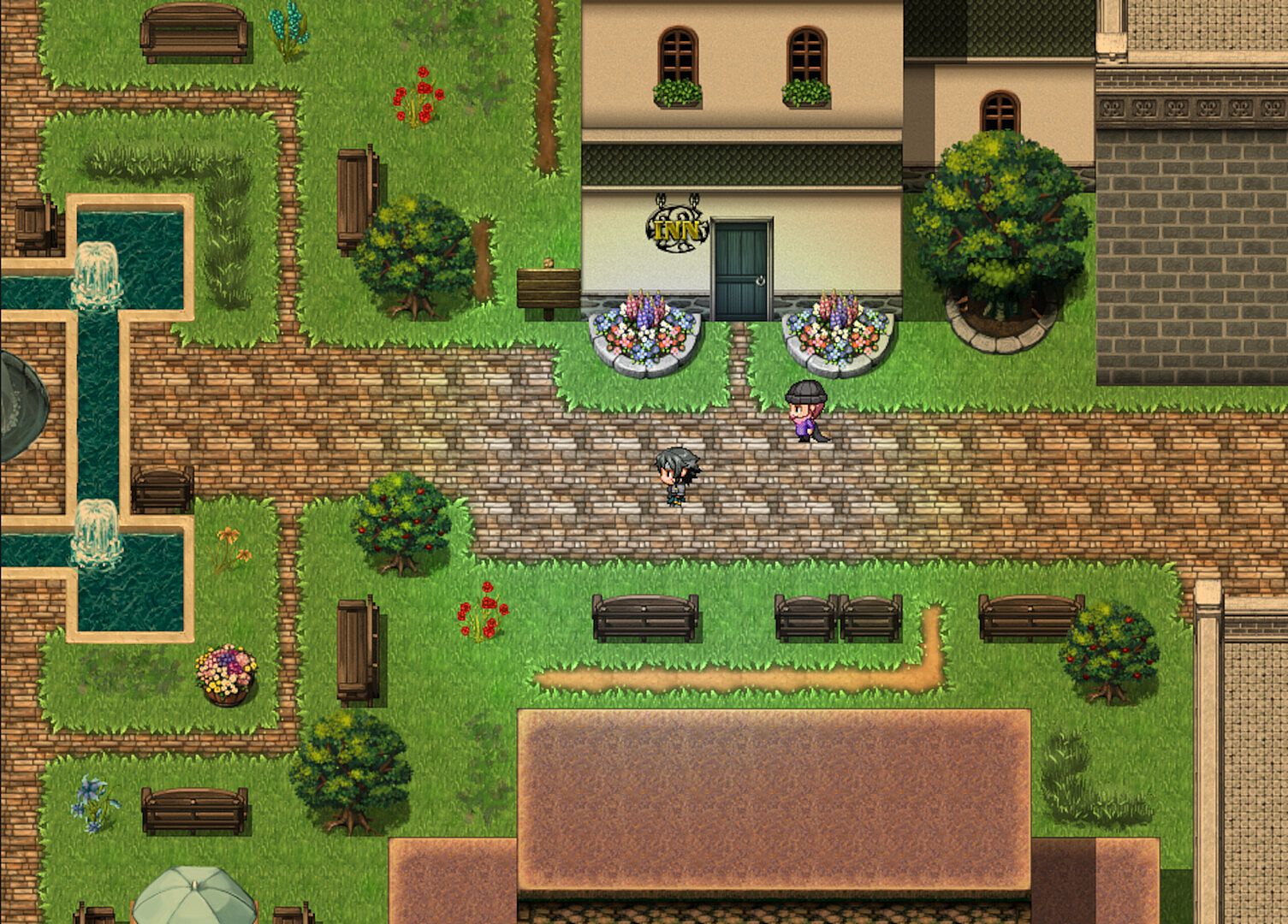
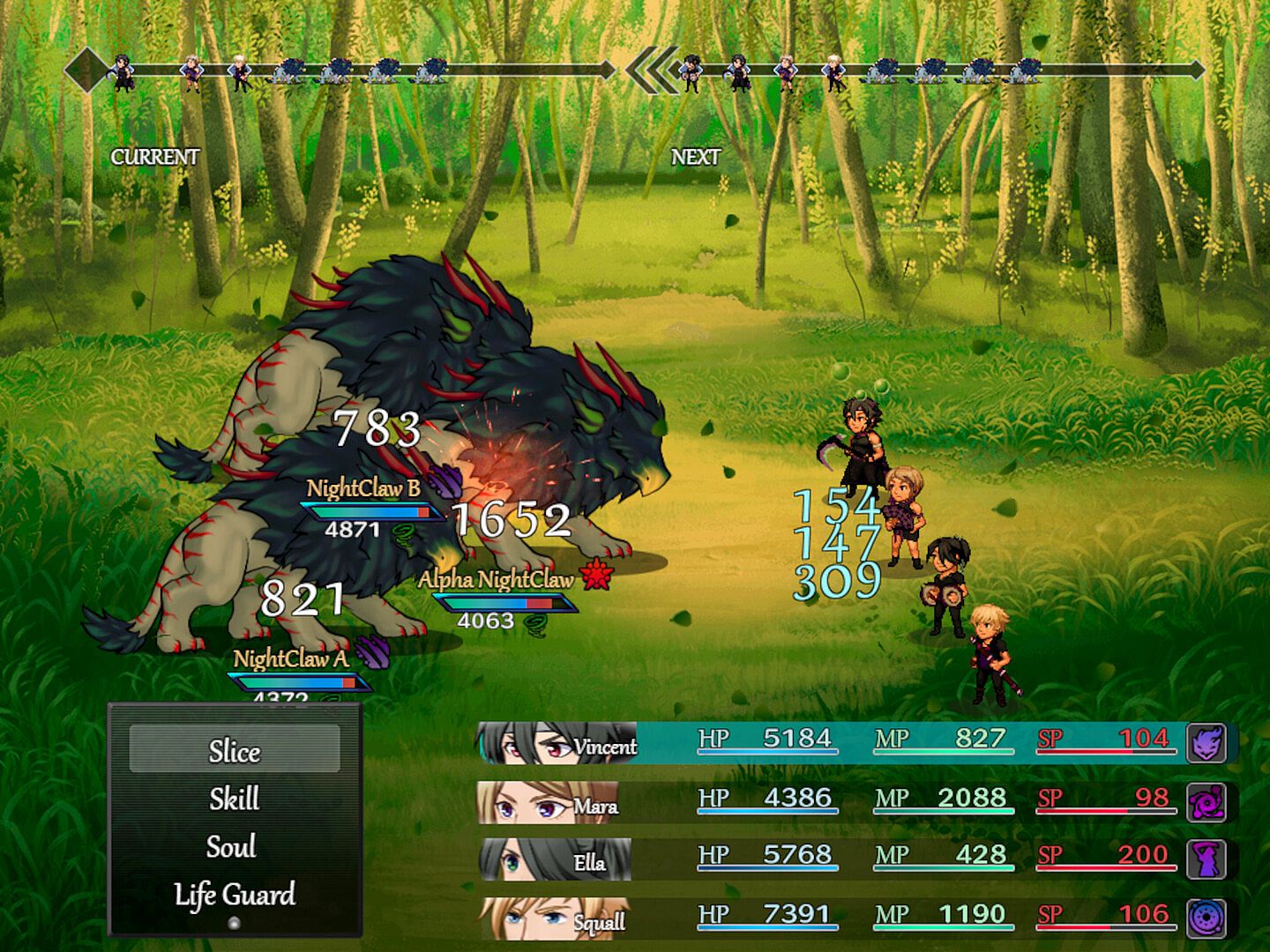
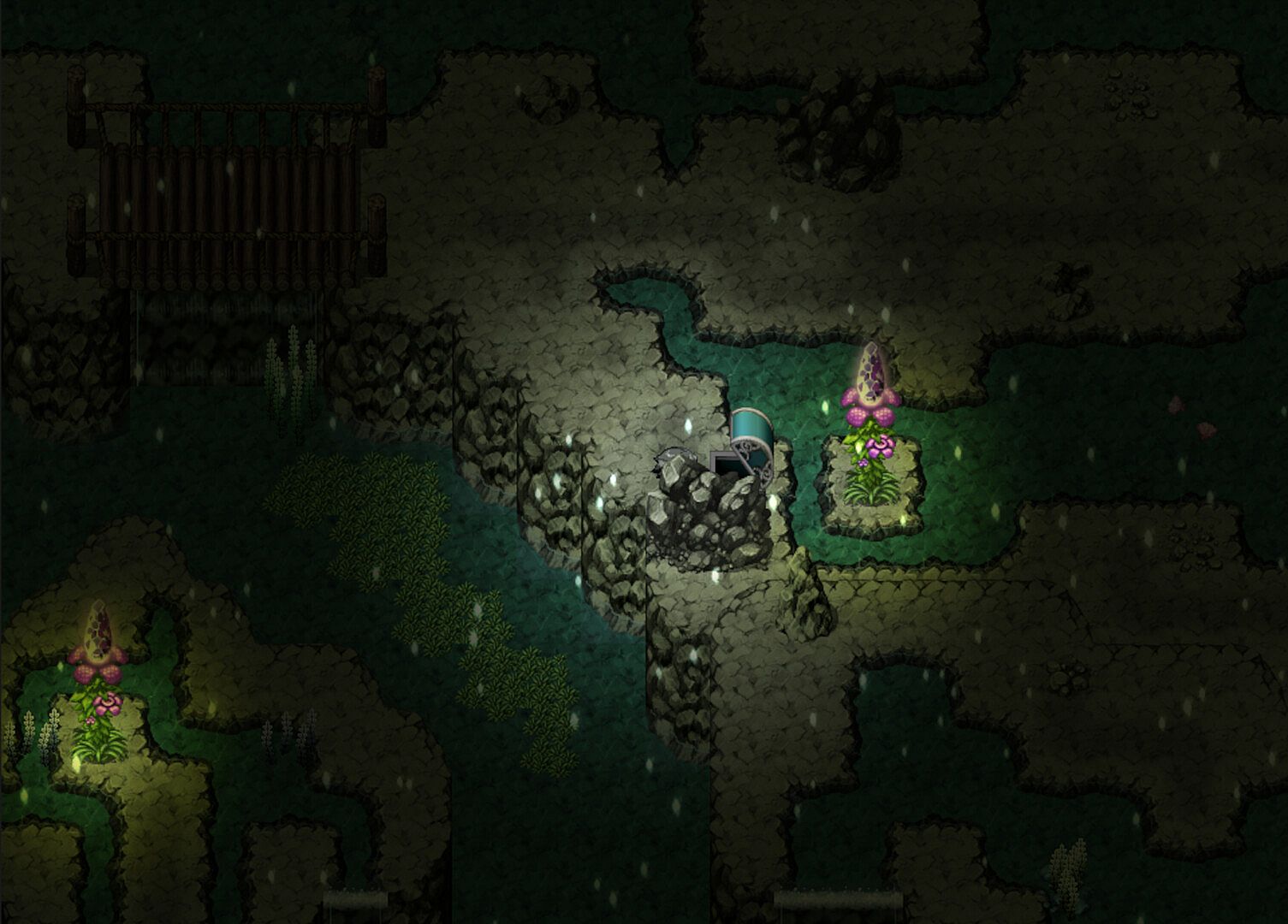
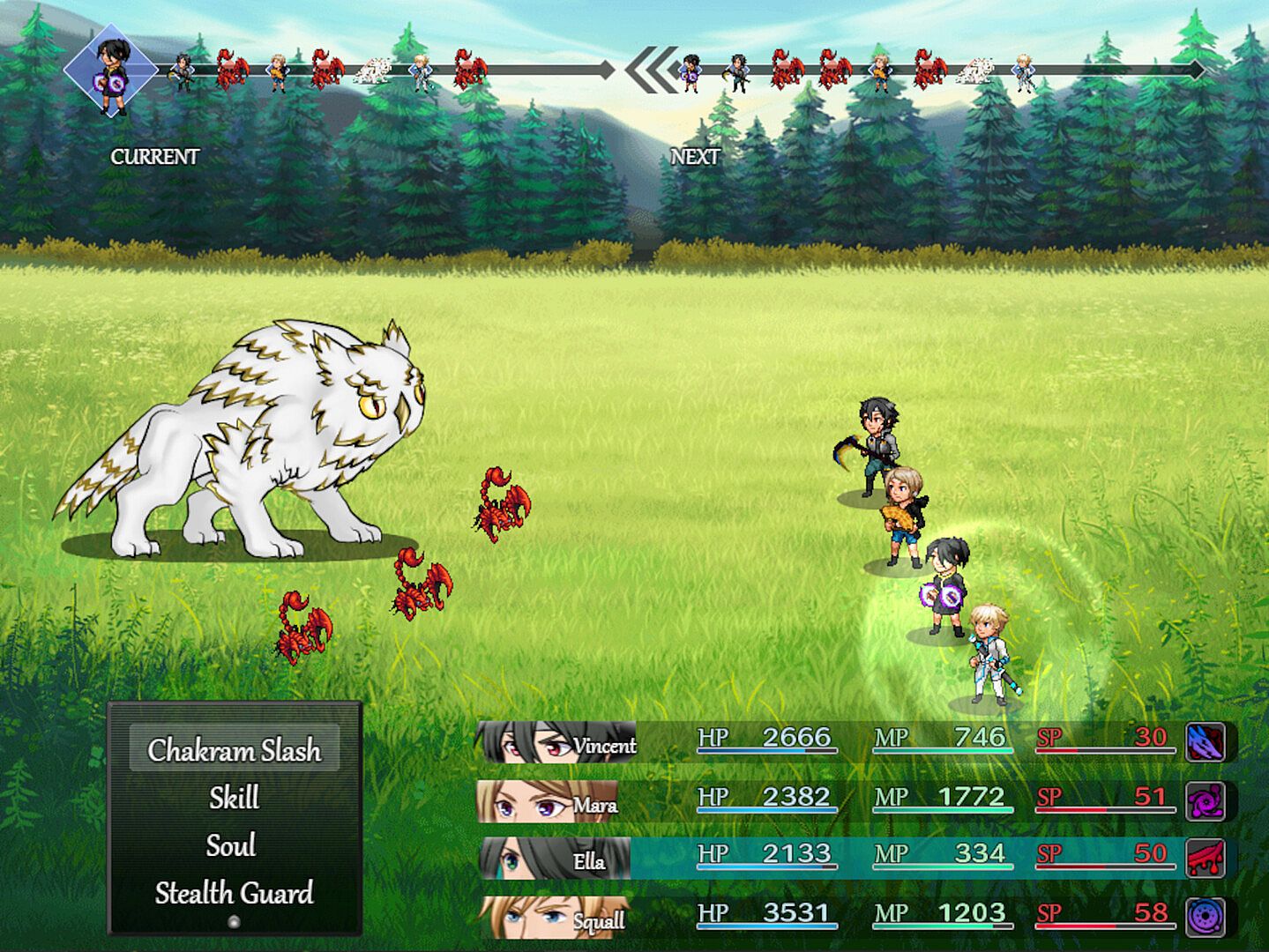
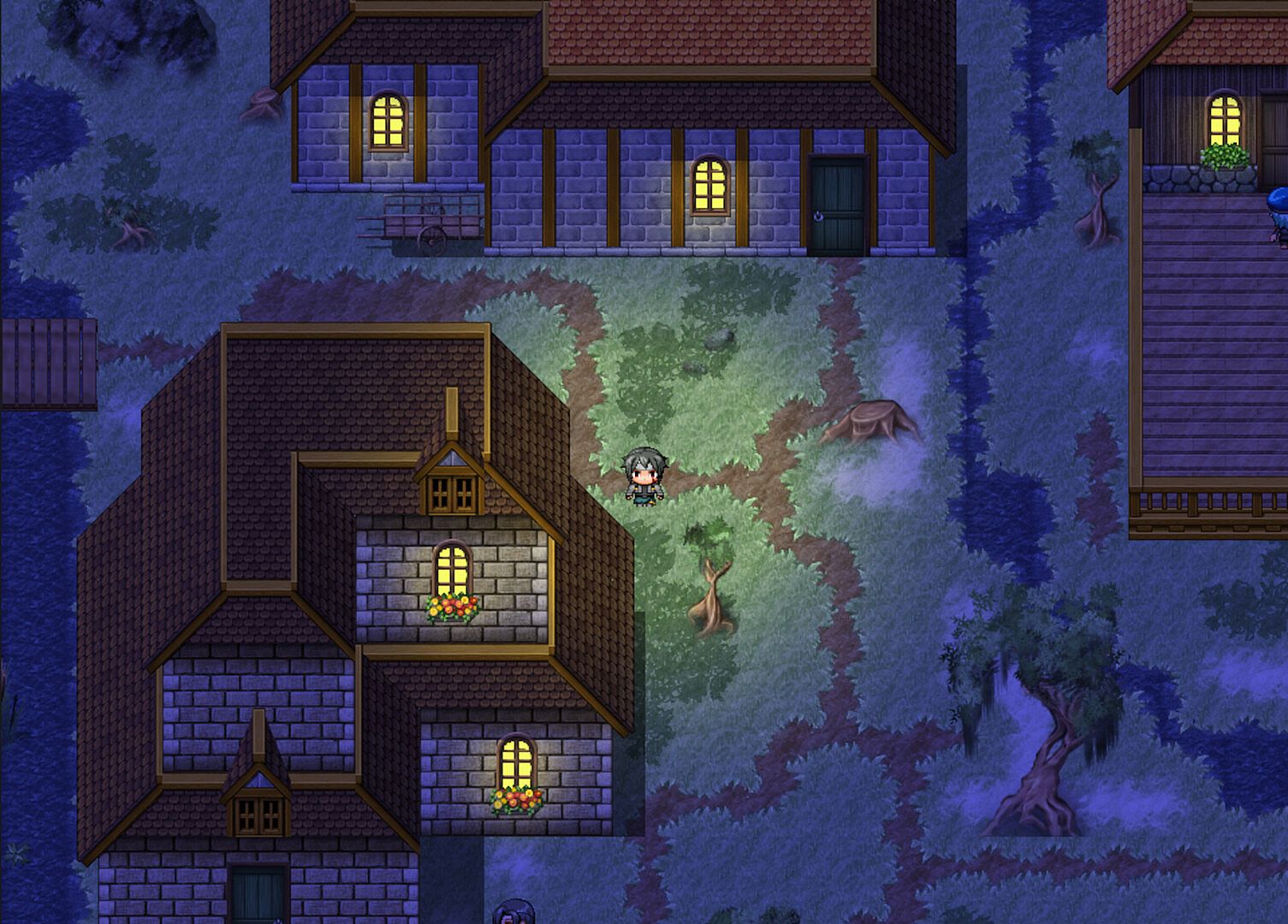
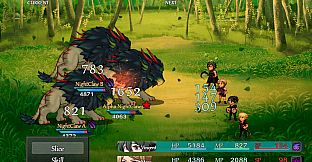
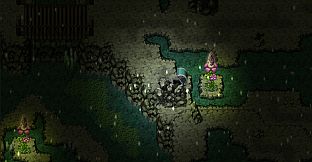
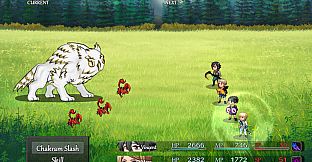
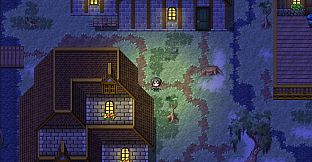
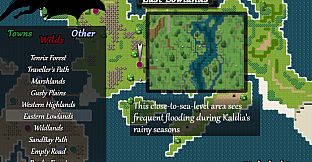
The core loop combines exploration across varied environments with turn-based battles that emphasize animation and positioning. Enemies display lively behaviors on the field and in combat, where party members execute unique skills while opponents counter with coordinated responses. A day and night cycle influences skill effectiveness, quest availability, and even minor environmental details such as character attire. A calendar tracks holidays that trigger special events, including opportunities for romance in the capital or seasonal activities like costume exchanges.
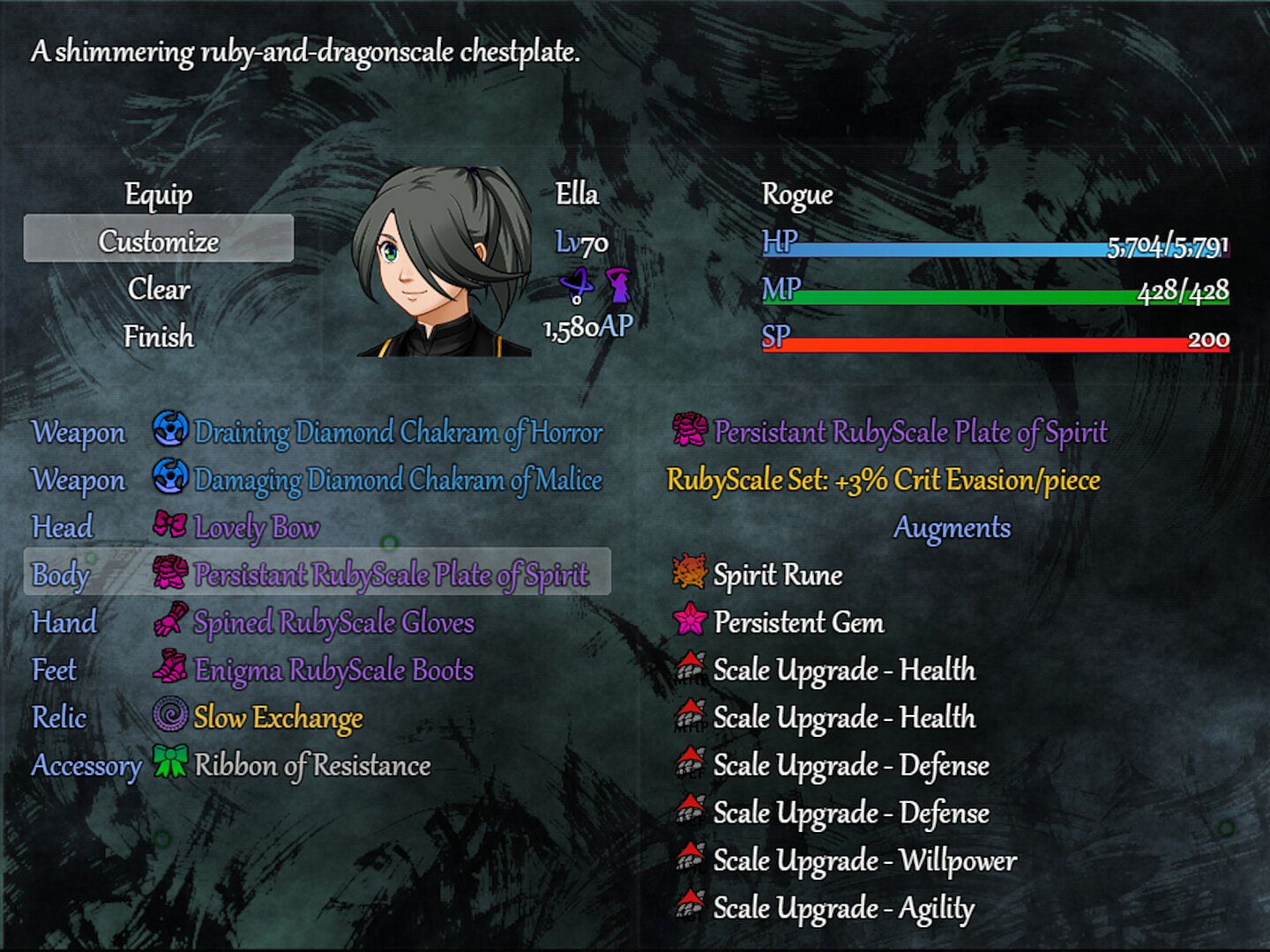
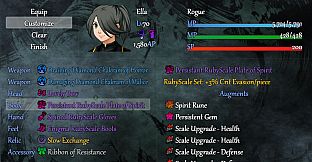
Customization forms the backbone of progression. No character locks into fixed roles, allowing free assignment of skills and equipment across the party. Weapons and armor accept augments that alter traits, such as health drain on attacks or stat shifts that punish or reward specific playstyles. Set bonuses on armor pieces further encourage experimentation, turning enemy strengths into vulnerabilities or enabling high-risk, high-reward configurations. Party members can receive visual transmogs for aesthetic variety during fights without altering mechanics.
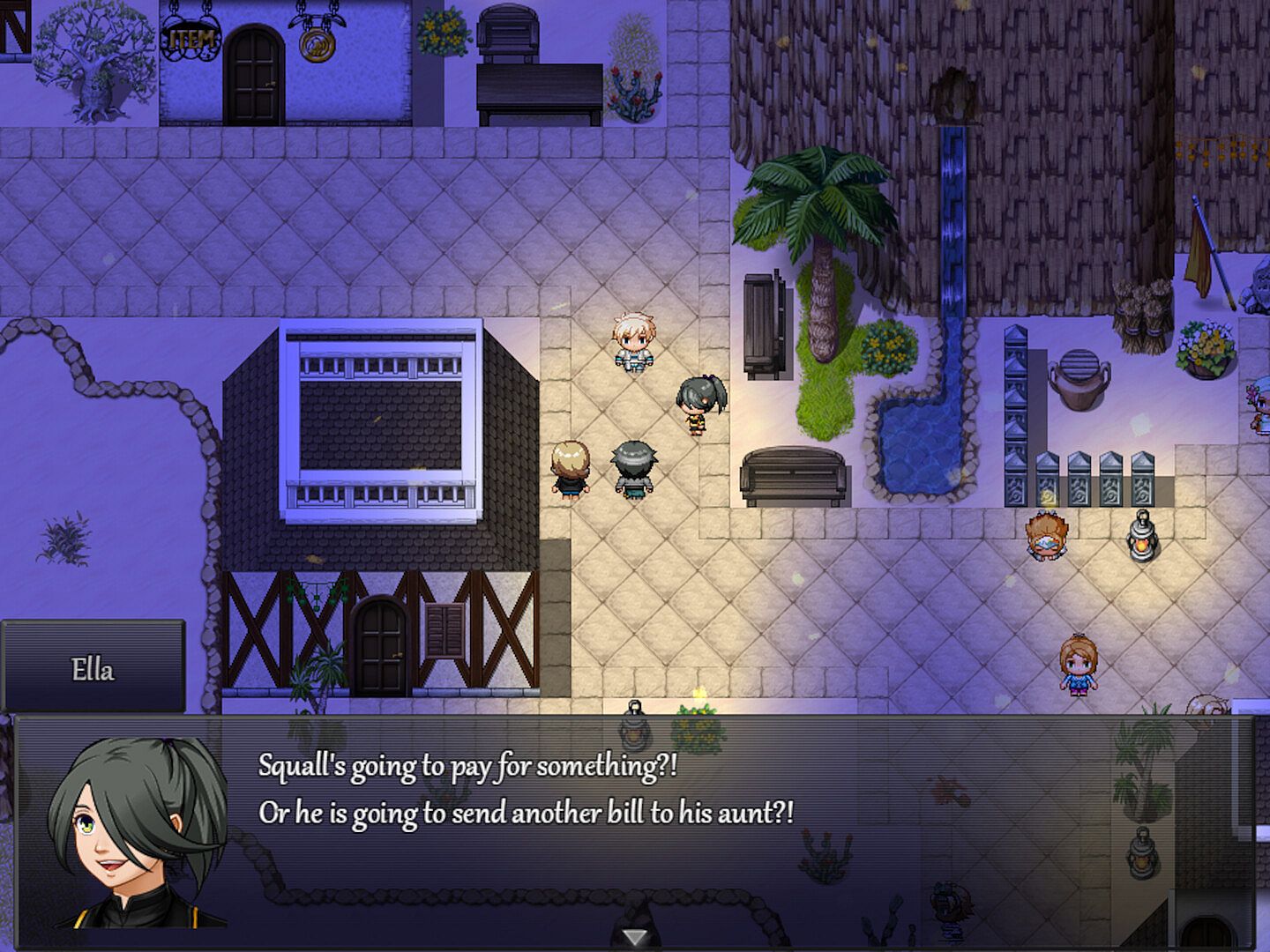
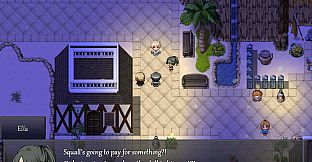
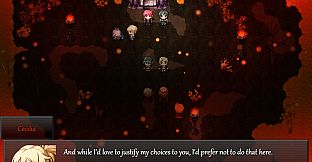
Story delivery relies on character-driven dialogue and branching consequences. Interactions with companions and NPCs alter future conversations and available paths, rewarding attentive play. Side content includes discoverable areas, optional quests, and hidden encounters that expand on the central conflict between mages and monsters.
Game Modes
Origin Hunt operates as a single-player experience focused on narrative progression and mechanical depth rather than separate competitive or cooperative modes. Players advance through the main storyline while engaging optional systems such as gear refinement, relationship building, and achievement hunting. The structure supports multiple playthroughs through choice impact and build variety, with roughly sixty hours dedicated to core events and an additional ten hours available in side activities.
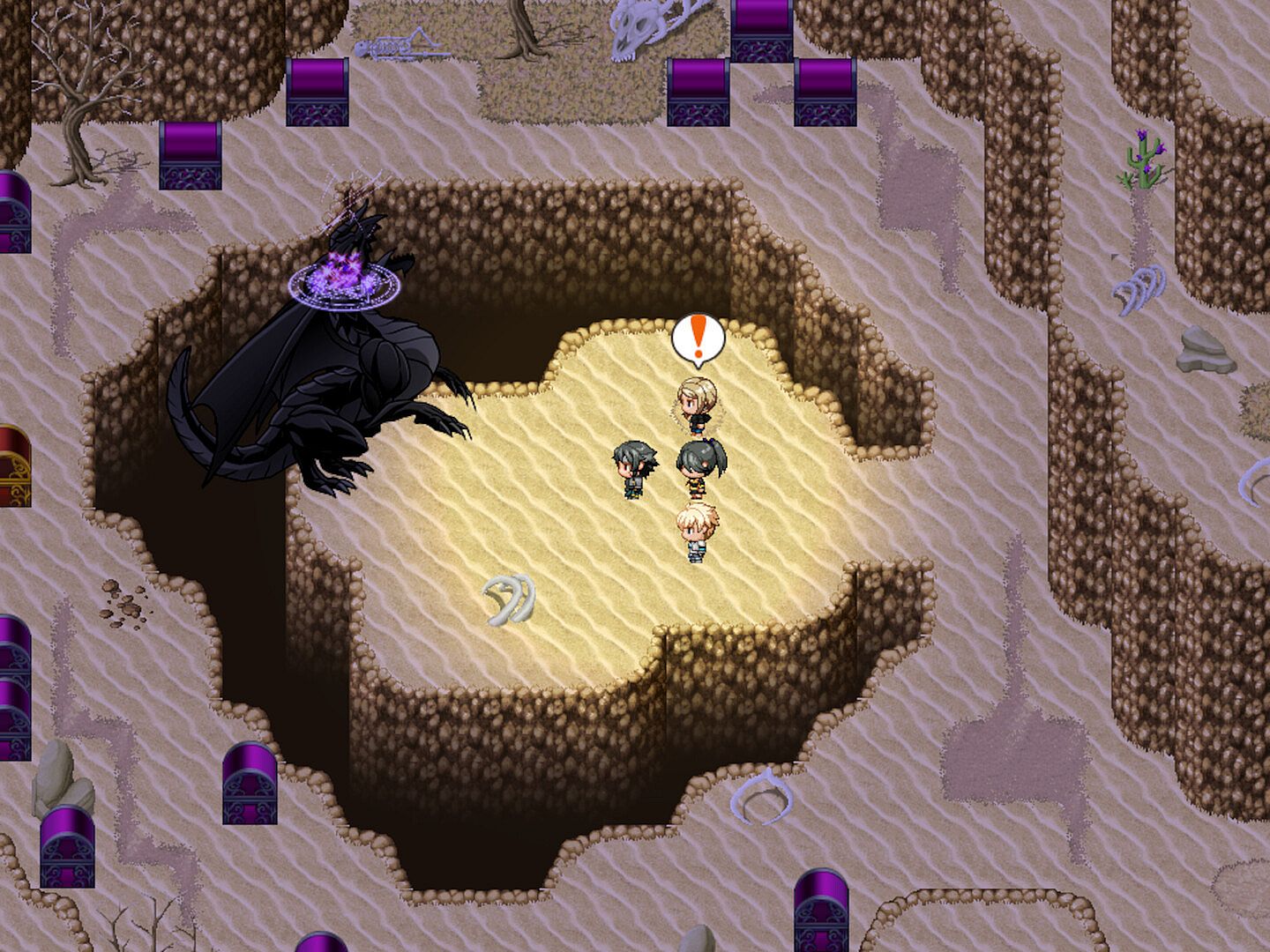
Combat encounters serve as the primary interactive mode, ranging from standard fights to demanding boss sequences that require understanding of enemy passives and AI patterns. No single strategy dominates these encounters, encouraging repeated testing of different team compositions and equipment setups. Exploration functions as another layer, with day-night shifts and calendar events providing timed opportunities that change how areas feel across sessions.
Story and Characters
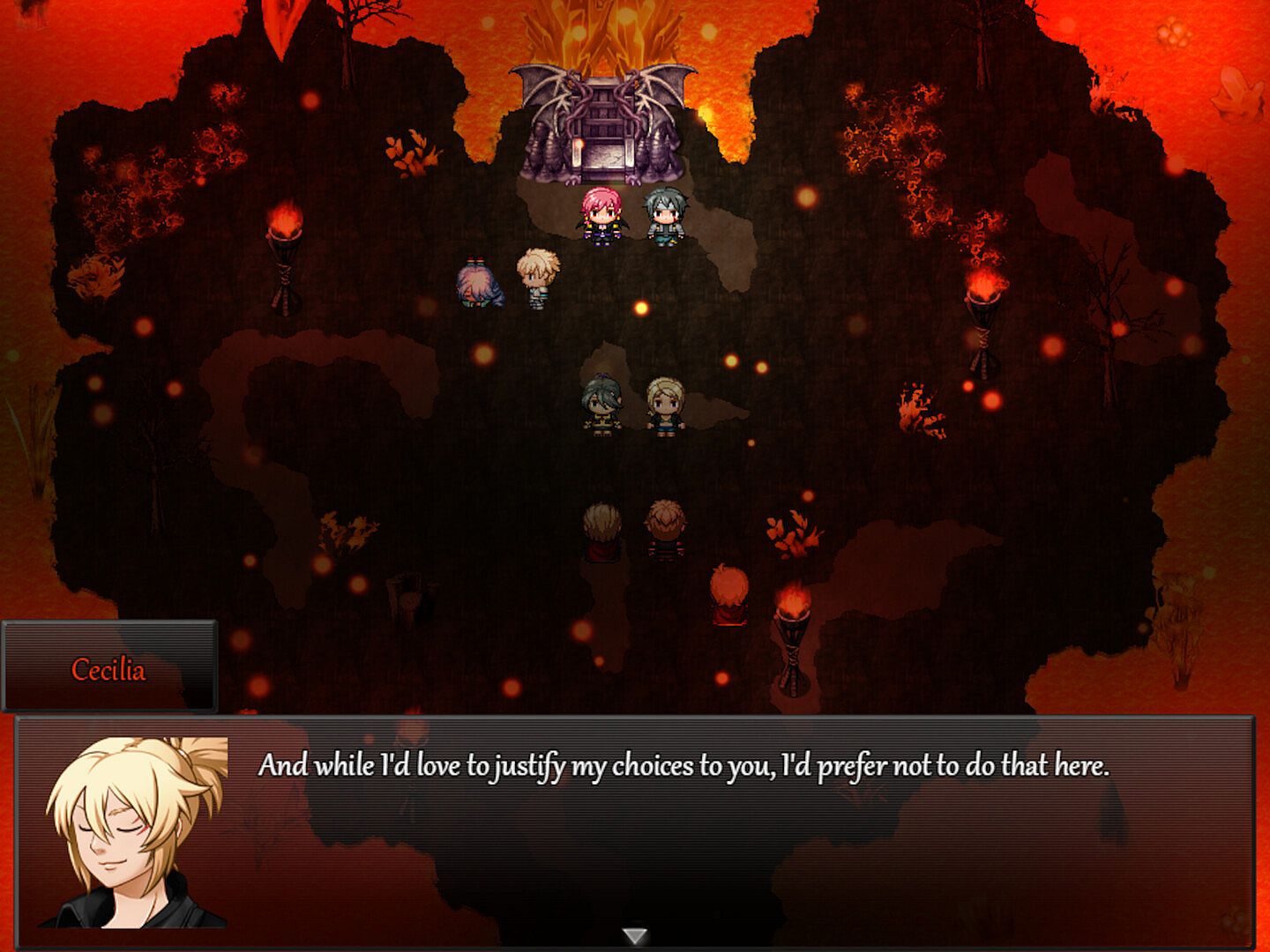
The plot follows one individual's pursuit of justice after years of relative calm in Lenma. Seven Origin Mages, each tied to elemental mastery, enforce boundaries that keep monsters separate from human settlements. A tragic incident disrupts this balance, drawing the protagonist into a web of agendas where loyalties shift based on player decisions. Characters possess distinct voices and motivations that clash during key moments, revealing layers of the world's past without relying on exposition dumps.
Relatable personalities drive emotional beats, from tense alliances to lighter exchanges during downtime. Choices extend beyond dialogue trees to affect party dynamics and long-term quest resolutions, creating a sense of ownership over the unfolding events. The setting blends political intrigue with personal stakes, positioning the player as both outsider and catalyst in the mages' secret conflict.
Is It Worth Playing?
Origin Hunt targets players who enjoy story-focused RPGs with extensive build freedom and reactive systems. The emphasis on customizable combat, gear traits, and consequence-driven choices suits those who like experimenting across multiple runs rather than following rigid classes. Challenging boss encounters reward mechanical knowledge and creative team assembly, appealing to completionists who pursue achievements and hidden content.
With an approximate seventy-hour scope and a solo development background, the game delivers a self-contained experience centered on emotional narrative and tactical flexibility. Those drawn to turn-based systems that avoid class restrictions and incorporate environmental cycles will find consistent depth in its mechanics. The October 2026 release includes a launch discount, making it accessible for fans of indie RPG adventures seeking substantial single-player content with lasting decision impact.











