


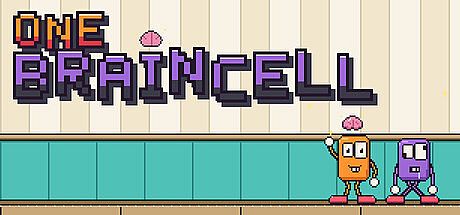


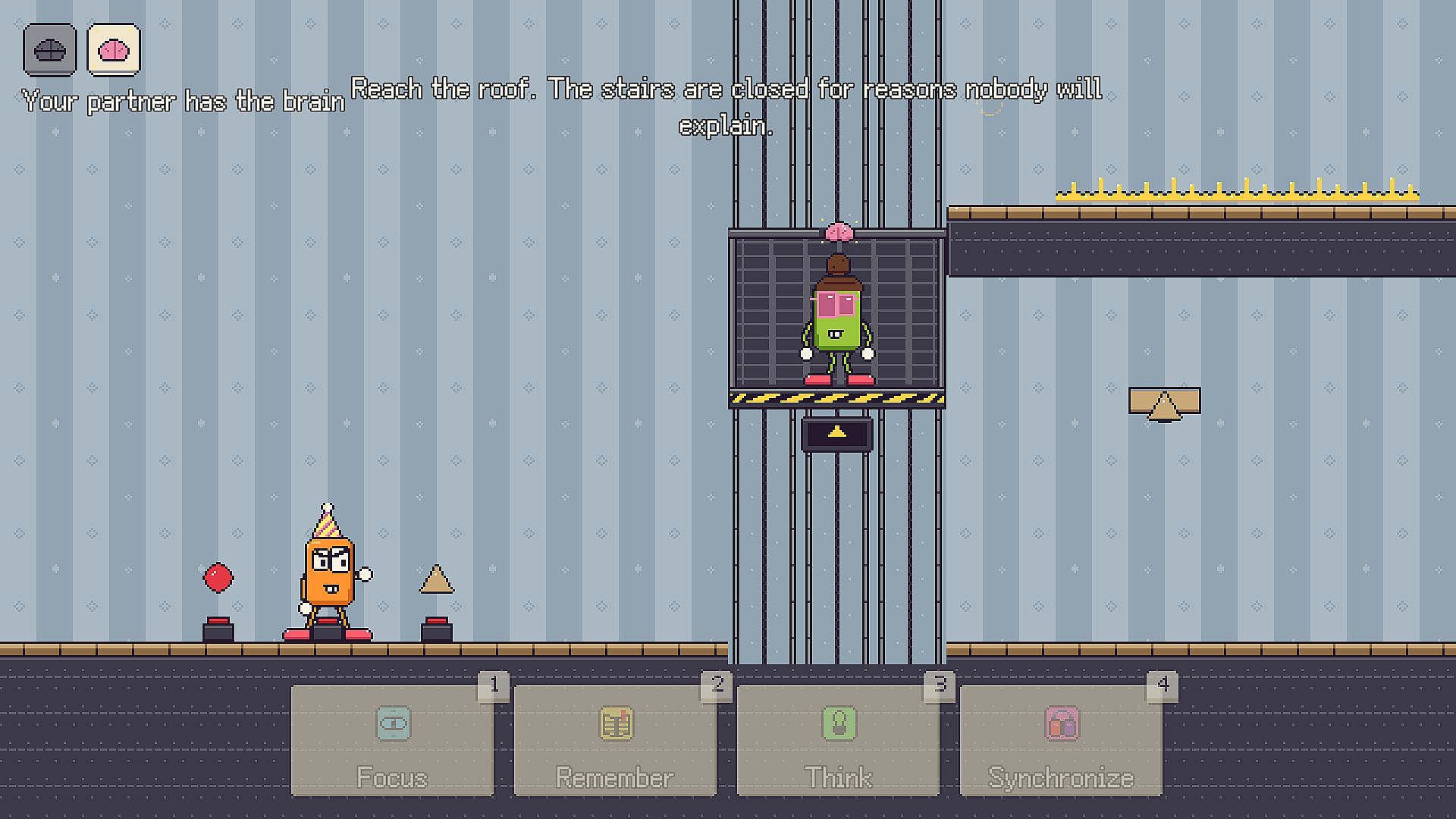
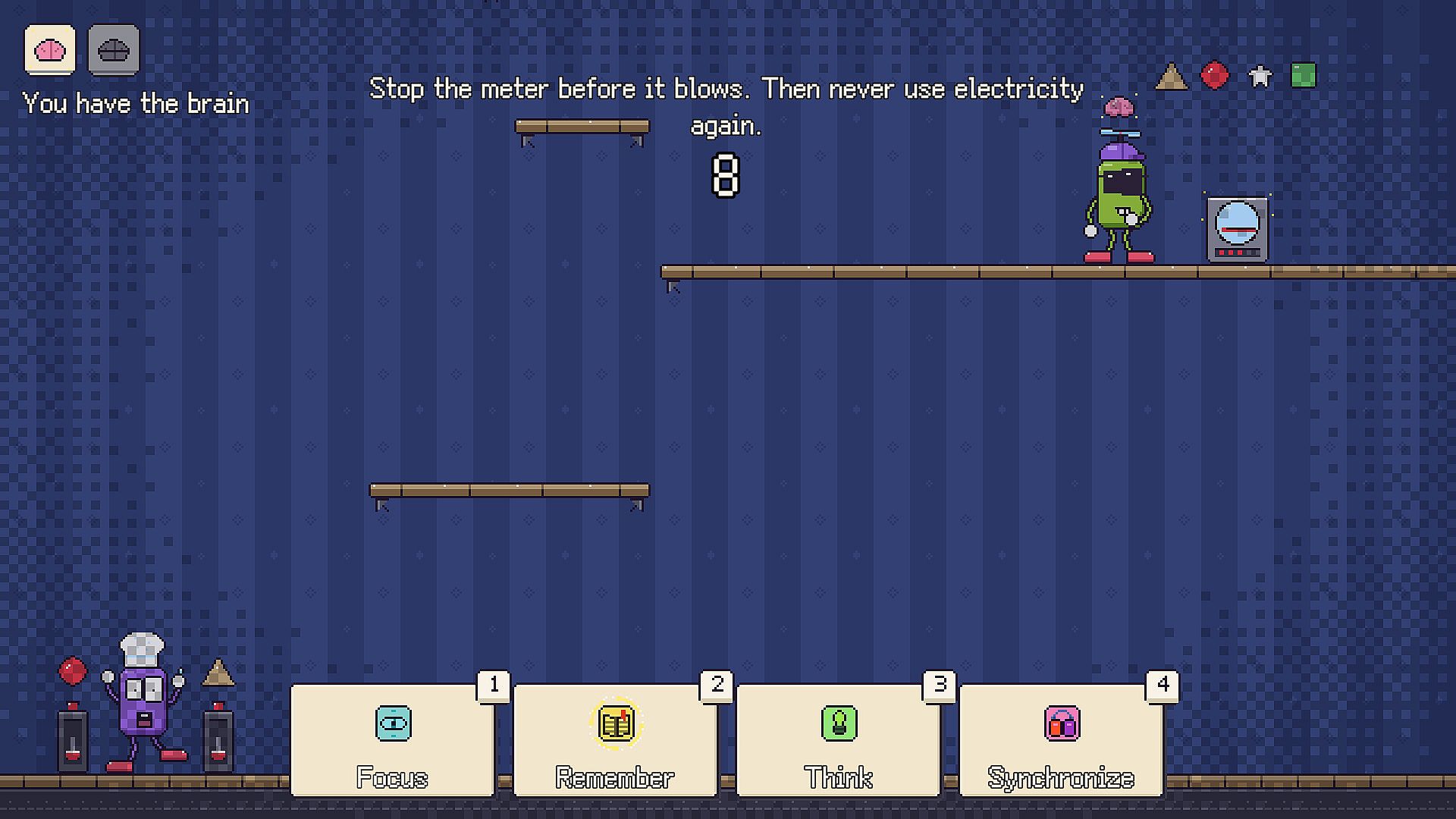
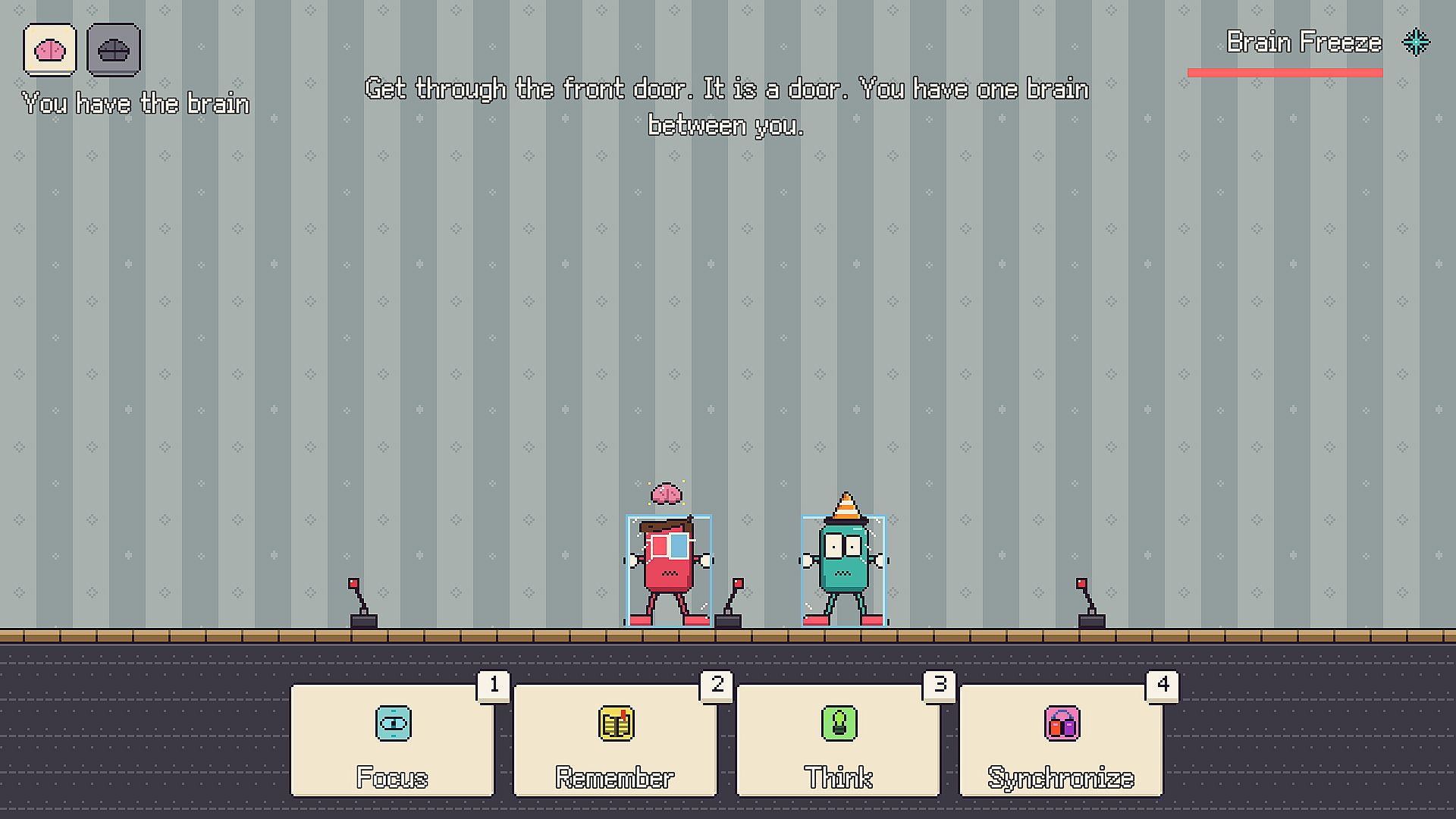
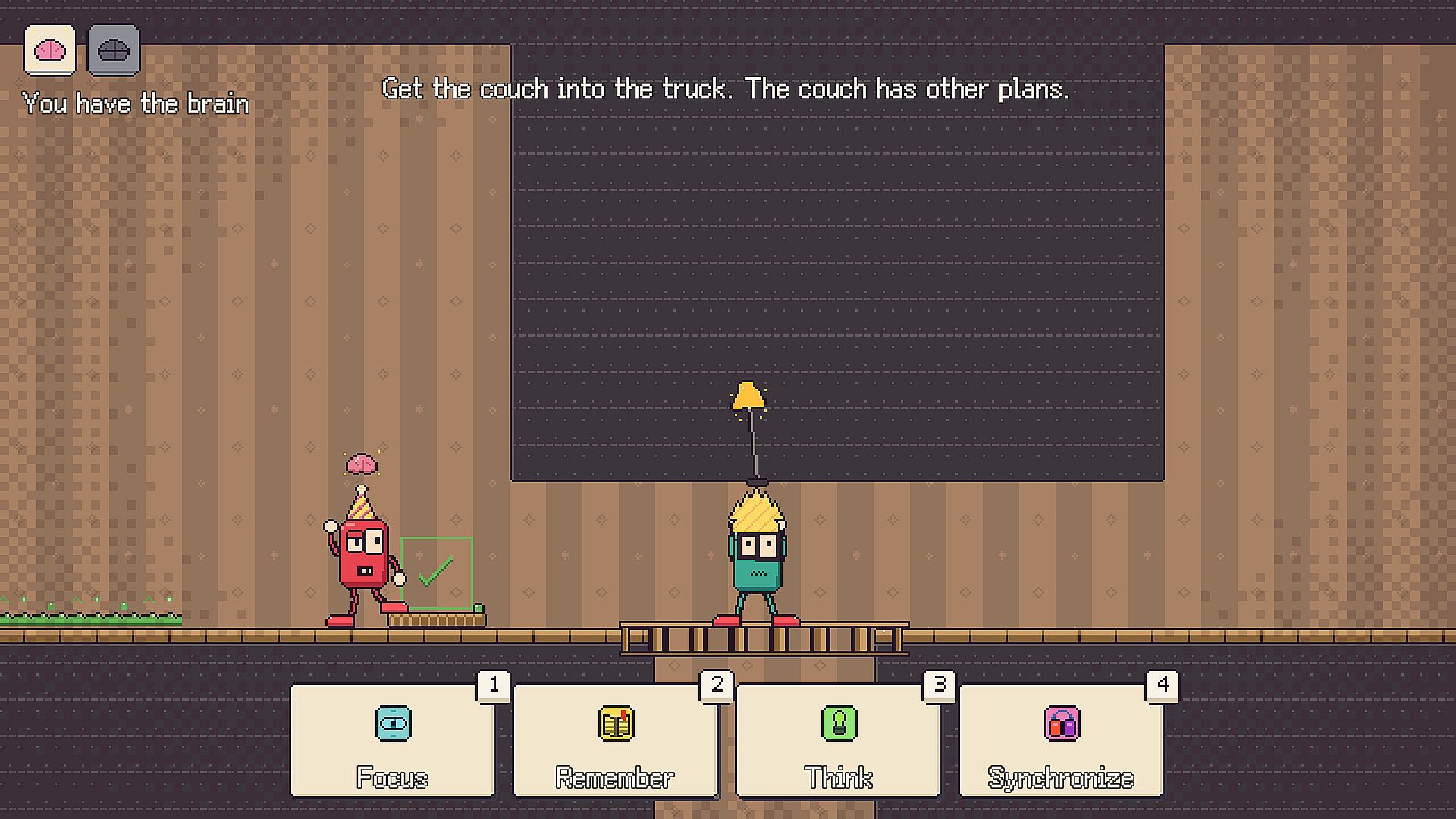
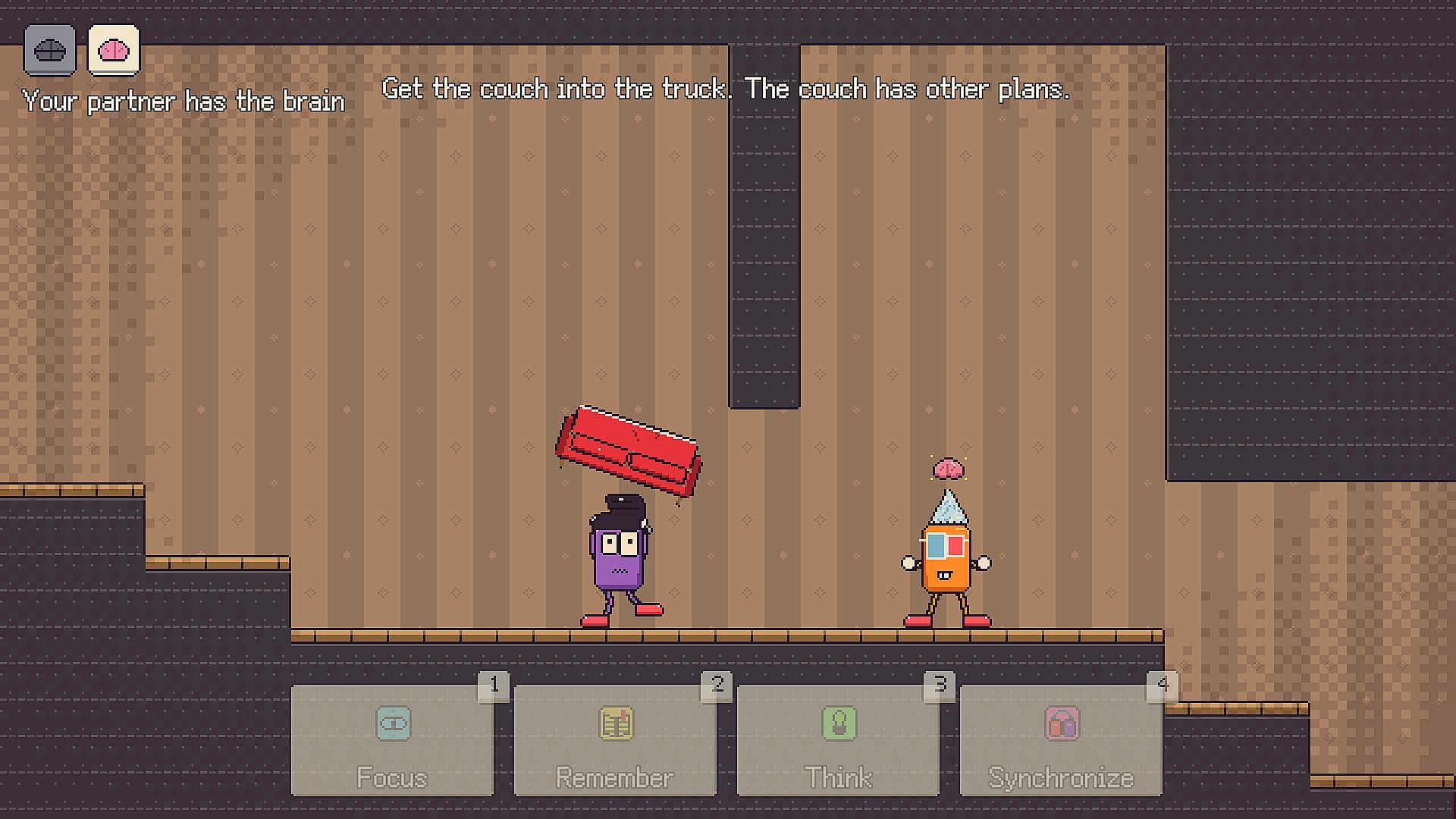
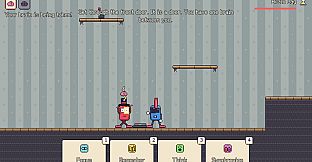
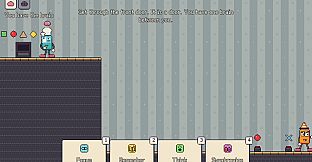
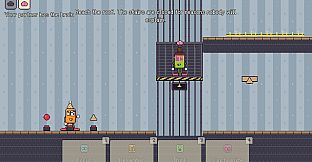
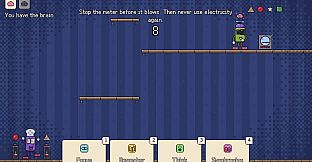
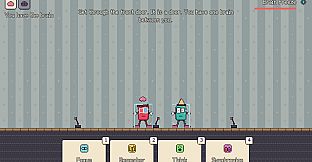
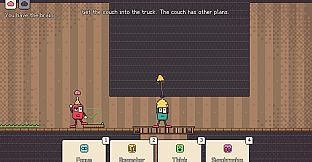
ONE BRAINCELL is a two-player online co-op puzzle platformer built around a single shared brain that players must pass between their characters. The game places two bodies under the control of one thinking mind at any moment, forcing constant coordination and quick decisions across handcrafted stages.
Gameplay
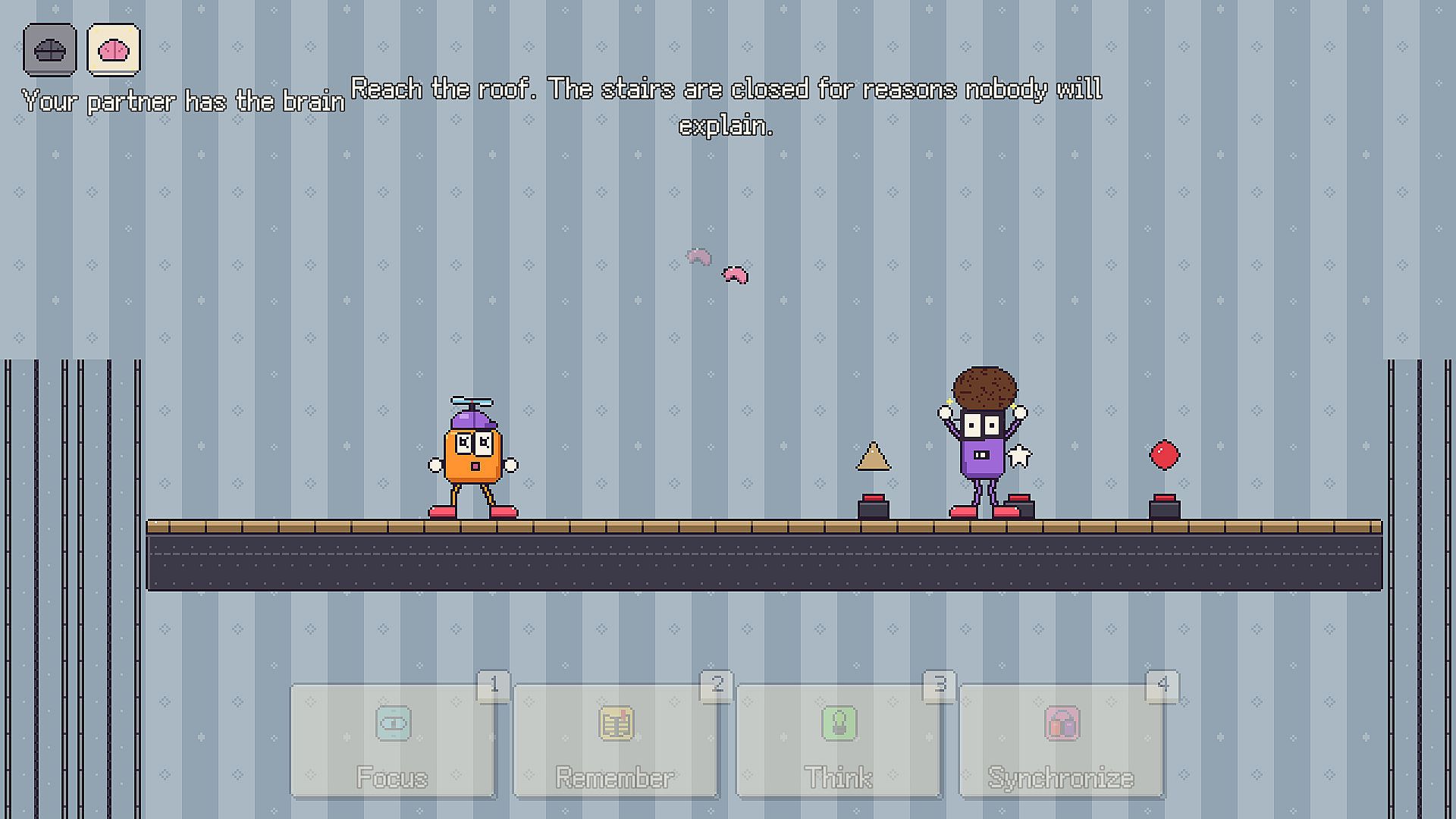
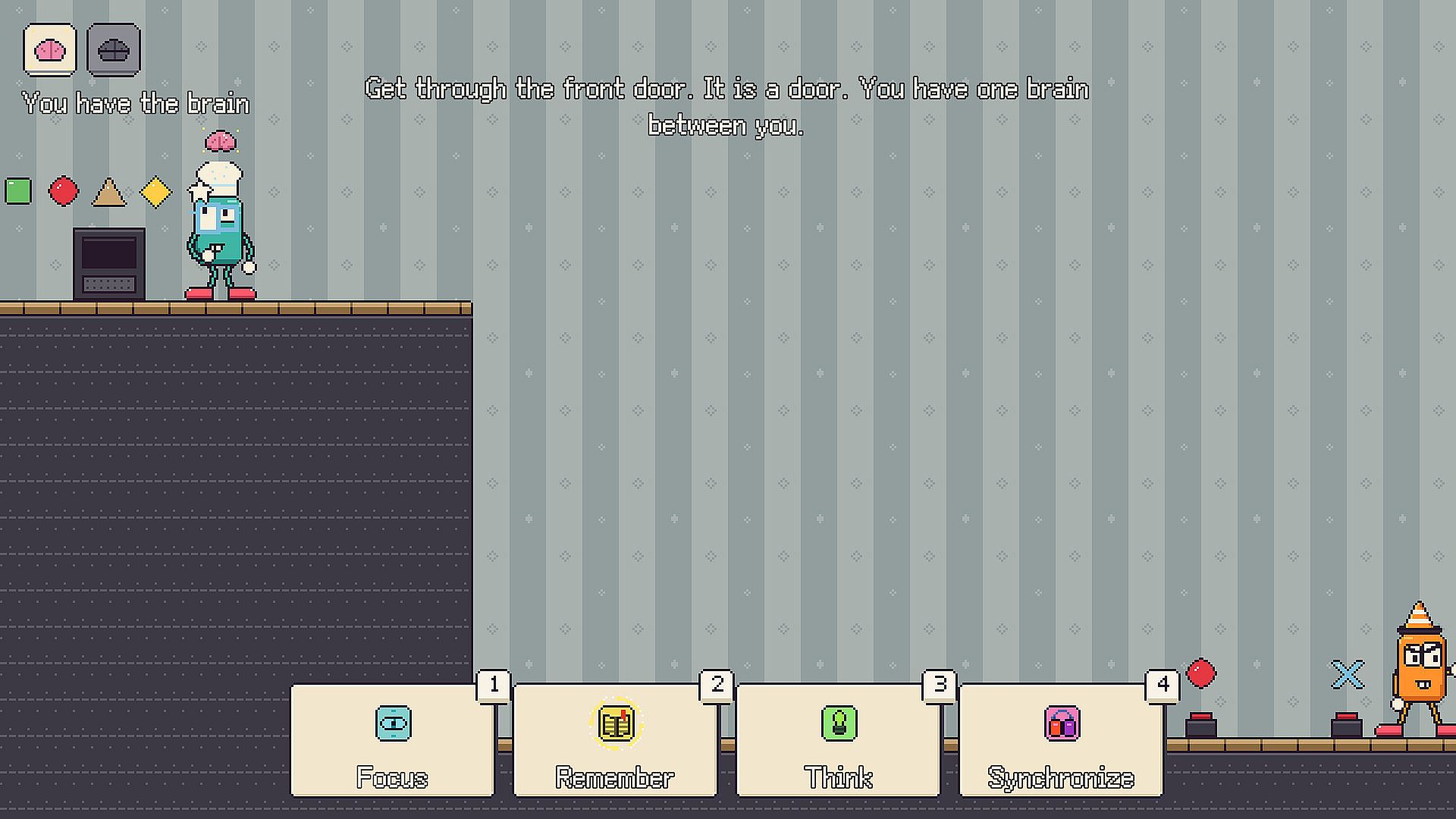
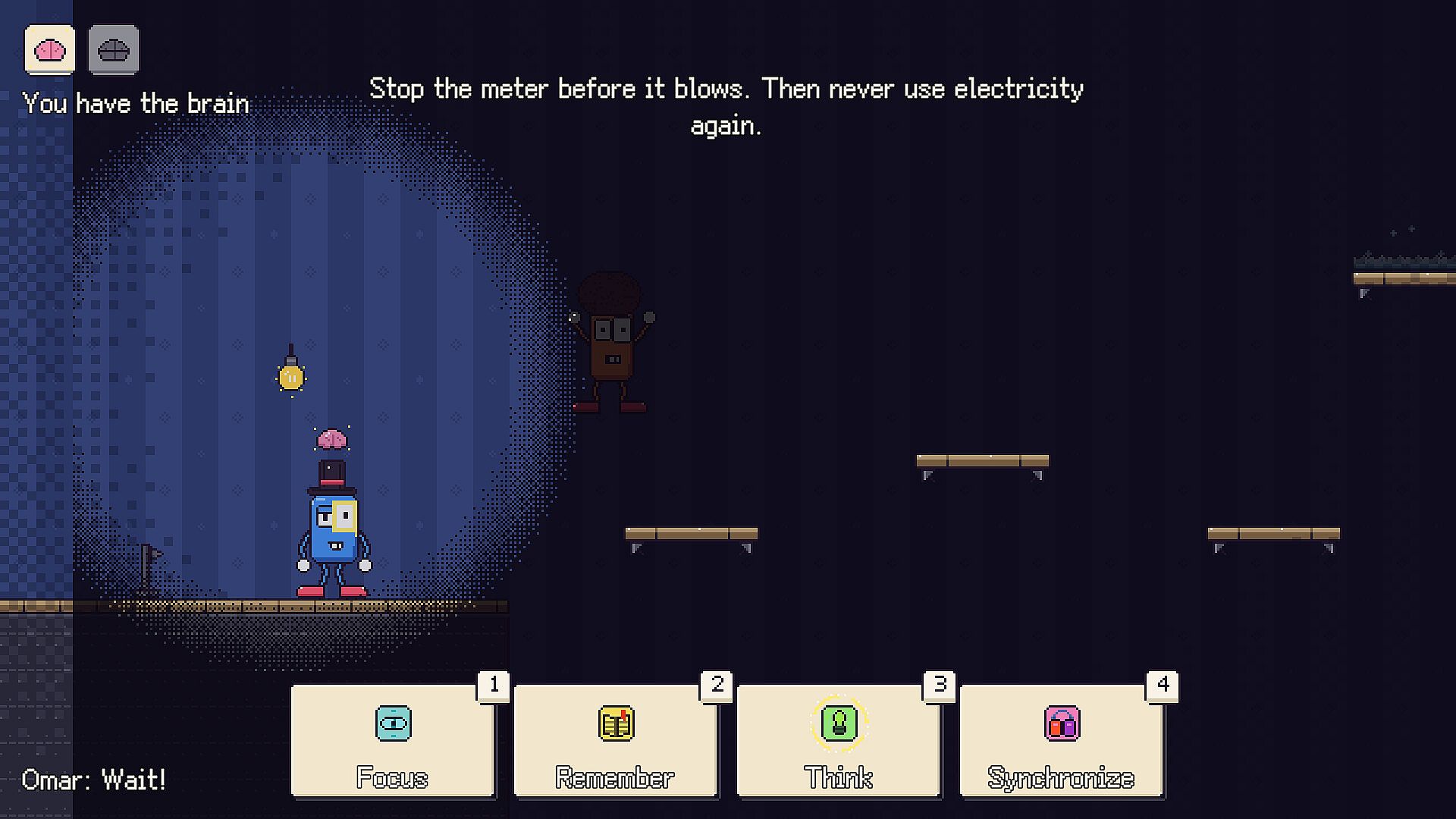
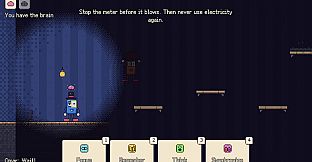
The core loop revolves around one player holding the brain while the other operates on instinct alone. The thinking player sees hidden codes, sequences, or clues that appear only on their screen, then must relay the information through voice or quick callouts. The non-thinking player continues moving, jumping, and interacting but with reduced awareness, often leading to humorous missteps around delicate machinery or decoy switches.
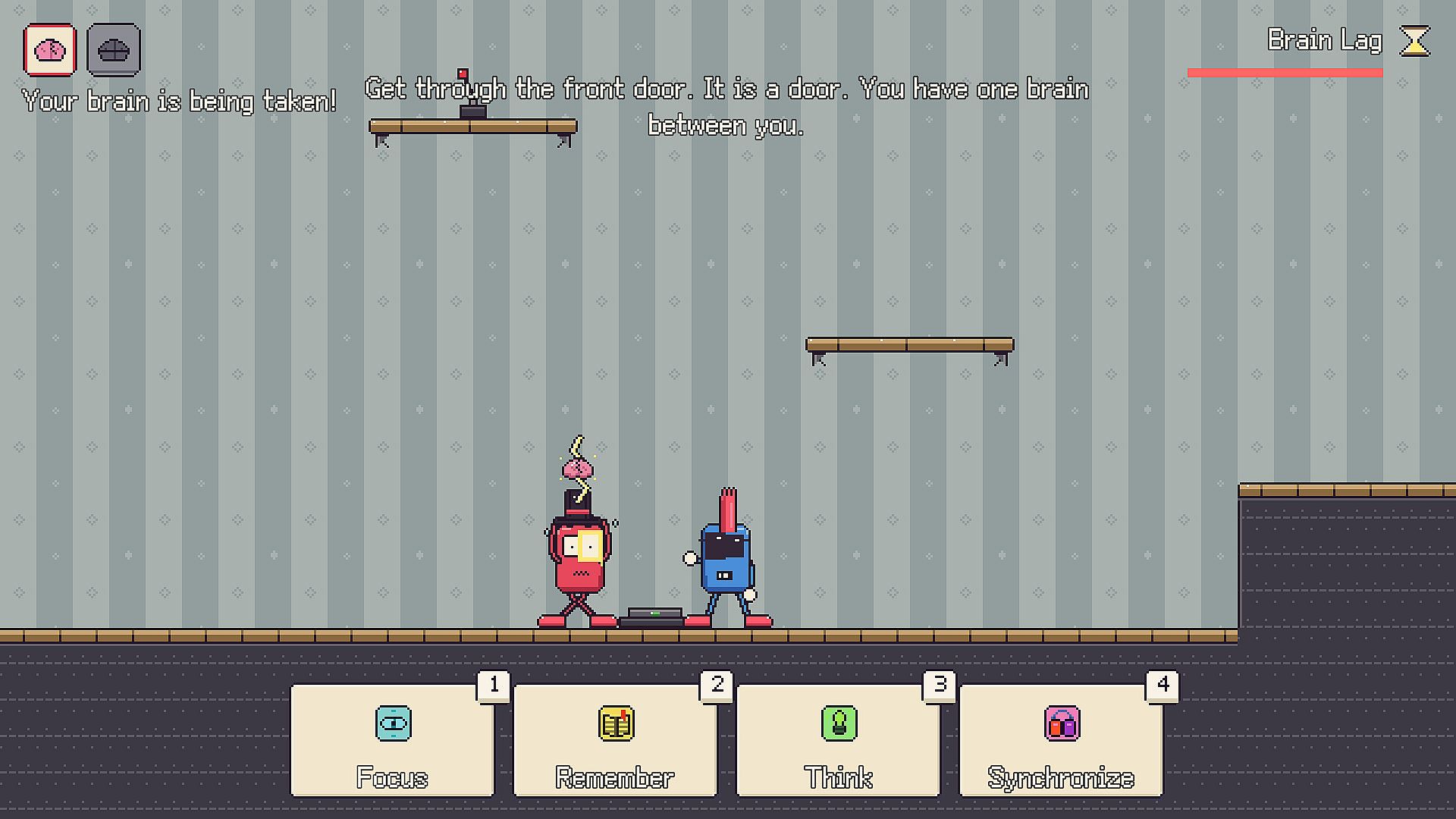
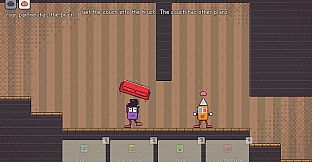
Brain handovers happen instantly, though stealing the brain carries a half-second warning. Interrupting a thought process triggers malfunctions such as amnesia, input lag, mirrored controls, or swapped buttons. Each player maintains a separate screen view, so one character might stand beside the correct button while the other holds the knowledge needed to identify it. Physics objects require one player to carry them while the other steers, adding layers of synchronization to platforming sections.
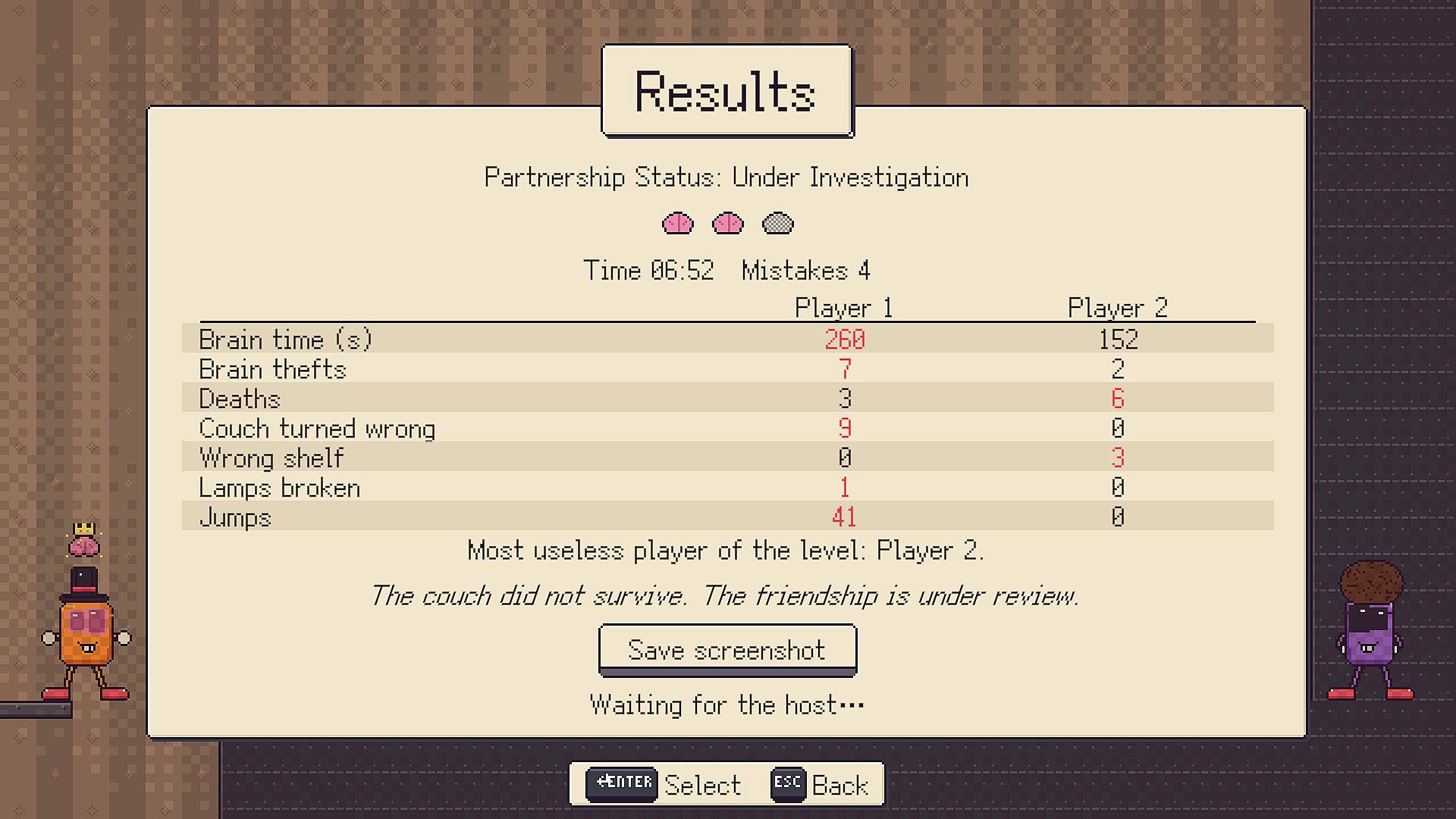
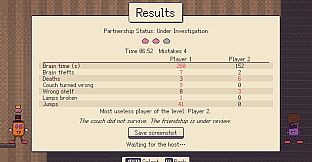
Levels feature checkpoints that reset progress with minimal penalty, and end-of-stage stats track performance through metrics like most useless player. Unlockable outfits, hats, and colors provide visual customization without altering mechanics.
Game Modes
The game supports only online co-op for exactly two players via Steam invites. A Friend's Pass system allows one participant to join without owning a copy. No single-player mode, competitive modes, or additional multiplayer formats appear in the available details. All content centers on cooperative puzzle solving across distinct worlds such as The Ordinary World, Public Embarrassment, and Questionable Science.
Key Mechanics and Features
Communication forms the foundation of success. Quick emotes and callouts support players without voice chat. Levels incorporate physics-based interactions where one character transports items and the other guides their path. The brain mechanic creates constant tension between precision control and instinctive movement, with malfunctions turning failed handovers into part of the challenge rather than pure setbacks.
Stages emphasize observation and timing. A clue visible for only a few seconds demands immediate verbal description before the brain switches hands. Decoy switches test memory and quick thinking under pressure. The design rewards pairs who adapt to each other's timing and develop shorthand for common situations.
Is It Worth Playing?
ONE BRAINCELL targets players who enjoy cooperative puzzle platformers that demand real-time verbal coordination and tolerance for shared mistakes. The Friend's Pass lowers the barrier for trying the experience with a partner. As an unreleased title planned for April 2027, it currently lacks player reviews or post-launch updates. Those drawn to asymmetric control schemes and communication-heavy gameplay will find the described systems align closely with that preference. Pairs comfortable with lighthearted failure and repeated attempts stand to gain the most from the core loop.












