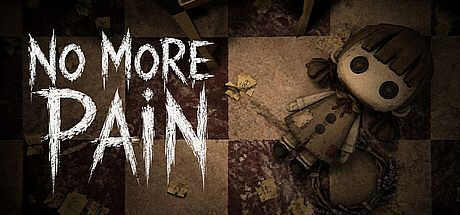


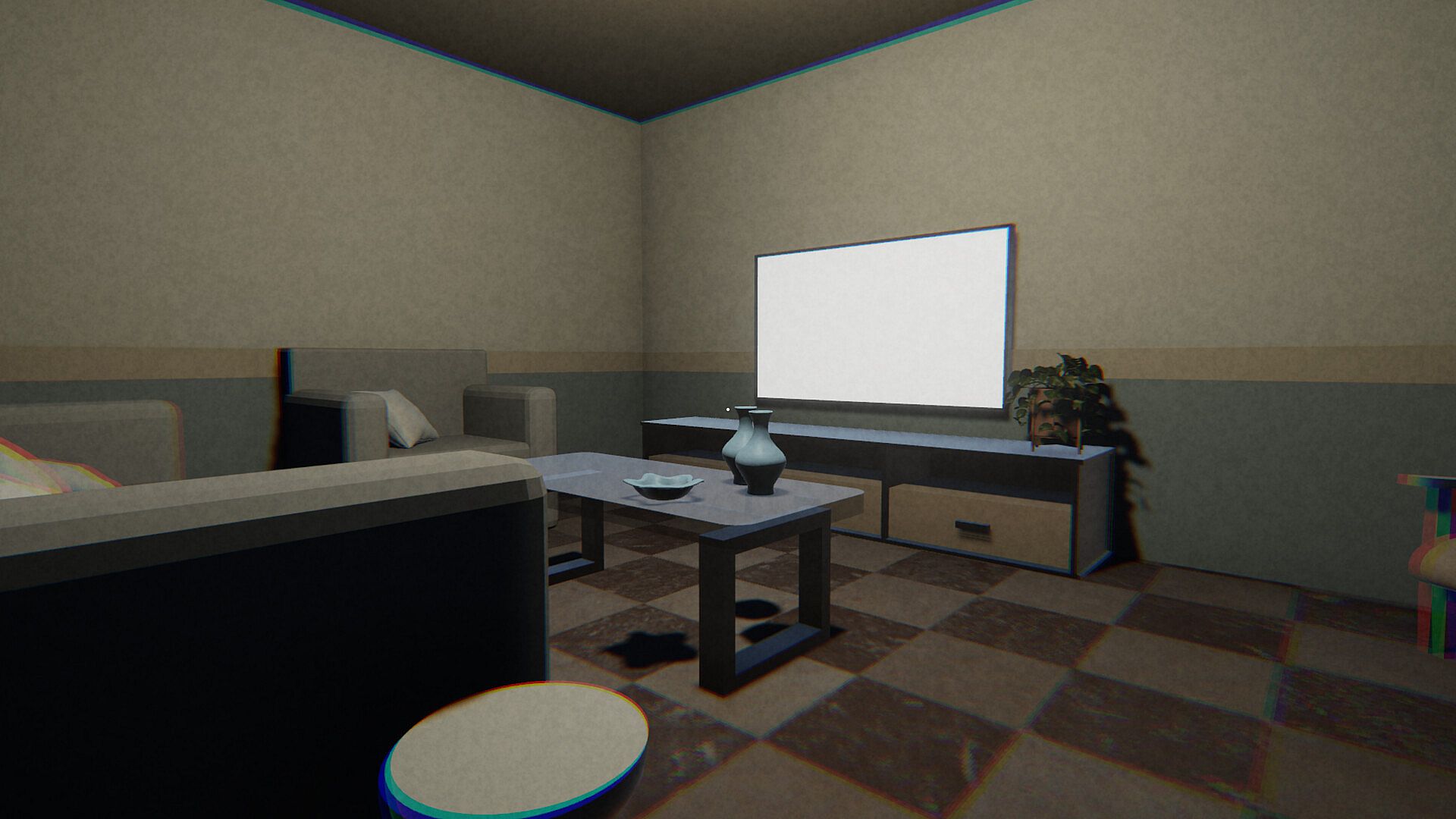
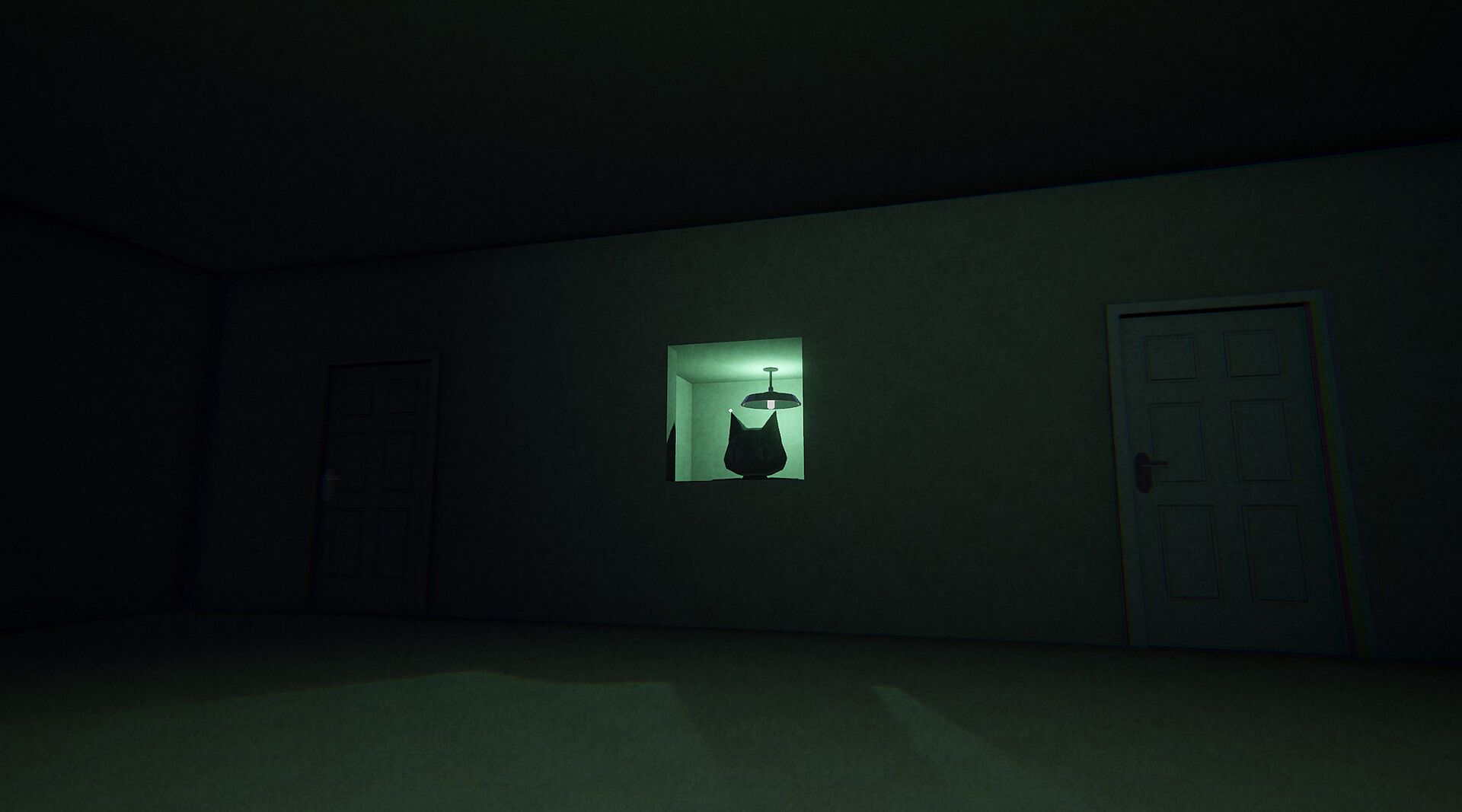
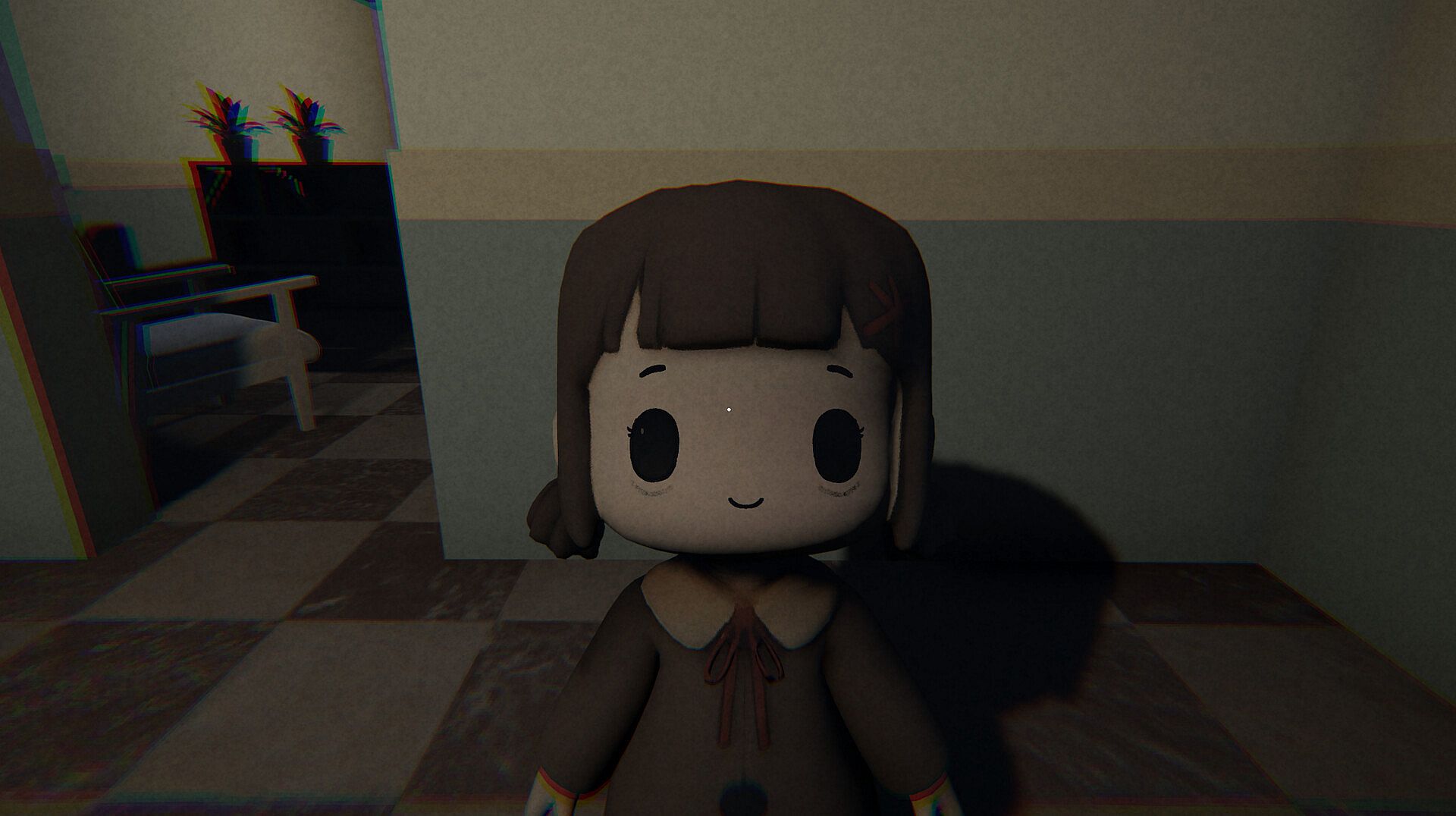
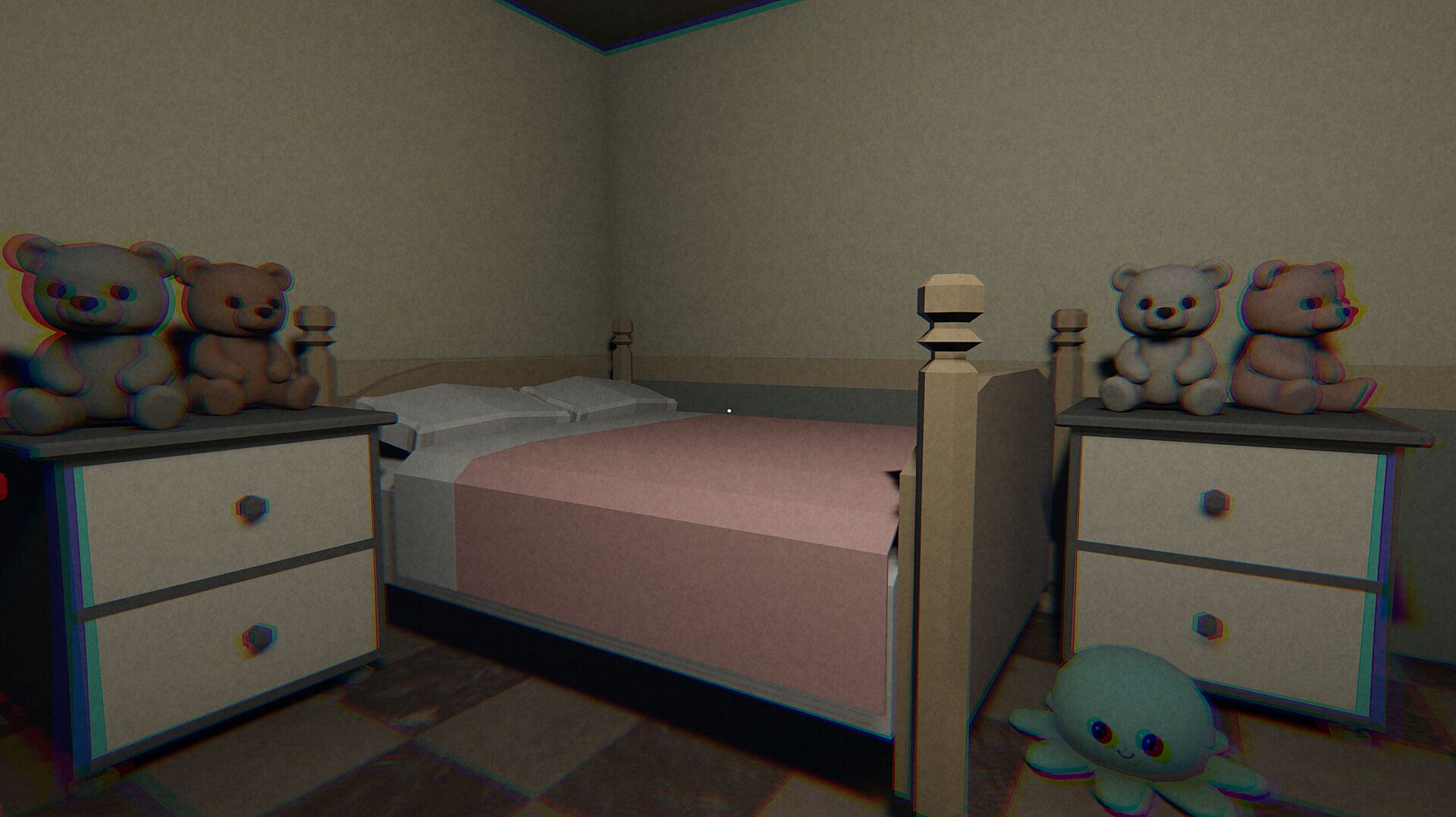
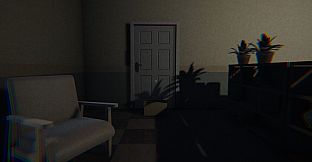
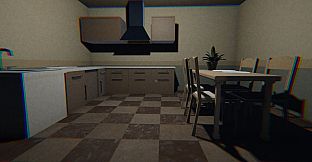
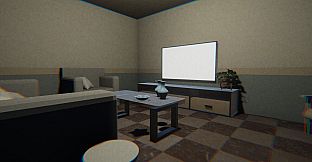
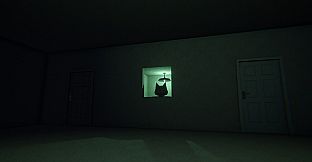
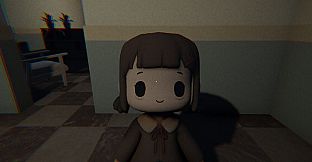
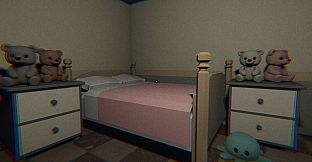
No More Pain is a first-person psychological horror puzzle game developed for PC that emphasizes environmental storytelling and a heavy focus on atmosphere. Players step into stylized architectural spaces where the goal centers on uncovering a fragmented personal history through careful observation and interaction with the surroundings. The experience draws from indie simulation and adventure roots, placing emphasis on quiet investigation rather than action or combat.
Gameplay
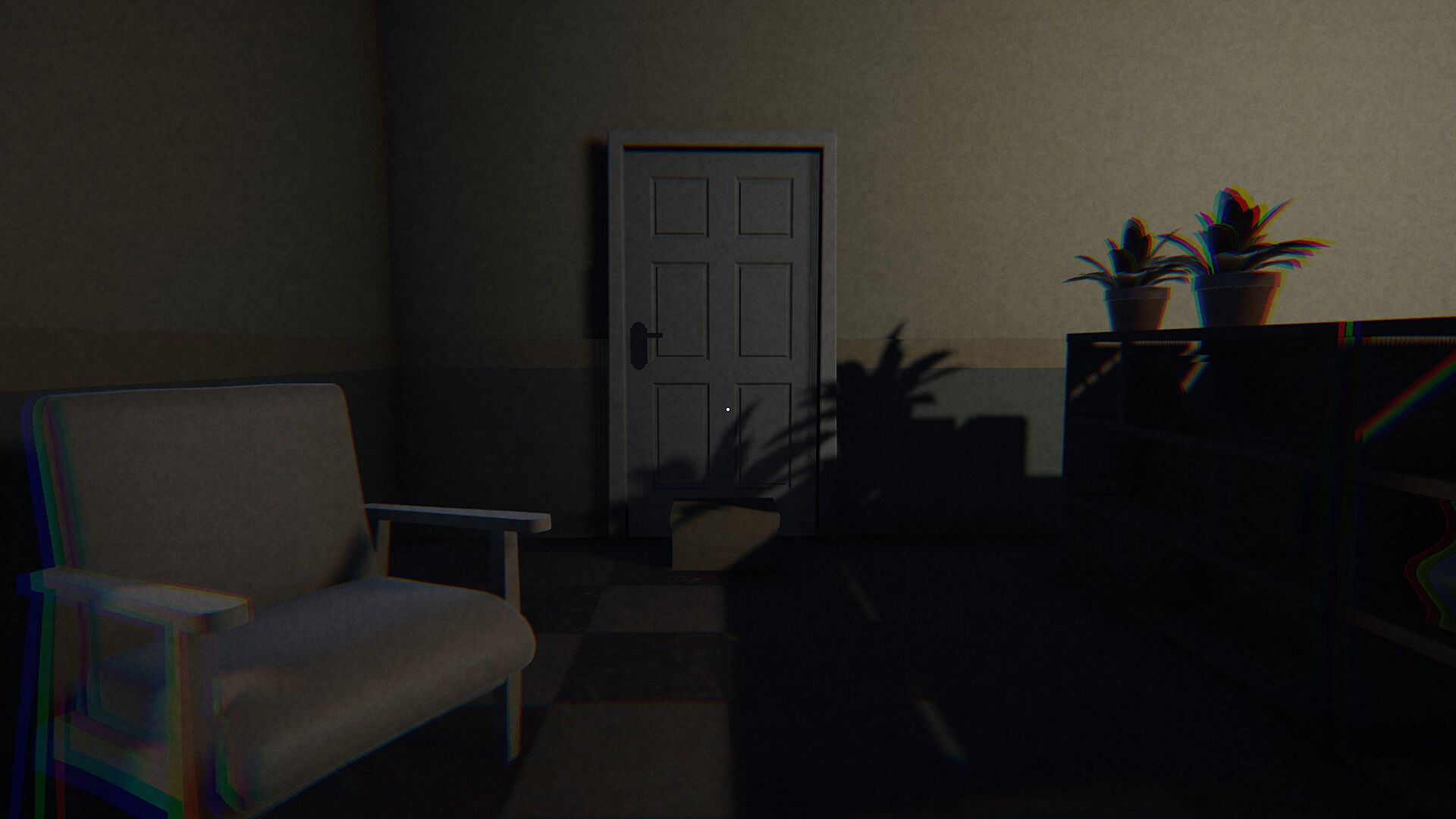
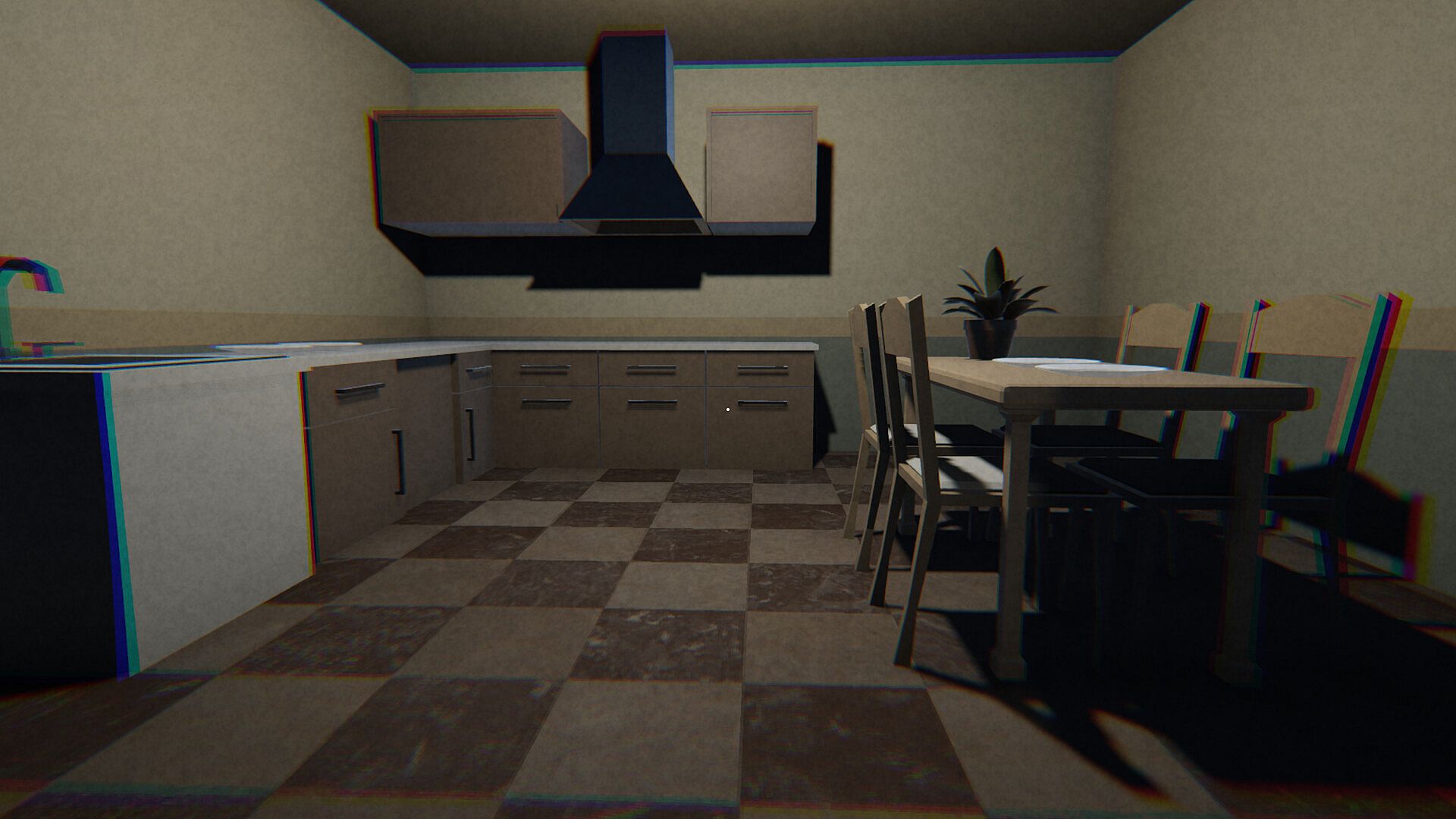
The core loop involves moving through distinct environments while examining interactive objects and collecting scattered notes. These elements gradually reveal details about a forgotten past, with misplaced toys and other remnants serving as key pieces of the narrative. Exploration feels deliberate, encouraging players to linger in oppressive settings where lighting shifts subtly and camera angles highlight specific details. Puzzle elements arise naturally from the need to piece together clues, requiring attention to the layout of rooms and the placement of everyday items. The simulation aspects come through in how objects respond to interaction, supporting the psychological tone without relying on overt mechanics or timers.
Atmosphere builds through consistent visual and audio cues that reinforce isolation and unease. Dynamic camera work guides attention during key moments, while the overall design keeps the focus on discovery. This approach suits players who enjoy methodical progress over fast-paced sequences, aligning with the game's adventure and puzzle classification.
Game Modes
The game operates entirely in a single-player format with no additional modes or variations confirmed at this stage. All progression happens within the main narrative thread, where exploration and clue collection drive the experience forward. There are no competitive, cooperative, or alternative play styles listed in available details, keeping the structure linear and focused on the central mystery.
Narrative and Atmosphere
Story delivery relies on environmental cues and collected fragments rather than direct exposition. Notes and objects point toward a buried secret involving family dynamics, specifically tied to a maternal figure. The psychological horror elements emerge from the oppressive tone and the gradual revelation of unsettling truths, creating tension through implication instead of jump scares or external threats. Stylized spaces vary in their architectural details, providing fresh backdrops that maintain interest across the journey. This method of storytelling fits the indie simulation and adventure genres by prioritizing immersion and personal interpretation.
Is It Worth Playing?
With a planned release in September 2026 and no user reviews available yet, the game remains in a pre-release state. Its single-player focus and emphasis on atmospheric exploration appeal directly to fans of psychological horror and puzzle-driven adventures who value slow-burn discovery. The verified features, including note collection and object interaction within stylized environments, suggest a contained experience suited to those seeking narrative depth without multiplayer elements or expansive systems. Players interested in first-person titles centered on memory and mystery may find the approach rewarding once it launches, particularly if they appreciate the indie emphasis on mood over spectacle. Those preferring action-oriented gameplay or confirmed post-launch support should monitor updates closer to release.