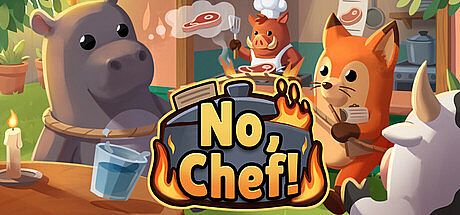



¡No, Chef! es un juego indie de acción y casual para PC que sitúa a los jugadores en un restaurante caótico donde la comunicación está deliberadamente rota. De dos a cinco participantes se coordinan en sesiones cooperativas online separadas por un muro entre la cocina y el comedor. La voz solo se escucha con claridad dentro de cada zona, por lo que el equipo debe usar una ventanilla, notas adhesivas y gestos para mantener el servicio mientras se acerca la fecha de pago del alquiler.
Gameplay
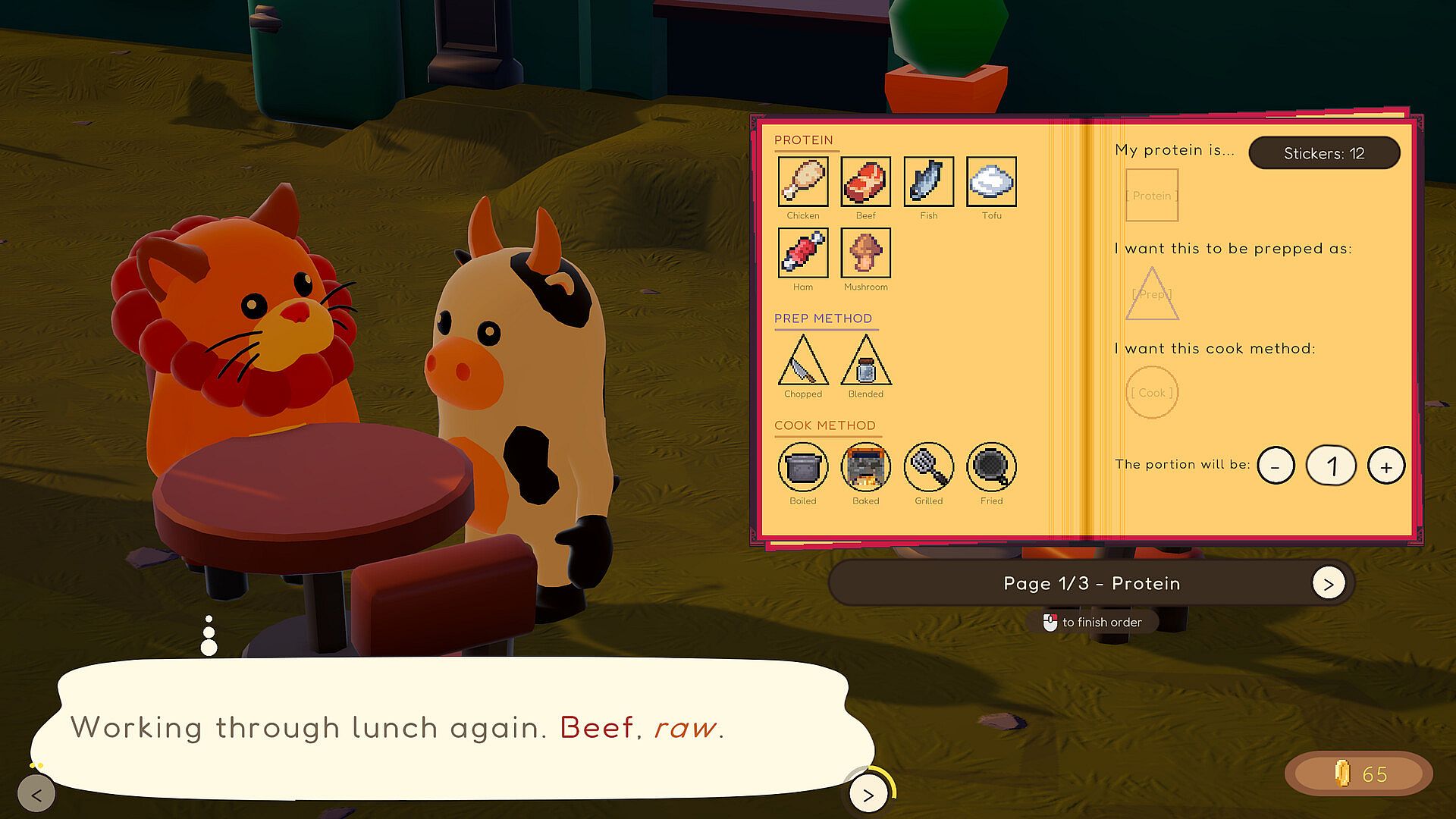
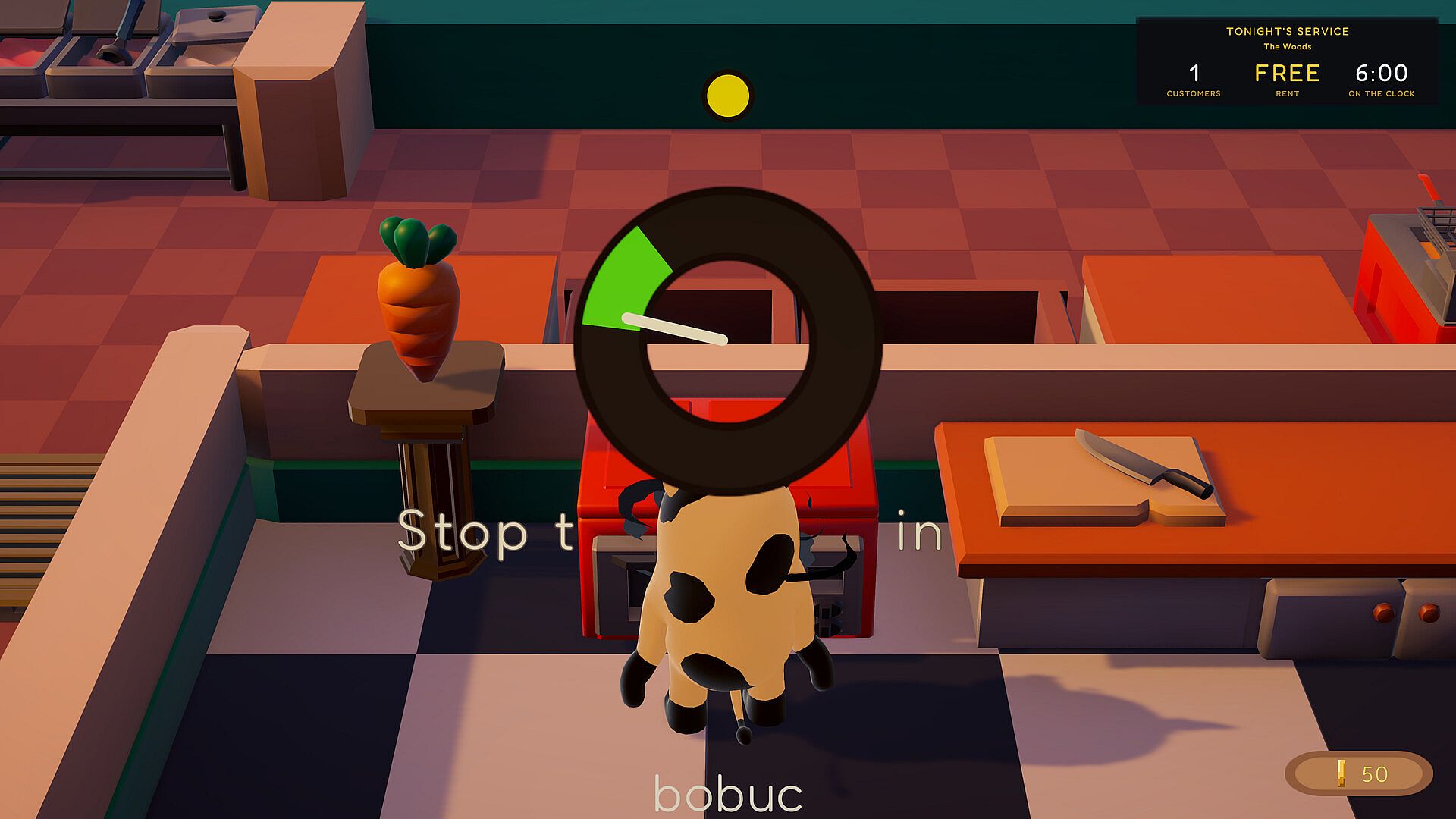
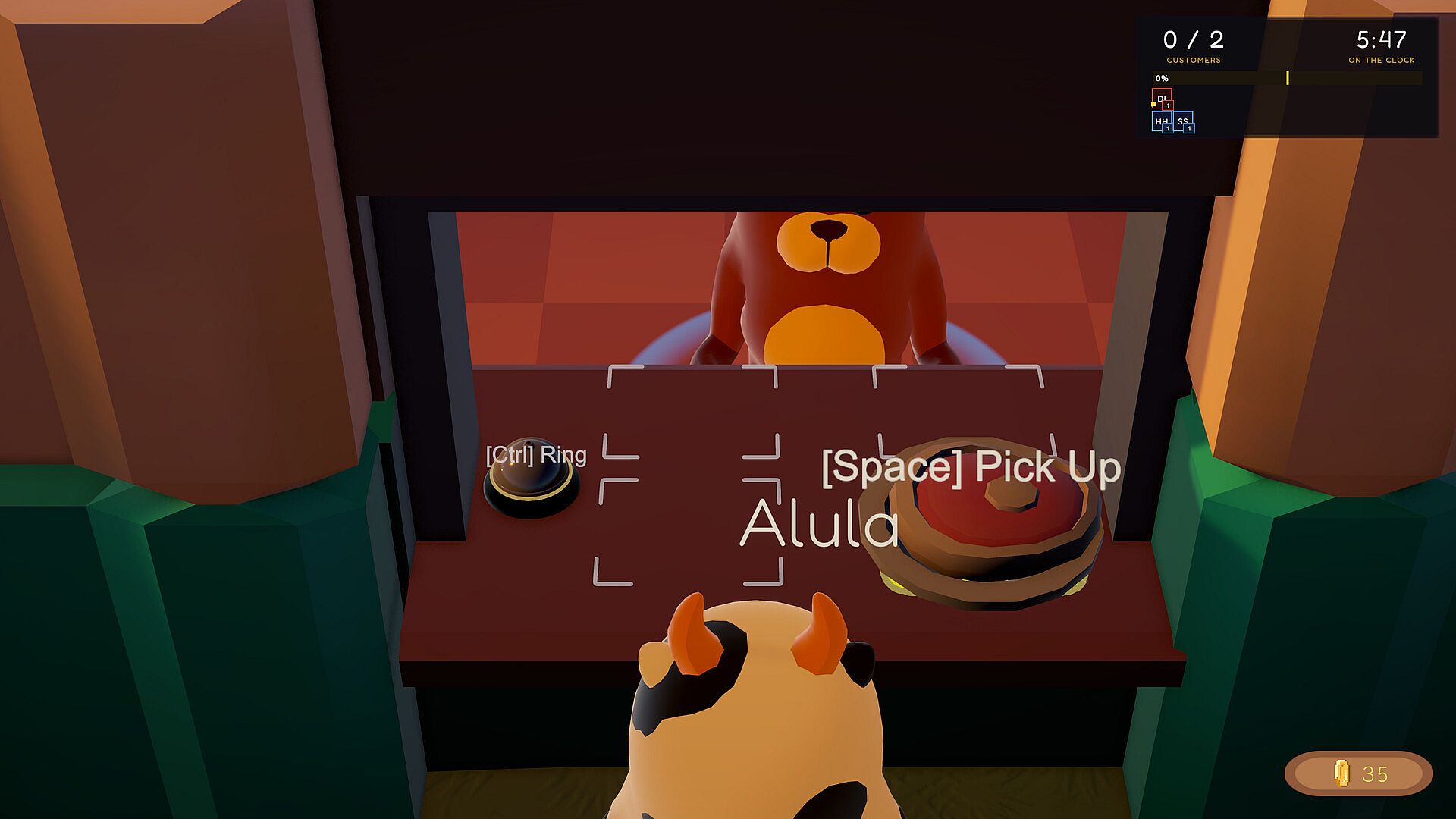
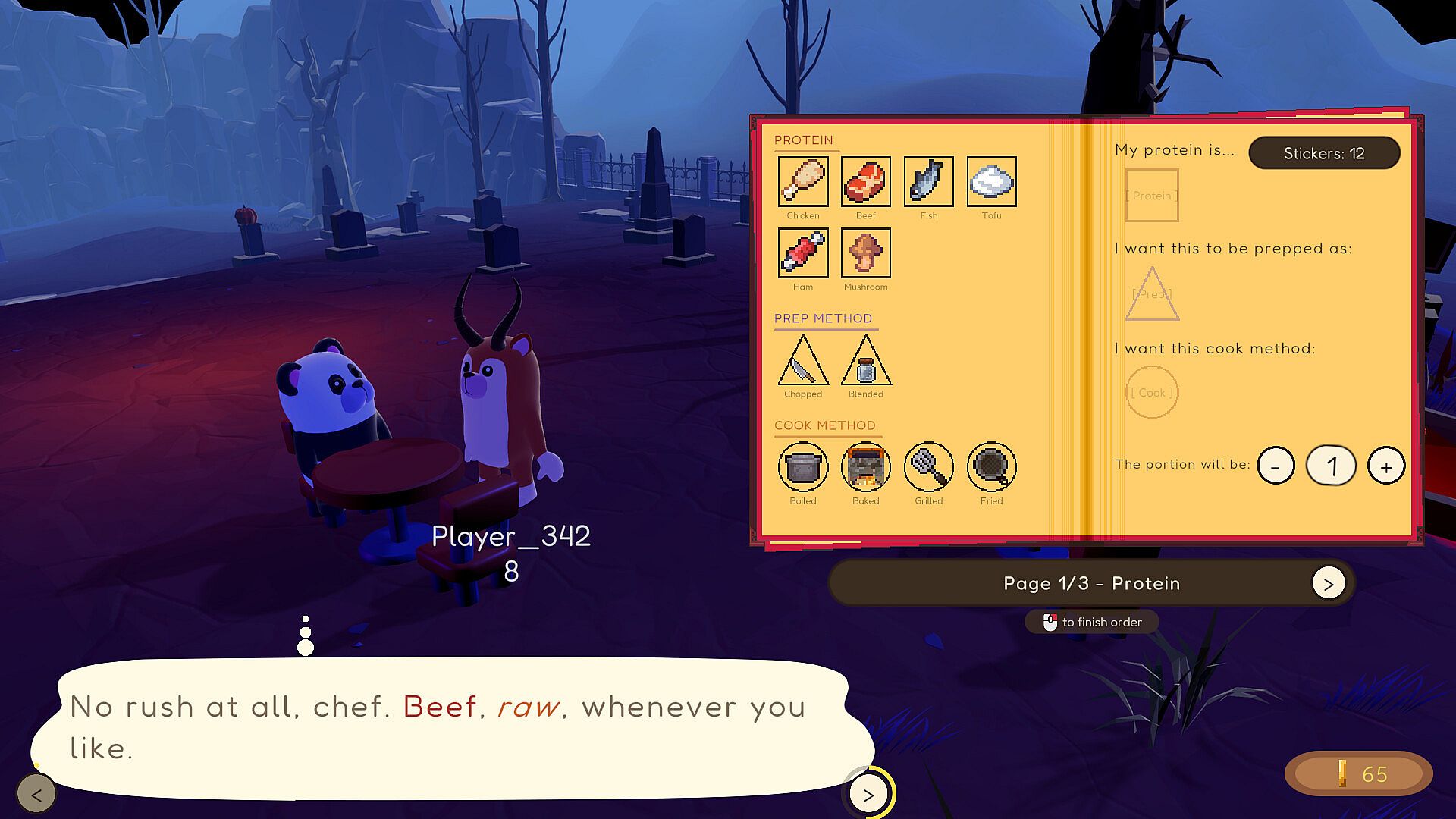
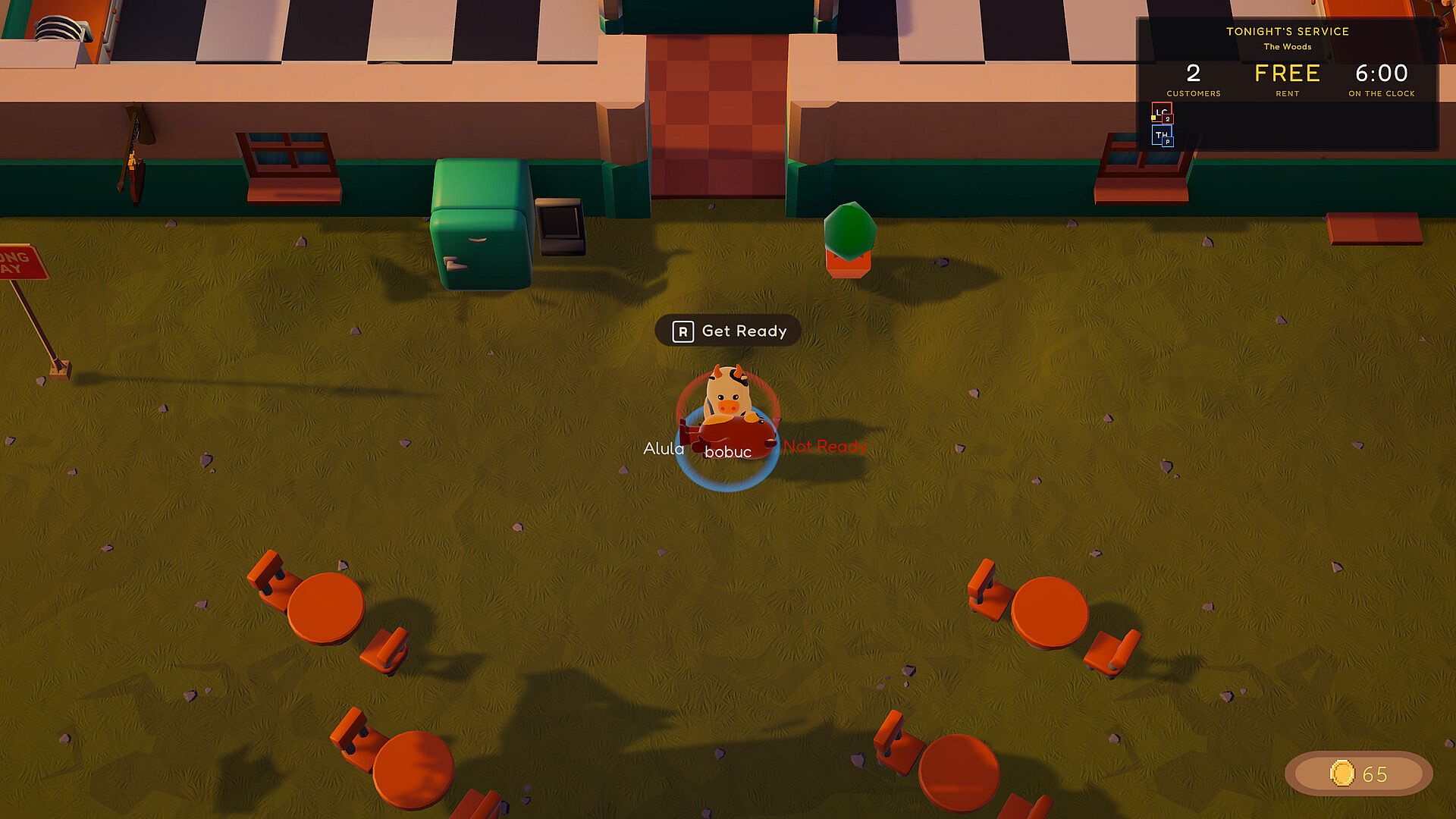
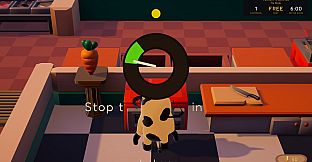
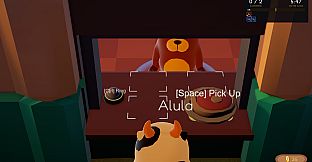
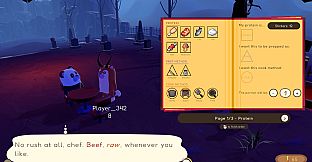
La dinámica central divide a los jugadores en camareros y chefs a lo largo de varios turnos. Los camareros atienden a clientes animales que incluyen robots, poetas, conspiranoicos y una esfinge que habla en acertijos. Deben interpretar los pedidos, gestionar el presupuesto de notas adhesivas y transmitir la información a través de la ventanilla. Los chefs reciben los papeles y tienen que descifrar las indicaciones para preparar los platos correctamente, recibir la confirmación o enfrentarse a un rechazo que devuelve el ticket. La cocina se basa en minijuegos cronometrados: remover ollas, controlar los tiempos de la freidora y coordinar las comprobaciones en el horno.
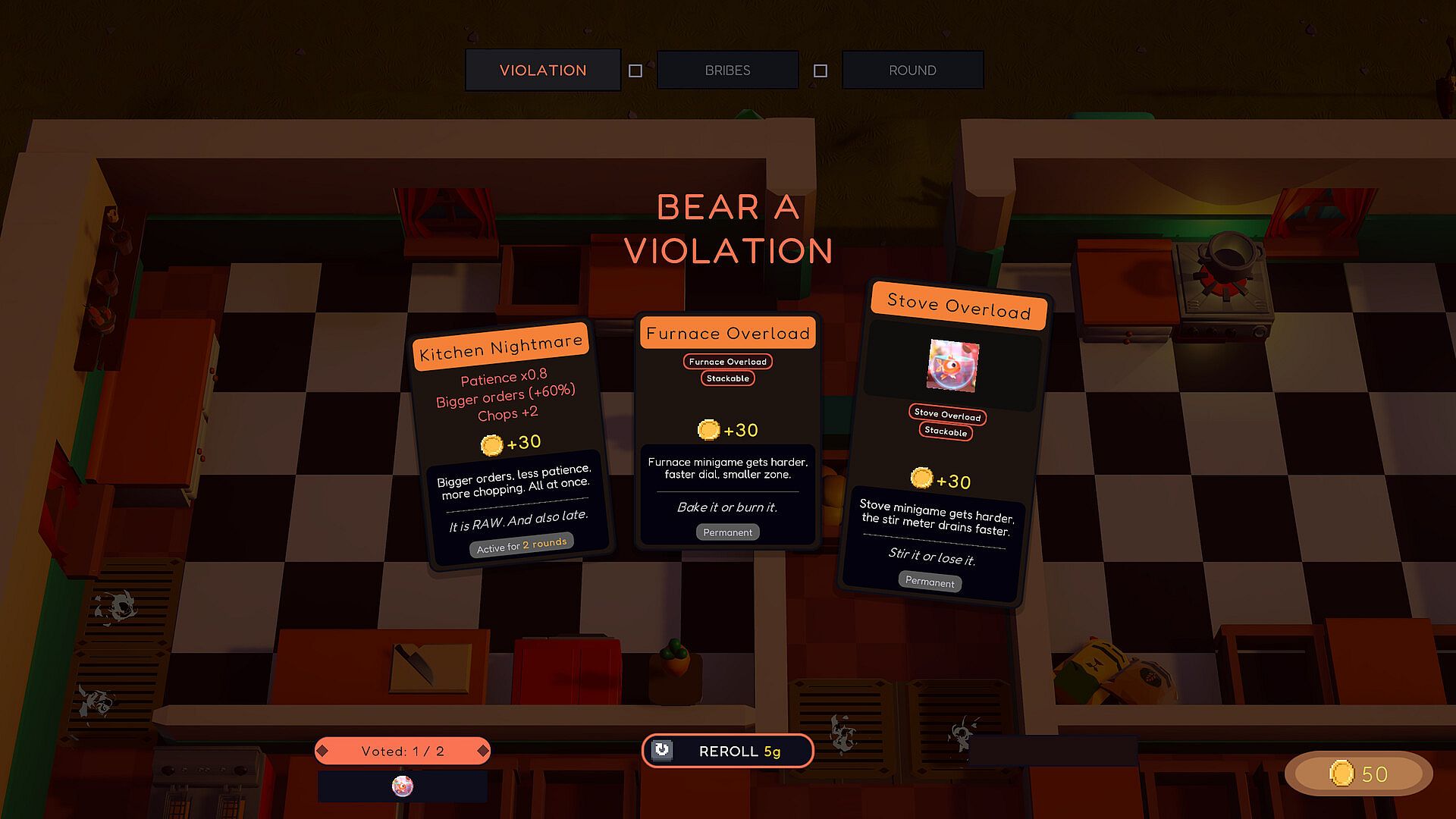
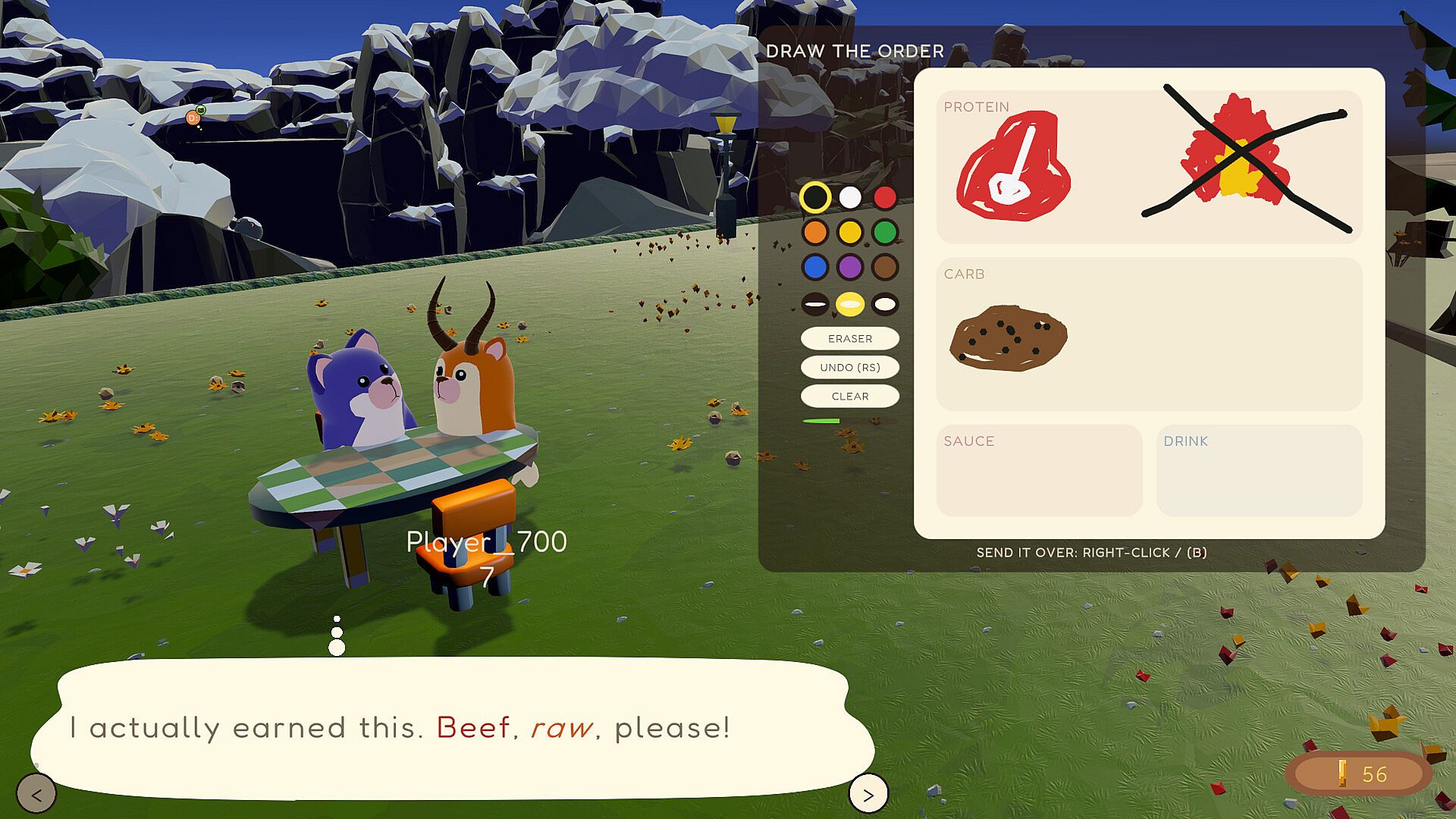
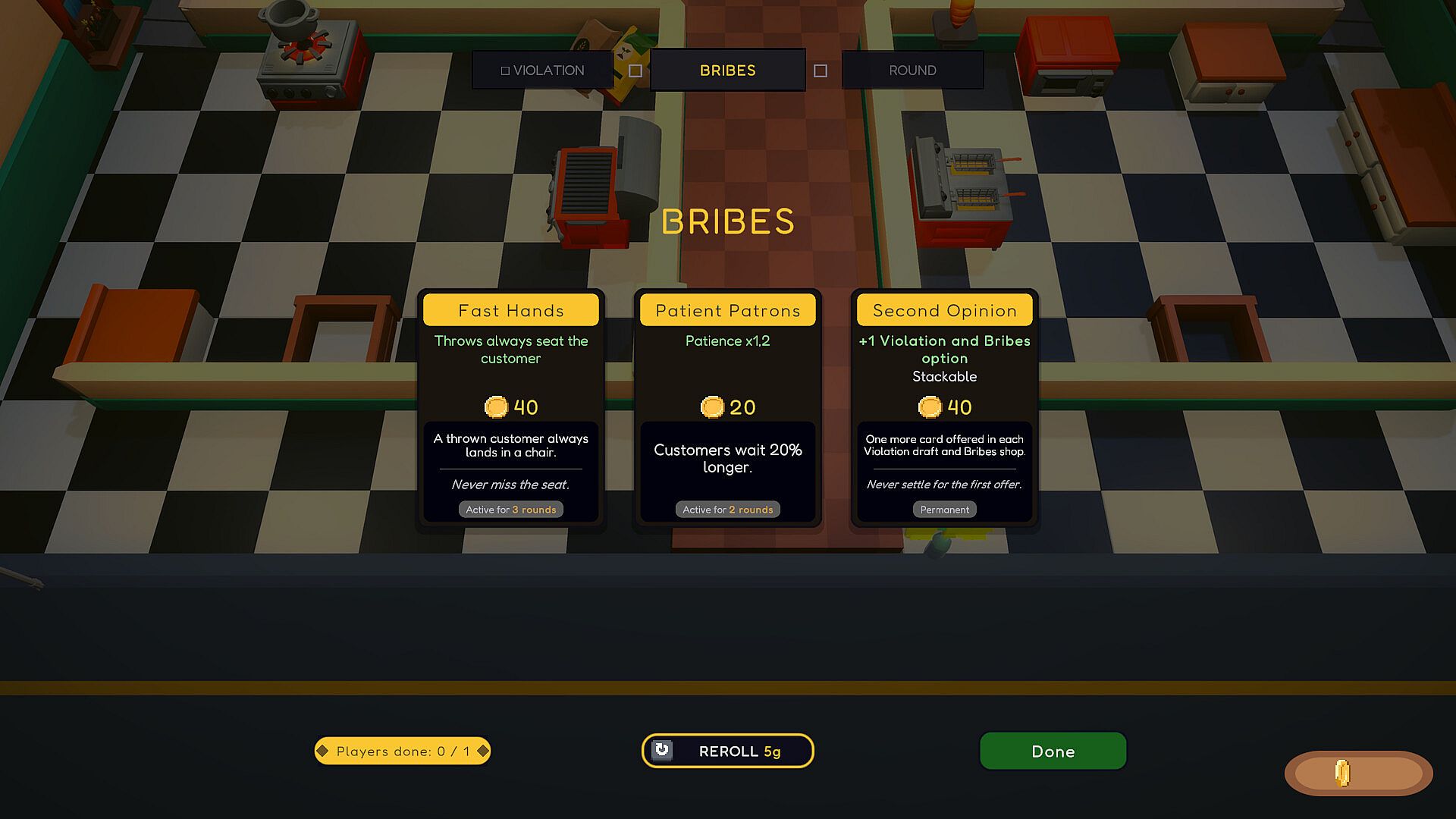
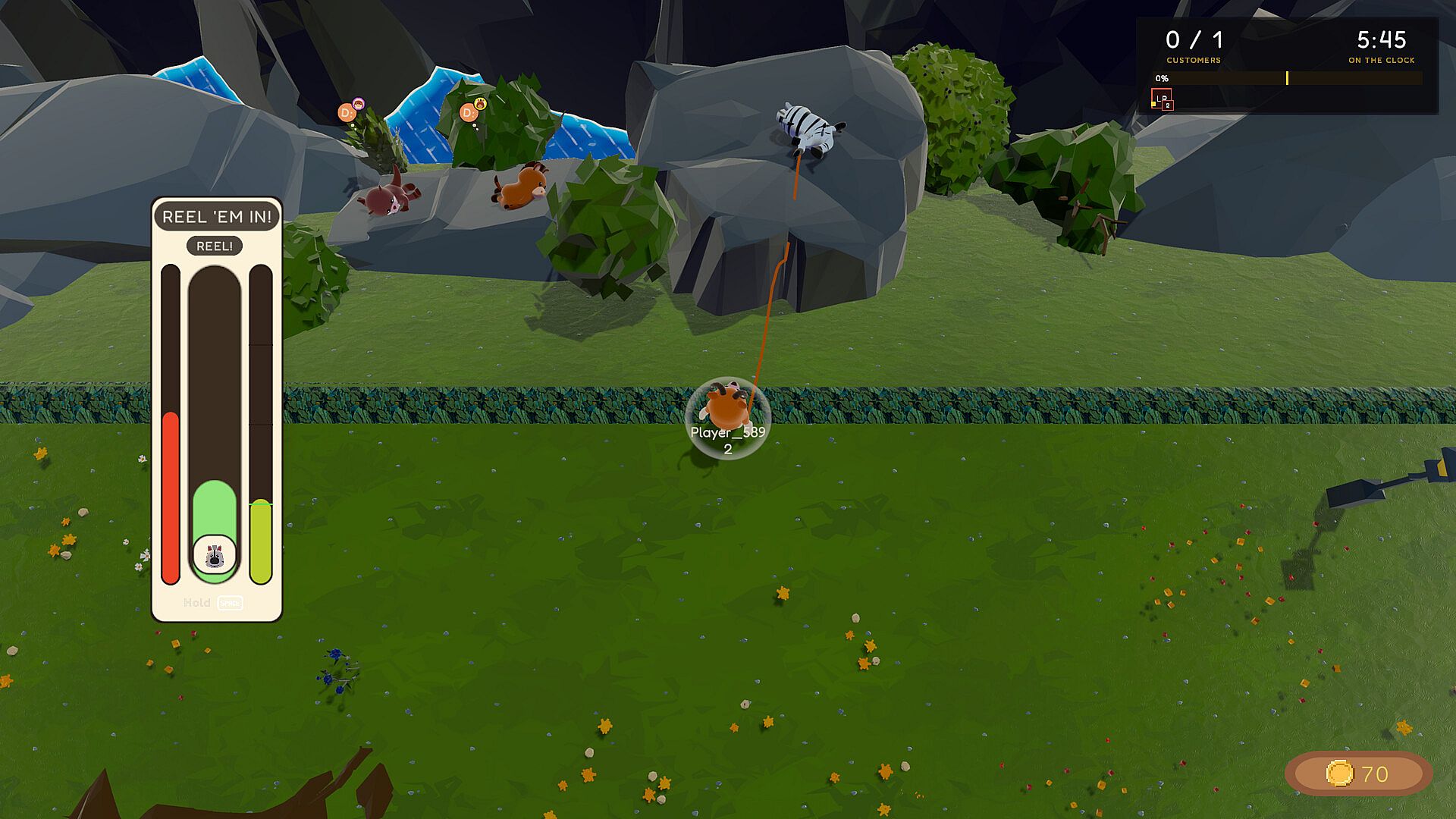
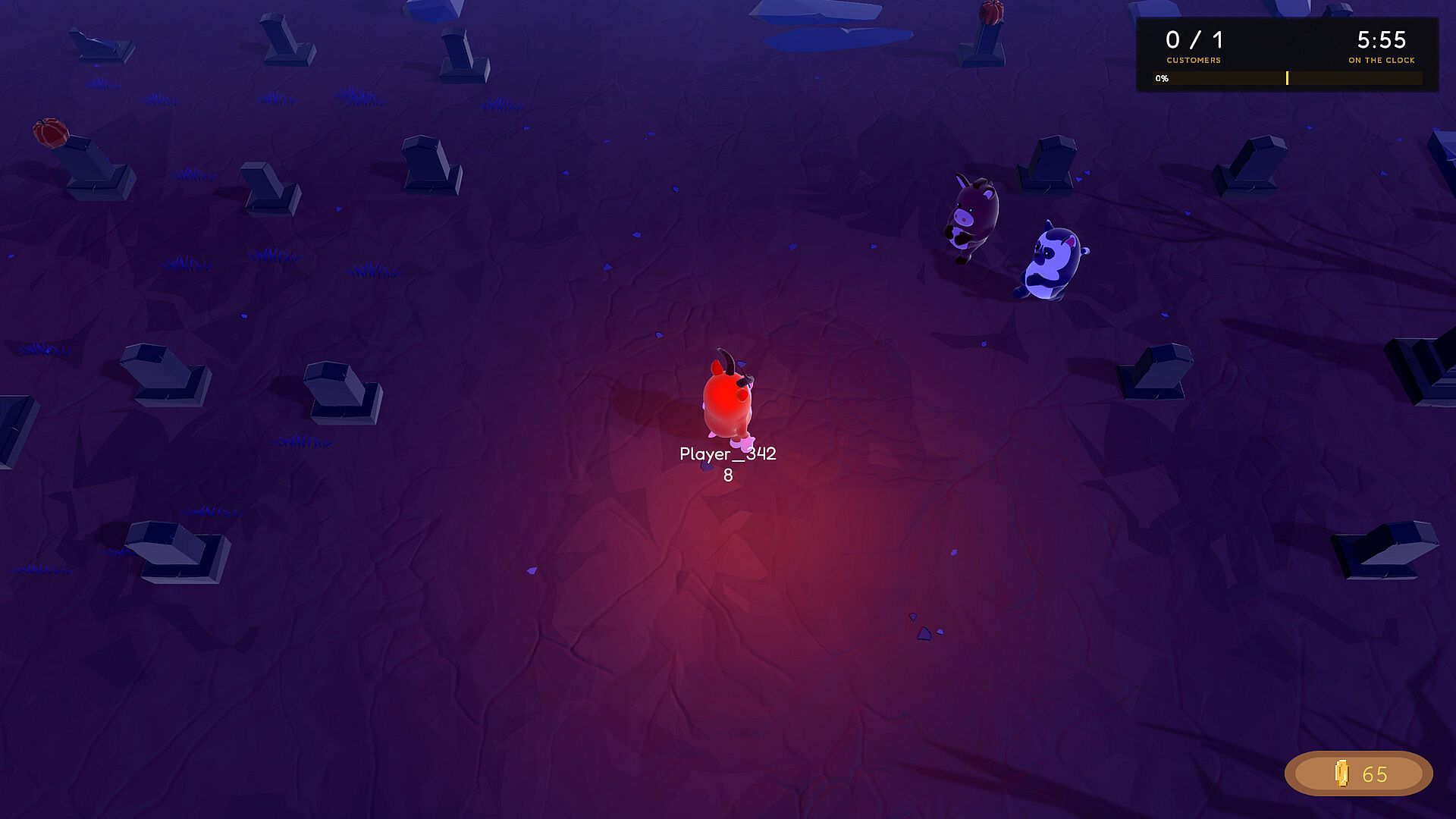
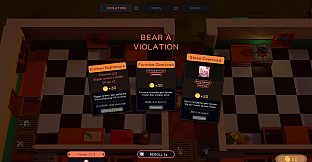
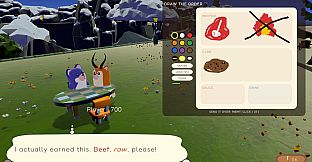
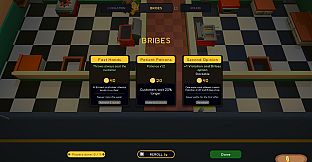
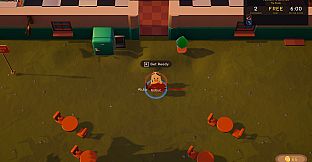
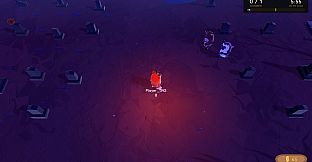
Las infracciones por impago o bajo rendimiento modifican las reglas a mitad de turno: las voces pueden sonar como ardillas, aparecer retrasos, invertirse el habla o silenciarse por completo un lado del local, obligando al camarero a dibujar los pedidos. Los clientes no se sientan solos y hay que capturarlos en la calle o en lugares insólitos como acantilados, coches de carreras o tumbas. Un mal servicio provoca que devuelvan los platos. Con el dinero sobrante se pueden comprar sobornos que aportan herramientas como automatismos, cubiertos arrojadizos o clones que desplazan a los jugadores por la cocina. Más de setenta cartas generan combinaciones distintas en cada partida y conducen hasta el aviso final del casero.
El chat de voz por proximidad está integrado y constituye la mecánica principal. Se desaconseja el uso de programas externos de voz porque eliminan la separación que crea el muro. Hay disponibles más de cuarenta personajes animales y decenas de personalidades de clientes que aparecen según aumenta la dificultad. El juego incluye soporte completo de texto en inglés y turco.
Modos de juego
Todo el juego se desarrolla en partidas cooperativas online de dos a cinco jugadores, cada uno con una visión distinta del mismo desastre en el restaurante. Las sesiones avanzan por turnos y localizaciones cada vez más extrañas. Cada intento sigue una estructura roguelite: hay que pagar el alquiler votando nuevas infracciones, se pueden adquirir sobornos y, si se sobrevive lo suficiente, llega el aviso final y el enfrentamiento con el casero. El éxito otorga la propiedad del local y desbloquea una fase de "god run" en la que los jugadores exploran un poder sin restricciones tanto de chef como de camarero.
Cuando la voz queda completamente silenciada aparecen rondas de dibujar los pedidos, añadiendo otra capa de adaptación. No existen modos para un solo jugador ni competitivo; la experiencia se centra en la supervivencia cooperativa a través de múltiples intentos con combinaciones de cartas cambiantes.
¿Merece la pena jugarlo?
El juego está dirigido a quienes buscan retos de comunicación y trabajo en equipo bajo presión, más que simuladores de cocina relajados. Su progresión roguelite con infracciones y tiendas de sobornos premia la experimentación en intentos cortos y repetidos. Como el título aún no ha salido y su lanzamiento está previsto para el cuarto trimestre de 2026, todavía no hay reseñas ni puntuaciones disponibles. Quienes disfrutan del cooperativo por proximidad y la gestión caótica del servicio encontrarán que los sistemas descritos coinciden con la premisa principal. En el lanzamiento estará disponible solo para PC y el sistema de voz integrado es necesario para la experiencia prevista.
Mecánicas clave y progresión
Cada partida genera tensión a través de la fecha límite del alquiler, que llega tras cada fase. El equipo vota la siguiente infracción para sobrevivir, intercambiando estabilidad por nuevos obstáculos como suelos helados o clientes zombi más rápidos. Las tiendas de sobornos ofrecen ventajas permanentes o temporales que se mantienen en turnos posteriores. El desafío final del casero marca el final de la partida; después, el "god run" elimina muchas restricciones para un juego abierto.
Los clientes animales plantean exigencias variadas que ponen a prueba la precisión con las notas adhesivas y la rapidez de reacción. Los fallos de servicio se acumulan rápidamente cuando los platos regresan o el personal sufre peligros ambientales. La combinación de minijuegos reales en la cocina y deducción social a través de la ventanilla crea un bucle que cambia con cada carta y asignación de roles.