


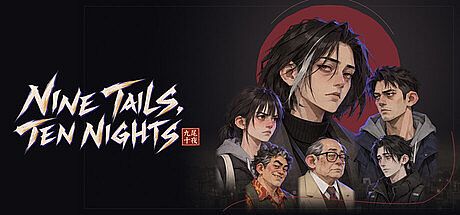


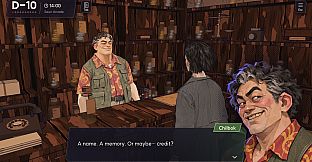

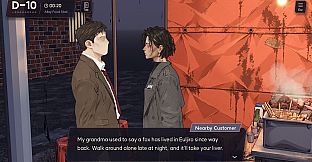
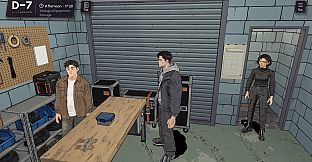

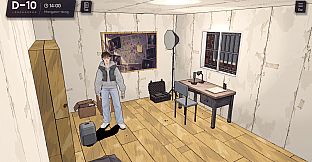
Nine Tails, Ten Nights is an indie adventure game built around a choice-driven interactive story set in modern Seoul. Players follow Baek Yeoul, a gumiho nine-tailed fox spirit who has spent nearly a thousand days avoiding harm to humans in pursuit of becoming one herself. As an investigator on the city's Hidden Side, she handles disputes among spirits while maintaining her human facade and controlling her hunger. The narrative opens with her vow nearing completion, only for a string of murders to implicate her directly.
Gameplay
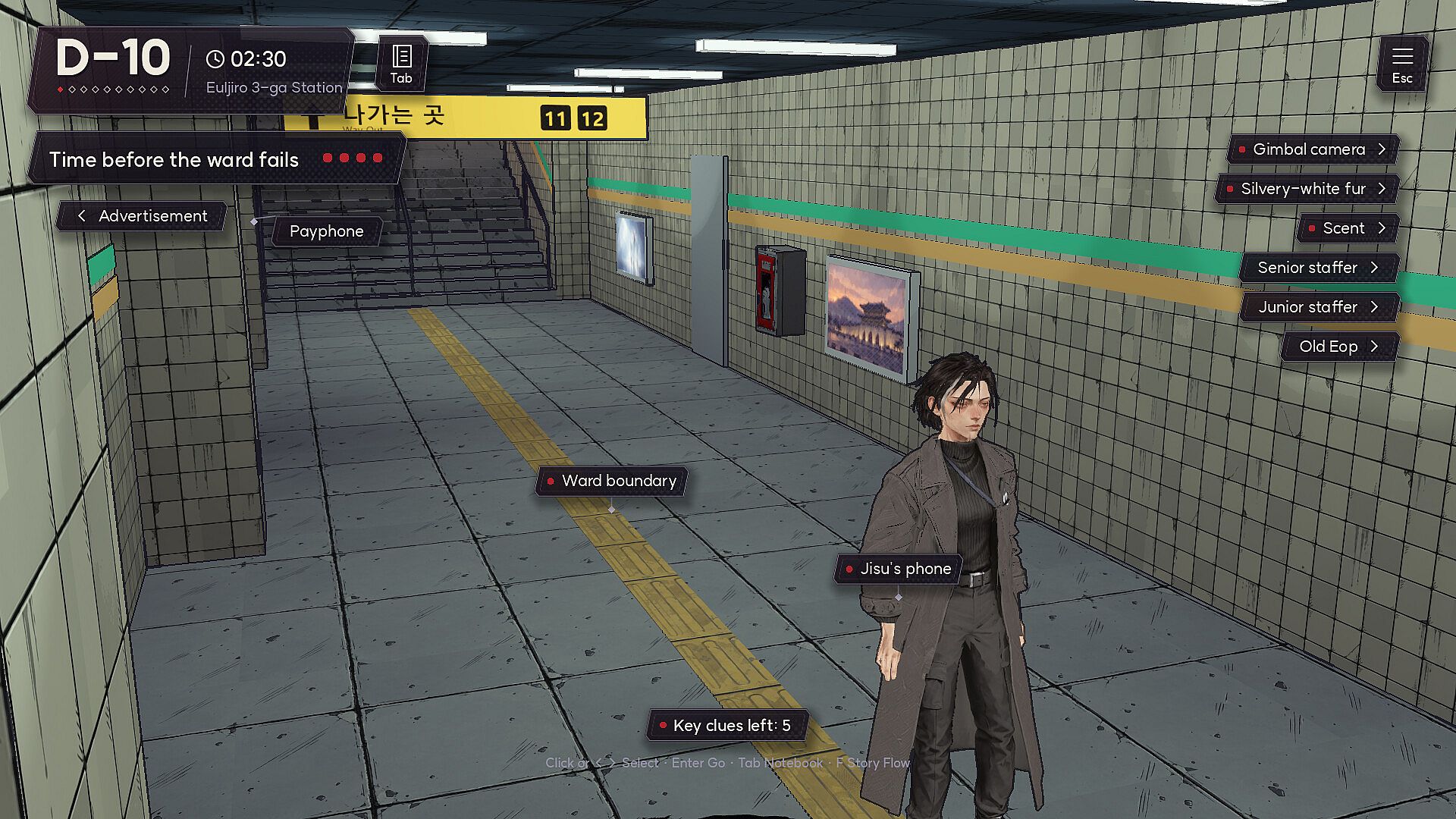
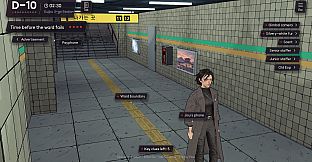
The core loop centers on investigation and decision-making within a single case. Players examine crime scenes and alleyways, speak with witnesses, and gather traces before time or opportunities run out. Each investigation segment limits the number of actions available, forcing choices about whom to question and what evidence to collect. Missed details alter the information carried forward and reshape later scenes.
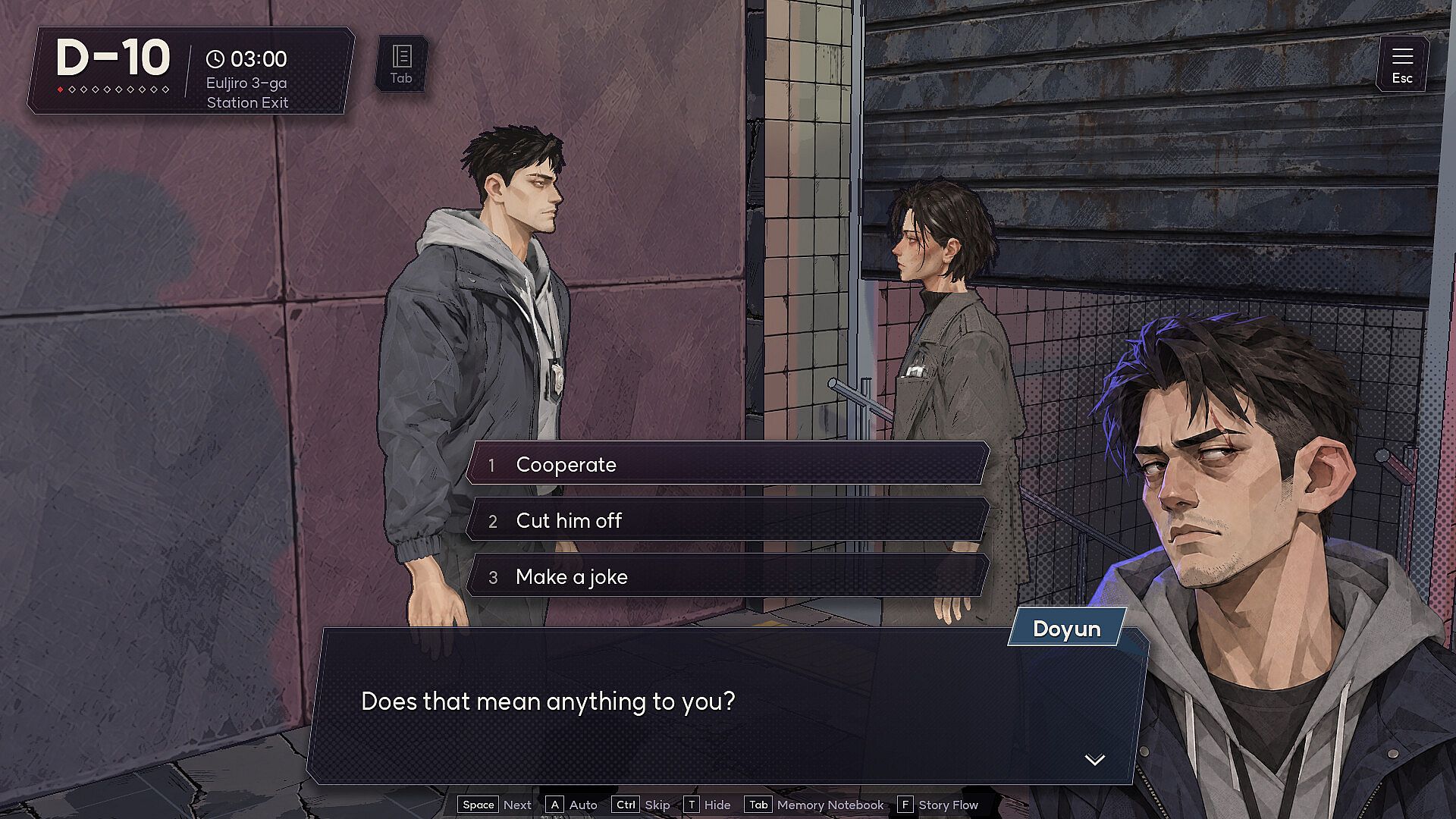
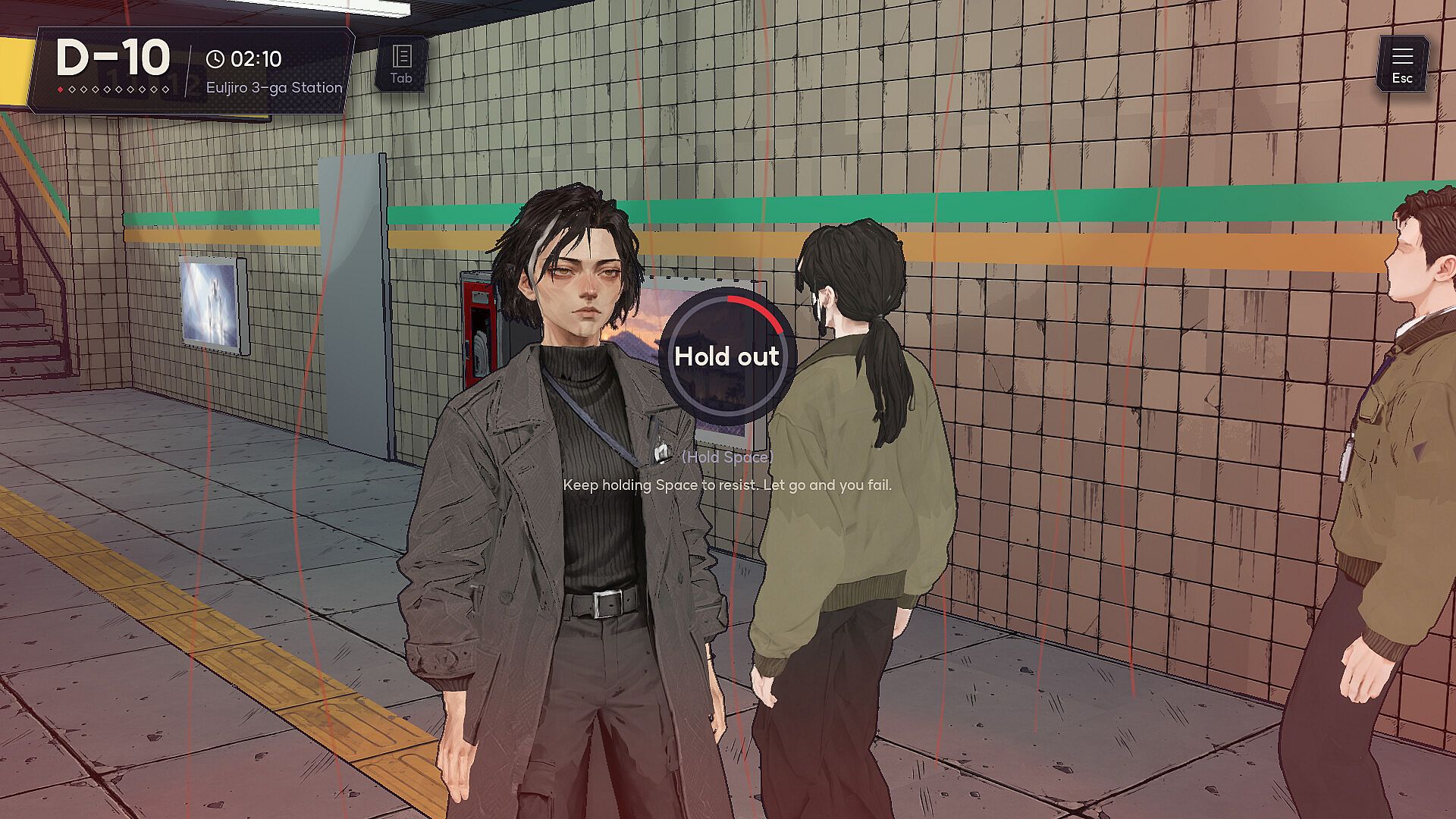
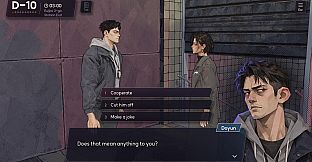
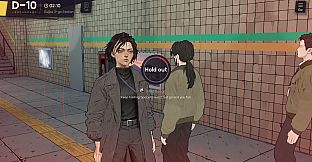
A notebook system lets players compare records side by side, spot contradictions, and record hypotheses. New clues can prompt revisions to earlier conclusions. Dialogue choices influence how characters react and how much they trust the player, with some decisions carrying time limits. For the gumiho protagonist, hunger management adds another layer, as resisting it conflicts with the drive to solve the case and achieve her goal of humanity.
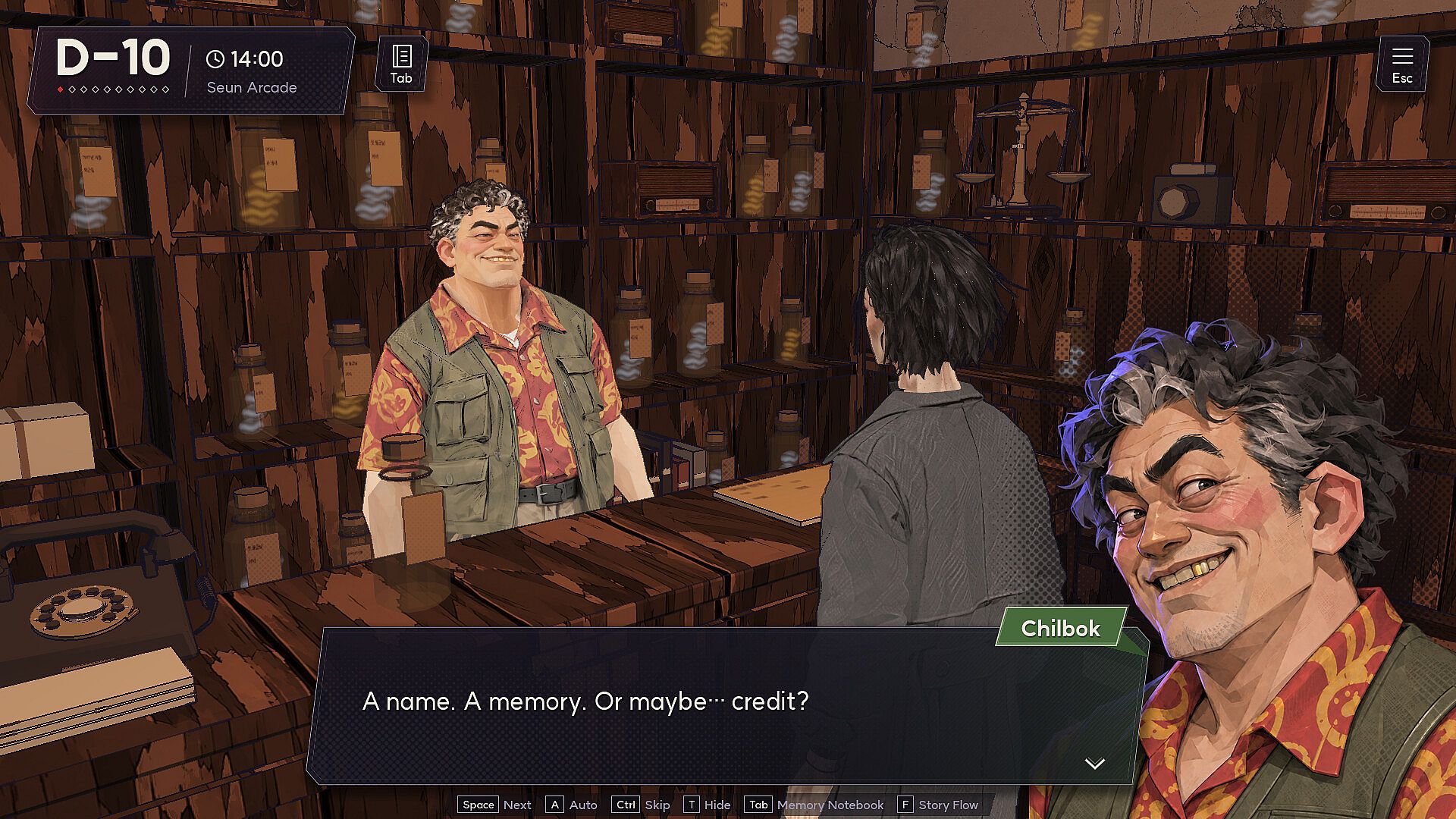
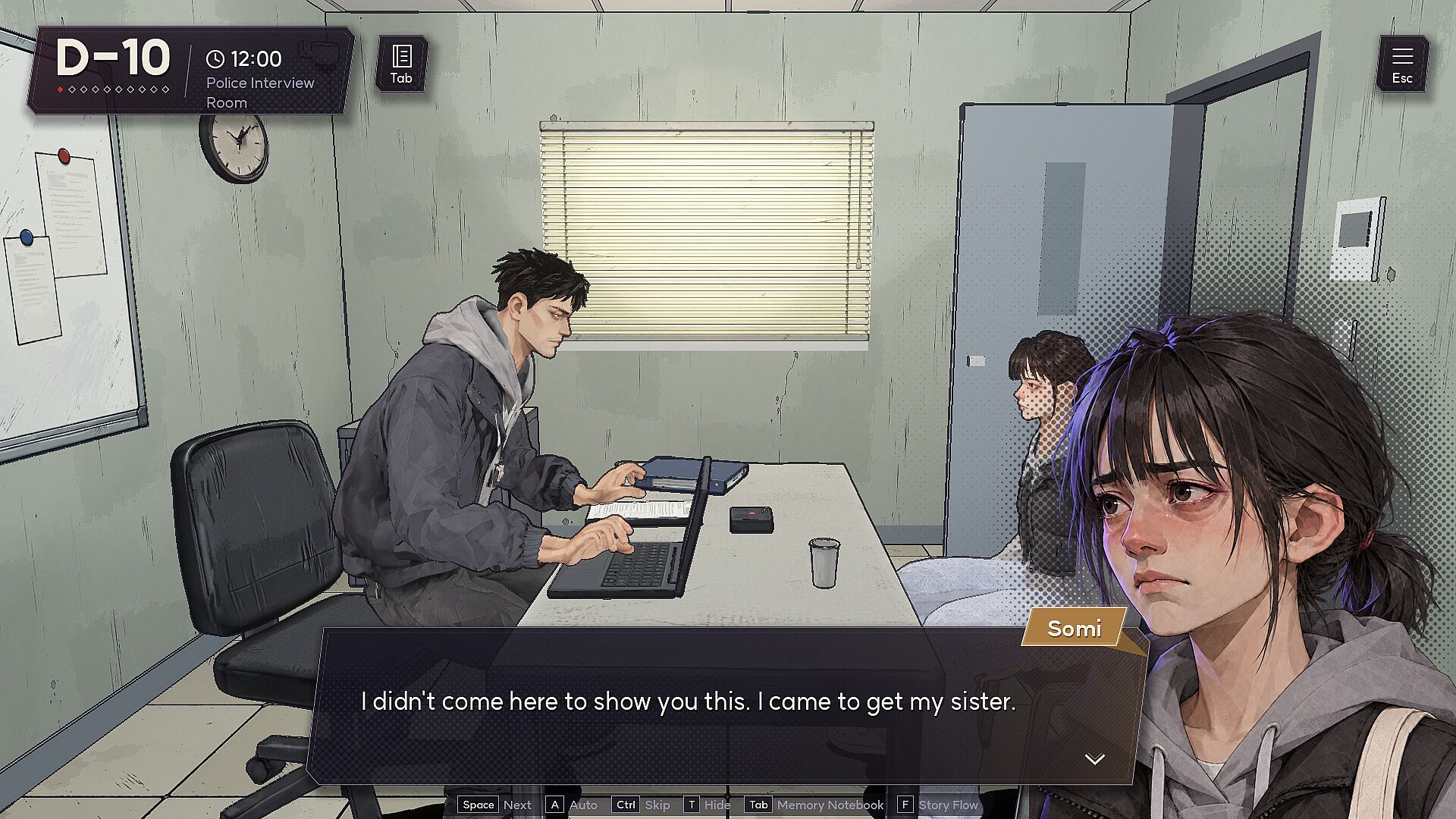
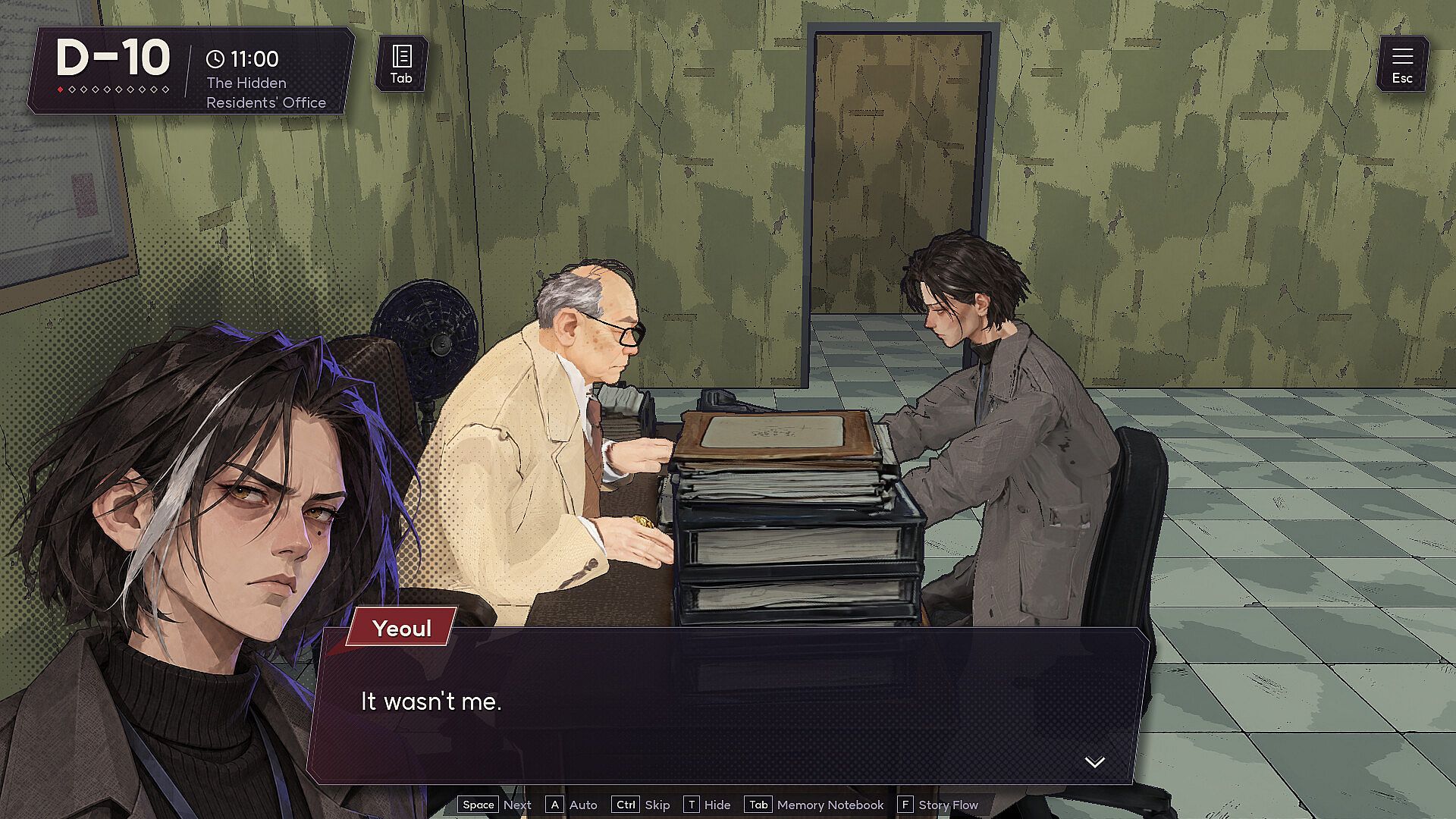
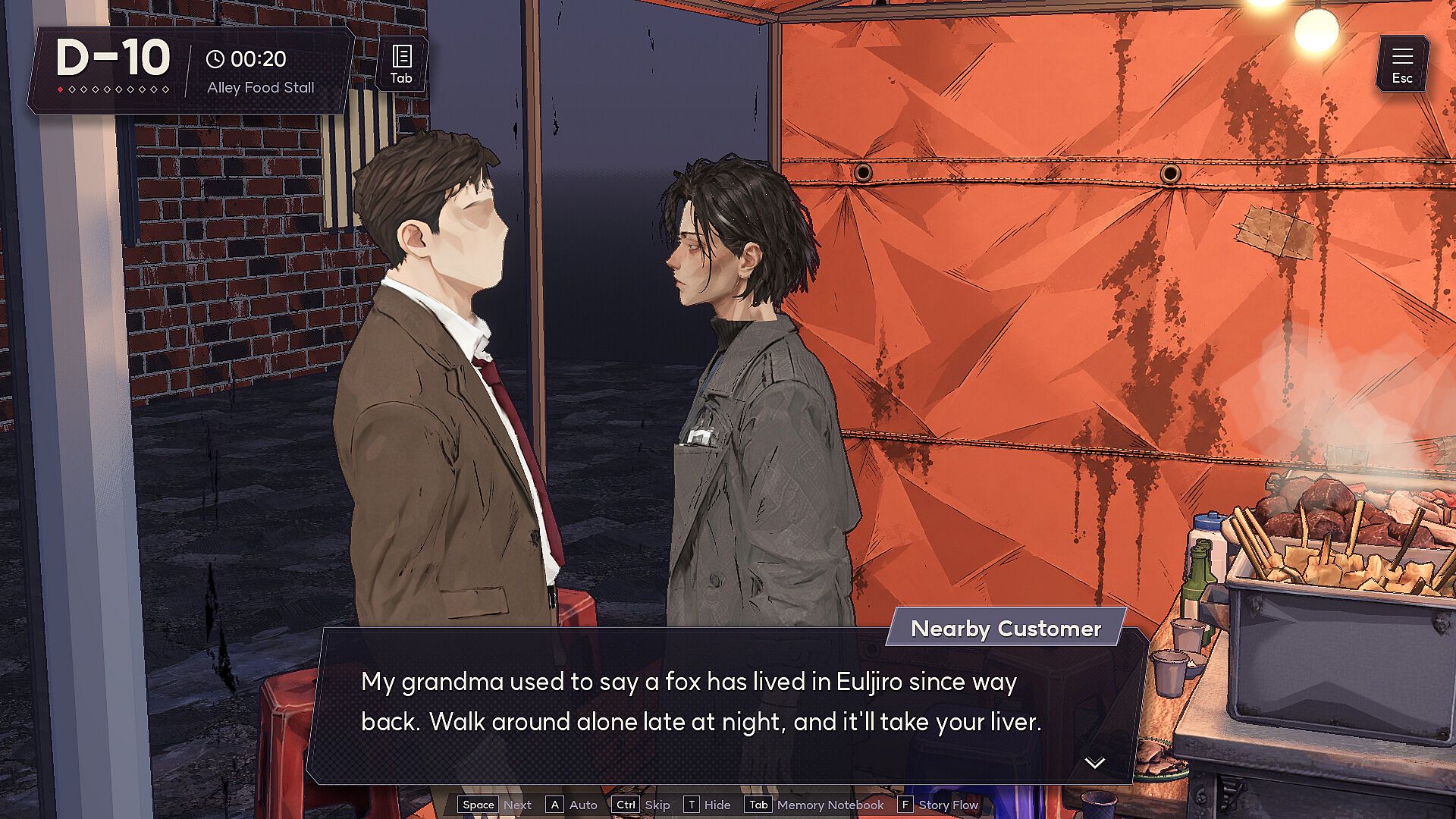
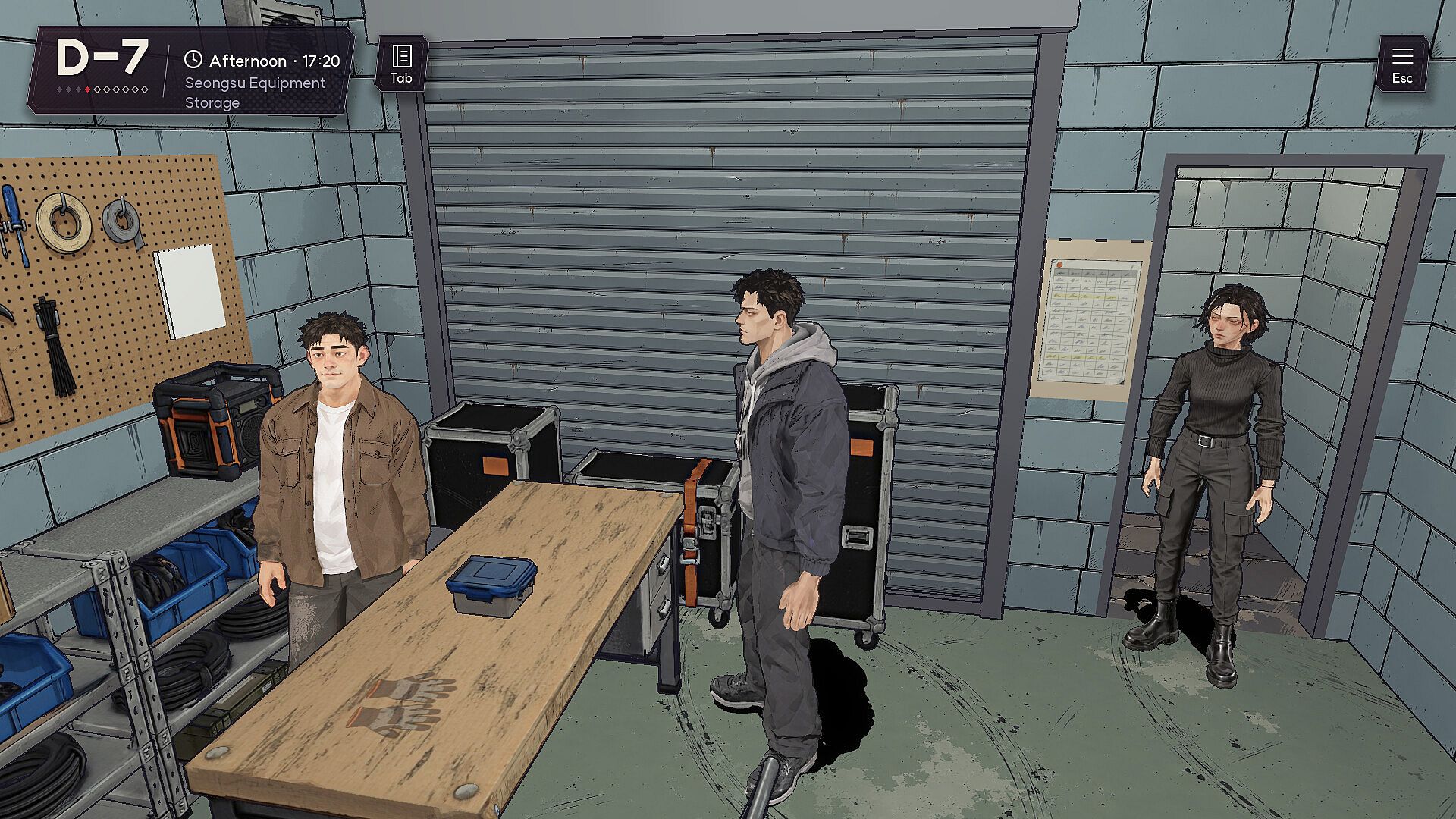
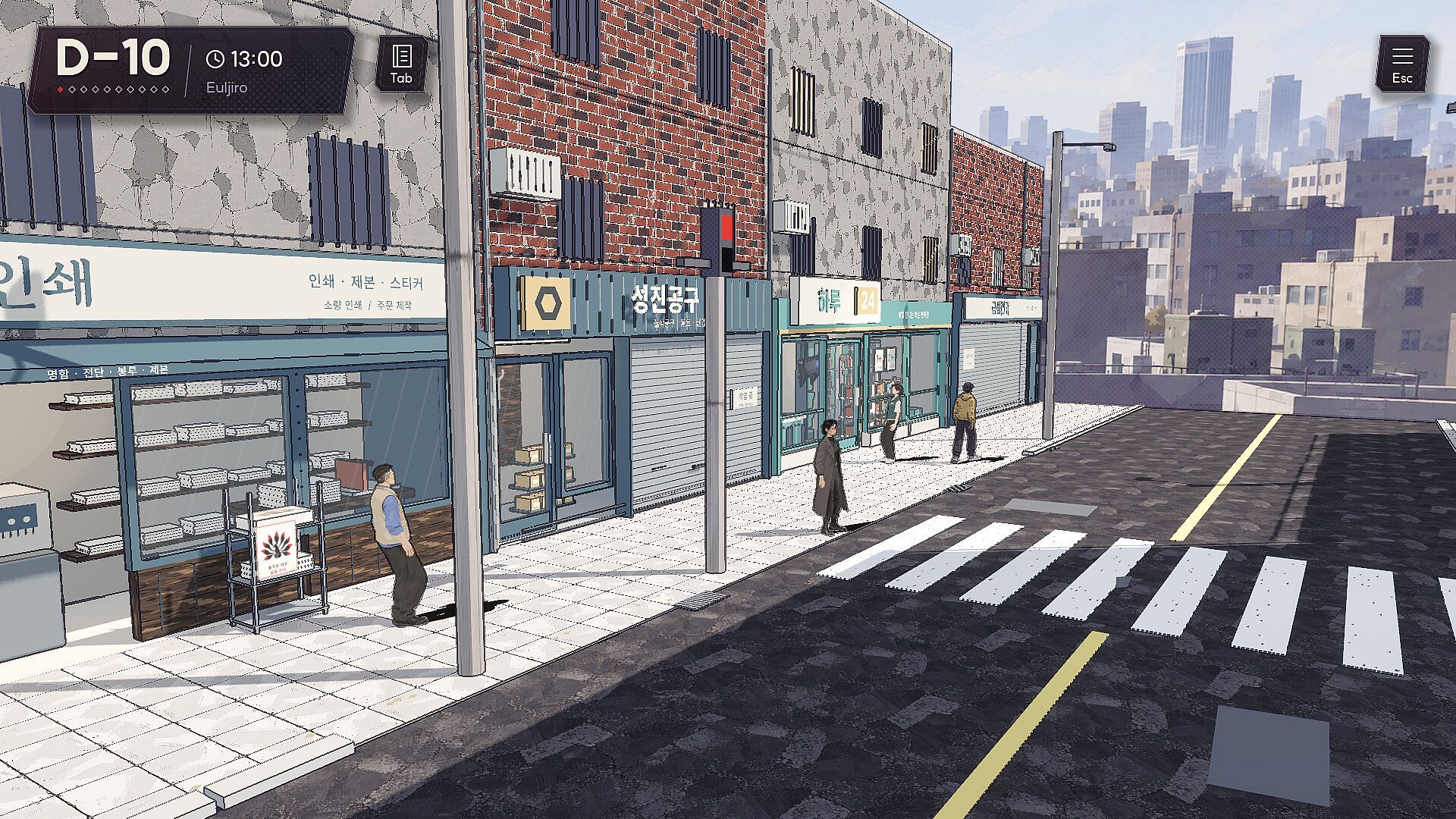
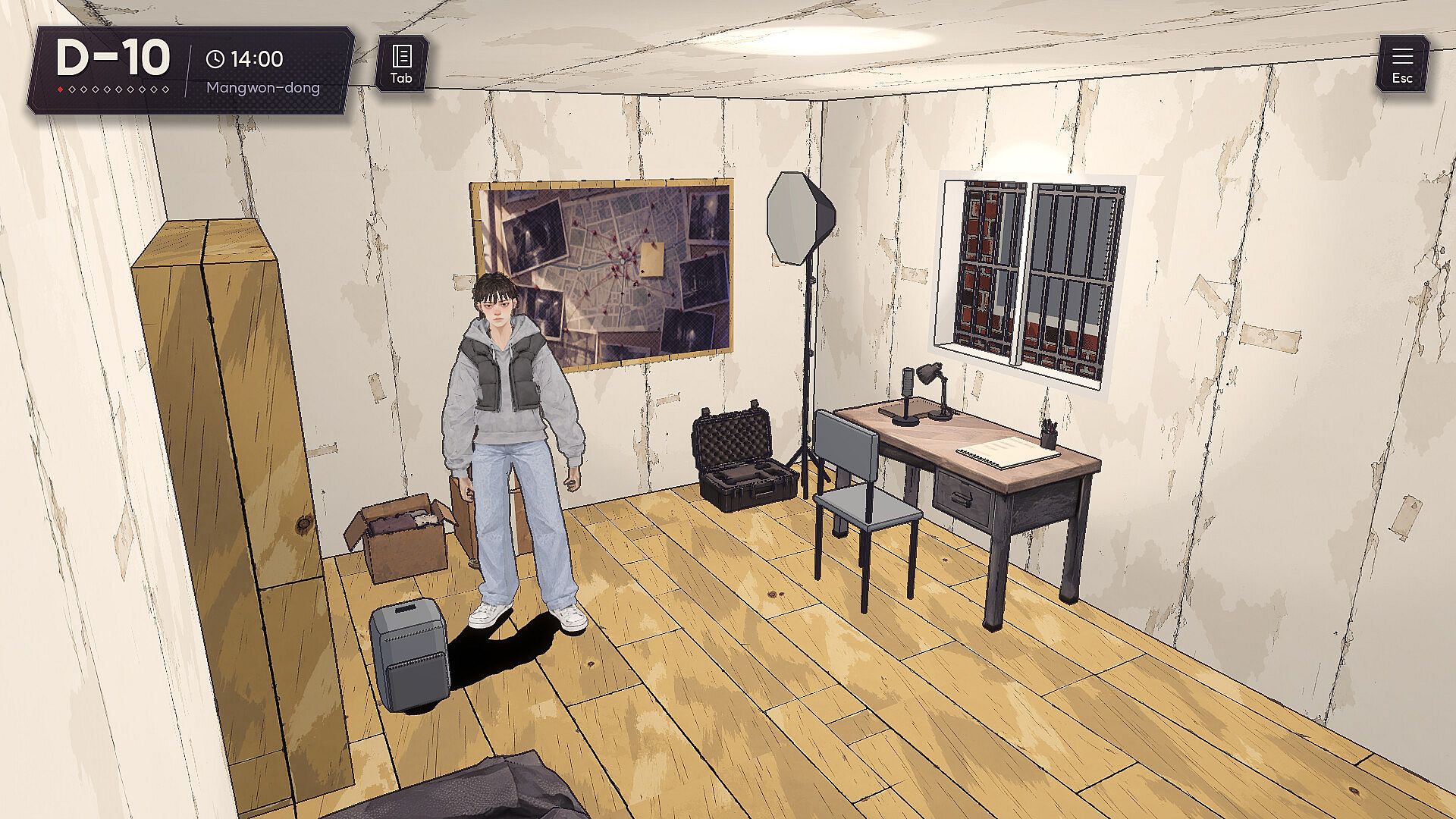
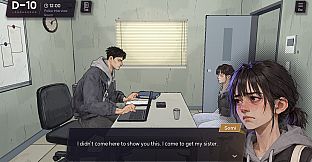
Visual presentation mixes angular ink-lined portraits, 3D environments, close-up illustrations, and cinematic sequences to frame conversations and key moments. The experience remains single-player throughout, focused on dialogue, limited-action exploration, and timed choices at pivotal points.
Game Modes
The game offers no separate modes beyond its core single-player narrative structure. All play revolves around progressing through one interconnected case from multiple angles. Story Flow tracks visited scenes and discovered branches, allowing comparison with paths from prior playthroughs.
Three distinct perspectives shape the experience. Baek Yeoul brings knowledge of the Hidden Side and its rules. Kang Doyun, a detective, accesses official investigation records. Han Somi holds original footage left by her sister. Each viewpoint supplies unique clues and emotional context that reframe events already encountered.
Story and Choices
Decisions about whom to trust and what information to reveal determine each character's ending. These outcomes affect relationships, personal fates, and the broader state of Seoul once the case concludes. Dozens of combinations lead to varied epilogues. The setting blends everyday Seoul locations such as Euljiro passageways, a bridge over the Han River, and worn rooftop rooms with the Hidden Side where spirits navigate ordinary concerns like rent and government offices.
Trust and hunger mechanics directly influence reactions and available paths. Some answers carry immediate consequences, while others build or erode relationships over time. The structure encourages replay to uncover missed scenes and alternate interpretations of the same events.
Is It Worth Playing?
Nine Tails, Ten Nights suits players who enjoy narrative adventures centered on investigation, branching dialogue, and moral weight in choices. Its limited-action sections and evidence-comparison tools reward careful attention rather than exhaustive exploration. The three-perspective format provides fresh context on repeated scenes without requiring separate campaigns.
Those drawn to stories about folklore figures adapting to modern life, combined with detective work and personal stakes, will find the mechanics align closely with the themes. The single case keeps the focus tight, and endings shaped by trust, hunger, and selective revelation offer meaningful replay value for fans of choice-driven interactive fiction on PC.












