





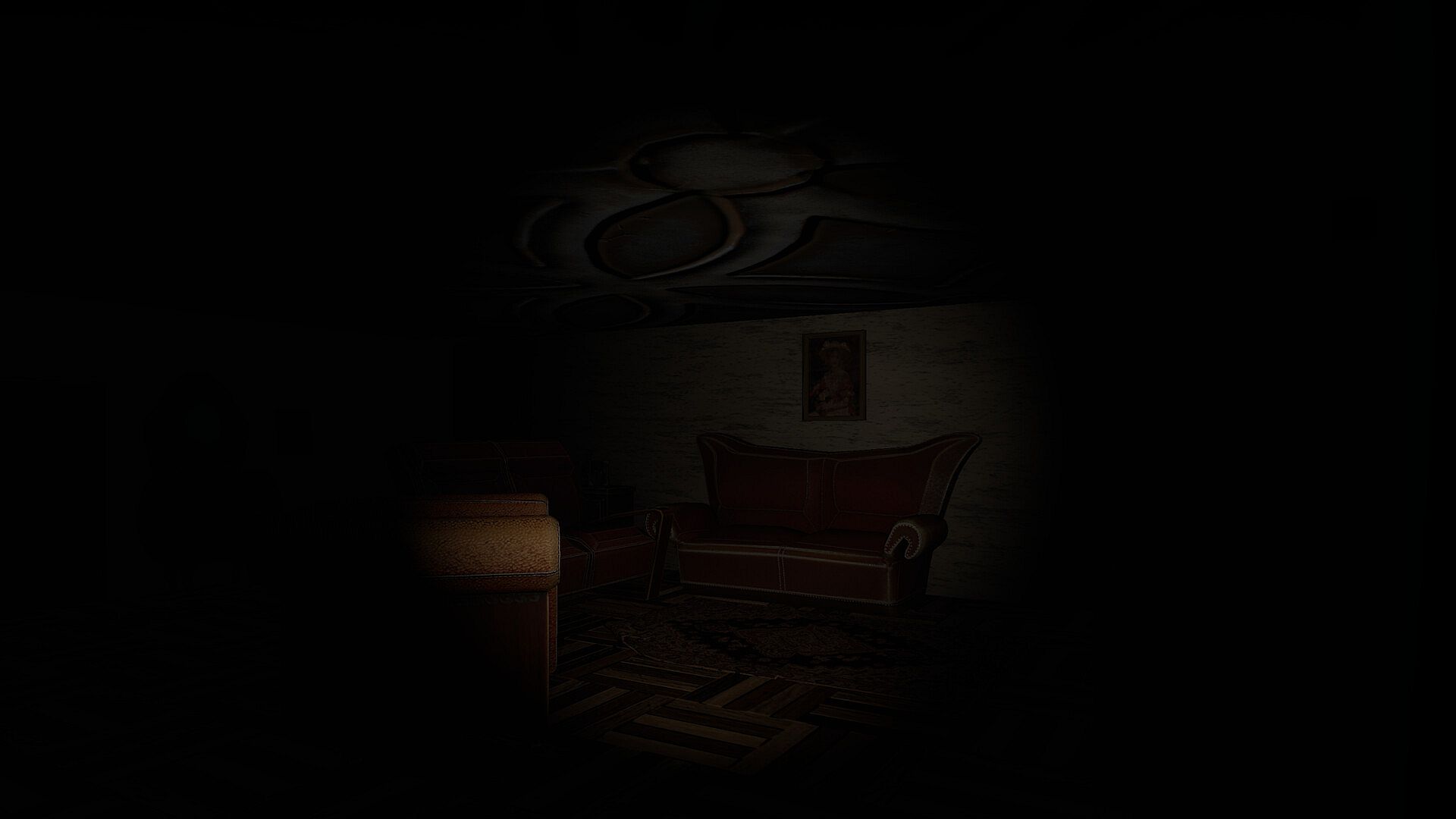
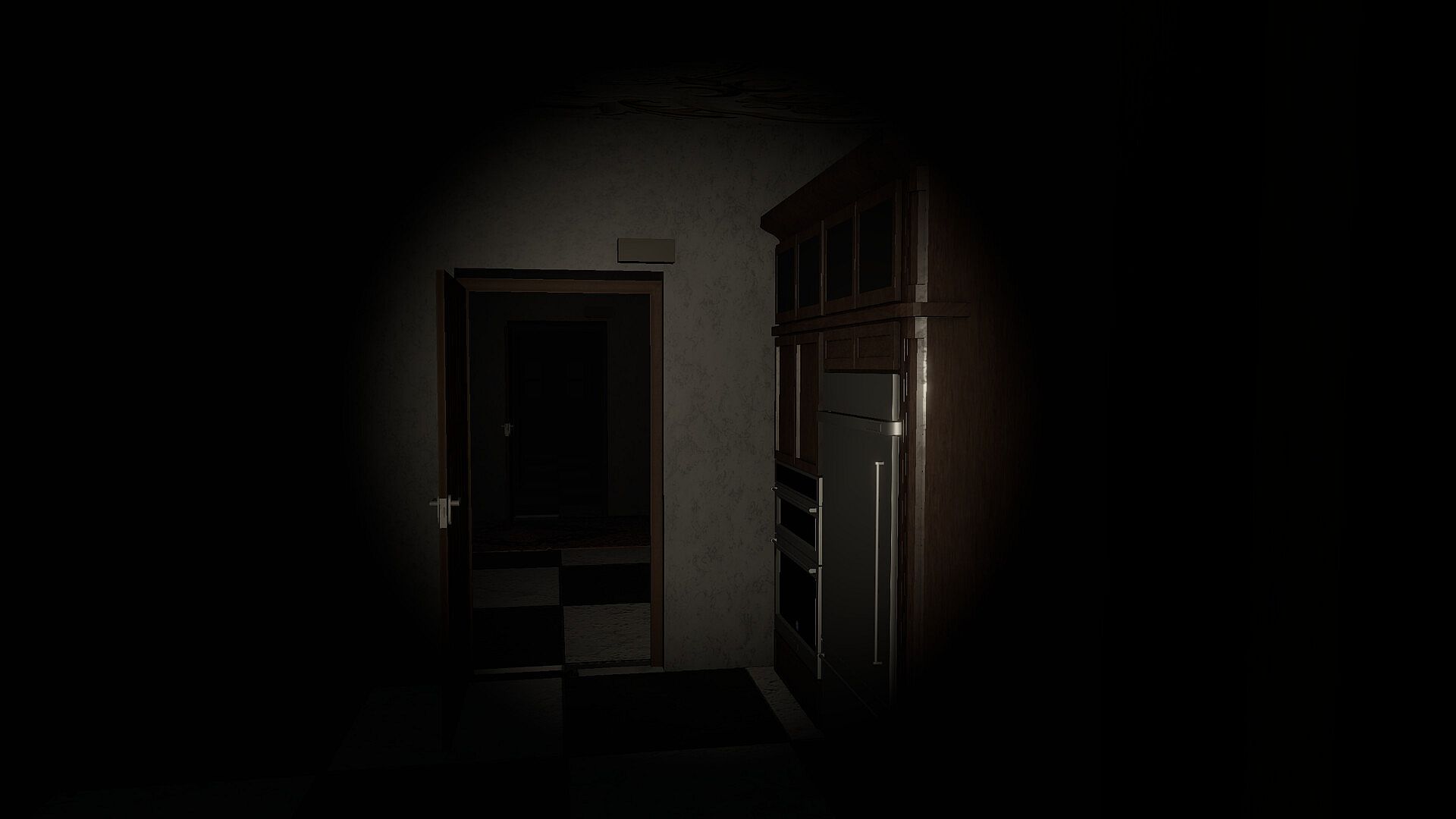
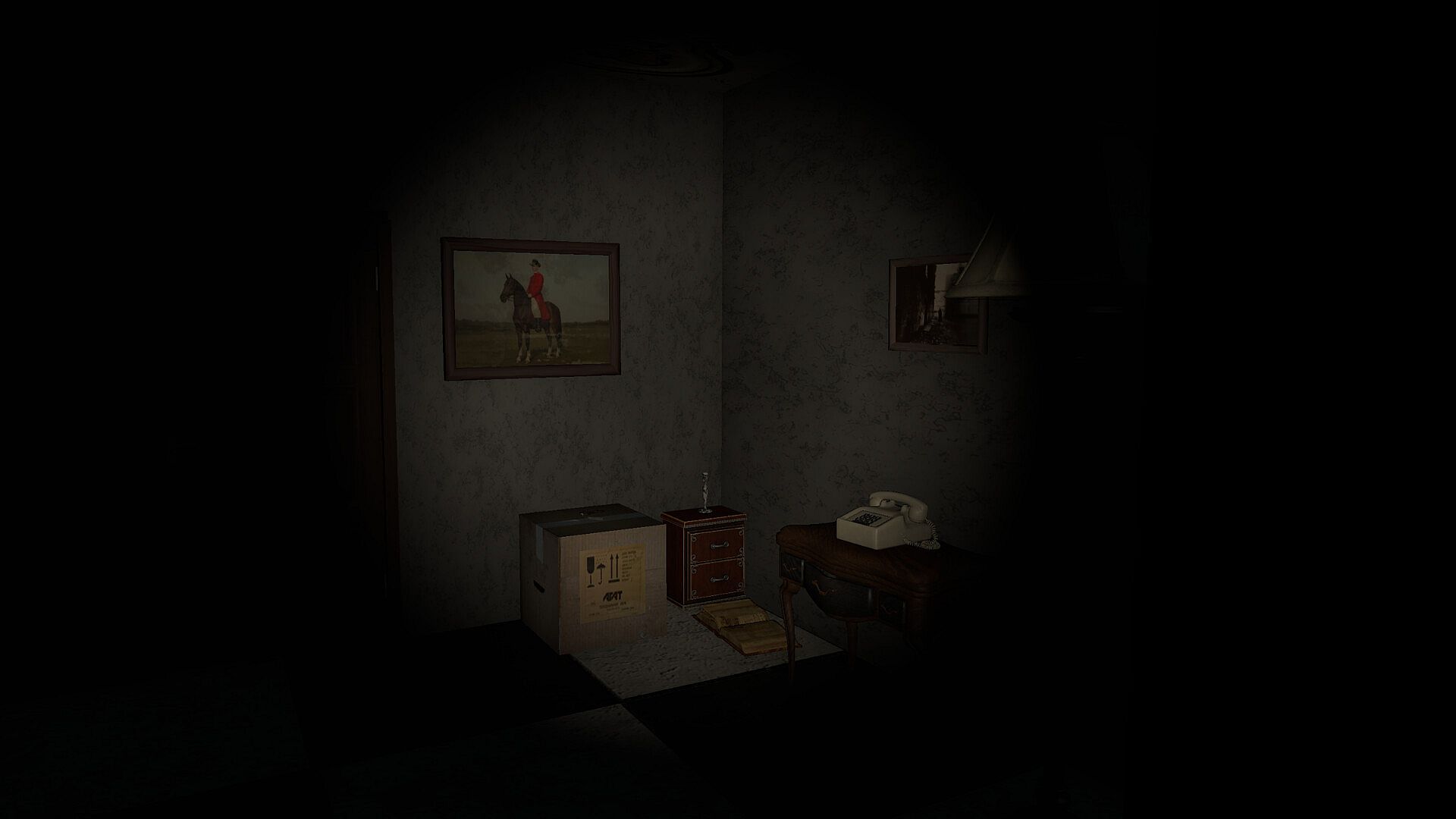
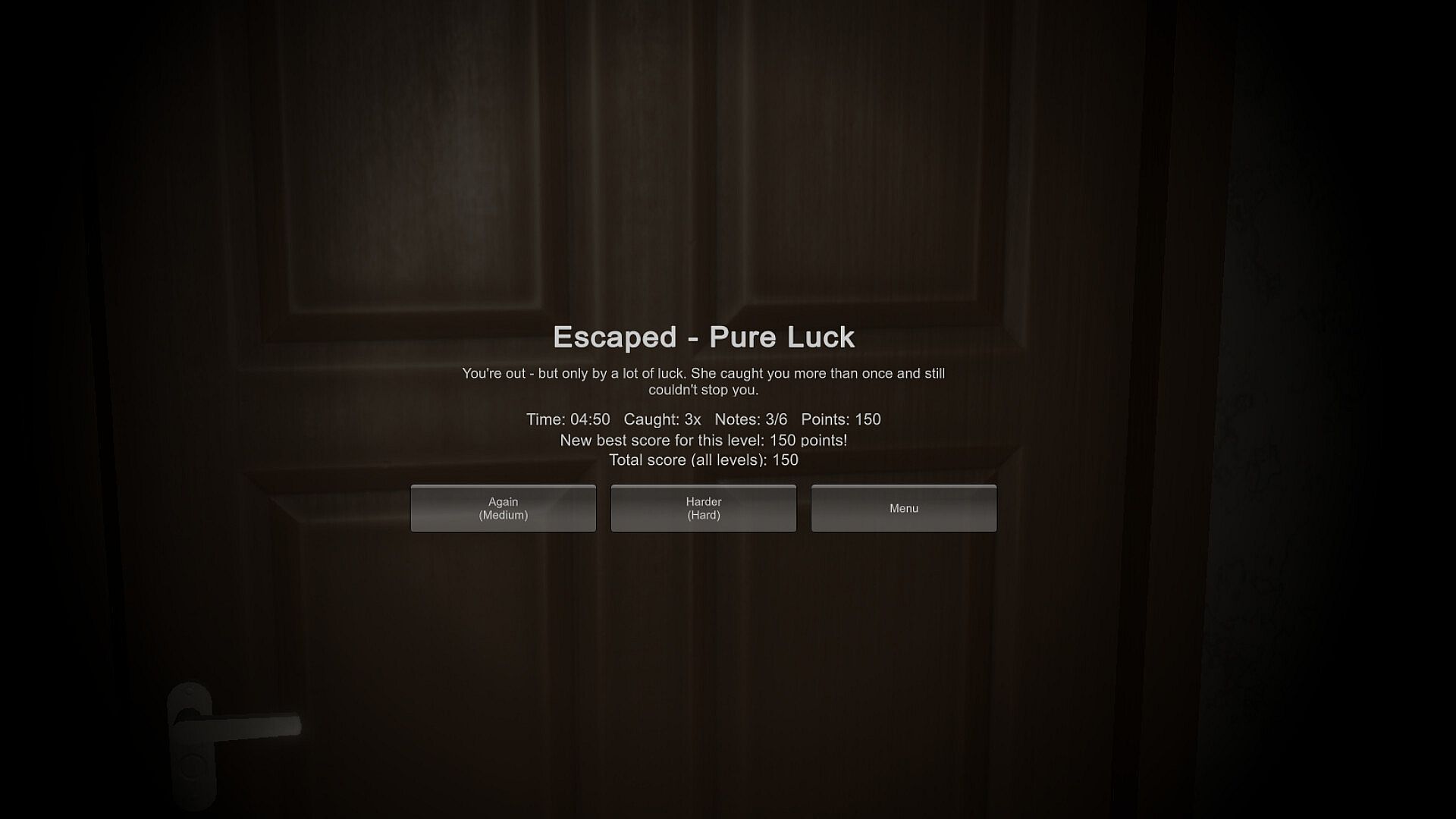
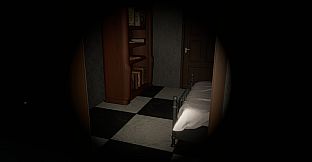
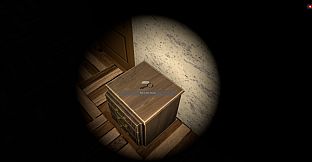
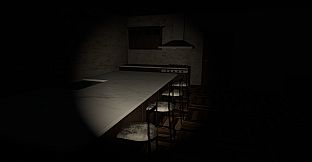
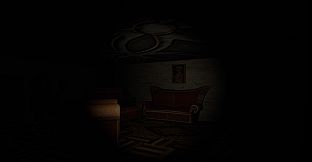
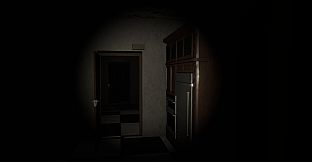
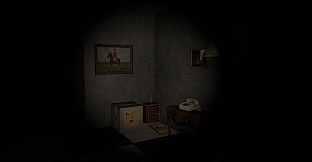

Nightlatch es una aventura de terror para un solo jugador centrada en escapar de casas que intentan impedir la salida. Los jugadores recorren entornos detallados con polígonos de baja-media resolución, buscan llaves en habitaciones sucesivas y controlan el ruido y la luz para evitar ser detectados por una presencia invisible que comparte cada casa.
Gameplay
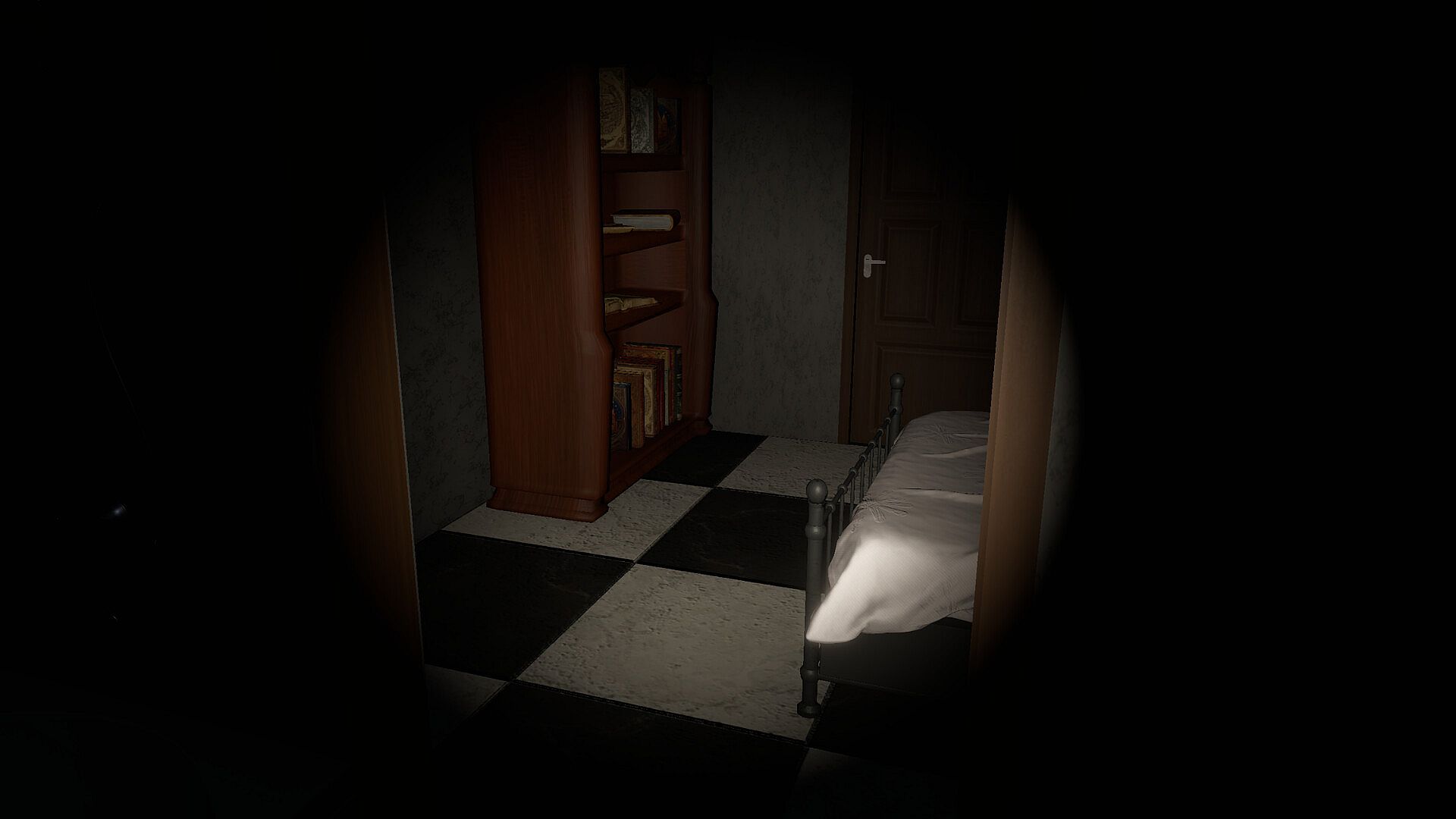
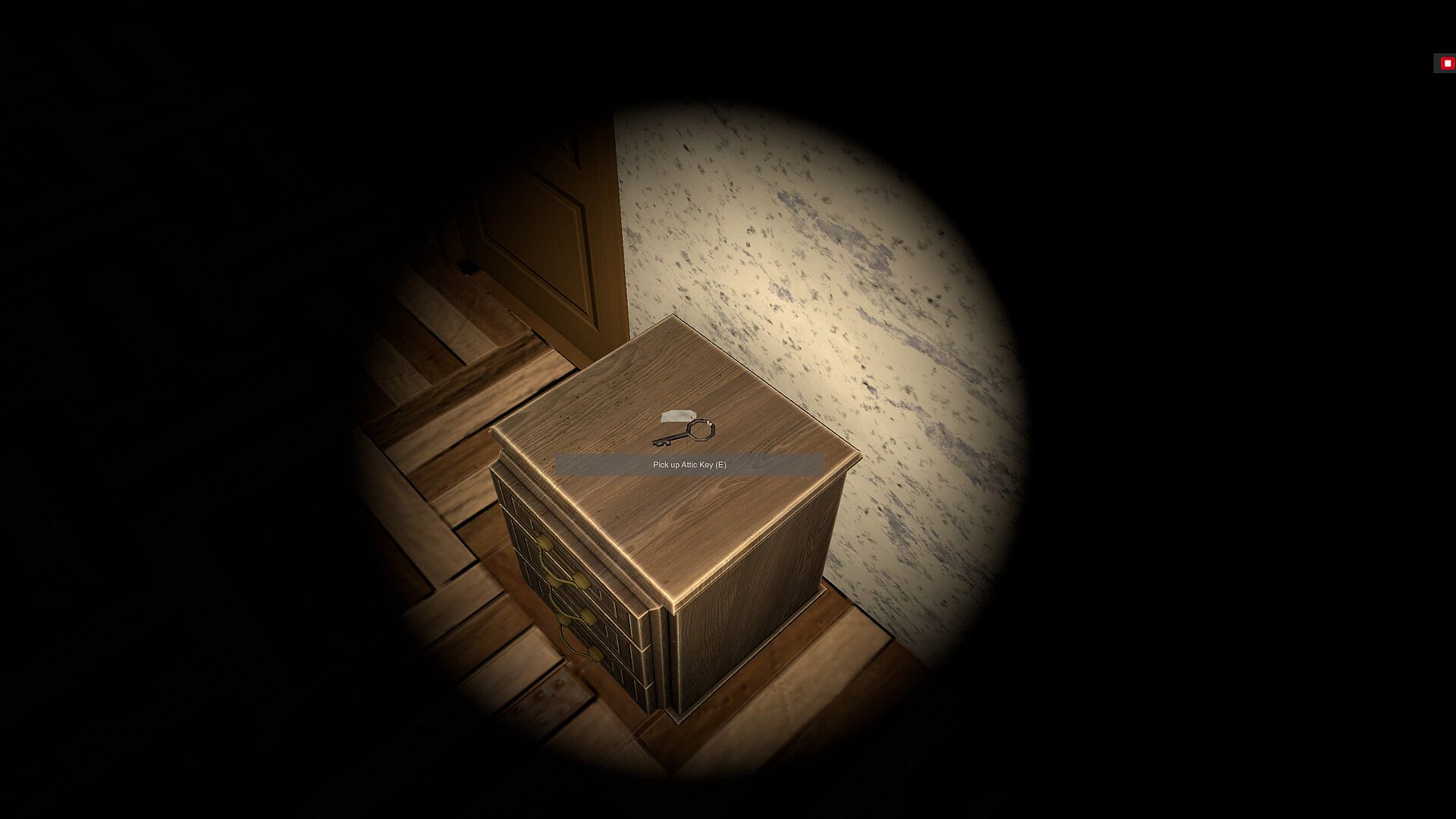
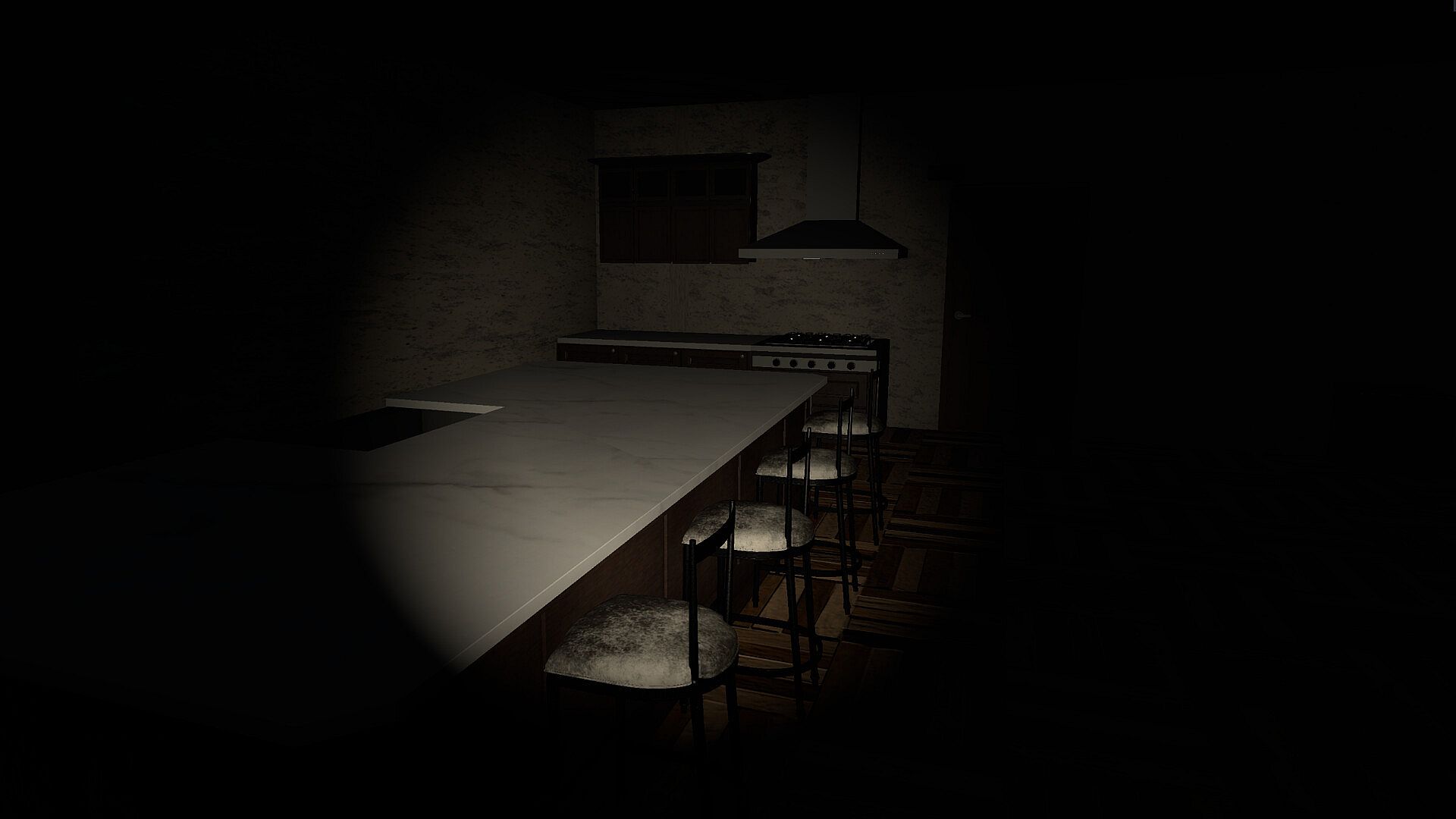
El bucle principal se basa en una exploración metódica dentro de espacios residenciales reducidos. El movimiento avanza habitación por habitación mientras se buscan las llaves necesarias y se vigilan los niveles de sonido e iluminación que pueden atraer atención. La presencia que acecha reacciona directamente a las acciones del jugador, obligando a decidir entre ocultarse en los lugares disponibles o intentar esquivar la persecución. El diseño visual prioriza el detalle atmosférico dentro de la estética estilizada de polígonos, resaltando la disposición del mobiliario, los efectos de luz y el desorden ambiental que influyen tanto en la navegación como en las oportunidades de esconderse.
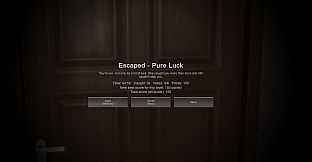
Cada partida incluye variaciones sutiles en la posición de los objetos, con llaves y notas seleccionadas de conjuntos más amplios para incentivar las repeticiones. Documentos dispersos ofrecen fragmentos narrativos que el jugador puede recoger o ignorar, modificando el camino hacia uno de varios finales posibles según el estilo de completado y el nivel de exhaustividad. La presencia se adapta con el tiempo priorizando los escondites utilizados anteriormente, lo que aumenta la tensión en los intentos posteriores dentro de la misma casa.
Modos de juego
La progresión se desarrolla en tres casas distintas, cada una con distribuciones y atmósferas propias. En cada casa se accede a diez niveles repartidos en cuatro niveles de dificultad, sumando un total de 120 niveles que introducen progresivamente más habitaciones y requisitos de llaves. Los niveles superiores incrementan la reactividad de la presencia y reducen el margen de error disponible.
Áreas de bonificación opcionales y llaves ocultas amplían las partidas sin alterar el objetivo principal de escapar. La estructura permite enfoques variados, desde salidas rápidas hasta búsquedas exhaustivas de todas las notas, con resultados que cambian en consecuencia. El juego incluye soporte completo en inglés y alemán.
Mecánicas y características principales
El sonido y la luz actúan como factores de riesgo principales que la presencia detecta e investiga. El jugador debe equilibrar la visibilidad necesaria para moverse con la necesidad de oscuridad al ocultarse. La colocación de los objetos varía ligeramente entre intentos, evitando la memorización mecánica y fomentando una observación renovada cada vez.
Veintinueve logros registran comportamientos específicos como la velocidad de completado, el total de coleccionables y la supervivencia bajo ciertas condiciones. Los múltiples finales surgen de las decisiones sobre ritmo y profundidad de exploración, no de elecciones binarias. El diseño prioriza la rejugabilidad mediante estos sistemas en capas sin depender de progresión externa ni elementos compartidos.
¿Merece la pena jugarlo?
Nightlatch está dirigido a jugadores que buscan un terror en solitario deliberado y cargado de tensión, centrado en la conciencia espacial y la gestión del riesgo. Su énfasis en la variación procedural dentro de estructuras de casa fijas y el comportamiento adaptativo del enemigo ofrece incentivo para múltiples partidas a través del conjunto completo de niveles y dificultades. La presentación en polígonos de baja-media resolución mantiene una claridad visual constante junto con iluminación y detalle atmosféricos que refuerzan el tema de la huida.
Al no existir datos públicos de jugadores antes del lanzamiento, la idoneidad depende de la preferencia por experiencias de terror contenidas que recompensan el movimiento cuidadoso y la recolección opcional de historia. La combinación de dificultad por niveles, desenlaces ramificados y mecánicas de aprendizaje de hábitos ofrece un paquete autosuficiente pensado para quienes buscan sesiones cortas repetidas o partidas exploratorias más largas dentro de los mismos tres entornos. Disponible solo en PC en su lanzamiento.