







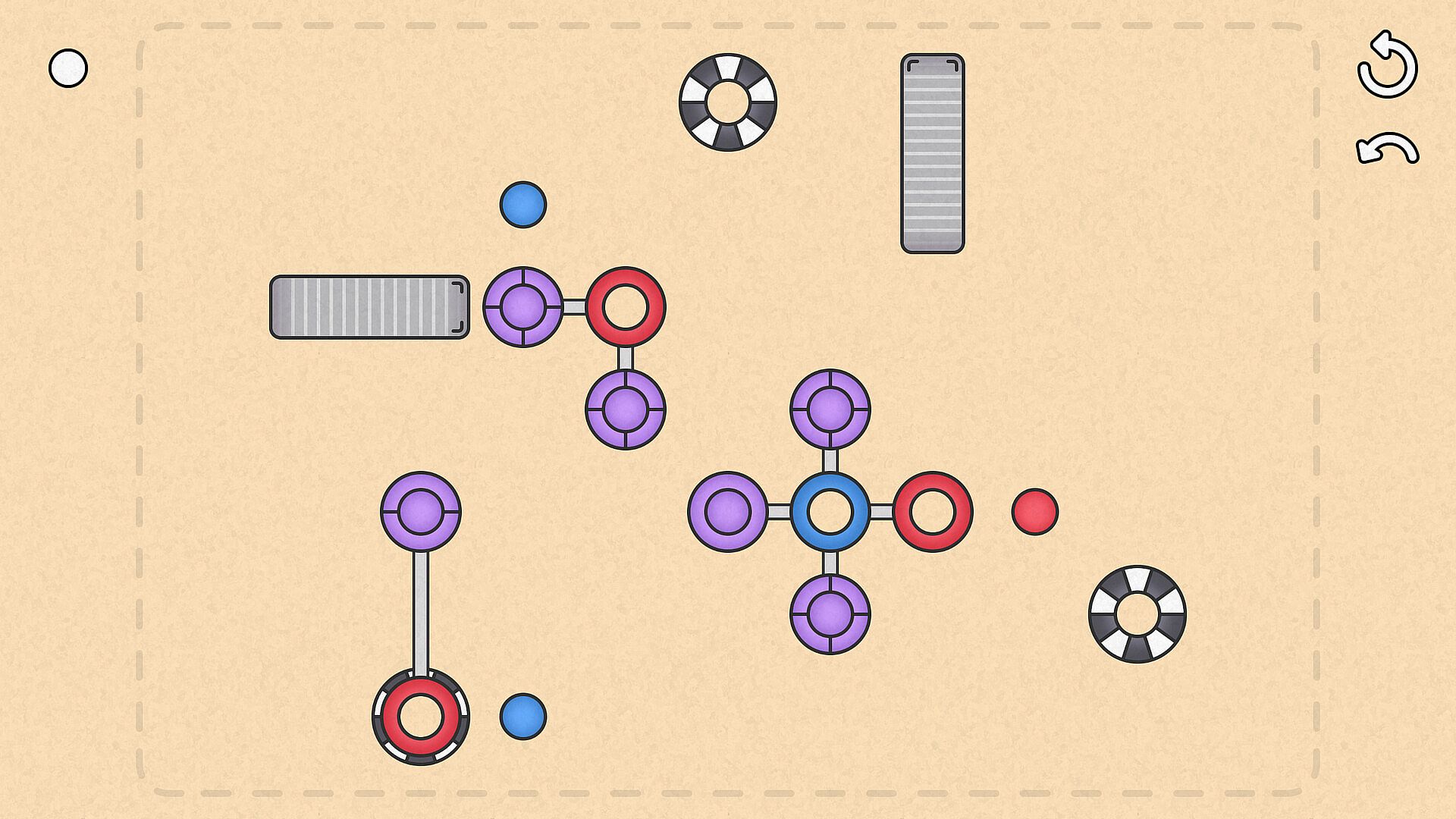
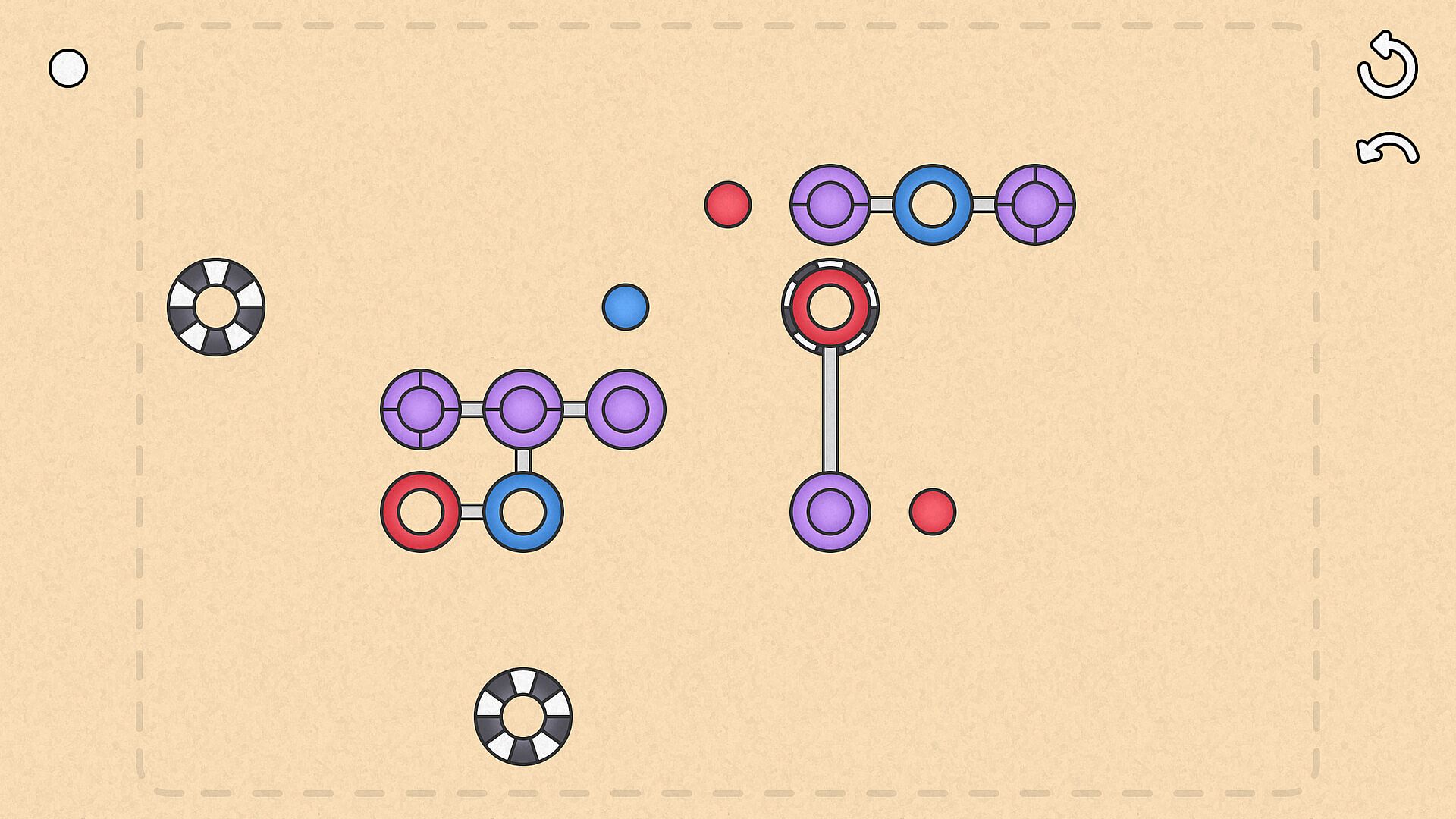
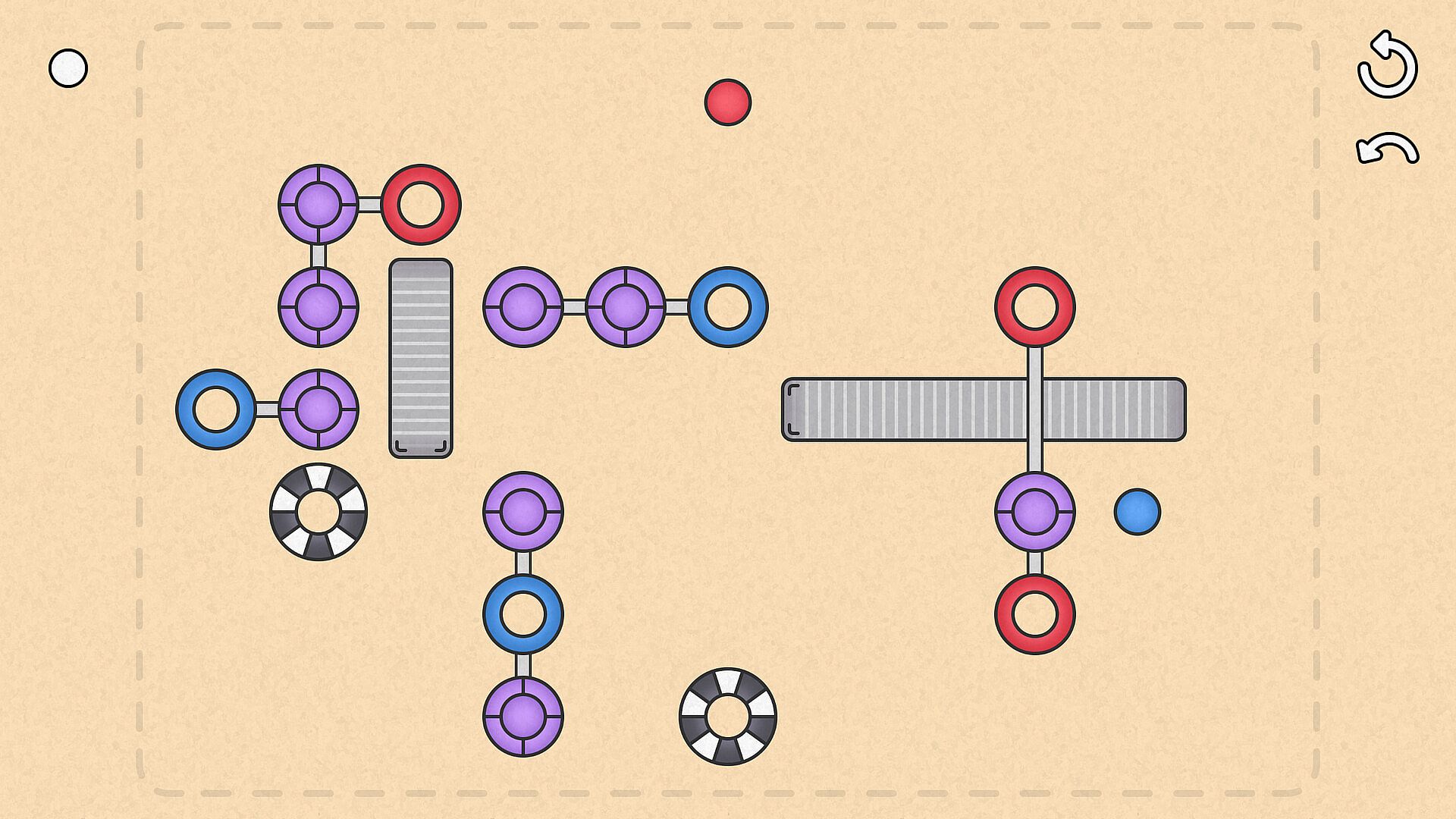
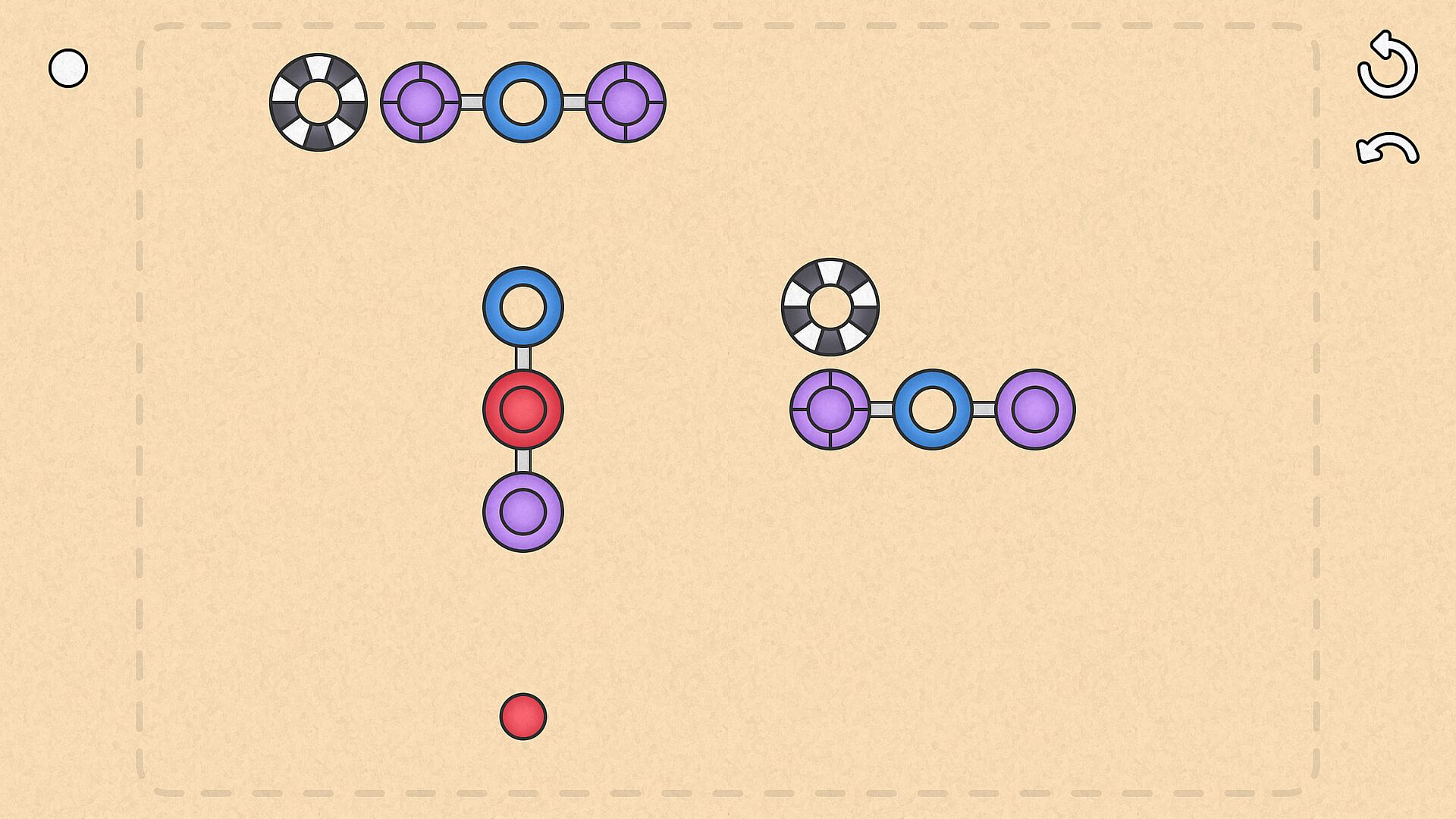
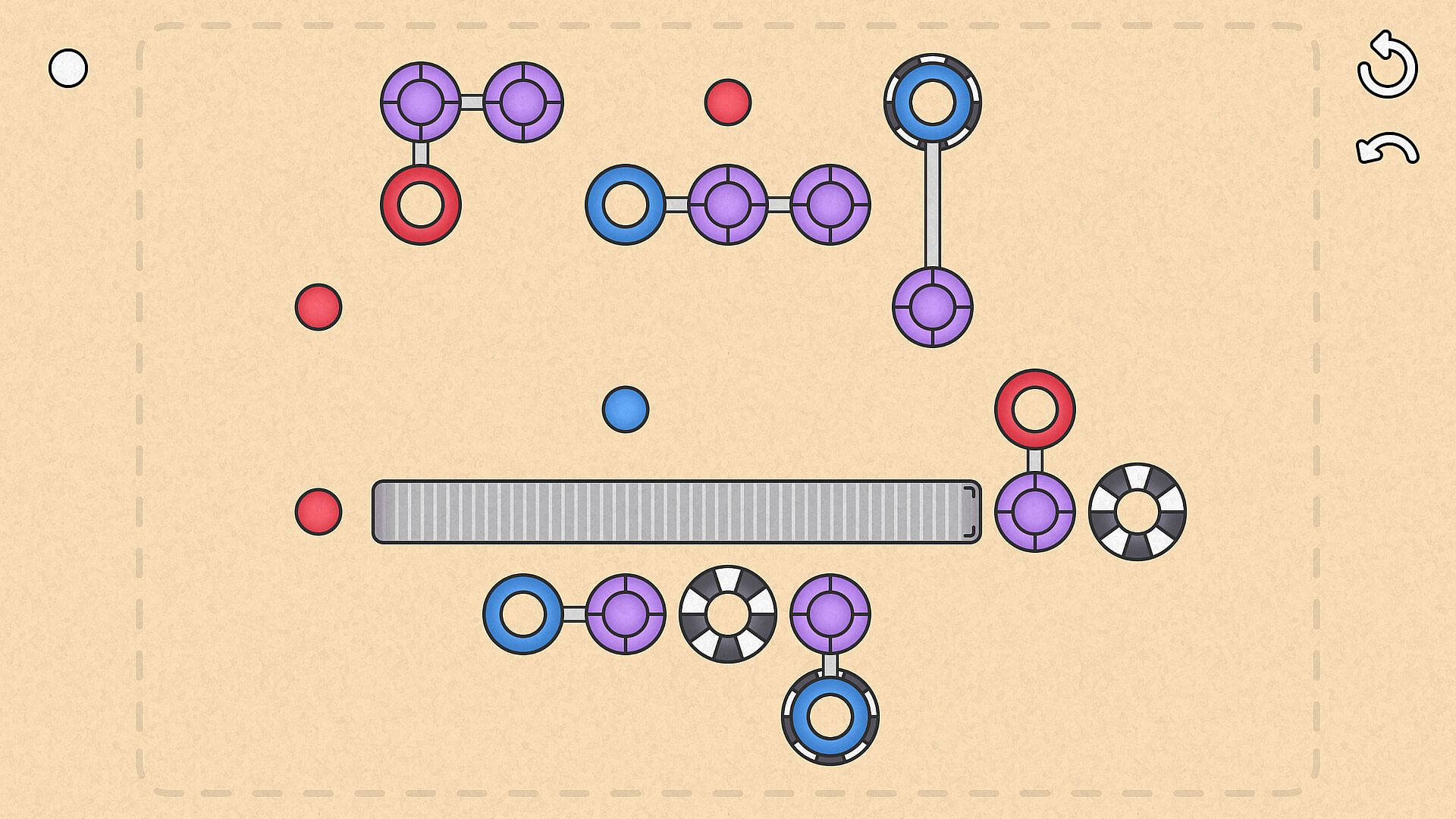
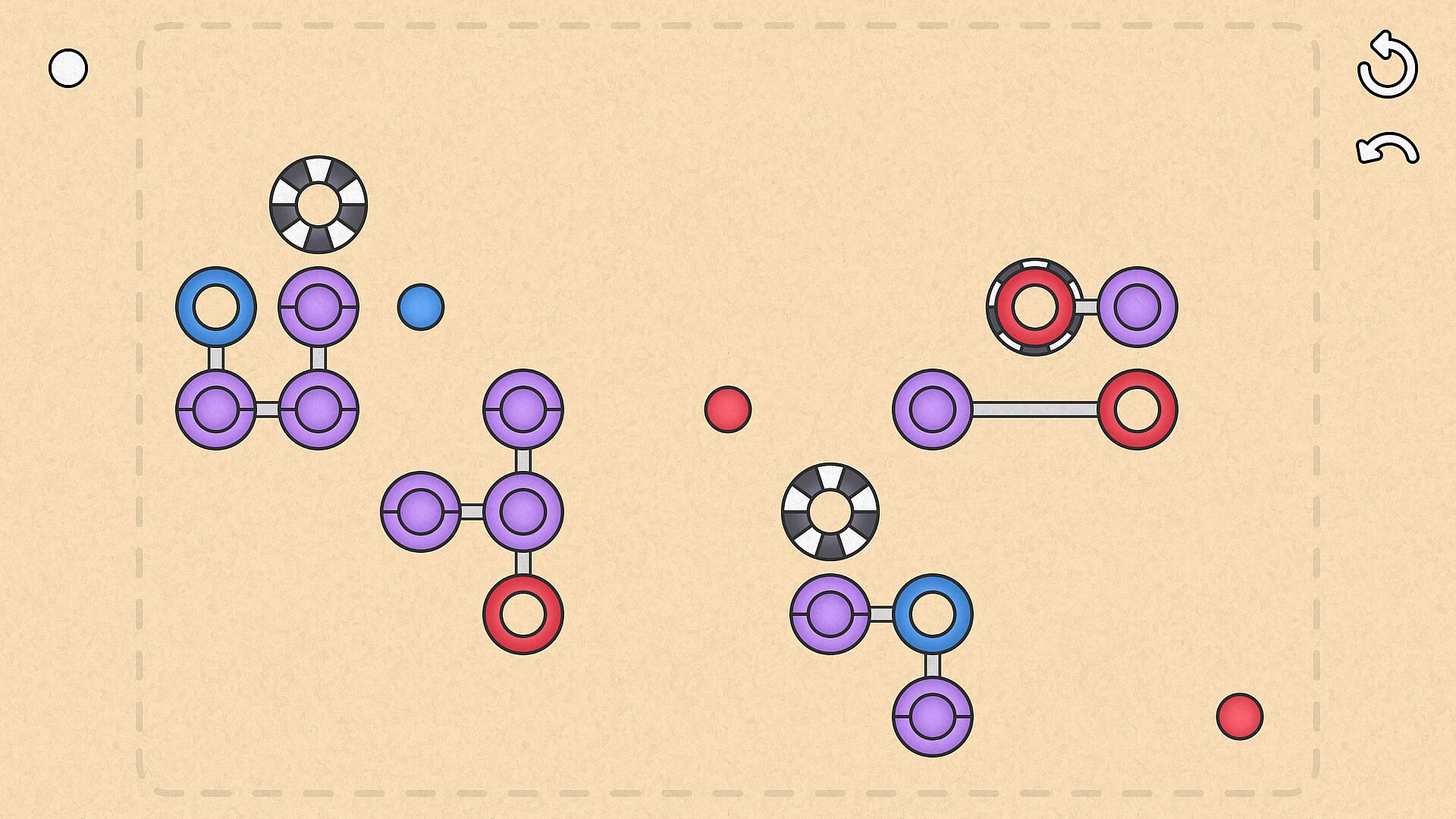
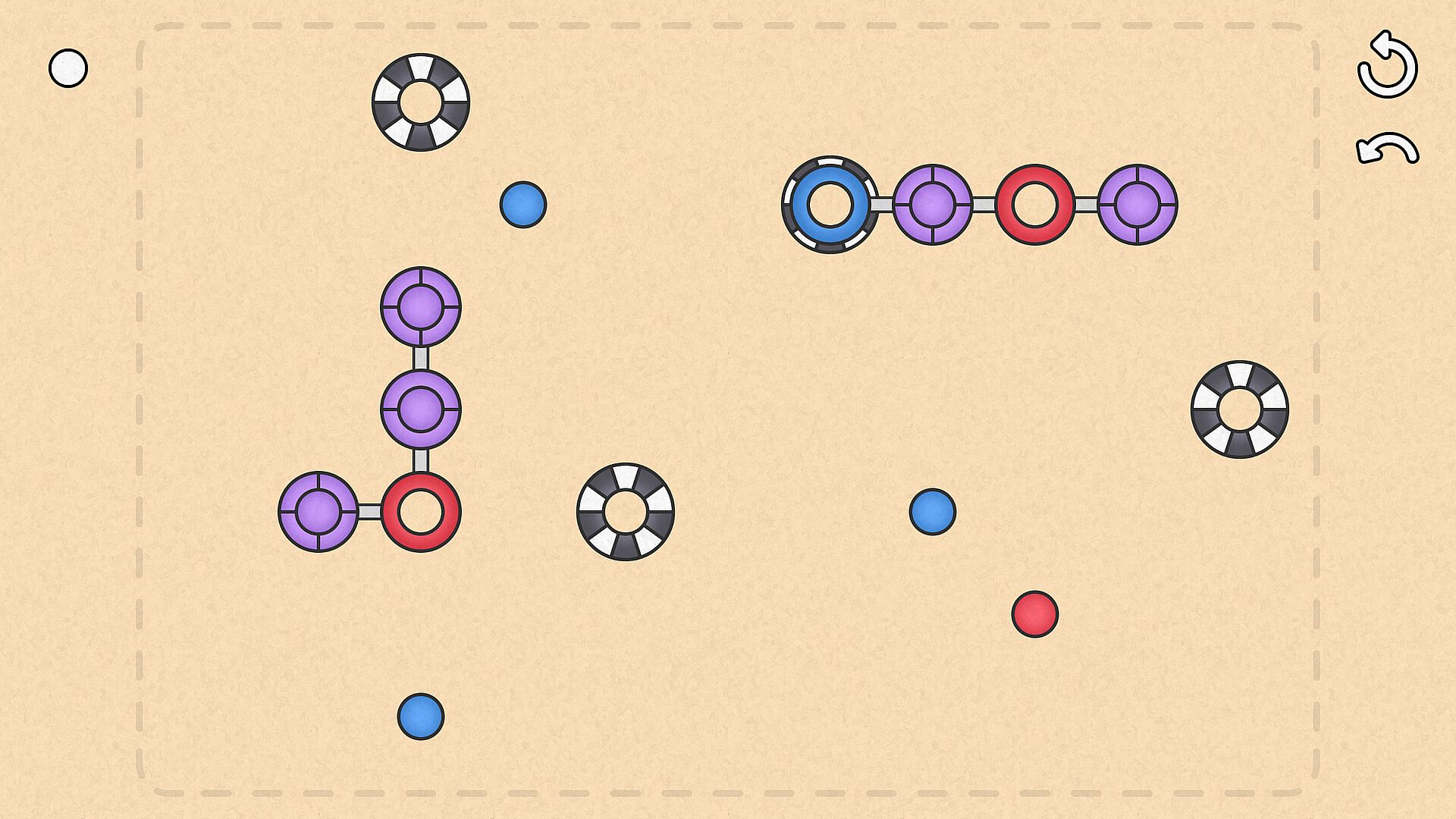
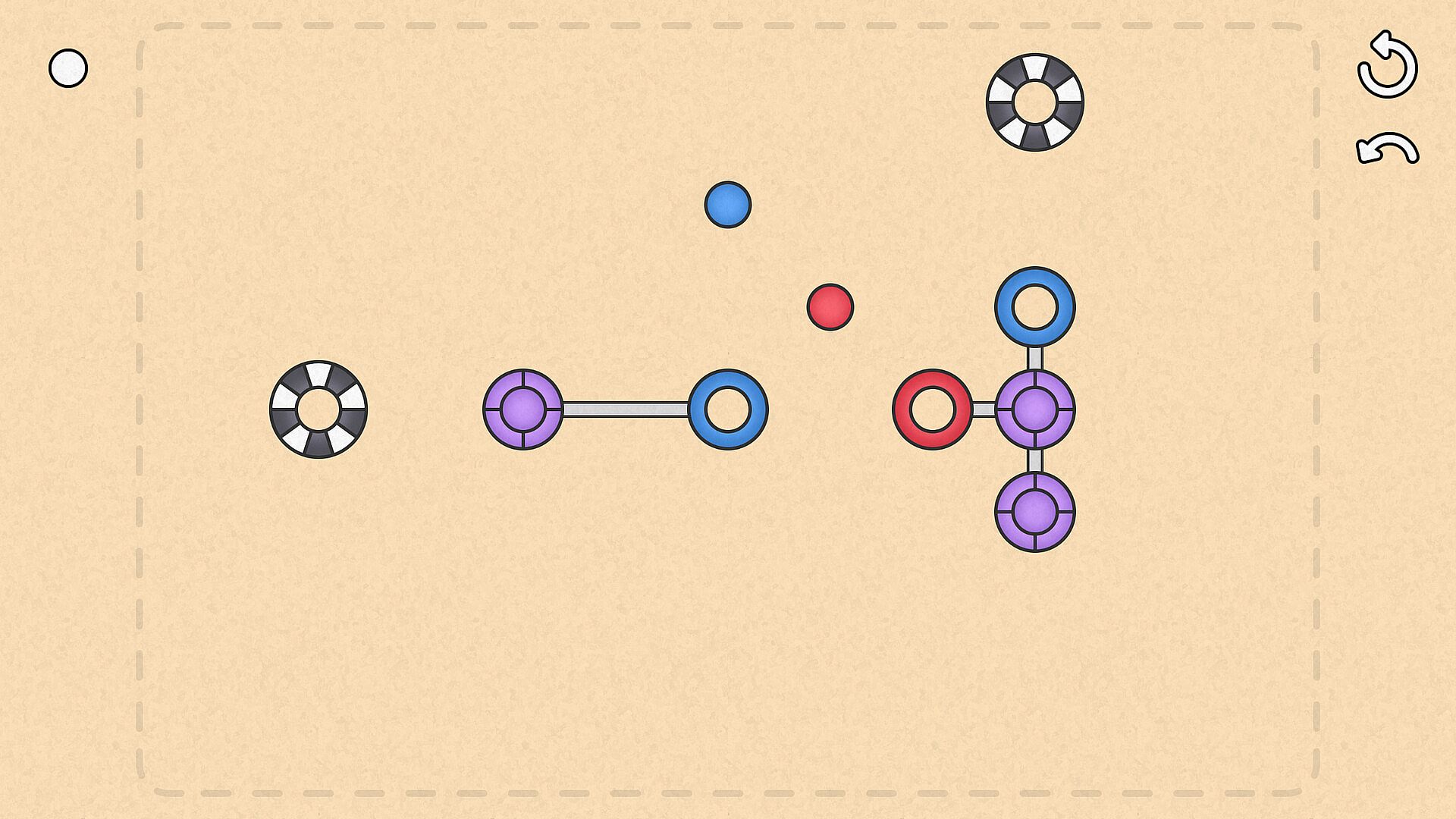
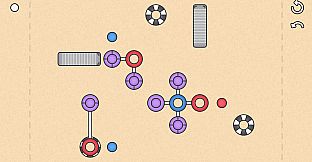
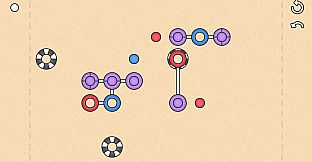
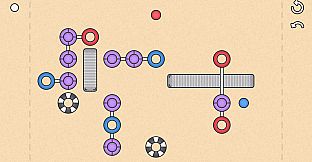
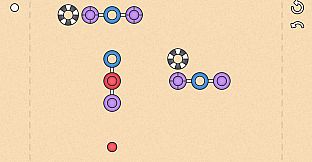
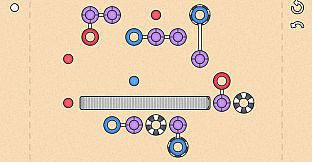
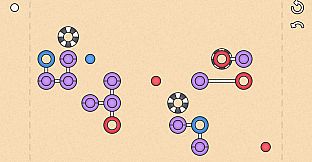
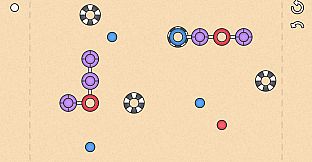
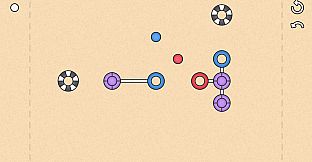
Netoo is a free to play indie casual puzzle game built around precise magnet placement and rotation mechanics. Players guide small magnets into designated target positions by manipulating larger transporter magnets through a series of rotator buttons. The experience emphasizes logical thinking within a clean, abstract environment where every action follows consistent magnetic rules.
Gameplay
The core loop centers on positioning transporter magnets so their poles interact correctly with the smaller target pieces. Rotating a transporter changes its orientation and the path available for movement. Opposite poles attract the smaller magnets along predictable lines while boundaries and obstacles limit options and force careful planning. Levels begin with straightforward arrangements that introduce basic rotation and attraction. As progress continues, new elements appear at regular intervals to layer additional constraints onto the same fundamental system.
Unlimited undo allows immediate reversal of any move without penalty, encouraging experimentation. The absence of text or on-screen instructions keeps focus entirely on visual cues and trial. Smooth animations highlight each rotation and slide, making the physical relationships between pieces easy to track even during complex sequences. Full gamepad support extends the same precise control to controller users, with responsive inputs that match the deliberate pace of puzzle solving.
Game Modes
Netoo offers a single-player progression through forty levels. The campaign divides naturally into segments where fresh mechanics enter every ten stages, shifting the rules without changing the underlying magnet logic. Early sections focus on basic rotation and attraction. Later sections introduce additional devices that expand movement possibilities while tightening spatial limits. The structure rewards steady advancement rather than separate modes or branches.
Each level functions as a self-contained challenge with fixed starting positions and clear goals. There are no timed elements, competitive ladders, or alternative play styles. The entire experience remains a continuous single-player journey that gradually raises difficulty through the introduction of those new mechanics at the ten-level marks.
Design and Presentation
The minimalist interface removes every unnecessary element so attention stays on the magnets and the grid. A peaceful color palette and restrained visual style support the relaxing tone described in the game's own materials. Sound design reinforces the calm atmosphere with subtle audio cues for rotations and placements. Steam Cloud saves progress across devices, and achievements track specific accomplishments such as completing early levels or executing particular rotations.
Three distinct mechanics underpin the full set of forty stages. These elements appear in sequence, each building on the previous ones to create increasingly intricate arrangements. The gradual rollout prevents sudden spikes while still delivering noticeable increases in challenge. Players who enjoy grid-based logic puzzles with clear cause-and-effect relationships will find the systems consistent and satisfying throughout.
Is It Worth Playing?
Netoo delivers a focused, short-form puzzle experience that lasts roughly one and a half hours for players who complete every level. Reviews on the platform where it launched rate the game very positively, with 97 percent of more than eighty user reviews marked positive. The combination of unlimited undo, smooth controls, and a steady difficulty curve makes it accessible to newcomers while still providing demanding later stages for experienced puzzle solvers.
The game suits anyone seeking a calm, single-player logic challenge without timers, multiplayer requirements, or extraneous features. Its free to play status removes any financial barrier, and the supporter pack adds no gameplay content. For fans of minimalist Sokoban-style or abstract grid puzzles, the verified mechanics and positive reception indicate a worthwhile investment of time. Those who prefer longer campaigns or competitive elements may find the scope intentionally narrow but well executed within its stated goals.