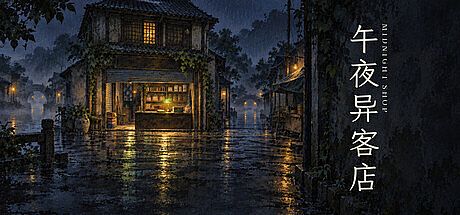


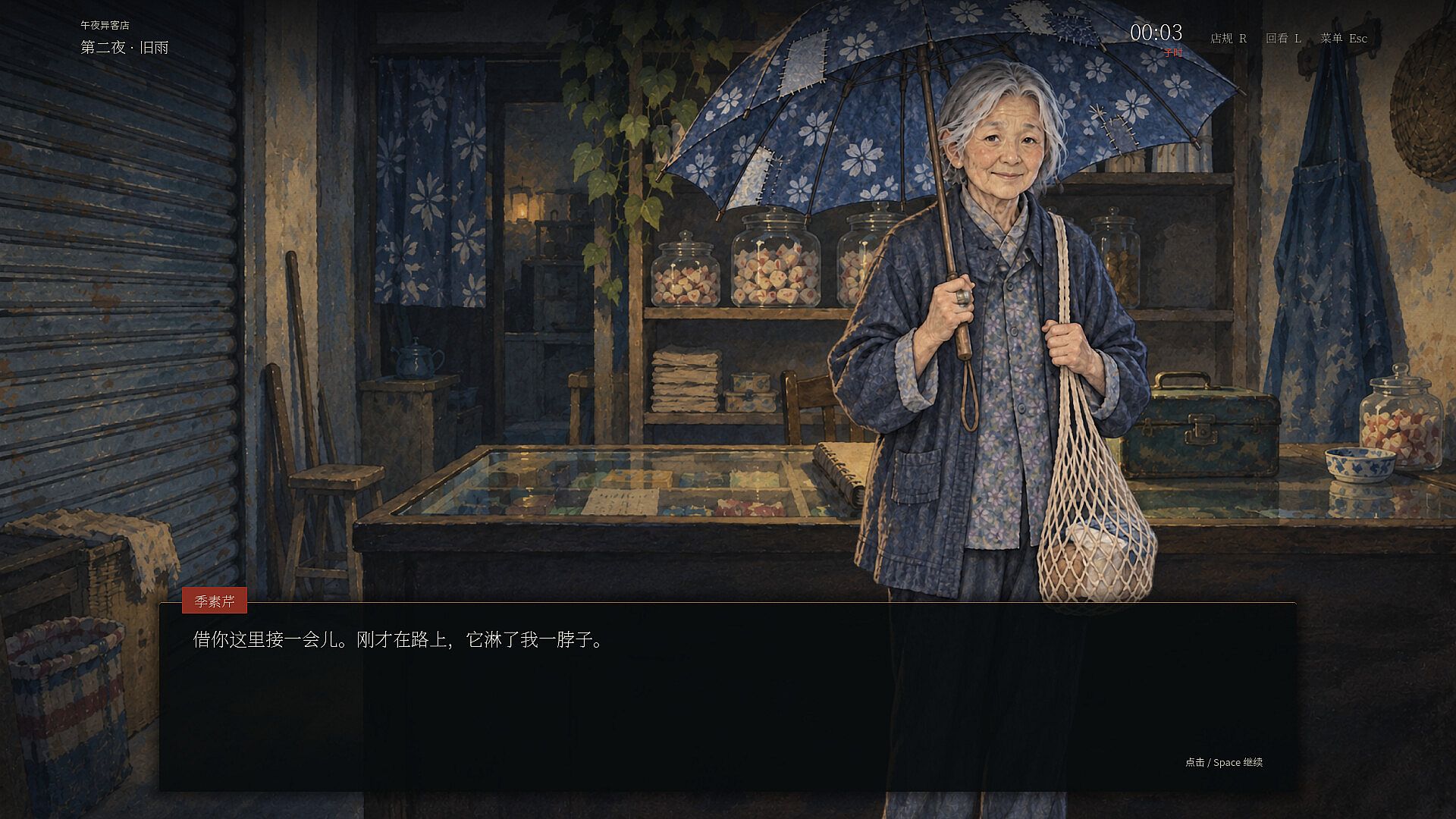
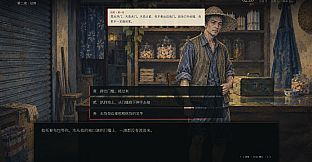
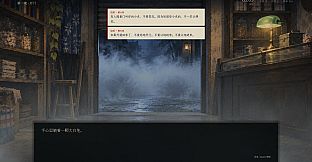
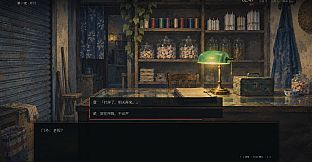
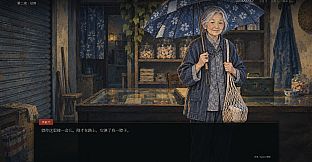
Midnight Shop is an indie adventure game set on PC that places players in the role of someone returning to a small southern town to manage a family general store after a personal loss. The experience unfolds over a series of nights at No. 17 Huai'an Lane, where the shop operates from midnight until dawn and serves an unusual clientele alongside its daytime goods like thread, candles, and White Rabbit candies.
Gameplay
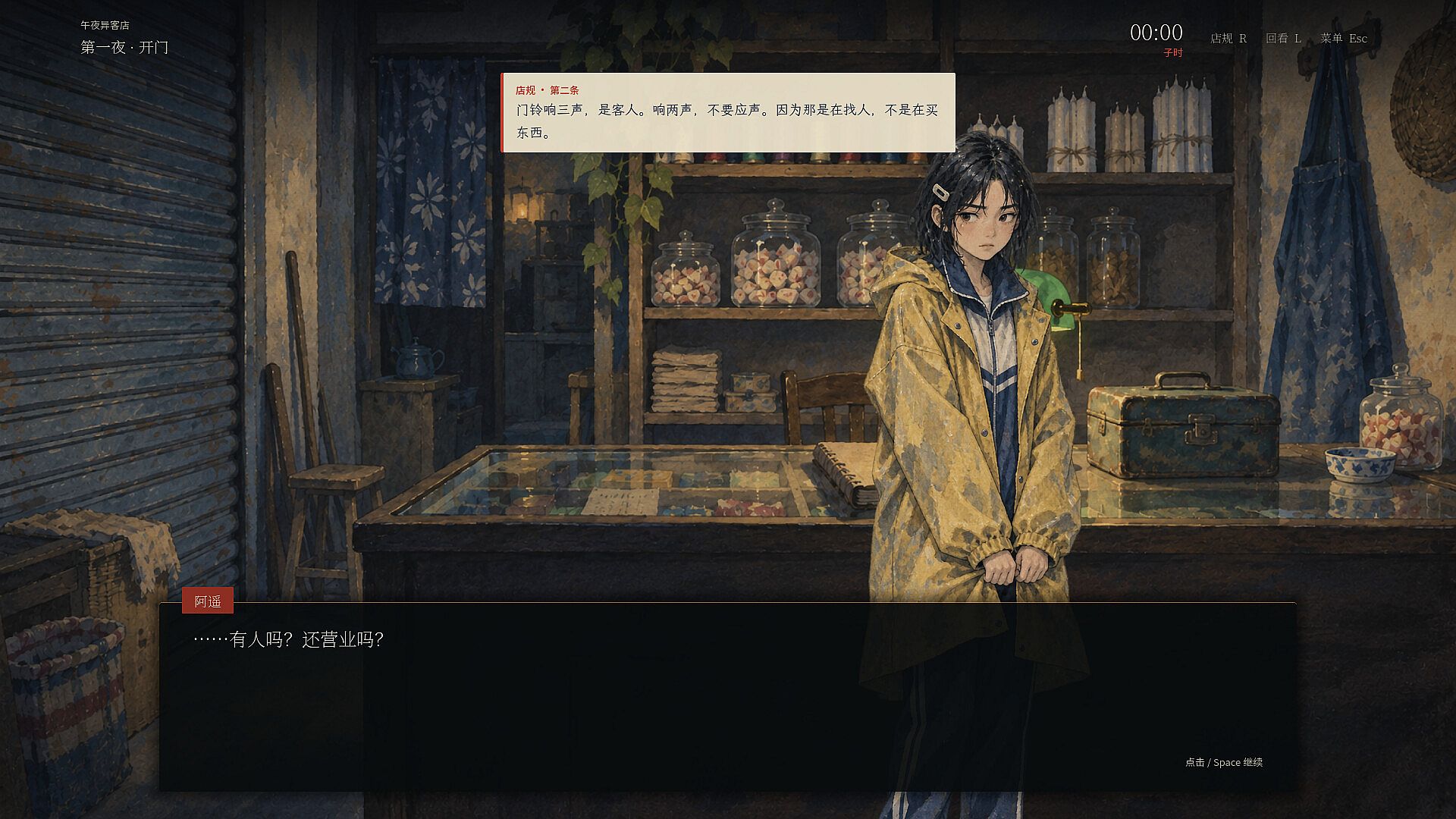
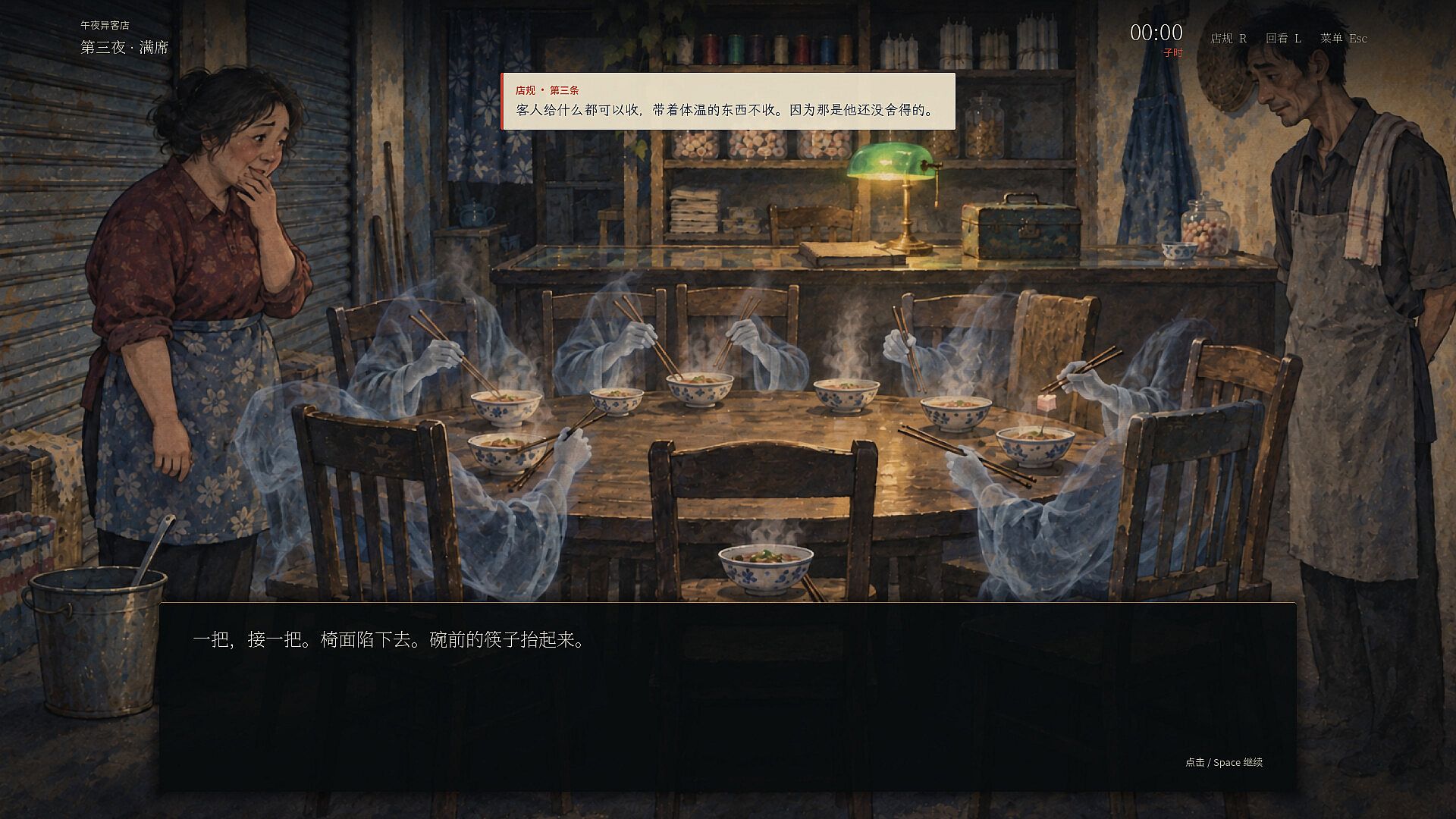
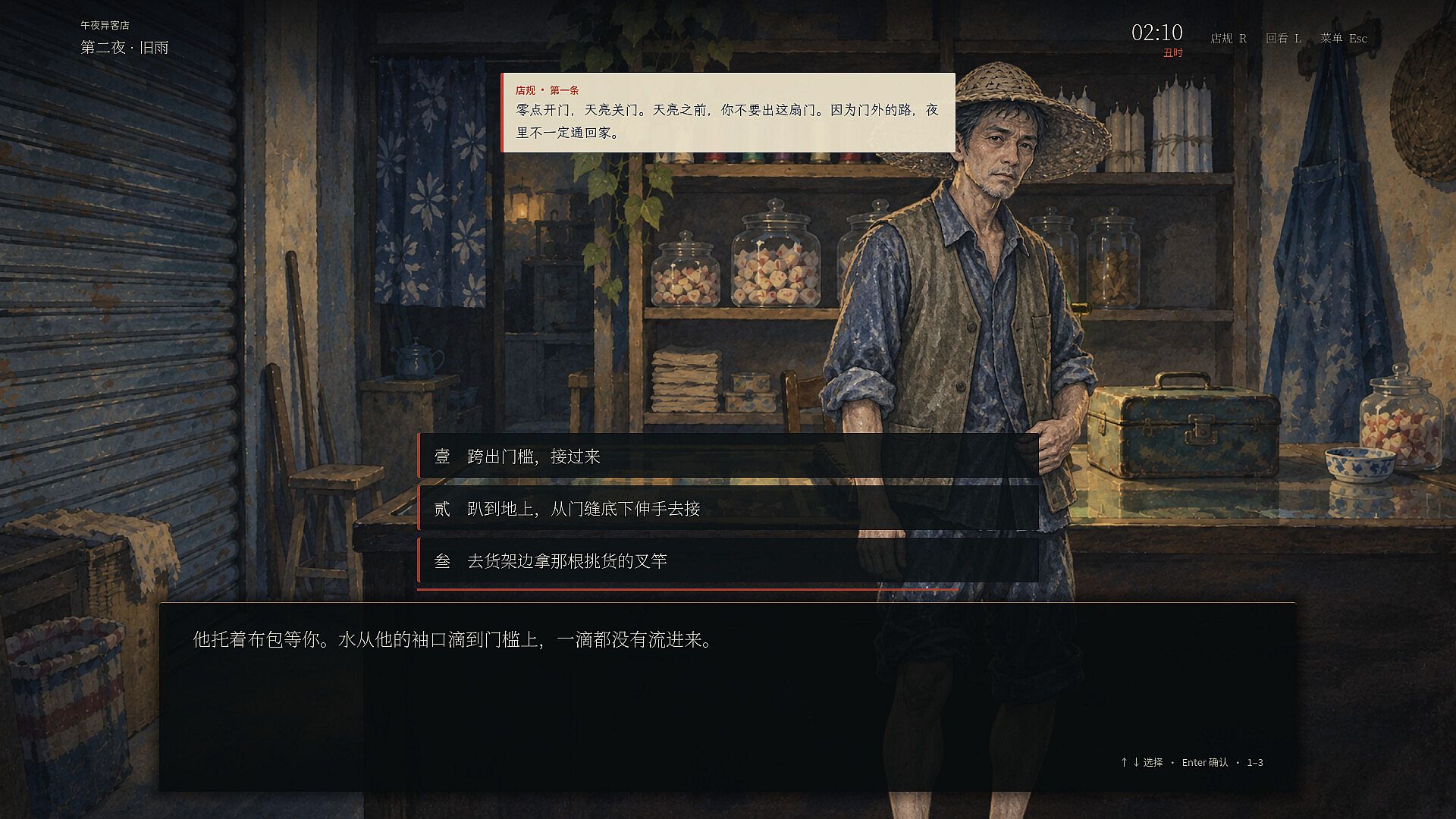
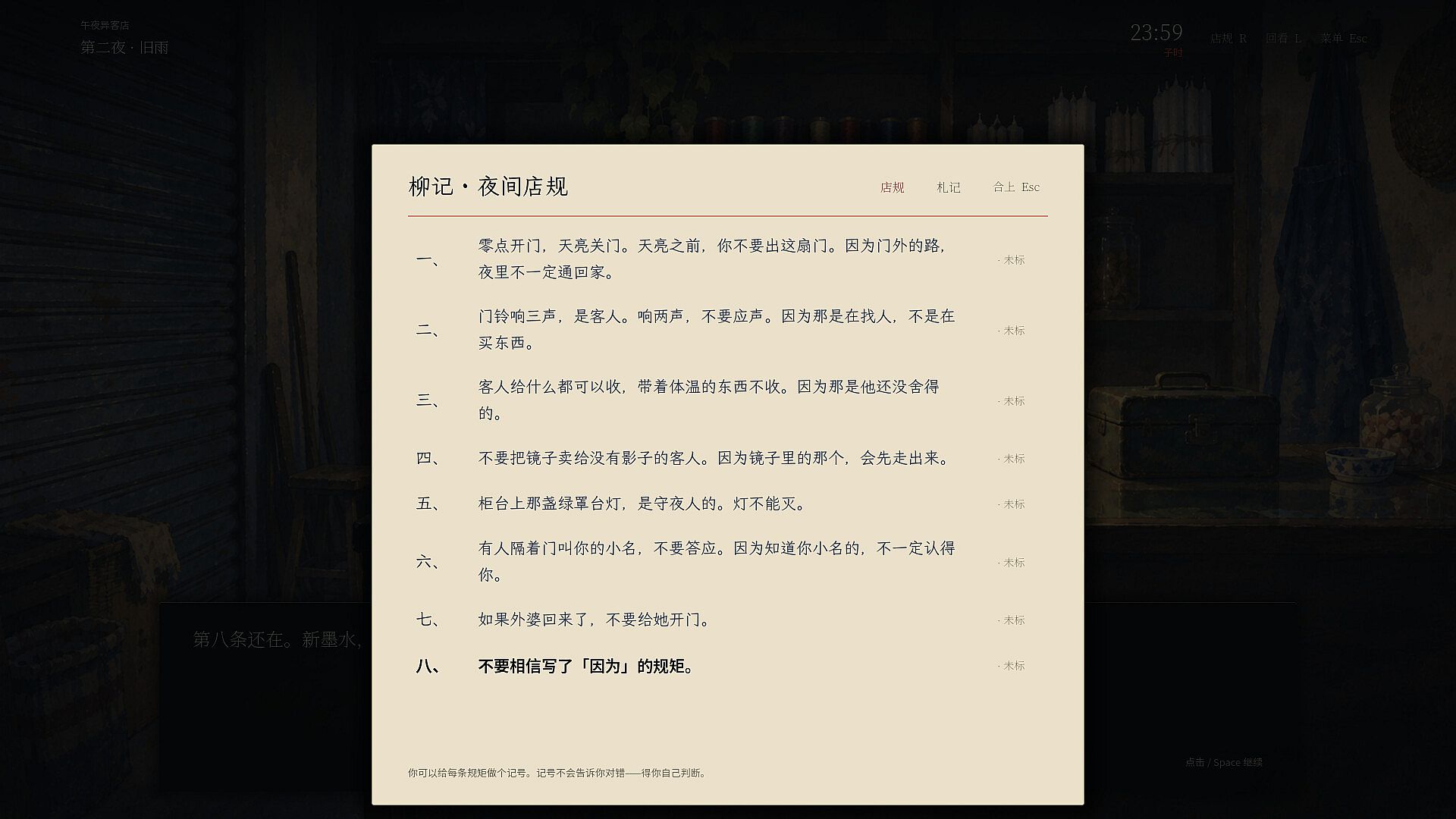
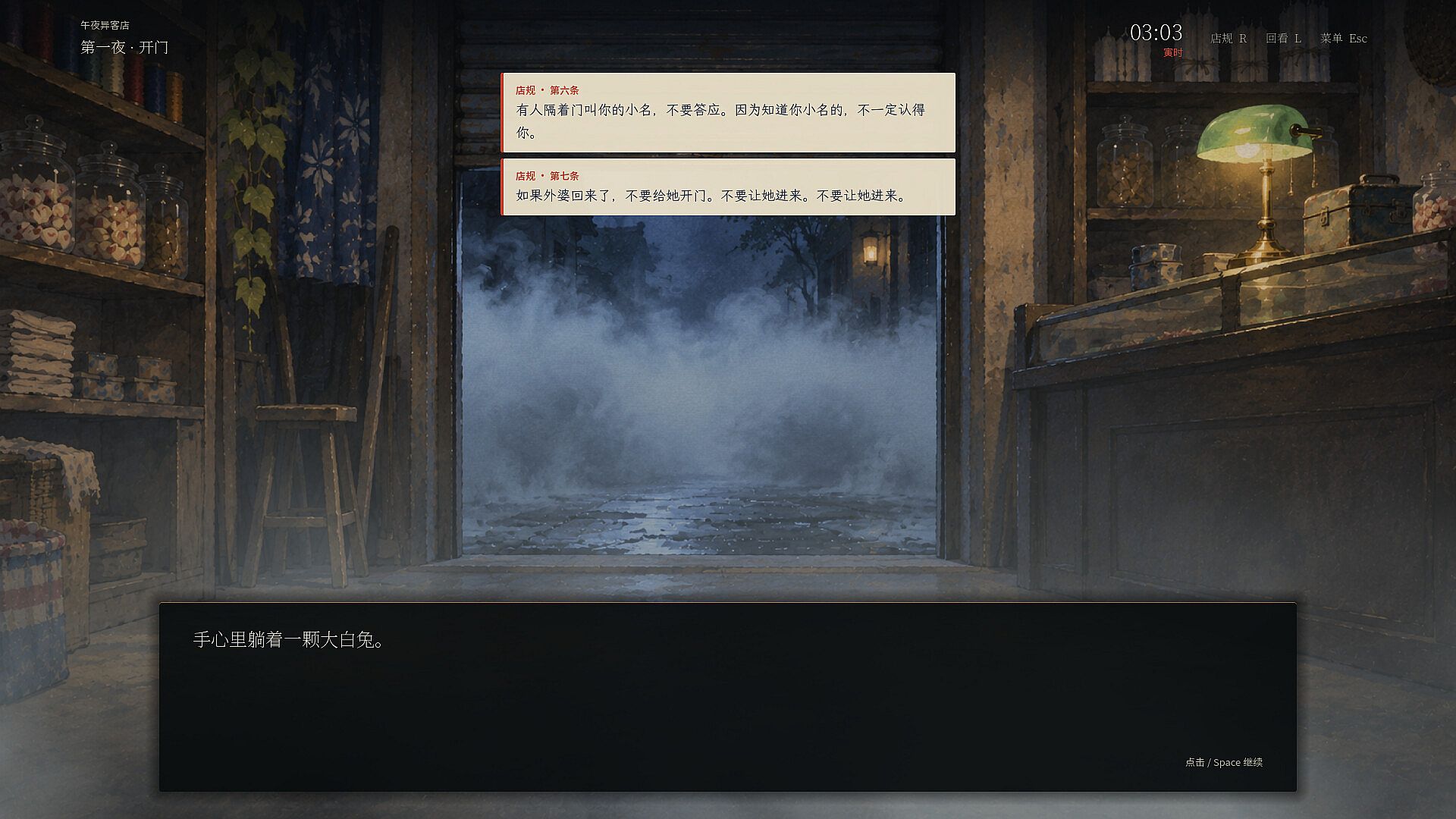
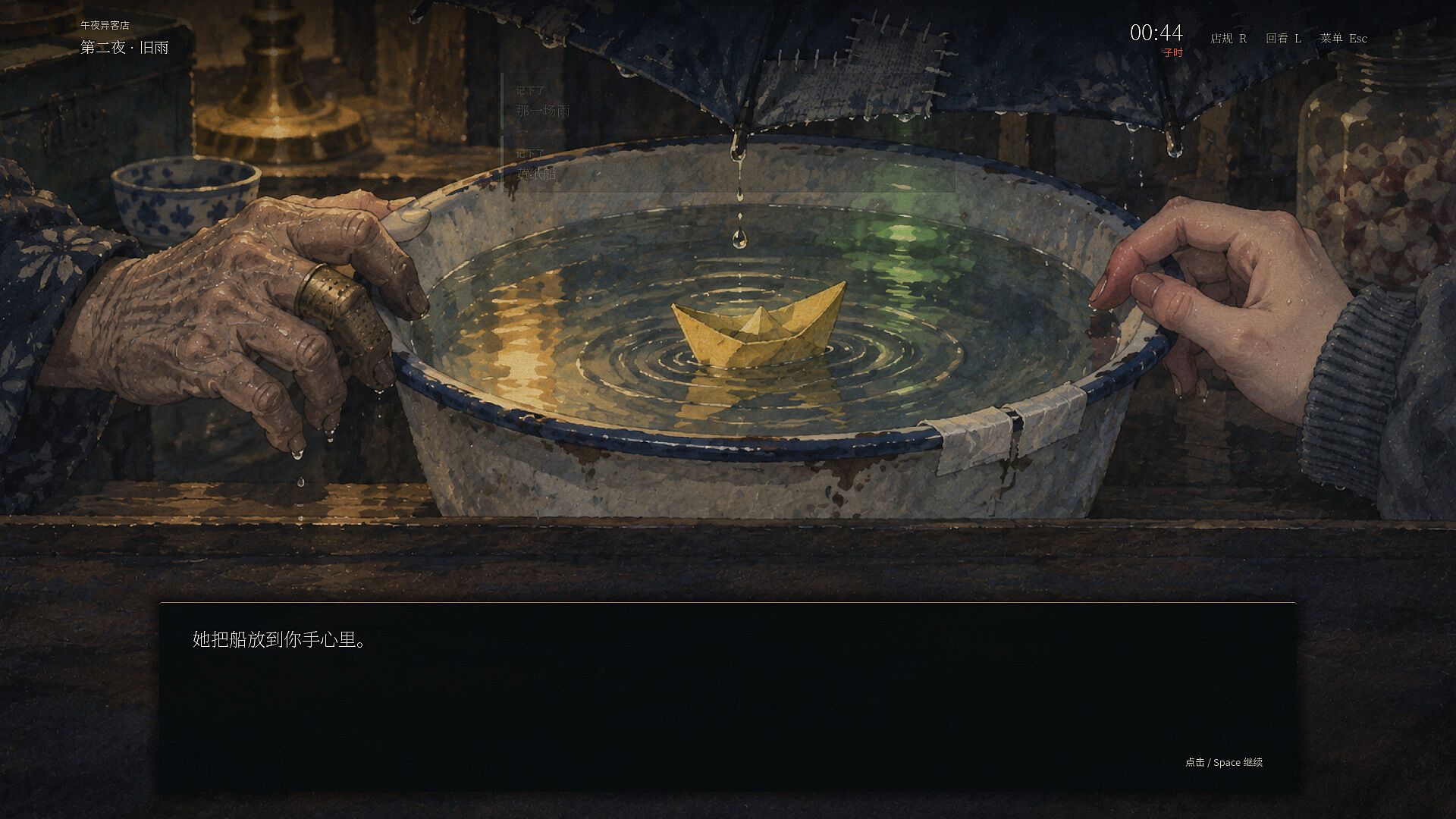
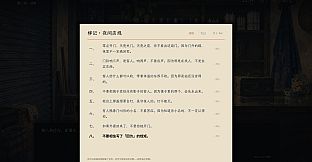
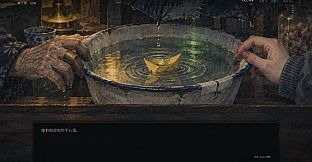
The core loop centers on operating the store during seven distinct midnights, with each playthrough lasting around two hours. Players examine a set of house rules written under the counter glass, some inherited from the grandmother and others added later. Deciding which rules to follow or break shapes how visitors are handled at the door. Each guest arrives carrying an unresolved attachment, such as an umbrella holding traces of past rain or a bowl of uneaten noodles, and interactions involve listening to their stories while weighing the consequences of the rules.
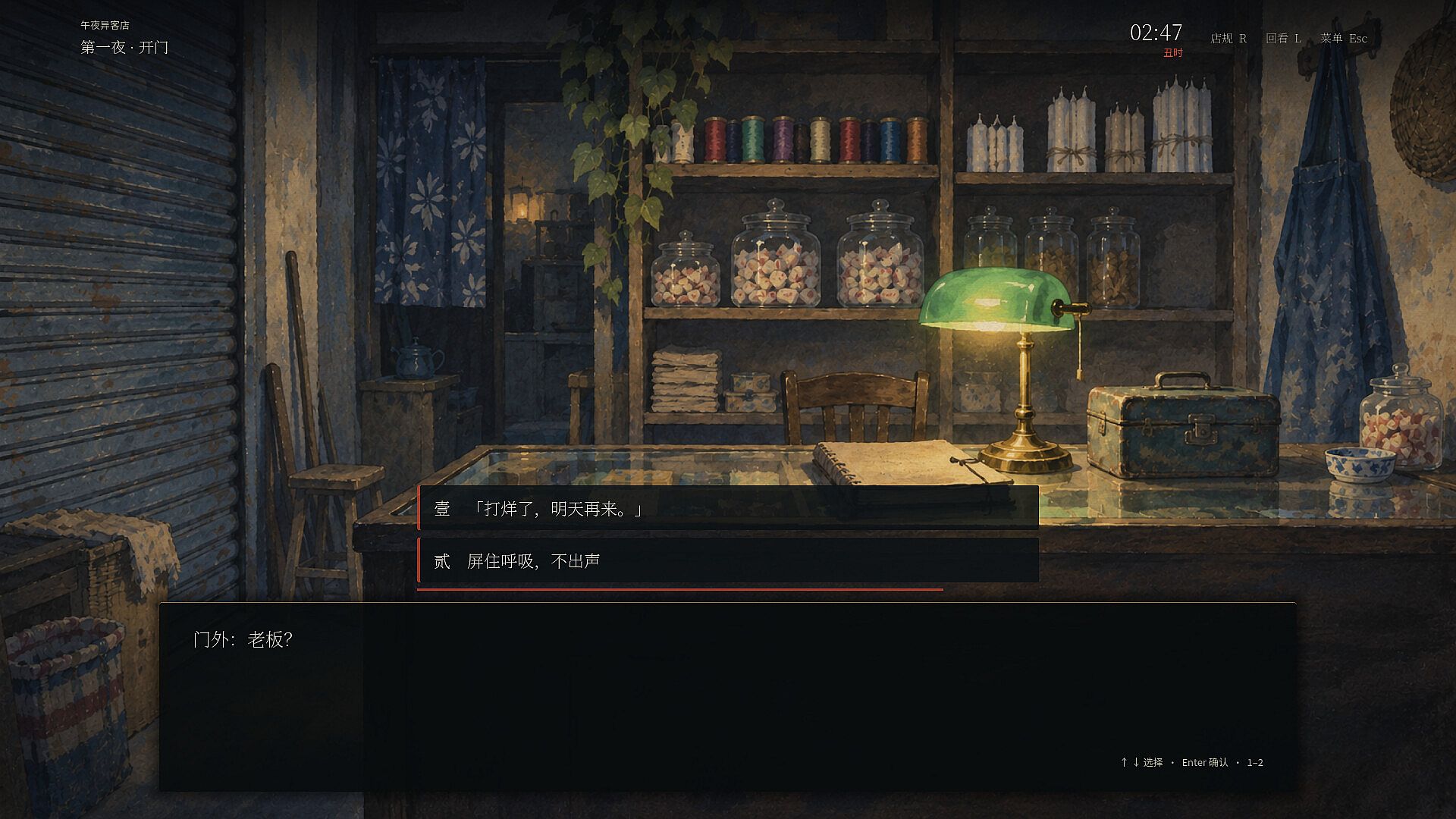
Timed decisions add pressure, as hesitation itself counts as a response. Choices made on one night influence later events, creating a web of consequences that players track across the sequence. The game emphasizes careful observation and personal judgment over combat or resource management, with the narrative exploring themes of death, bereavement, and psychological tension through these encounters.
Game Modes
Midnight Shop operates as a single continuous narrative adventure without separate modes or multiplayer elements. The structure revolves around progressing through the seven nights while managing rules and visitor interactions. After reaching any ending, players can rewind to previous nights and adjust earlier choices to explore different paths. This design supports repeated playthroughs focused on discovering how rule decisions and visitor outcomes interconnect.
Narrative and Endings
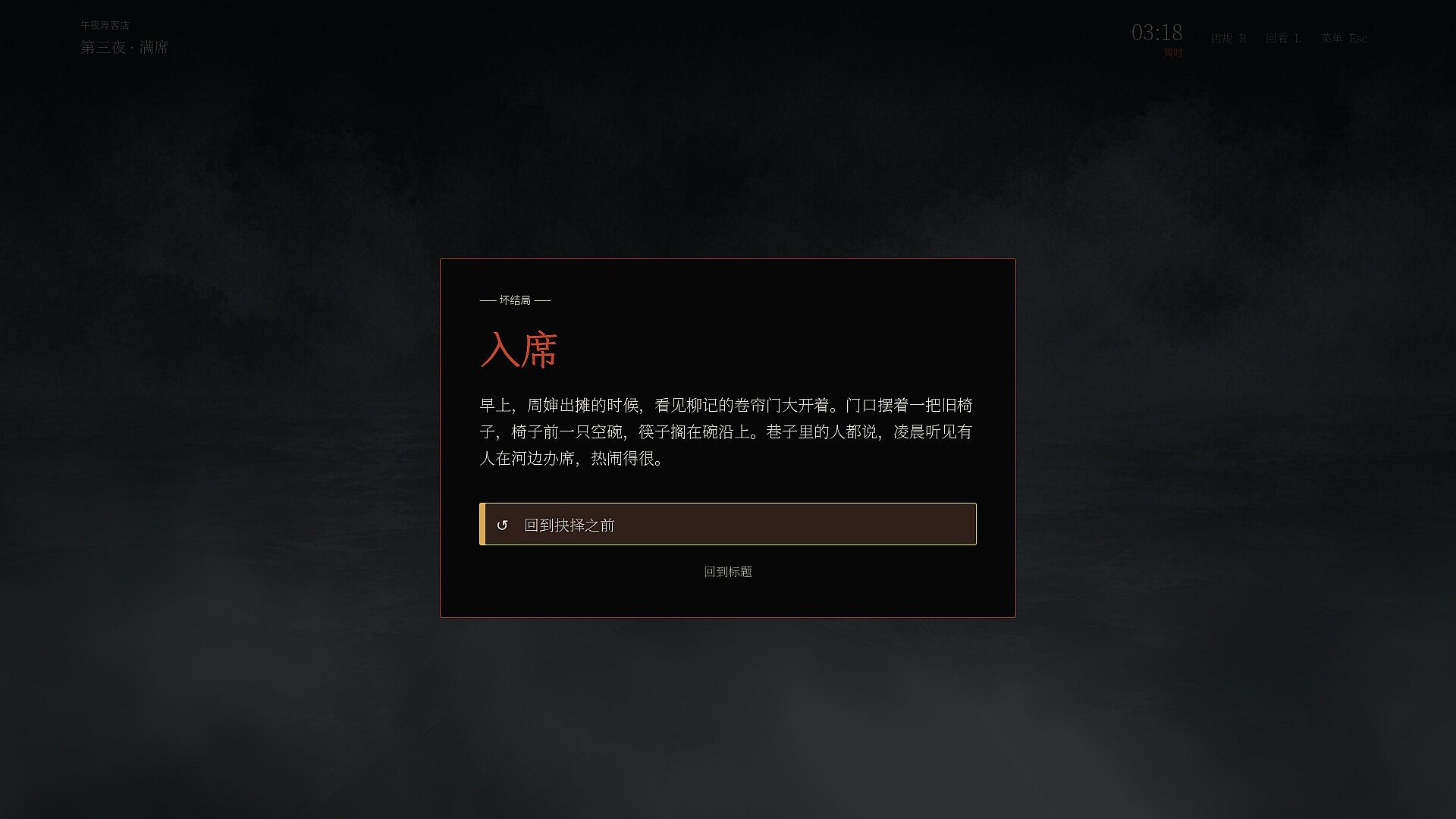
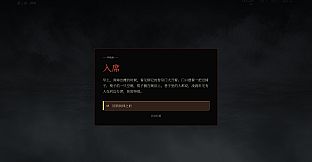
The story begins seven days after the grandmother's disappearance, with the player arriving to handle her affairs and reopen the shop. Visitors bring personal burdens that players can address or turn away based on the rules. These interactions build toward conclusions that reflect the cumulative impact of decisions made each night. The game includes five main endings alongside 21 bad endings, allowing players to rewind directly from a bad ending to the choice that led there and try again.
After completing an ending, the option to return to any prior night with the choices from that run preserved encourages experimentation with different rule interpretations and visitor resolutions. The presentation uses Chinese watercolor artwork and twelve atmospheric music tracks to support the quiet, introspective tone of the southern town setting.
Accessibility and Technical Features
Practical options include autosave, adjustable interface scaling from 100 to 200 percent, and toggles to disable screen shake and flashes. Partial controller support is available. All in-game text remains in Simplified Chinese, which shapes the experience for players comfortable with that language.
Is It Worth Playing?
Midnight Shop suits players interested in short, choice-driven narrative adventures that emphasize psychological themes and personal decision-making. The seven-night structure and rewind mechanics provide clear replay value for those who enjoy exploring multiple endings and testing different approaches to the rules. The focus on bereavement and unsettling visitor encounters delivers a contained experience without requiring long commitments. Availability is limited to PC with text exclusively in Simplified Chinese, so language access determines suitability. Those drawn to atmospheric indie titles centered on quiet tension and branching consequences will find the mechanics and structure align directly with that preference.