

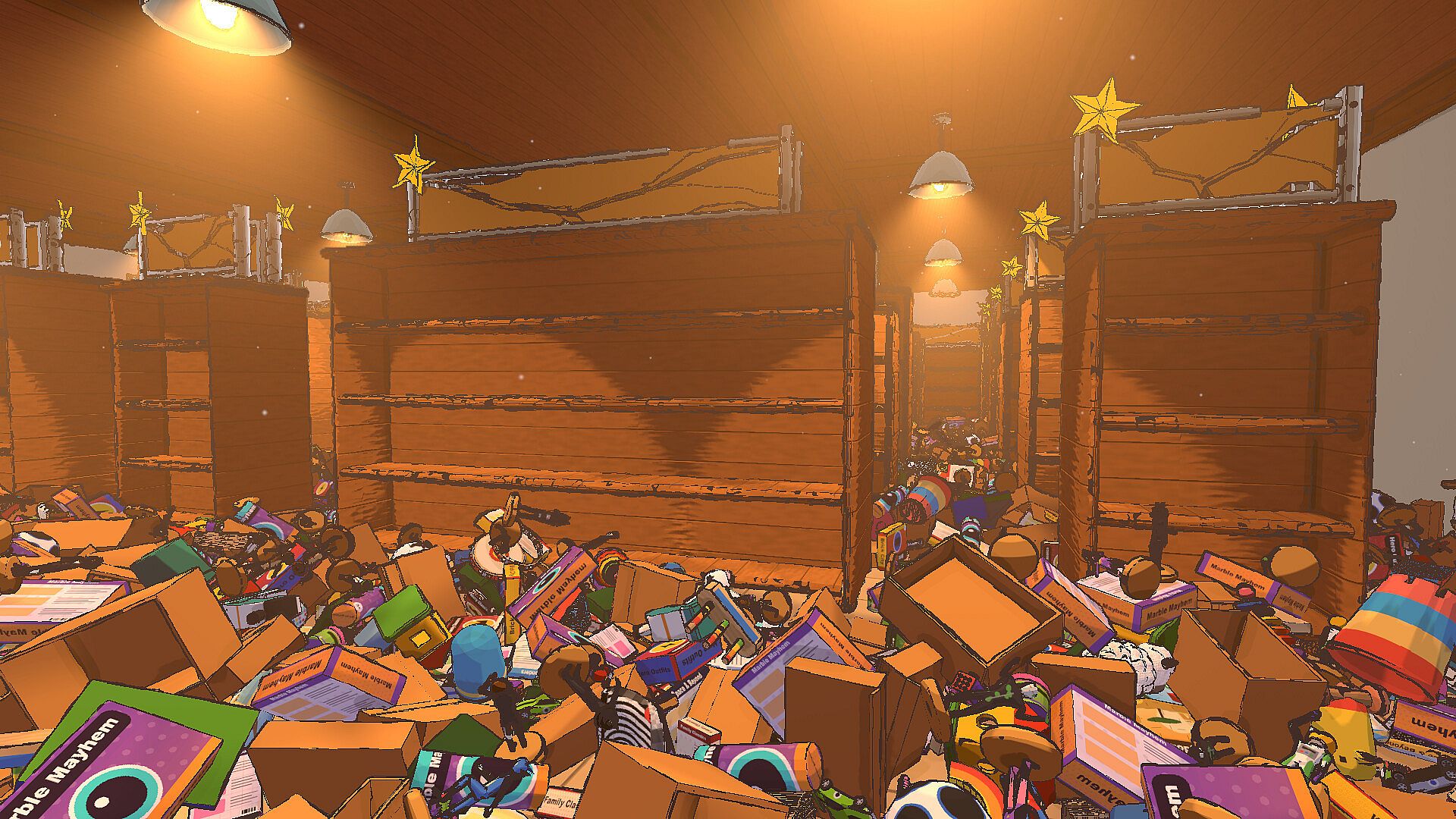
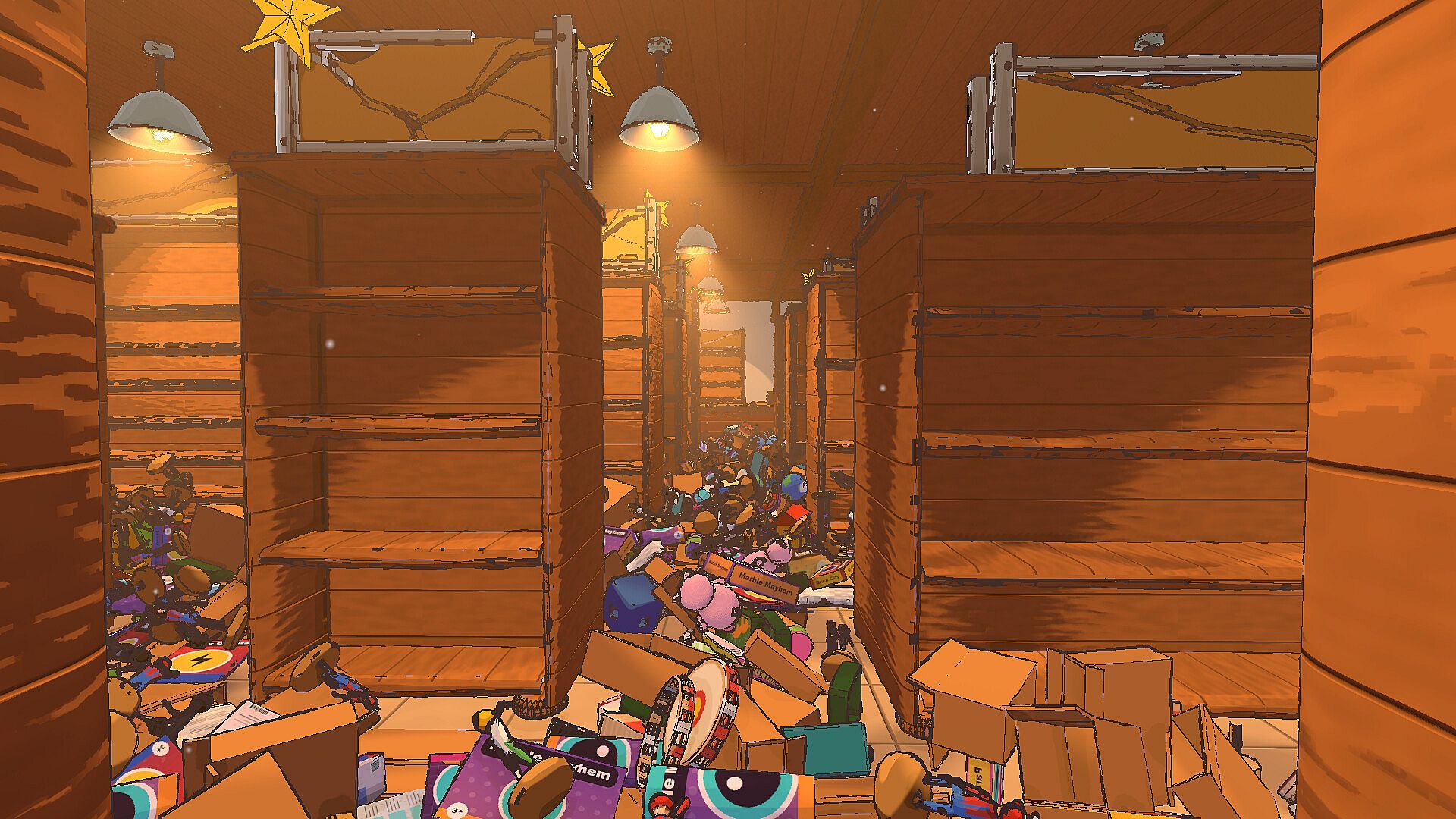
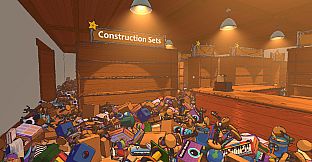
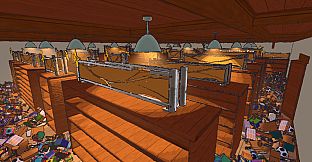
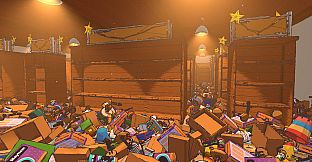
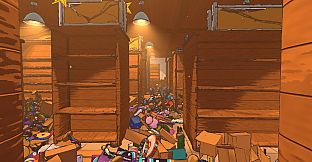
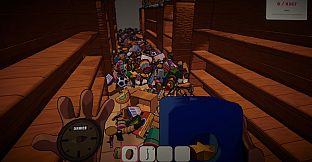
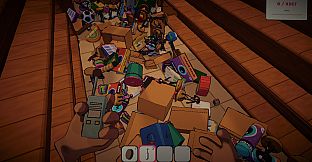
Little Mess: Tidy a toyshop is a casual simulation game for PC in which players restore order to a disheveled toy shop by collecting scattered items and returning them to their proper places. The experience centers on methodical organization in a first-person view, with no combat, timers, or failure conditions to interrupt the process.
Gameplay
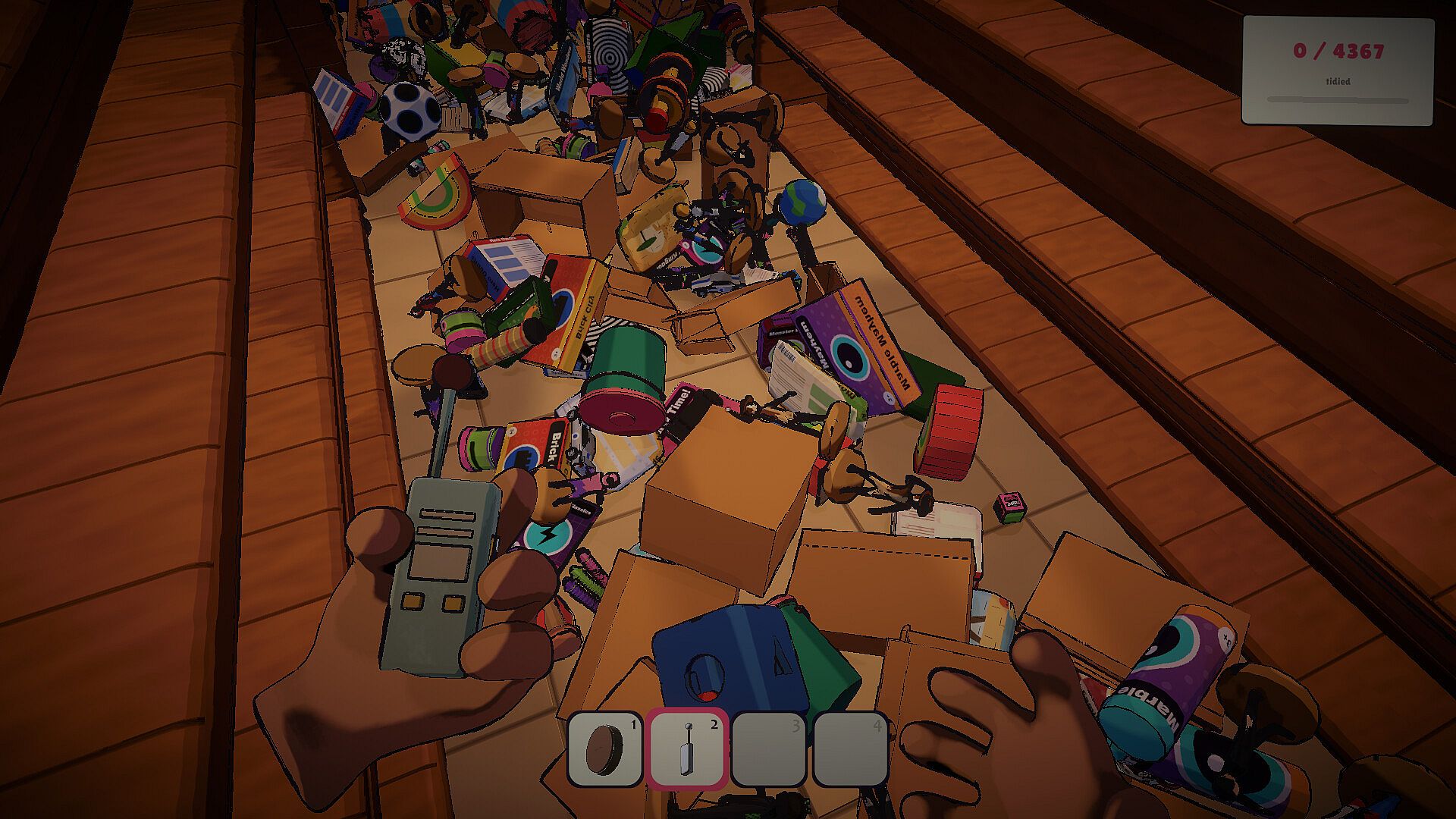
The core loop involves moving through the aisles of a single toy shop, picking up toys that have been knocked to the floor or left in the wrong sections. Each item belongs in a specific location, such as plush toys on dedicated shelves or race cars grouped together. Some toys require an extra step of locating the correct box first, packing the item inside, and then carrying the boxed toy to its final spot. Boxes themselves can tip over, and certain toys roll away if not handled carefully, adding small layers of interaction without introducing pressure.
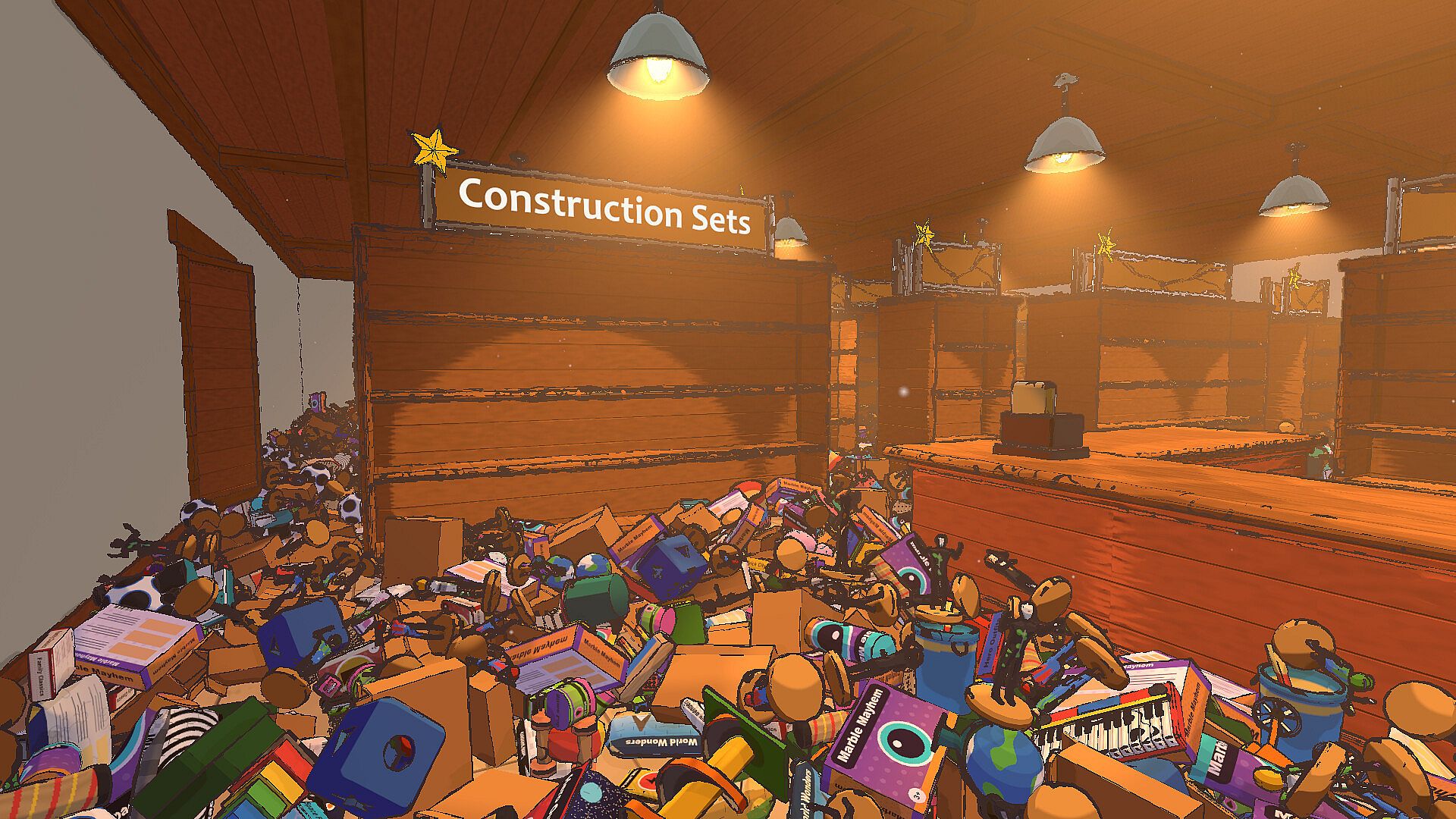
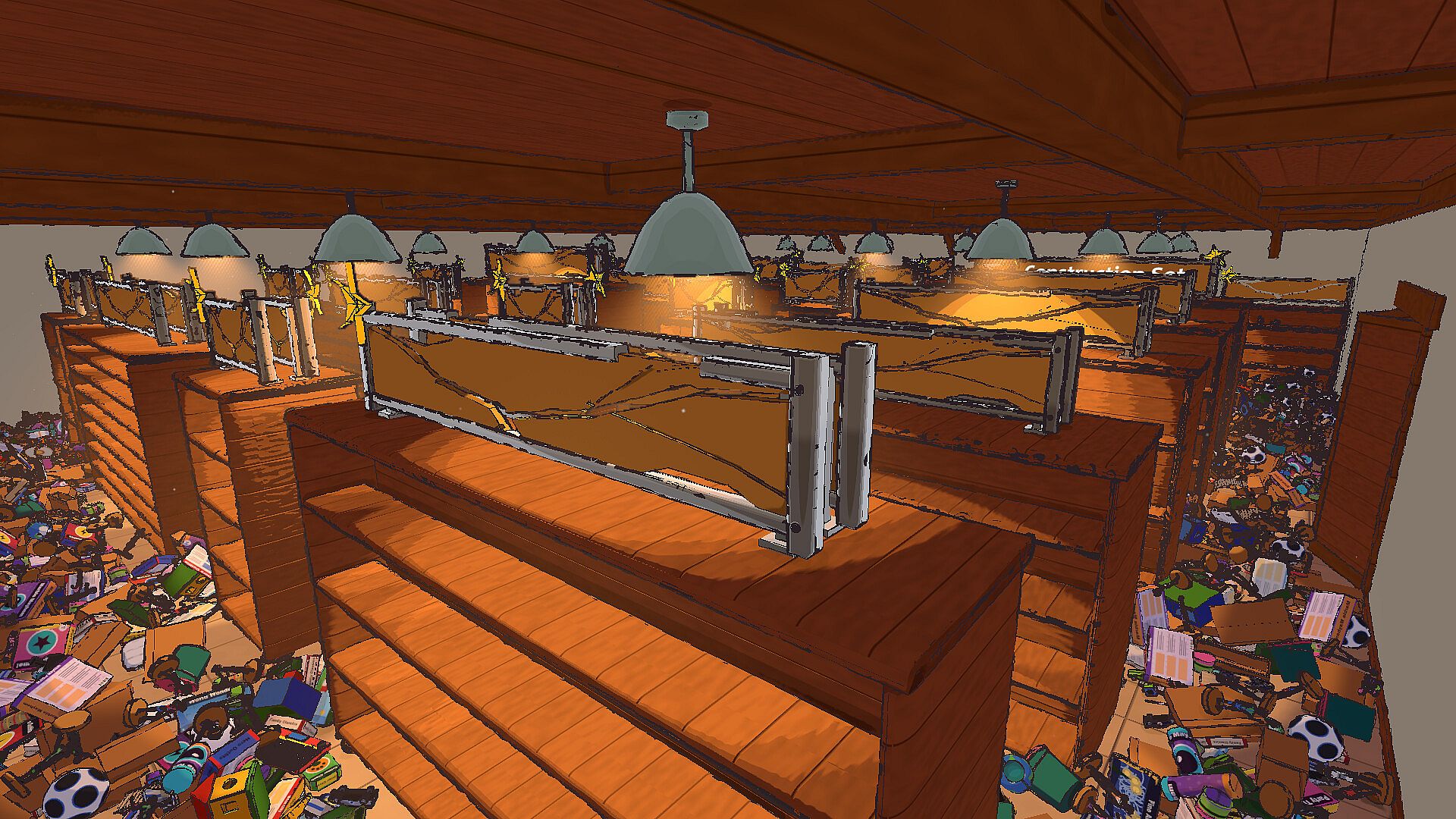
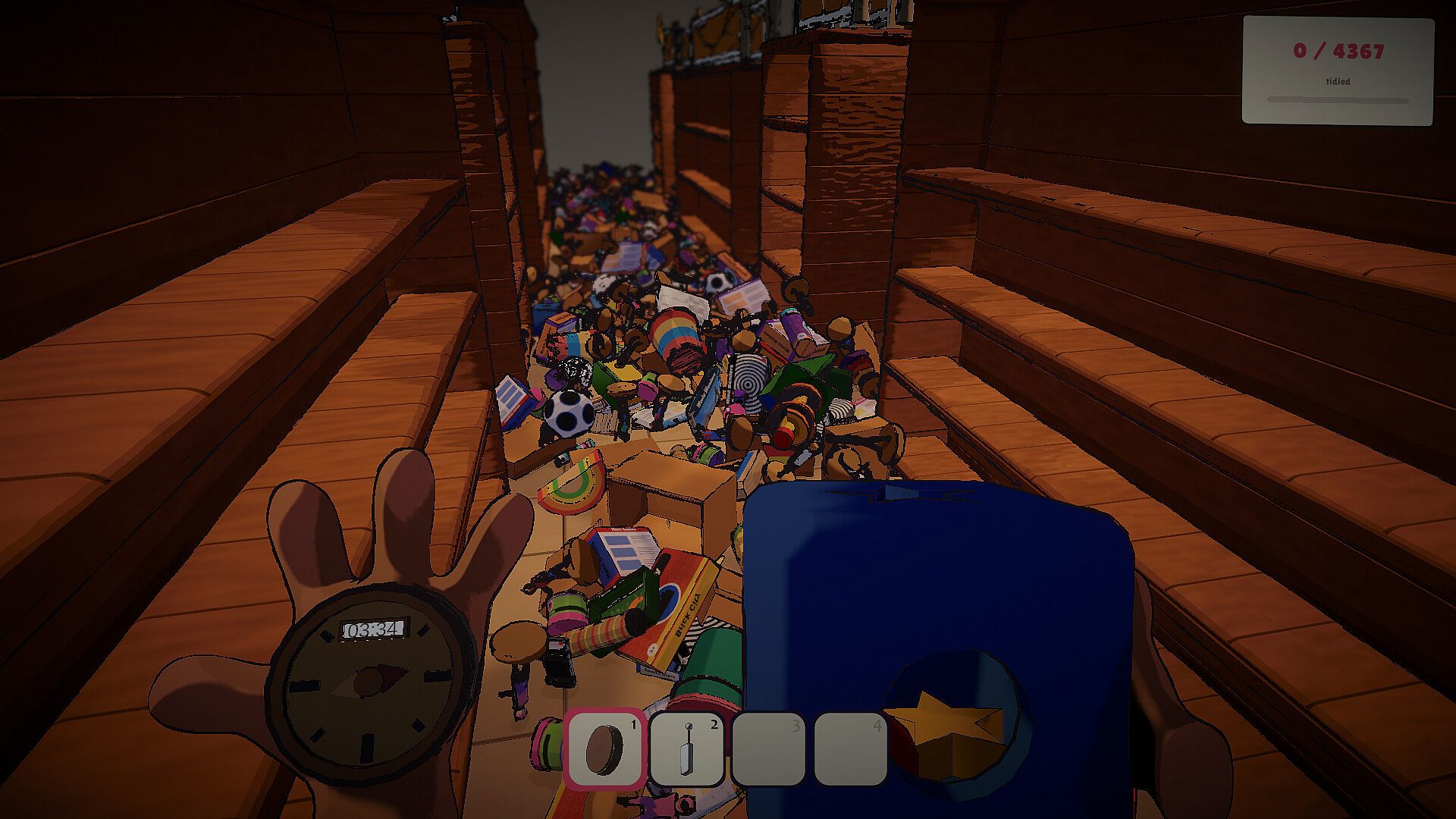
Department signs start broken, making it harder to identify sections at the beginning. Progress comes from completing areas, which allows players to repair signs and gradually reveal the layout. Six upgrades become available by fully stocking gold-star departments. These include a compass that directs players to the correct shelf for a held toy, a radar that increases beeping speed near the right spot, a signwriter tool for fixing signs, the ability to carry two small toys simultaneously, a sprint option for faster movement through the aisles, and labels that display the name of any toy currently held. Each upgrade arrives with a simple visual guide explaining its use.
The shop itself features hand-painted visuals with details like flickering lamps and light beams that shift as the space is cleaned. A total of 4,367 toys, 623 boxes, and 25 departments form the scope of the task. The environment slowly brightens and organizes as work continues, emphasizing the satisfaction of incremental progress in a relaxed setting.
Game Modes
The game offers a single-player experience focused entirely on the tidying process within one connected toy shop environment. There are no separate modes, levels, or variations beyond the main campaign of restoring the full store. Players advance by completing departments at their own pace, with the ability to save progress at any moment and return later without restrictions.
Key Mechanics and Features
Mechanics revolve around spatial awareness and categorization. Players must recognize patterns, such as grouping action figures in cabinets or board games in their designated areas, while managing carrying capacity and navigating around obstacles like fallen boxes. The absence of time limits or scoring systems keeps the focus on deliberate placement and exploration of the shop's nooks and crannies.
Additional elements include toys that interact with the environment, such as those that roll when dropped, and the gradual restoration of visual details like repaired signs and filled displays. The hand-made aesthetic covers a range of items including drones, puzzles, and trading cards, all rendered in a consistent cartoony style that highlights the cozy atmosphere.
Is It Worth Playing?
This title suits players who enjoy unhurried organization and simulation games where the reward comes from completing a large, contained task. The single-player structure and lack of competitive or timed elements make it accessible for short or extended sessions. Since the game remains in a pre-release state with no user reviews available yet, its appeal depends on interest in the described mechanics of sorting thousands of items and unlocking functional upgrades. Those drawn to similar cozy tidying experiences will find a focused, self-contained activity here without additional layers or ongoing content updates confirmed at this time.