




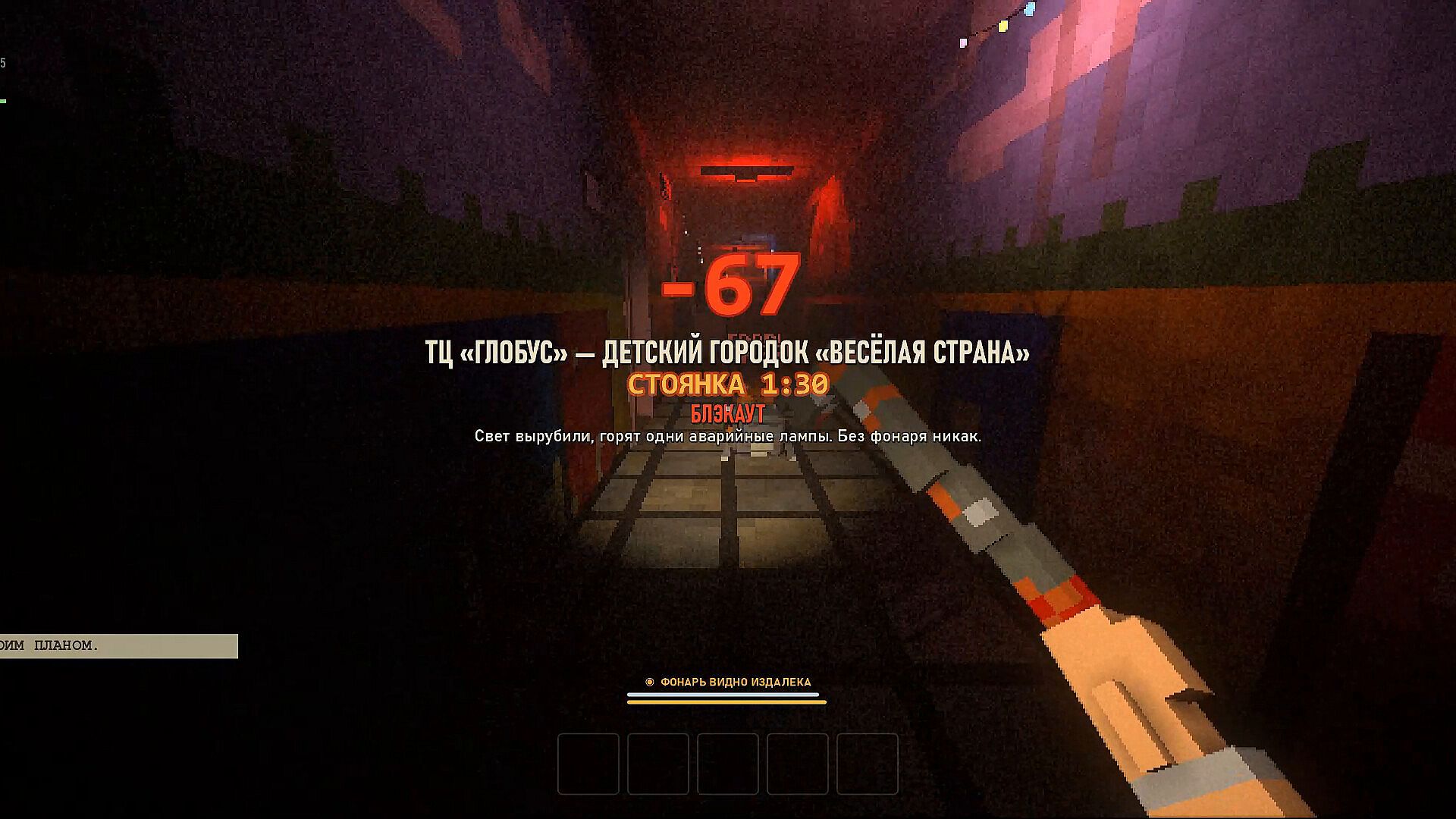
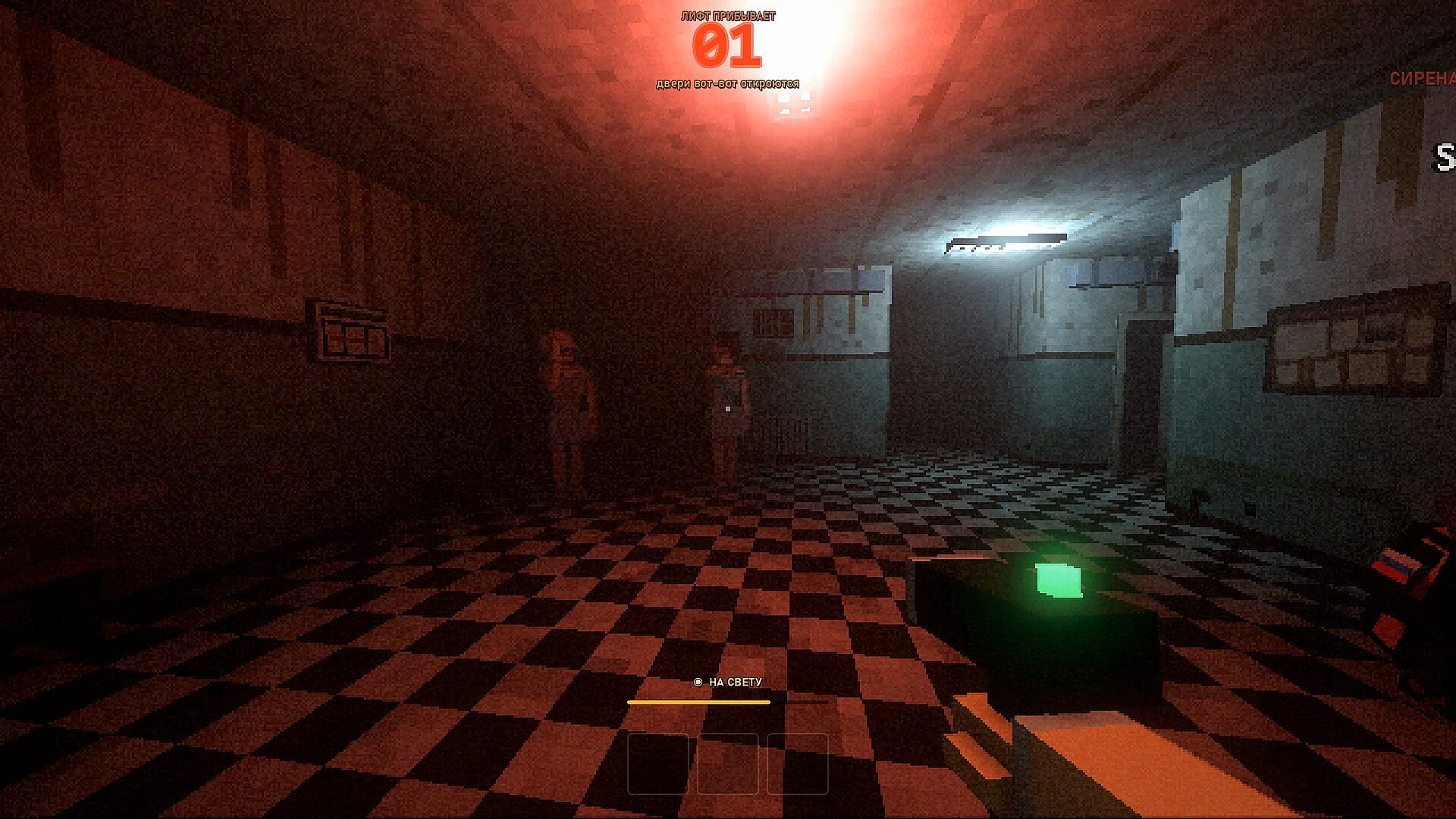
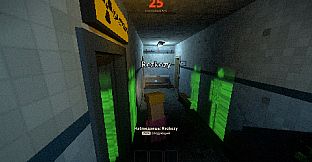
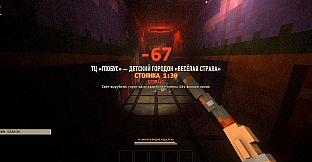
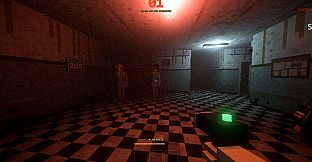
LIFT is an action, indie, and adventure game built around tense elevator descents on PC. Players take on the role of crew members dispatched by a mysterious Director to scavenge valuables from increasingly dangerous floors before the elevator departs. The core loop revolves around quick exploration, resource gathering, and survival against escalating threats in a setting that blends extraction mechanics with horror elements.
Gameplay
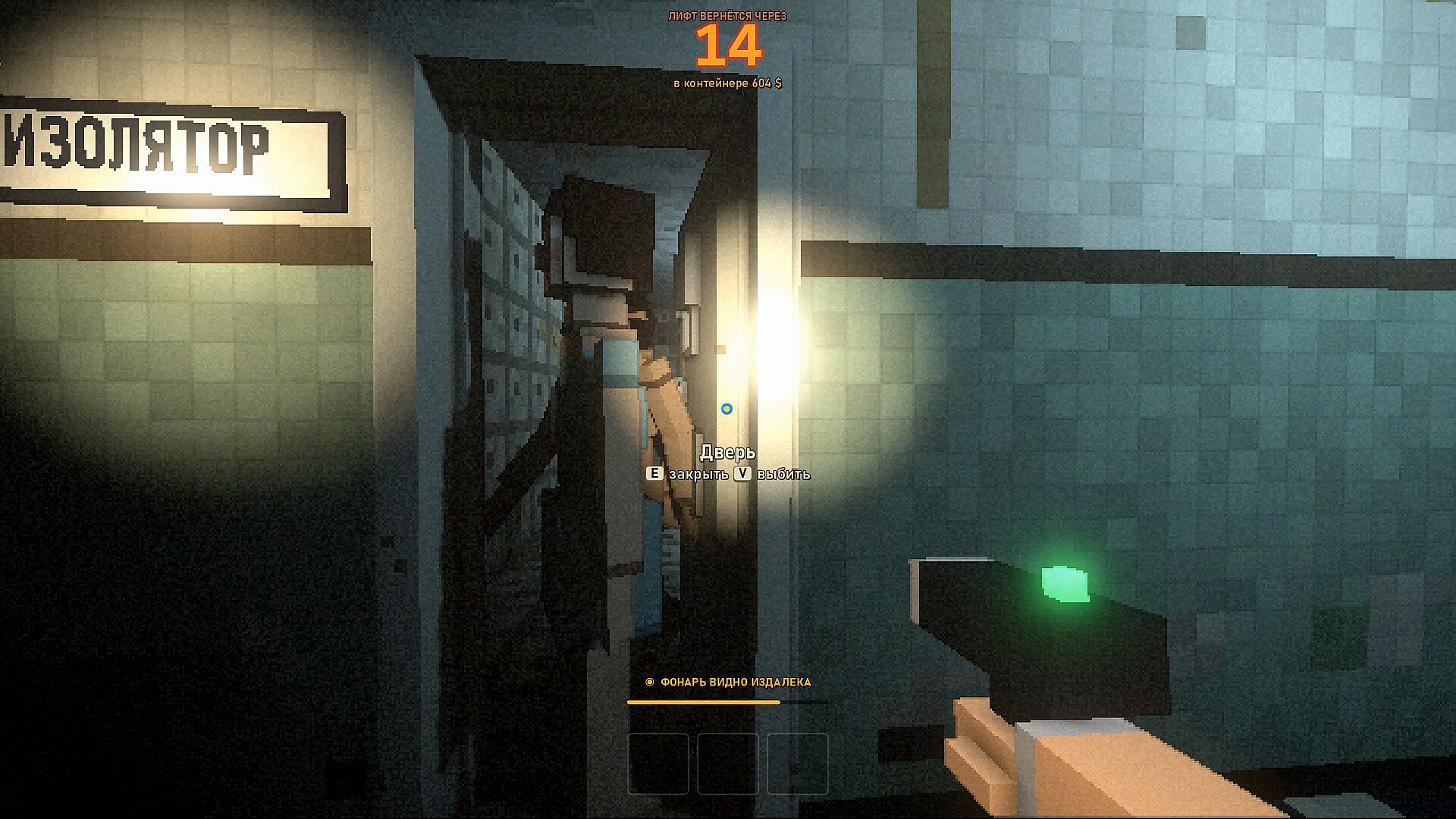
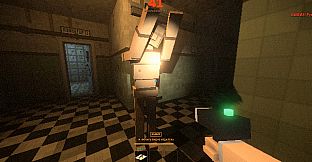
The experience centers on short, high-pressure shifts inside an elevator that descends floor by floor. Upon arrival, the crew has limited time to locate valuables, transport them back to the cabin, and meet quota. Anyone left behind when the doors close remains on that floor. Destruction plays a major role, as walls, doors, and furniture break apart into cubes that can be used to clear paths, access hidden stashes, or create temporary barricades. Some threats ignore these barriers entirely and pass through solid surfaces.
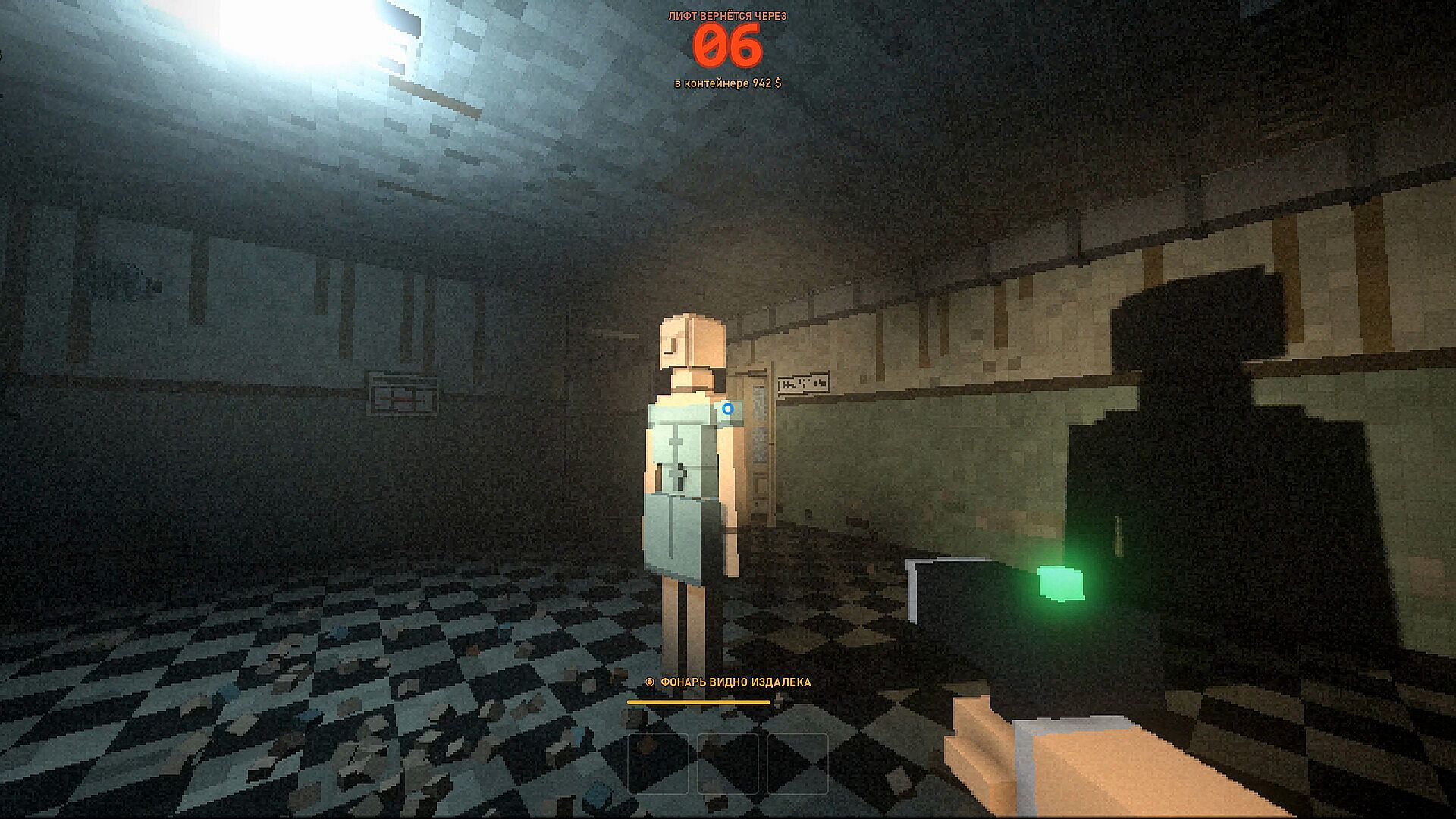
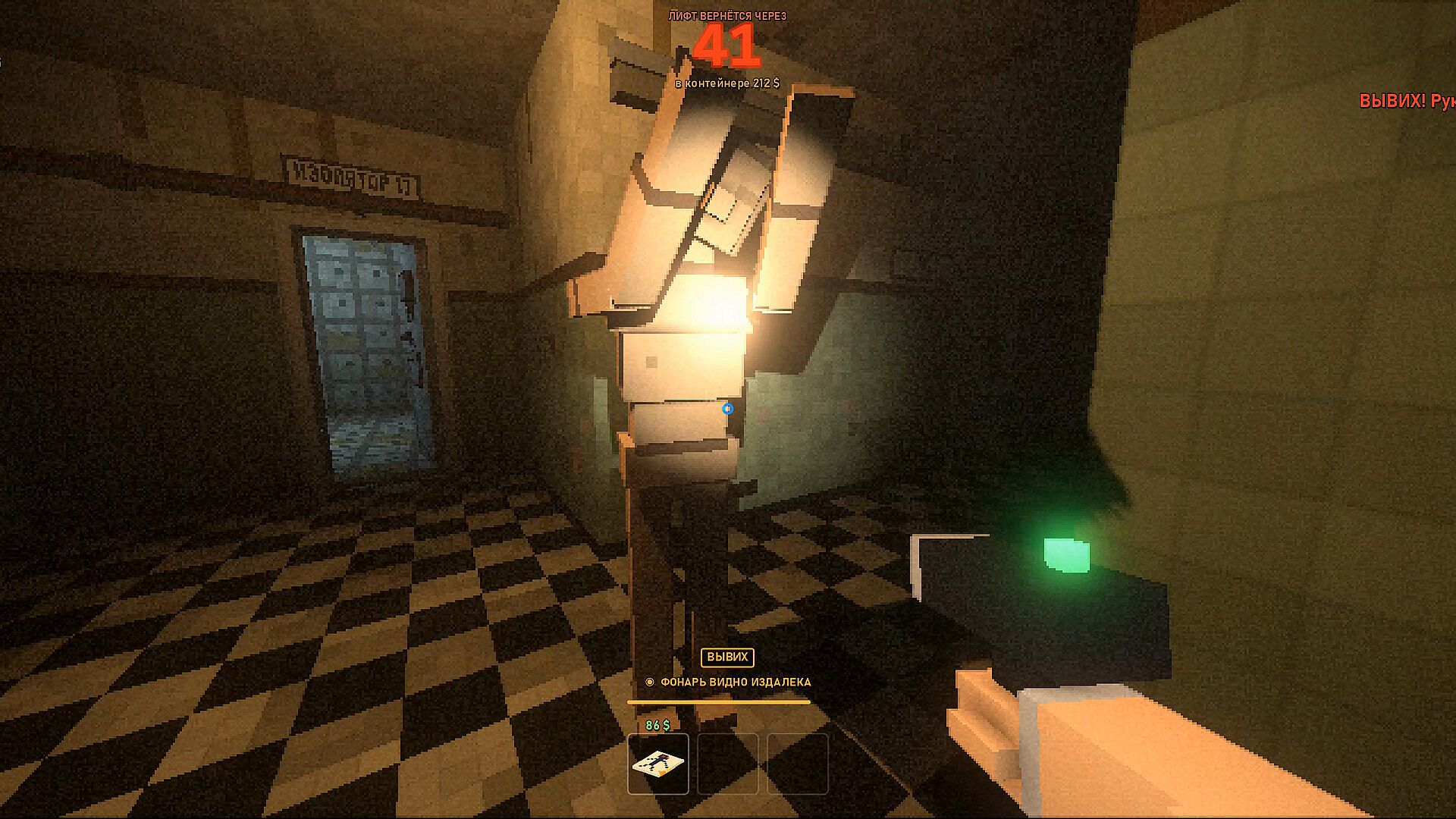
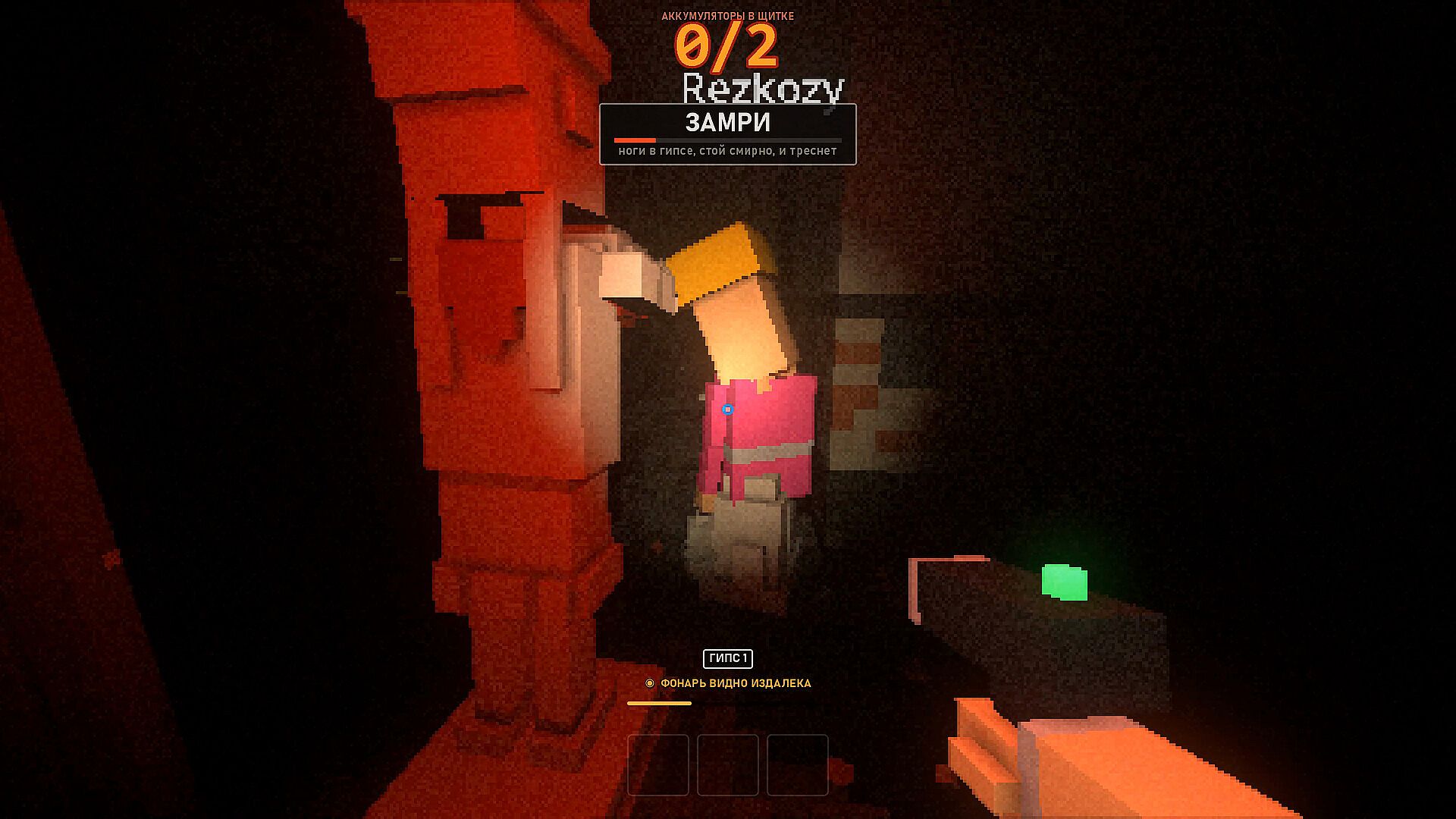
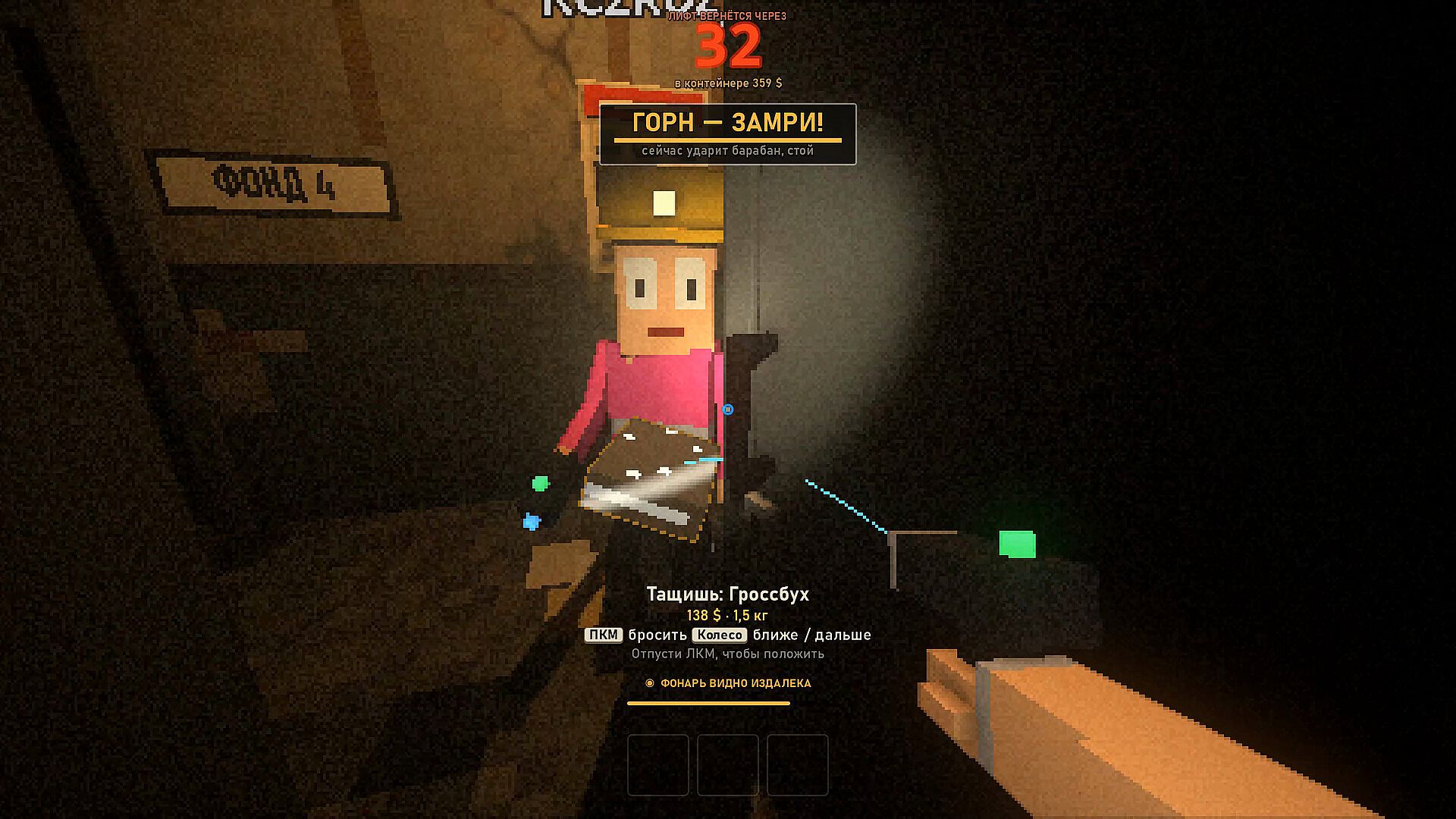
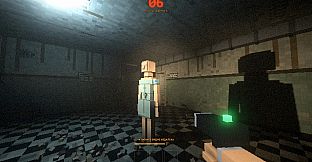
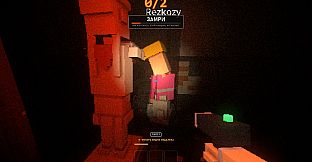
Every five floors introduces a new monster governed by distinct rules. The Tenant tracks players by sound, forcing careful movement. The Watchwoman detects footsteps across distances. A bugle signals moments when the entire group must freeze in place. Mannequins advance only when unobserved, requiring constant awareness and positioning. Each new floor layer adds fresh behaviors or combinations that build on prior encounters, keeping the tension rising across the full 99-floor descent.
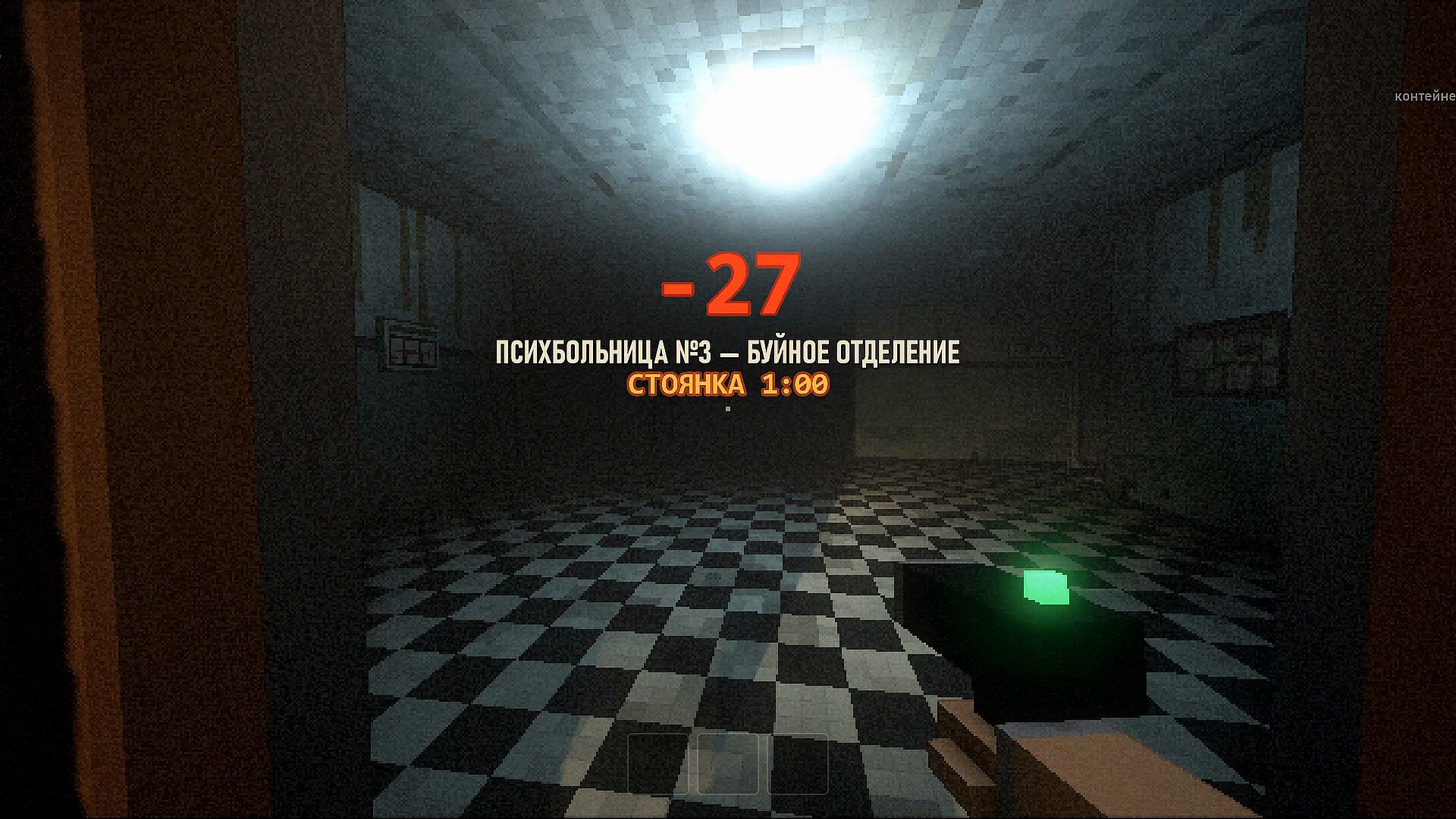
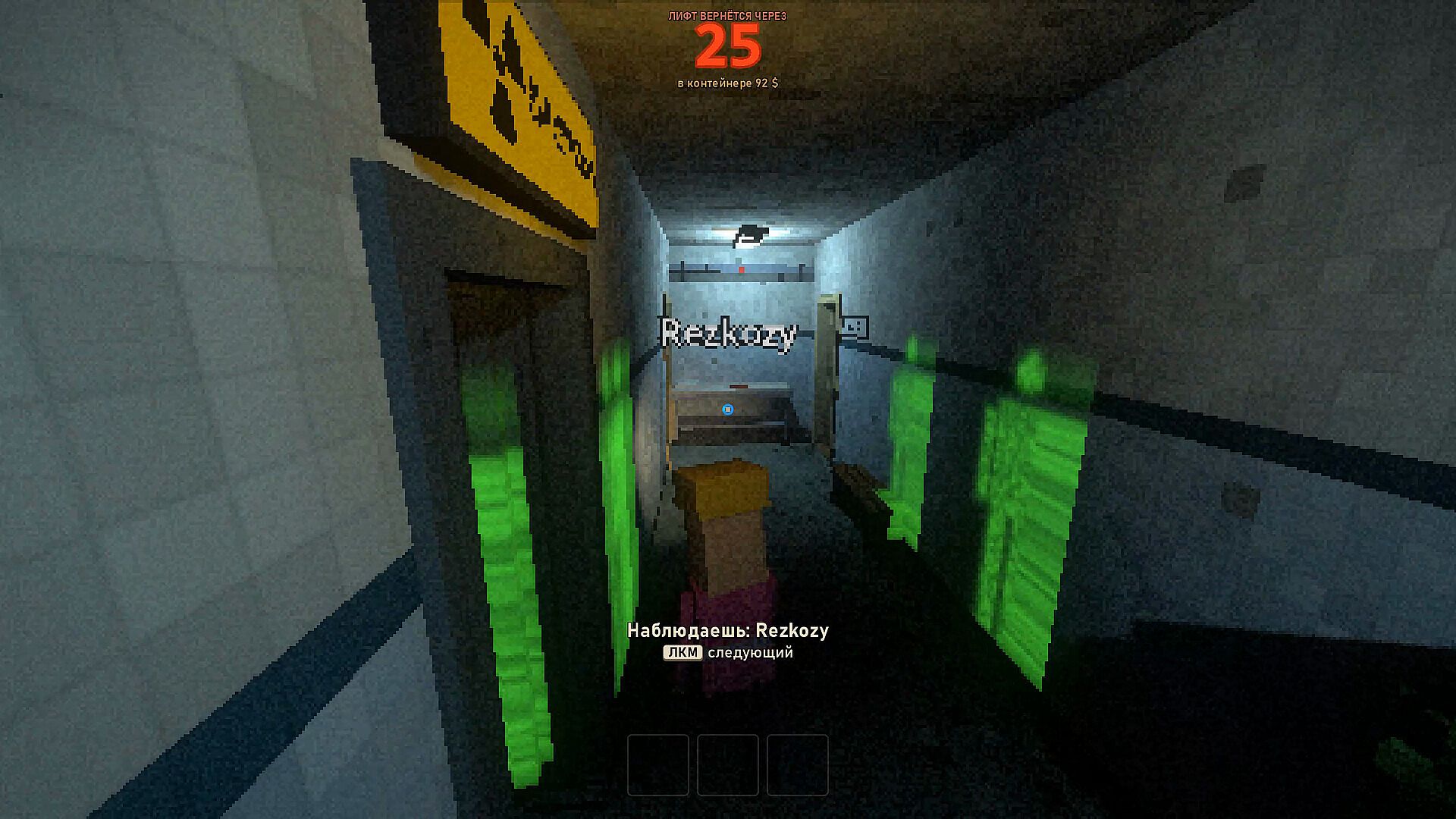
Environments shift through varied settings such as offices, clinics, archives, bunkers, children's zones, and factories. These locations influence both navigation and monster interactions while maintaining the same core pressure of limited time and quota requirements. Solo play supports the full experience, though coordination becomes essential when multiple players handle heavy items or revive fallen teammates.
Game Modes
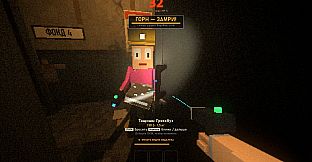
LIFT supports both solo runs and group sessions. In multiplayer, voice chat enables real-time coordination for tasks like carrying oversized loot or hauling an injured player on a stretcher back to the elevator. The Director provides ongoing commentary on mistakes and progress, adding a layer of narrative feedback during play. No separate named modes exist beyond these options, with the same 99-floor structure available whether playing alone or with others.
Group play emphasizes shared responsibilities and quick decision-making under pressure. Solo sessions focus more on individual timing, sound management, and efficient routing through each floor. Both approaches draw from the same pool of monster behaviors and destructible elements, allowing players to choose based on preference for isolation or teamwork.
Environments and Threats
The descent passes through distinct themed floors that alter sightlines, cover options, and movement challenges. Office spaces offer cubicle mazes and scattered furniture for barricades, while factory areas provide heavier machinery that can be smashed for resources or used as obstacles. The final levels lead toward a confrontation with the Director himself at the bottom of the shaft.
Monster encounters evolve predictably yet demand adaptation. Early threats teach basic awareness, but later floors layer multiple rules simultaneously, such as sound-sensitive hunters combined with freezing signals or advancing mannequins. Destructible cubes add another dimension, letting players reshape the battlefield or expose new routes, though overuse can create unintended paths for certain enemies.
Is It Worth Playing?
LIFT suits players who enjoy extraction-style tension mixed with horror survival and co-op coordination. The short, repeatable shifts reward precise movement, environmental awareness, and quick thinking, while the destructible systems and monster variety provide consistent variety across the long descent. Solo players can complete the full experience, but the game shines when voice chat allows teams to divide tasks and recover from setbacks together.
Those drawn to indie action-adventure titles with strong mechanical focus and escalating difficulty will find a clear match here. The structure supports repeated attempts to improve quota efficiency and monster handling, without reliance on external progression systems. Availability remains limited to PC at present, making it a targeted choice for fans of this specific blend of pressure and teamwork.












