




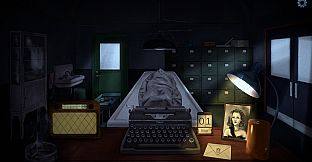
Letters To Judy is an indie adventure game set in post-war New York City. Players take on the role of a pathologist conducting post-mortem examinations while separated from their wife. The experience blends forensic investigation with personal correspondence, creating a focused singleplayer narrative that unfolds through daily routines and interpersonal exchanges.
Gameplay
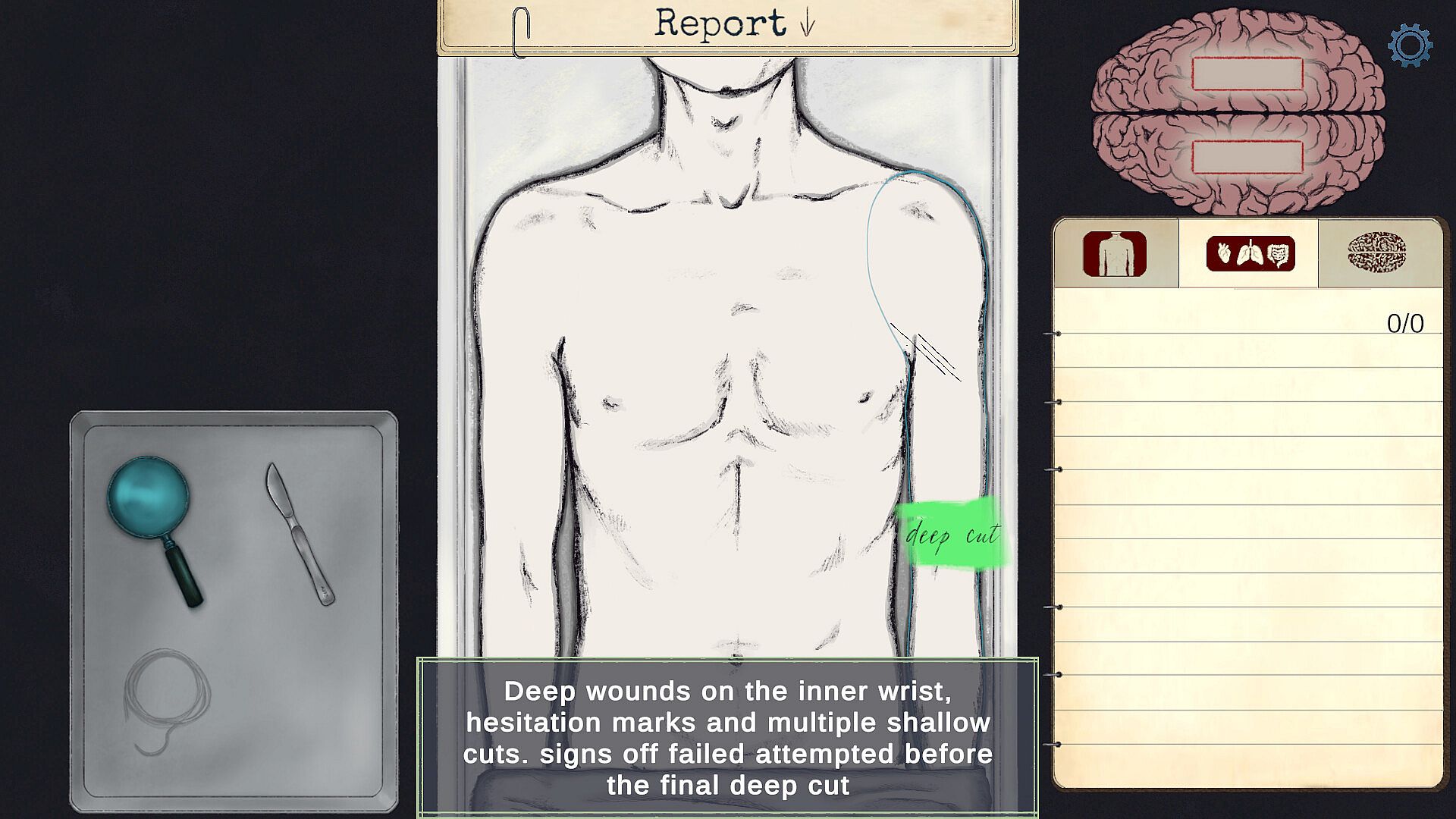
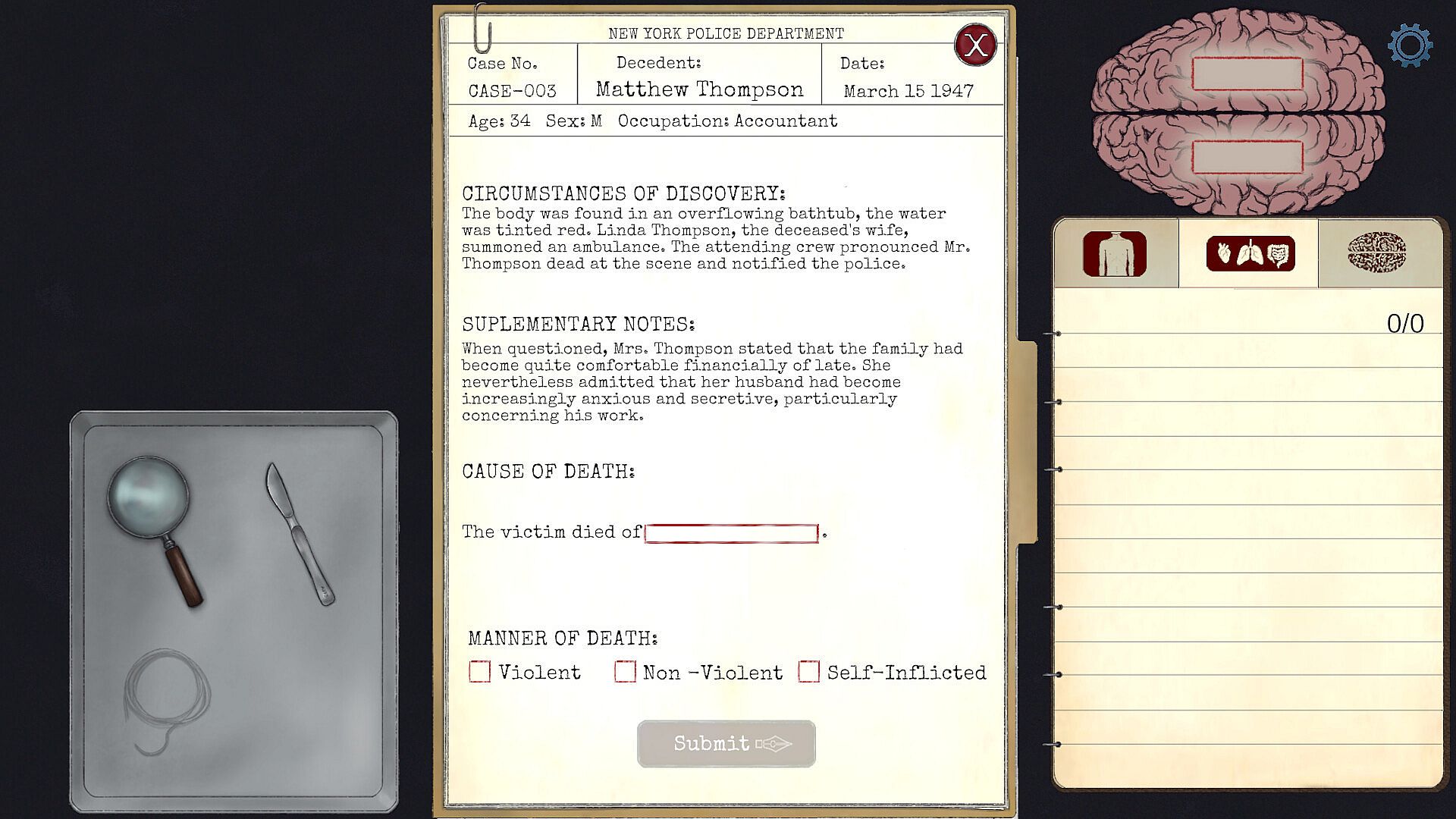
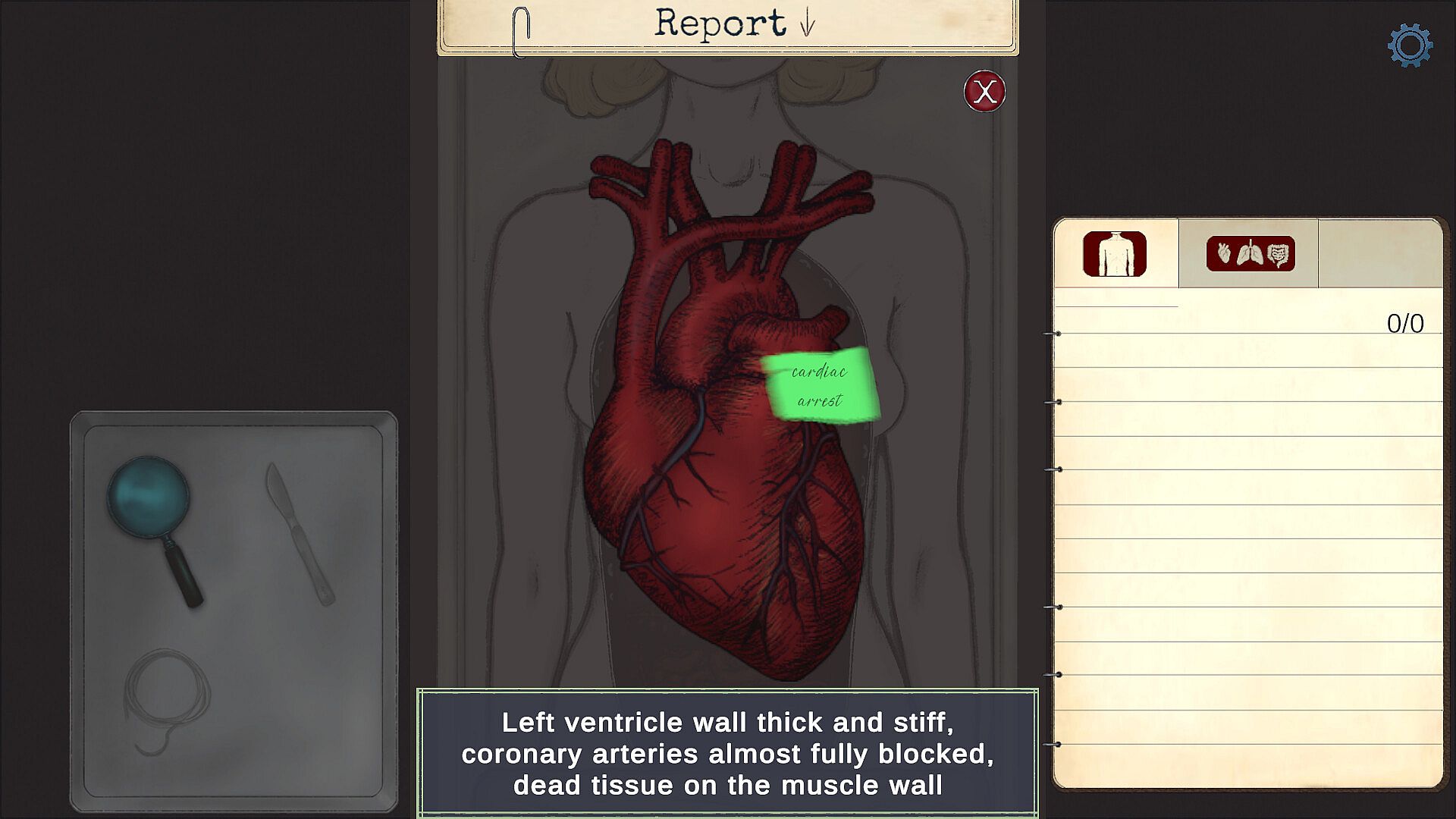
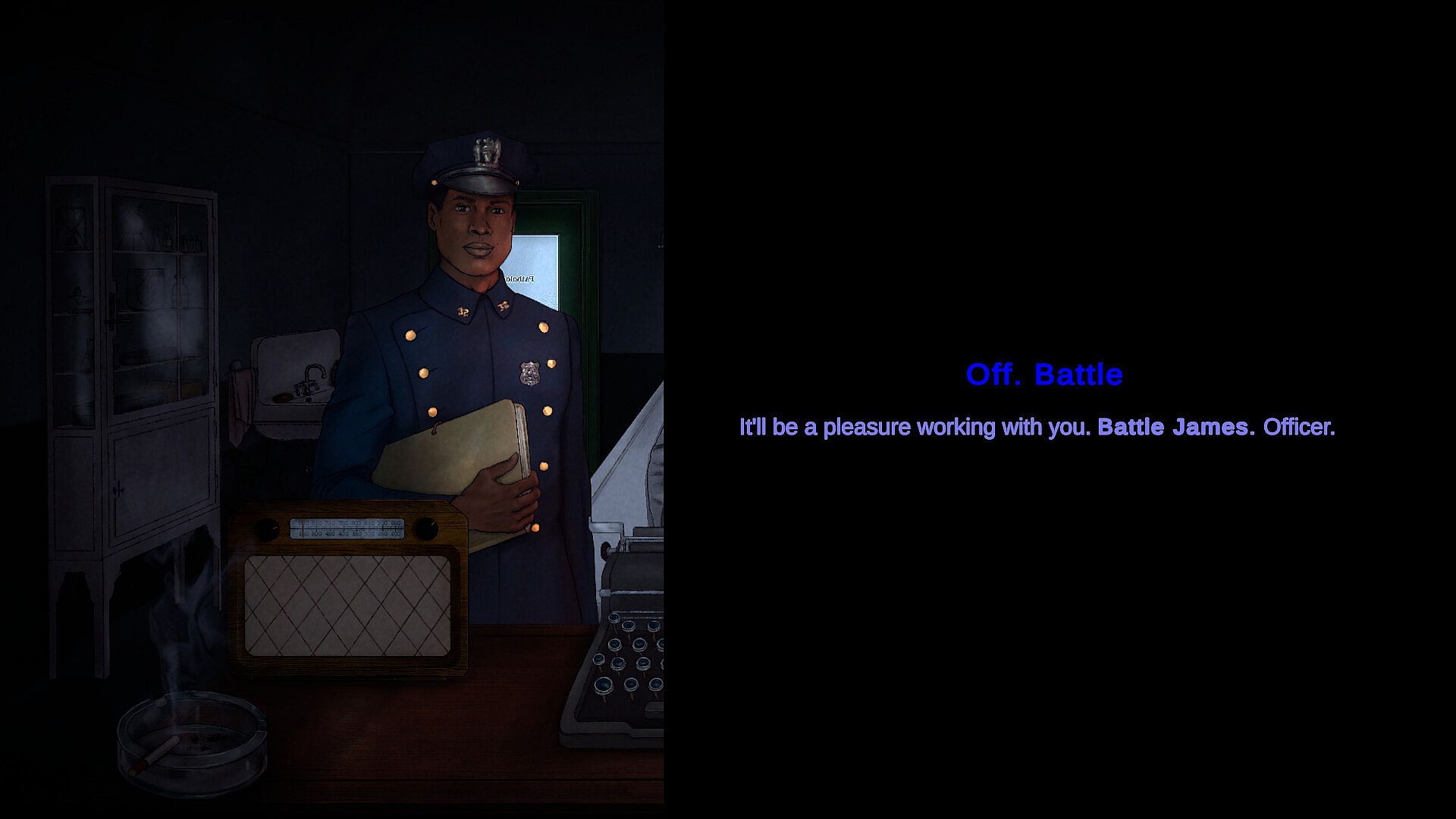
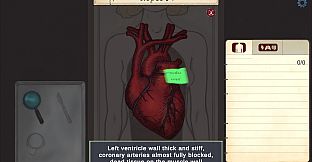
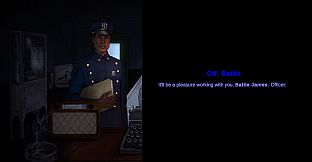
The core loop centers on examining bodies brought into the office. Each case begins with surface-level inspection using a magnifying glass to identify initial clues. From there, the scalpel allows precise dissections that reveal deeper details. The Thought mechanic combines discovered clues into coherent insights that guide the investigation. Proper procedure requires suturing incisions after analysis, followed by compiling findings into a formal case report for submission. Decisions about the manner of death, whether natural, accidental, or involving foul play, directly influence reputation and story progression. Conversations with visitors interrupt work and form the narrative backbone. Officer James Battle supplies police context and verifies report accuracy. Luca Lucky Lou represents the Moretti family and pressures the player to overlook certain cases. Ms Ruth Collins pursues leads for her newspaper articles, tracking every development closely. How responses are handled in these talks shapes alliances and future events.
Game Modes
The game operates as a singleplayer experience without separate modes or multiplayer components. Daily work sessions alternate between autopsy procedures and letter writing to the absent spouse. Narrative branches emerge from choices made during examinations and dialogues, leading to different story outcomes based on accuracy, compliance, and interpersonal decisions. The structure emphasizes sequential case handling and relationship management over varied gameplay formats.
Narrative and Setting
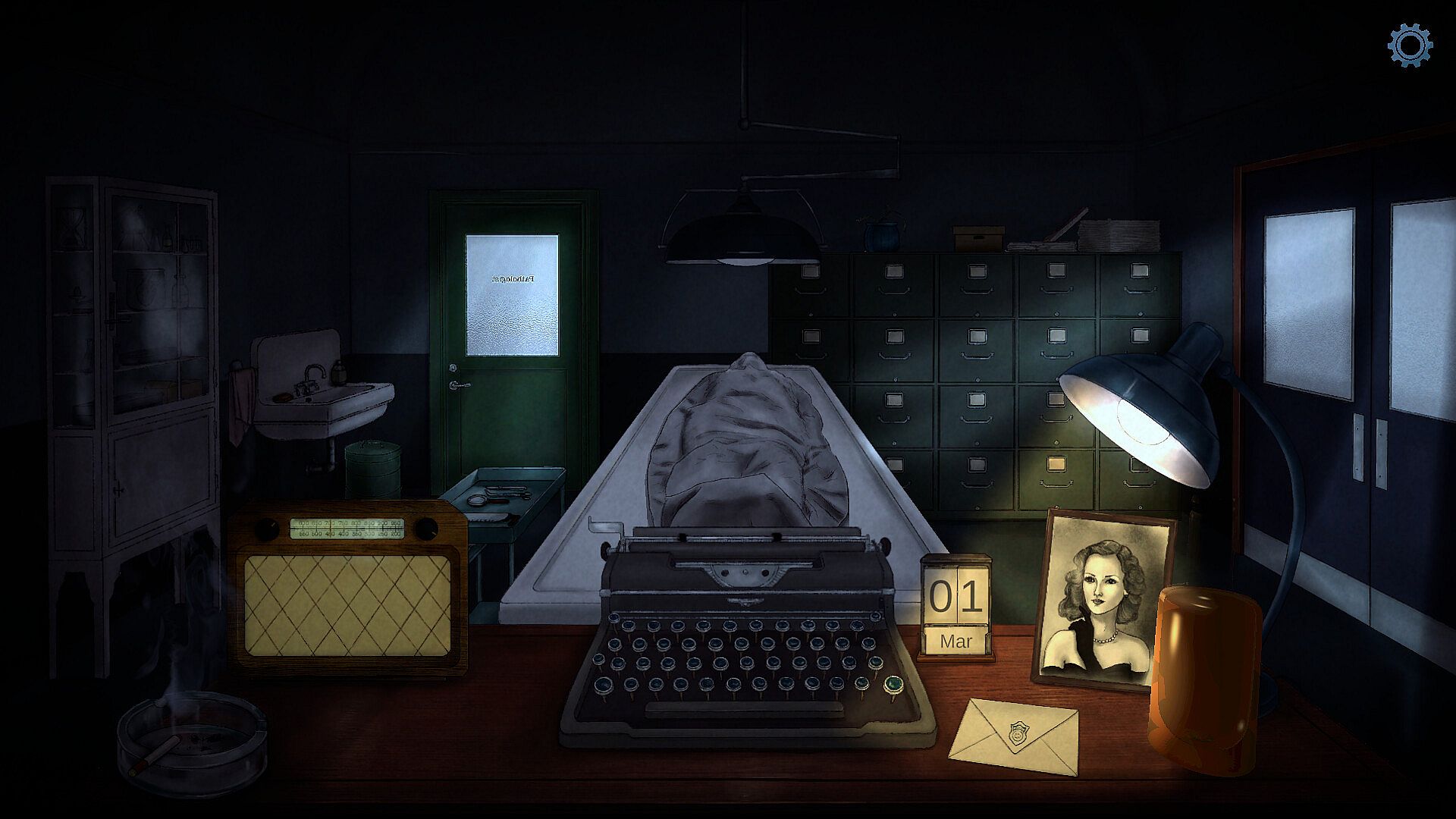
Post-war New York provides a smoky, film noir atmosphere that frames the pathology work. Separation from the wife drives the personal stakes, with each completed day bringing the reunion closer while professional demands test integrity. The office serves as the central hub where cases arrive and visitors drop in for exchanges that reveal broader city tensions involving law enforcement, organized crime, and journalism. Reputation built through consistent verdicts and handling of external requests determines how the overall story resolves.
Is It Worth Playing?
Players drawn to deliberate, story-focused adventures will find value in the methodical examination process and the weight of choices during both autopsies and conversations. The game suits those interested in forensic detail combined with character-driven interactions rather than action or exploration. Without confirmed player reception data or ongoing updates, the experience stands on its self-contained narrative structure. Those who enjoy weighing evidence, managing conflicting interests from figures like Officer James Battle or Luca Lucky Lou, and shaping outcomes through dialogue will appreciate the focused design. Availability remains limited to PC as a complete singleplayer title.












