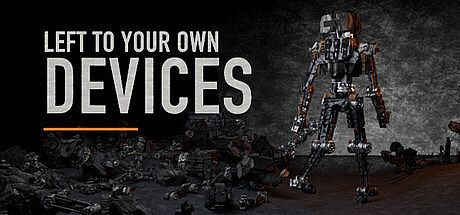


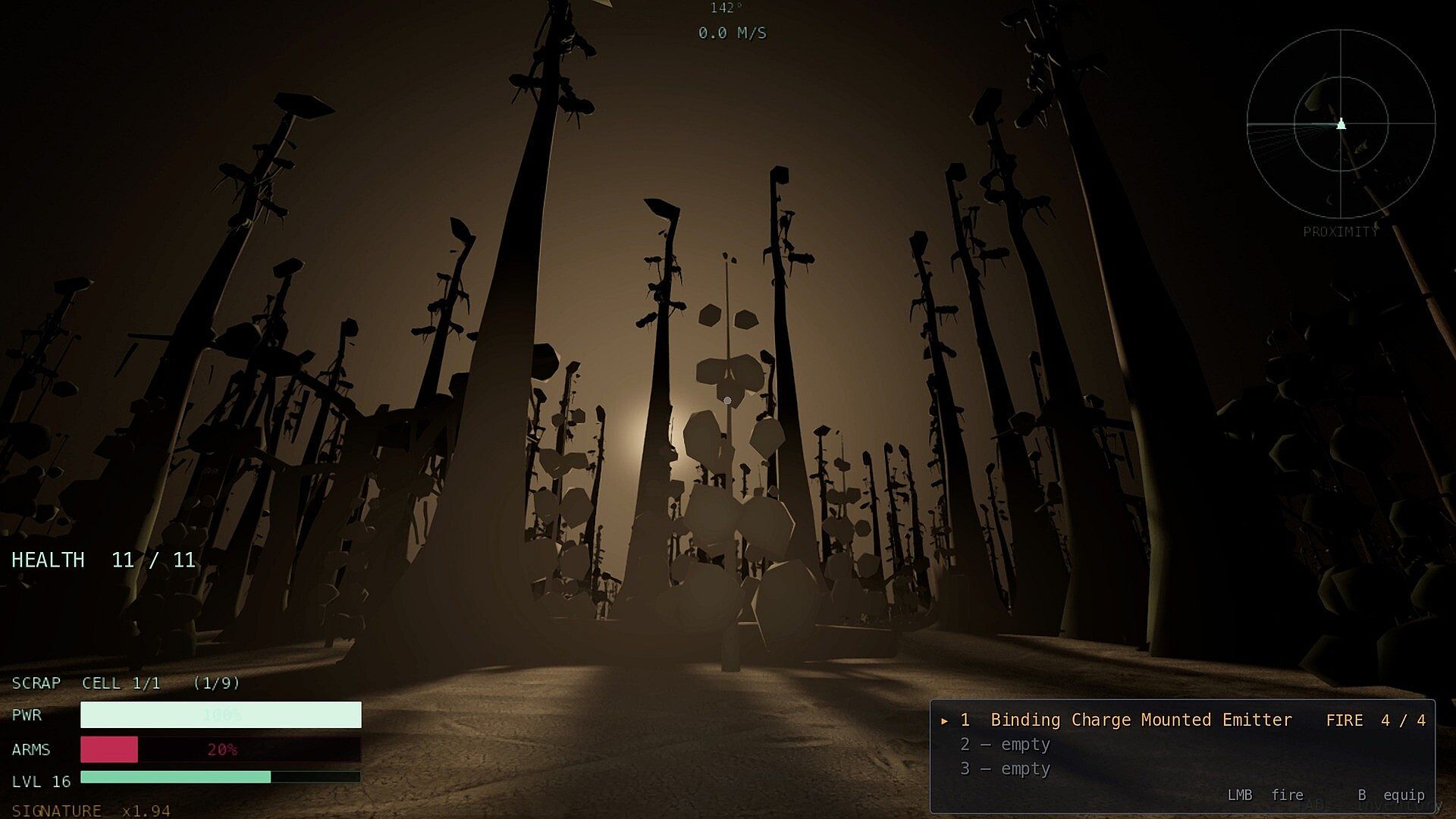
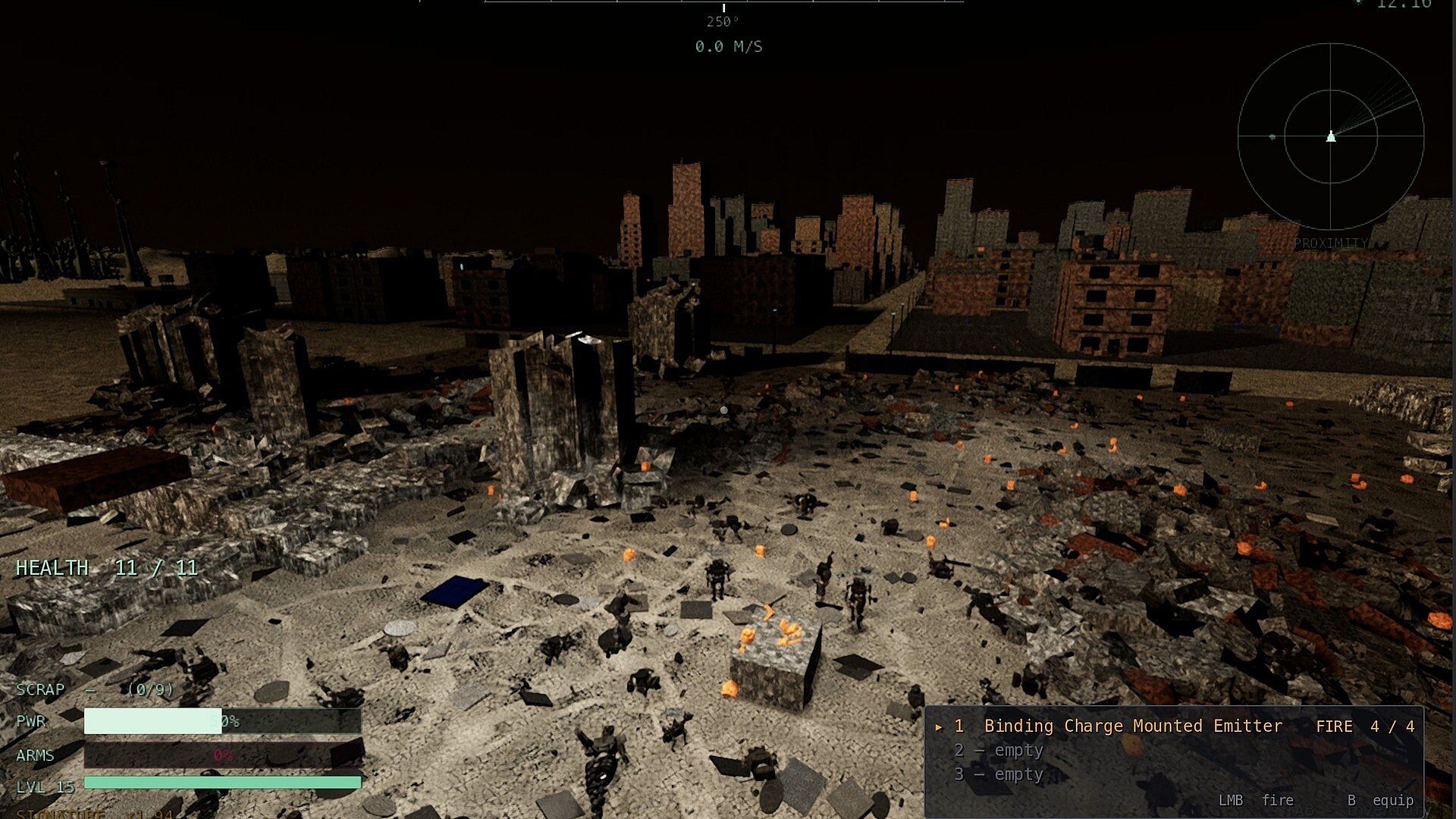
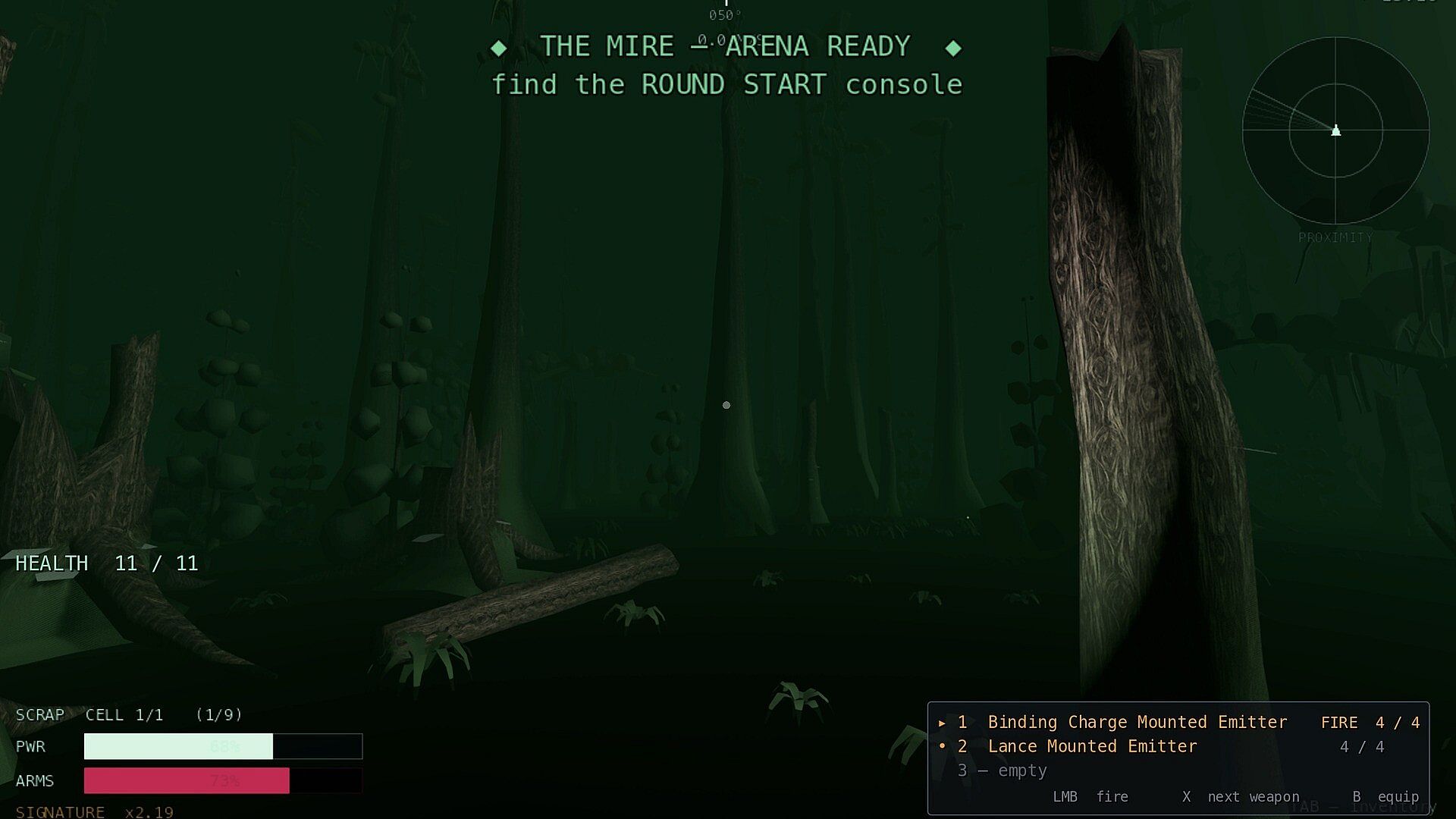
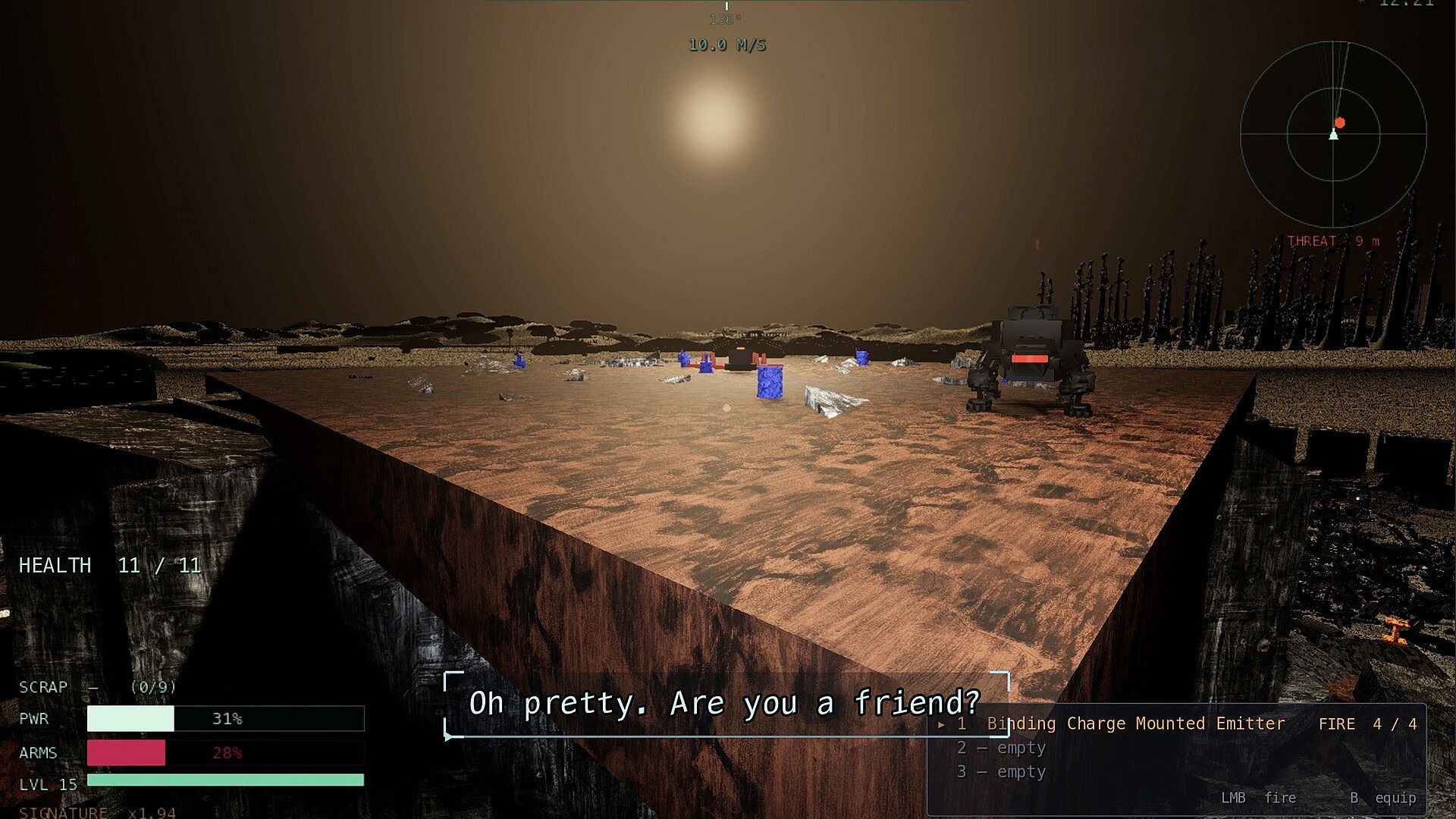
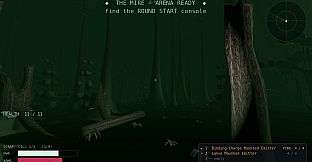
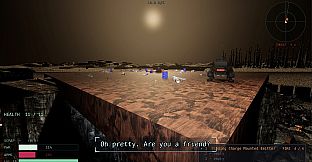
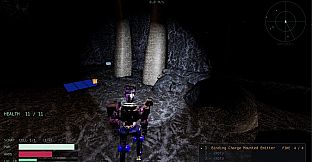
Left to Your Own Devices is a singleplayer strategy indie adventure game set on a hostile junkyard planet where survival depends on scavenging and adaptation. You begin stripped to a basic frame after an unknown event, with every machine and creature on the surface now hunting you. The core loop revolves around exploration, part collection, and incremental rebuilding while navigating dangerous environments that range from open junkyards to buried towns, old-growth forests, underground depths, orbital reaches, canyon worlds, and flooded swamps.
Gameplay
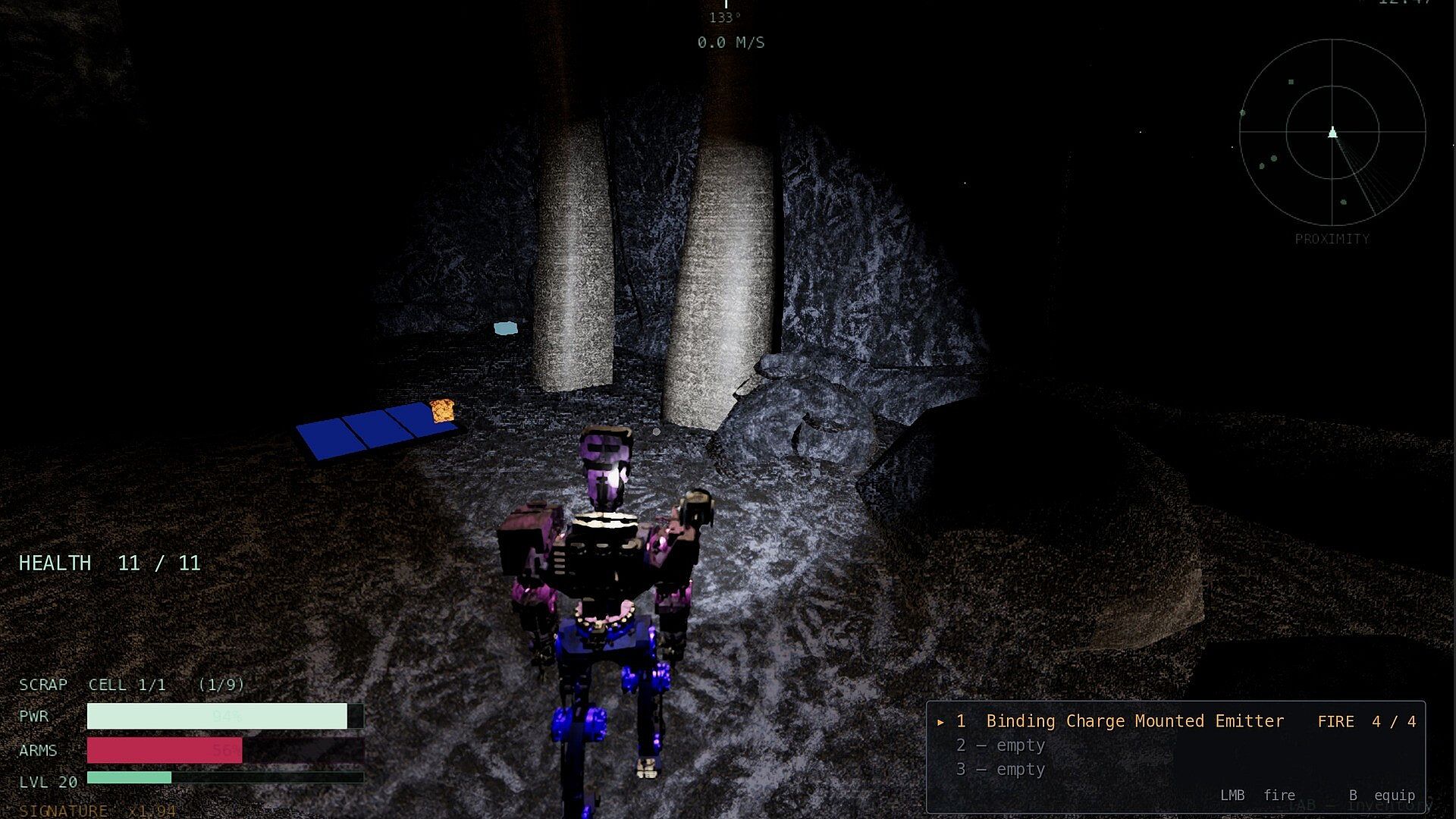
The central system involves assembling and upgrading a modular body from salvaged components. Dozens of parts for arms, legs, sensors, and other functions are available, each altering movement and capabilities in meaningful ways. One configuration might favor speed and agility, while another trades those traits for flight, greater height, or raw power. Parts are gathered during runs through the world and can be refined or replaced at workshops encountered along the way. There is no single optimal setup; the right combination depends on the terrain ahead and the threats present.
Exploration takes place in a hand-drawn world rendered with a charcoal texture. Areas include surface junkyards filled with wreckage, subterranean zones, dense forests, and more distant locations such as a canyon ruled by a massive entity or a hostile drowned swamp populated by its own mechanical inhabitants. Movement and interaction change based on the current body configuration, encouraging players to experiment with different assemblies as new parts become available.
Hostile machines patrol the environments and react to sound or sight. Rooftop stalkers, ambush predators, and other entities create constant pressure. Deeper underground lies something older and more formidable that announces itself through sound before revealing its nature. A scavenged companion accompanies the player from the outset and improves alongside the main character, providing support during runs and contributing to the fragmented story uncovered through repeated salvage efforts.
Game Modes
The game offers two primary approaches to handling failure. Standard play incorporates permadeath, where a single death permanently ends the current run and erases the save. This creates high-stakes sessions focused on careful planning and adaptation. Mercy mode serves as an alternative that preserves the last save upon death, allowing continuation without losing all progress. Players choose between these options at the start of each run depending on their preferred level of risk.
Both modes support the same core systems of scavenging, body assembly, and world traversal. The choice affects only the consequences of death rather than altering enemy behavior, part availability, or exploration opportunities. No additional named modes or variants appear in the available information.
World and Threats
The planet functions as a living, dangerous ecosystem rather than a static backdrop. Machines operate with their own behaviors and territories, responding to player actions such as noise or movement. Surface threats give way to subterranean dangers that feel distinct in scale and presence. Environmental variety influences how body parts perform, with certain configurations better suited to flight across canyons or power through swamp terrain.
Story elements emerge gradually through fragments discovered during runs. The companion serves as a constant presence that evolves with the player, tying personal progress to the larger narrative of what happened to the world and why everything hunts the rebuilt frame. This approach keeps the focus on survival while layering context through exploration rather than direct exposition.
Is It Worth Playing?
Left to Your Own Devices suits players who enjoy methodical survival gameplay combined with creative customization and permanent consequences. The modular body system rewards experimentation, while the hand-drawn environments and sound-based threats create tension during every outing. Those comfortable with permadeath will find the standard mode delivers focused, high-risk sessions, whereas Mercy mode provides a more forgiving path for repeated attempts at the same areas.
The companion and fragment-based storytelling add a layer of progression and discovery that rewards multiple runs without relying on traditional quest structures. Availability on PC makes it accessible for those interested in indie titles that blend strategy elements with adventure exploration. The game stands on its own systems of scavenging and adaptation rather than relying on established franchises or frequent updates.