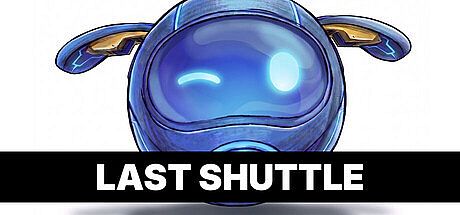


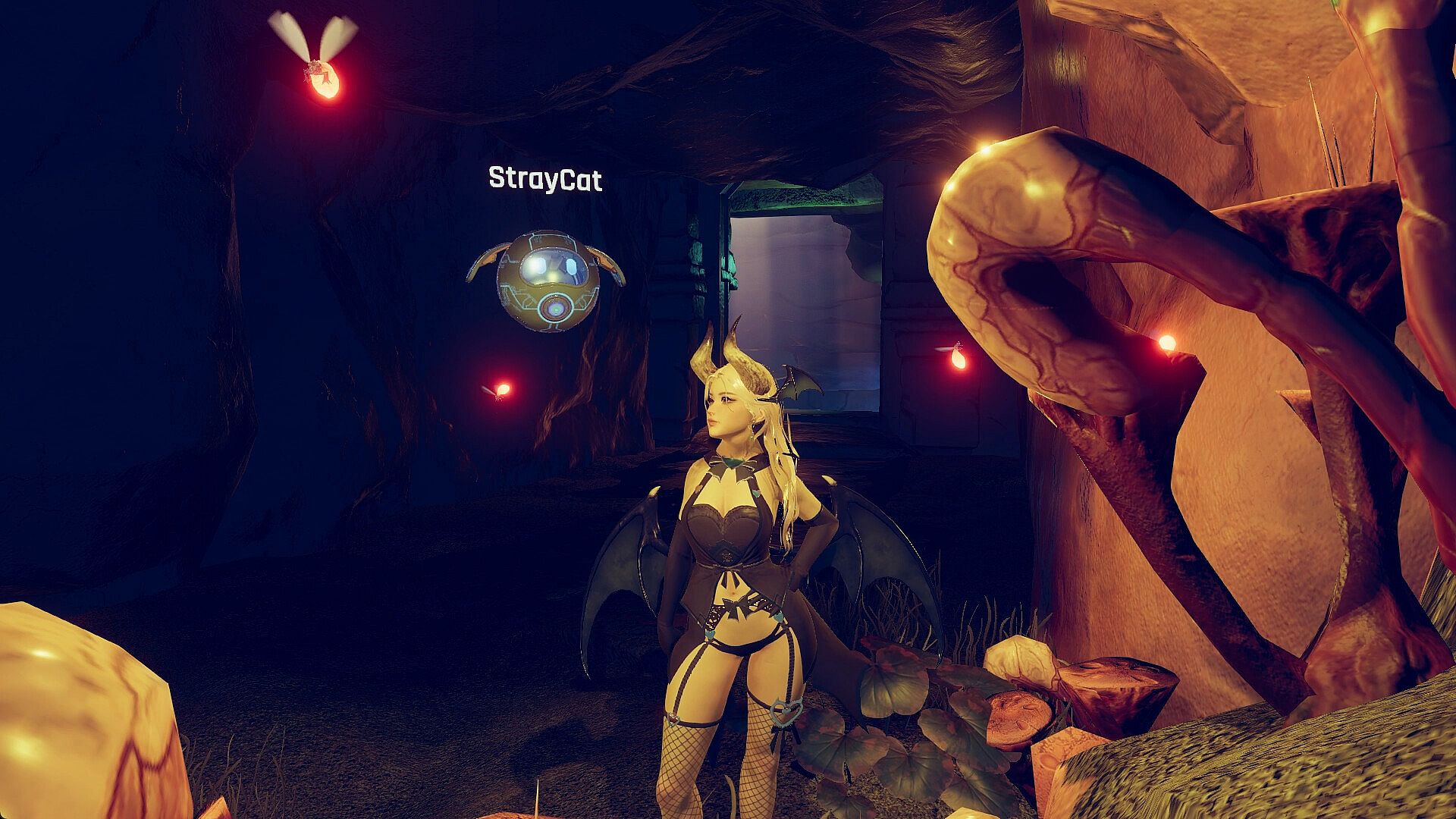
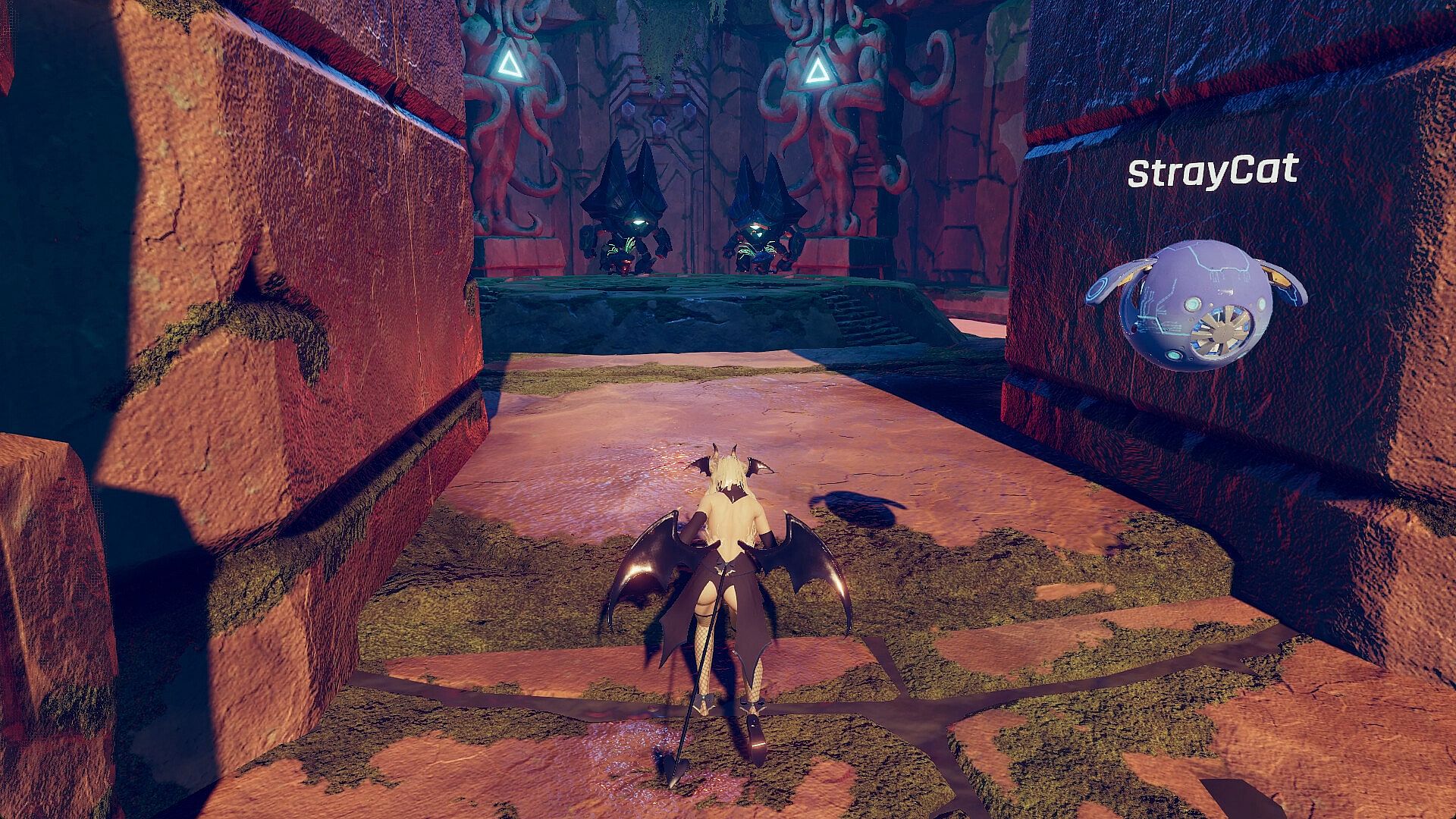
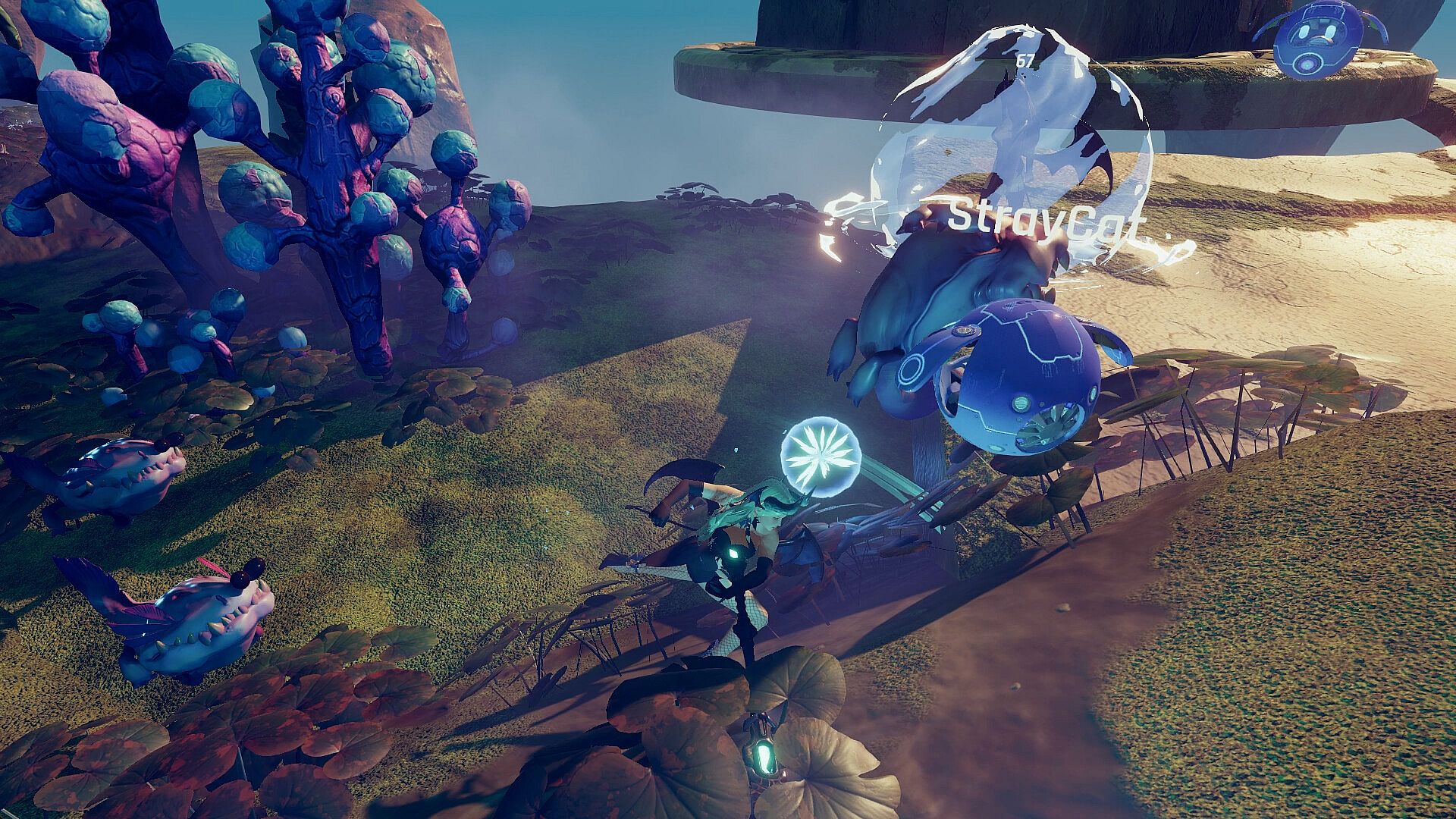

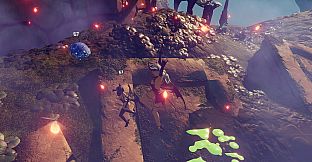
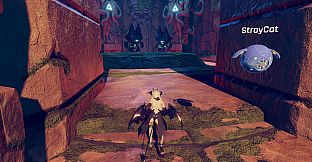
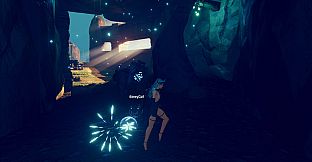

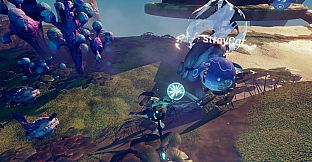
Last Shuttle is a PC action-adventure game built around online multiplayer sessions for two to four players. Teams navigate hazardous ruins while competing to reach an escape shuttle first, blending cooperative survival elements with direct rivalry against another squad.
Gameplay
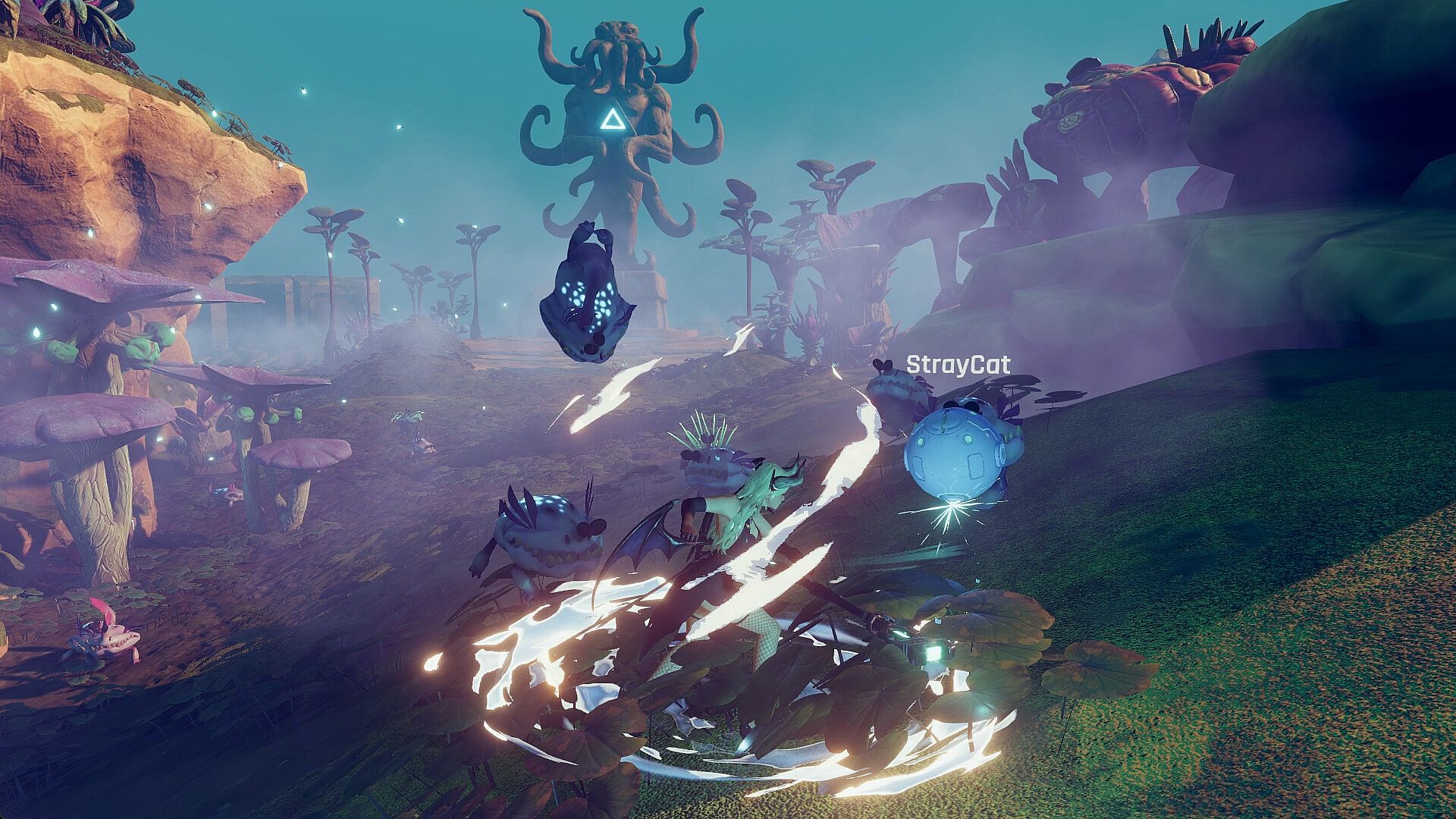
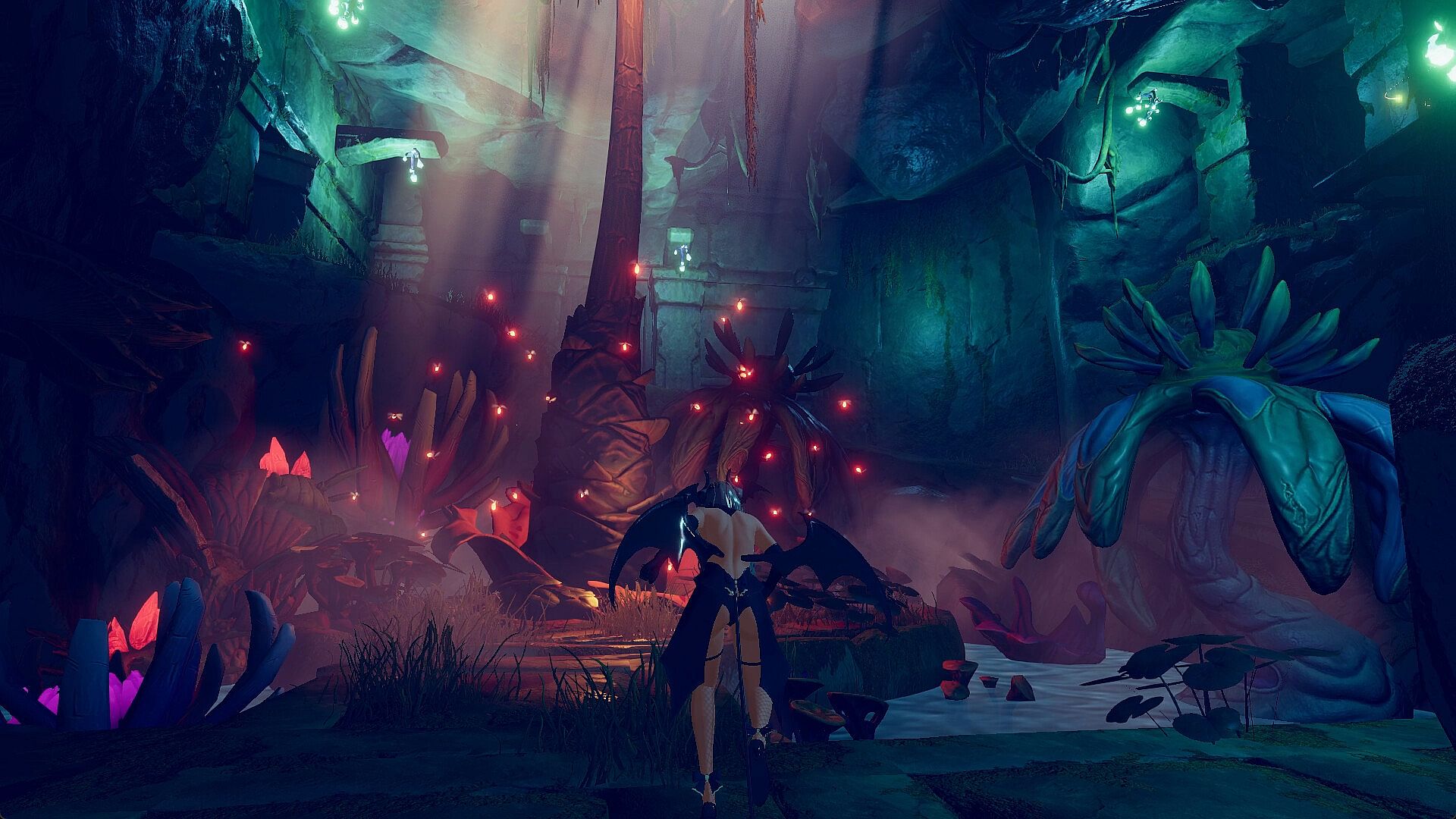
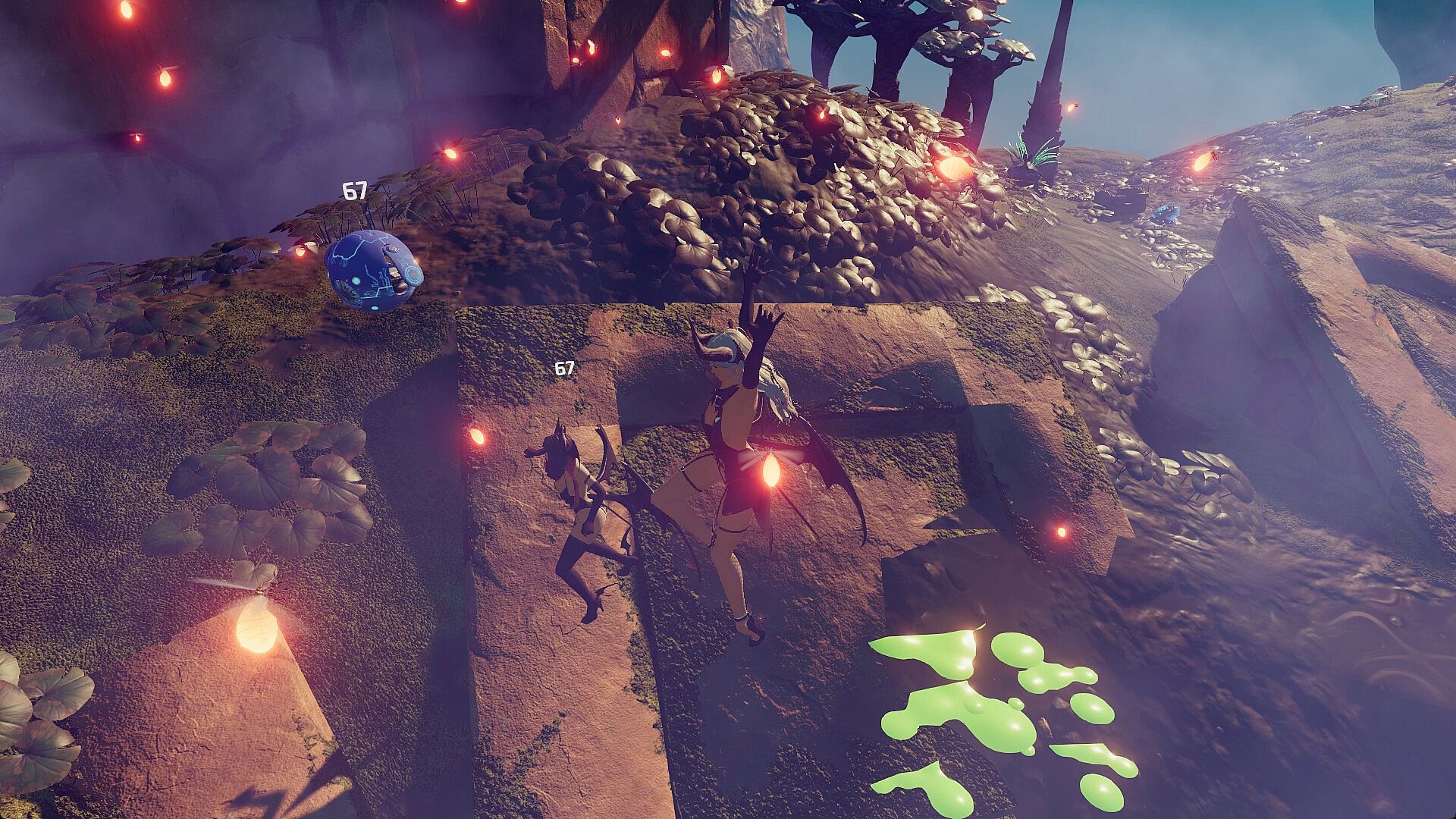
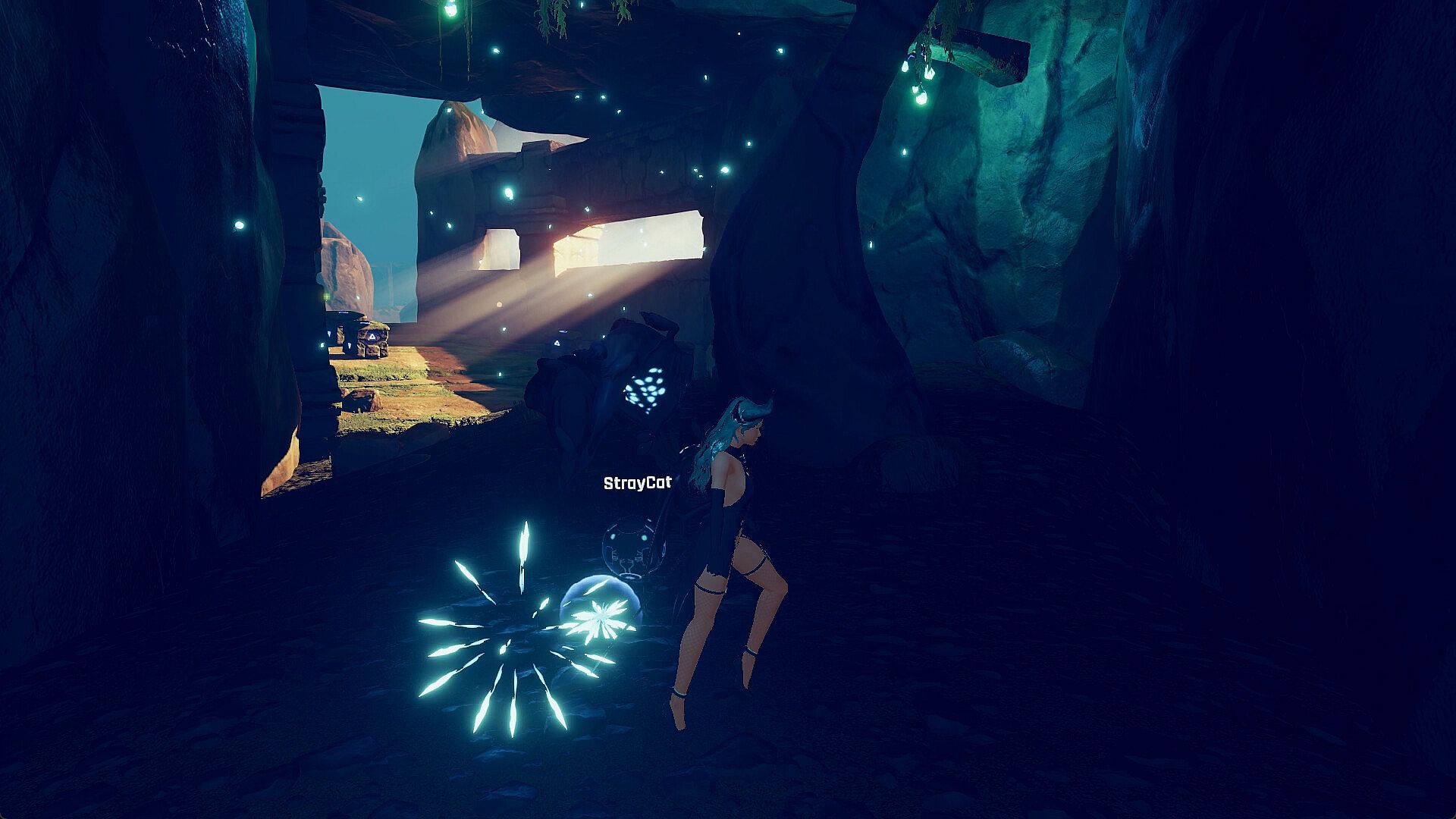
Players progress through ruined environments packed with hostile creatures, locked doors, traps, and checkpoints. The core loop centers on collecting keys to open paths forward while managing threats from enemies and the surroundings. Combat occurs at close range, requiring precise positioning and timing to defeat foes without falling behind. Environmental hazards add constant pressure, forcing teams to balance offense, defense, and forward momentum at every turn.
Progress relies on coordinated movement through these spaces. One player handles direct confrontation and item gathering, while the partner provides support through mobility and protective actions. Success demands synchronized efforts, as isolated play leaves gaps that opponents can exploit. The game emphasizes teamwork under time-sensitive conditions rather than solo heroics.
Game Modes
Matches support two to four participants in formats that scale with group size. Smaller sessions incorporate AI-controlled robots to complete team compositions, allowing play with fewer human players. Full four-player games shift to direct 2v2 competition where each side fields one human fighter paired with a robot companion.
These setups create varied pacing. Two- or three-player matches focus more on internal coordination against shared dangers, while four-player encounters introduce active interference between opposing sides. The structure keeps sessions competitive yet accessible, with AI assistance smoothing entry for smaller groups.
Roles and Teamwork
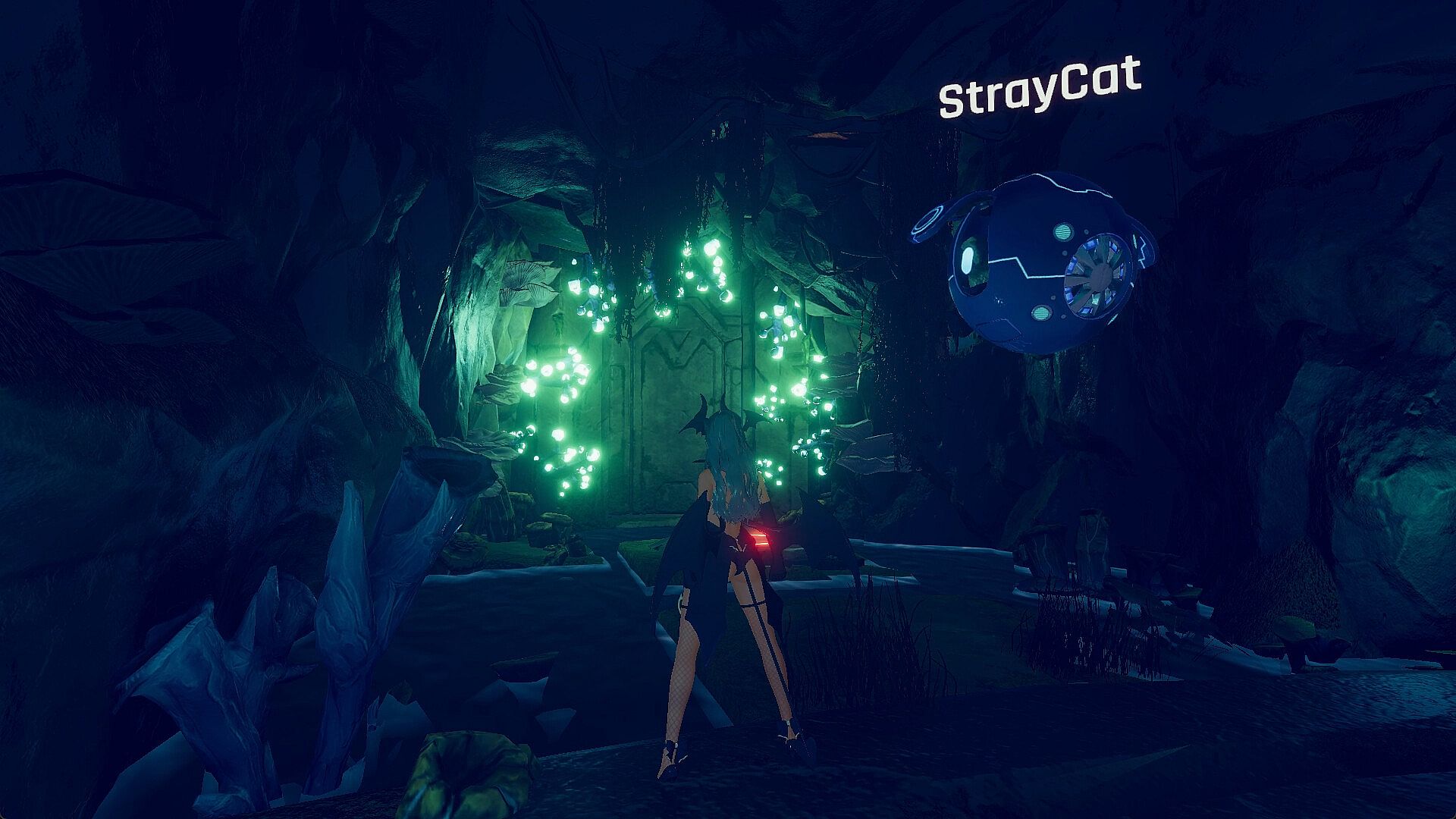
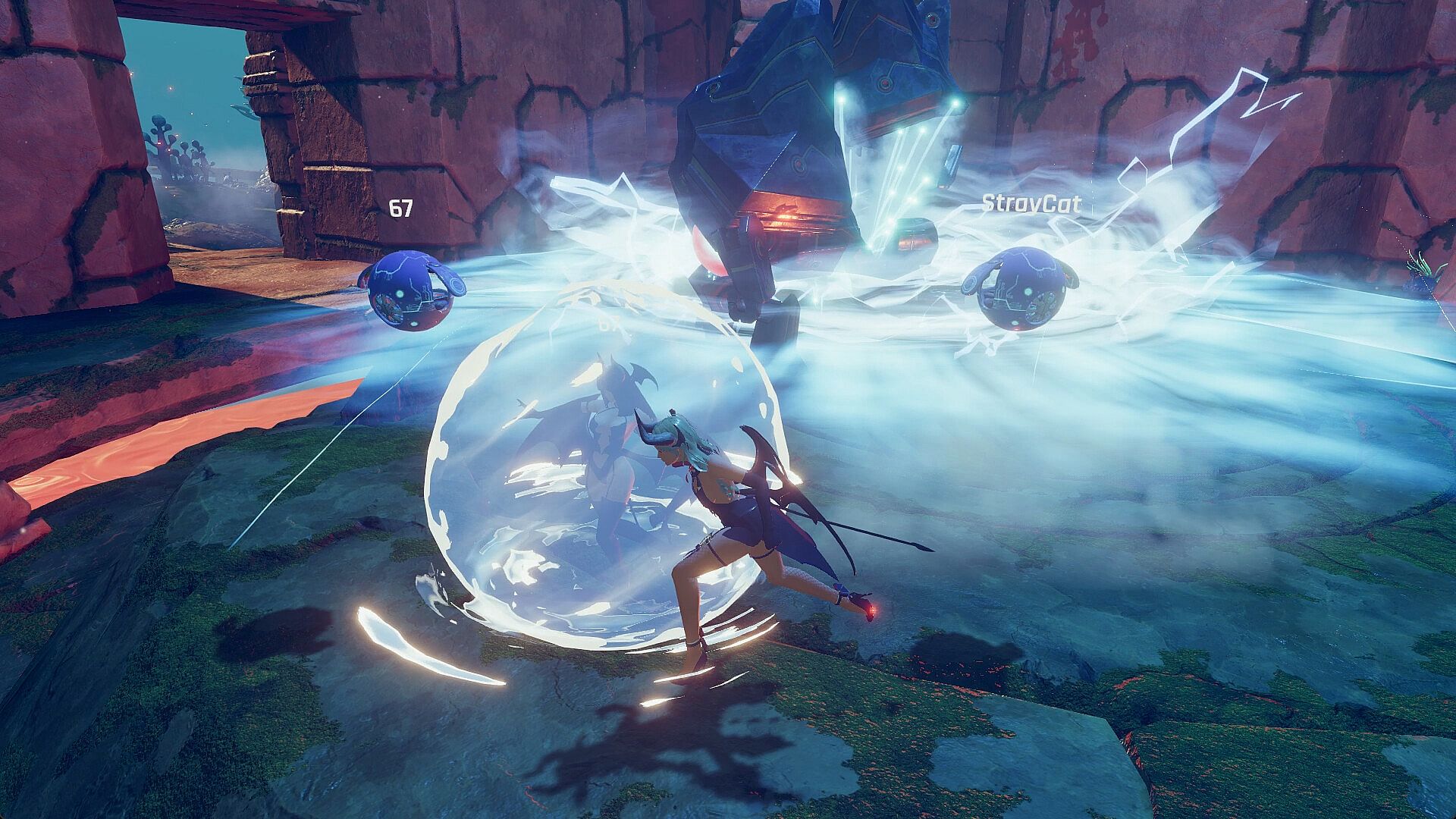
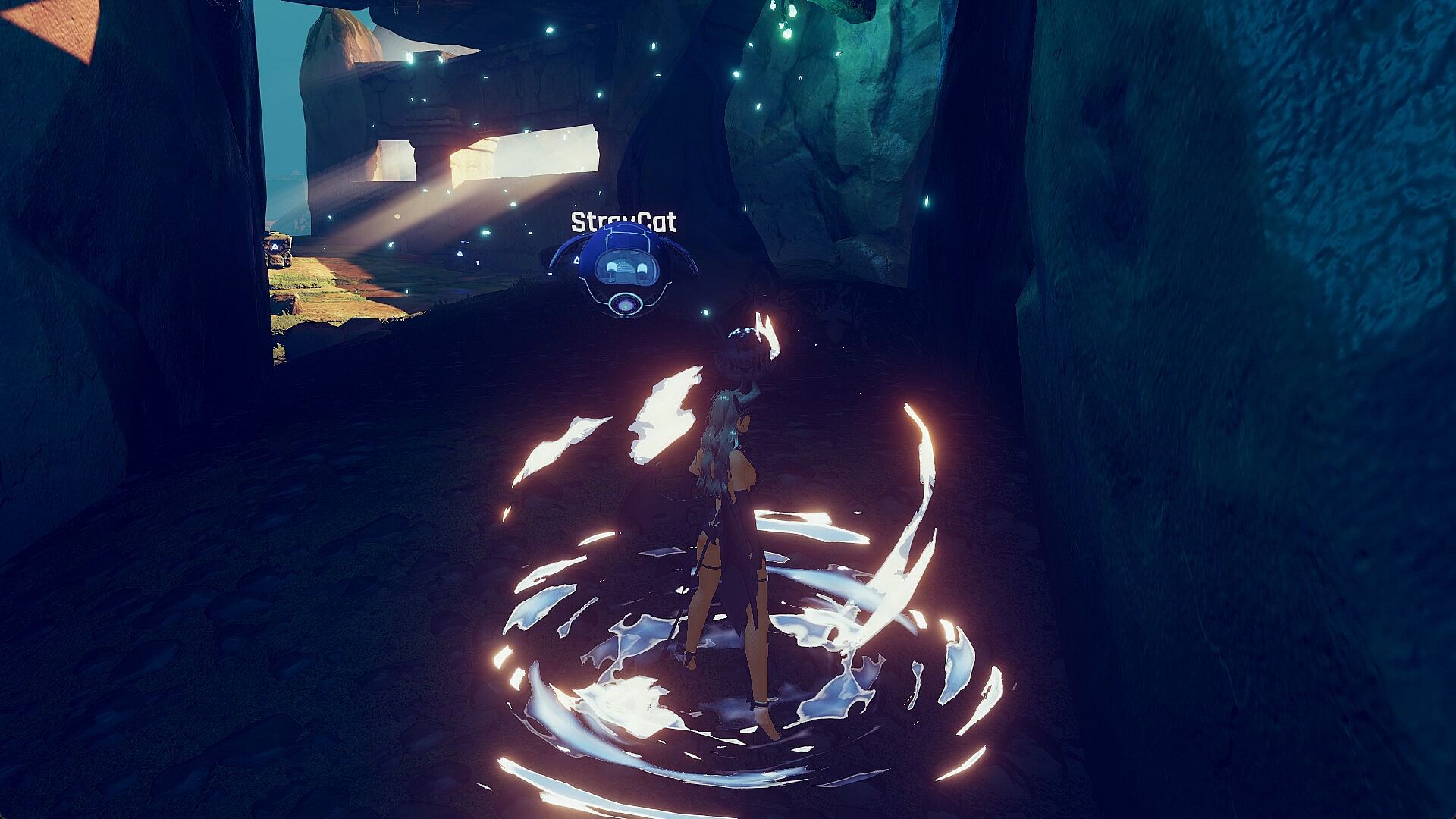
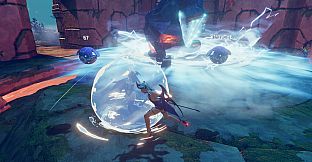
Each team divides into two distinct roles with complementary abilities. The fighter moves through terrain, engages enemies in melee, and secures keys to advance. The robot stays near its partner, using dashes to clear obstacles or reach threats quickly, knocking down rival fighters to create openings, and deploying shields during critical moments.
Neither role operates independently for long. Fighters need protection and disruption support, while robots rely on the fighter to handle key collection and sustained combat. Effective play comes from timing dashes, knockdowns, and shields alongside the fighter's advances. This asymmetry rewards communication and practiced coordination over raw individual skill.
Additional Mechanics
Voice chat supports both general and team-only channels to facilitate real-time coordination. Character customization includes skins and emotes for personal expression during matches. The shared threats of monsters and traps mean both teams face identical environmental challenges, yet only one can claim the shuttle exit.
Checkpoints and locked doors structure the maps into clear progression segments. Trap variety keeps navigation unpredictable, requiring teams to adapt routes on the fly. These elements reinforce the race dynamic without introducing unrelated systems.
Is It Worth Playing?
Last Shuttle suits players who enjoy asymmetric co-op paired with competitive pressure in short, focused sessions. The role division and AI support make it approachable for groups of varying sizes, while the emphasis on timing and partnership adds depth for those seeking teamwork challenges. As an upcoming title with no released player data yet, its appeal rests on the described mechanics of key collection, close combat, and role synergy in a race to escape. Those drawn to action-adventure experiences centered on coordinated movement and direct rivalry will find the structure aligns closely with that preference.