


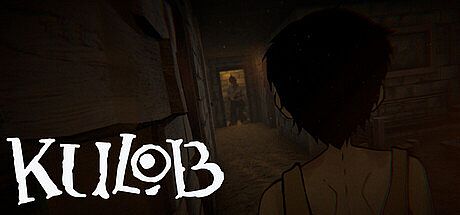


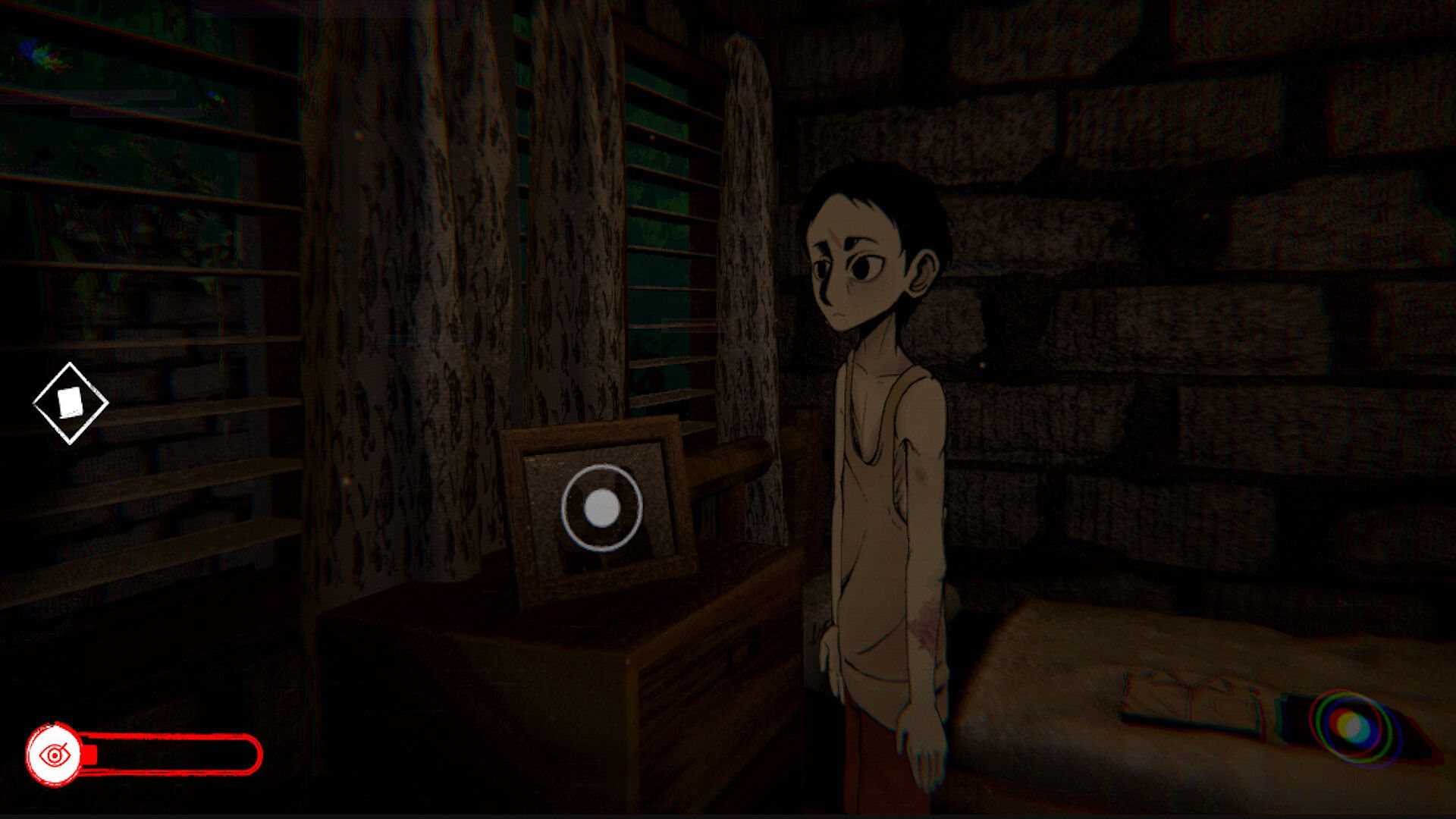
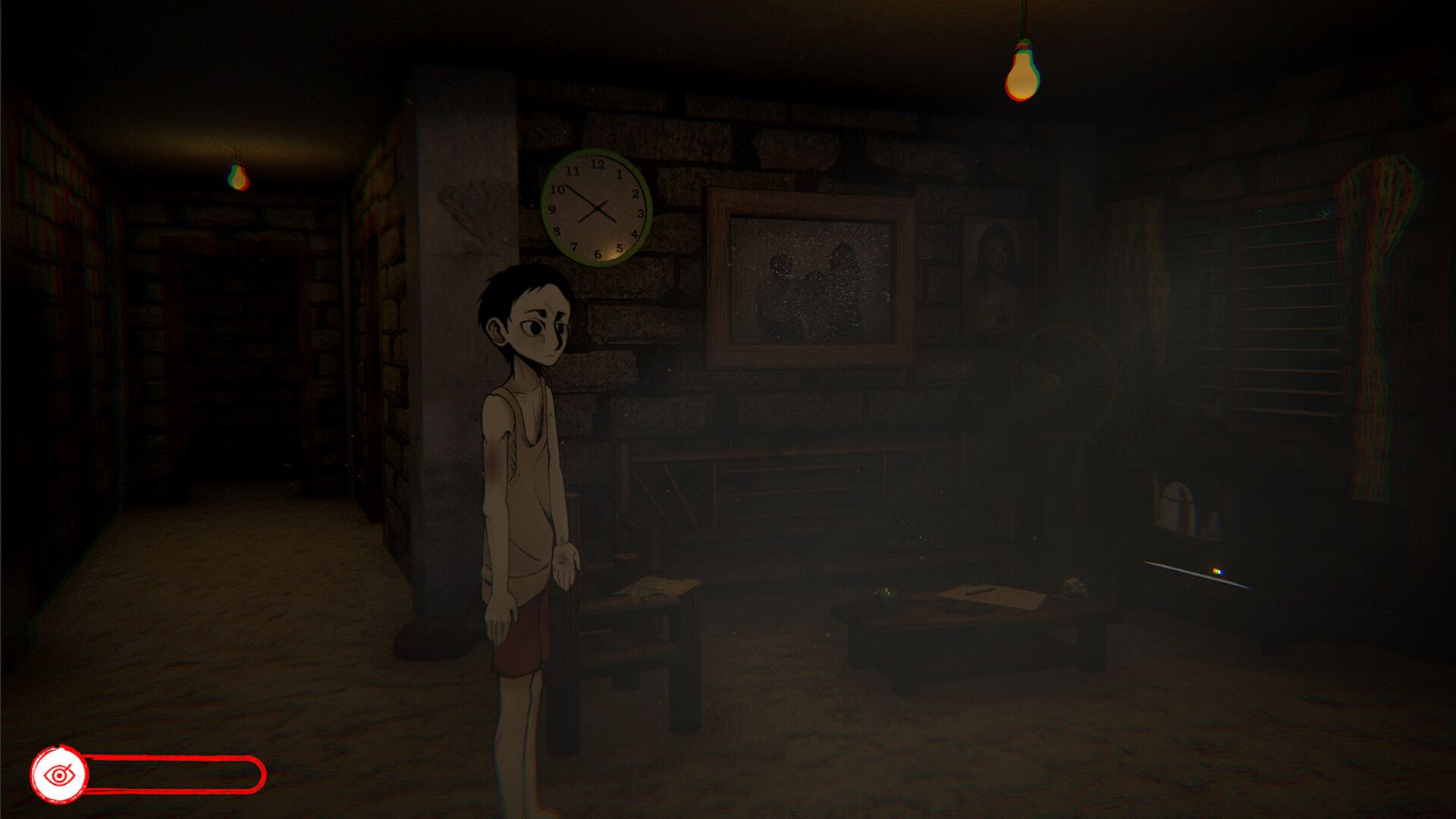
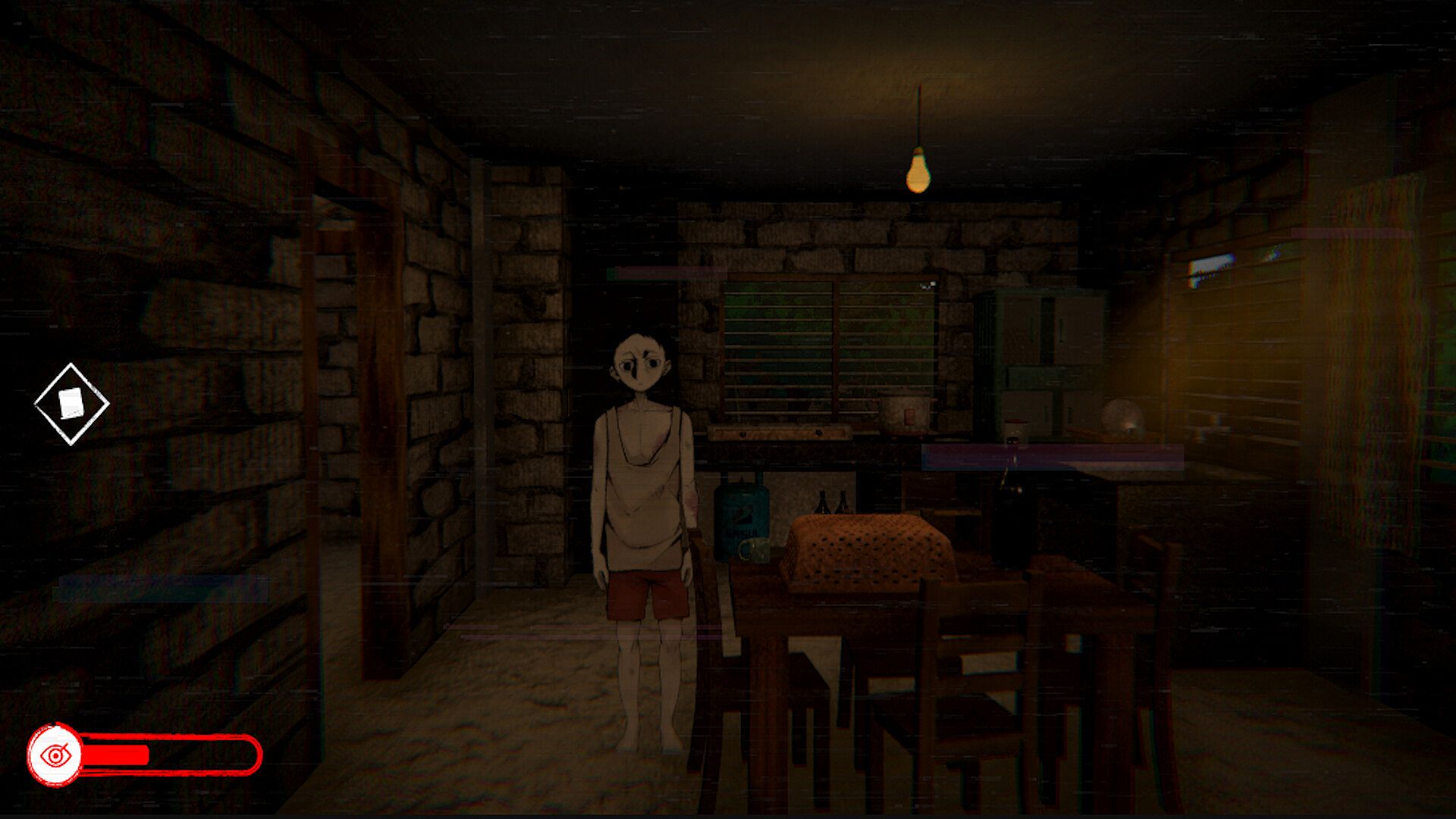
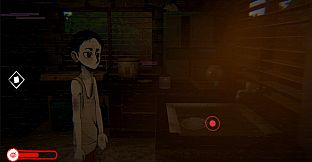
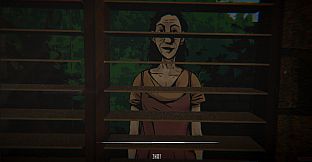
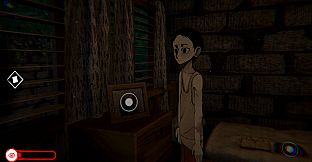
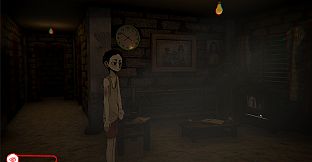
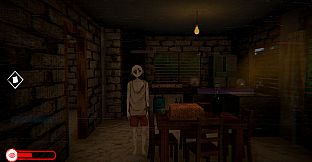
Kulob is a single-player indie adventure game that places players in the role of Junjun, a young boy managing a modest Filipino household during the early 2000s. The experience centers on routine domestic tasks that gradually shift into psychological tension, blending everyday responsibilities with unsettling distortions of reality inside a familiar home environment.
Gameplay
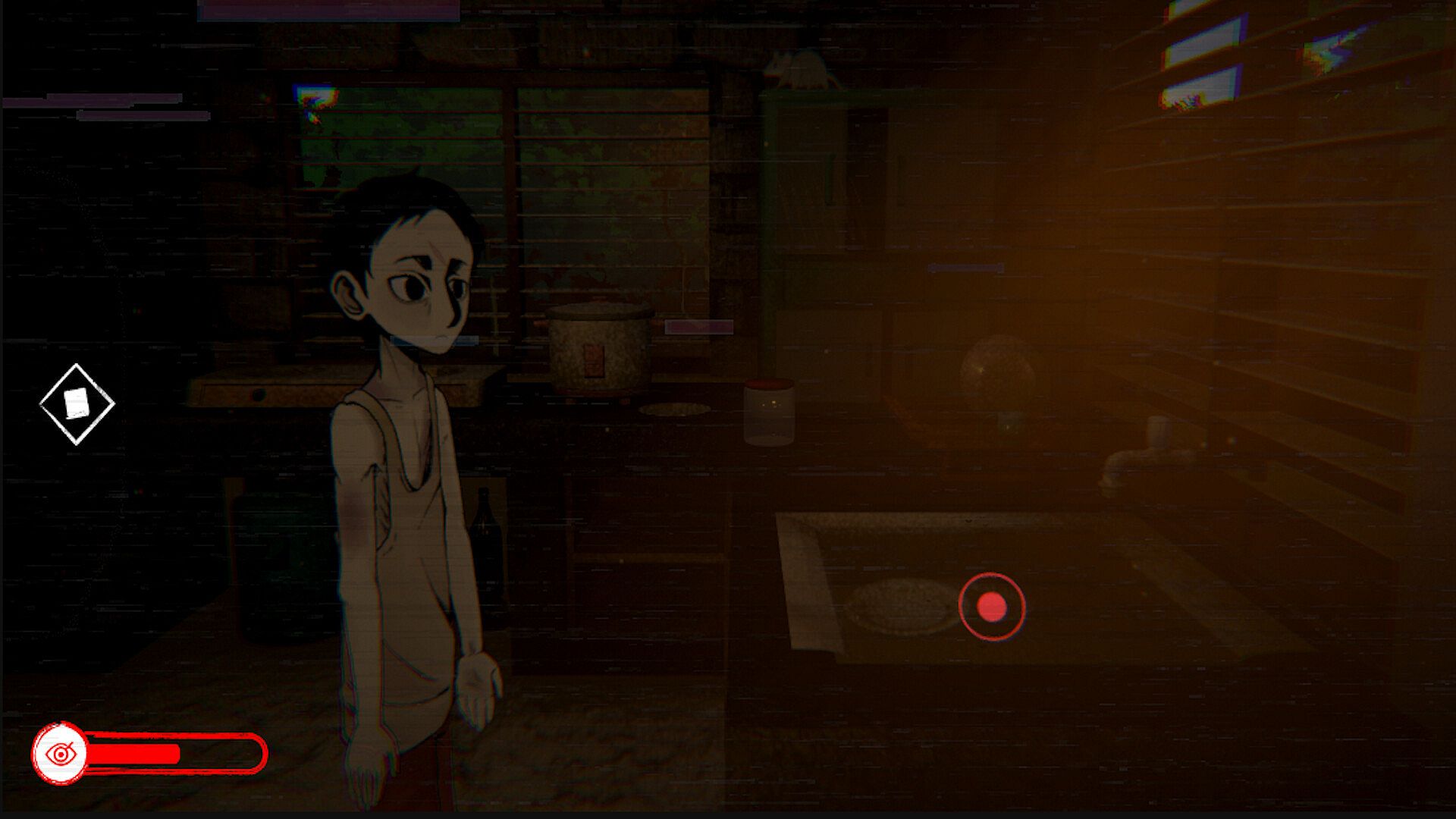
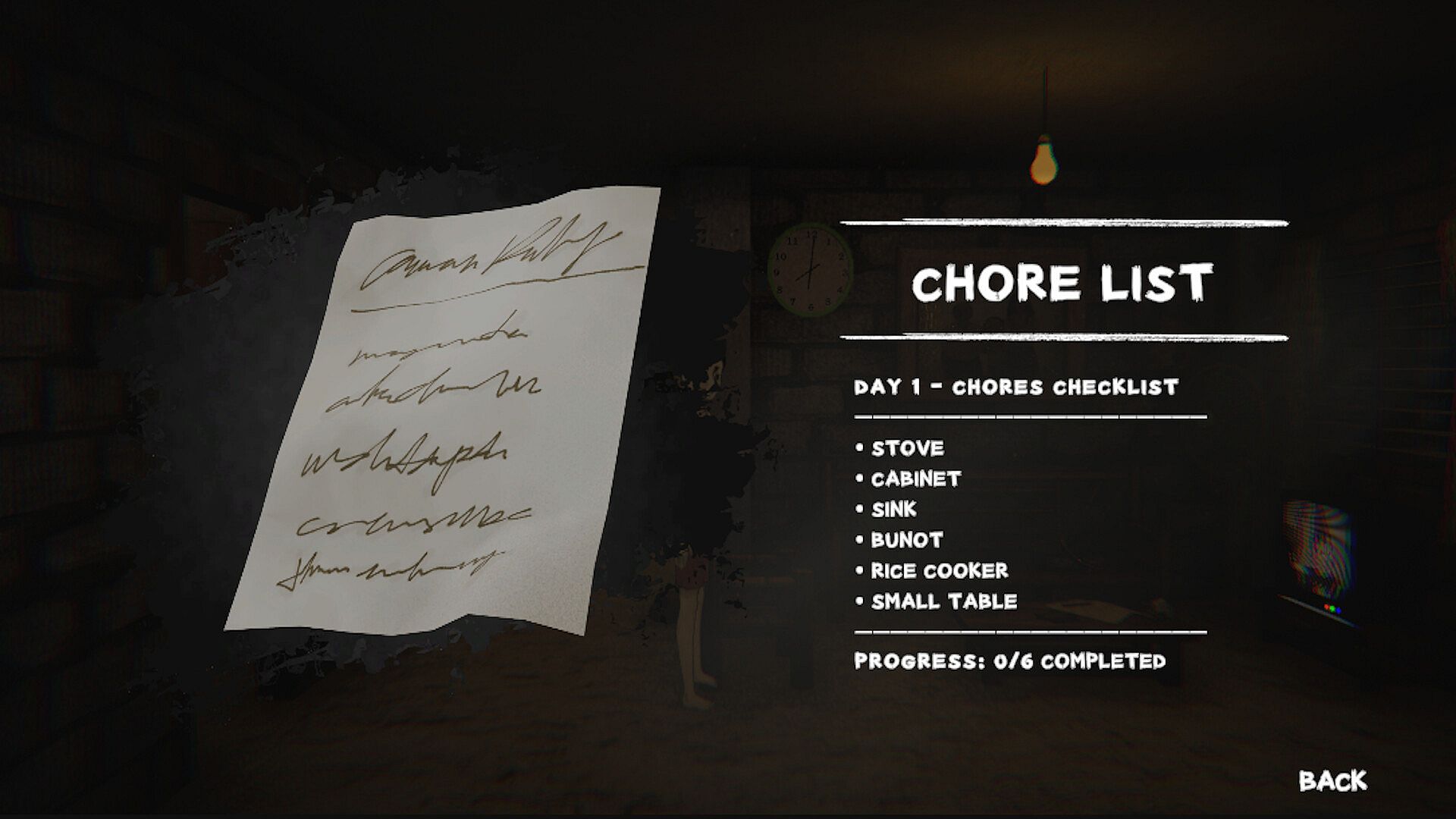
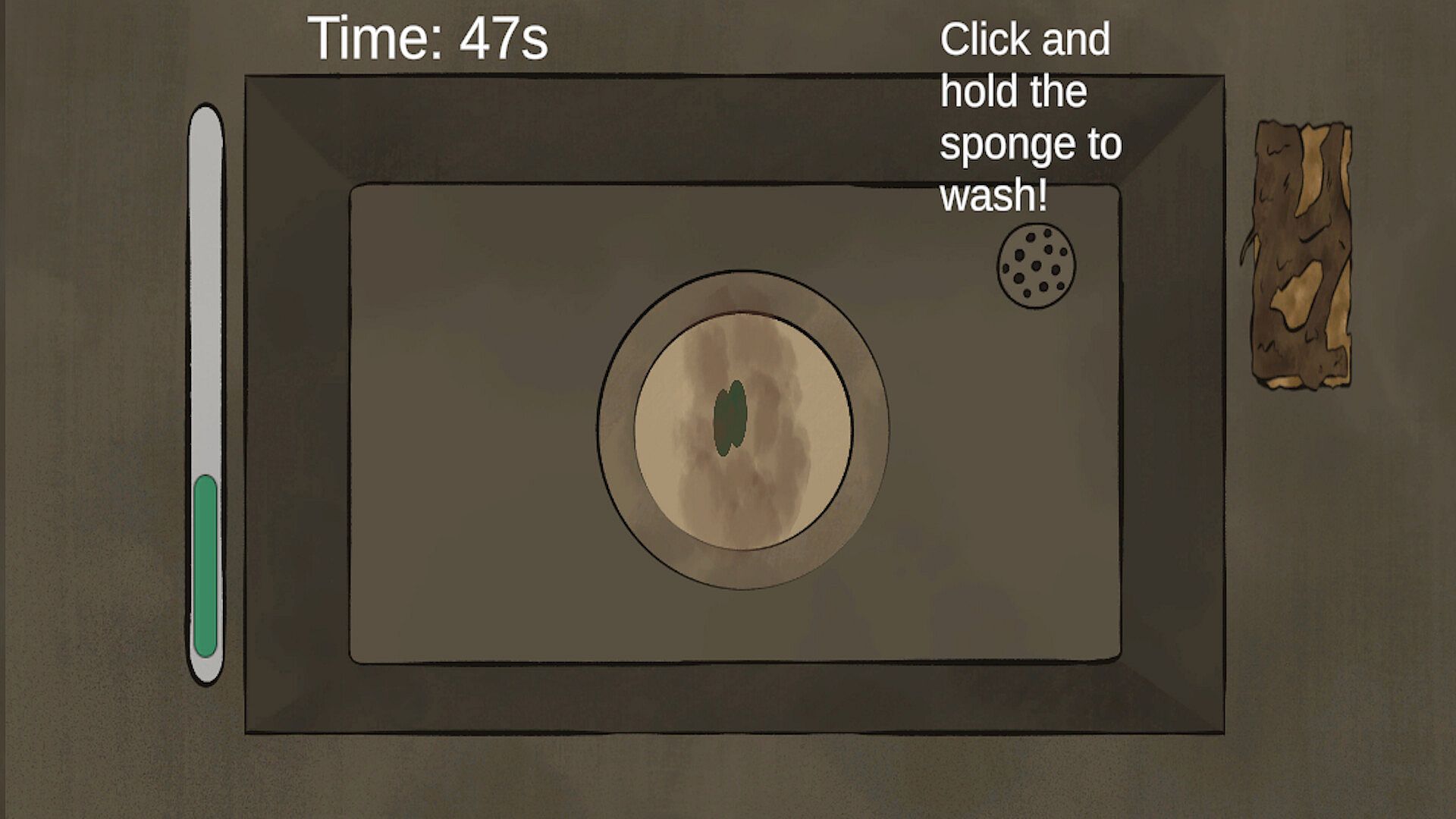
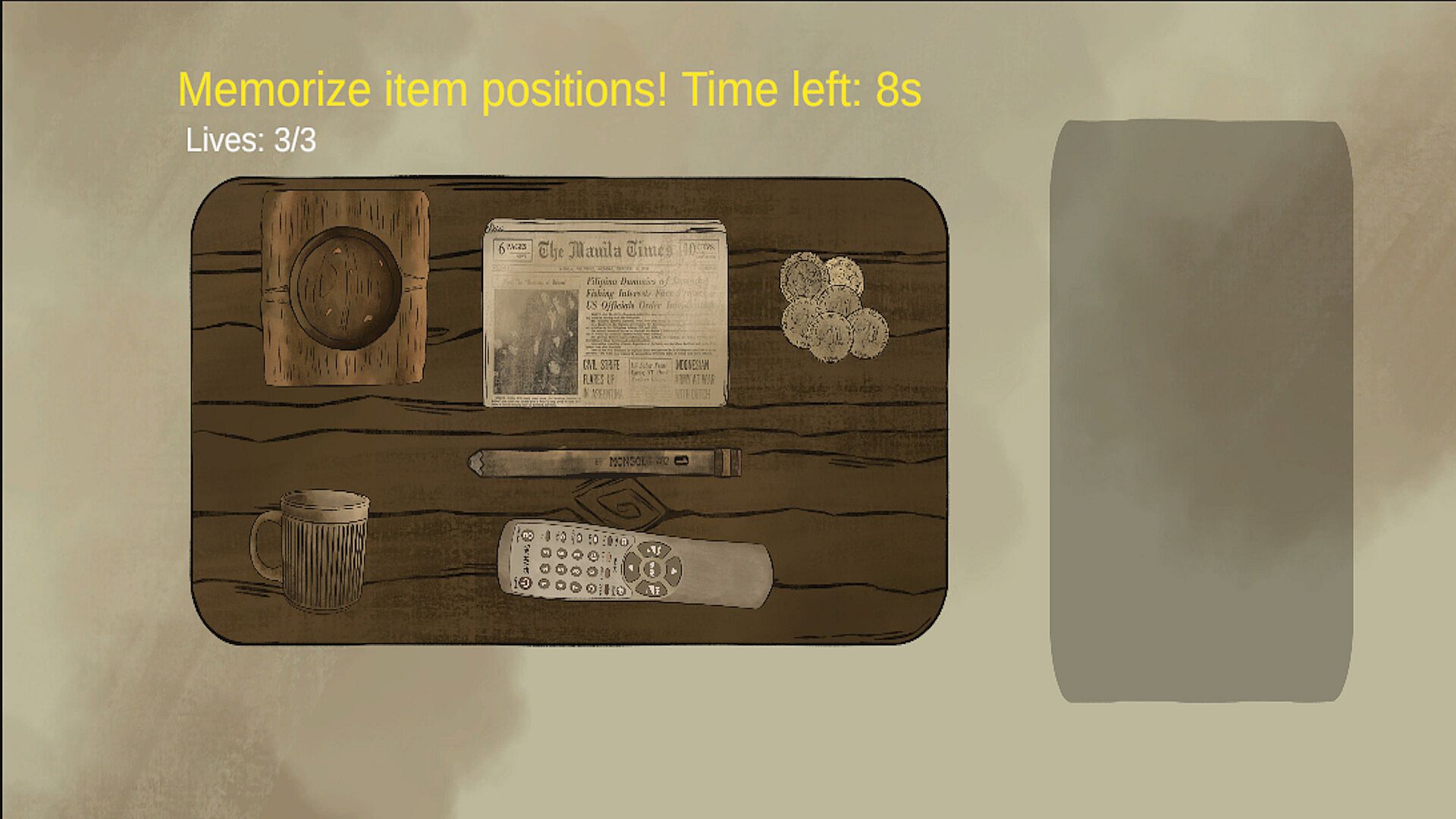
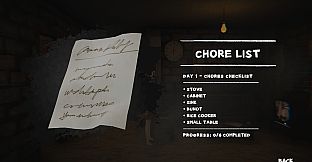
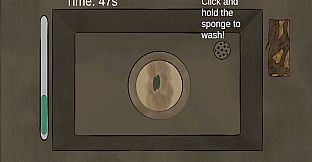
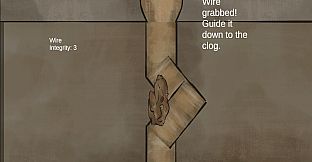
Players begin each session by handling standard household chores such as scrubbing dishes, sweeping floors, and organizing clutter to maintain order before family members return. These activities unfold in a detailed recreation of an early 2000s Philippine residence, complete with period appliances, humid ambient sounds from electric fans, and background radio broadcasts that establish the setting's cultural texture.
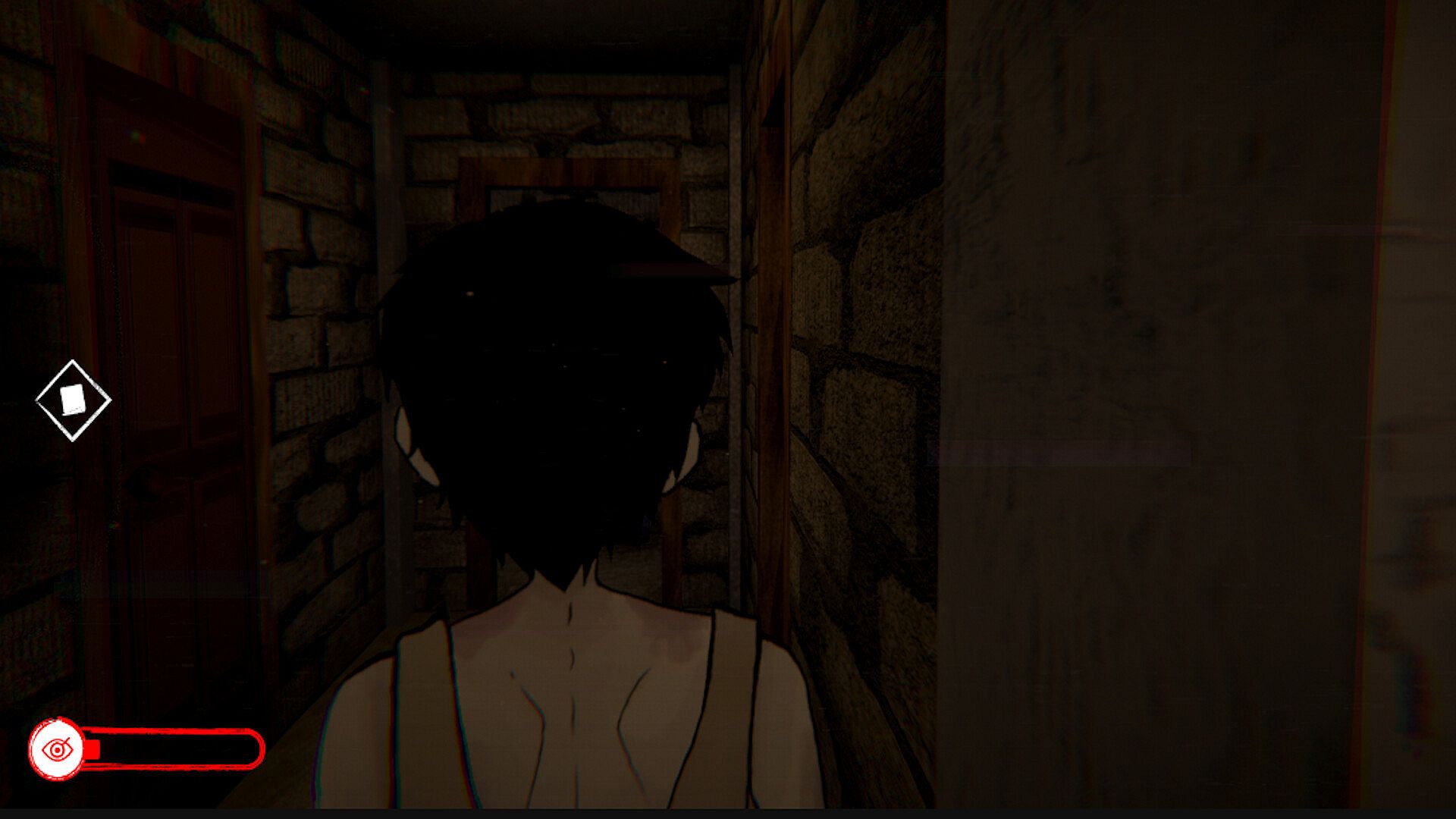
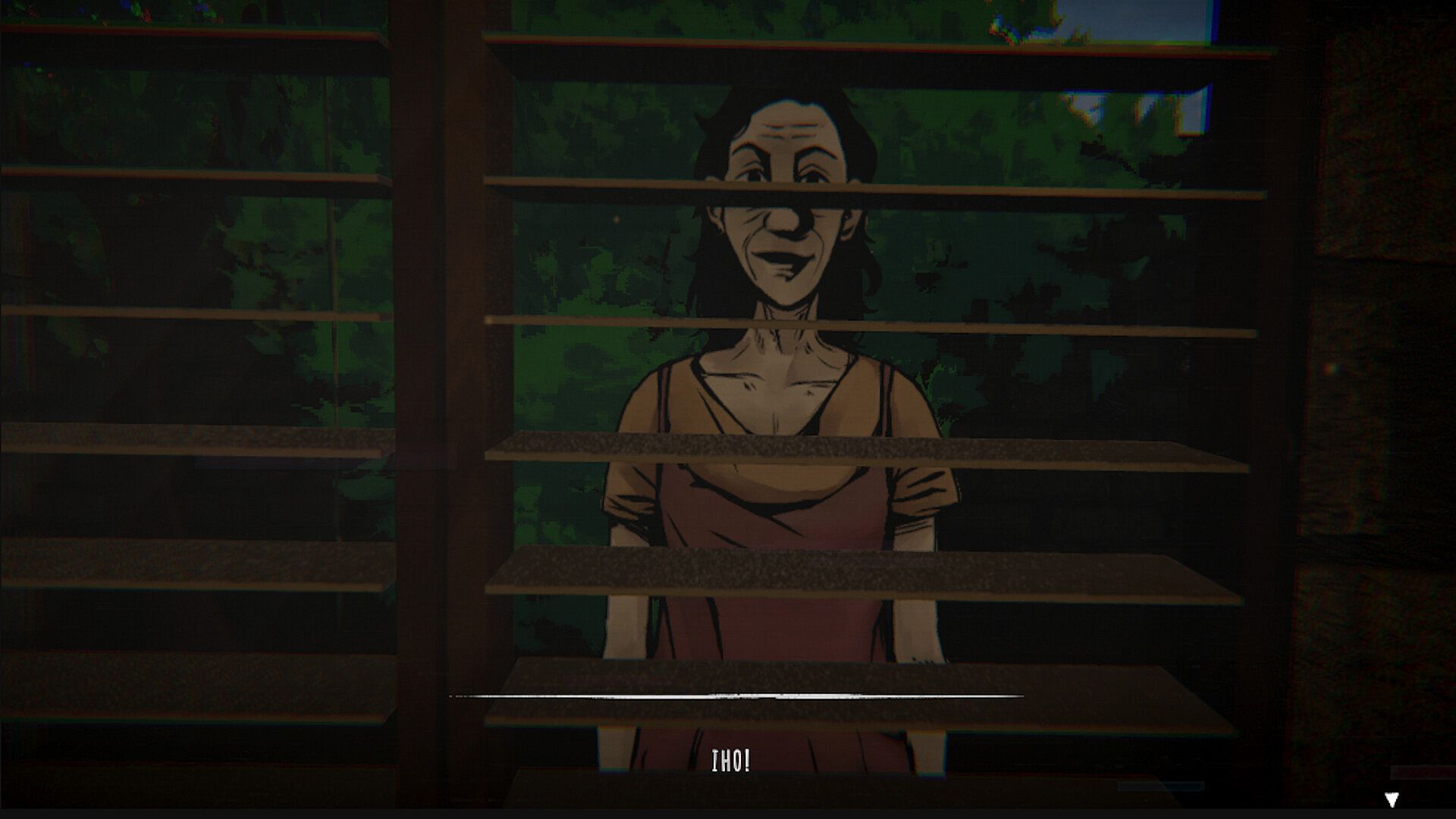
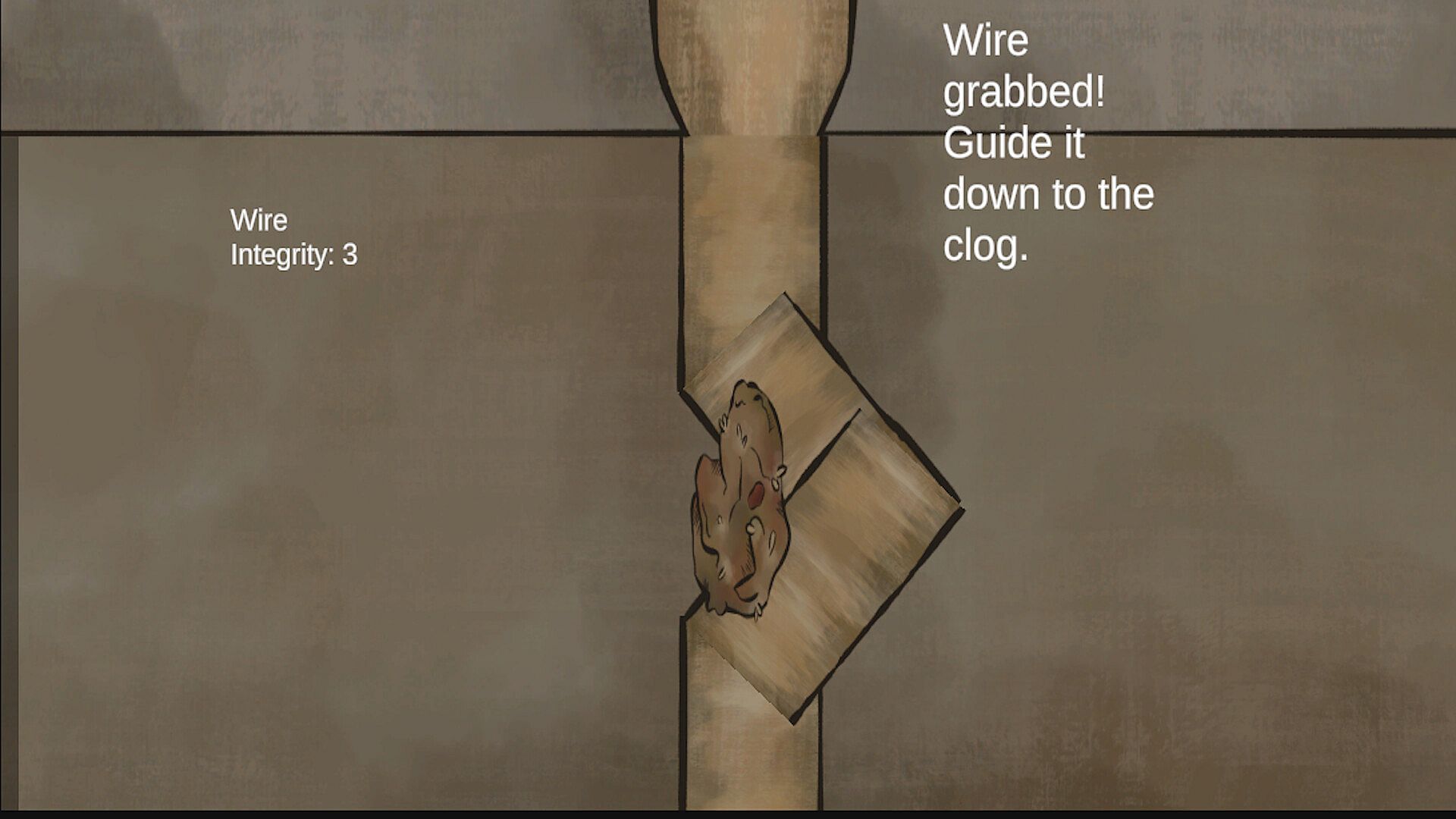
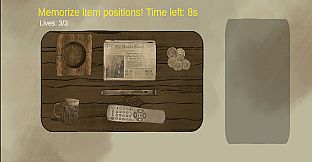
As chores progress, the environment changes in subtle ways. Objects shift positions unexpectedly, noises emerge from locked rooms, and shadows appear in peripheral vision. Completing tasks becomes more difficult as these interruptions intensify, requiring players to navigate the space while managing growing unease. Inspection of personal items like letters and family belongings reveals layers of underlying household stress, encouraging careful observation to advance the narrative.
The core loop emphasizes slow progression through mundane actions interrupted by surreal anomalies. This structure highlights the contrast between ordinary routines and emerging dread, with reality bending in ways that blur the line between external events and internal perception.
Game Modes
Kulob functions as a focused single-player narrative adventure without separate multiplayer components or distinct game modes. Progression follows a linear sequence of chores and exploration within the household, where player choices center on balancing responsibilities against accumulating paranoia rather than competitive or cooperative elements.
Setting and Atmosphere
The game captures the stagnant, oppressive feel of childhood isolation through an authentic early 2000s Filipino domestic space. Details such as local decor, cultural references in the environment, and sensory elements like persistent fan hums ground the experience in a specific time and place. This foundation allows the horror to emerge from the home itself rather than external threats.
Environmental storytelling plays a central role. Examining everyday objects and remnants of family life uncovers tensions that fracture the household, adding depth to the psychological elements. The atmosphere builds through incremental shifts, where familiar rooms grow alien and suffocating over the course of a single day.
Is It Worth Playing?
Kulob targets players interested in slow-burn psychological horror and narrative-driven indie adventures. Its emphasis on chore-based progression combined with creeping dread offers a distinct approach to domestic tension, appealing to those who appreciate atmospheric storytelling over action or combat.
With no user reviews available and a planned release date still to be announced, the game remains in a pre-launch state. Those drawn to experiences that explore blurred boundaries between imagination, emotional strain, and potential supernatural elements may find its premise compelling once it becomes available.












