


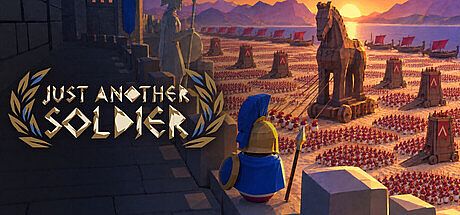


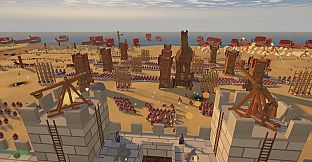
Just Another Soldier is an action defense roguelite that places players in control of ordinary soldiers during a reimagined Trojan War. The game blends first-person melee and ranged combat with strategic fortress management on PC, drawing from indie roots and Early Access development. It emphasizes repeated runs where death leads to immediate respawn in a new body while permanent upgrades persist across attempts.
Gameplay
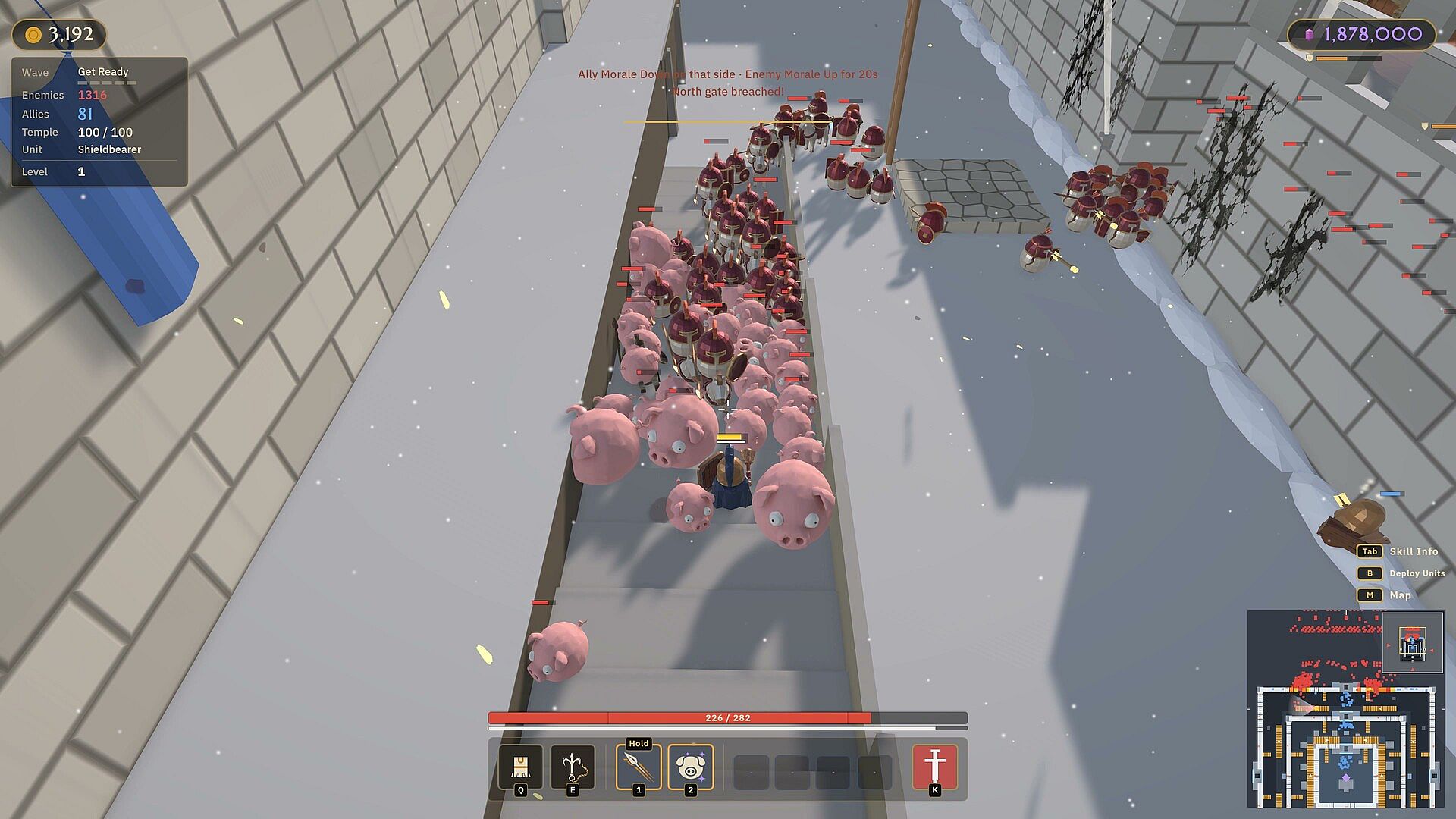
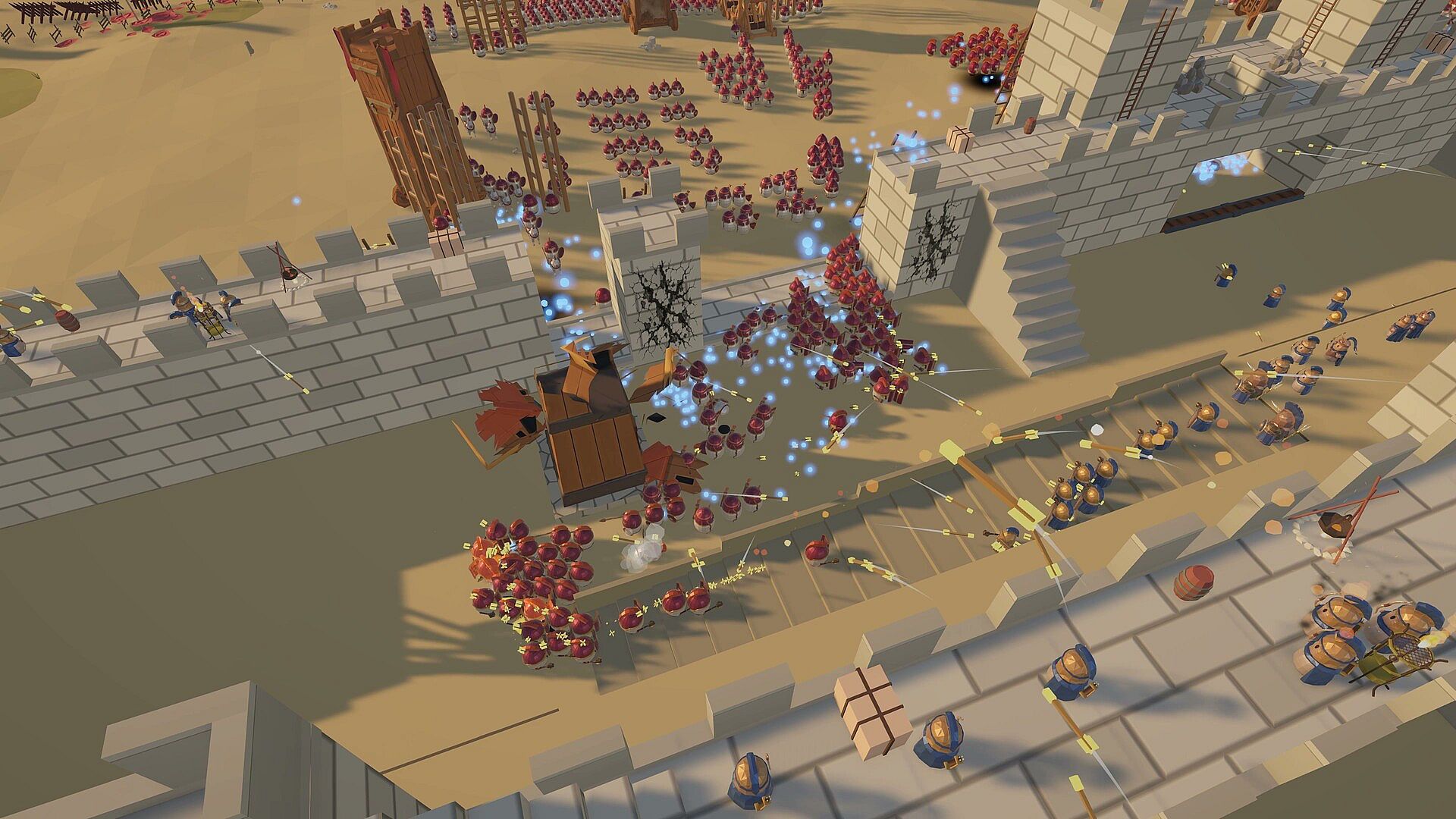
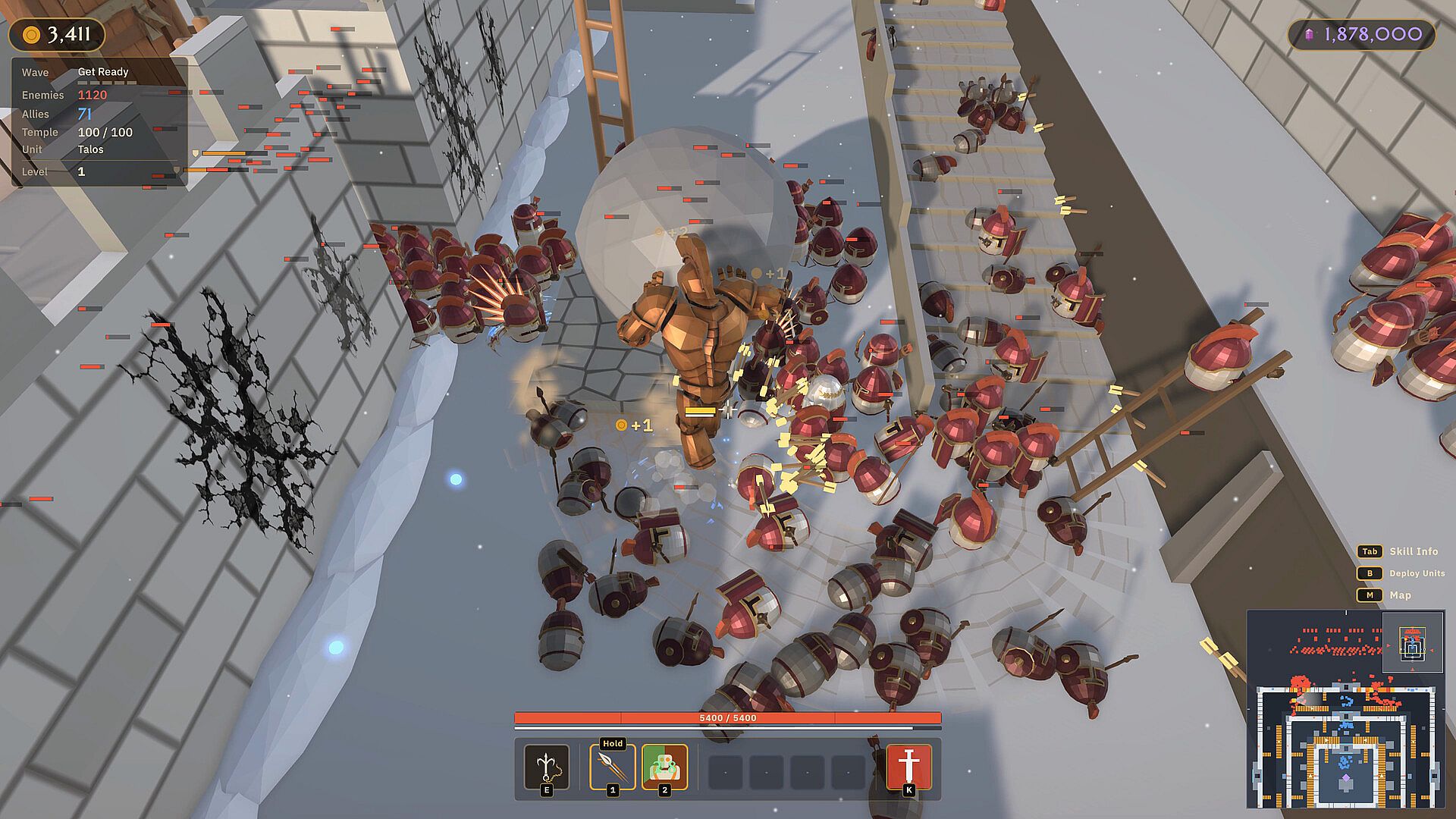
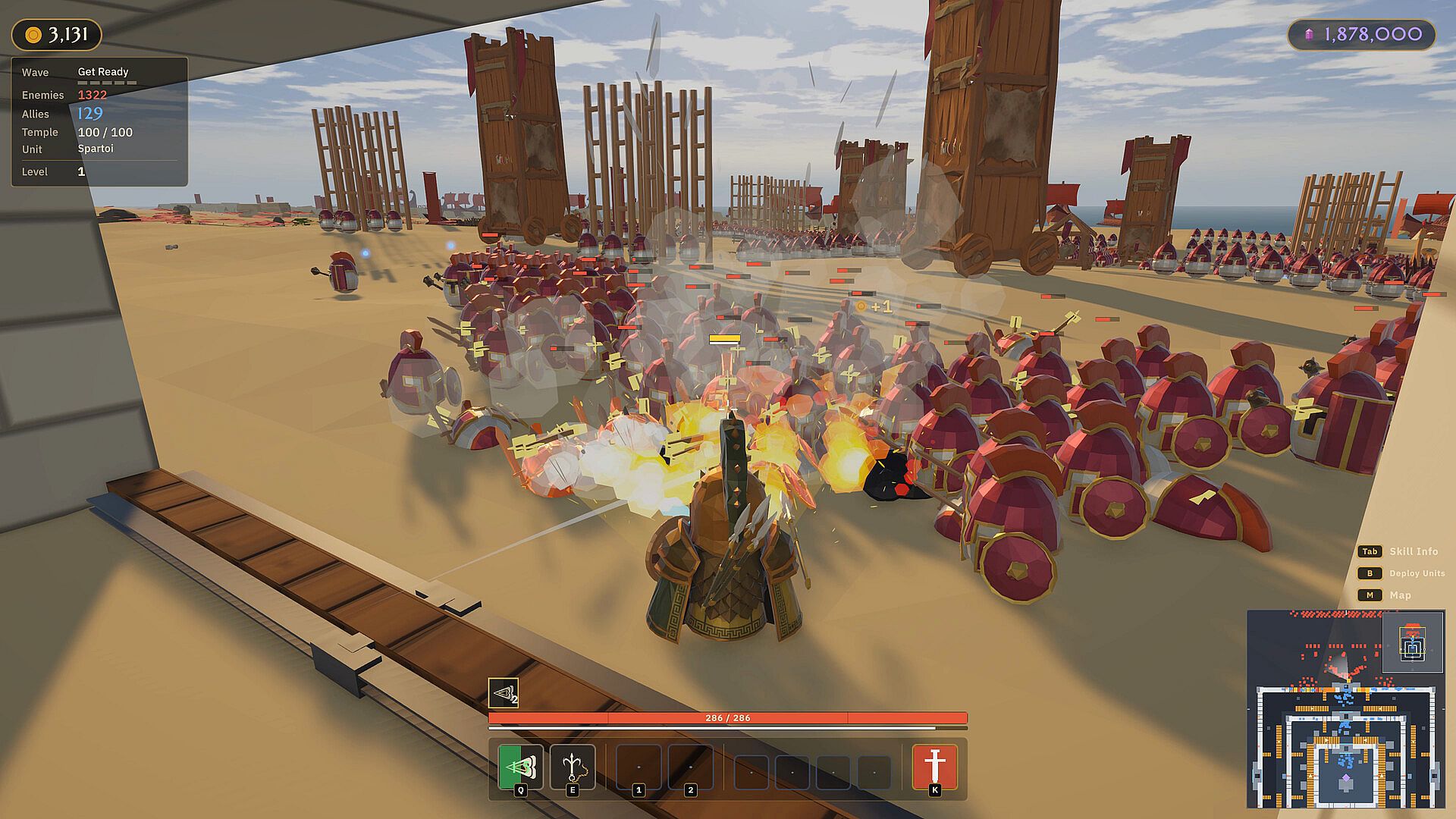
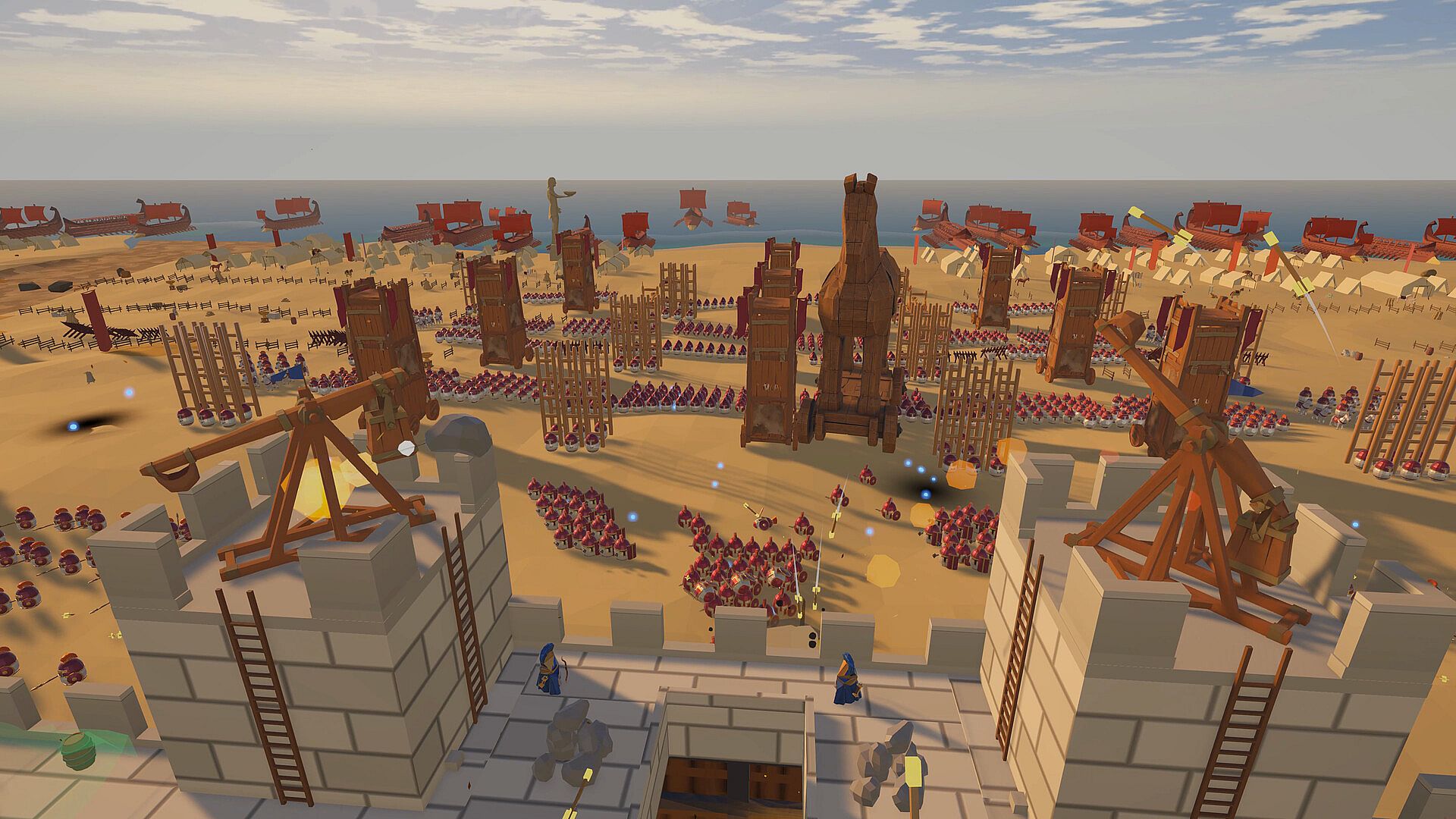
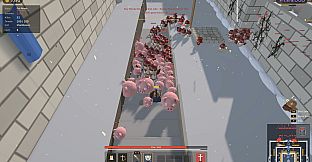
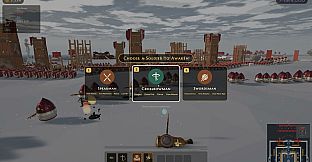
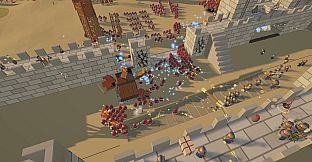
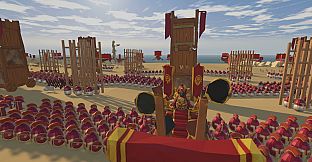
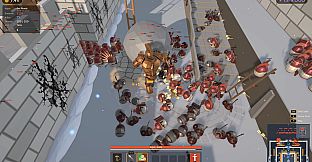
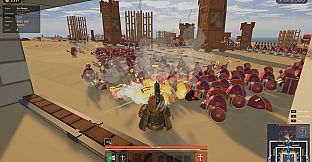
Players take direct control of individual soldiers such as spearmen, archers, or swordsmen to defend the walls of Troy. Combat occurs in first-person view for close-quarters action or switches to third-person for a broader battlefield overview. Thousands of Greek soldiers and mythic creatures advance in waves, requiring players to engage in melee, fire projectiles, or operate siege engines like ballistae, catapults, trebuchets, and scorpions.
Between waves, the deployment phase allows placement of soldiers in chosen positions, mounting of siege engines on emplacements, and selection of watchtower types. Repairs using a hammer maintain wall integrity against the onslaught. Death triggers an instant respawn as another allied soldier somewhere on the field, with upgrades tied to the player's soul rather than any single body.
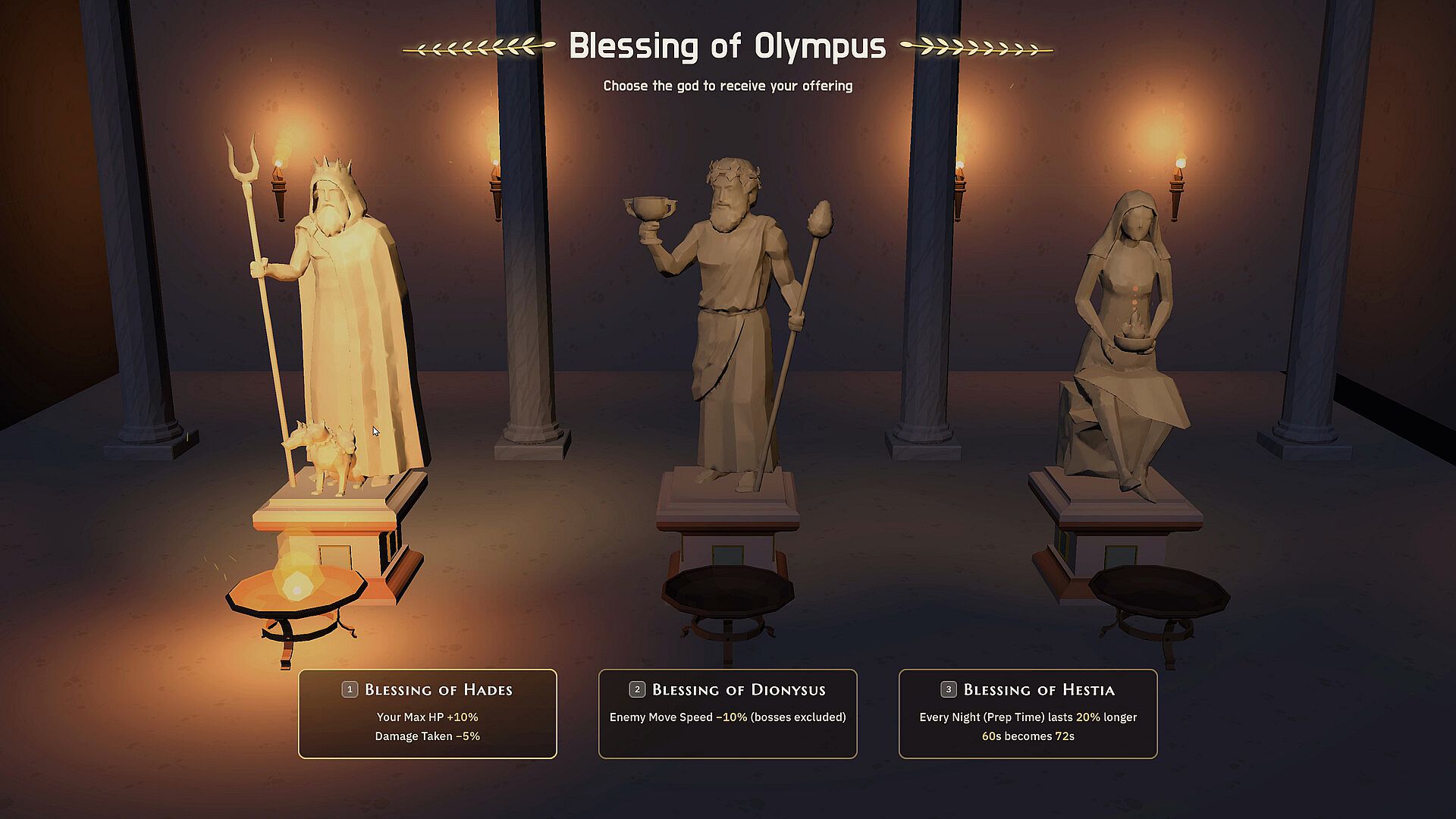
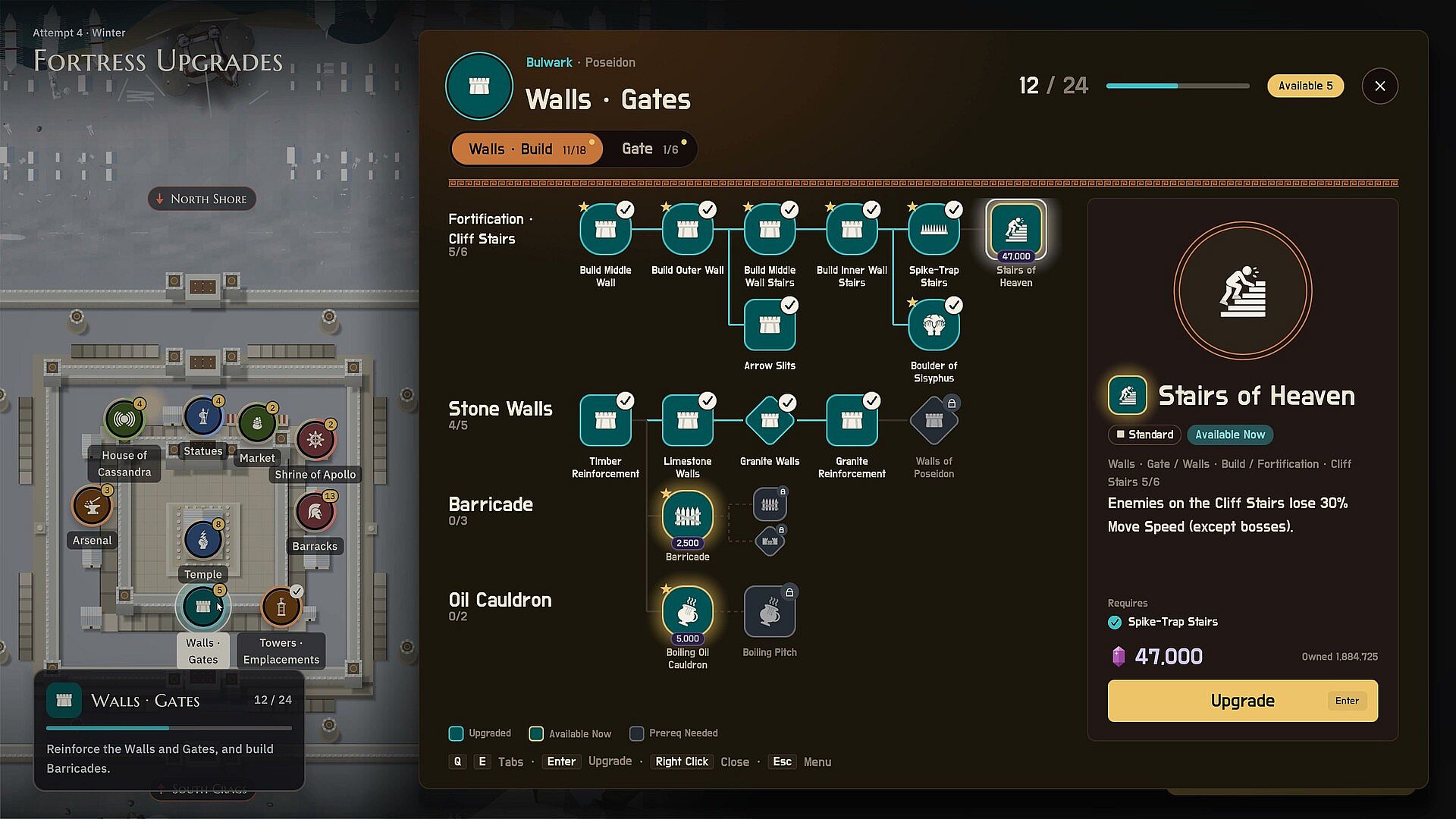
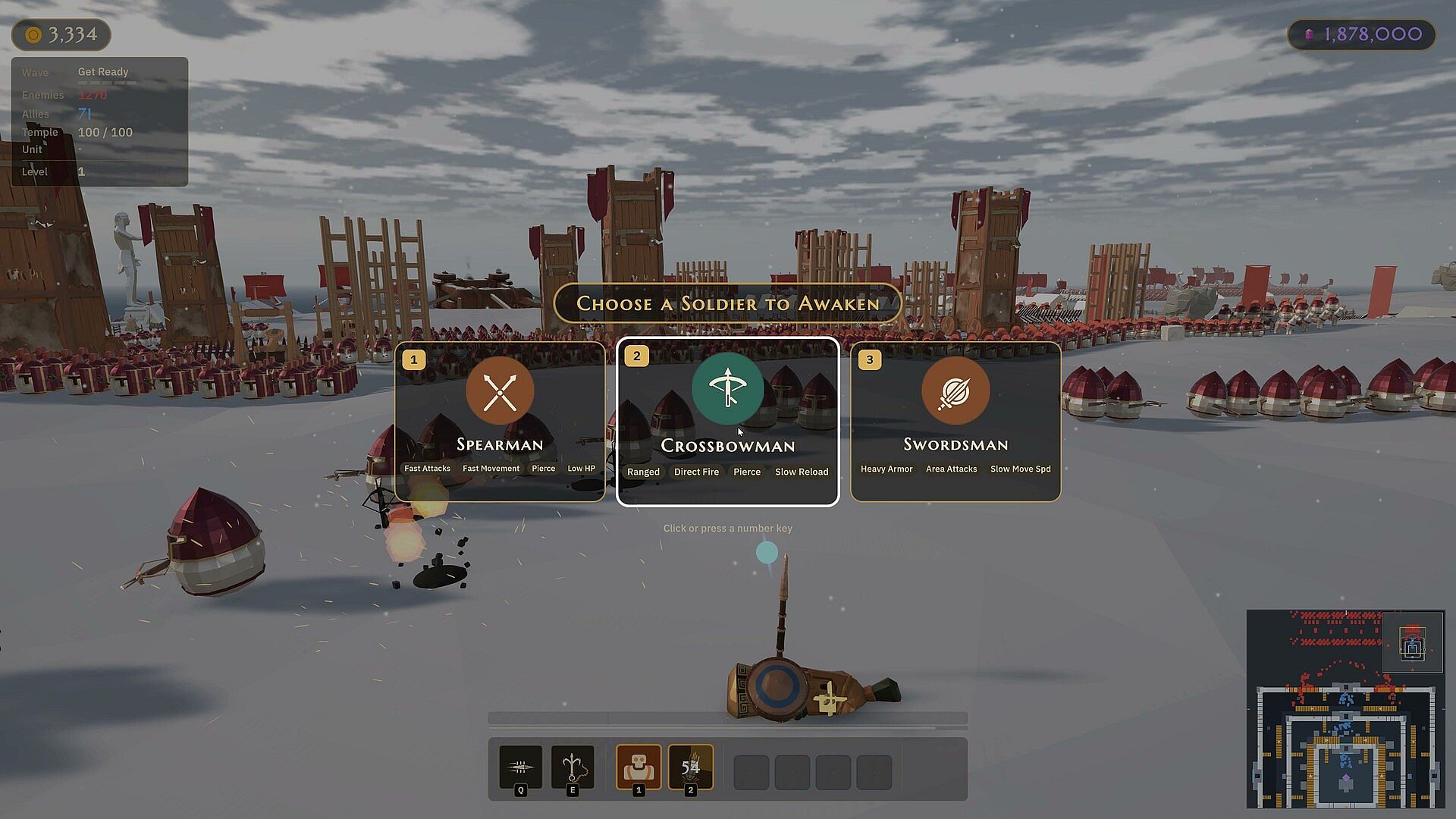
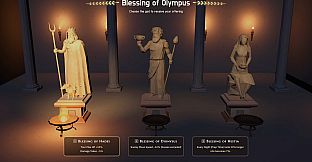
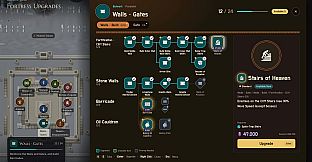
Level-ups present a choice of three cards ranging from common to legendary rarity. These combine into two active and four passive slots to form unique builds. Powers drawn from gods including Poseidon, Ares, Hades, and Kronos enhance abilities, while Kronos occasionally delivers crates of future weapons. Soul Gems collected from fallen enemies fund over 100 permanent upgrades to walls, gates, watchtowers, siege engines, unit ranks, and divine powers, altering both appearance and combat effectiveness.
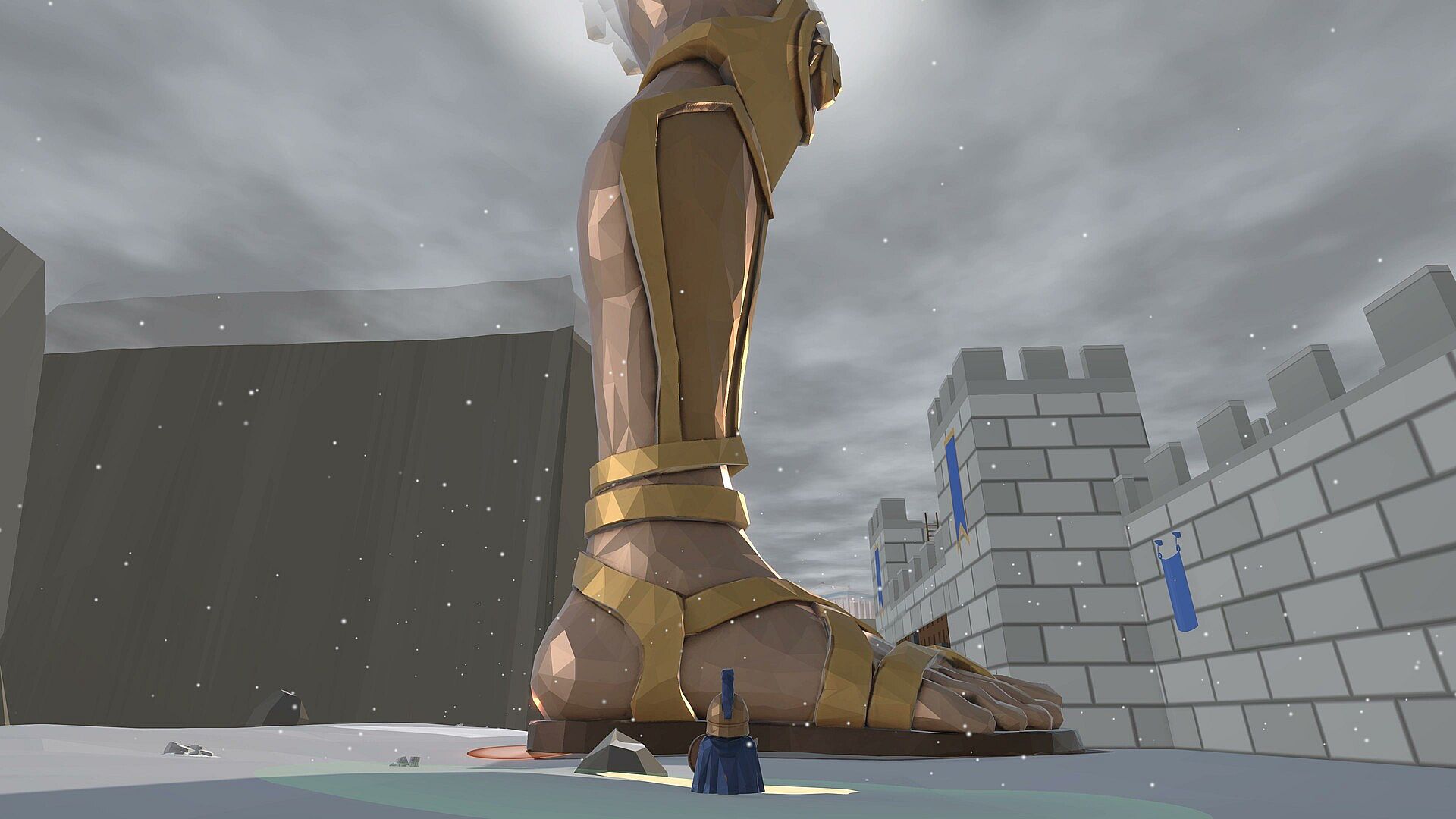
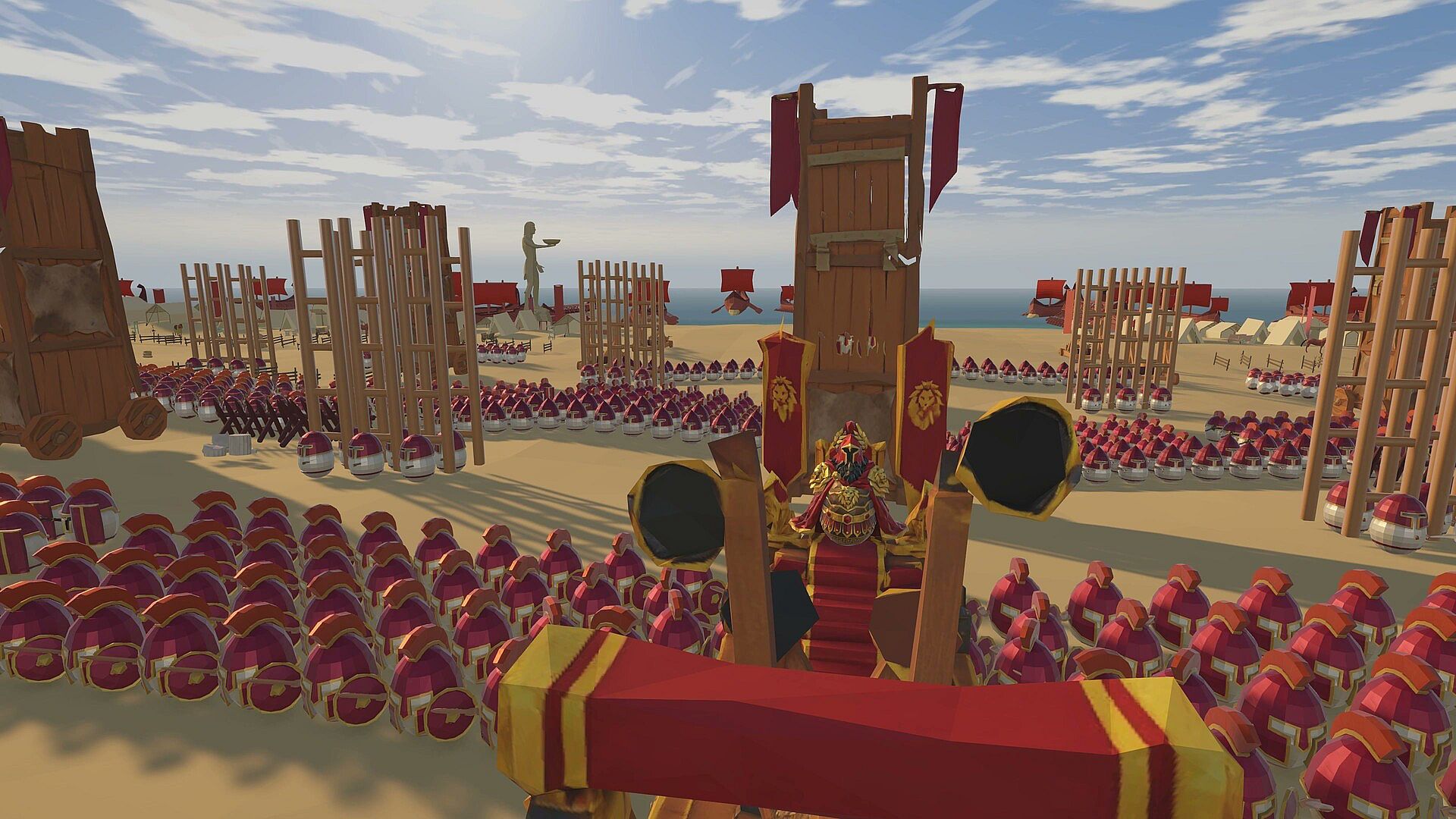
Seasons from spring through winter reshape terrain and attack paths. Each season concludes with an assault led by a Greek hero such as Agamemnon, Odysseus, or a titan-sized Achilles, whose heel serves as the key vulnerability. Mythic figures including the Minotaur, Cyclopes, the Hydra, and Medusa fight alongside Greek forces. A codex tracks collected soldiers, monsters, and bosses.
Game Modes
The core experience centers on a campaign structured around four distinct seasons. Each season modifies the battlefield layout and culminates in a hero-led final wave, encouraging adaptation of builds and fortress defenses across runs. The low-poly art style supports clear visibility of unit movements and siege lines during large-scale assaults.
Card combinations and god powers create varied strategies per attempt, while Soul Gem upgrades provide long-term progression that influences future campaigns. The system rewards experimentation with different soldier types and emplacement setups to counter shifting enemy compositions and seasonal terrain changes.
Progression and Upgrades
Soul Gems serve as the primary currency for permanent improvements that carry across runs. These enhancements expand options for wall reinforcement, siege engine performance, unit capabilities, and access to stronger divine abilities. Over 100 such upgrades allow the fortress to evolve visually and functionally, supporting deeper defensive setups against increasingly challenging waves.
The roguelite structure ensures each run builds on prior progress through card selections and carried-over power. Players collect entries in the codex to document encounters with soldiers, monsters, and bosses, adding a layer of completion alongside fortress strengthening.
Is It Worth Playing?
Just Another Soldier targets players who enjoy roguelite progression mixed with tower defense and direct combat control. The respawn mechanic keeps momentum high during intense waves, while card builds and god powers offer meaningful choices that alter run outcomes. Seasonal variations and hero encounters provide structured variety within the campaign framework.
Those drawn to indie strategy-action hybrids with mythological themes may find the low-poly presentation and focused loop appealing. The Early Access status means the experience centers on the verified campaign elements, with potential for additional content based on development plans. Fans of games emphasizing repeated defense runs, build crafting, and permanent upgrades will likely appreciate the core systems as described.












