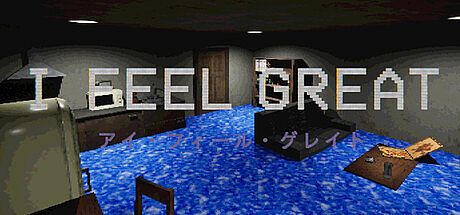


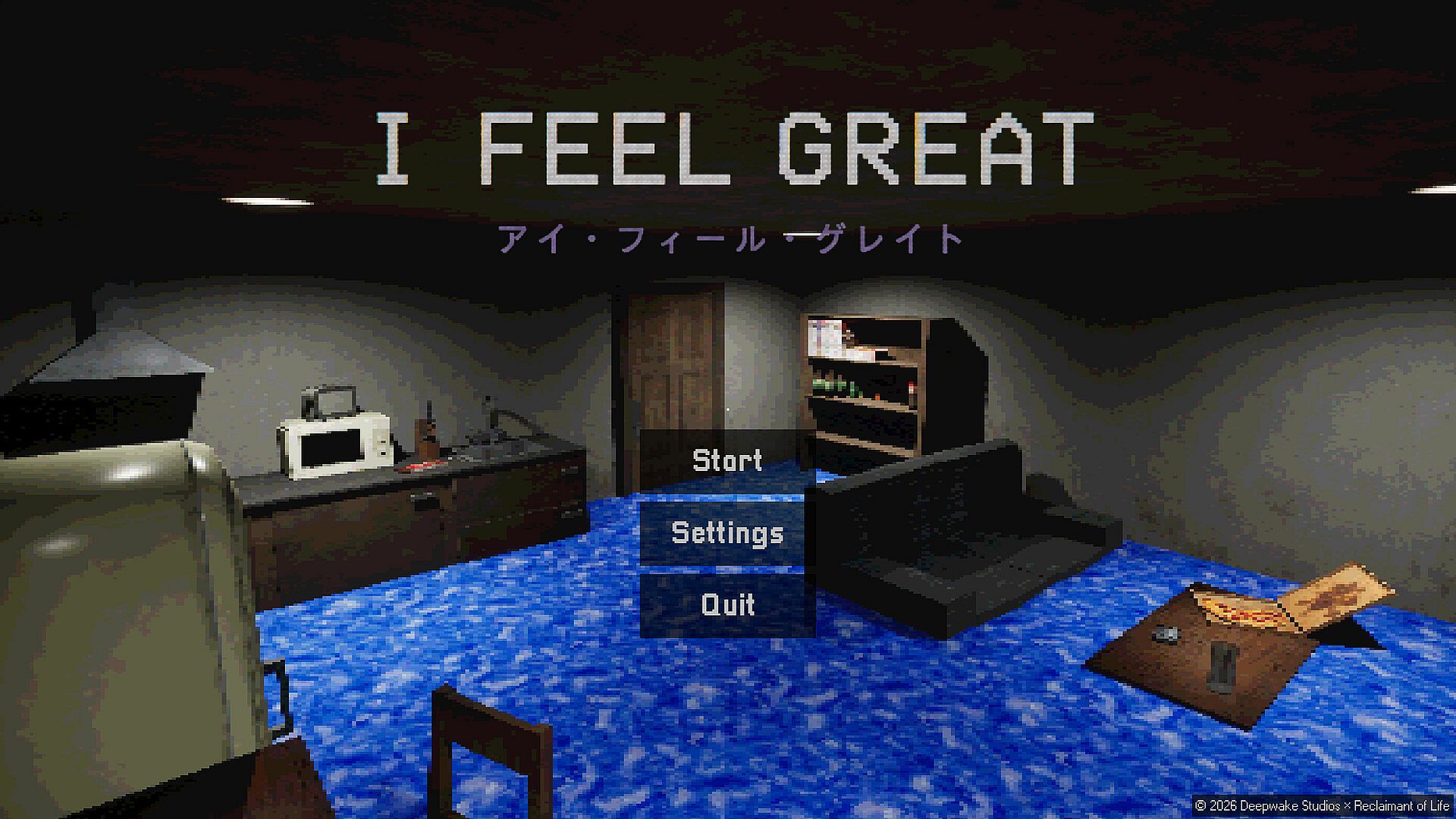
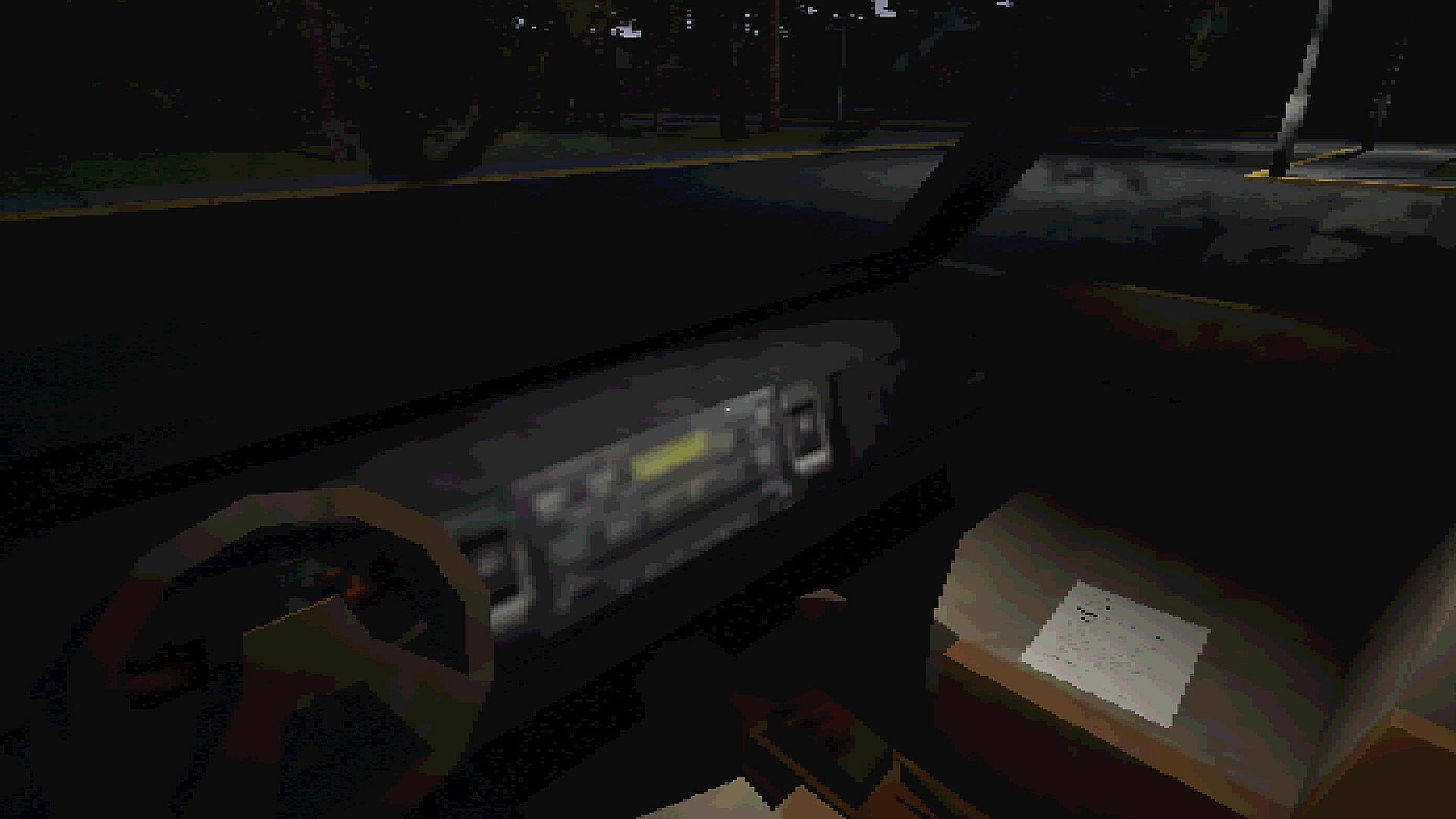
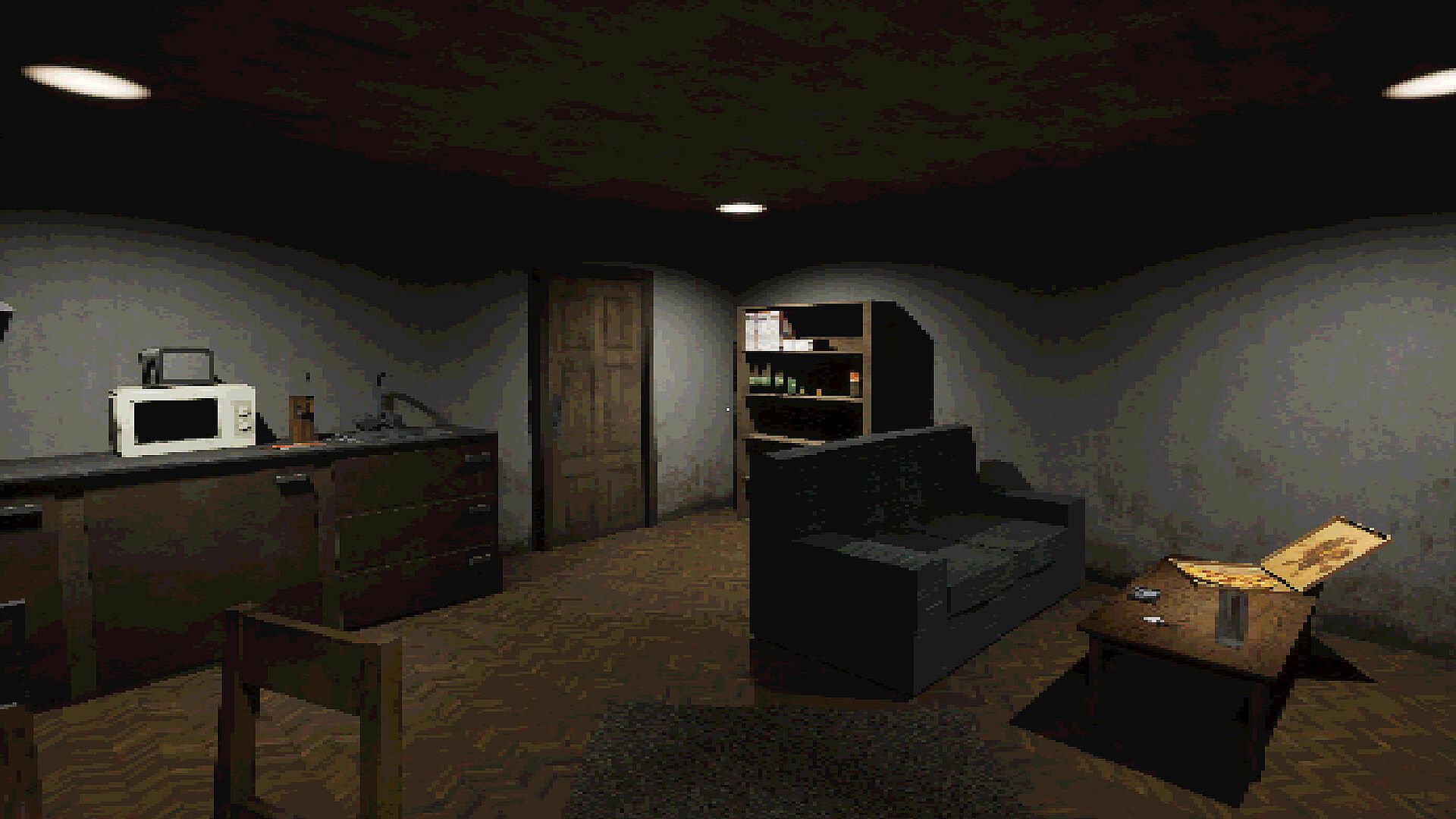
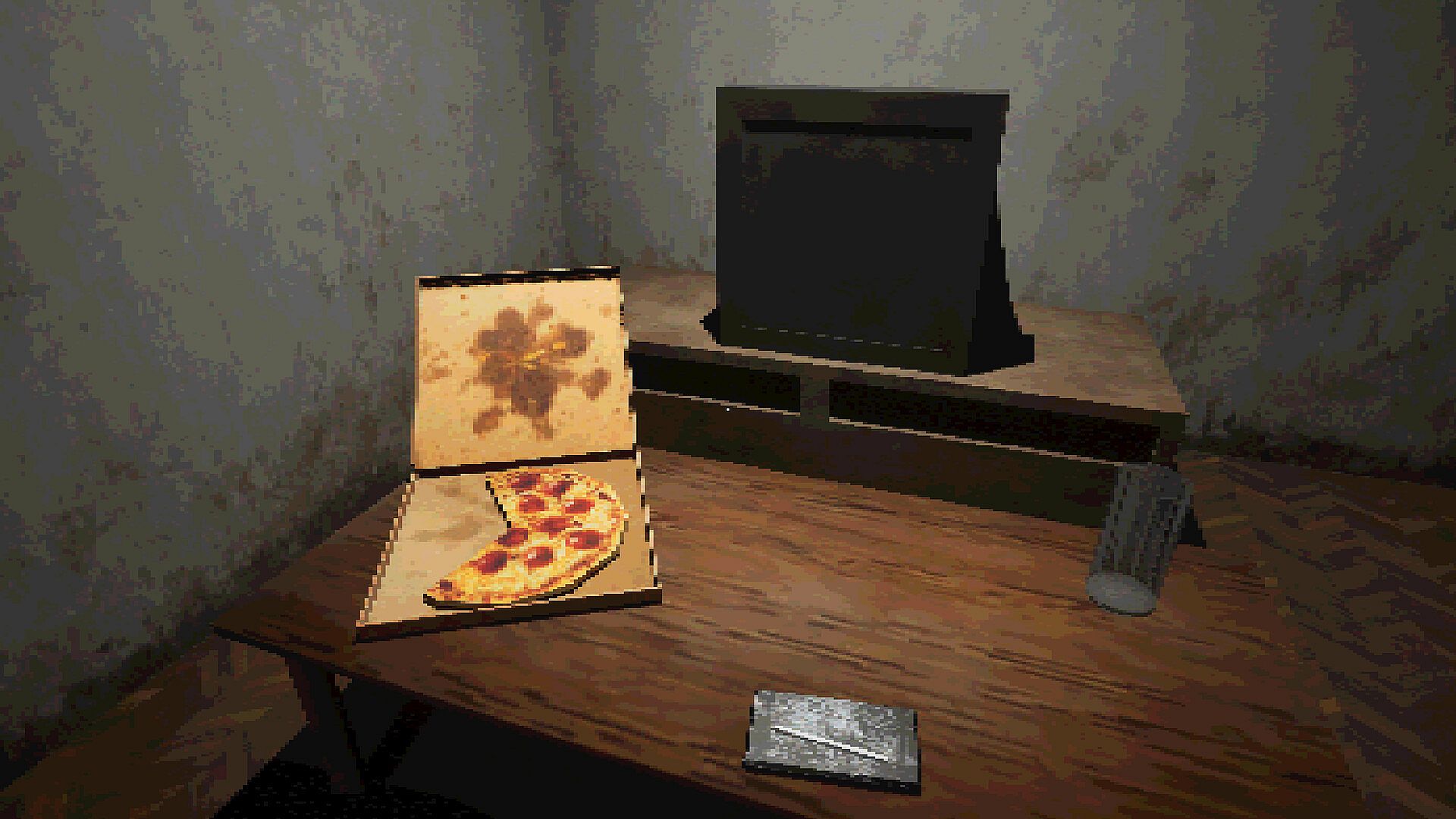
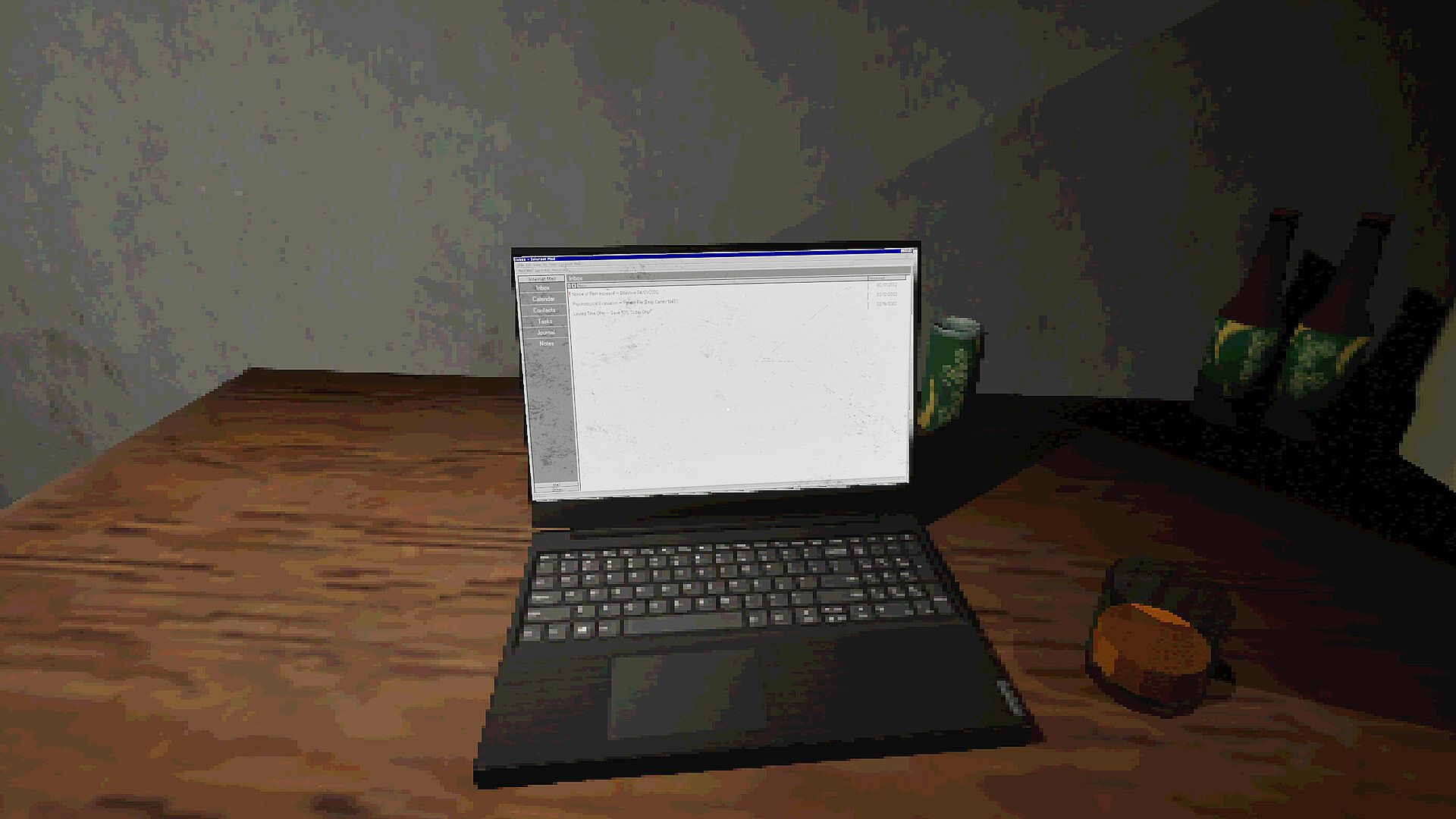
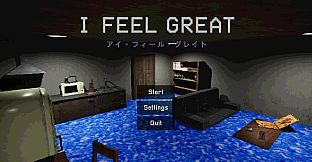

I Feel Great is an indie adventure game for PC that presents a concise interactive narrative centered on the routines and quiet pressures of daily existence. Players follow a character through a typical cycle of commuting, working long hours at a desk, returning home to passive television viewing, and dealing with incoming messages about rising rent or canceled opportunities. The experience lasts 10 to 15 minutes and draws inspiration from the song "I'll Always Kill Myself Too Late" to examine themes of exhaustion and the layers beneath ordinary life.
Gameplay
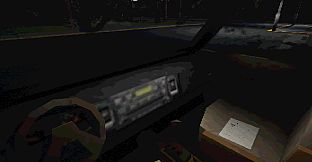
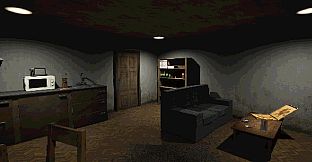
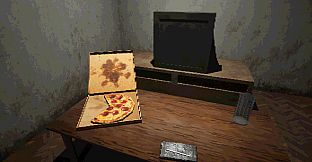
The core loop revolves around navigating familiar scenes from a modern adult routine. Movement and simple interactions guide the player through driving sequences, keyboard work sessions, and domestic moments where the television plays in the background. Environmental details and narrative text highlight the repetitive nature of these activities while gradually revealing underlying feelings of dissatisfaction. The short format keeps focus on atmosphere and subtle emotional shifts rather than complex systems or extended exploration.
Game Modes
This title offers a single, linear narrative experience designed for one sitting. There are no separate modes or branching paths confirmed in available information, allowing the story to unfold in a focused sequence that mirrors the monotony and interruptions of everyday life.
Story and Themes
The narrative builds from mundane events such as job commutes and apartment living to touch on broader questions about whether routine existence feels sufficient. Text messages about financial pressures or lost chances serve as entry points for reflection on exhaustion. The inspiration from the referenced song informs the tone, blending quiet resignation with hints of deeper personal struggles without relying on dramatic plot twists or external conflicts.
Who It Is For
Players seeking short, introspective indie adventures will find alignment with the game's emphasis on relatable modern pressures. It suits those interested in narrative-driven experiences that prioritize emotional resonance over action, puzzles, or multiplayer elements. The brevity makes it accessible for quick sessions while encouraging consideration of personal routines afterward.
Is It Worth Playing?
The game delivers a compact interactive narrative that captures the weight of daily repetition and subtle discontent. Its strength lies in the focused presentation of ordinary scenes and the way small details accumulate to suggest something more beneath the surface. Those drawn to concise adventure titles exploring real-life themes may appreciate the direct approach and brevity. Without confirmed updates or additional content, the experience stands as a standalone piece best suited for players who value atmospheric storytelling in a brief package. If the described themes resonate, the short runtime provides a low-commitment way to engage with them.