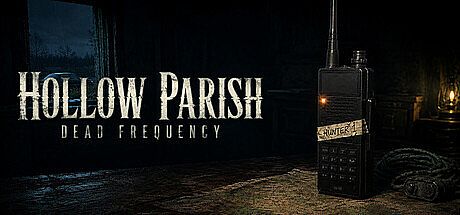


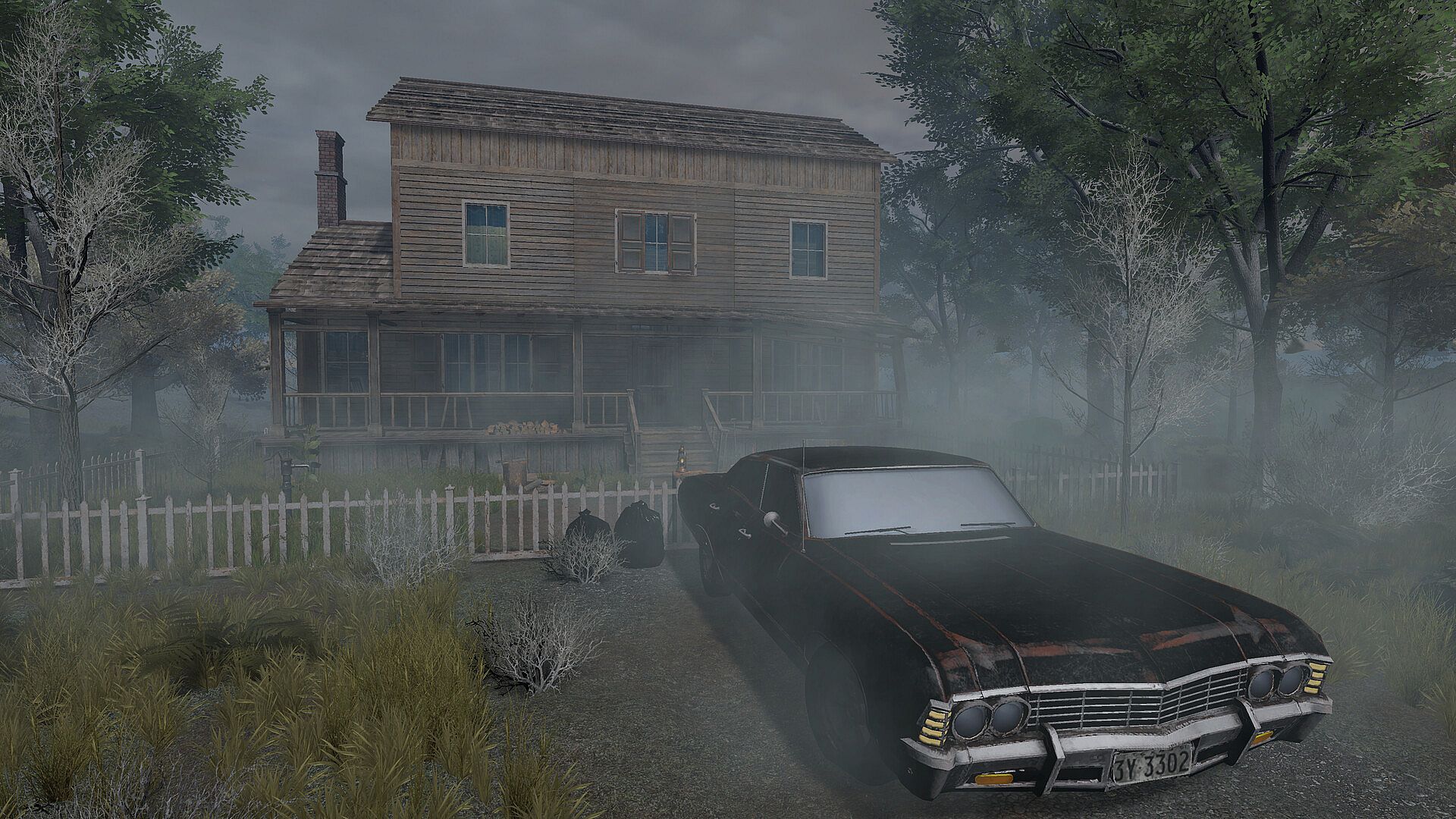
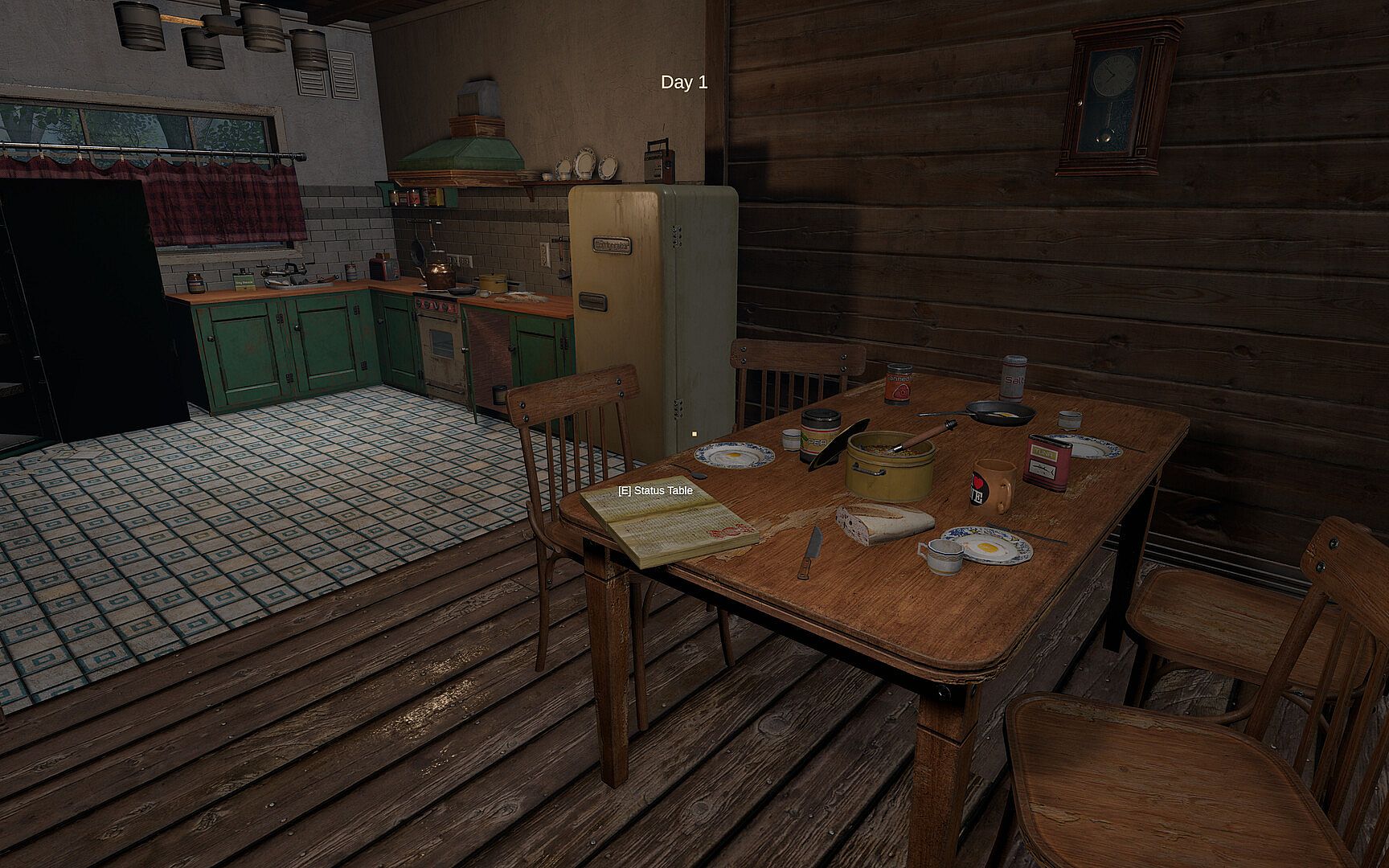
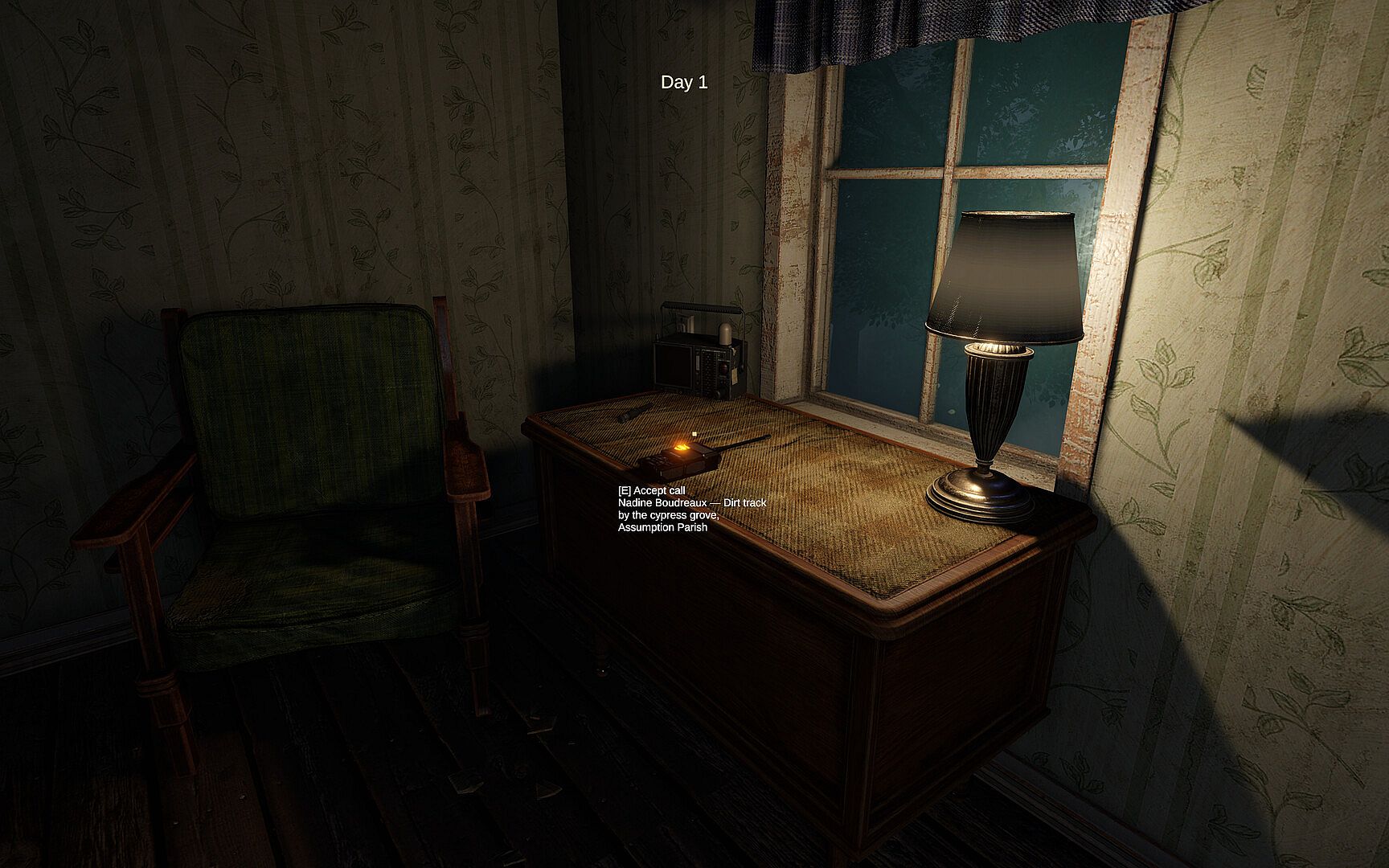
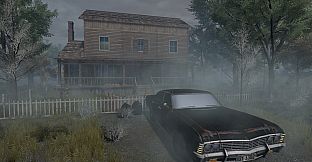
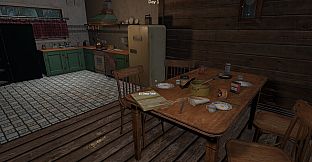

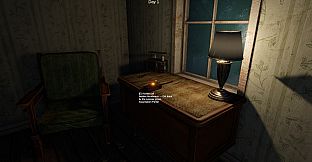
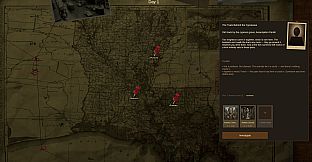
Hollow Parish: Dead Frequency is an indie adventure game set on PC where players take on the role of a remote coordinator rather than a field operative. The experience places you in an old house at the edge of the parish, equipped with an archive of cases, an evidence board, and a radio that connects you to hunters venturing into the unknown. Everything unfolds through audio transmissions, written reports, and physical clues gathered during the day, creating a horror narrative that never shows its threats directly.
Gameplay
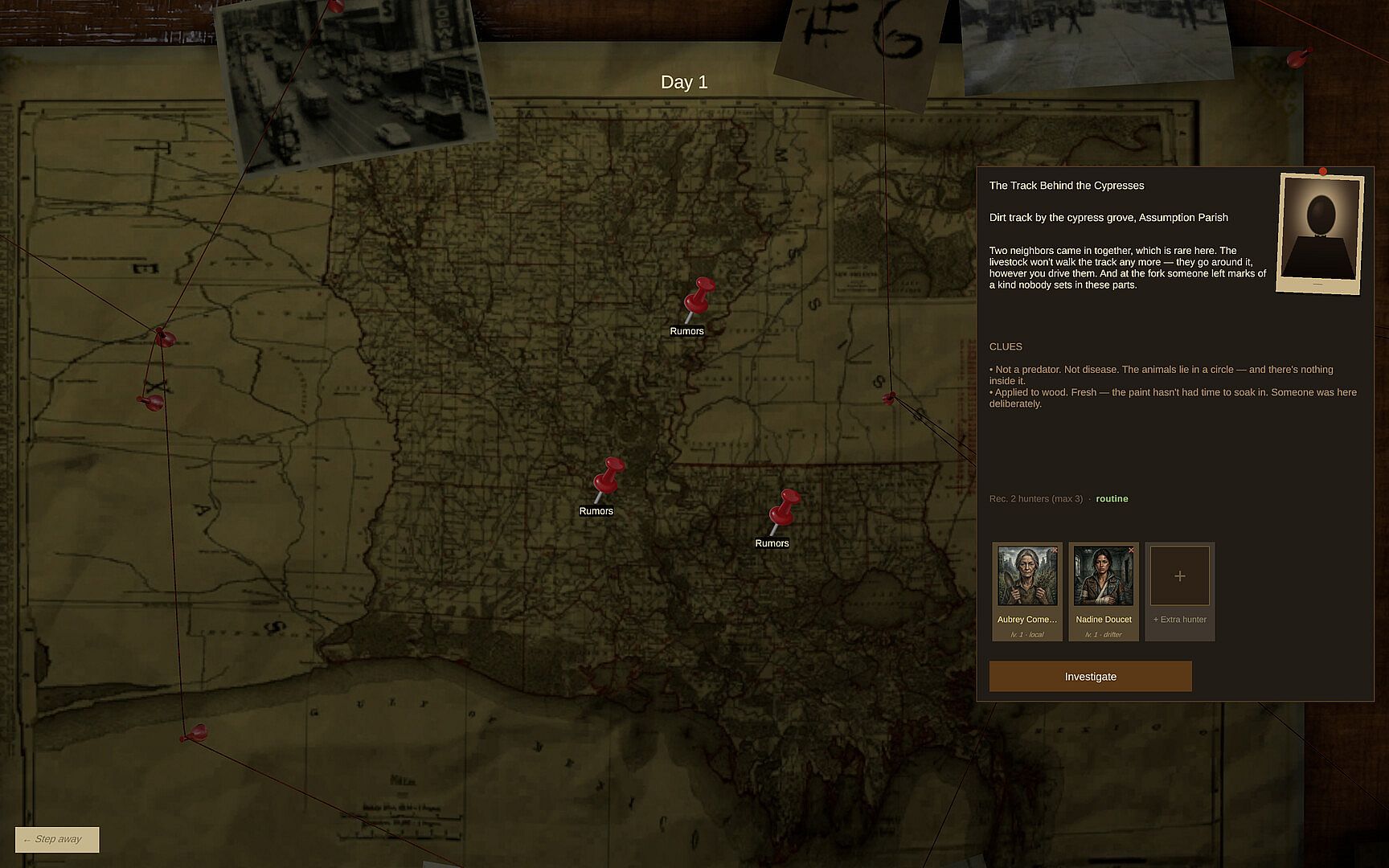
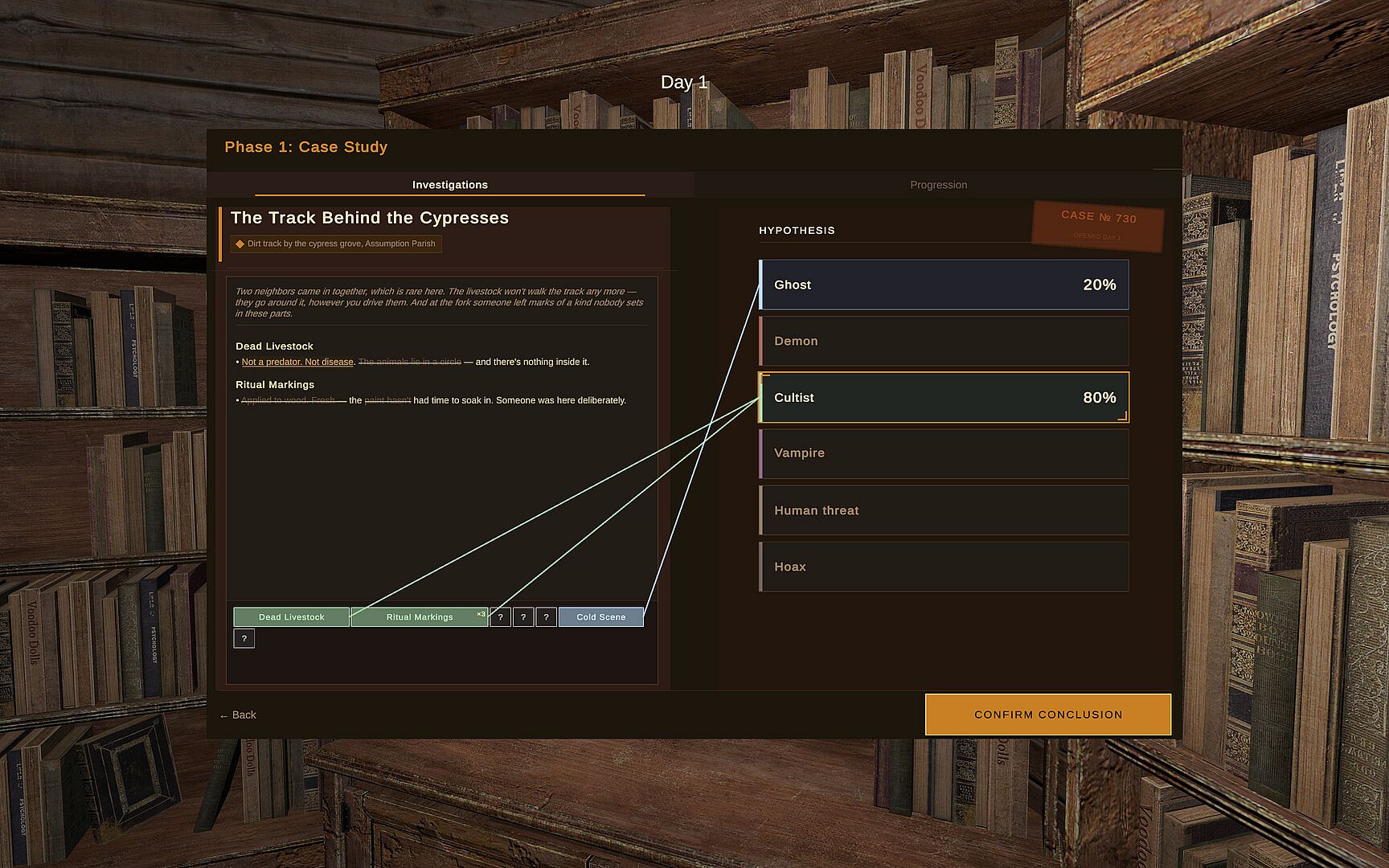
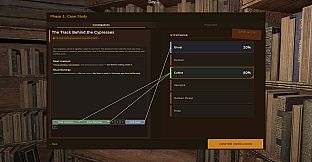
The core loop divides into distinct day and night phases across a single-player campaign spanning 22 in-game days. During daylight hours, cases arrive through witness testimony describing cold spots, missing animals, strange marks, or unusual behavior in children. Players sift through the archive to build a working theory, cross-referencing evidence that may prove reliable, contradictory, or deliberately misleading. An organized archive helps filter noise, while gaps in research send teams forward with incomplete information.
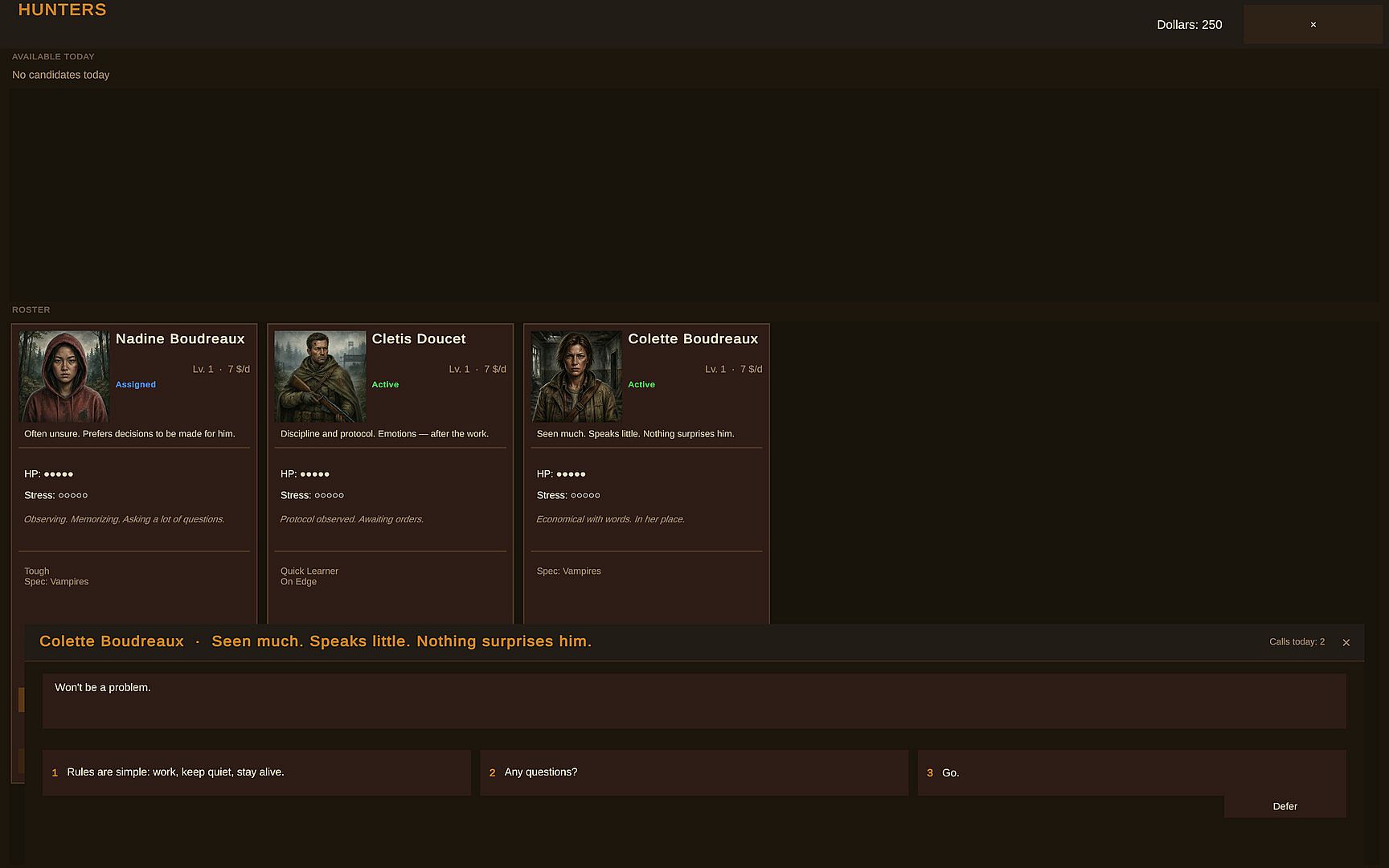
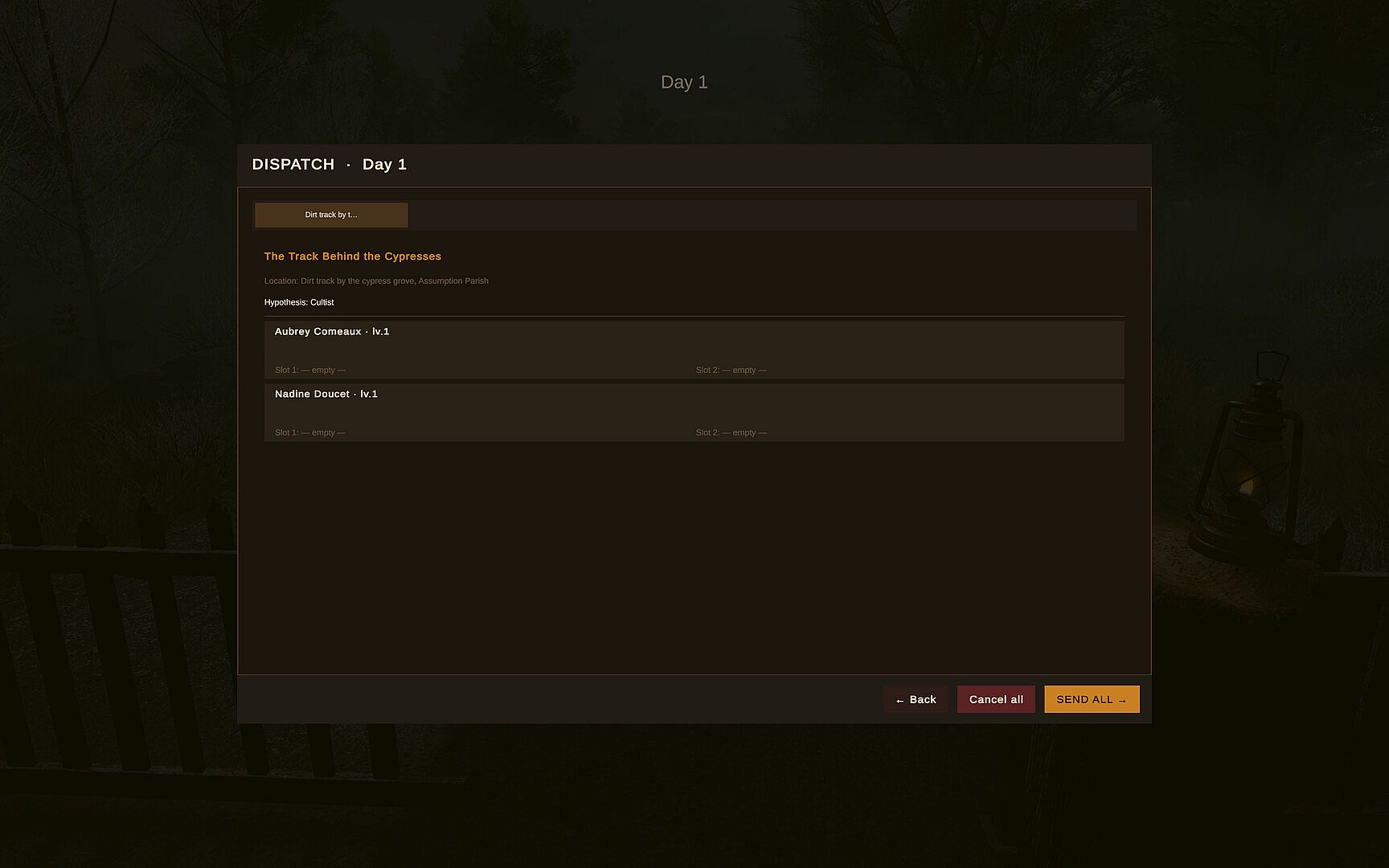
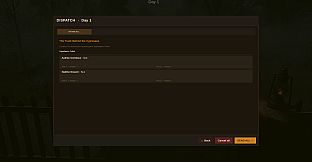
Loadout decisions carry real weight. Each hunter brings perks, existing injuries, loyalty levels, and a personal breaking point. Sending the right combination on a solid theory can bring everyone back intact, but committing veterans to a flawed plan risks losing the entire group. Success hinges on accurate investigation rather than raw team strength, and every choice feeds into a personal ledger tracking who returns whole, who returns changed, and who never returns at all.
At night the focus shifts to live radio communication. Hunters report from the field in real time, describing what they encounter and requesting guidance. Responses must draw directly from the day's assembled evidence. A misidentified threat, such as labeling a demon as a vampire, can end a call abruptly and cost lives. The line sometimes goes dead mid-conversation, leaving the coordinator to interpret the silence the next morning.
Game Modes
The game offers a single continuous campaign mode with no separate multiplayer or additional modes. One playthrough follows the progression from the first incoming call through the final confrontation. The ultimate entity remains unknown until the closing nights, and its nature shifts with each new campaign, preventing any memorized solution. On the last night three radio channels operate simultaneously while surviving hunters operate in the field, forcing split-second prioritization across multiple active situations.
Permanent consequences define the structure. Hunters who die stay dead, and the campaign continues with the remaining roster. This forces adaptation to reduced resources and altered team dynamics rather than reloading prior saves. The experience stays fully playable in both English and Russian, covering interface elements and all subtitles.
Core Mechanics and Atmosphere
Evidence management forms the central system. Players maintain an evolving board of open cases, deciding which leads to pursue and which to archive as false signals. Some testimony mimics signatures from unrelated threats, requiring careful cross-checking before committing resources. The horror stays entirely auditory and textual, conveyed through voices on the radio, fragmented reports, and physical traces left behind. No visual monsters appear on screen.
Decision fatigue and moral weight accumulate naturally. A single incorrect theory can eliminate key personnel, while correct calls preserve the team for later threats. The campaign ends only after the final multi-channel night, with outcomes determined by the cumulative accuracy of prior investigations rather than combat skill or resource hoarding.
Is It Worth Playing?
Hollow Parish: Dead Frequency suits players who enjoy deliberate, information-driven horror and the tension of managing lives from a distance. Its single-player campaign rewards careful evidence work and accepts the permanent loss of characters as part of the narrative. The shifting final threat across playthroughs encourages additional runs to explore different outcomes and team compositions. Those seeking direct action or visual spectacle may find the desk-bound perspective limiting, but the focused audio and text approach delivers consistent pressure through uncertainty and consequence. The game stands as a complete, self-contained experience without reliance on external updates or seasonal content.