

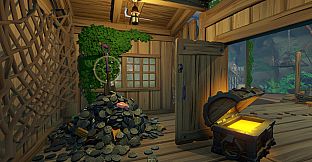
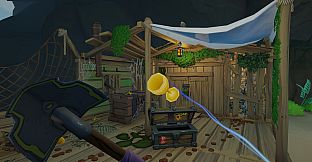
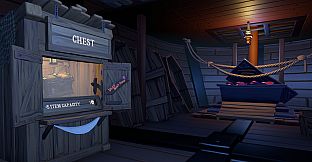
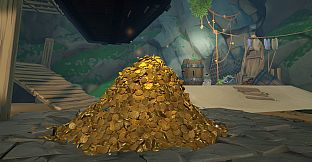
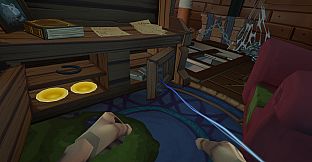
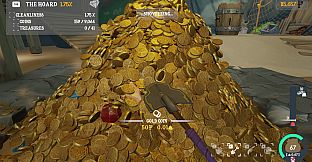
Heave-Hoard is a strategy indie casual simulation adventure game built around physics-driven treasure management on PC. Players step into the role of a pirate facing eviction from an island hideaway, with the task of clearing out accumulated plunder before time runs out. The experience blends tactile object interaction, value assessment, and light puzzle solving in a single-player format that emphasizes careful decision making over speed.
Gameplay
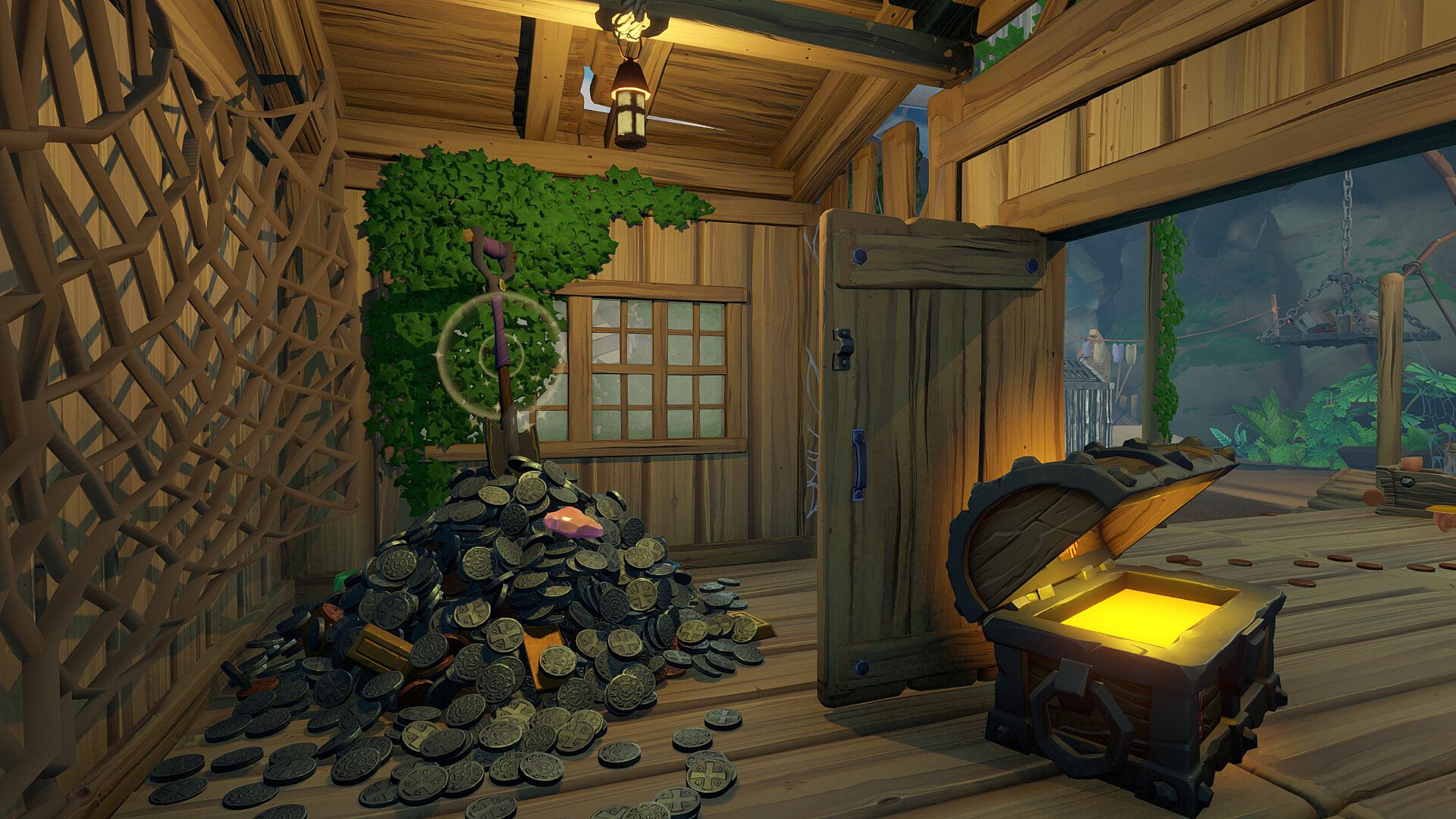
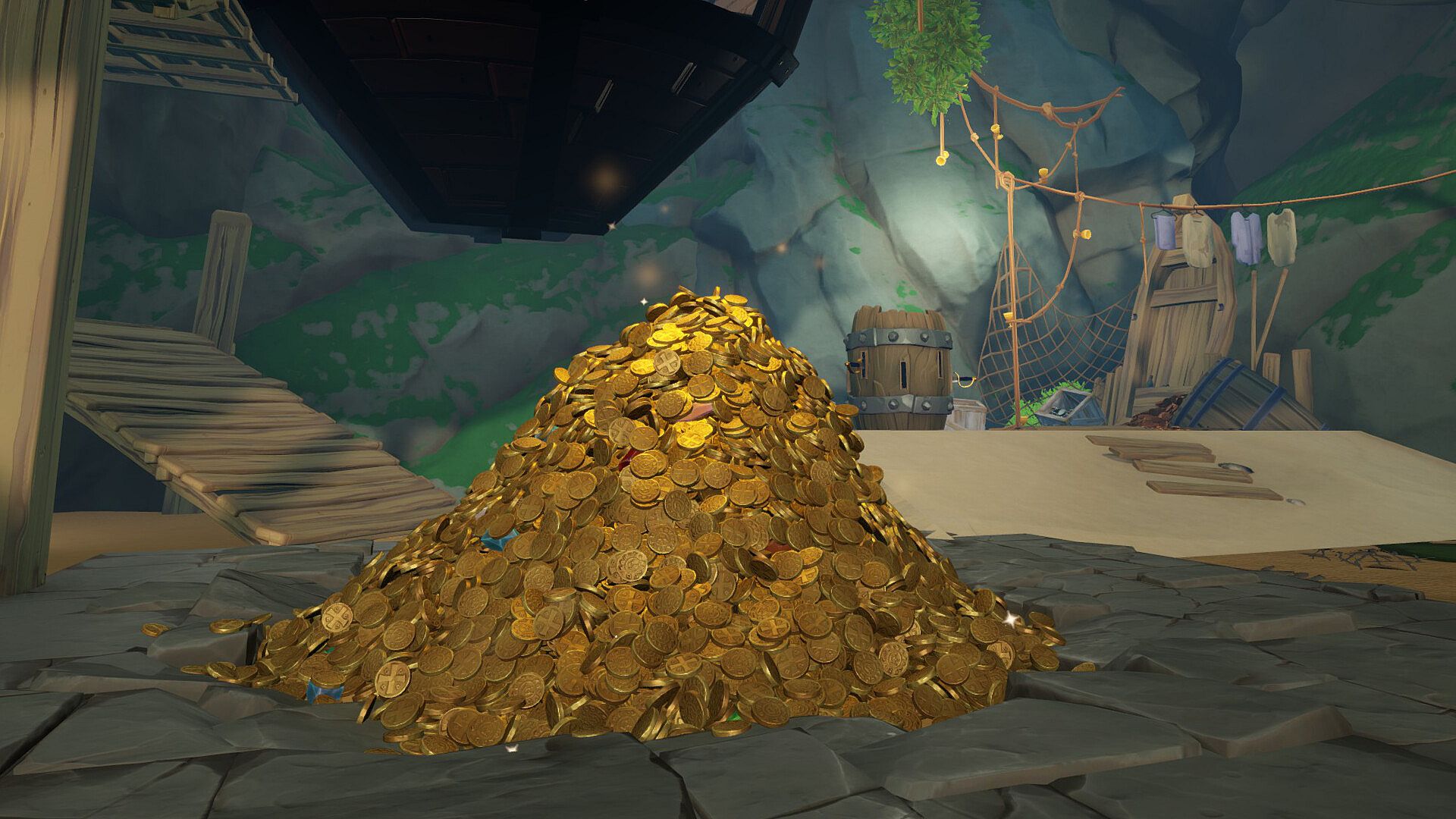
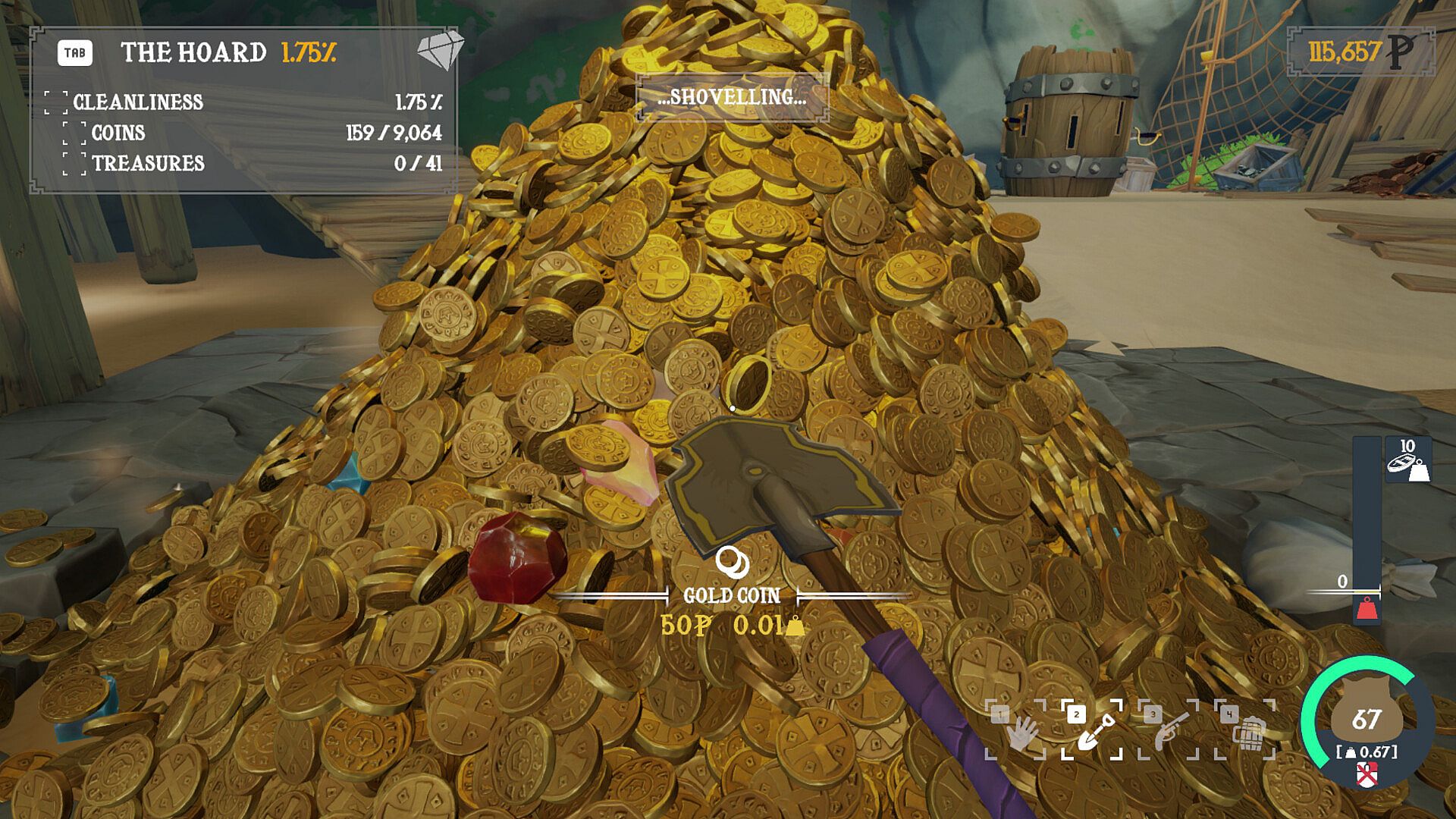
The core loop centers on interacting with dense piles of treasure composed of thousands of individually placed items. Each doubloon, gem, and trinket responds to real physics, creating cascades and shifts as players dig through the heaps with a shovel. Selection involves sorting by type, weight, and value to maximize profit from limited rowboat capacity, discarding lower-value items while prioritizing high-return loot for shipment.
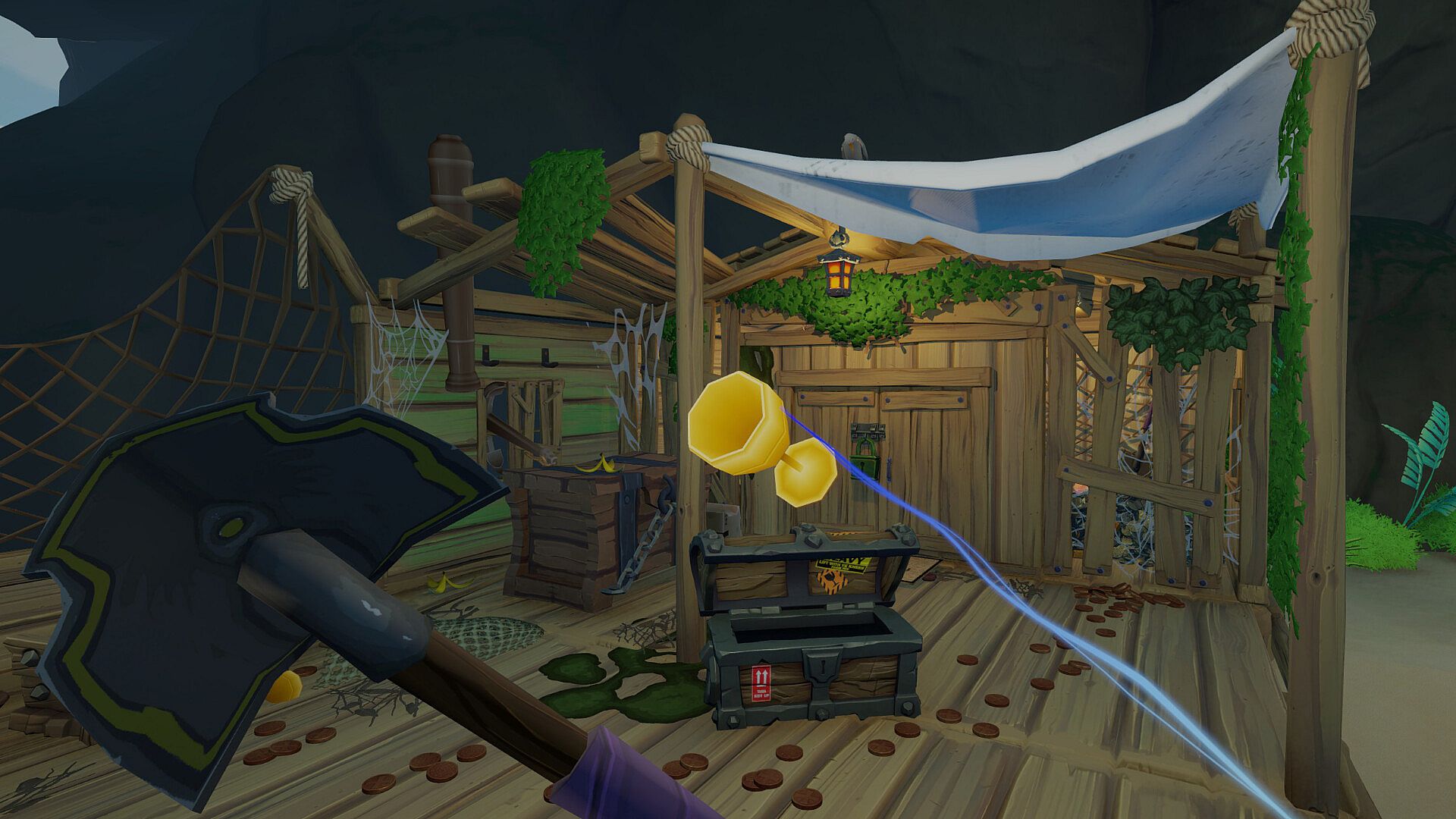
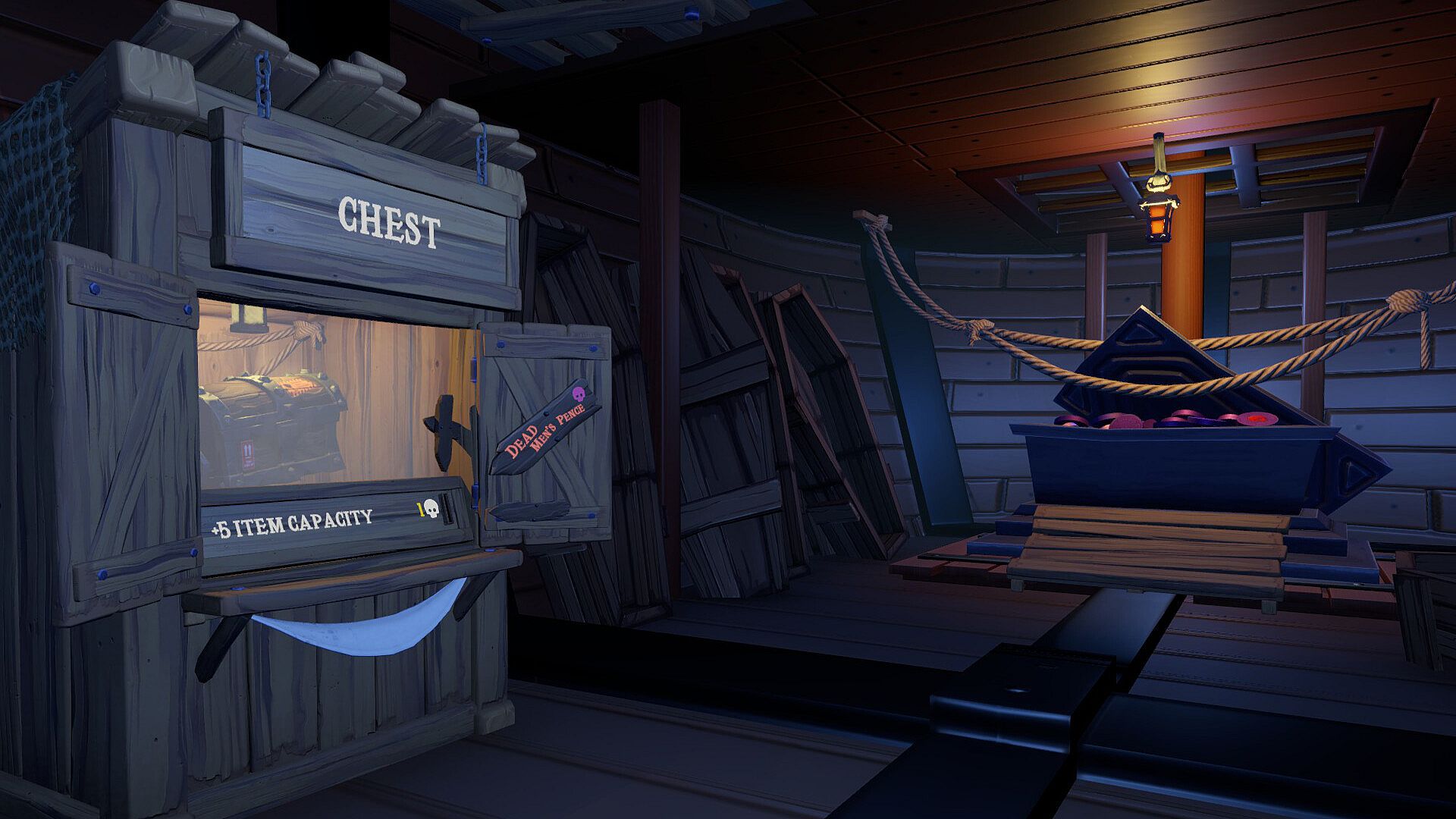
Upgrades come from banking earnings in the form of Dead Men's Pence, which improve gear efficiency and boat capacity. Overextending these resources triggers Greed's Curse effects such as illusory treasures or unreliable tool performance, adding a layer of risk management to the process. Tools include the shovel for bulk loading, a tankard that temporarily highlights concealed items, and a flintlock pistol for reaching distant objects or activating mechanisms.
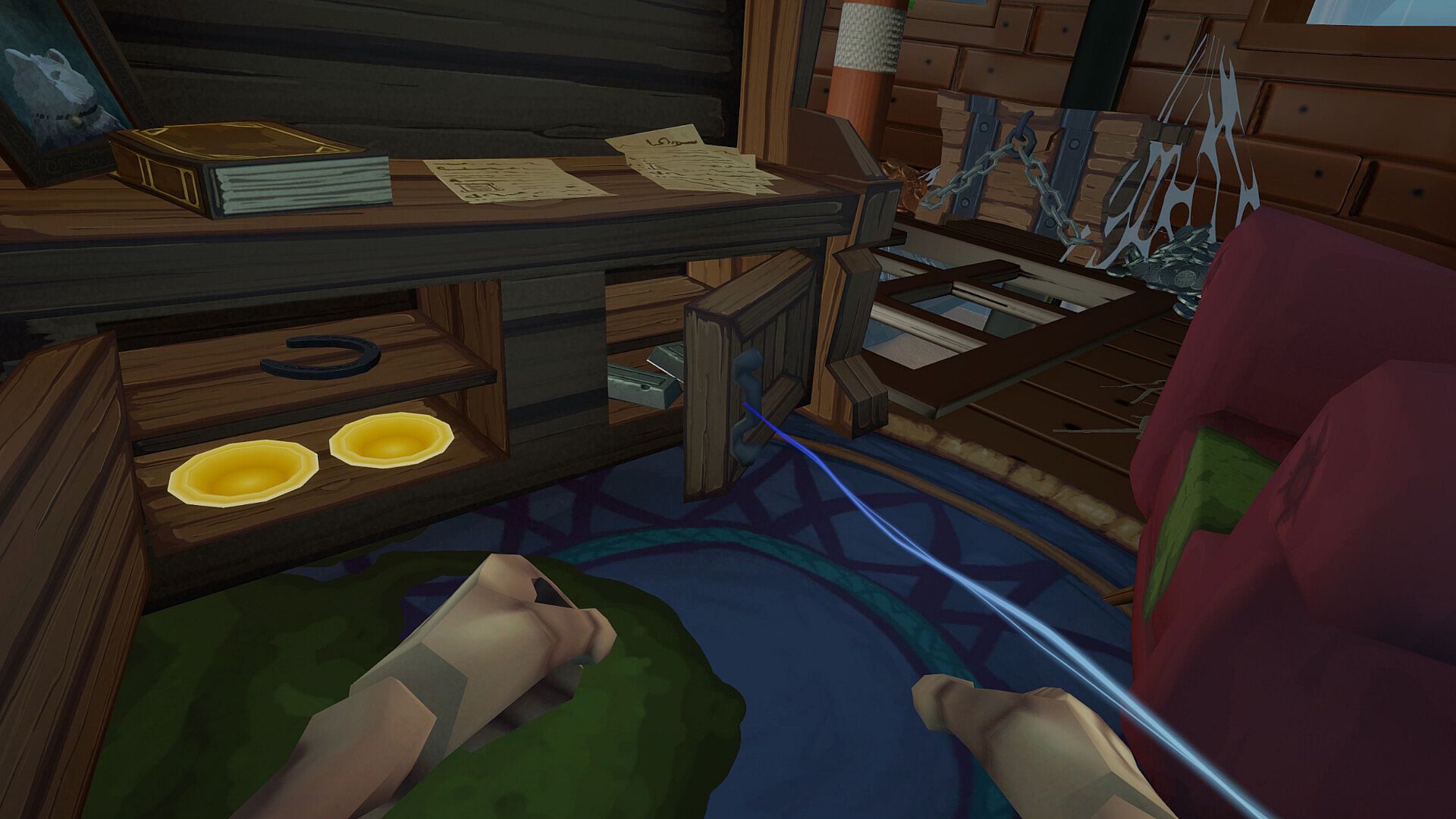
Exploration ties into the cleaning process through environmental interaction. Hidden keys and logic-based challenges open new areas, while scattered clues reveal details about missing crew members and the island's past. The absence of any time pressure allows players to methodically clear sections, experiment with sorting strategies, and revisit areas after upgrades.
Game Modes
Heave-Hoard operates entirely as a single-player experience without separate competitive or cooperative modes. Progression unfolds through repeated hauls that combine treasure extraction, equipment improvement, and incremental discovery of the island's layout. Each voyage builds on the last as upgrades alter how efficiently players can handle larger or more complex piles.
Within this structure, activities shift between focused sorting sessions and targeted puzzle resolution. Logic challenges appear as barriers to valuable caches, while environmental storytelling emerges from journals and relics uncovered during excavation. The pace remains player-driven, with no forced sequences or alternate rule sets beyond the core physics and upgrade systems.
Exploration and Discovery
Beyond the primary hauling mechanics, the island conceals pathways and sealed spaces that require puzzle solutions to access. These elements integrate directly with the treasure piles, often hiding keys or high-value items behind logic gates or physical obstructions. Players track down vanished crew members whose stories add context to the setting without interrupting the main loop.
Captain's logs and buried relics provide fragments of backstory that players assemble over multiple sessions. This layer rewards thorough clearing rather than speed, as overlooked areas may contain the next clue or upgrade opportunity. The physics simulation ensures that even repeated visits to the same piles produce varied interactions based on prior removals and tool use.
Is It Worth Playing?
Heave-Hoard suits players who enjoy deliberate, physics-based simulation combined with light puzzle elements in a relaxed single-player setting. The emphasis on tactile sorting, upgrade progression, and gradual mystery unraveling creates a self-paced loop that rewards observation and planning. With no release date confirmed and no player reviews available yet, the game remains in a pre-launch state where interest depends on appreciation for its described mechanics of treasure management and environmental interaction. Those drawn to indie titles blending casual simulation with adventure discovery may find the handcrafted object density and curse risk system compelling once it becomes available.