


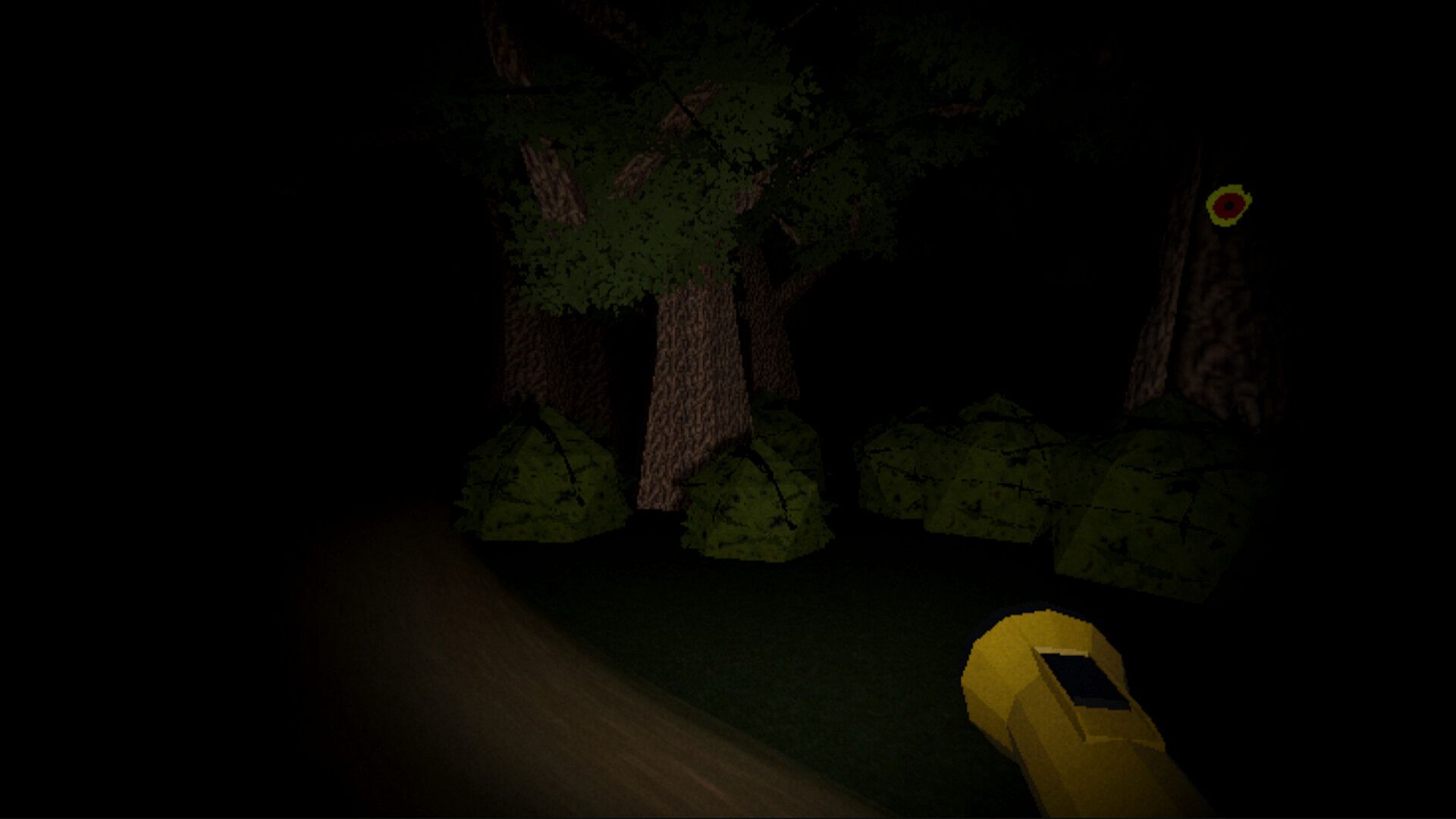
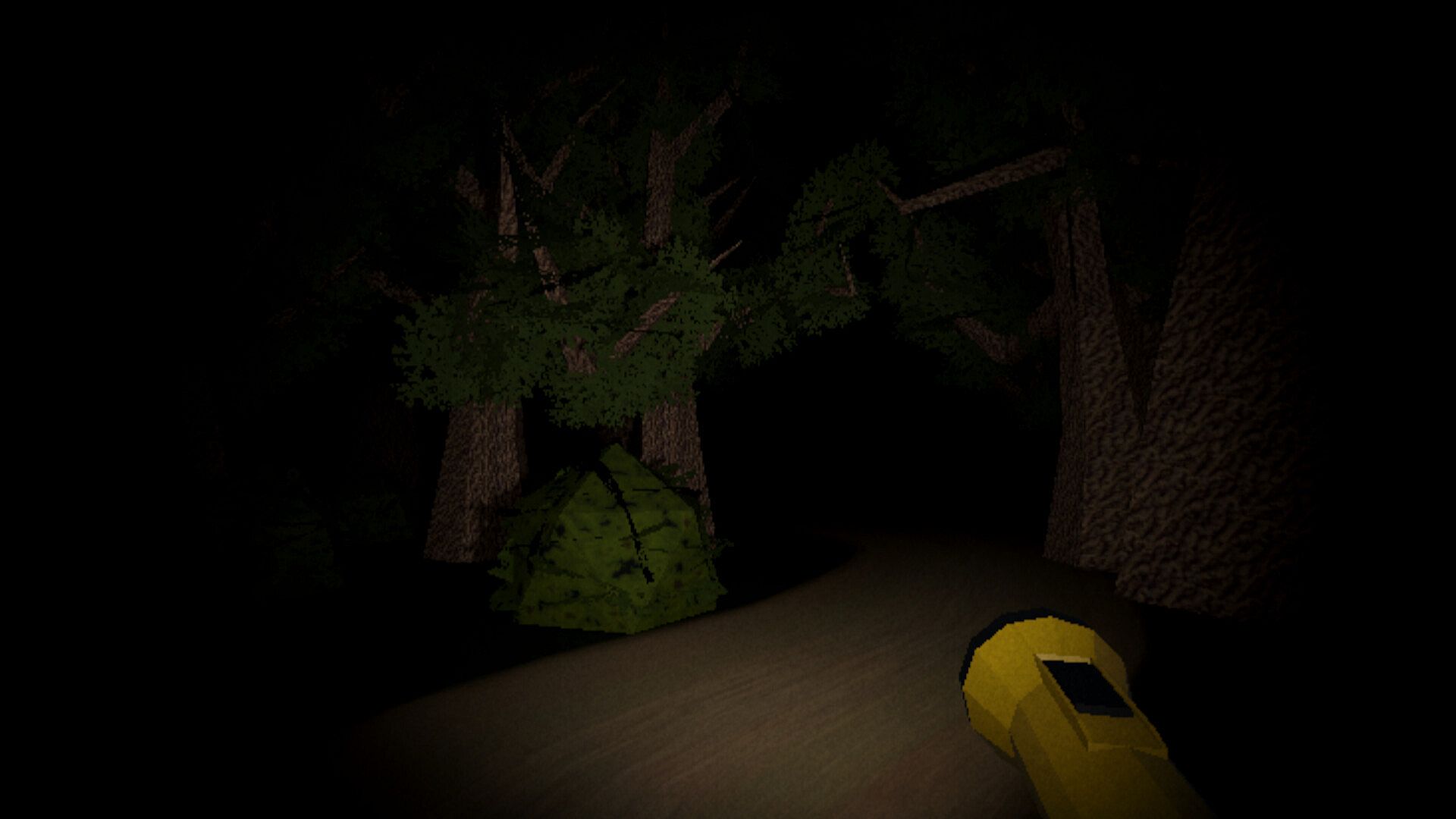
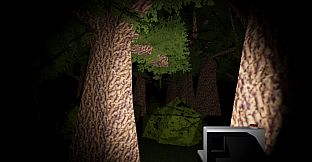
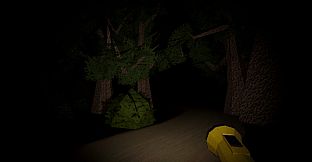
Hallucinophobia is an action indie psychological horror game set on PC. Players navigate a procedurally generated forest trail in search of items left behind in a remote cabin, using limited tools to manage encounters with creatures that may be real threats or mental tricks.
Gameplay
The core loop centers on traversal through dense woods along an old trail. Visibility is poor, and the environment shifts with each run due to procedural generation. Progress involves reaching the cabin area and returning safely while monitoring surroundings for signs of pursuit.
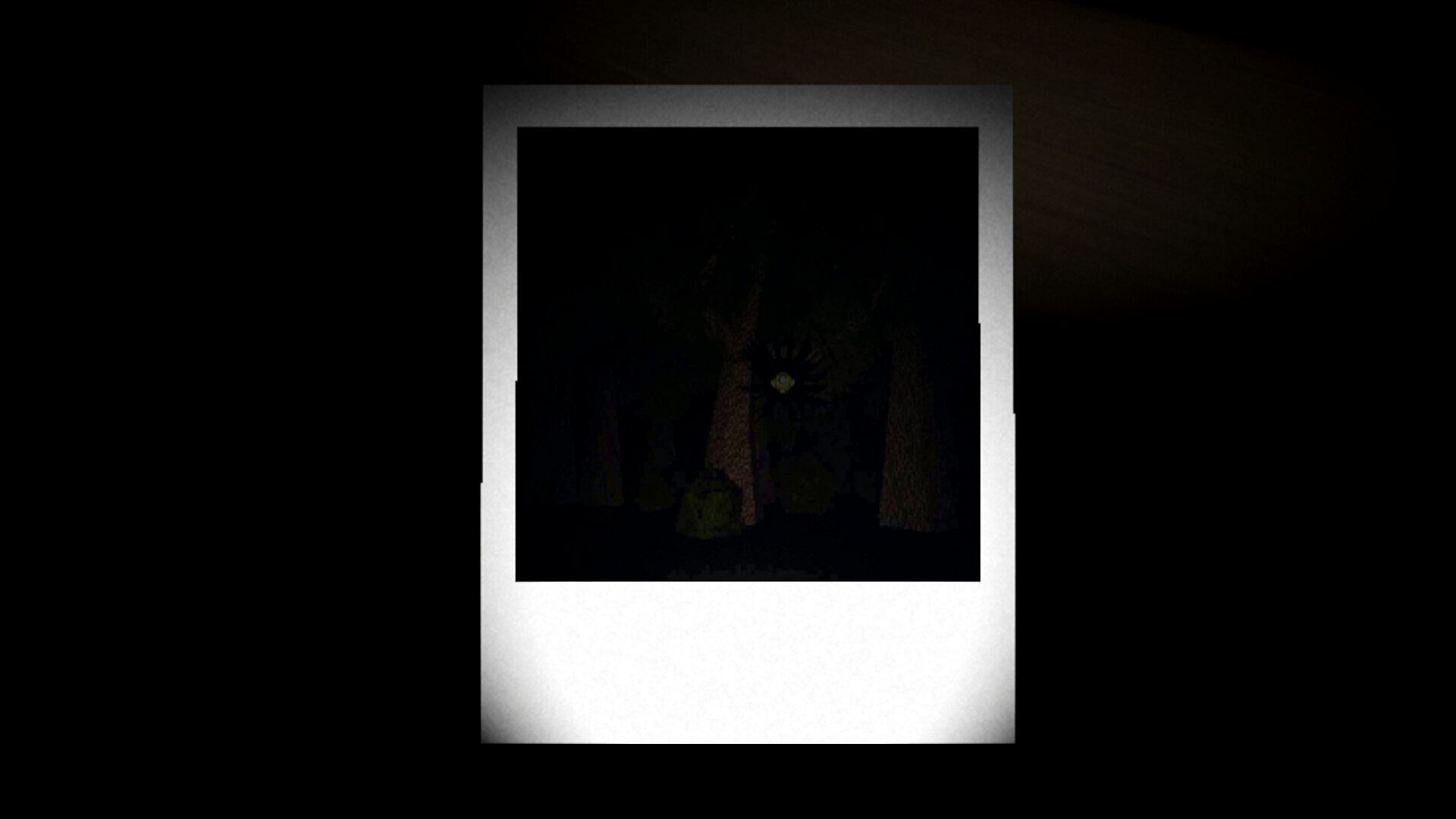
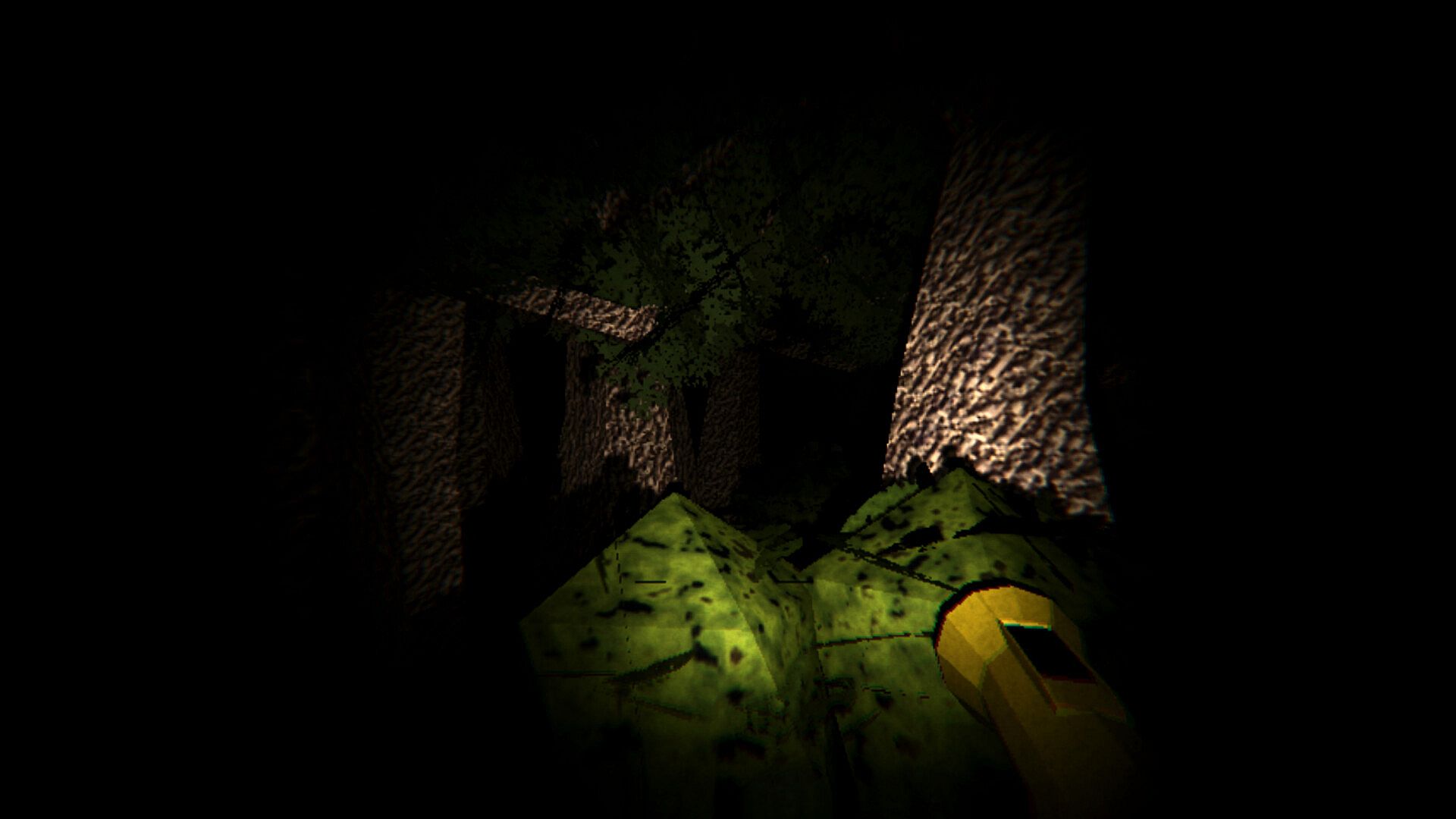
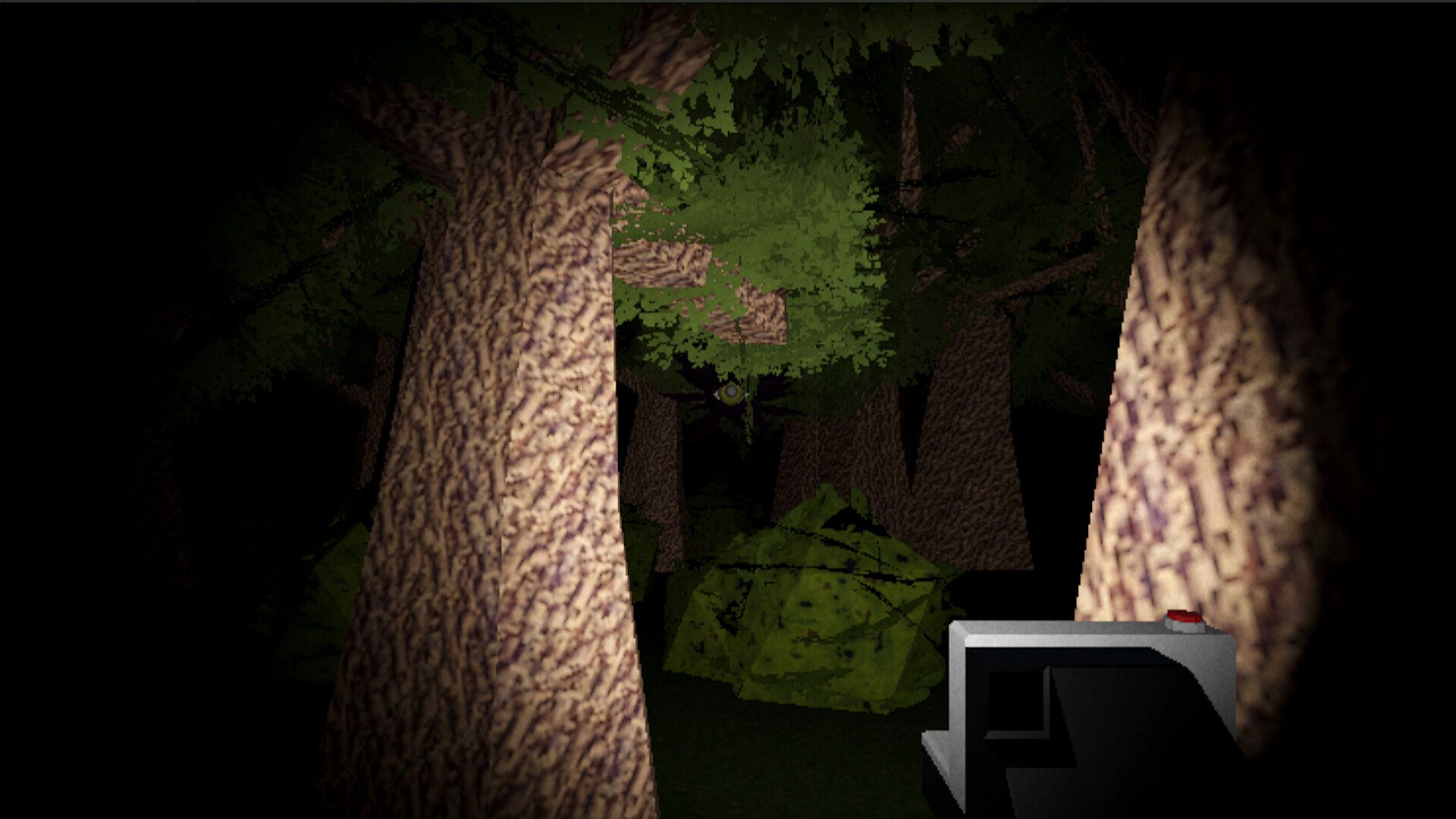
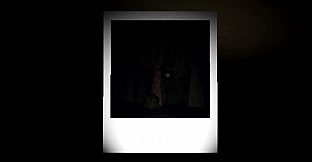
Three tools form the main systems for survival. The flashlight illuminates the path and can repel certain creatures, yet overuse or application to non threats draws unwanted attention from actual dangers. The camera serves as a diagnostic tool by capturing images; entities absent from photos count as hallucinations, while visible ones represent genuine risks that require active response. The shotgun provides direct deterrence, forcing most creatures to retreat temporarily after a shot.
Each tool carries trade offs that shape decision making. Flashlight use risks escalation if misapplied. Camera flashes can increase overall exposure. Shotgun blasts buy time but heighten aggression in subsequent encounters. Resource management revolves around deciding when and how to deploy these items amid uncertainty about what is real.
Game Modes
Hallucinophobia operates as a single player experience focused on repeated attempts through the forest trail. Procedural generation ensures varied layouts and creature placements on each run, encouraging adaptation to new configurations without fixed levels or scripted sequences.
The primary objective remains consistent across attempts: locate the cabin items and exit the woods. Success depends on interpreting creature behavior, conserving tool effectiveness, and distinguishing hallucinations from tangible threats in real time. No separate competitive or cooperative variants exist.
Core Mechanics and Atmosphere
Creature encounters emphasize ambiguity. Entities appear suddenly, disappear without trace, or persist as active pursuers. Players must weigh visual cues against tool feedback to avoid unnecessary alerts or wasted actions. The forest itself contributes to tension through limited sightlines and shifting paths that prevent reliable memorization.
Atmospheric elements reinforce the psychological theme. Darkness limits natural perception, forcing reliance on the flashlight despite its drawbacks. Sound design and creature unpredictability heighten the sense that threats could stem from either external sources or internal perception.
Is It Worth Playing?
Hallucinophobia suits players who enjoy psychological horror combined with action elements and procedural replayability. The tool system creates meaningful choices where each decision affects immediate safety and long term difficulty. Those drawn to single player experiences centered on resource tension and uncertainty about reality will find the core loop engaging.
The game rewards careful observation and measured tool use over aggressive approaches. Its indie scope keeps focus on the forest trail and creature interactions without extraneous systems. Availability on PC makes it accessible for those seeking a concise yet replayable horror title built around procedural variation and perceptual mechanics.