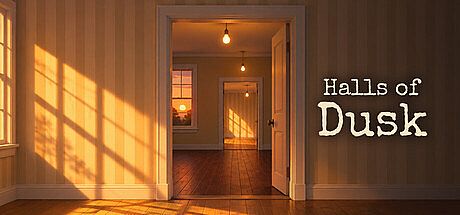


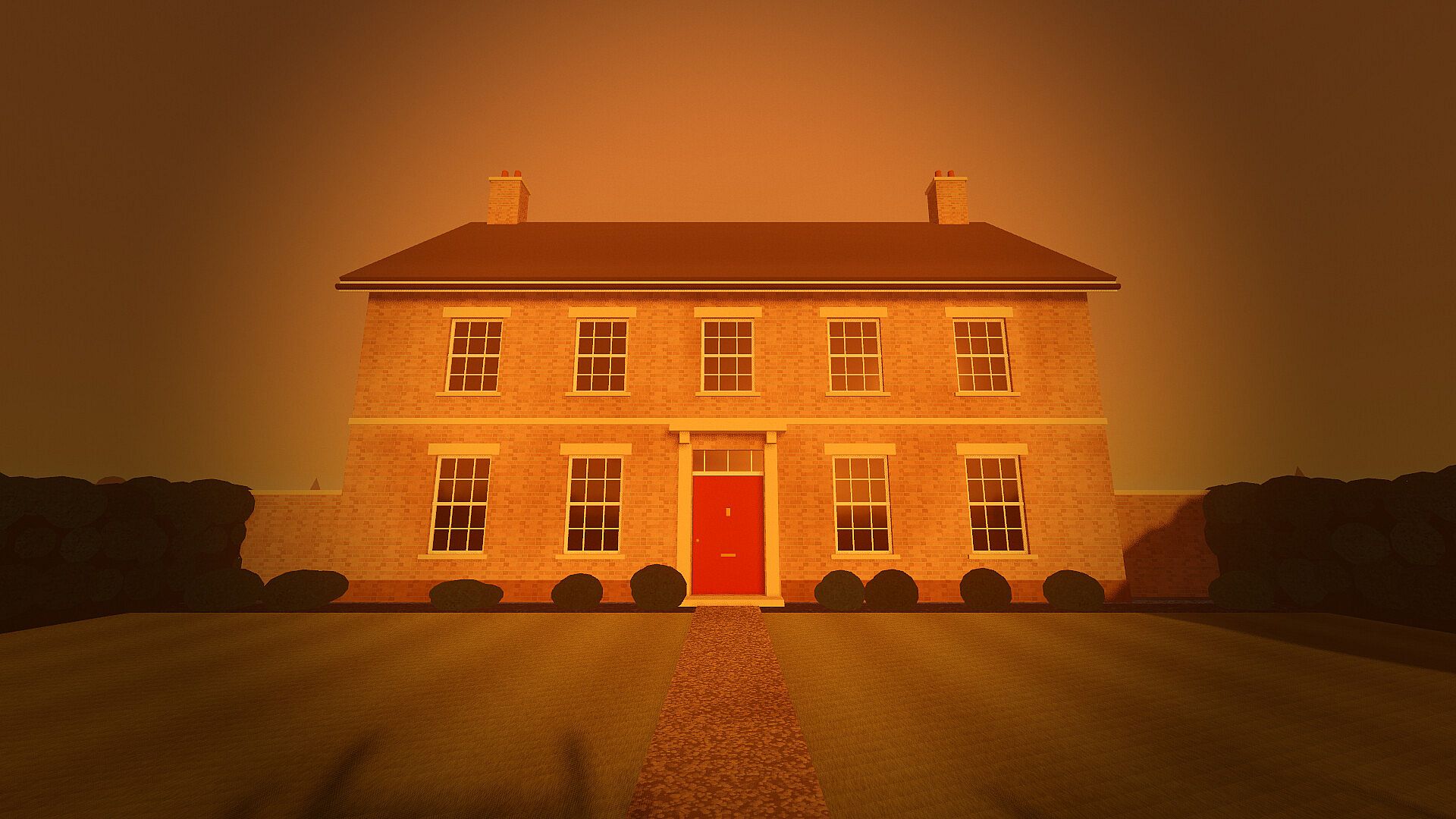
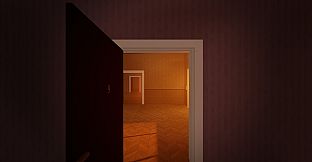
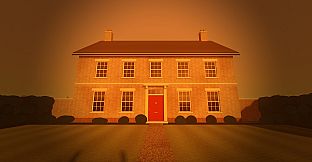
Halls of Dusk is a casual single-player first-person exploration game set inside a house that defies ordinary spatial rules. Players step into the role of a surveyor tasked with documenting Lammas House over the course of a week, moving through rooms connected in impossible ways that reward careful observation rather than speed or combat.
Gameplay
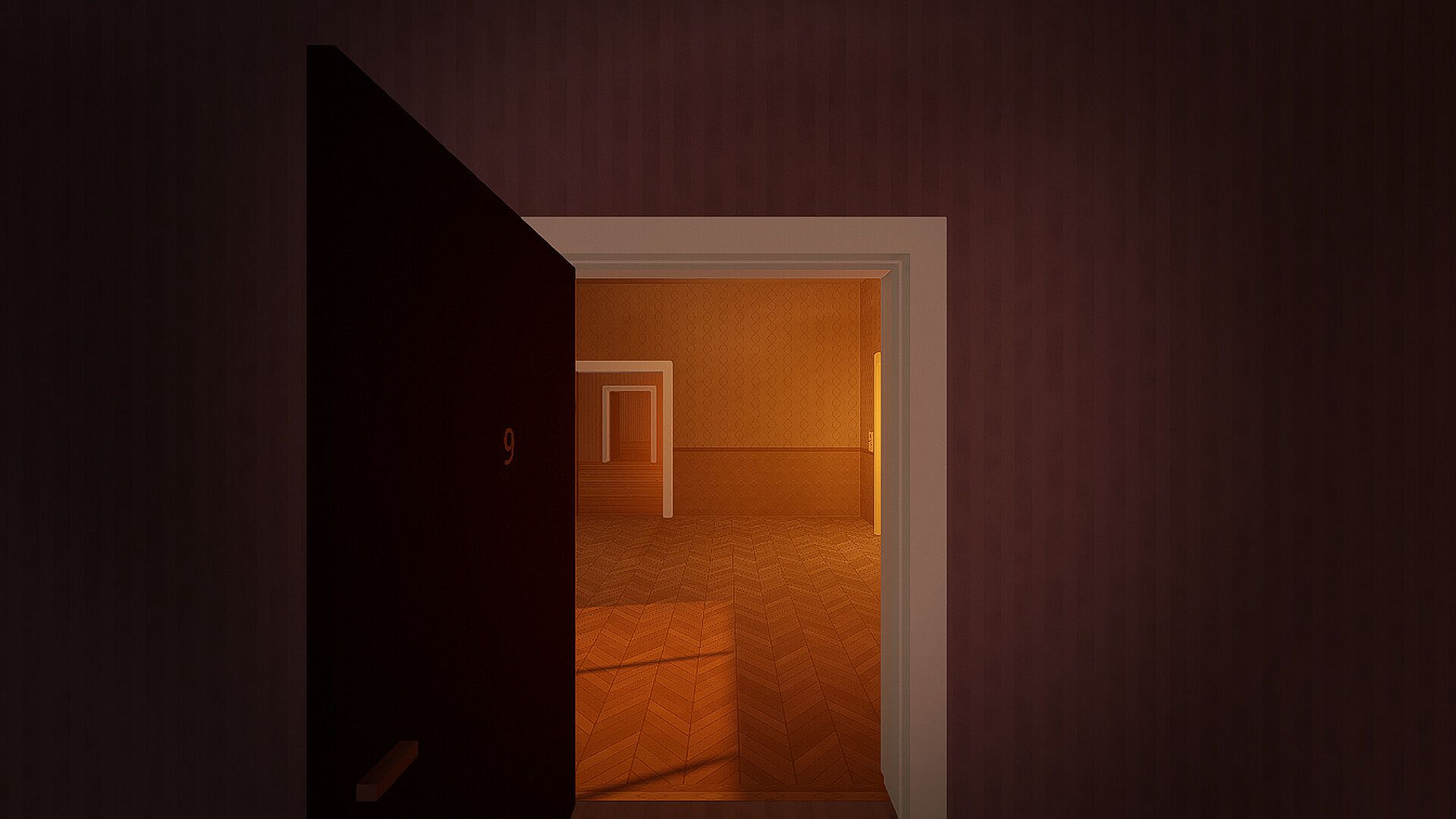
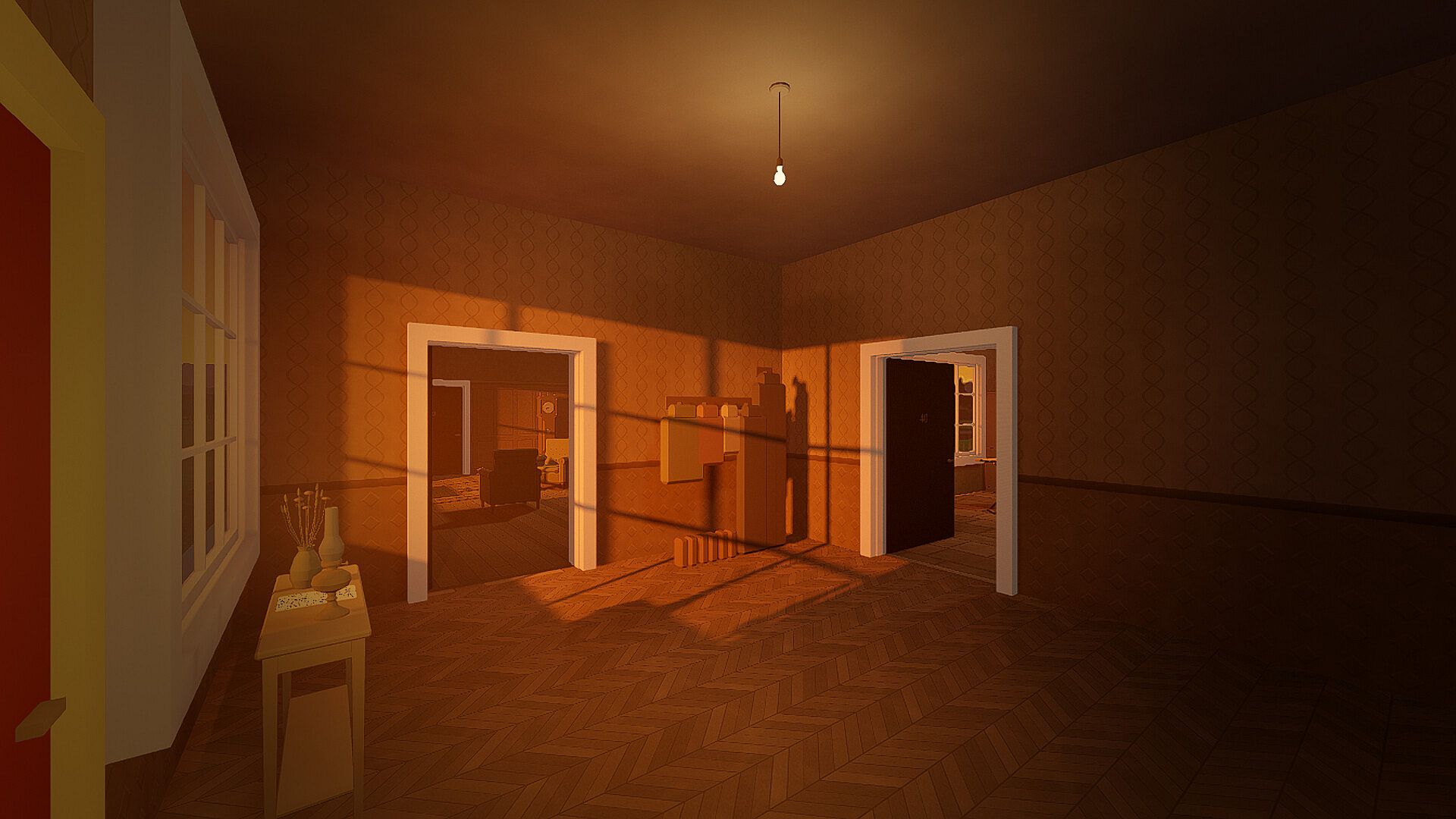
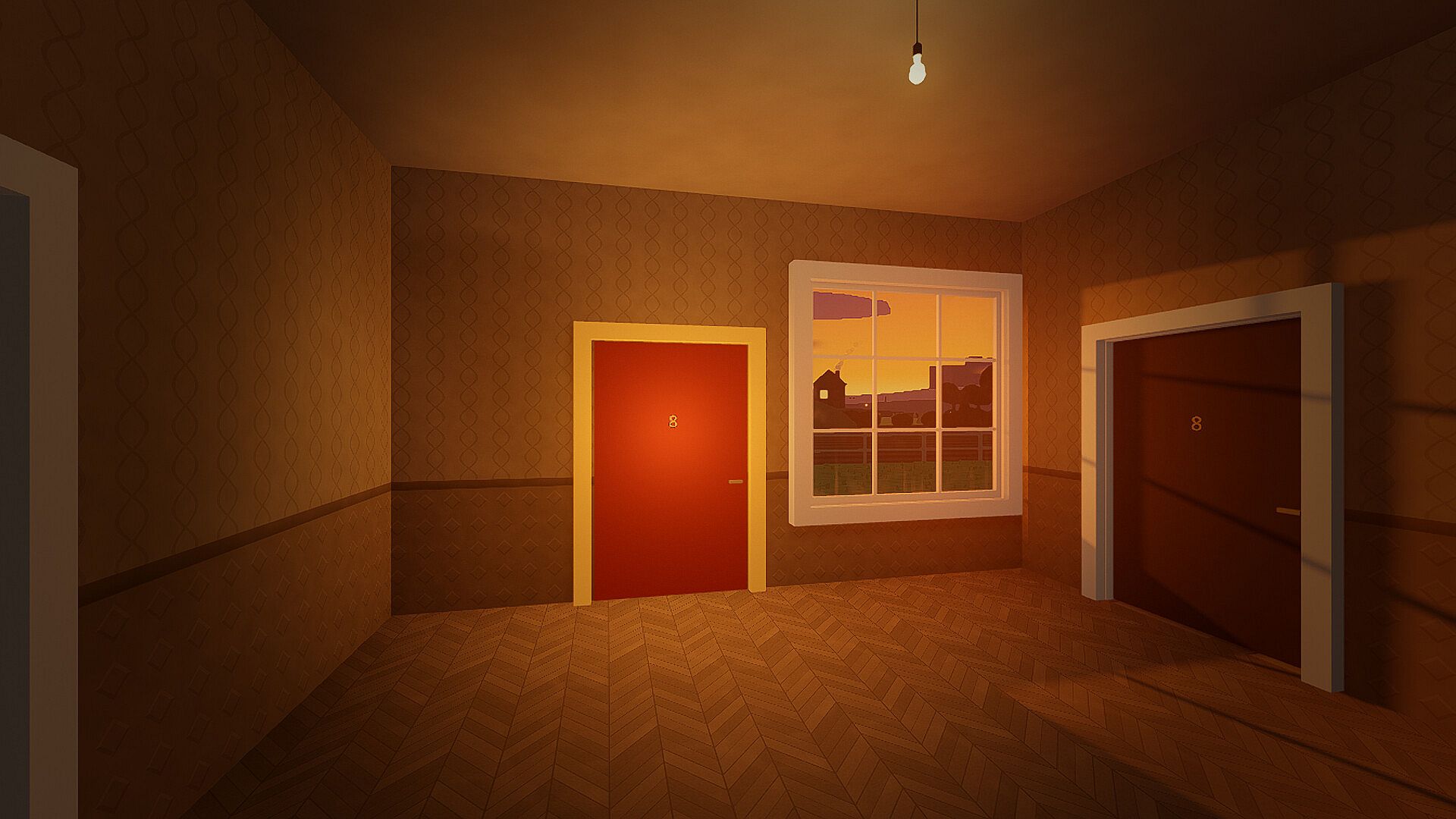
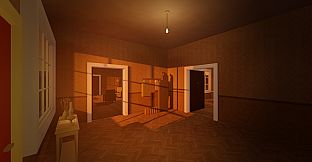
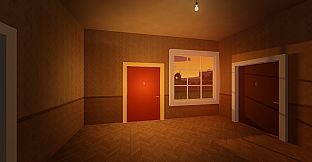
The core loop centers on methodical movement through non-Euclidean interiors where doors remain open once discovered and lines of sight can connect spaces that should not align. Players navigate by walking in cardinal directions, yet the fourth doorway often leads somewhere unexpected, creating layered views across multiple rooms from a single vantage point. Everyday objects such as lamps, wallpaper, and floorboards appear ordinary at first, but the geometry shifts each day, requiring fresh navigation and renewed attention to detail.
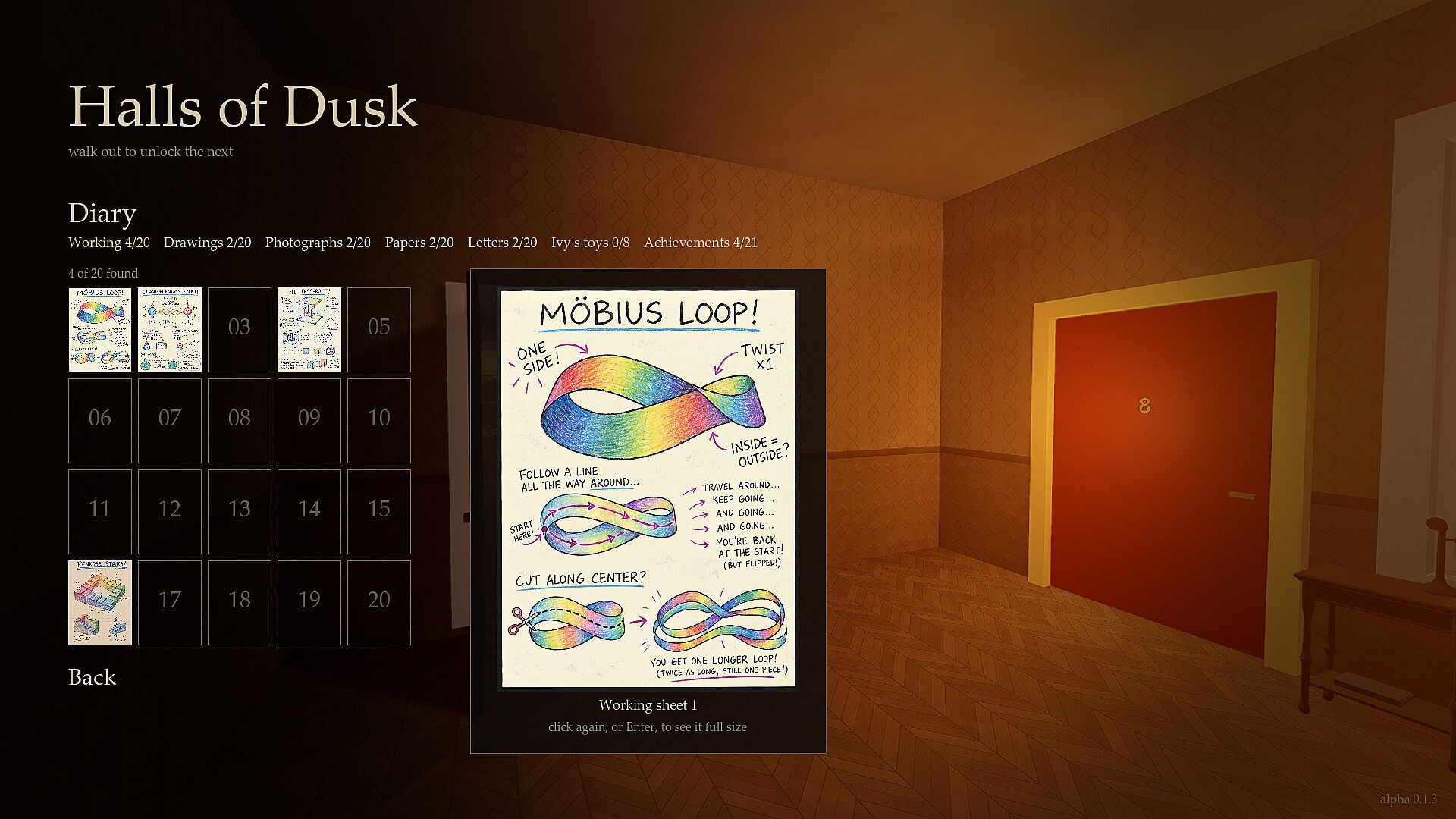
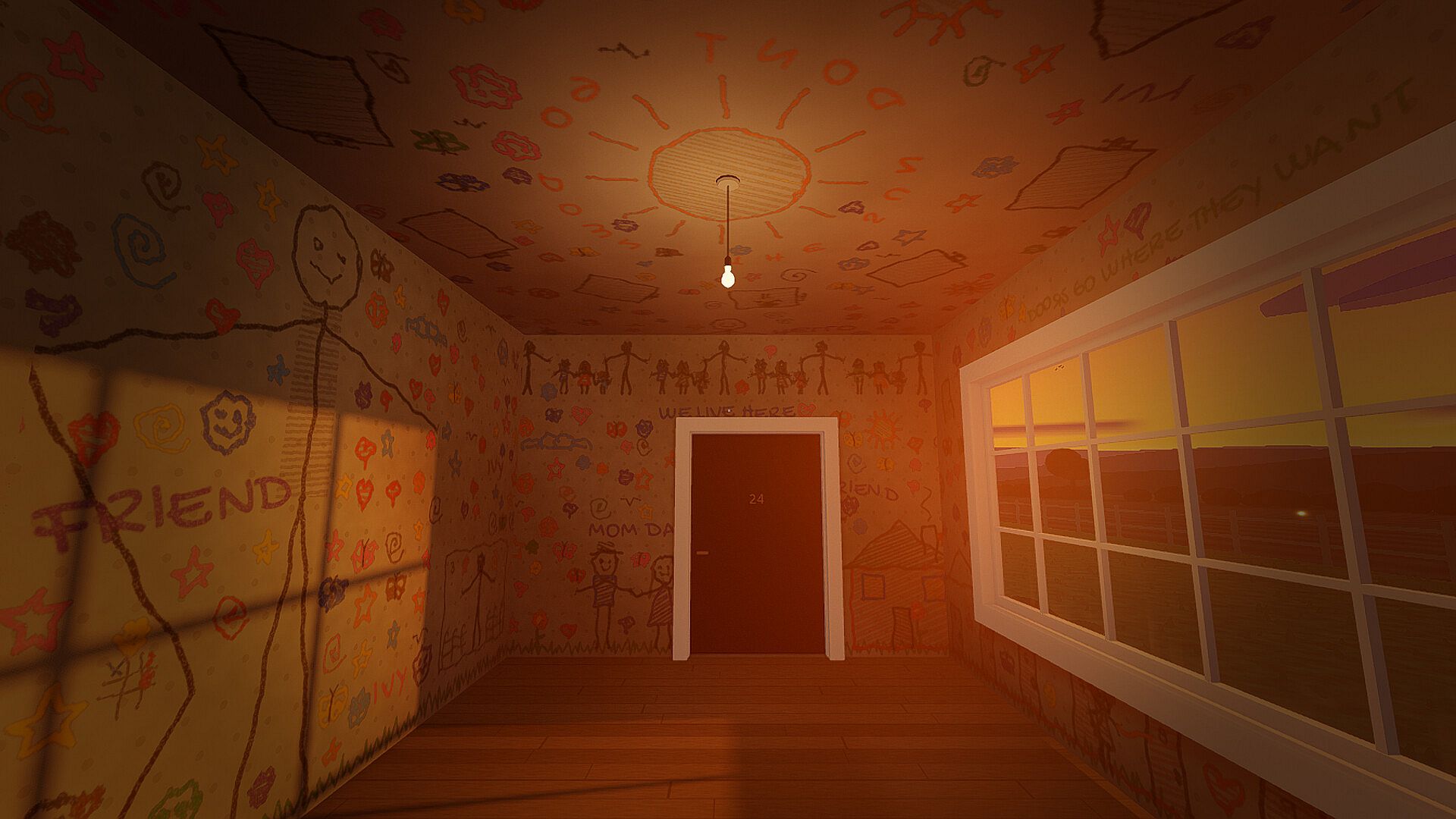
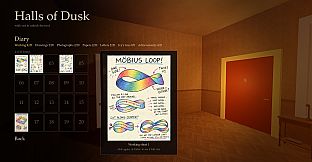
Documents scattered throughout drawers, cupboards, and hidden compartments form the main objective. These include letters, research papers, photographs, and crayon drawings that stay in place across sessions, allowing players to piece together events without direct narration. A child's toys serve as keys to previously inaccessible areas, encouraging repeated visits to the same locations with new tools for opening locked spaces. The experience stays grounded in quiet observation, with no enemies or violent encounters interrupting the process.
Game Modes
The primary experience unfolds across a seven-day campaign. Each day brings a fresh configuration of the house, new documents to locate behind sequences of keys, and a requirement to exit through the original entry point once the day's materials are collected. The layout changes subtly but consistently, testing memory of prior routes while introducing fresh connections.
After completing the campaign, a ten-day mode becomes available for extended play. This longer session maintains the daily reset structure but stretches the timeline, giving more opportunities to gather every remaining piece of evidence. Three difficulty settings adjust the overall pace and tolerance for disorientation: Chill provides a relaxed pace with generous time, Usual balances discovery and pressure, and Dread heightens the sense of the house growing less patient with each passing day.
Atmosphere and Discovery
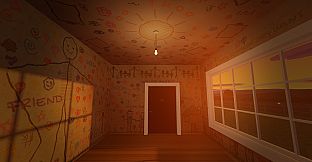
Sunlight filters through windows that never quite match the interior layout, reinforcing the sense that the building is both familiar and fundamentally wrong. The absence of gore or hostile figures keeps the focus on spatial puzzles and narrative fragments. Players stand in one room and peer through multiple open doorways into others that occupy contradictory positions, turning simple navigation into a process of mental mapping.
Progression relies entirely on finding and retaining information across days. Nothing resets the collected documents, so the story emerges gradually through careful searching rather than scripted events. The house itself acts as the antagonist by becoming incrementally less forgiving, rewarding patience and methodical exploration over quick guesses.
Is It Worth Playing?
Halls of Dusk suits players who enjoy deliberate, atmospheric exploration without combat or time pressure. The seven-day structure and ten-day extension provide a contained campaign that can be revisited at different difficulty levels to uncover every document. Its non-Euclidean design and emphasis on observation create a distinctive single-player experience on PC that stands apart from typical casual titles. Those drawn to quiet mystery and spatial puzzles will find consistent engagement across the campaign length, while the lack of external updates or additional content keeps the focus squarely on the core house exploration loop.