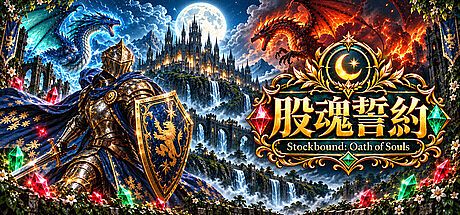



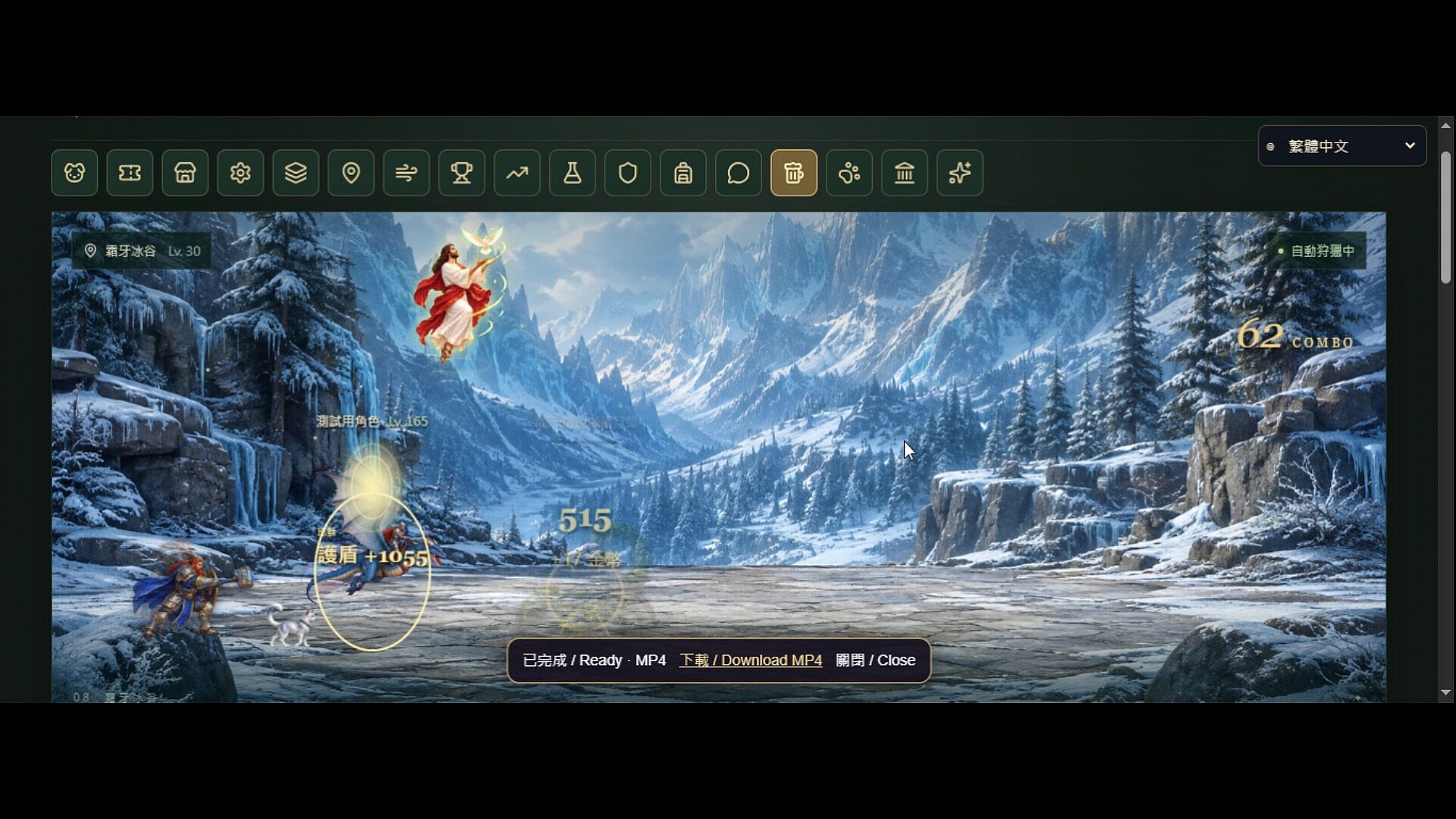
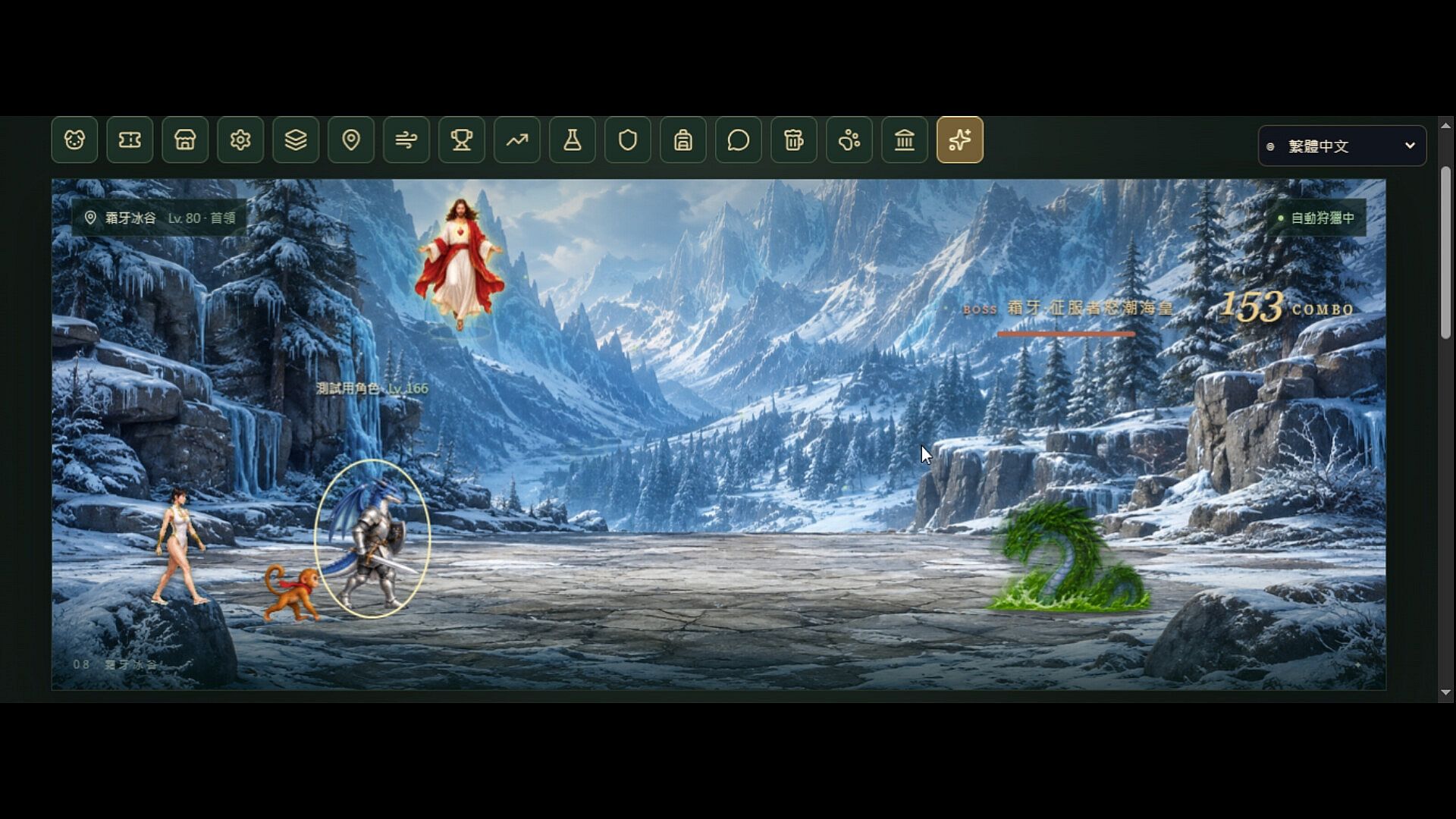
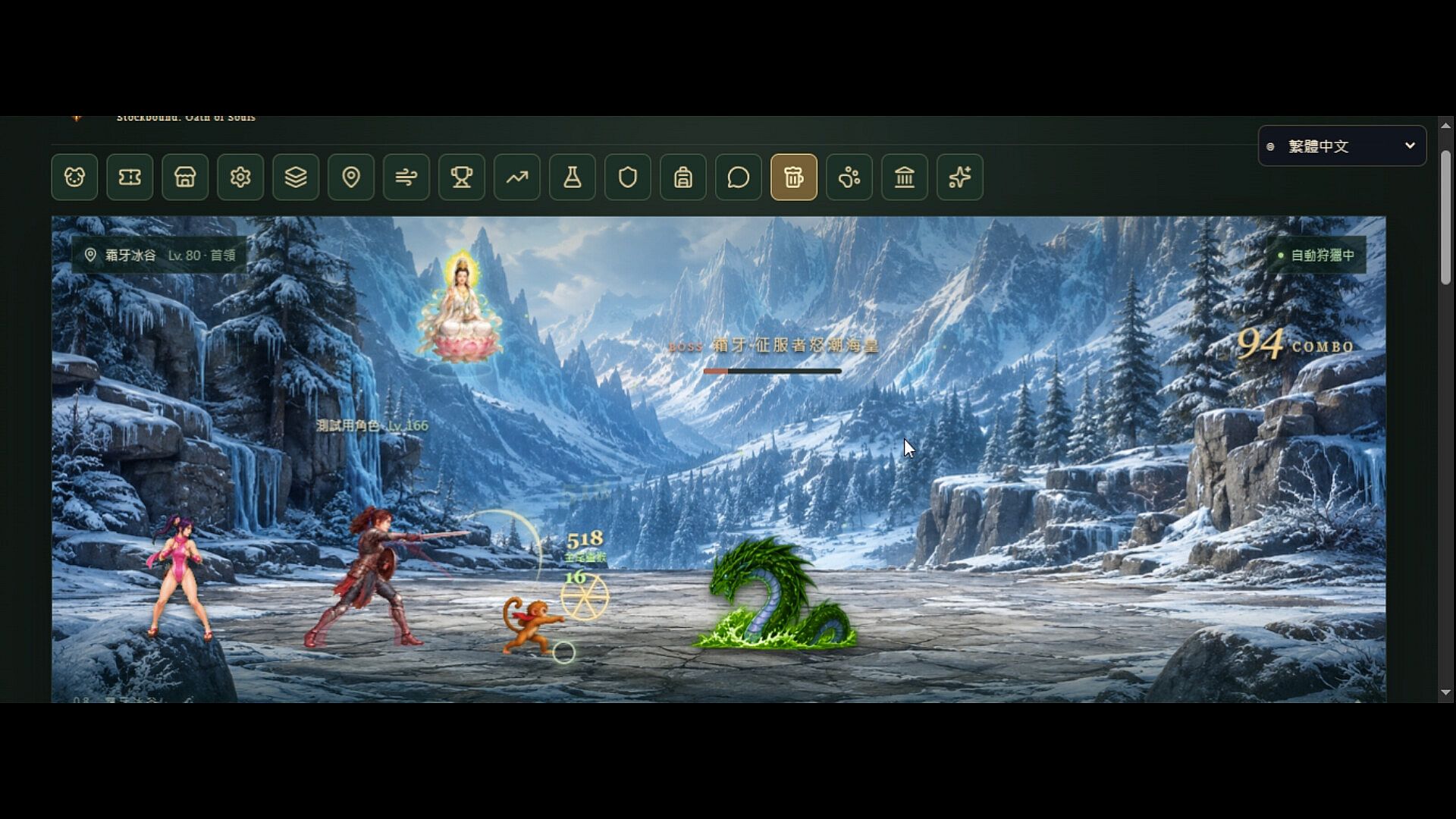
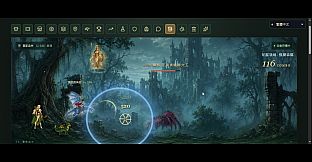
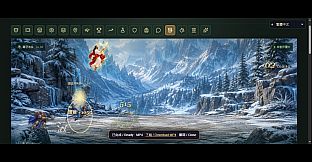
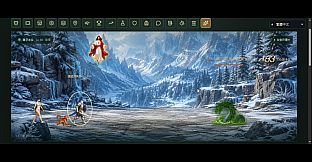
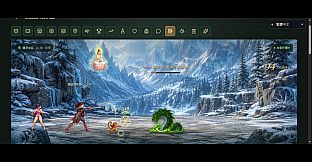
Stockbound: Oath of Souls is a free-to-play online side-scrolling idle RPG available on PC. Players build and manage a knight in a medieval fantasy setting, where automatic combat against monsters combines with hands-on decisions about equipment, skills, supplies, and supporting allies. The game emphasizes steady progression through waves of enemies, resource management, and an optional economy system tied to simulated stock movements.
Gameplay
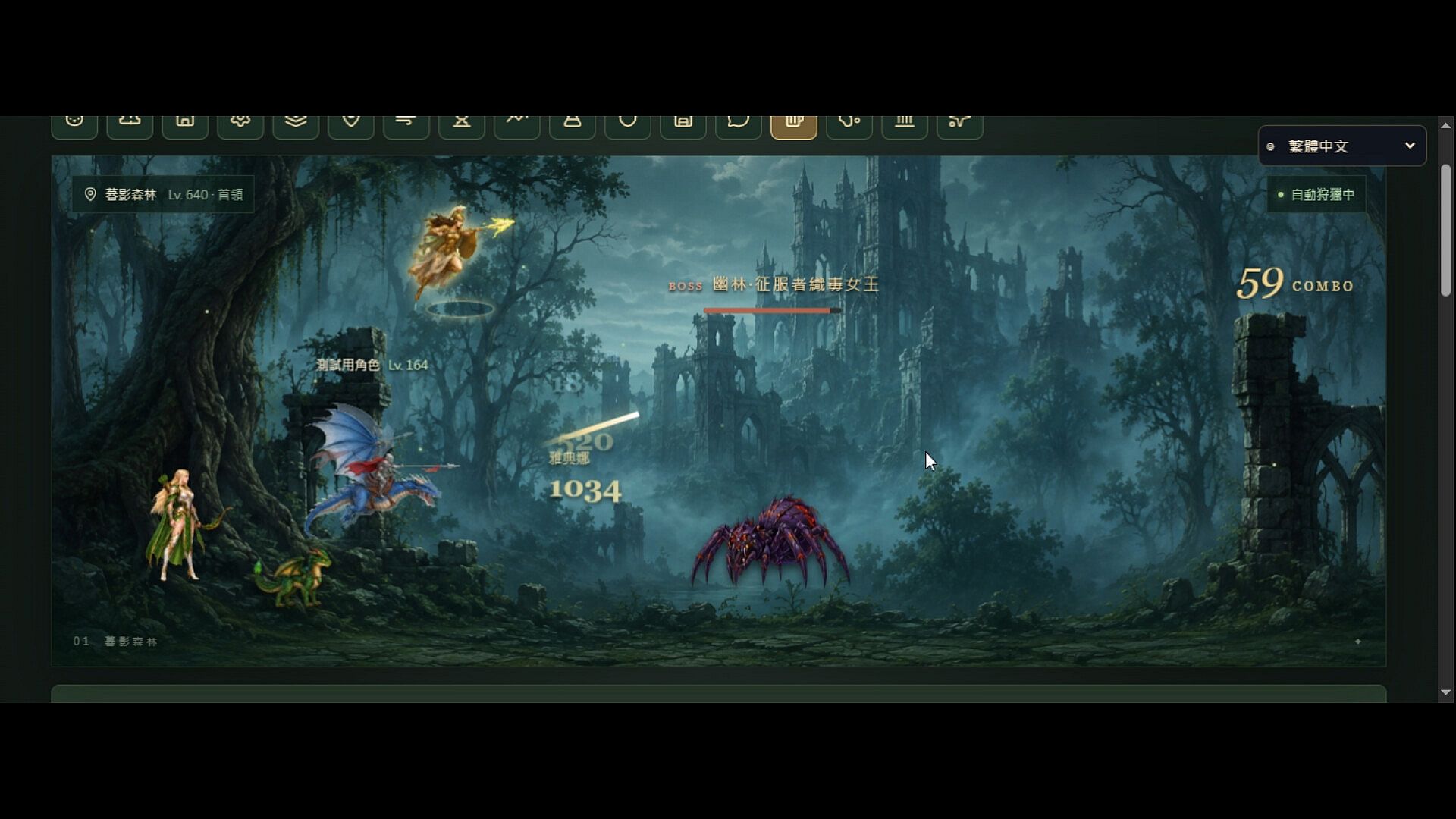
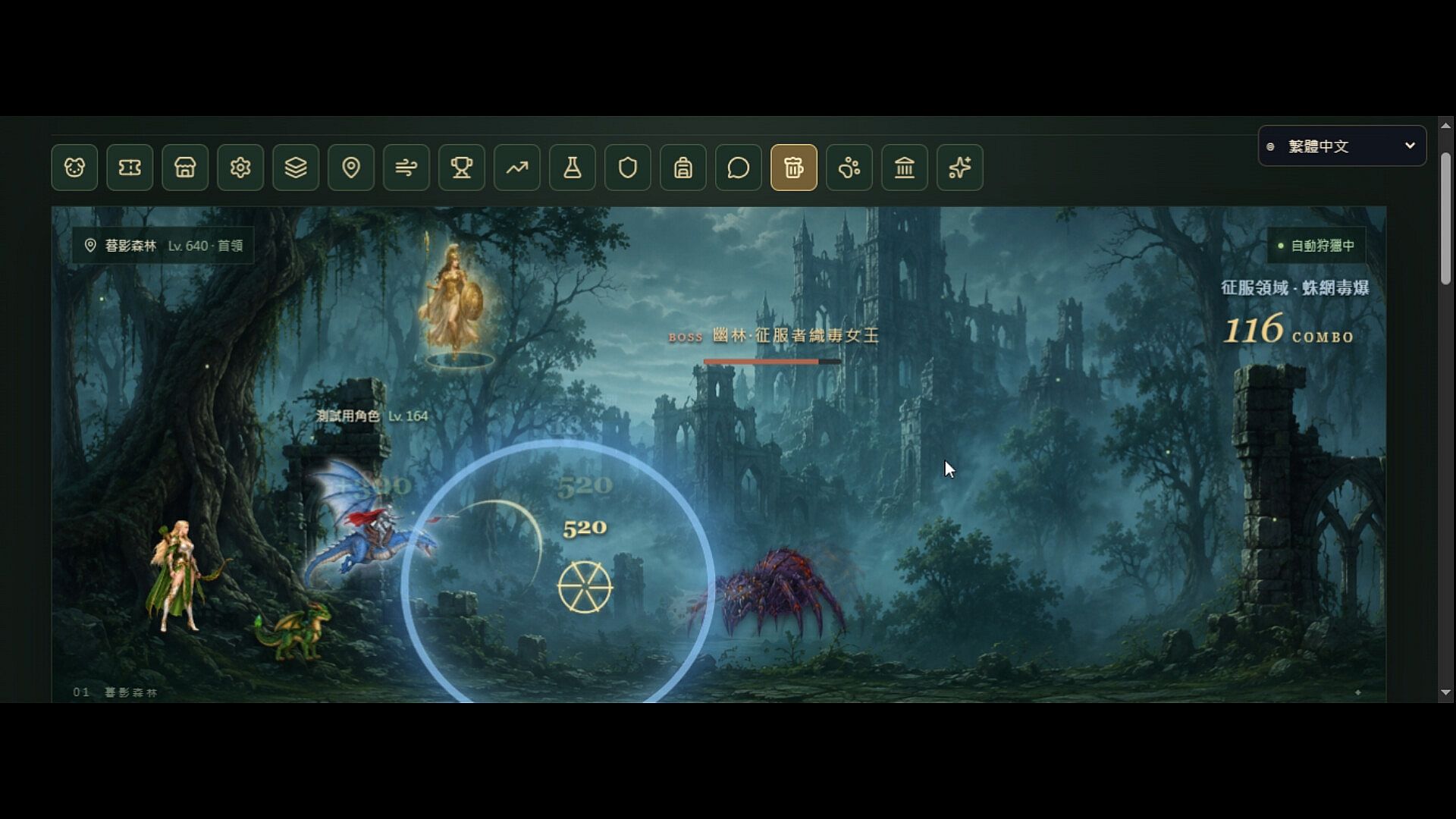
The core loop centers on an idle combat system. A knight automatically engages monsters while the player focuses on long-term preparation. Experience accumulates to level up the character, and crafting materials drop to support equipment creation and upgrades. Weapons, helmets, armor, gloves, boots, necklaces, and rings form the gear set, each open to enhancement attempts that carry risk beyond safe thresholds.
Allies expand options for builds. Tavern companions, pets, and summoned deities provide additional attacks and abilities during fights. These supporters require recruitment and ongoing upkeep costs paid in gold or another currency, forcing players to balance immediate spending against future hunts. Character customization includes transformations, name changes, and custom titles to differentiate adventurers.
Progression spans 21 distinct areas that range from forests and abandoned mines to frozen valleys, volcanic lands, and ruined palaces. Encounters vary by location, and bosses appear every 20 waves to test growing strength. Animated companions, pets, and floating deities join battles with their own moves. Offline rewards accumulate for up to 12 hours when the account is inactive, though ally upkeep continues to affect settlement results.
Game Modes
Wave-based progression forms the primary activity, with players advancing through areas and facing recurring boss challenges. Arena duels allow direct competition against other players. Public chat and private messages support social interaction, while player item listings enable trading of equipment and supplies.
Optional minigames provide variety using in-game gold. Dog-racing and slot-machine activities offer alternative ways to engage with resources outside main combat loops. The market system adds another layer where virtual stock holdings can be purchased and tracked, with potential influence on experience and loot bonuses when certificates are embedded in gear.
Progression and Economy
Server-stored accounts preserve character data, inventory, and progress across sessions. Soul Seals serve as a premium currency earned from boss drops or obtained through optional purchases, required for map access beyond the starting forest and certain recruitments or summons. Gold handles many other costs, encouraging careful planning of both currencies alongside equipment upgrades.
The optional market feature links fantasy progression to simulated Taiwan stock-price movements. Players buy virtual holdings with gold, monitor unrealized gains or losses, and embed certificates into weapons or armor for dynamic bonuses. These certificates stay fixed once placed, and destruction of enhanced equipment can result in permanent loss of linked holdings. The system functions purely as game simulation and does not involve real securities trading or cash withdrawals.
Is It Worth Playing?
Stockbound: Oath of Souls suits players who enjoy idle progression combined with strategic resource and party management in a persistent online environment. The side-scrolling format and automatic attacks lower the barrier for casual sessions, while upgrade risks, upkeep costs, and the optional market system add depth for those who like optimization and long-term planning. Social features such as arena duels and item trading extend engagement beyond solo play.
As an upcoming release scheduled for October 30, 2026, the game currently has no player reviews or established community feedback. Its free-to-play model with in-app purchases and required internet connection for full functionality means prospective players should consider whether the described systems align with their preferences for idle RPGs and simulated economies. The emphasis on offline rewards and server-based progress supports regular returns without constant active playtime.