



Firmware is a strategy indie simulation game for PC centered on assembly programming puzzles. Players tackle challenges that require writing and refining low level code to meet specific system constraints and performance targets. The experience suits those with some familiarity with assembly concepts or a willingness to learn through progressive examples that introduce instructions gradually.
Gameplay
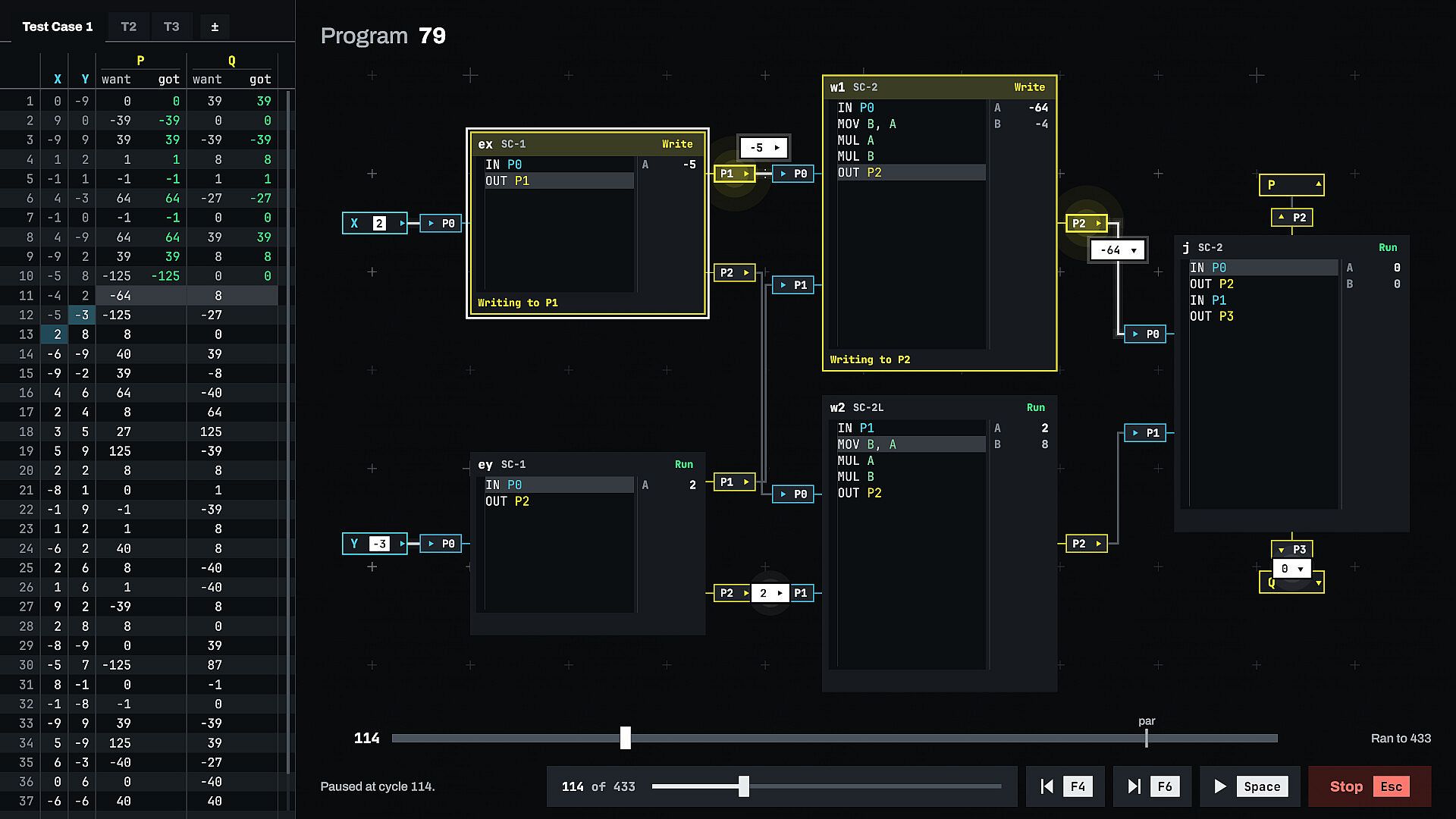
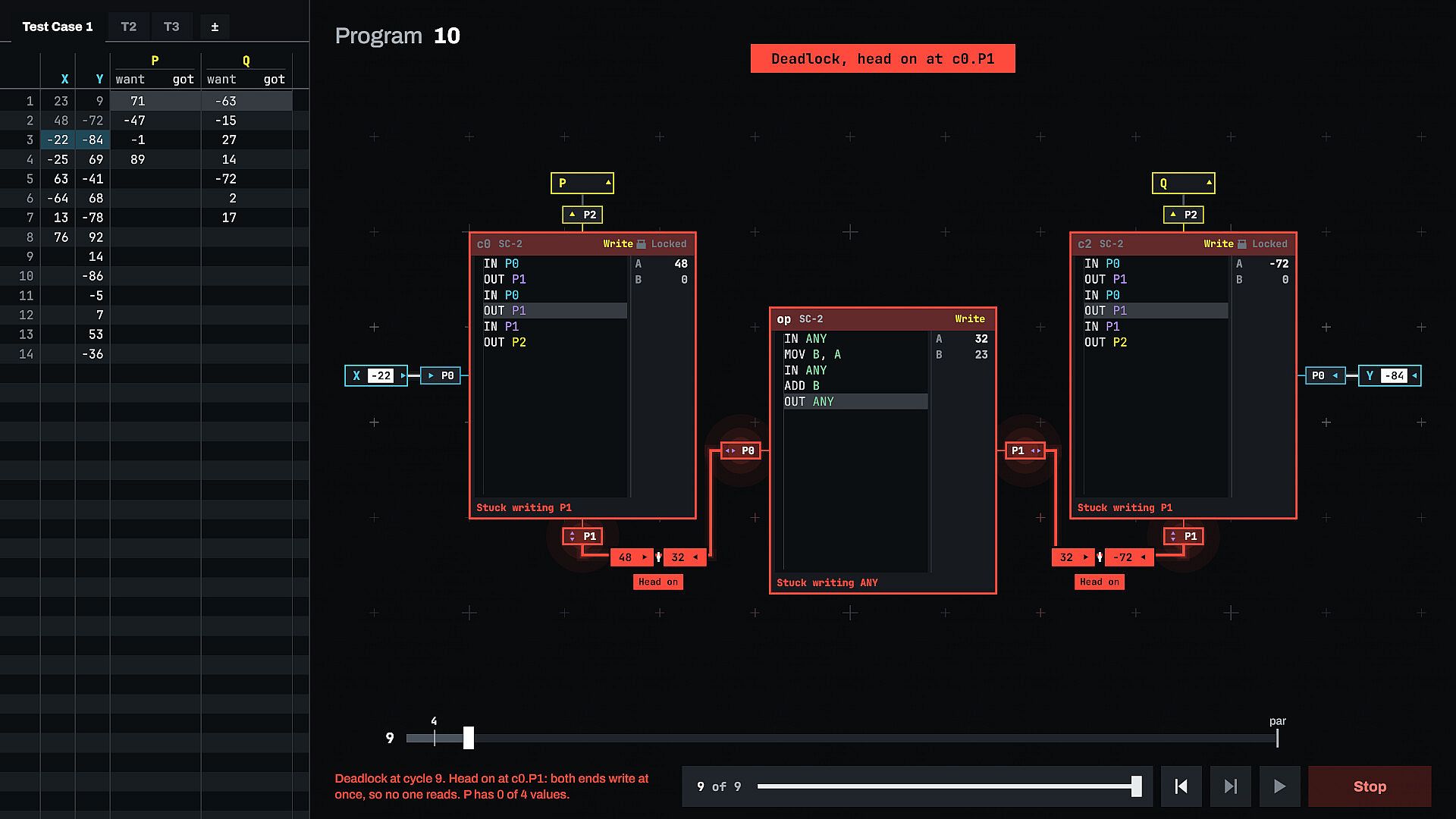
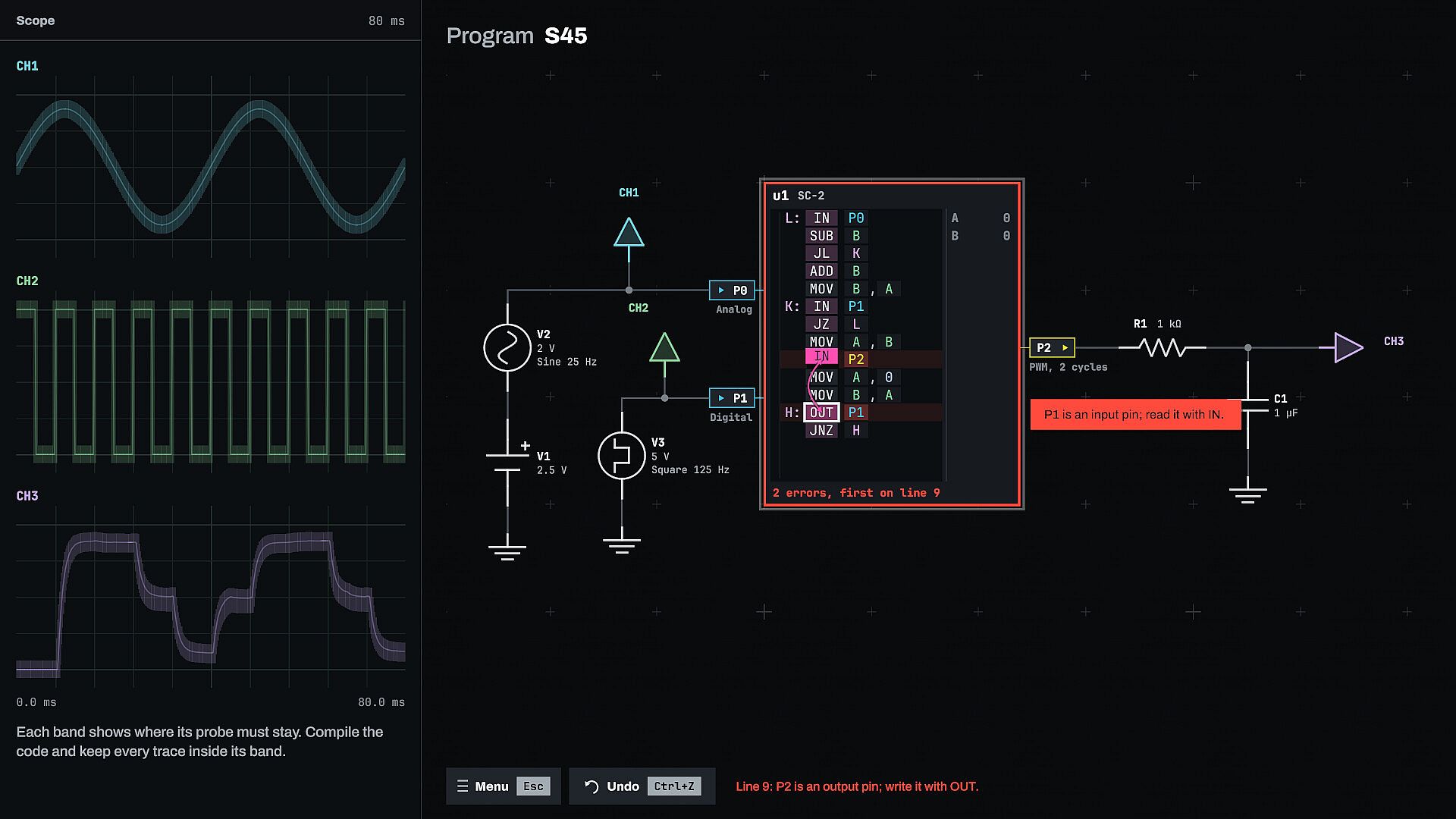
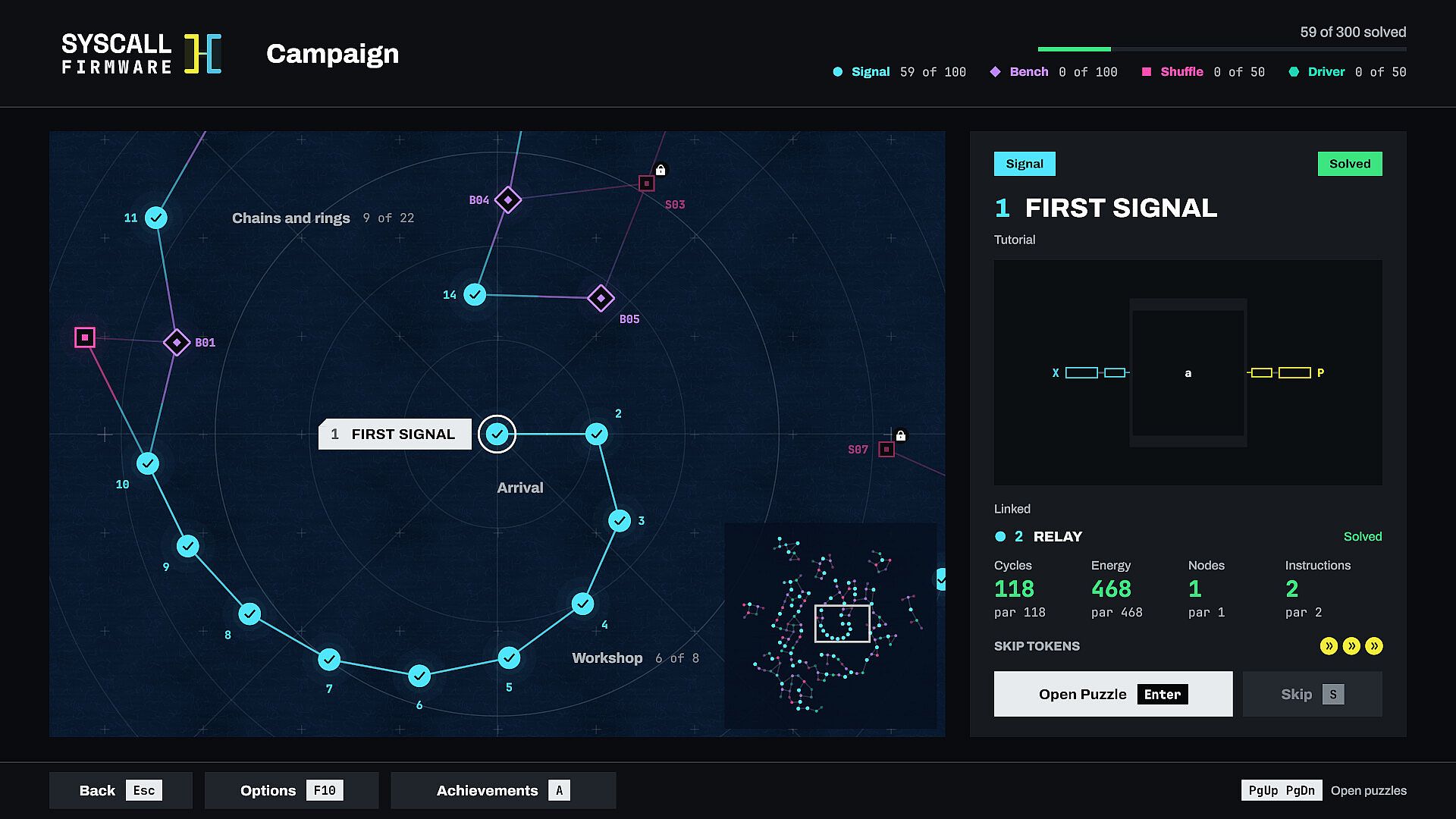
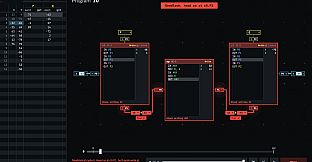
The core loop involves solving puzzles by writing assembly code that interacts with hardware like pins, buses, and registers. Solutions must route values correctly, resolve timing issues, and handle locked components whose instructions cannot be altered. Optimization plays a central role, with success measured against par scores for cycles, energy use, nodes, and instruction count. Different microcontroller models introduce variations in registers, program size limits, execution speeds, and power costs, so the quickest approach may not always deliver the best overall efficiency.
Debugging tools allow players to advance one step at a time, run programs at full speed, or rewind through execution history. A recorded timeline supports scrubbing to inspect register states and pin values, making it possible to trace incorrect outputs back to their origin in the code. This setup encourages experimentation and refinement without guesswork.
Input options include a standard keyboard and mouse setup for direct code entry, along with controller support that uses a line composer and on screen keyboard. Accessibility features cover adjustable text size, high contrast modes, colorblind palettes, reduced motion, and captions for audio cues.
Game Modes
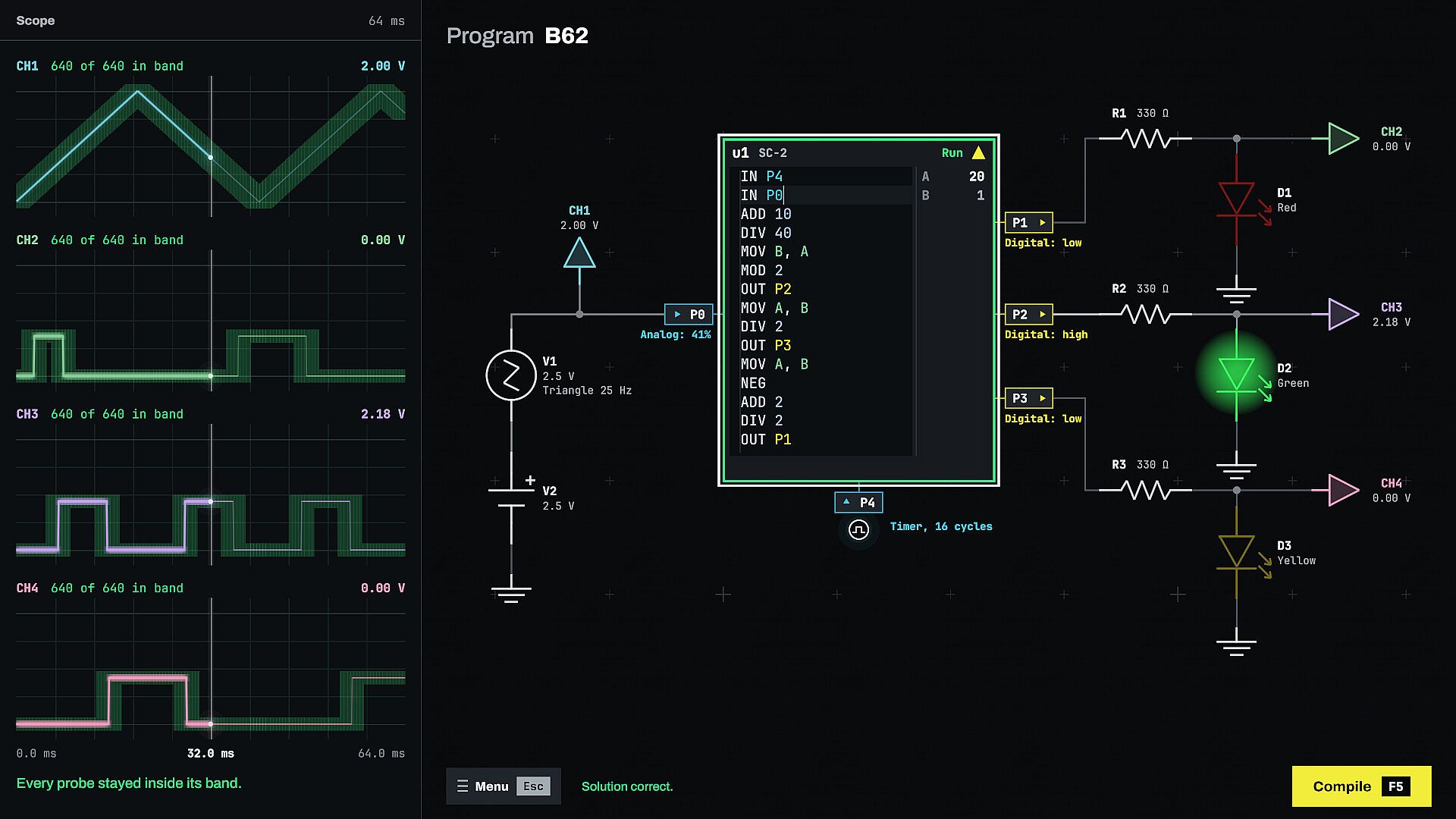
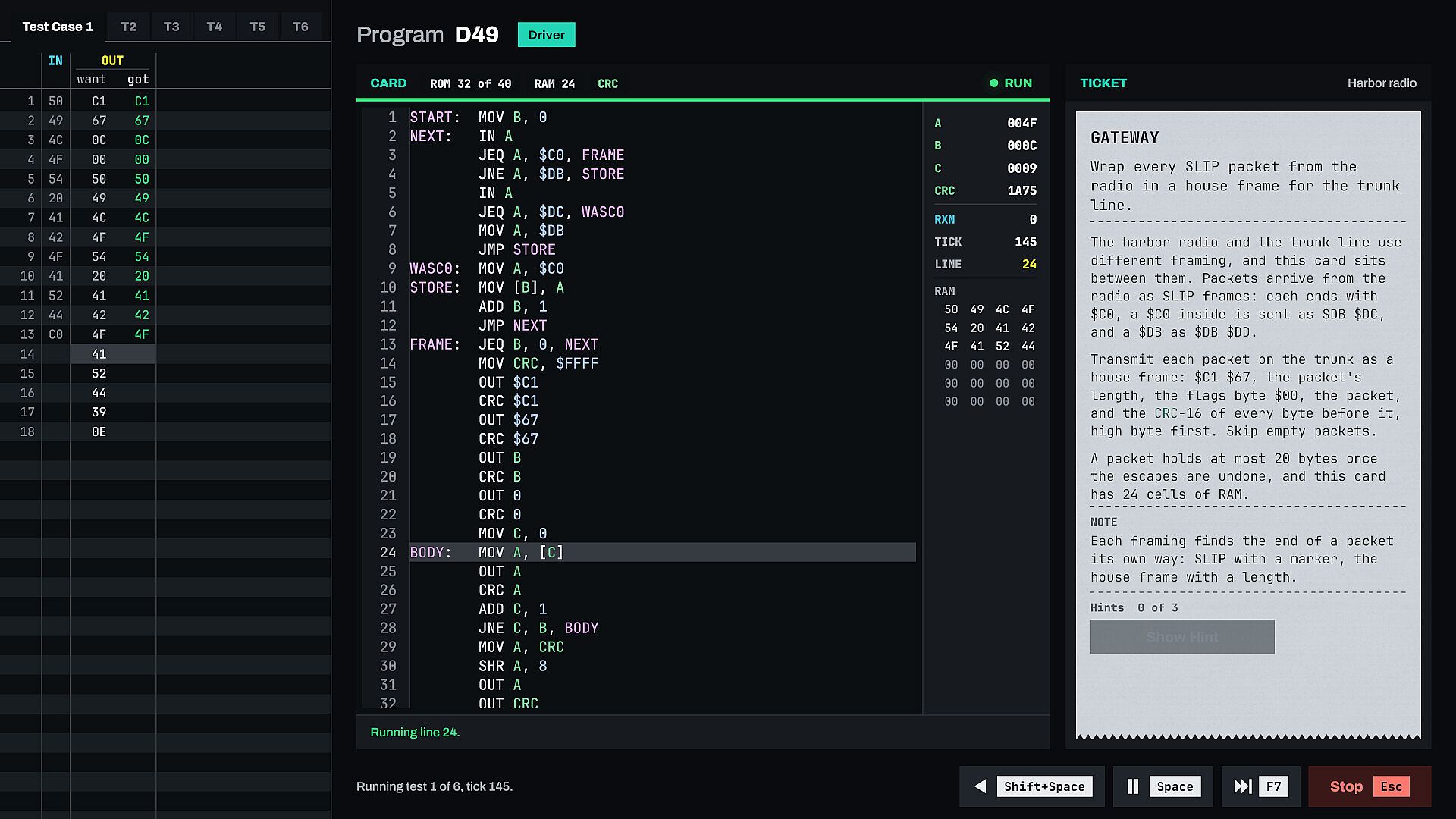
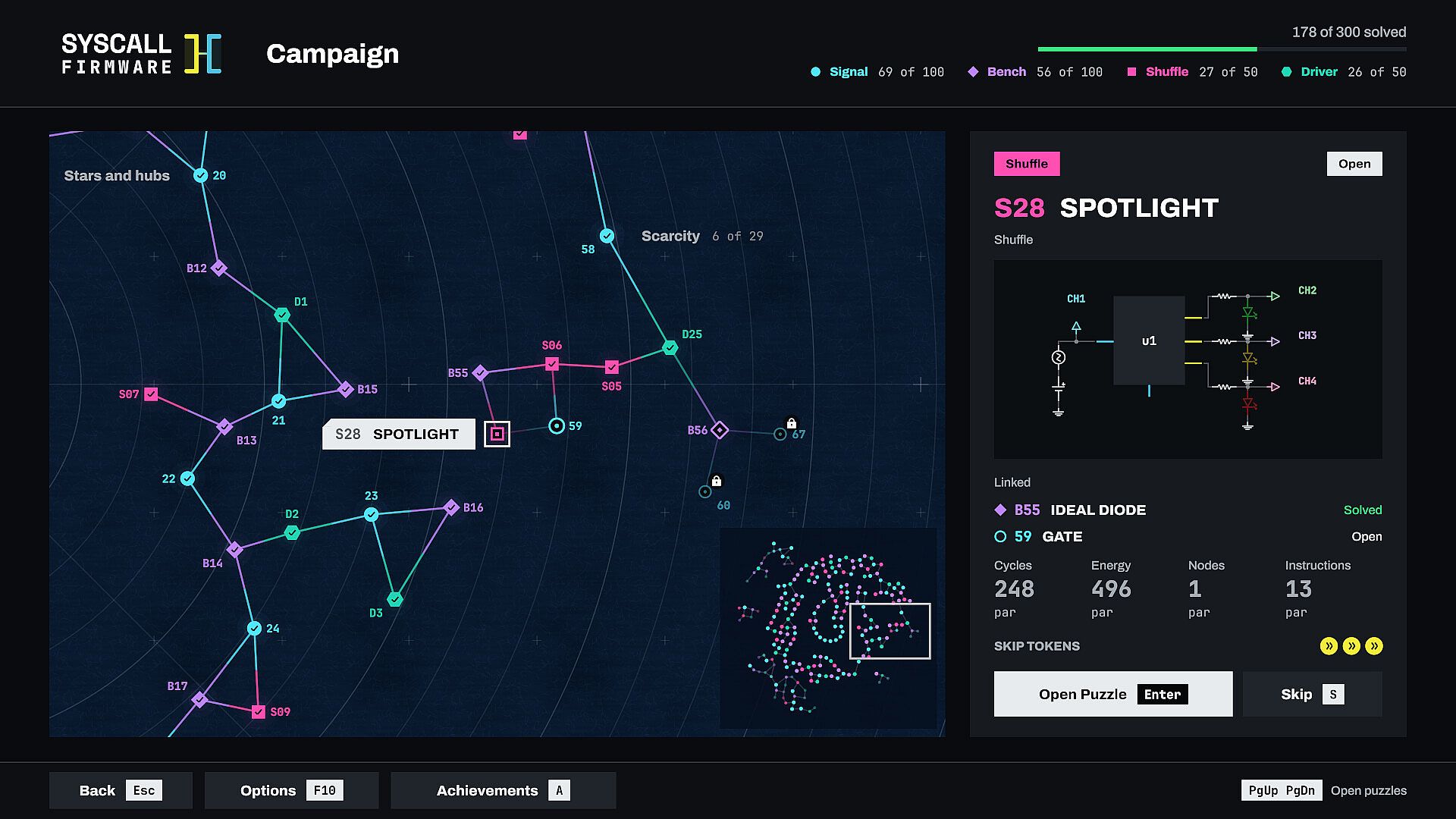
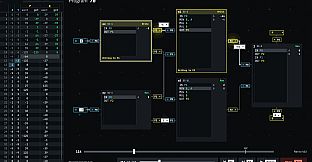
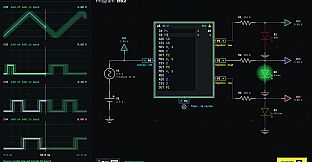
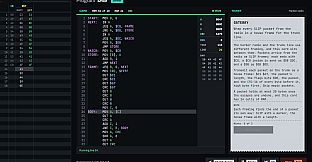
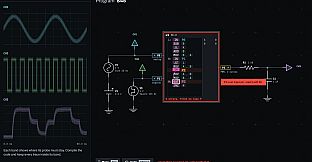
Four distinct categories structure the hundreds of puzzles, each presenting a unique perspective on assembly code and system constraints. Signal focuses on routing values through named pins and managing shared buses in multi core setups. Bench emphasizes performance metrics across varied hardware models. Shuffle requires rearranging corrupted instruction sequences into functional order. Driver centers on programming microcontrollers to control circuits and translate input strings into different output formats.
Each category imposes its own wiring layouts and limitations. Players navigate deadlocks, work around fixed cores, and balance trade offs between speed, size, and resource consumption. The variety keeps the challenges fresh while reinforcing core assembly principles through repeated application in new contexts.
Progression and Tools
Puzzles build incrementally, starting with basic instructions and advancing to complex interactions involving multiple cores and data transformations. Five microcontroller variants provide ongoing variety in constraints and capabilities. Online score comparison, when enabled, displays histograms, ranks, and records after server verification of submitted solutions. Leaderboards and friend comparisons add context to personal bests without altering the single player focus.
The design rewards careful analysis of system behavior. Players learn to identify bottlenecks in cycles or energy draw and adjust code accordingly. This iterative process mirrors real embedded programming tasks while remaining self contained within the puzzle framework.
Is It Worth Playing?
Firmware appeals most to players who enjoy methodical puzzle solving grounded in programming concepts. Those comfortable with or curious about assembly will find a structured environment for practice and optimization. The four categories and debugging features support extended engagement through hundreds of distinct challenges. Accessibility options broaden access for different preferences and needs. If the idea of refining low level code to beat efficiency targets sounds engaging, the game delivers a focused experience in that niche.