




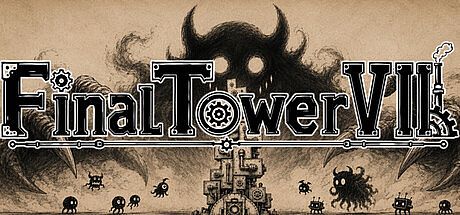


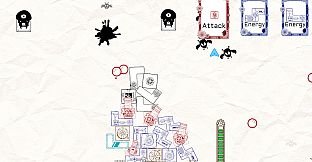
Final Tower Ⅶ is a physics-based tower defense game that blends action and strategy elements in a single-player experience on PC. Players construct towers from steampunk machine blocks shaped like Tetris pieces, then manage their stability while powering defensive systems against waves of enemies.
Gameplay
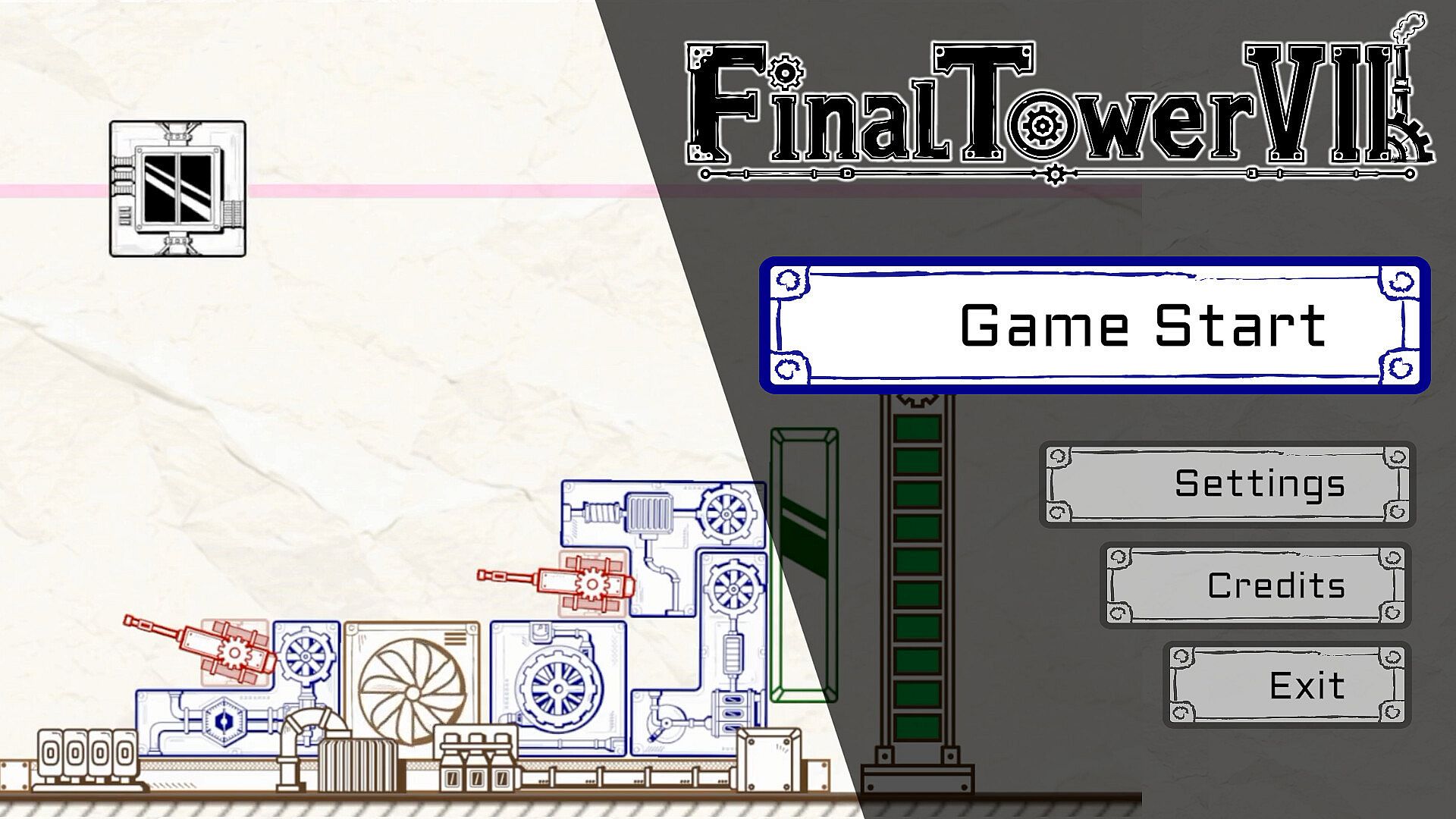
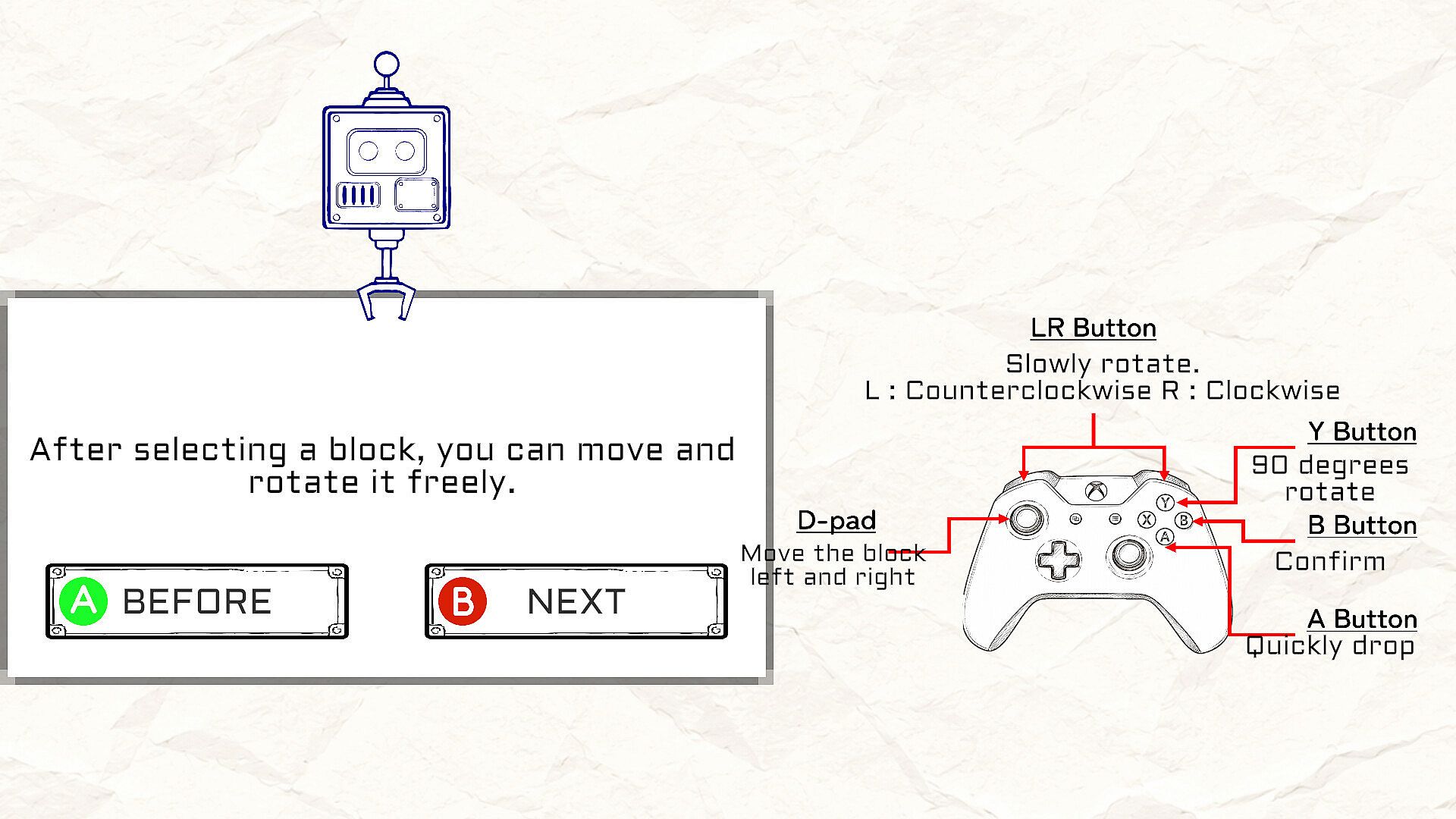
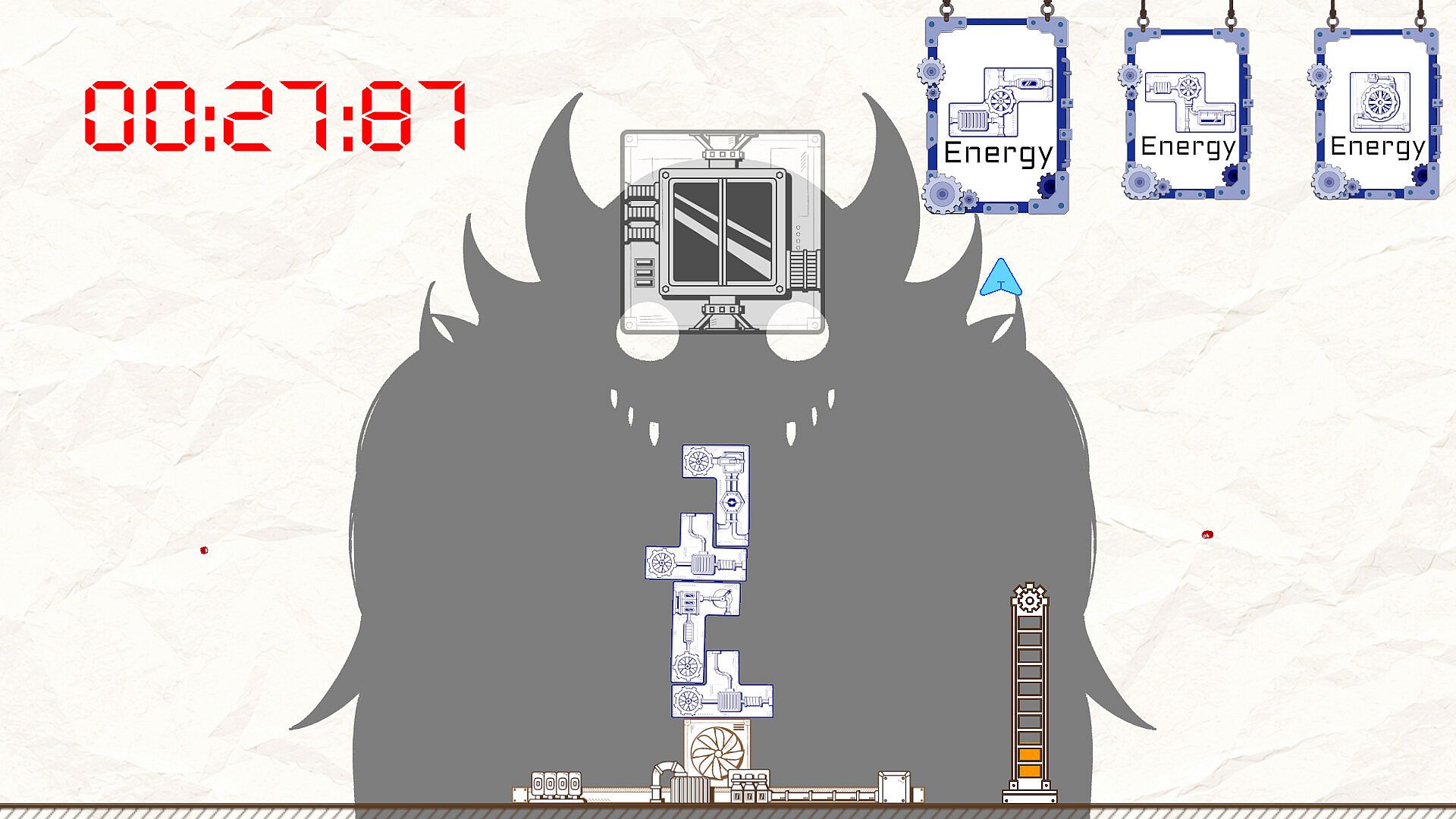
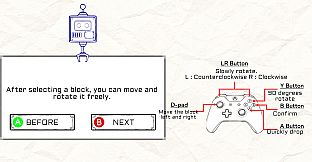
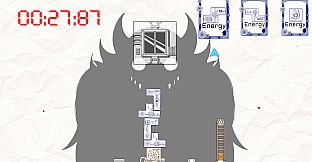
The core loop centers on dropping and positioning blocks to form a functional tower. Each block lands with realistic physics, causing the structure to sway under its own weight and external forces. Players rotate and place pieces carefully because poor stacking leads to imbalance or outright collapse when enemies strike.
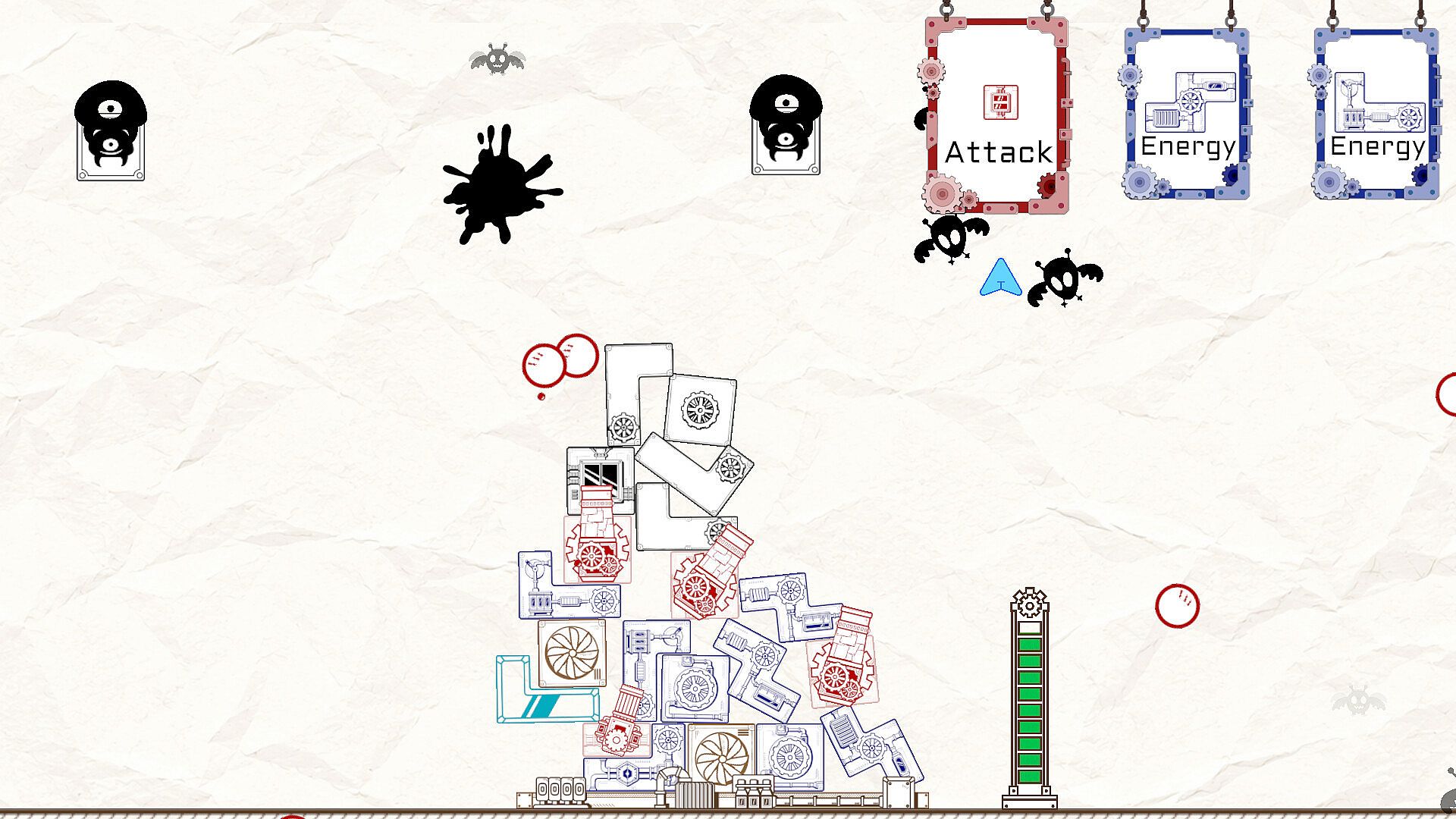
Power management adds another layer. Power blocks transmit electricity through connected sections, activating attack blocks that function as automated turrets. These turrets target enemies approaching from either side once they receive power. Strategic placement of attack blocks and routing of electricity determine how effectively the tower can defend itself.
Enemies include ground forces and flying units that carry heavy obstacle blocks. Shooting down the flyers prevents them from dropping hazards onto the tower, which would create additional structural problems. The physics simulation makes every decision about block arrangement and power flow matter for long-term stability.
Game Modes
The game operates as a single-player survival challenge without separate named modes. Each session follows the same structure of building and defending until the time limit expires or the tower falls. The focus remains on repeated attempts to refine stacking techniques and power connections within the fixed ruleset.
Progression comes from learning how different block combinations hold up under sustained pressure. There are no branching campaigns or competitive elements, keeping the experience centered on mastering the physics-driven defense loop.
Key Mechanics and Features
Block stacking forms the foundation, with gravity and sway affecting every tower. Electricity connections turn static blocks into active weapons, requiring players to think about both structure and circuitry. Flying enemies introduce a timing element, as quick elimination avoids new obstacles that could tip the balance.
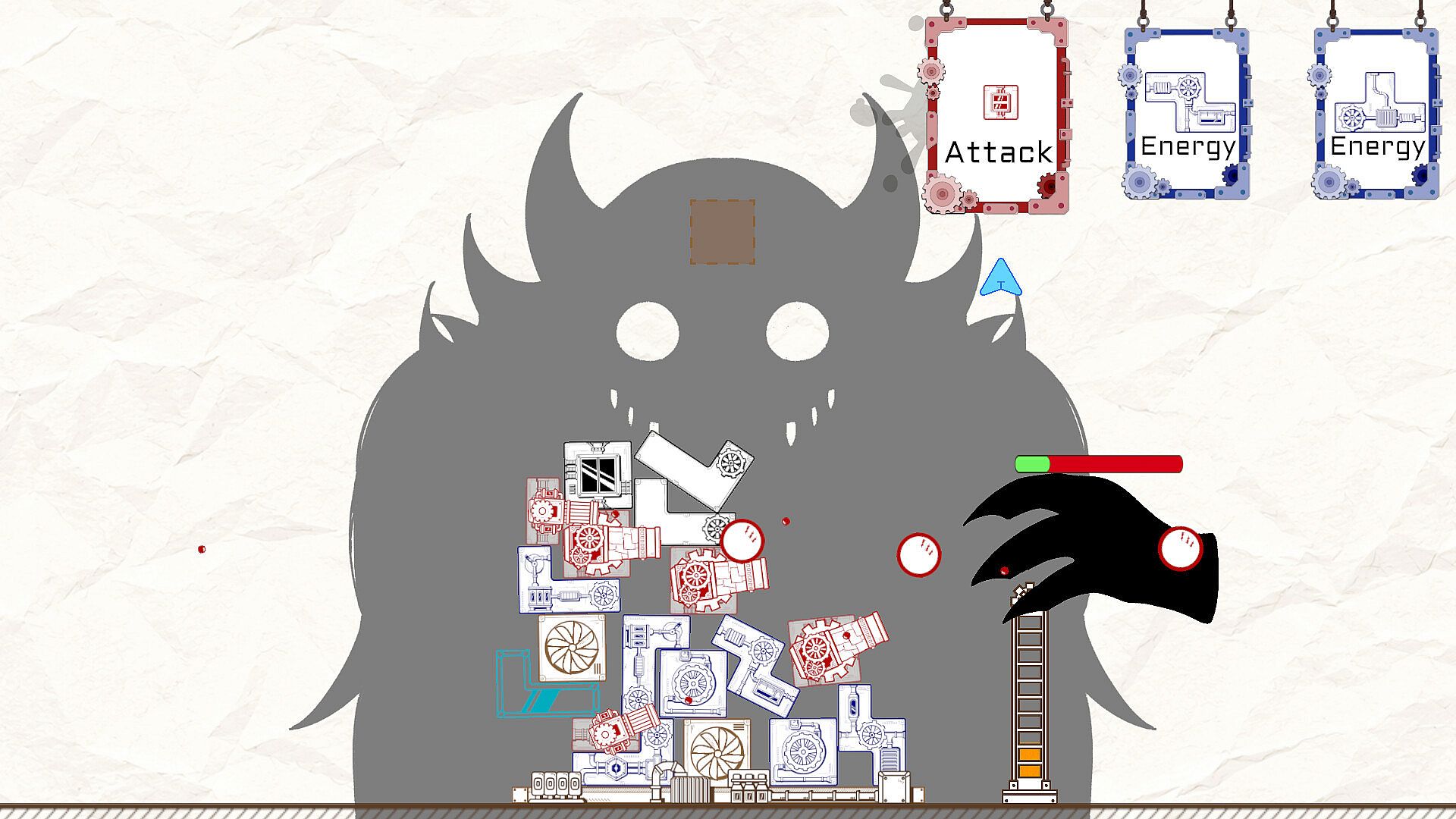
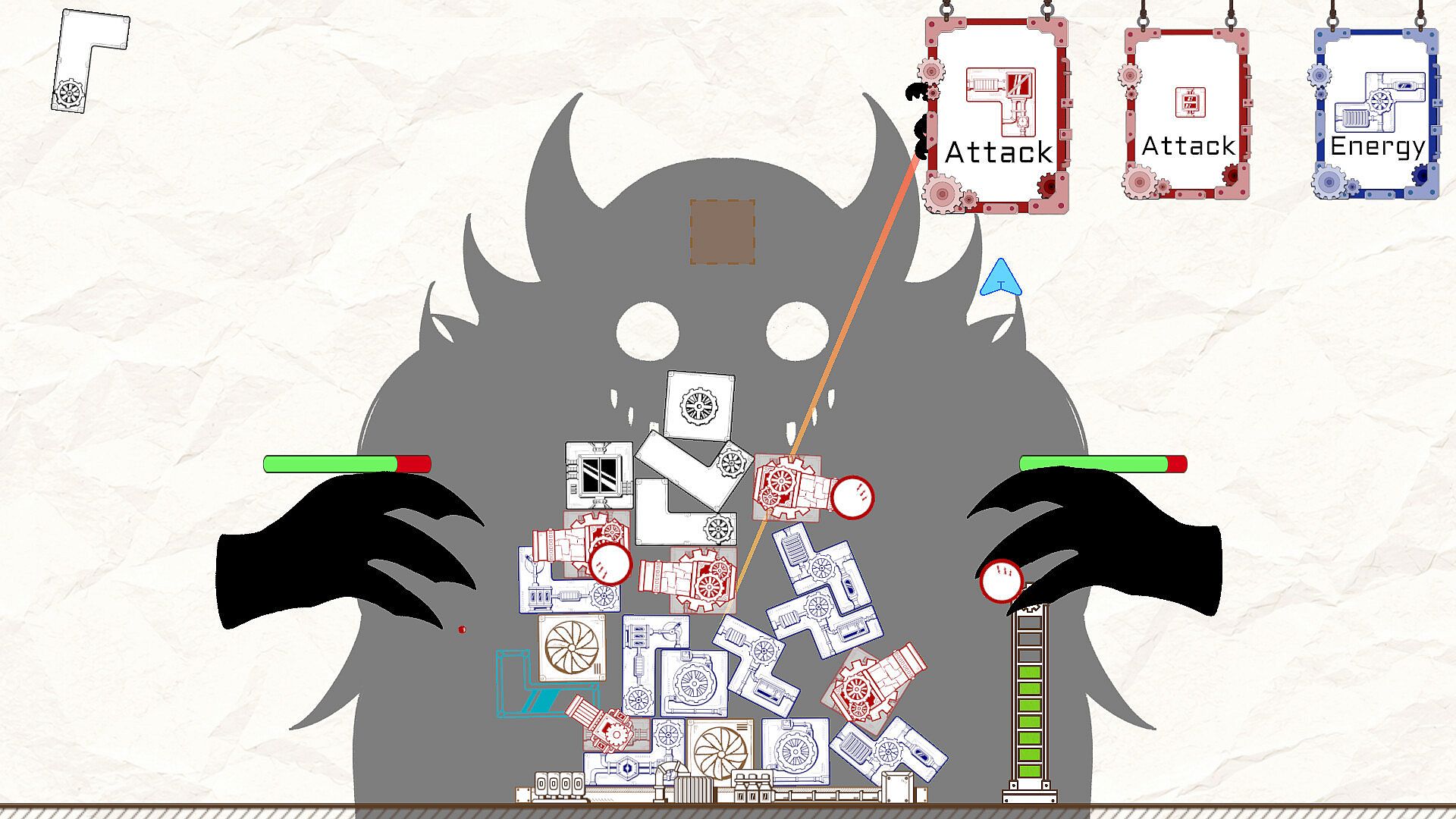
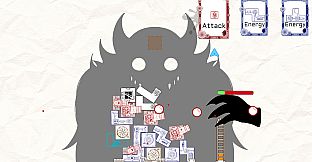
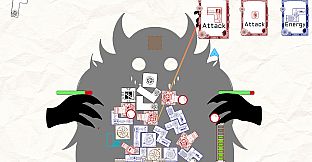
After 90 seconds of survival, a giant boss enters and directly interacts with the tower using its hands to push, knock, and shake the structure. This final phase tests whether the built tower can withstand targeted physical attacks rather than just ranged enemy fire.
The steampunk aesthetic ties the blocks together visually while emphasizing the mechanical nature of power flow and turret activation. The indie casual elements keep controls straightforward, allowing focus on placement and connection decisions.
Is It Worth Playing?
Final Tower Ⅶ appeals to players who enjoy physics-based puzzles combined with tower defense strategy. The single-player format suits those seeking a focused challenge without multiplayer distractions or seasonal content. Its unique block-stacking and electricity mechanics set it apart from traditional tower defense titles.
Because the game is not yet released, player reception remains unavailable. Those interested in experimental indie strategy games with strong physics simulation may find the core loop rewarding once it launches. The emphasis on precise placement and reactive defense makes it a solid choice for fans of thoughtful, short-session gameplay.












