


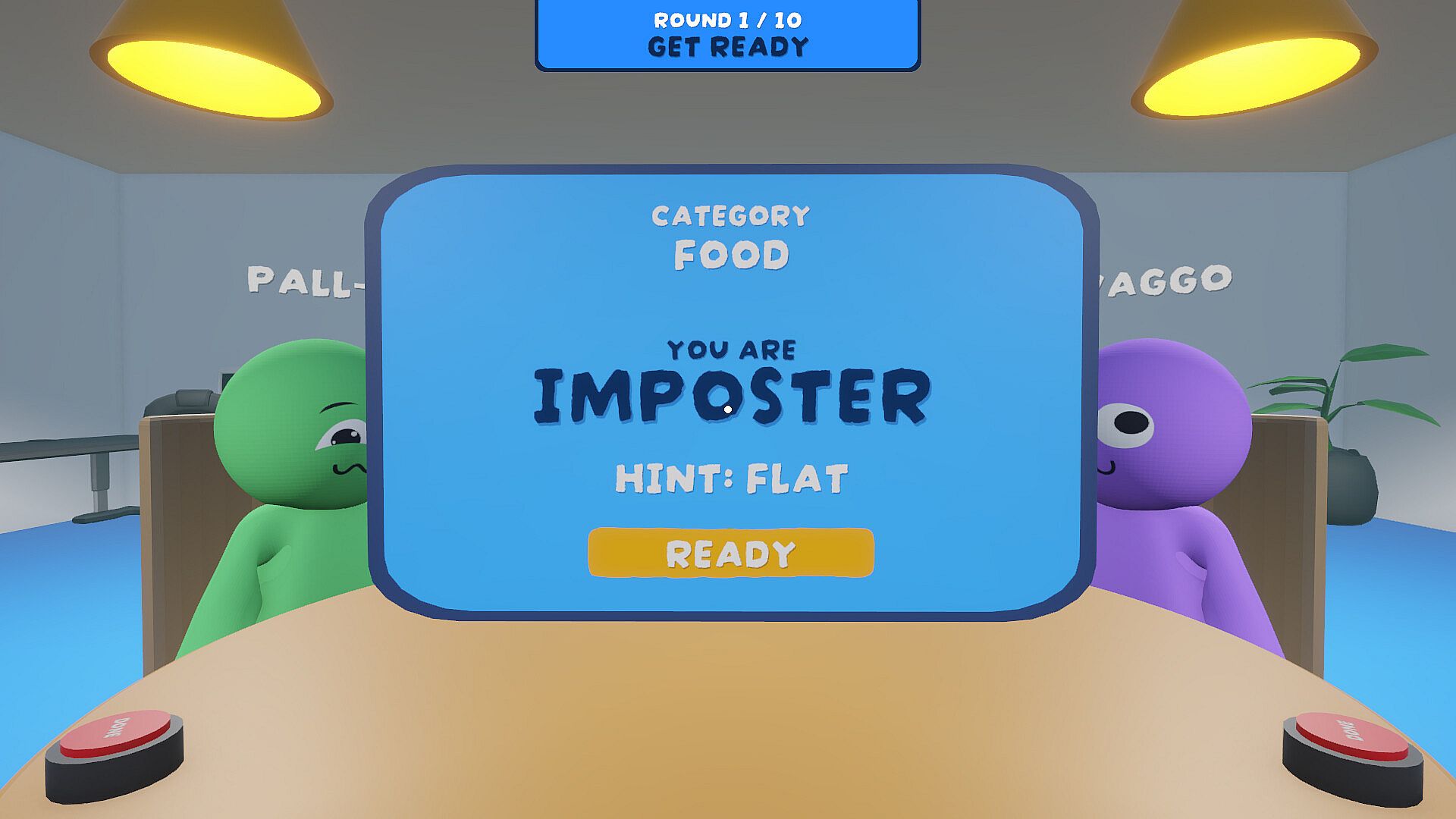
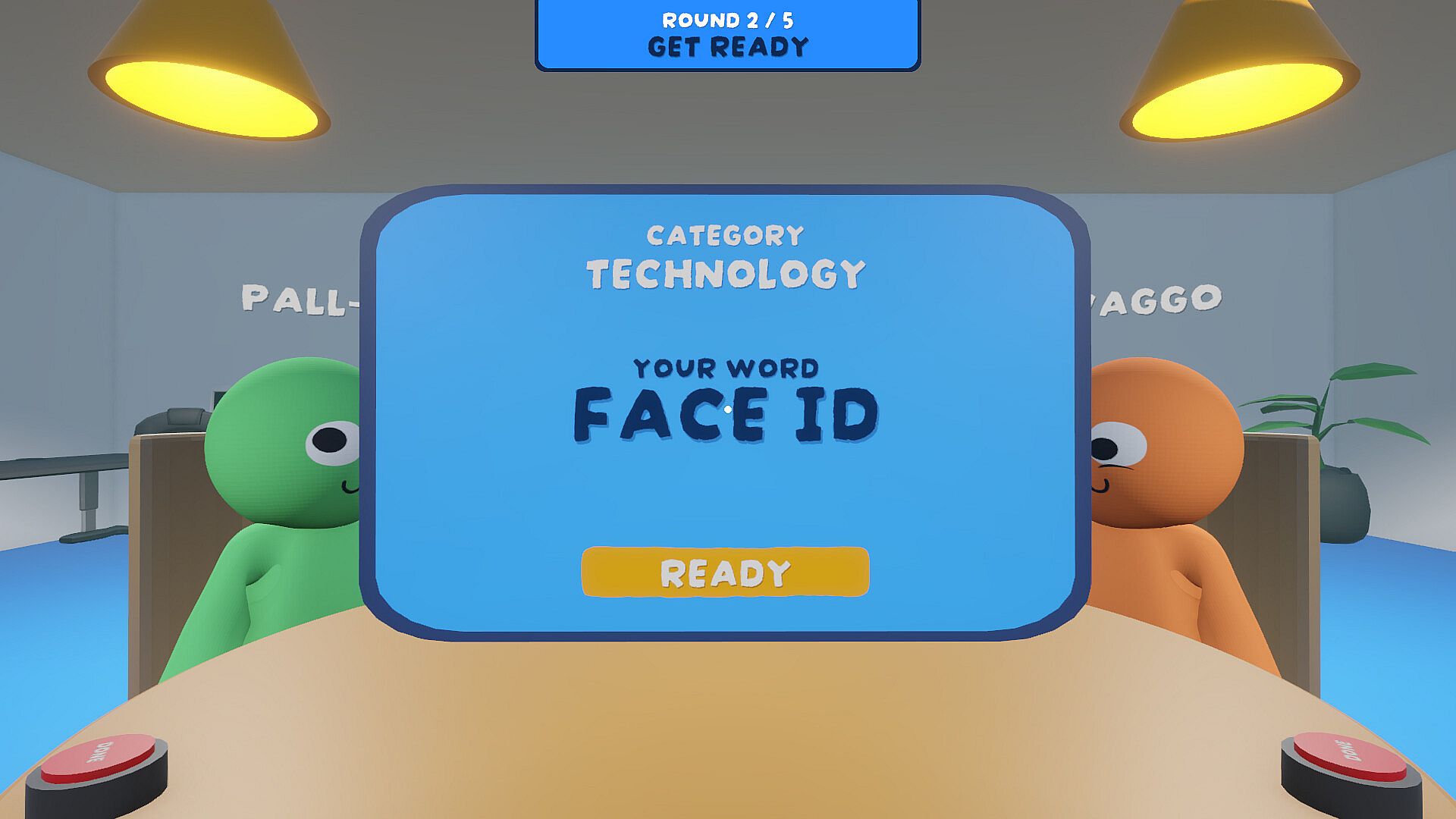
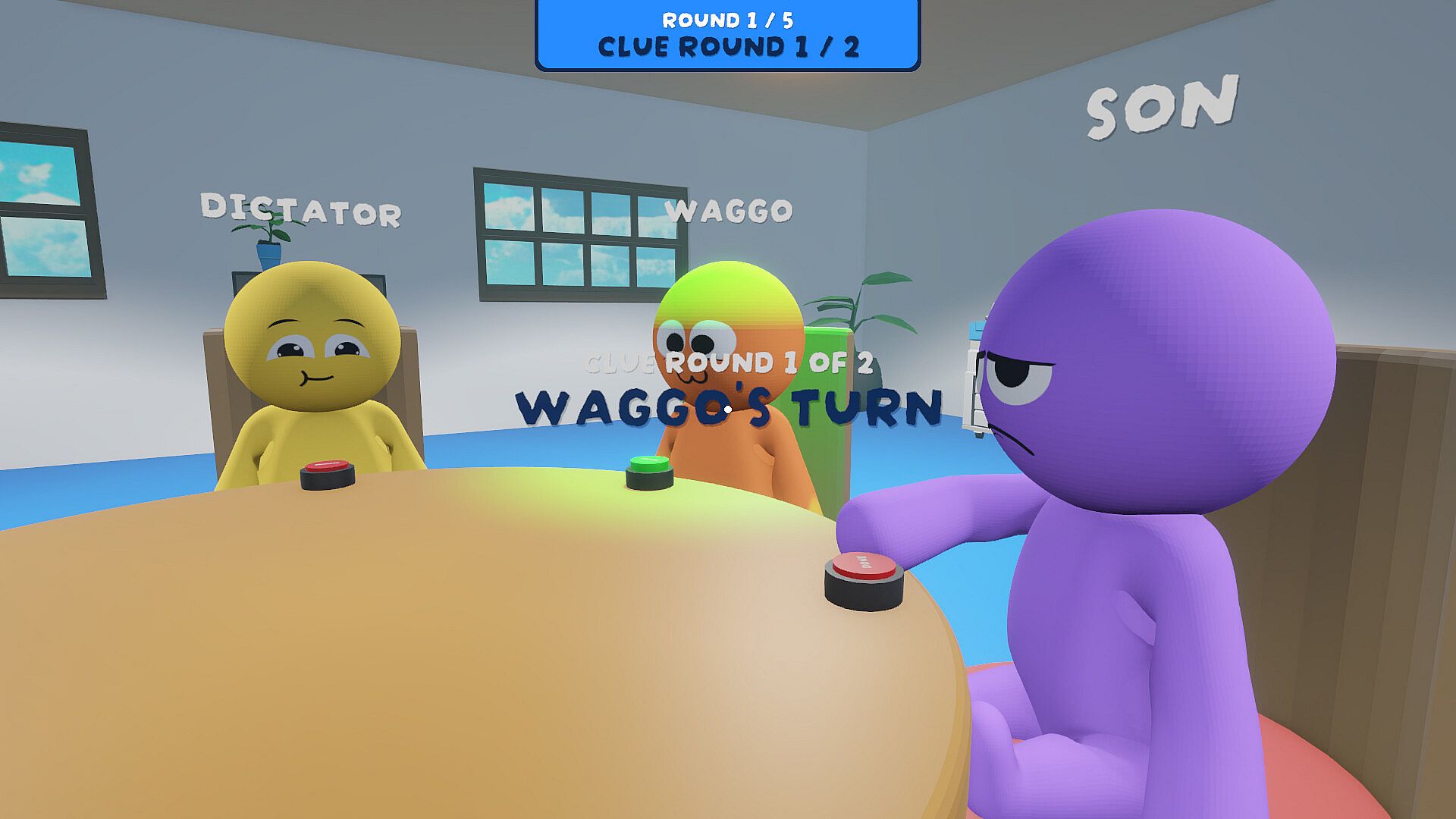




FIBS is a PC strategy game that combines indie development with casual and role-playing influences in a social deduction format. Players gather in groups of three to six and receive a secret word that defines the round. Most participants know the word and provide clues during turns, while one or more impostors remain unaware and must improvise responses without revealing their lack of knowledge.
Gameplay
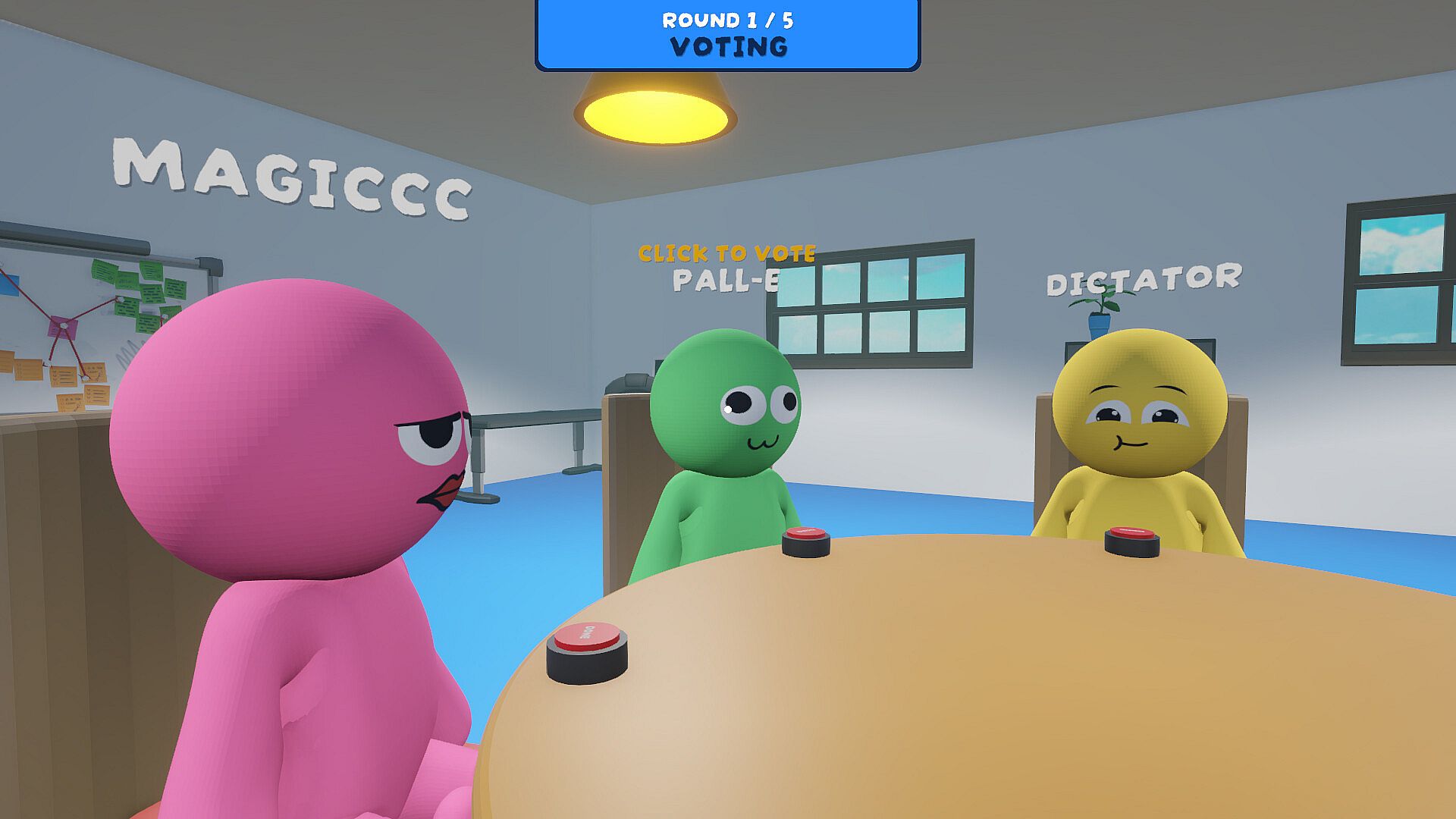
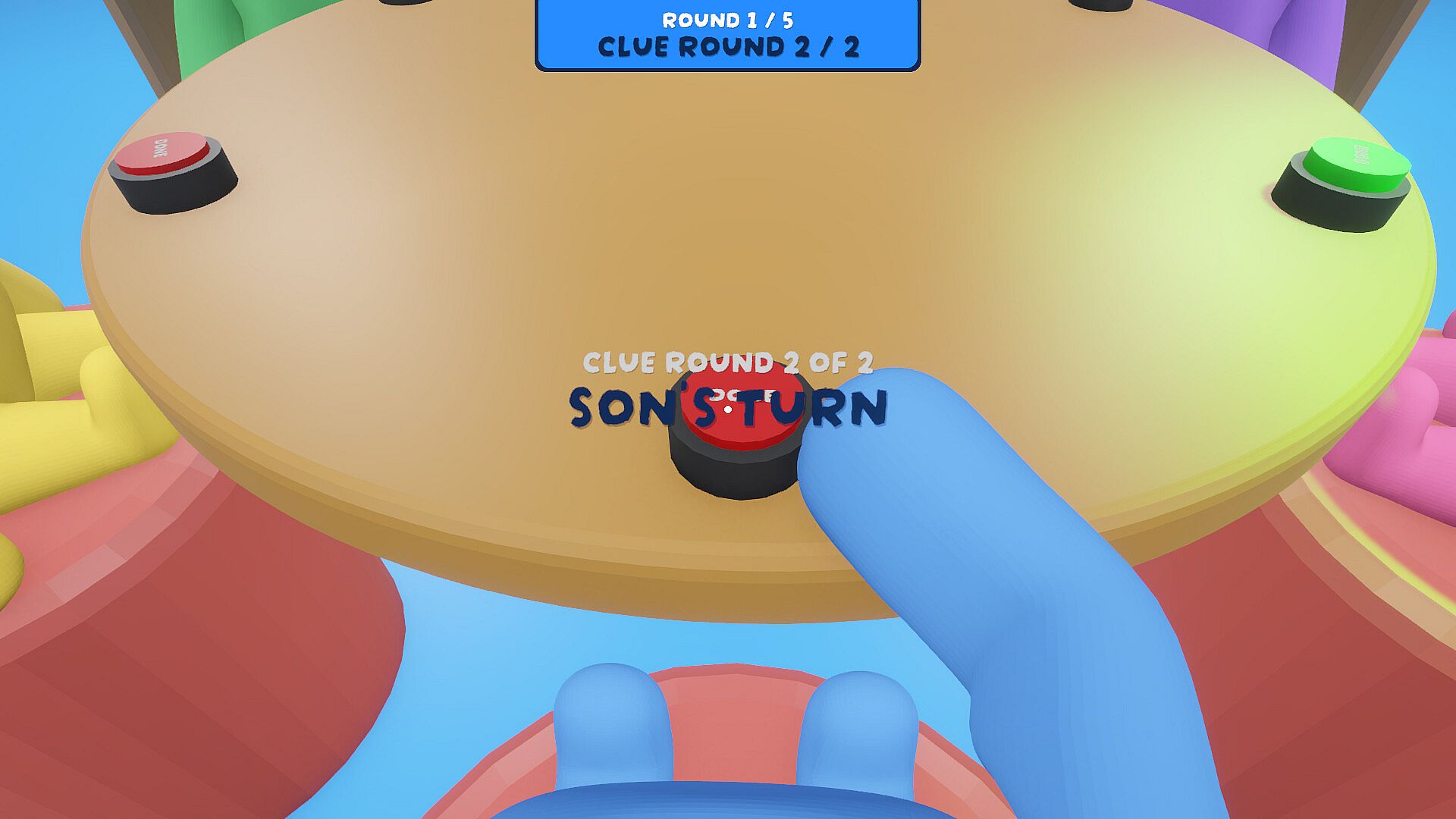
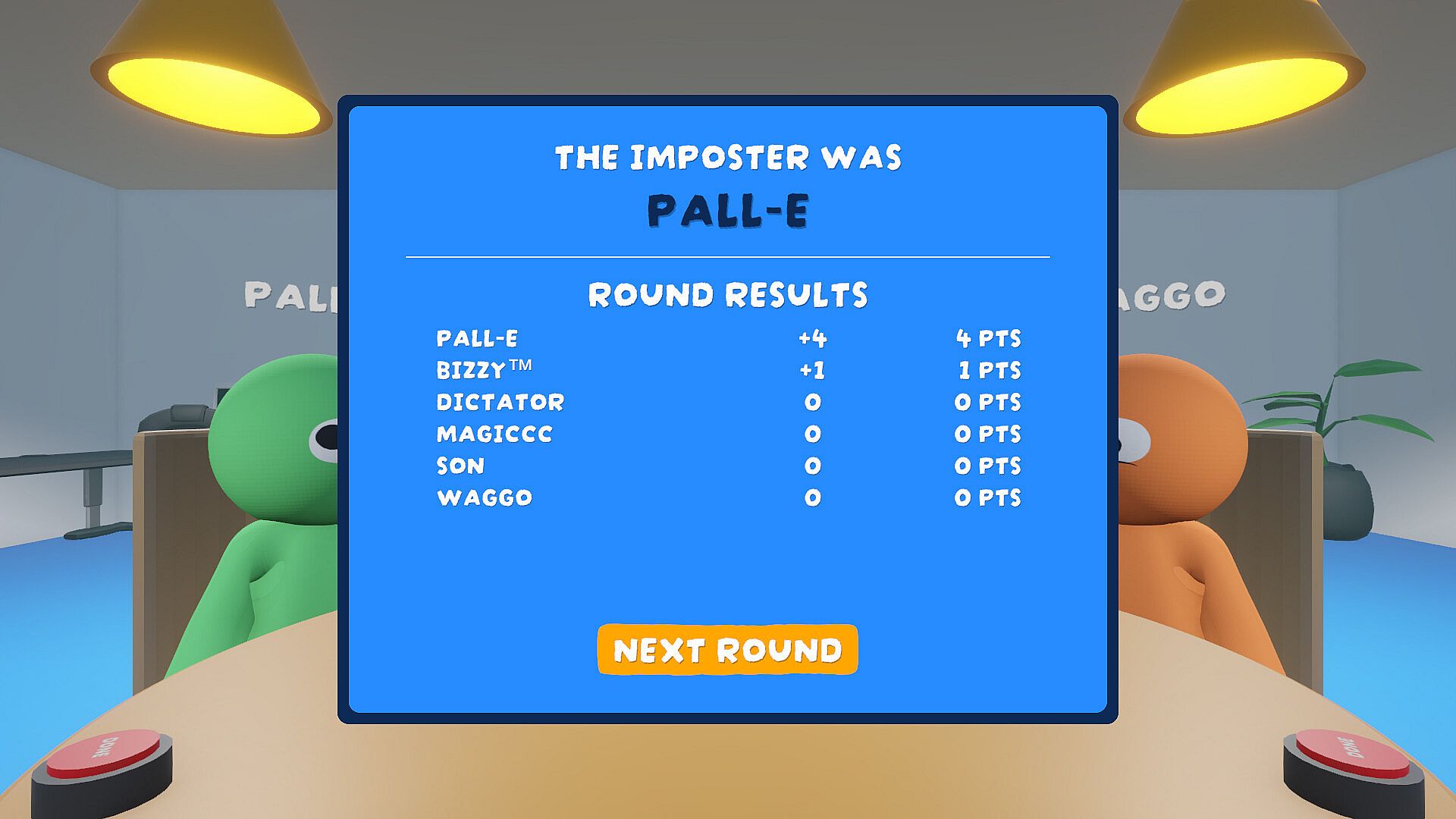
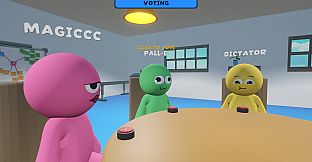
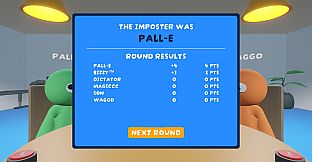
The core loop centers on clue-giving, discussion, and deduction. Everyone takes turns offering hints that point toward the secret word without stating it directly. Impostors participate by crafting plausible statements that fit the emerging conversation. After clues are shared, the group debates the information presented and votes to identify suspected impostors. Successful identification removes the impostors from the round, while failed votes allow them to continue bluffing.
Deception plays a central role as impostors attempt to blend in through careful word choice and timing. Honest players must balance revealing enough information to help allies while avoiding patterns that might expose the word to outsiders. The process repeats across multiple rounds until the impostors are uncovered or the group runs out of opportunities to vote.
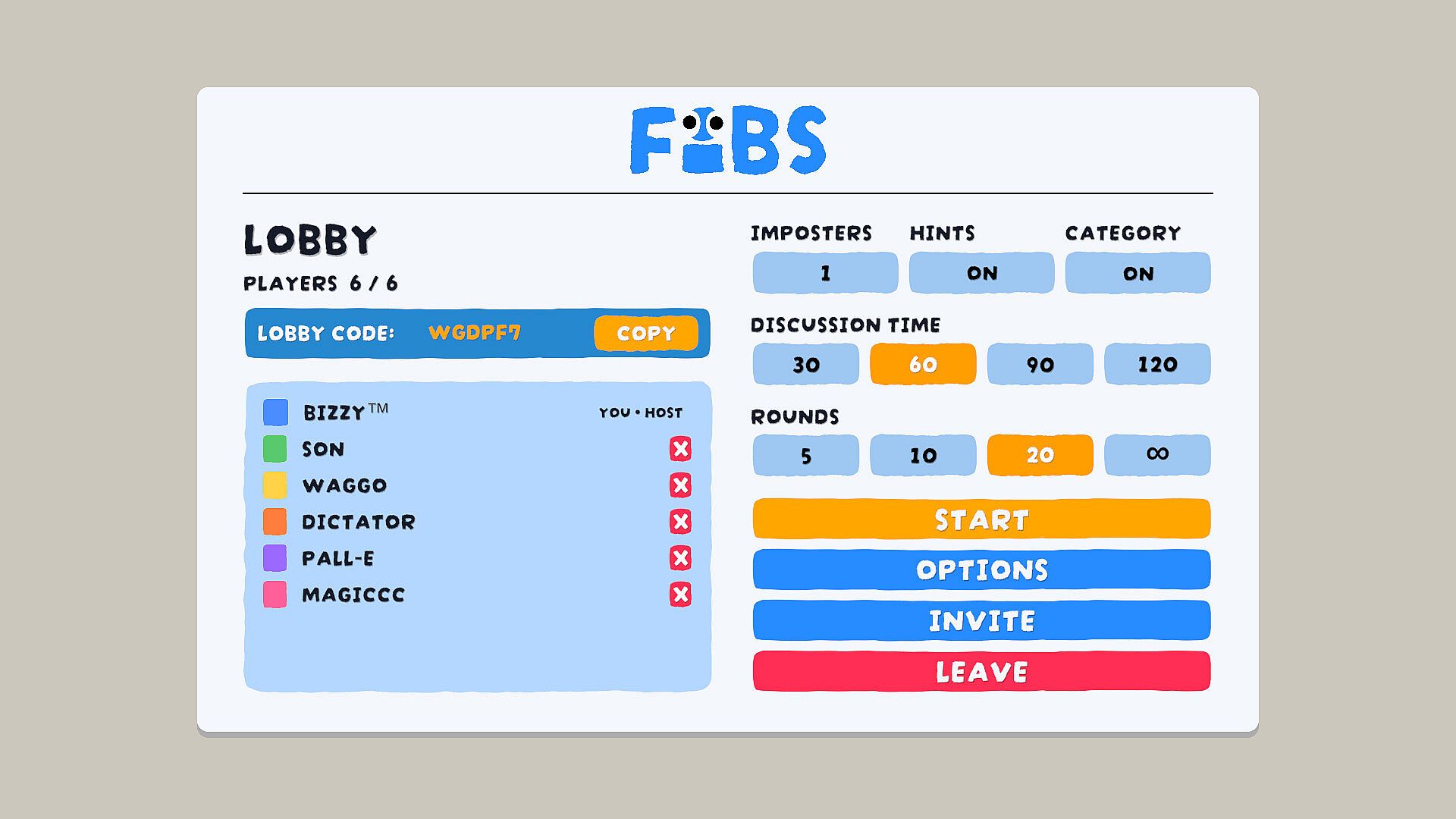
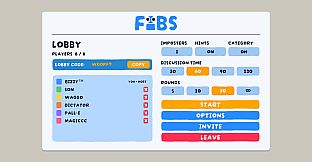
Customization options let groups adjust the experience by increasing the number of impostors present, concealing the category that contains the secret word, or turning off any provided hints. These changes raise the difficulty for impostors trying to deduce the word and simultaneously make it harder for them to maintain a consistent cover story during discussion.
Game Modes
The base experience supports three to six participants and follows the standard clue-and-vote structure. Groups can modify the setup before each session to alter impostor count or information availability. Adding extra impostors shifts the balance toward greater deception, while hiding the category forces players to work without that contextual anchor. Disabling hints removes external guidance and places full emphasis on player-generated clues and subsequent analysis.
These adjustments create varied sessions without introducing entirely separate named modes. Players experiment with different combinations to suit group size and preferred challenge level, keeping the focus on discussion and deduction throughout.
Core Mechanics and Strategy
Strategy emerges from the interplay between clue quality and social reading. Effective clue-givers select details that narrow possibilities for allies yet remain ambiguous enough to confuse impostors. Impostors counter by mirroring the style and content of legitimate clues while avoiding contradictions that could surface during group talk.
Voting requires careful observation of behavior across multiple turns. Players track inconsistencies in responses, hesitation patterns, or overly generic statements that might indicate an impostor. The casual pace encourages repeated play sessions where groups refine their collective deduction skills over time.
Who the Game Suits
FIBS appeals to players who enjoy strategy titles with strong social components and short, repeatable rounds. Its indie roots and casual accessibility make it suitable for mixed-experience groups, while the role-playing elements of maintaining or piercing a false identity add depth for those who like bluffing mechanics. Sessions scale well for small gatherings and emphasize conversation over complex controls or progression systems.
Is It Worth Playing?
The game delivers focused social deduction through its secret-word system and customizable rules. Groups that value discussion, quick rounds, and adjustable difficulty will find consistent engagement in the core loop of clue-giving and voting. Its indie presentation keeps the emphasis on player interaction rather than visual spectacle or lengthy campaigns.
Players seeking strategy games that reward observation and verbal skill without heavy time investment can explore FIBS as a straightforward option on PC. The ability to tweak impostor numbers and information rules supports repeated sessions with the same group while maintaining fresh challenges.