

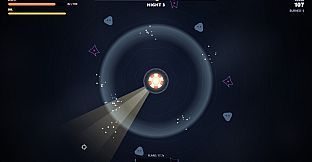
Fener-G is an arcade survival game set atop a lighthouse, where players defend against waves of creatures emerging from the fog using only a sweeping beam of light. The core experience revolves around managing visibility, damage output, and limited resources across increasingly difficult nights on PC. With mouse-only controls and a focus on precise aiming, it blends action and strategy in short, intense sessions that reward quick decisions and careful resource use. The game supports Turkish and English interfaces and runs fully offline, making it accessible for players seeking a straightforward yet challenging indie title in the casual and strategy genres.
Gameplay
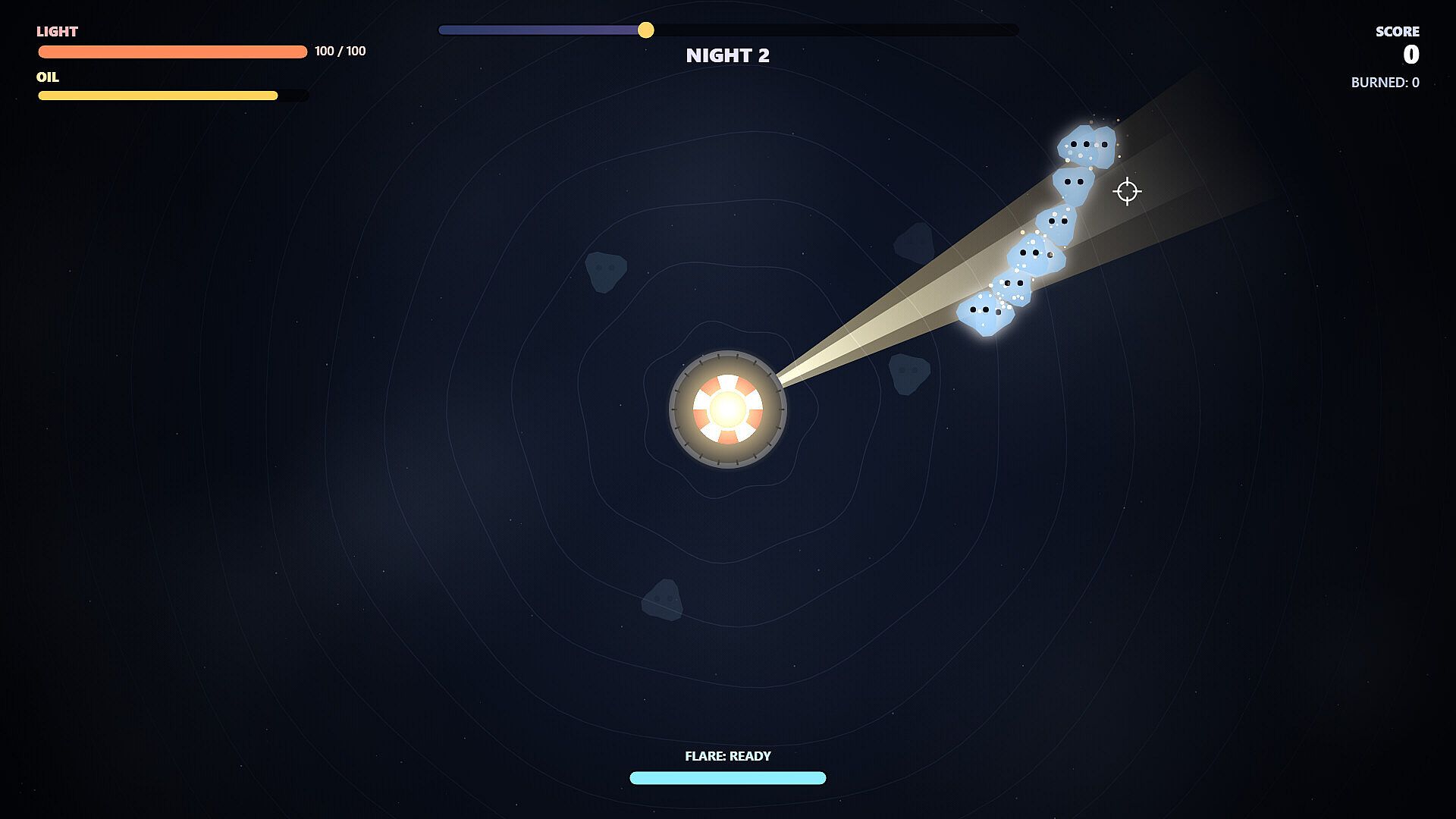
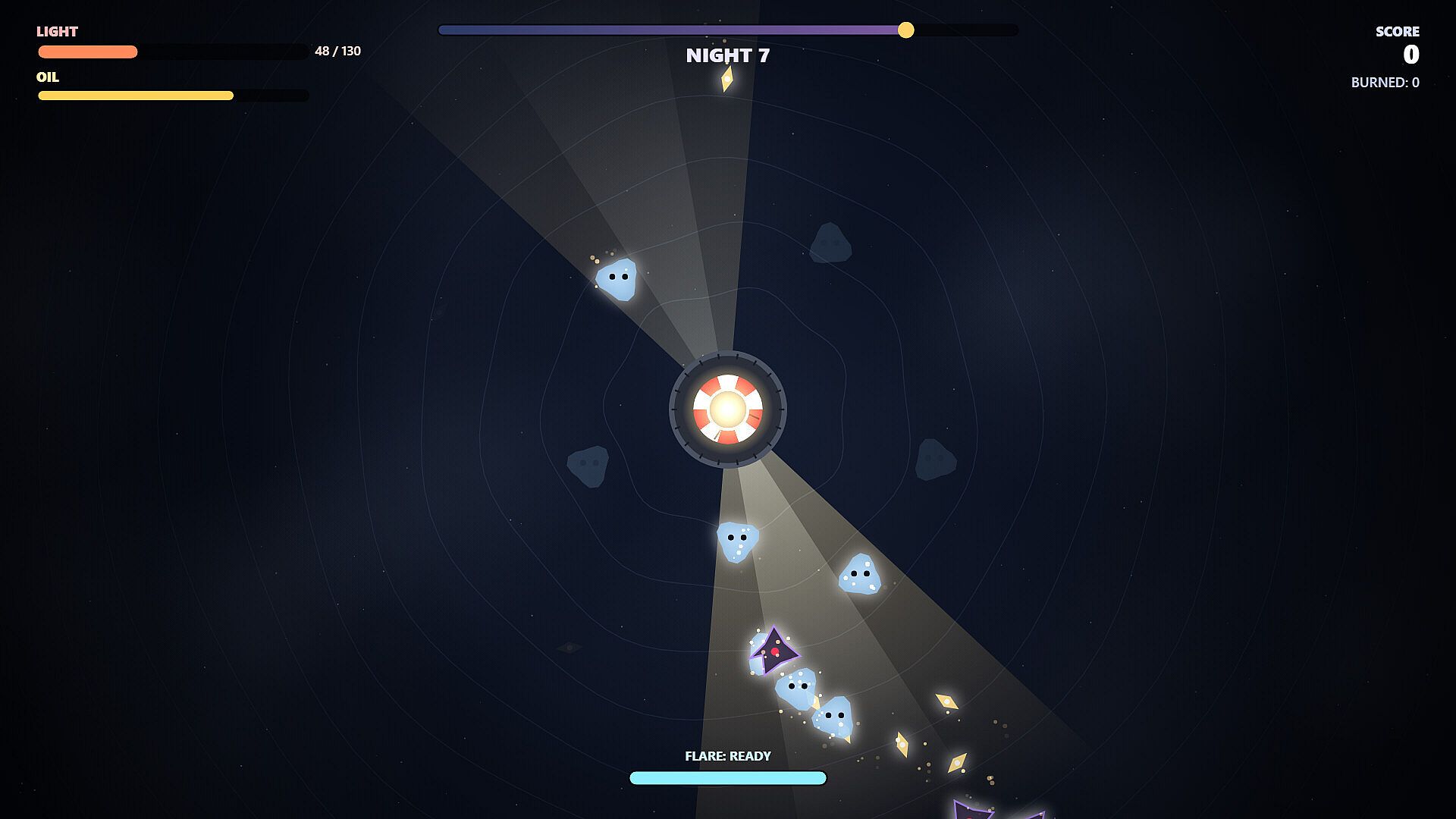
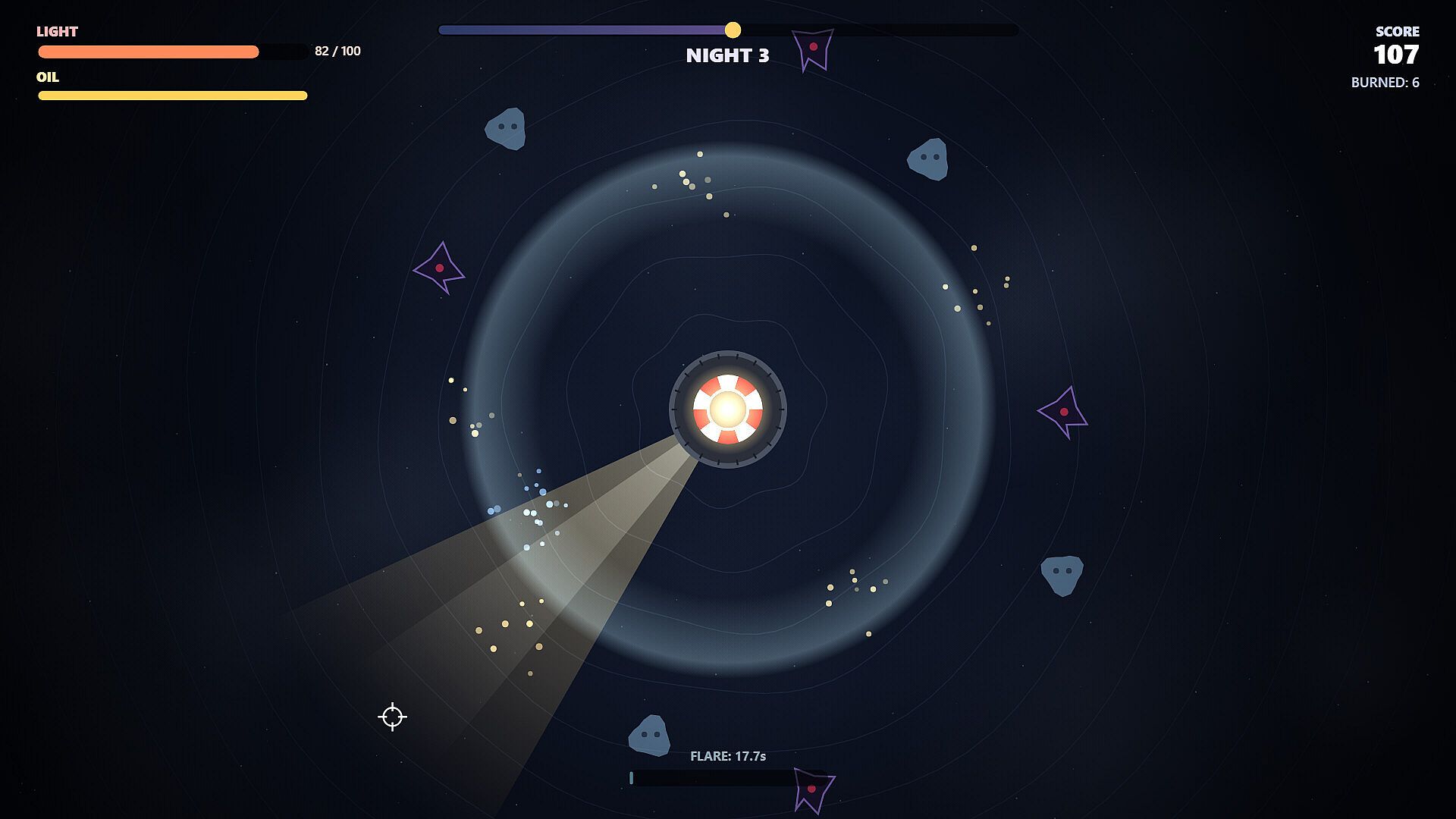
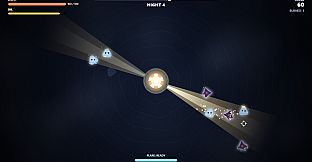
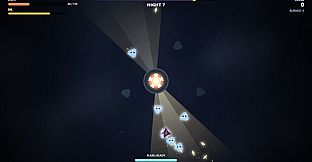
Players control the lighthouse beam directly with the mouse to illuminate and damage creatures hidden in the fog. Only enemies caught in the light become visible and vulnerable to burning. Holding the left mouse button focuses the beam for increased damage, though this consumes oil reserves that must be managed carefully over the course of a night. A flare ability pushes back approaching threats and provides brief breathing room when the situation grows overwhelming. Creatures that reach the lighthouse wall begin to damage it, and the night ends if the light source fails entirely.
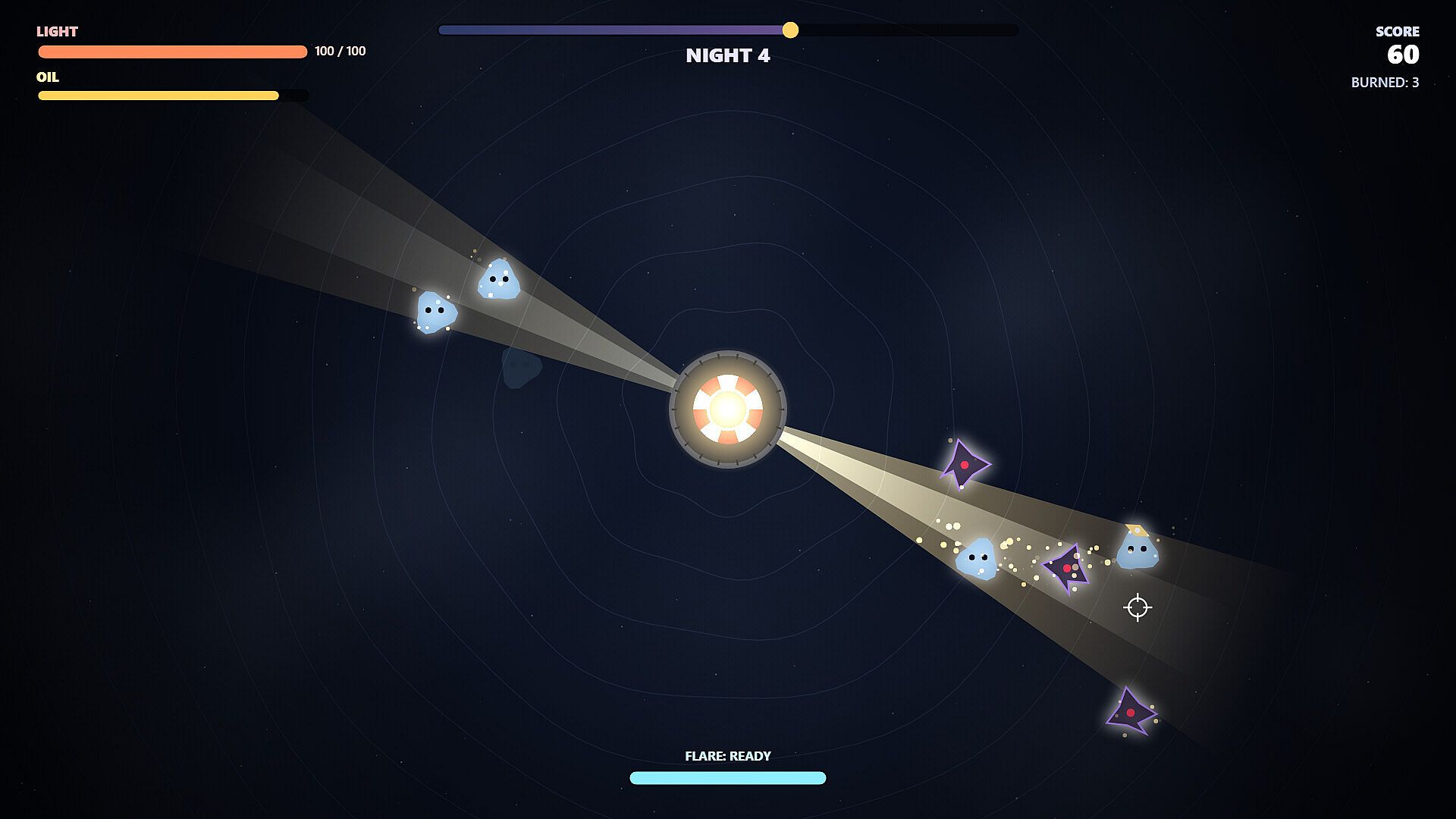
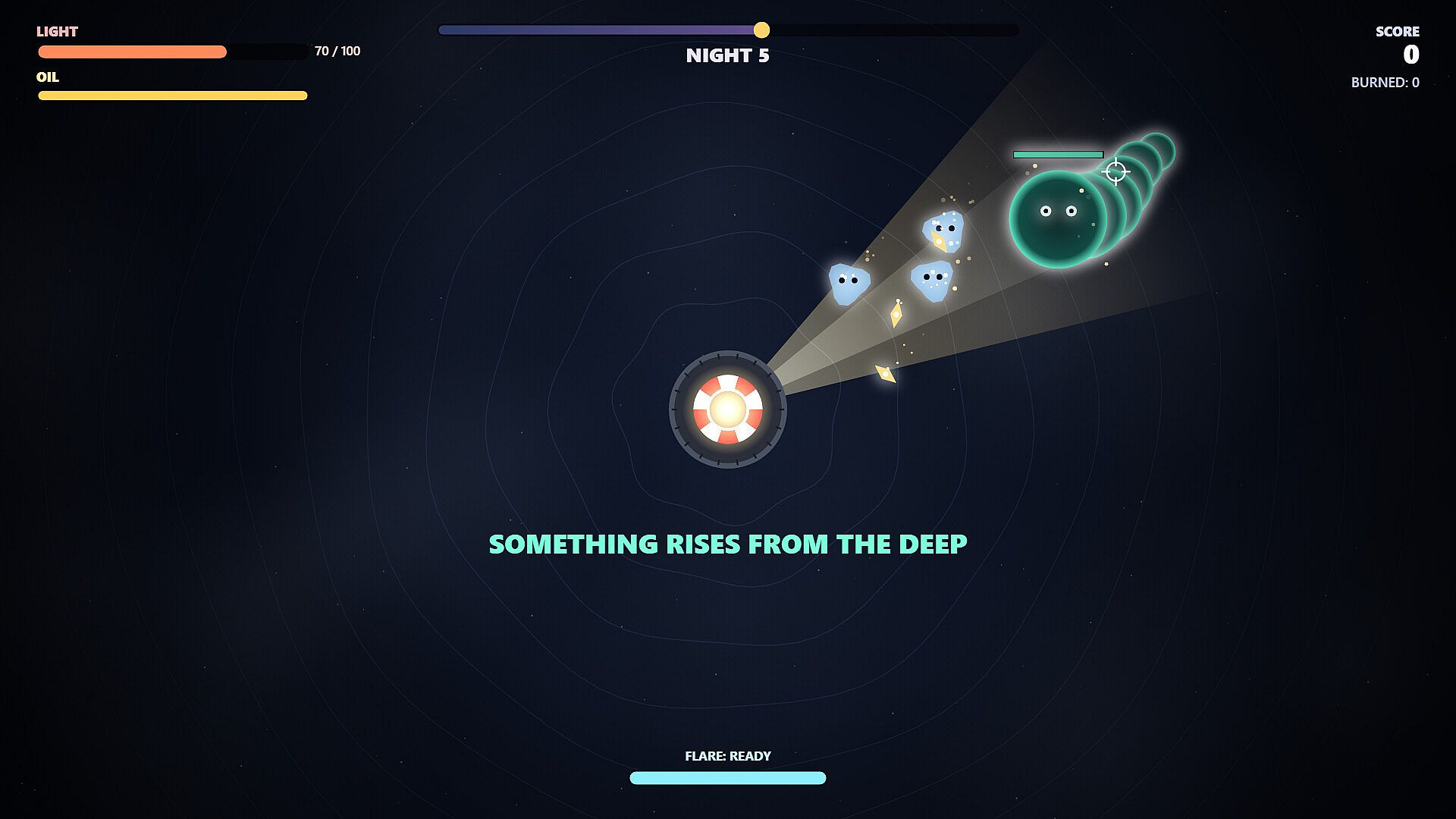
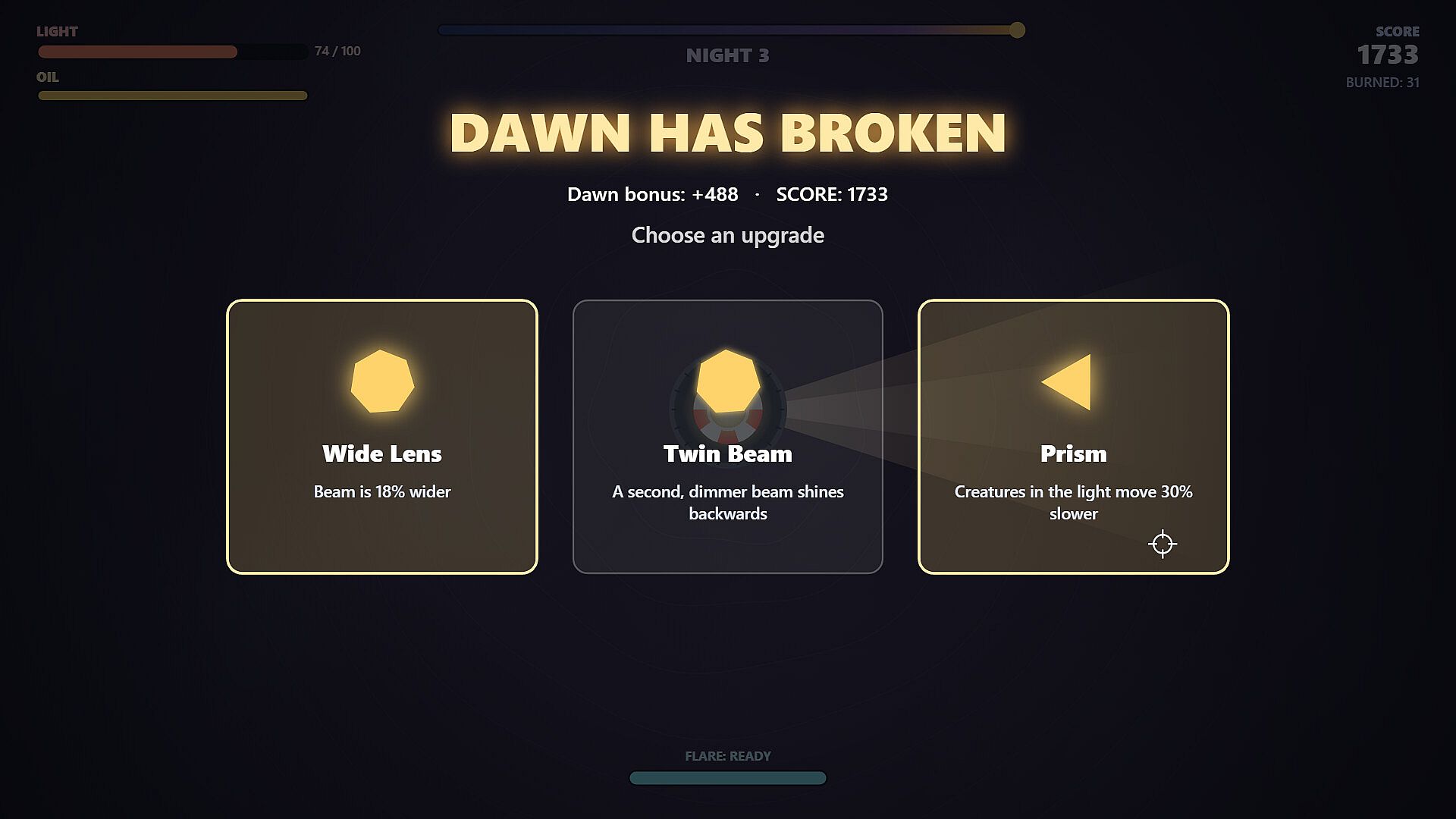
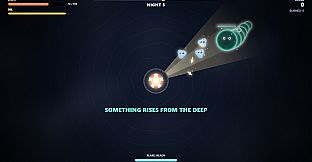
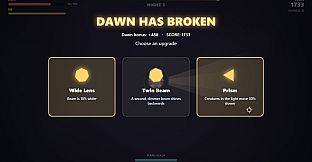
Each successful dawn brings a choice of three upgrades from a pool that includes options like Wide Lens, Twin Beam, Prism, Stone Wall, and Ember. These modifications alter beam width, damage types, defensive strength, or other attributes, encouraging different approaches across runs. Nights progressively lengthen while enemies grow stronger and more varied. Specific threats include fast-moving Sparks, Shades that require a focused beam to defeat, and the Surge, a powerful encounter that appears every fifth night. The light-and-dark visibility mechanic ensures players must constantly scan the fog rather than relying on constant aggression.
Score tracking and personal best records add replay incentive, as each run tests how far the chosen upgrades and aiming skill can carry the defense. The system emphasizes positioning the beam efficiently and timing focus or flare uses to handle clusters of threats without depleting resources too quickly.
Game Modes
Fener-G centers on a single core survival loop of defending the lighthouse through successive nights. There are no separate named game modes such as endless variants or competitive options. Instead, the experience unfolds through repeated runs where players survive as many nights as possible, with difficulty scaling naturally as nights grow longer and creature types diversify. The four creature types plus occasional boss nights provide the main variety within this structure.
Progression occurs via the upgrade selections at each dawn, which allow for different builds and strategies on subsequent attempts. Personal best tracking encourages players to refine their approach and aim for longer survival times or higher scores. The offline nature means all sessions remain self-contained without external matchmaking or shared leaderboards.
Is It Worth Playing?
Fener-G suits players who enjoy precise mouse-based arcade action combined with light strategic decision-making around upgrades and resource management. Its short learning curve paired with growing challenge across nights makes it approachable for casual sessions while offering depth for those seeking mastery of beam control and timing. The indie title delivers a focused, atmospheric defense experience without unnecessary complexity.
With 11 upgrades supporting varied builds, multiple creature types, and boss encounters every fifth night, runs feel distinct enough to encourage repeated play. The fully offline support and bilingual interface broaden its appeal for solo players on PC. Those who appreciate tight mechanics in a compact package will find the core loop engaging, particularly if they enjoy managing visibility and limited resources under pressure.
Key Features and Appeal
The mouse-only design keeps controls simple yet demands precision as nights intensify. The light-and-dark visibility rule adds tension, forcing players to actively hunt threats rather than react to constant on-screen presence. Upgrade variety ensures no two runs play identically, while the escalating enemy roster including specialized types like Shades and periodic Surges tests adaptation.
Score and personal best systems provide clear goals without external competition. The game remains self-contained and accessible, running smoothly offline with support for both Turkish and English. This combination of arcade immediacy and strategic layering positions Fener-G as a solid choice for fans of survival defense games that emphasize skill over lengthy campaigns.