

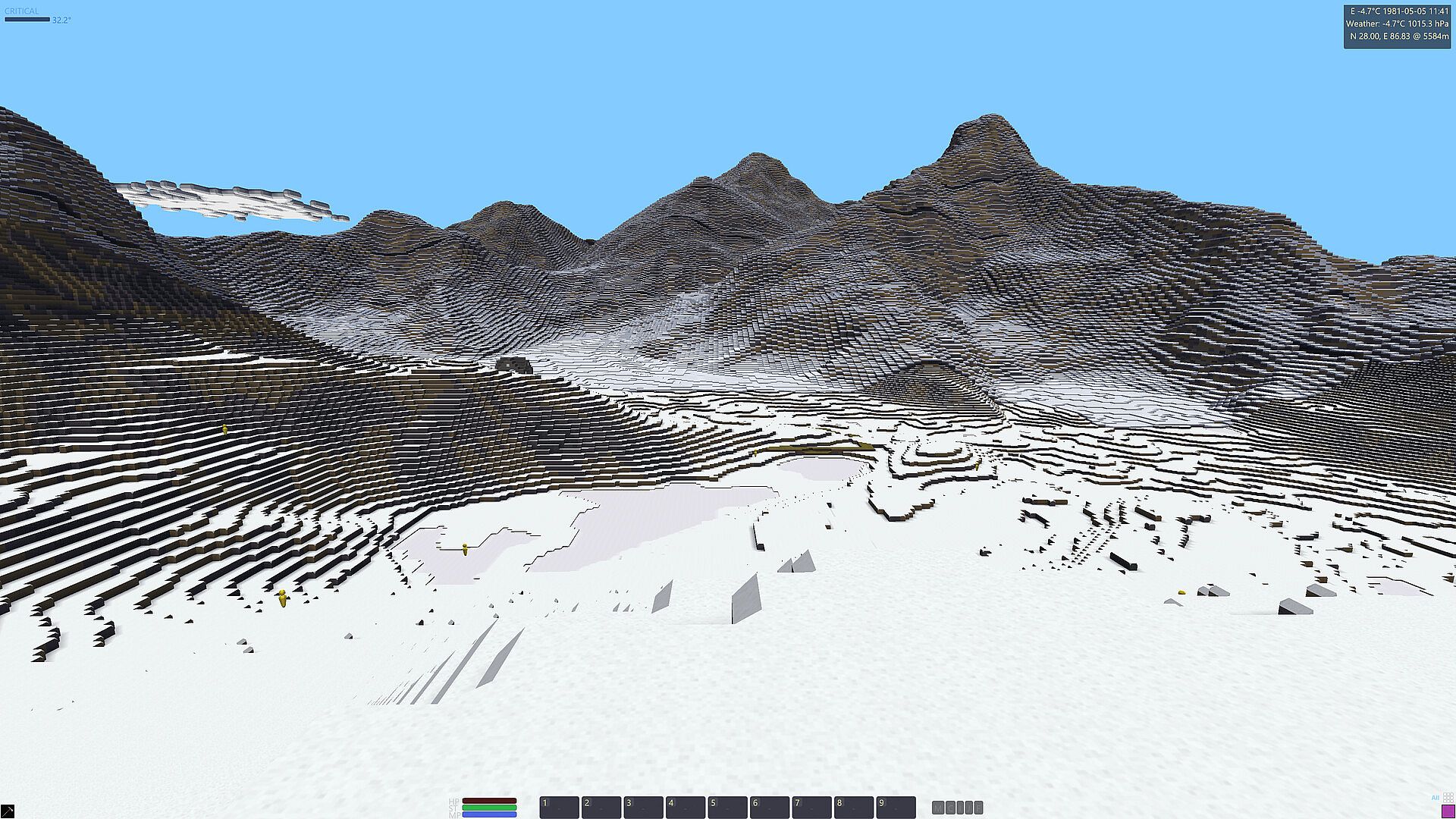
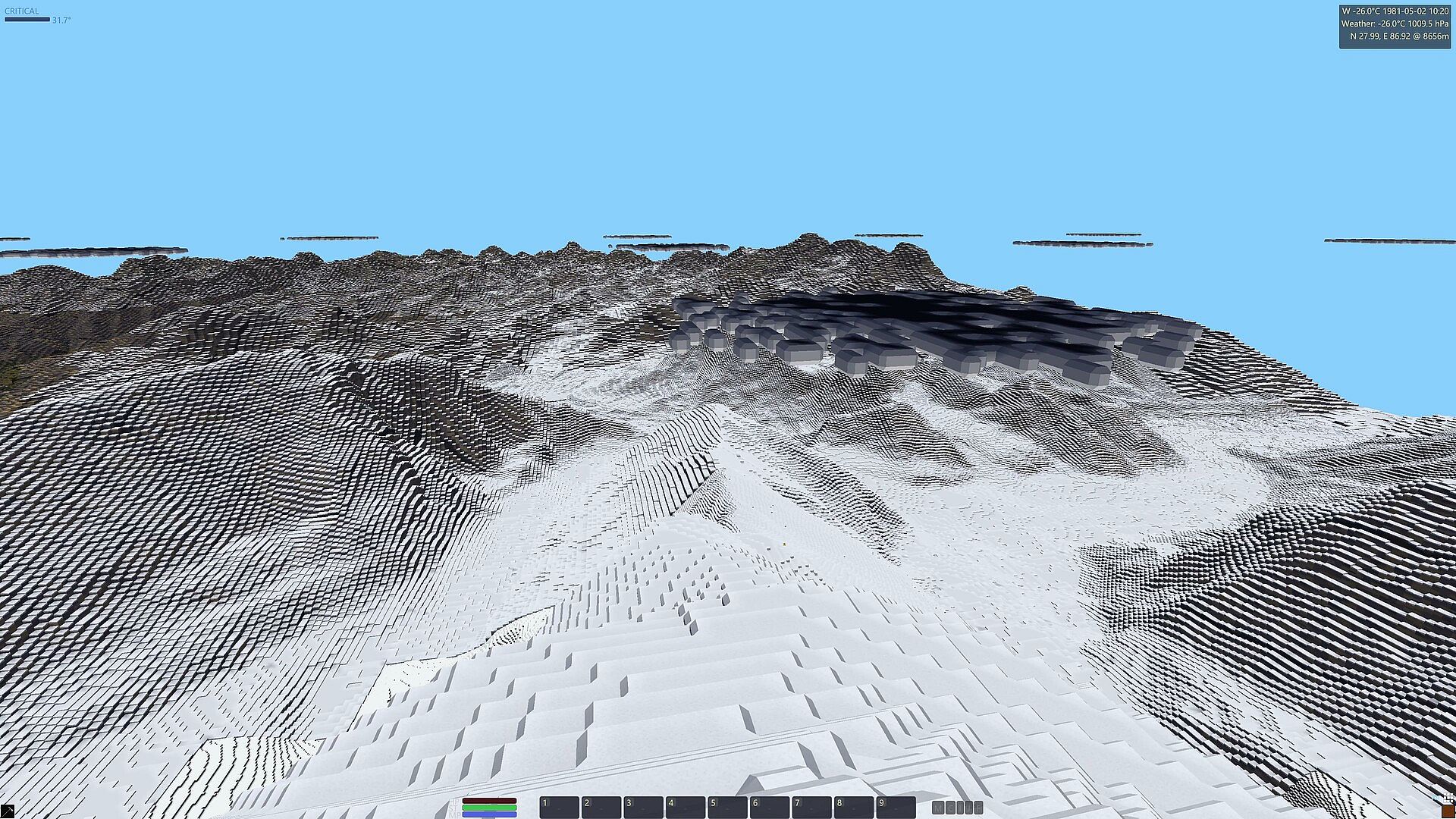
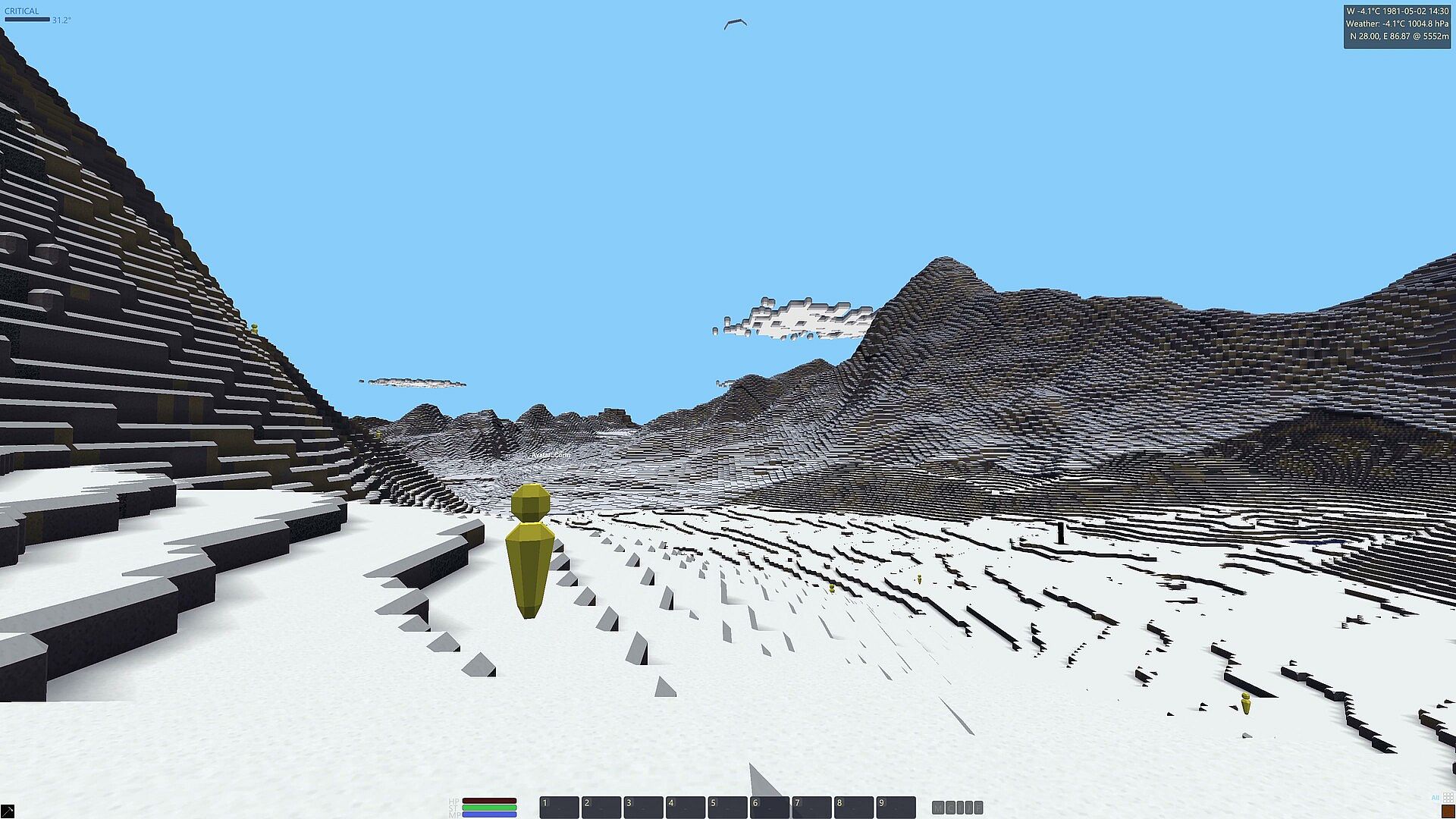
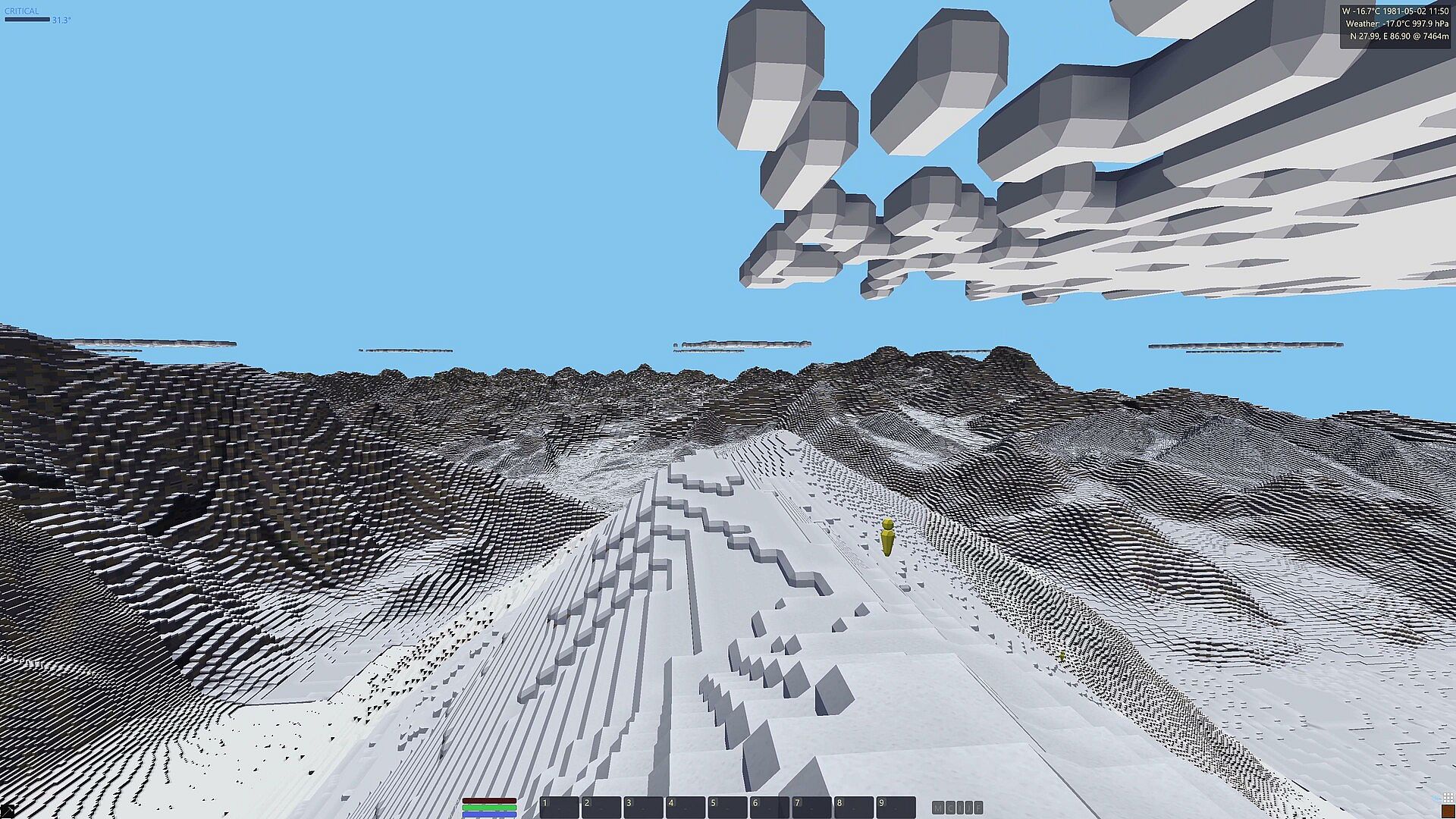
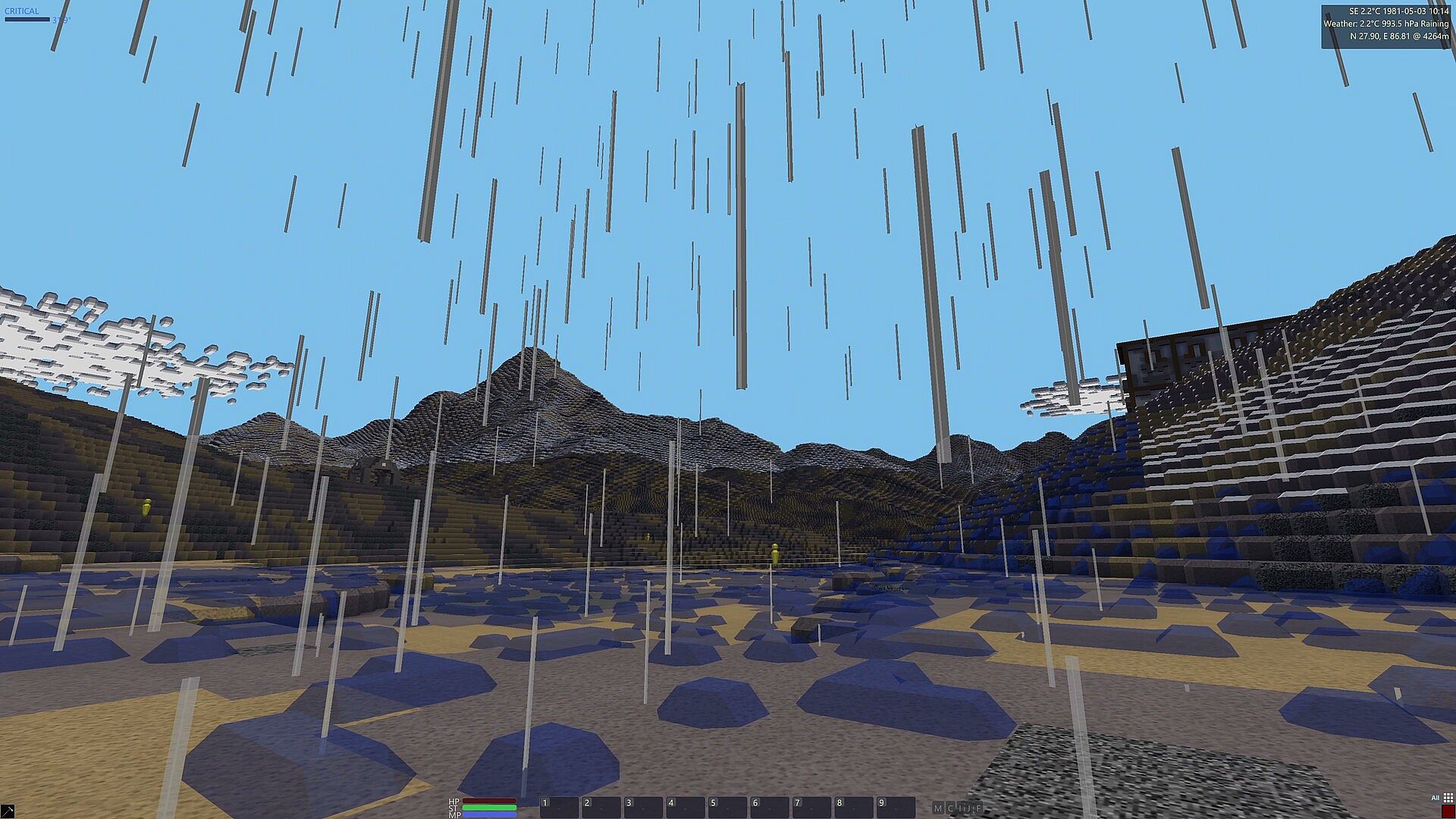
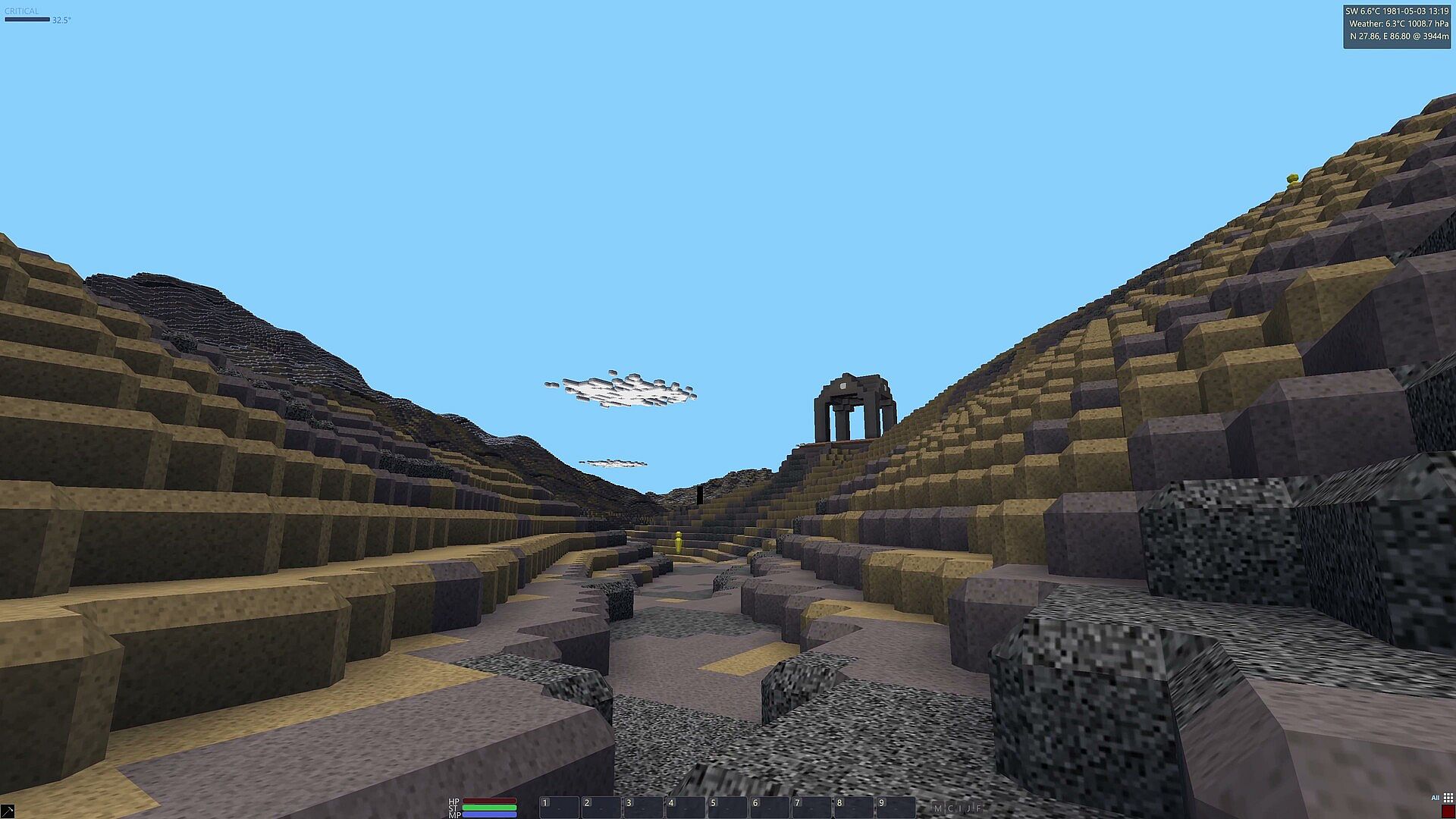
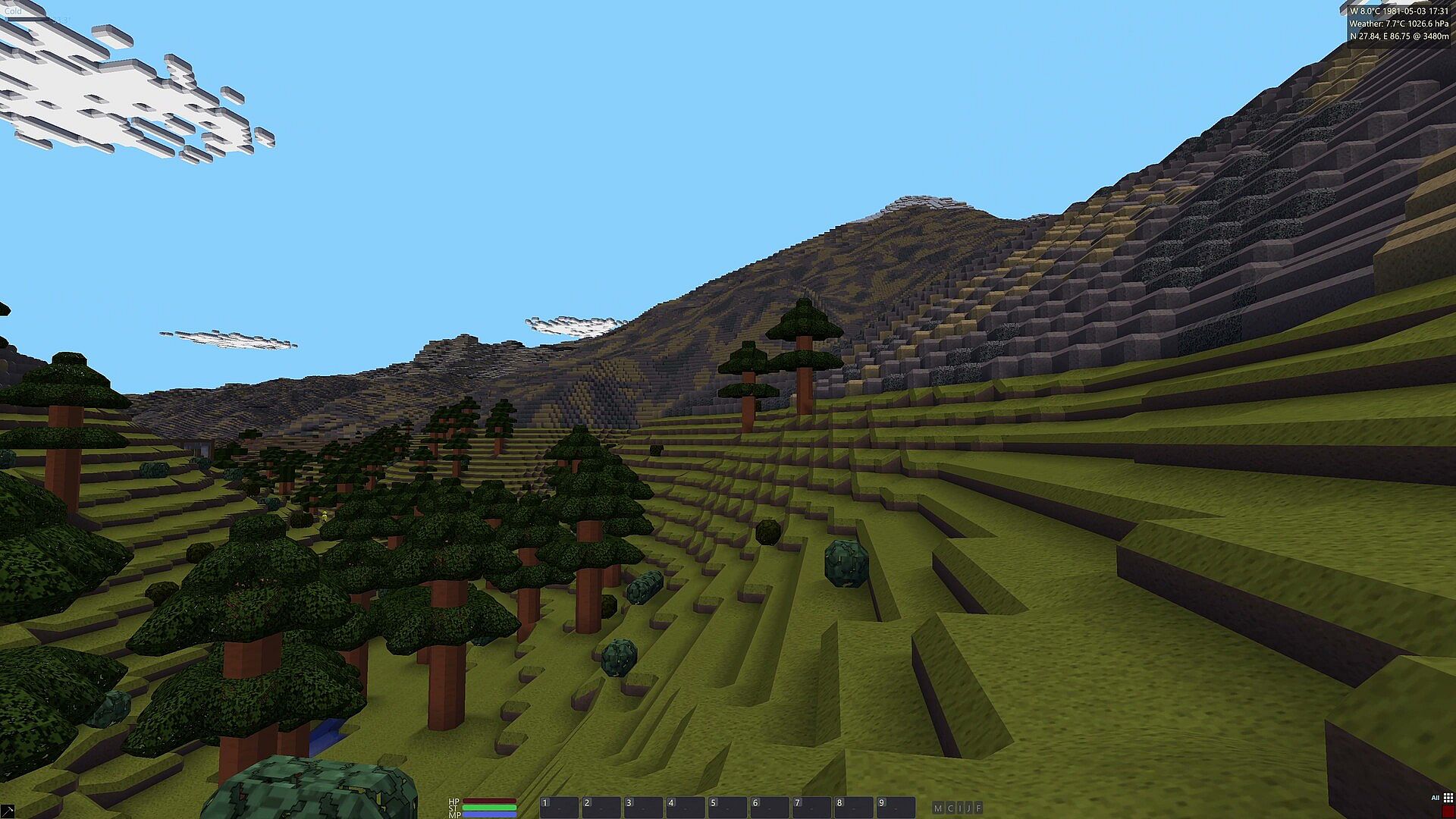
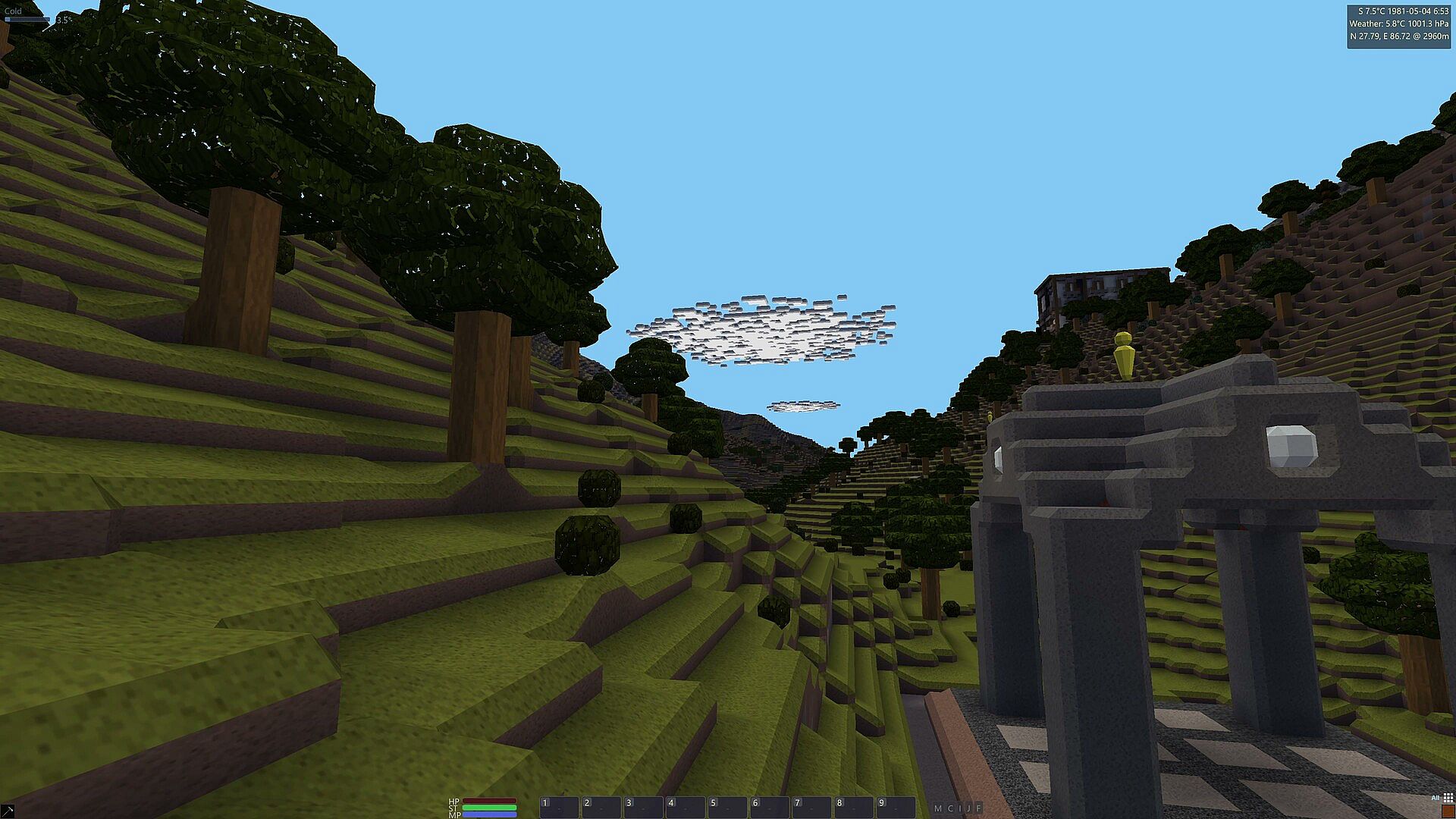
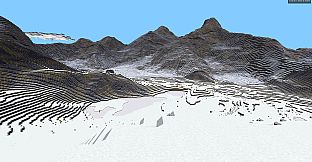
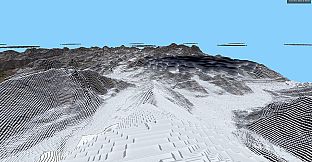
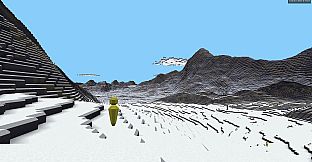
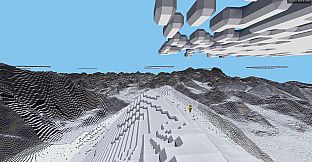
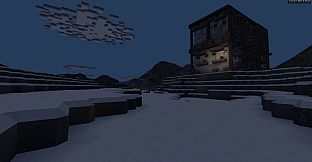
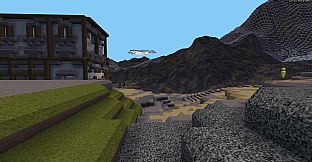
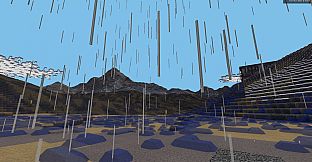
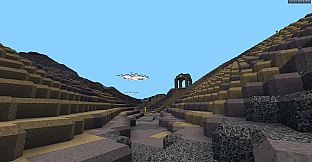
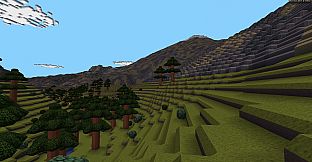
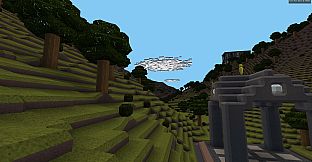
Everest Trail is an RPG simulation adventure game for PC that recreates the full trek from Jiri to Everest Base Camp using real elevation data and accurate coordinates for every lodge, glacier, and high pass along the route.
Gameplay
The core loop centers on traveling lodge to lodge along nearly 200 hand-placed locations. Players handle daily tasks such as carrying parcels, walking watch circuits, and delivering messages between villages while advancing through 28 quests that span 68 stages. Branching conversations with over 300 characters drive the work and story outcomes, with nearly 300 conversation trees that respond to prior actions, known contacts, and carried items.
Turn-based combat occurs in close quarters where enemies display 45 distinct tells before striking. Players select from over 160 abilities across eight combat stances, time dodges blocks parries or braces within a window, and may bring a companion or retreat. Defeated opponents yield their gear as loot, though equipment degrades permanently and requires replacement or sharpening by traders. Survival systems track body temperature, requiring shelter and fires at altitude; conditions such as hypothermia, breathlessness, exhaustion, exposure, and whiteout can accumulate. Death drops carried items at the location while preserving rupees and experience, allowing others to claim the pack.
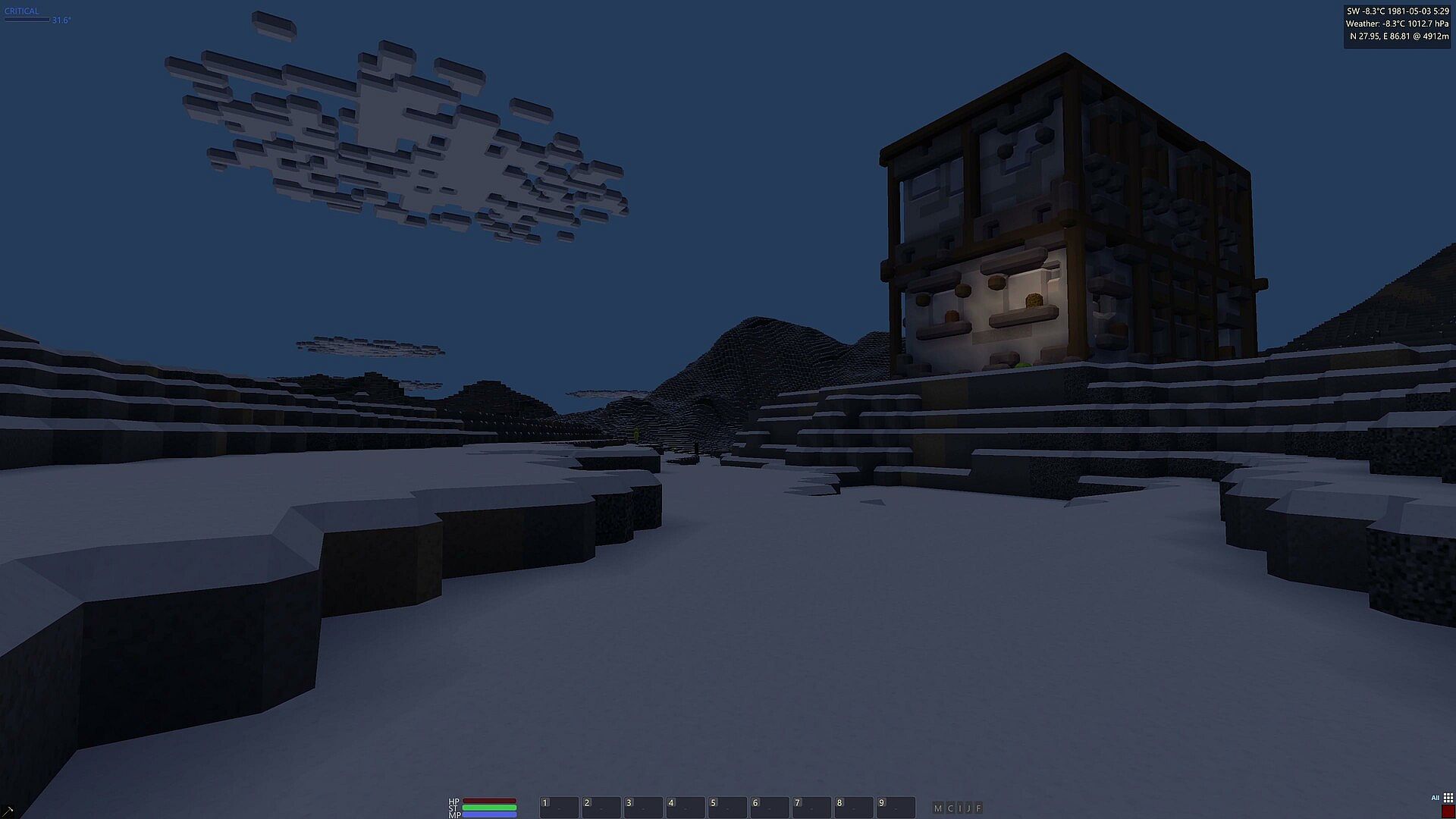
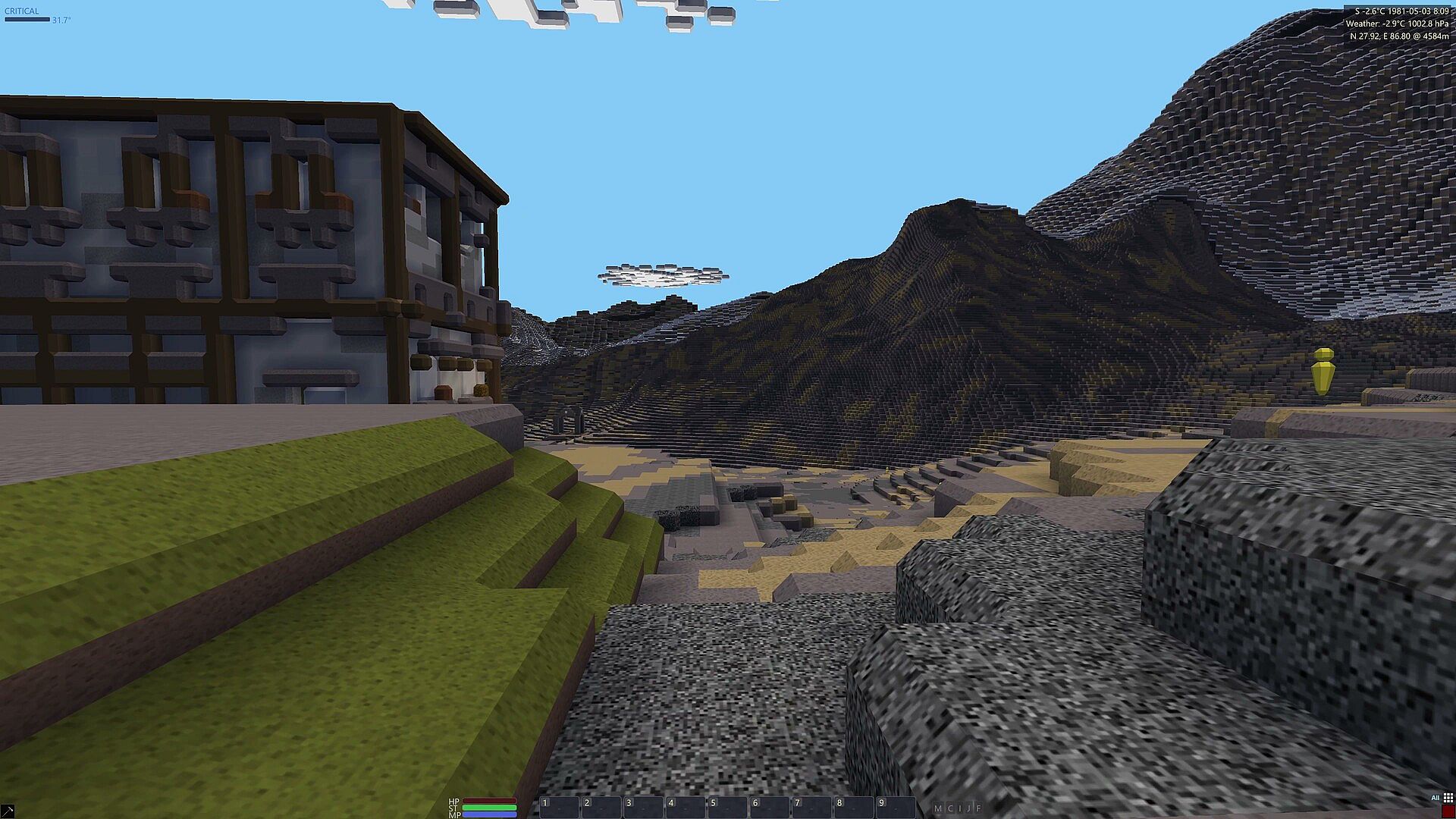
Progression begins with one of nine archetypes and advances through twelve affinities earned from characters. Ten equipment slots hold over 150 gear pieces and more than 100 consumables. Thirteen factions track reputation, where gains with one group reduce standing with others. Voxel terrain allows land purchase, mining with picks hatchets and shovels, and construction. Additional activities include trading in rupees with bargaining, setting up market stalls, hiding geocaches with logbooks, planting trail notes, and establishing a home for fast travel returns.
Game Modes
The experience takes place in one persistent online world shared with other players. Their shops, caches, notes, and remains appear as part of the landscape. Day-night cycles, seasons, and weather advance independently of any single player, with trees growing and structures continuing to rise through builder crews. Fast travel unlocks to previously visited sites, and the full trail remains accessible once discovered.
World and Progression
The trail includes 49 working lodges and teahouses. Specific routes cover the long approach through Jiri, Shivalaya, Bhandar, Kinja, Lamjura Pass, Junbesi, and Pikey Peak, followed by Tengpoche, Pheriche, Dingboche, Chhukung, Ama Dablam and Island Peak base camps, Dughla, the Everest memorial chortens, Lobuche, Gorak Shep, Kala Pattar, and Everest Base Camp. Side paths lead across Cho La to Dzongla and Thangnak, then Dole and Machherma to the Gokyo lakes and Gokyo Ri, and over Renjo La to Lungden and Thame. Quests involve clearing Pass Raiders from high passes, completing a hermit's trial for a sacred flame, exposing a false rinpoche through testimony and documents, and locating a hidden monastery treasury from a faded map.
Nineteen achievements track milestones from the first fight won to completing the entire map. The mountain itself functions as the primary challenge through cold management and environmental hazards rather than scripted events.
Is It Worth Playing?
Everest Trail suits players who value detailed simulation of real-world trekking combined with RPG character growth, faction reputation, survival mechanics, and turn-based combat that rewards reading opponent tells. The persistent shared world adds layers through player-built elements and ongoing environmental changes without requiring constant online presence. Those drawn to accurate recreation of the Jiri-to-Everest Base Camp route, branching dialogue, equipment management, and land development will find substantial depth in the systems described. The game launches on PC with online co-op features and remains in a pre-release state with no user reviews available yet.