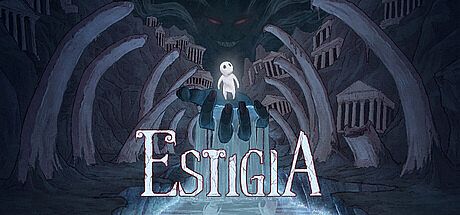


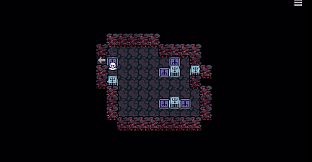
Estigia is an indie adventure game built around sliding puzzle mechanics in a decaying Greek underworld. Players guide a soul through eleven zones of dark pixel art, facing corrupted gods without any text, tutorials, or spoken dialogue to guide them.
Gameplay
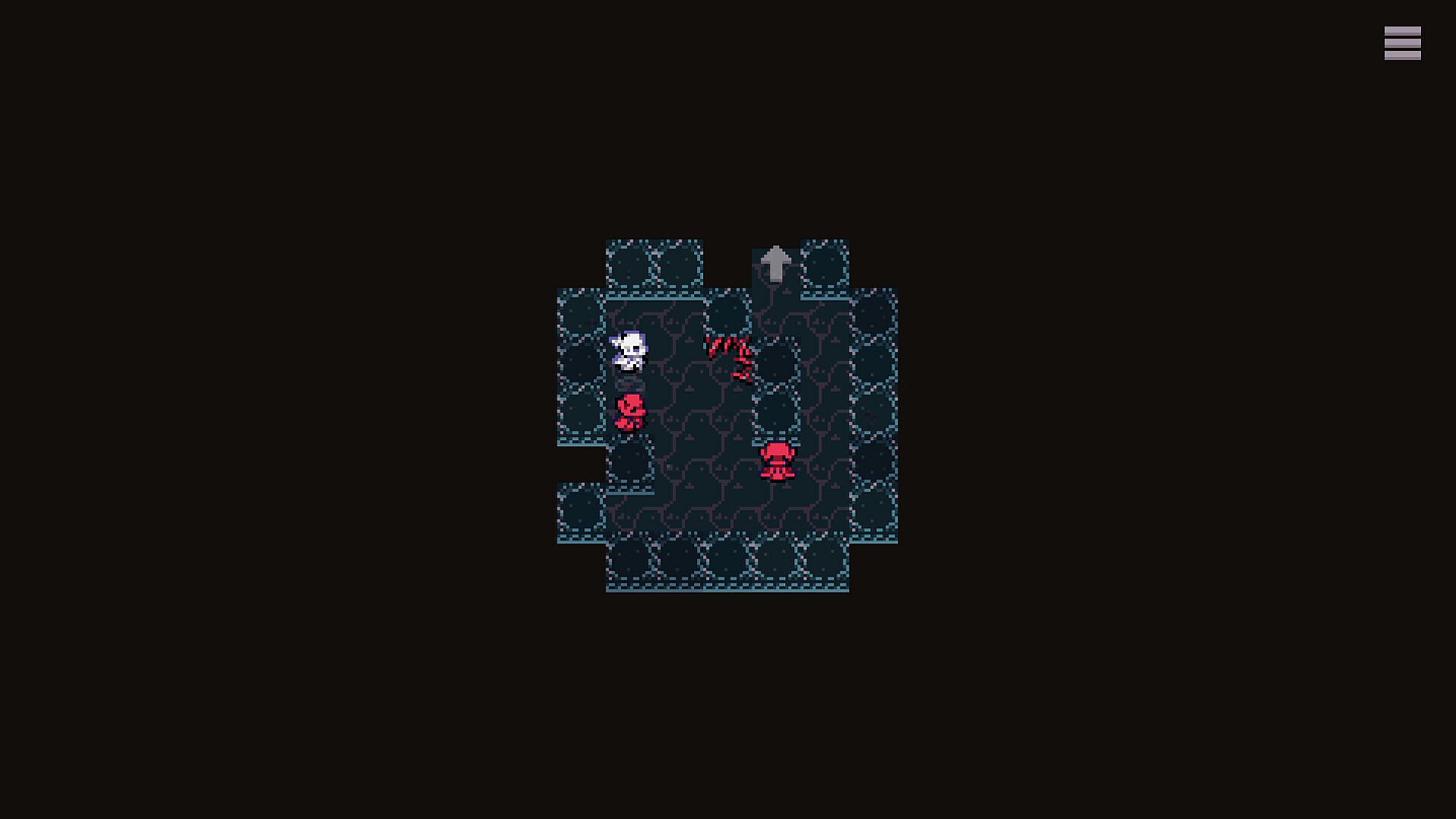
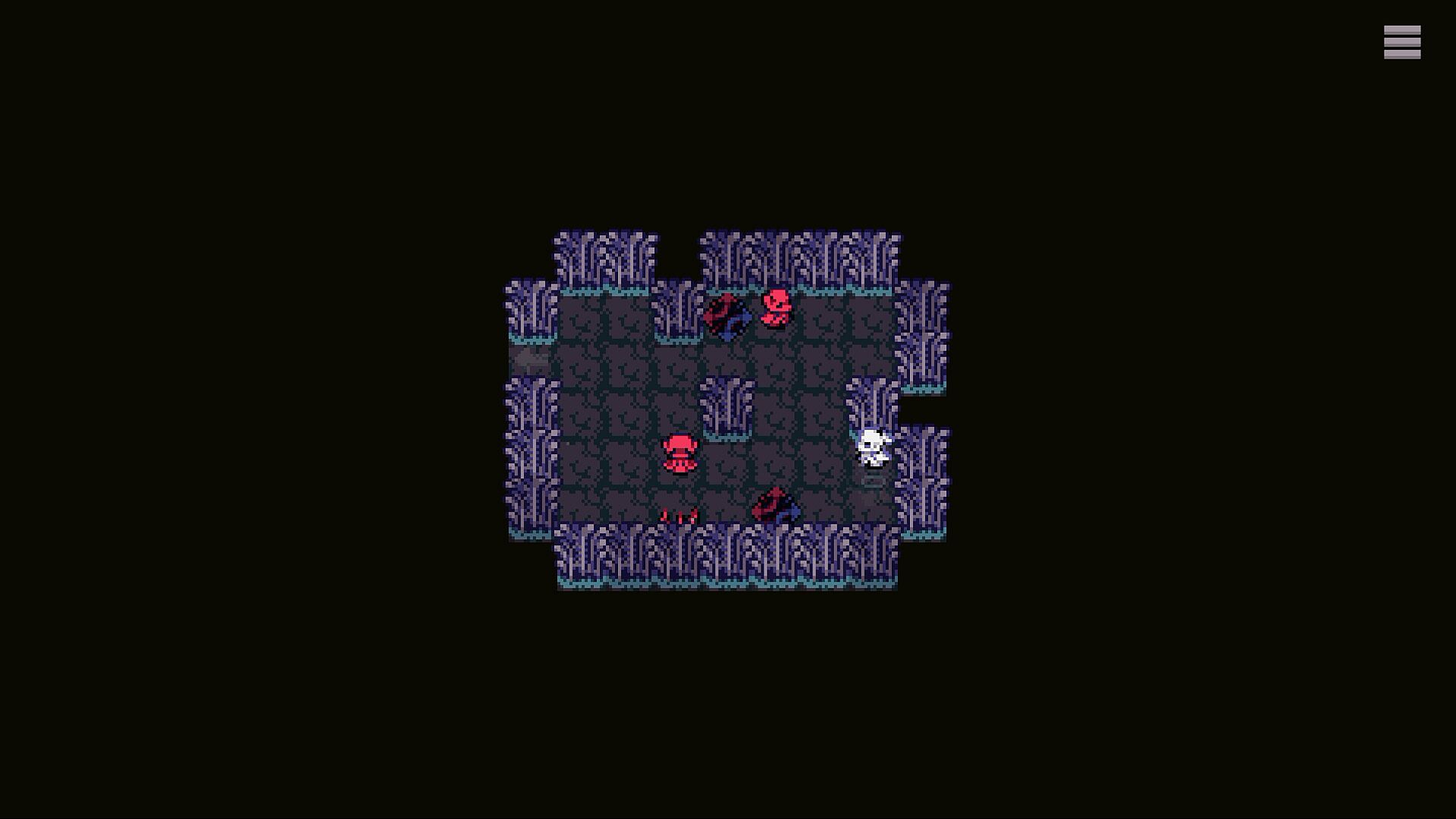
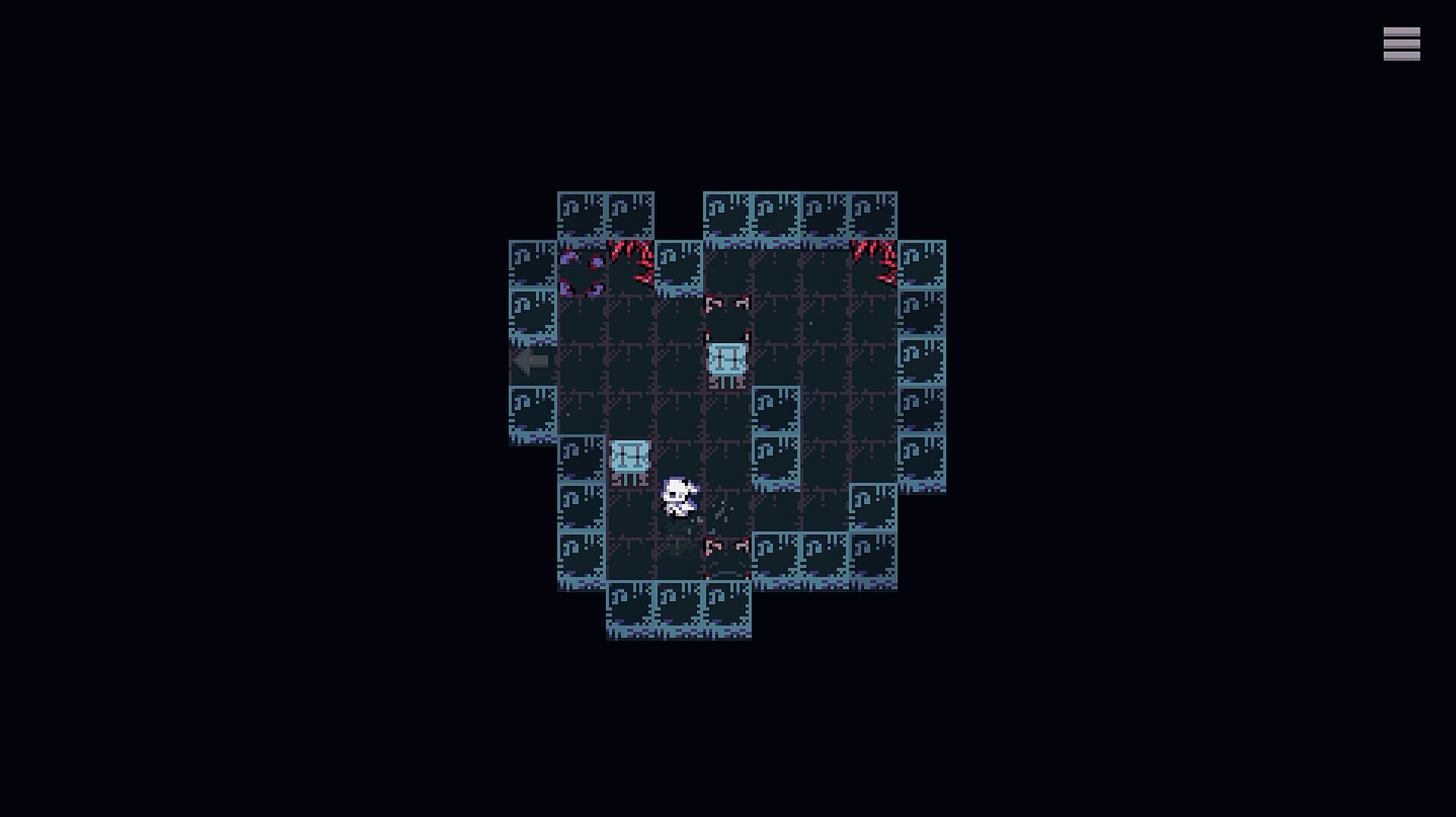
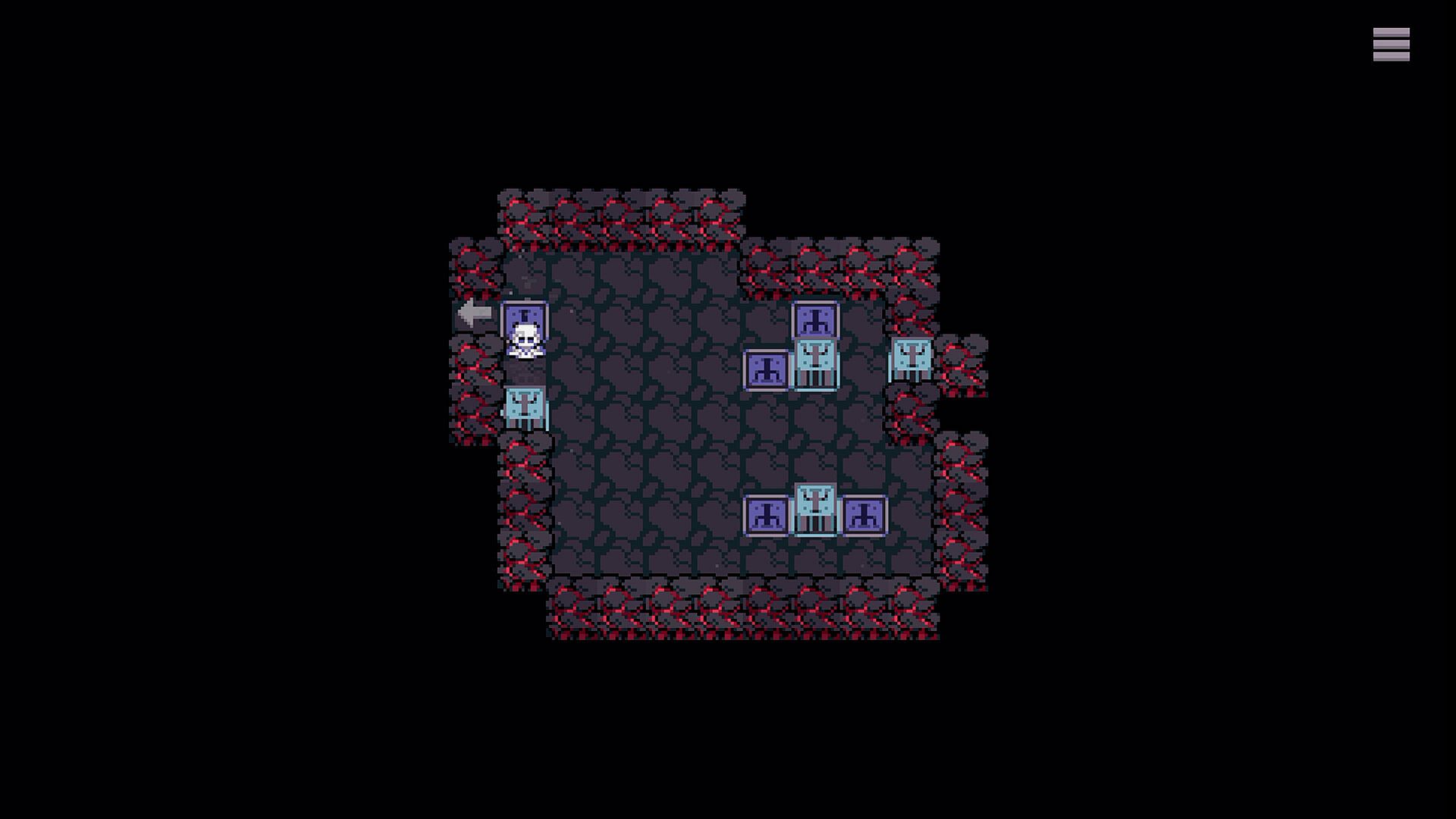
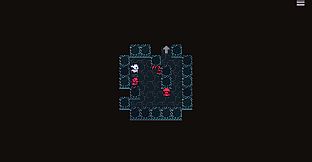
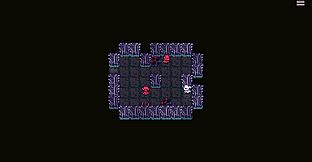
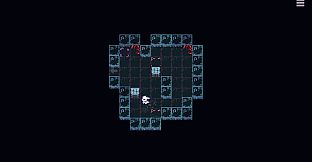
The core loop revolves around constant movement. Once a direction is chosen, the character slides until colliding with a wall, trap, or enemy. This ice-sliding system turns every screen into a spatial puzzle where timing and path selection determine success or failure. Each of the eleven zones layers a distinct mechanic on top of the sliding foundation, such as pushing blocks, reflecting projectiles with mirrors, or operating elevators. Progression requires learning these elements through trial and observation alone, as the game contains no written instructions or menus.
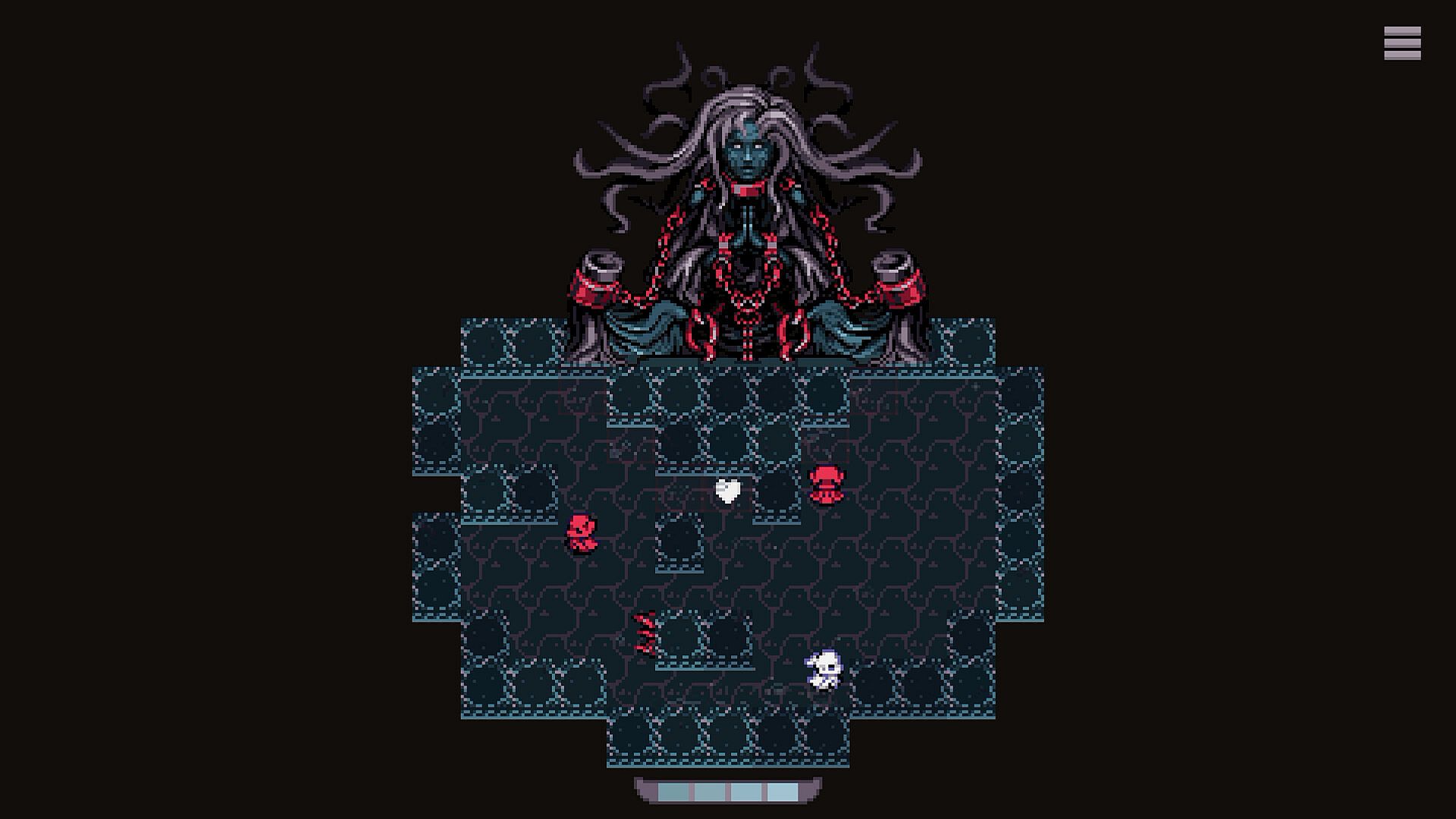
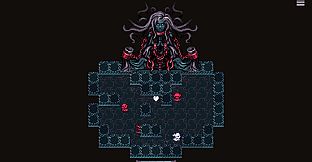
Boss encounters close each zone. The eleven deities fight according to the unique rules of their territory, forcing players to apply every mechanic mastered up to that point. Defeat comes only after precise positioning and repeated attempts that refine understanding of the sliding physics and environmental interactions.
Game Modes
Estigia offers a single-player experience with no separate multiplayer or competitive modes. The entire game consists of sequential zone traversal and boss fights that build on one another. Three distinct endings are available, determined solely by choices made during the final descent rather than by any branching paths or alternate campaigns earlier in the adventure.
Visual Style and Presentation
Dark pixel art depicts a forgotten underworld where once-revered gods have turned hostile. The visual approach emphasizes atmosphere over detail, with environments that shift and reveal new hazards as players slide through them. Sound design supports the wordless narrative by using audio cues to signal dangers and successes without relying on spoken language or on-screen text.
Is It Worth Playing?
Estigia suits players who enjoy deliberate puzzle solving and learning systems through direct interaction rather than explicit guidance. Its short length of four to five hours makes it accessible for those seeking a focused, self-contained challenge. The absence of text broadens its appeal across language barriers, while the sliding mechanics and boss variety provide consistent variety within the single-player structure. Those drawn to indie adventures centered on spatial reasoning and Greek mythology themes will find the core loop rewarding once the movement rules click into place.