


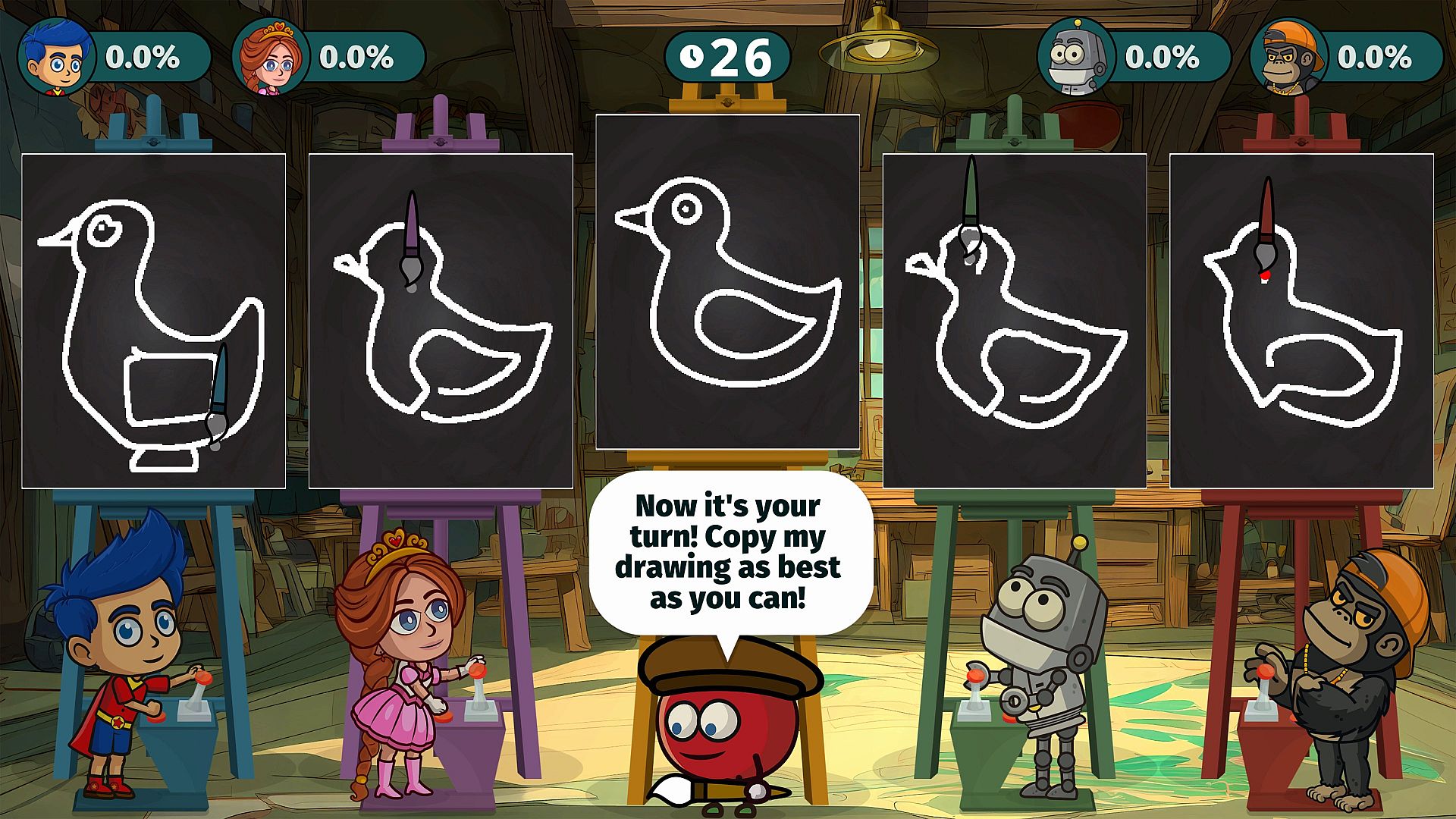
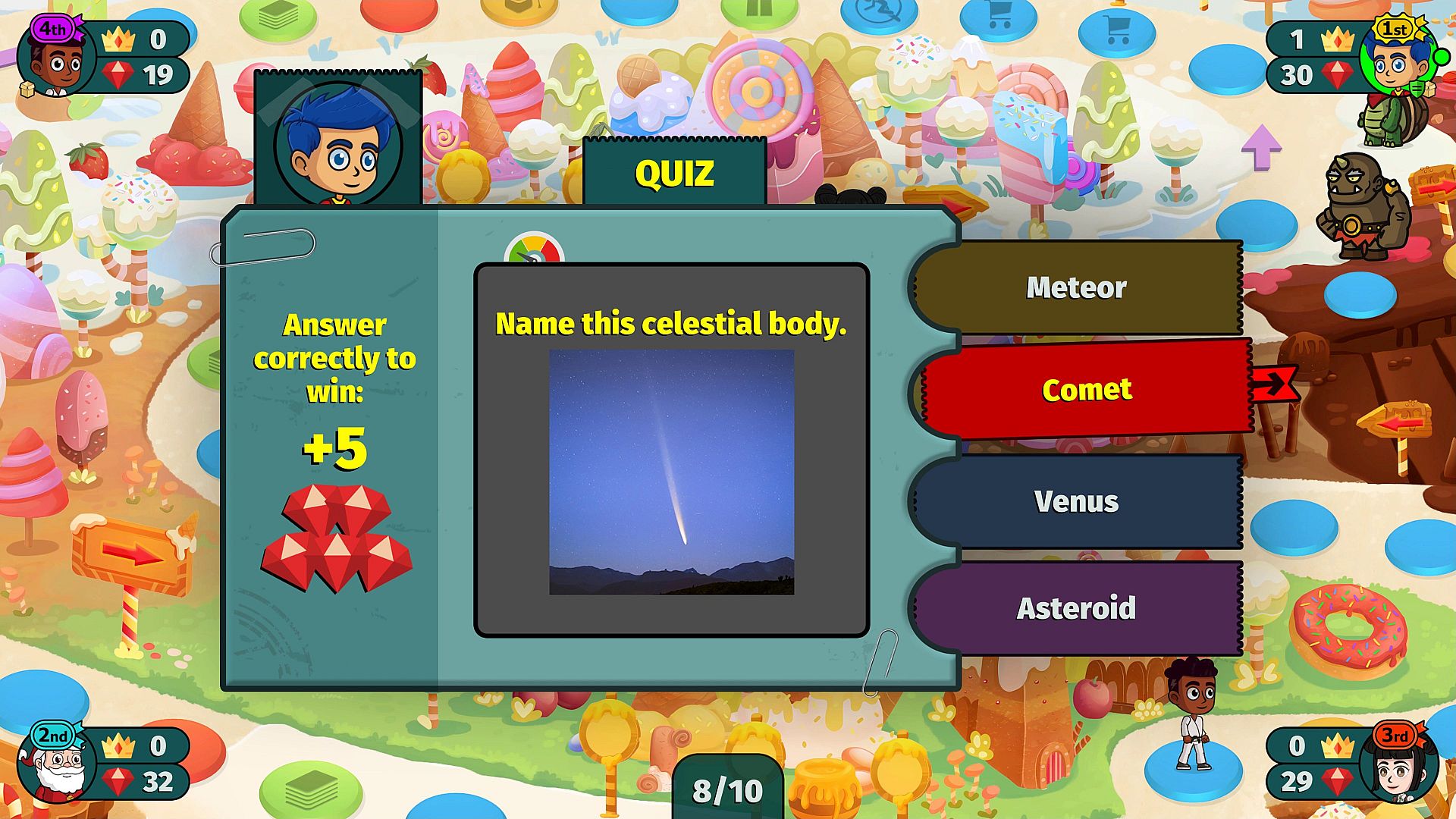
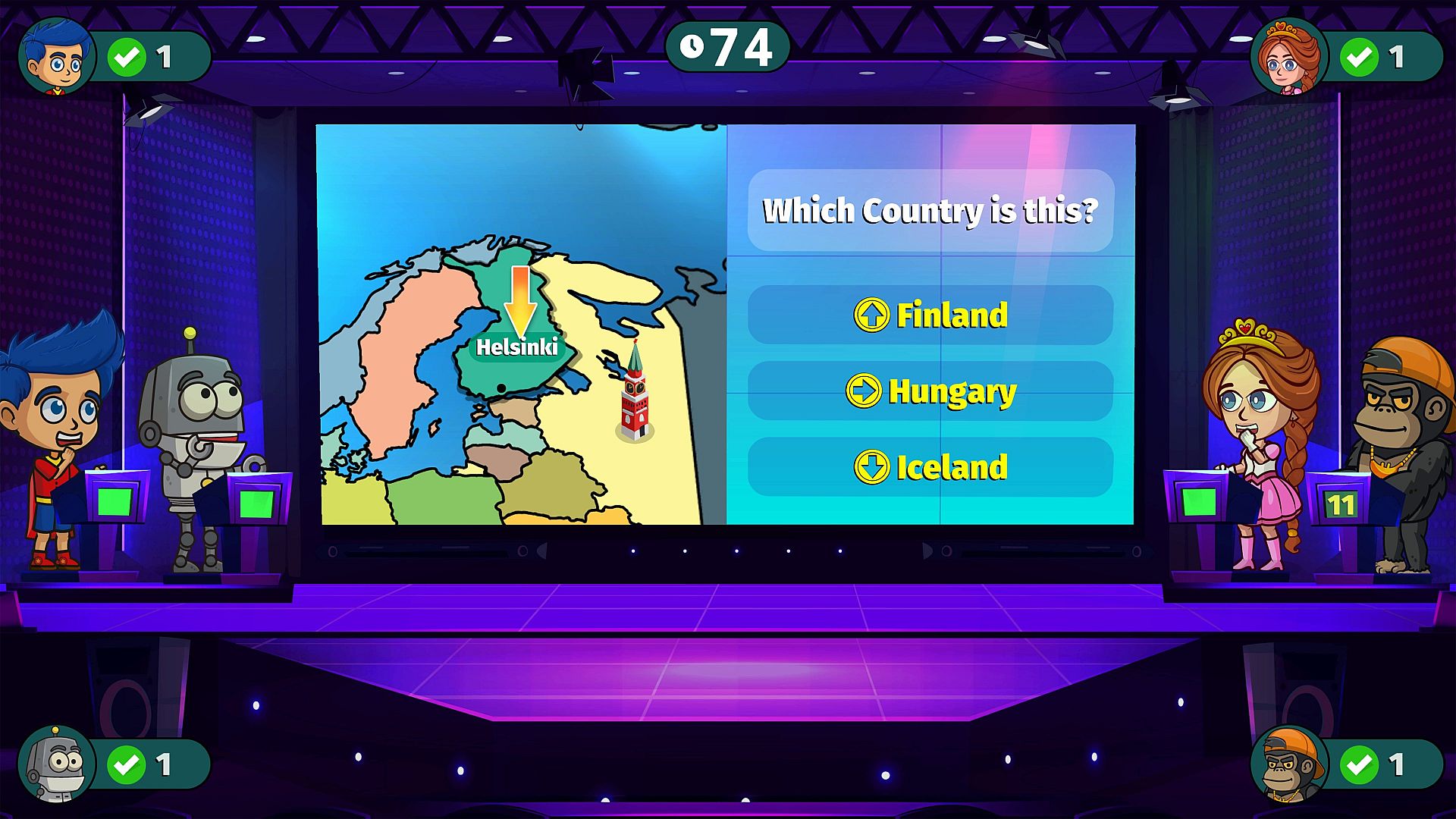
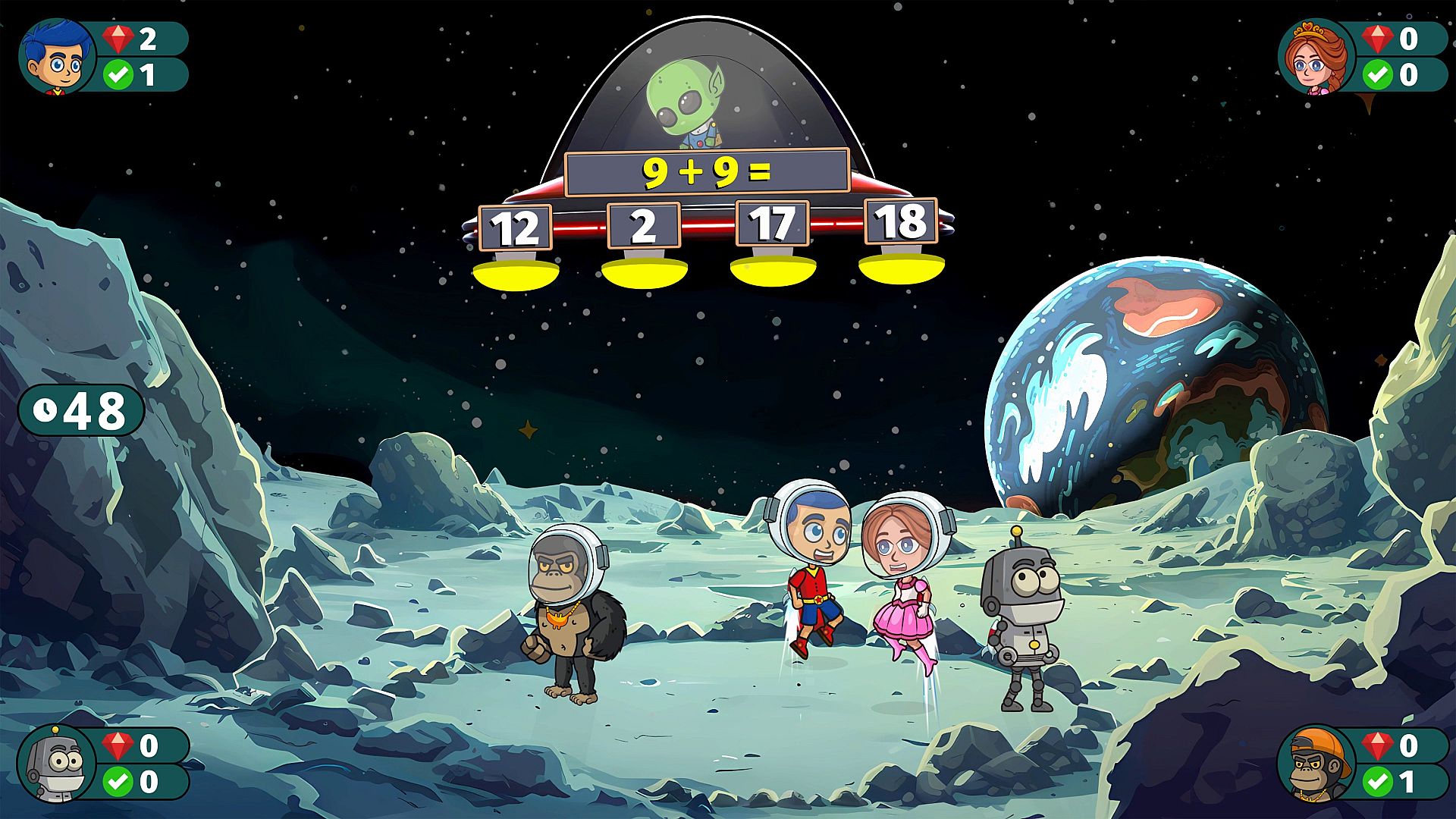
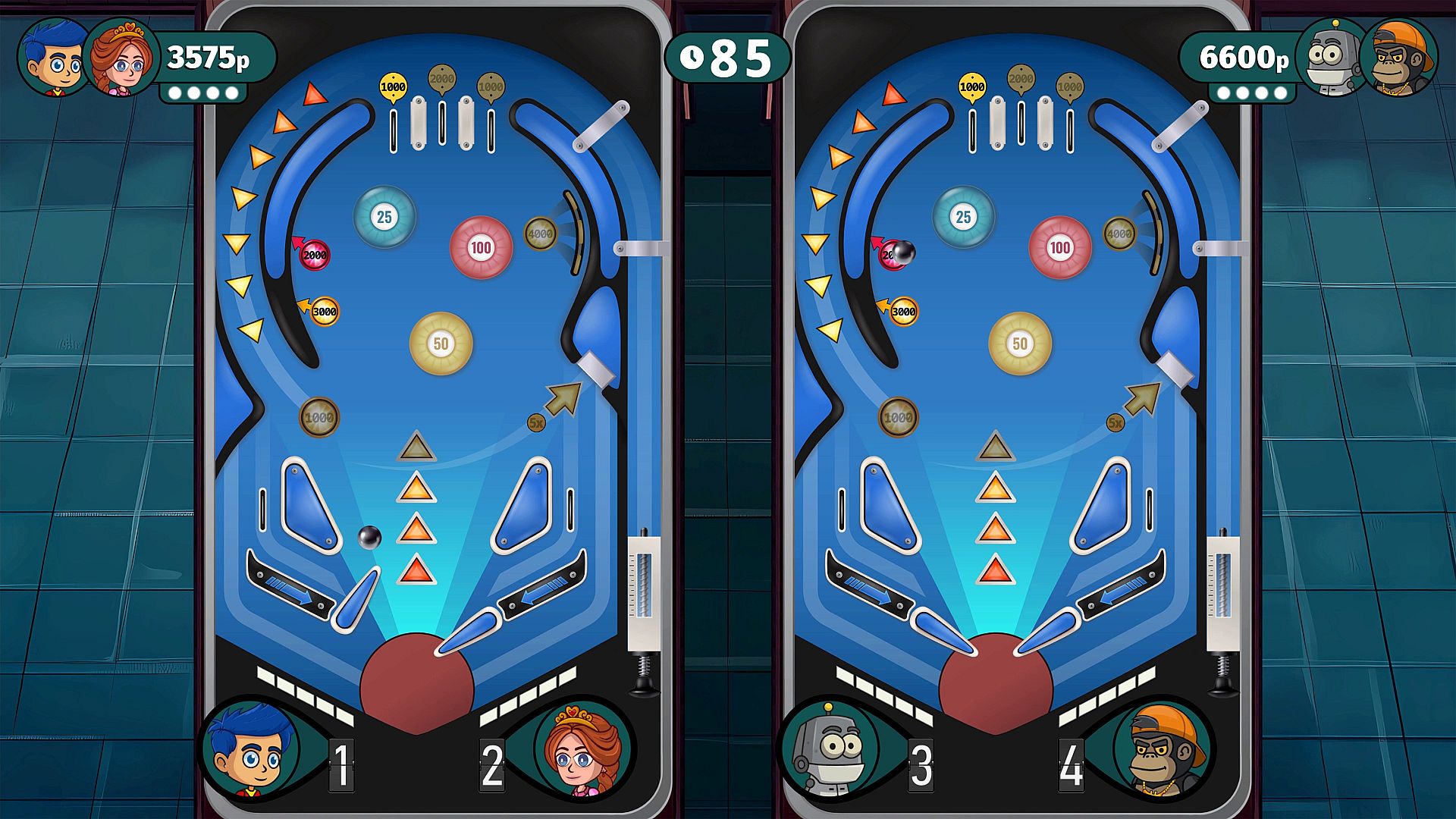
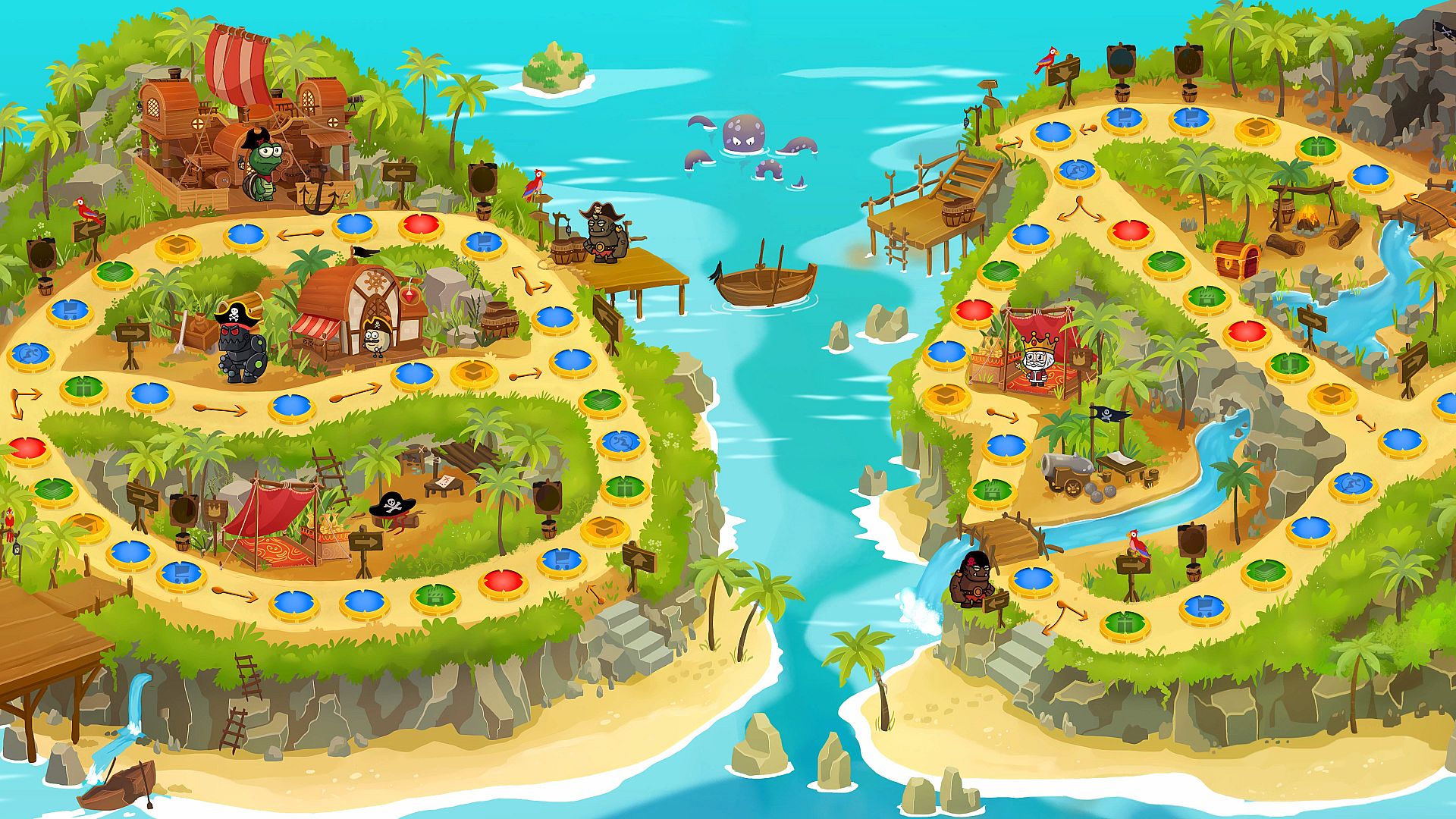
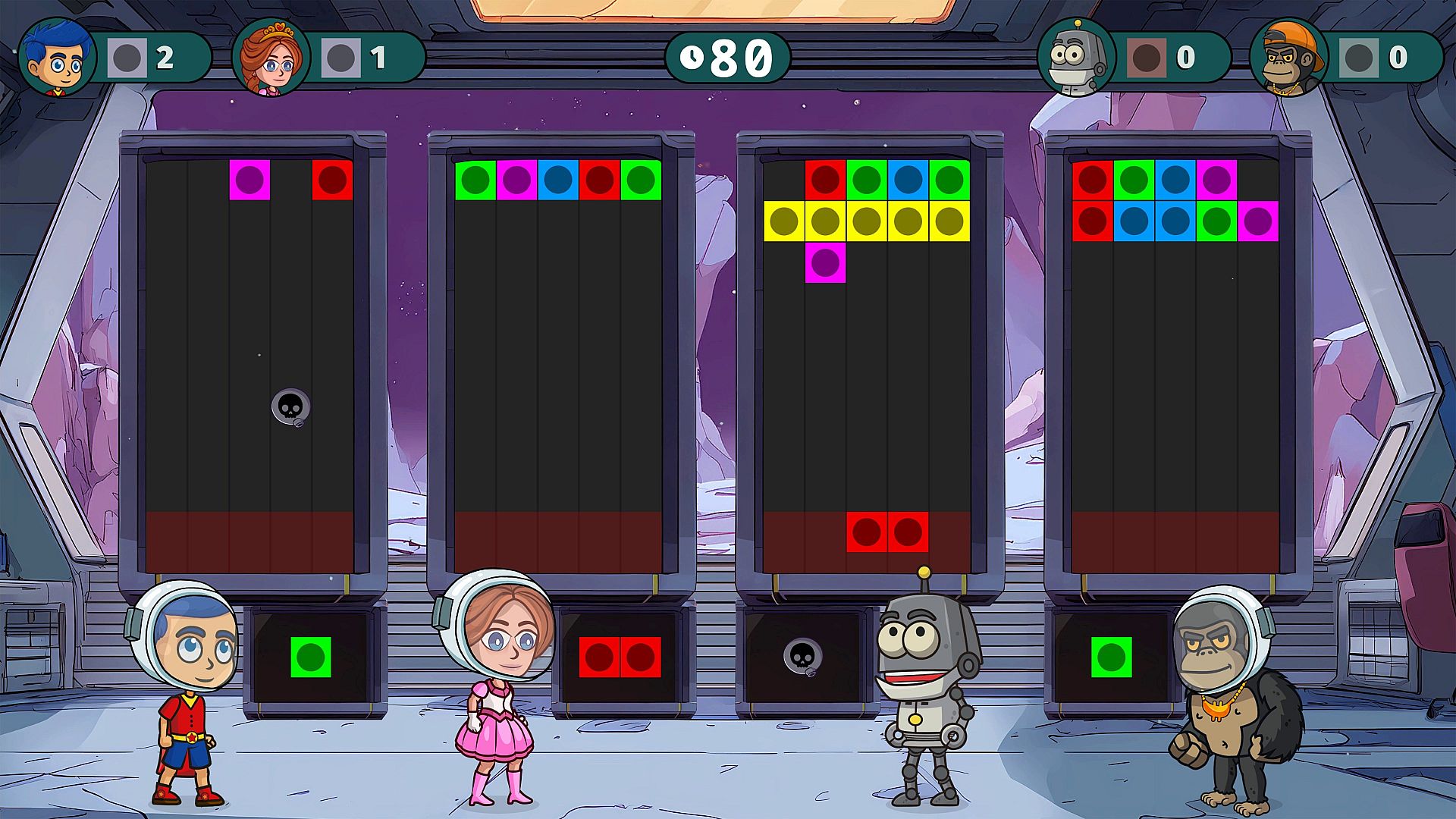
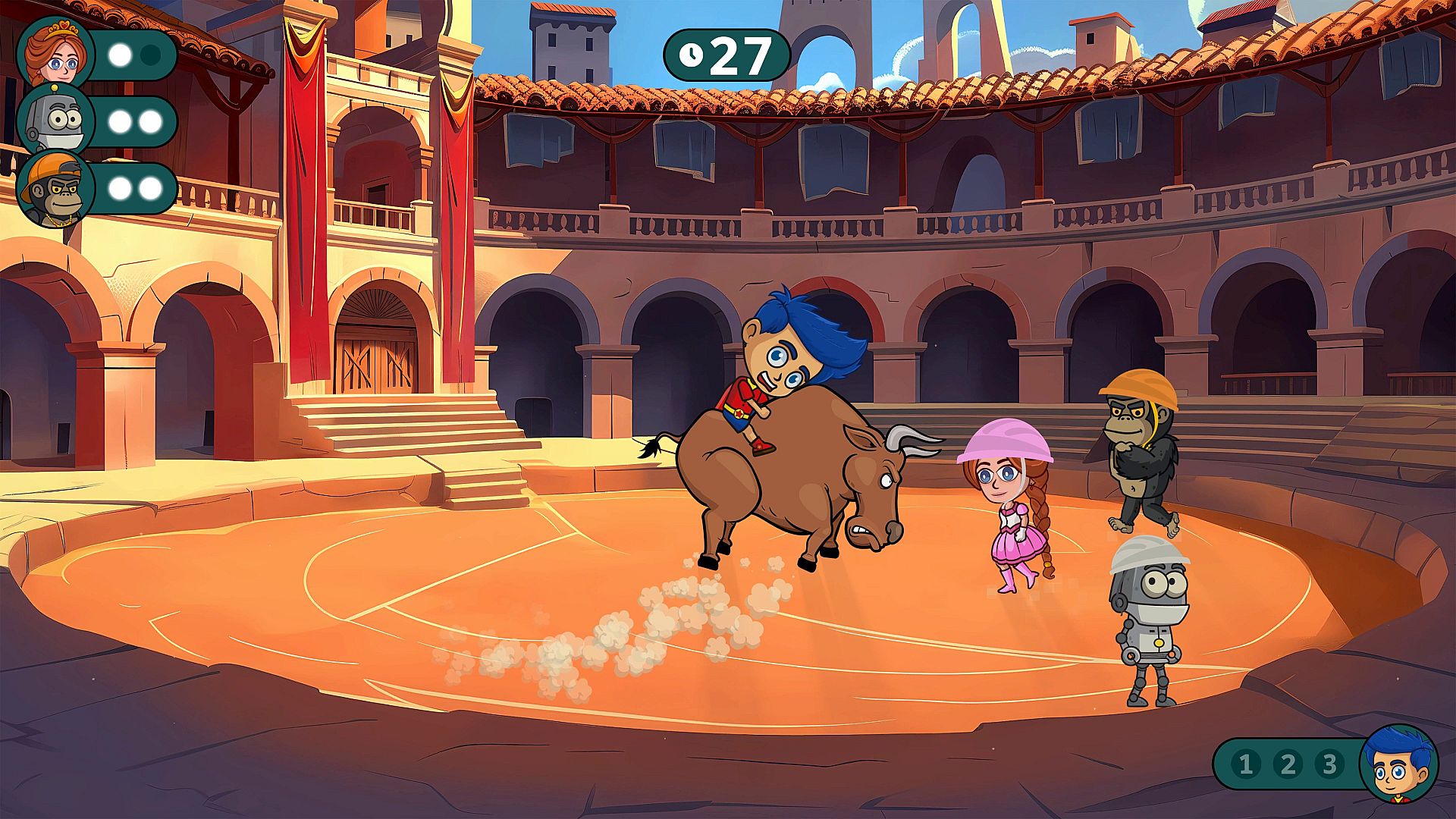
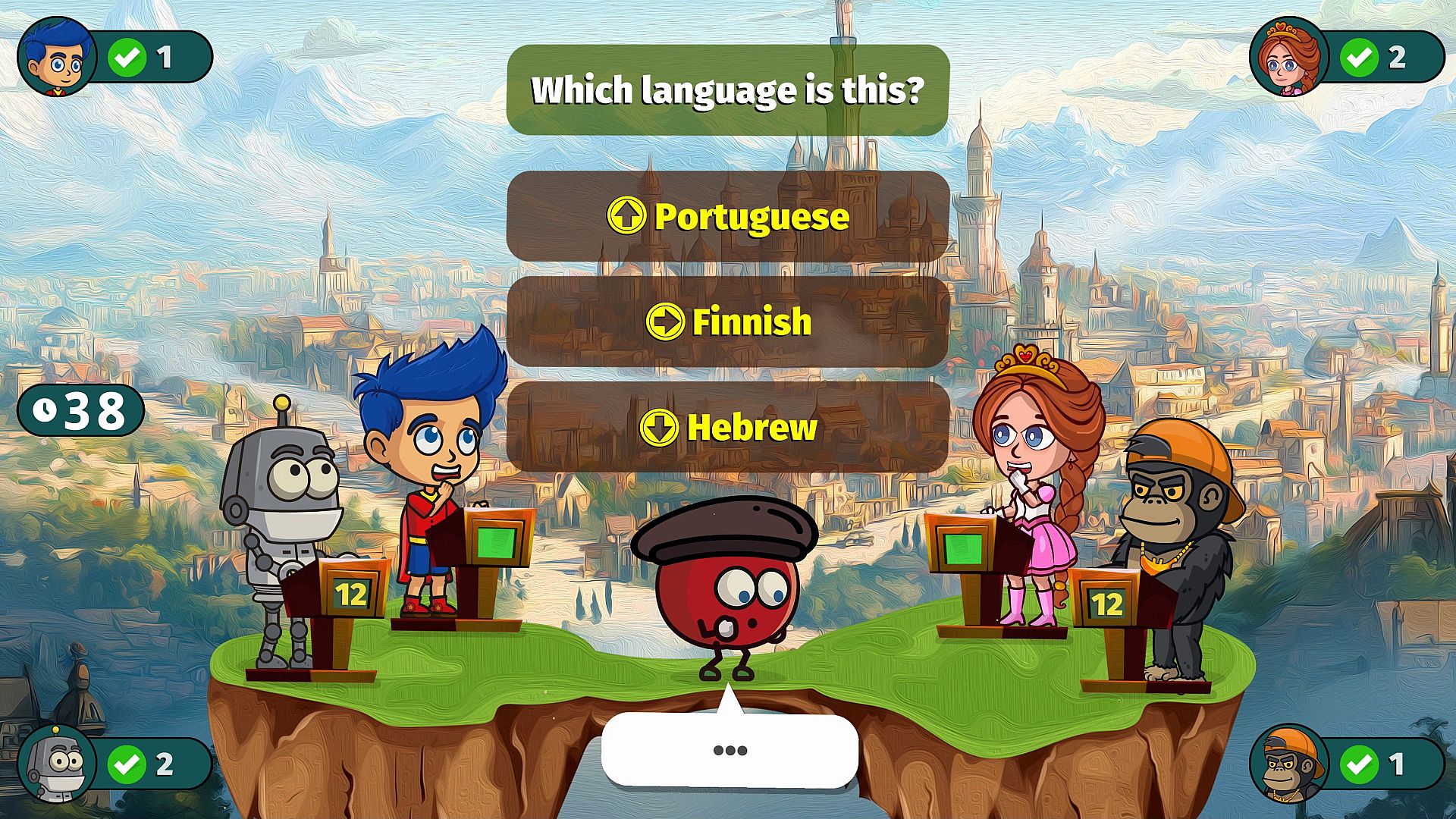
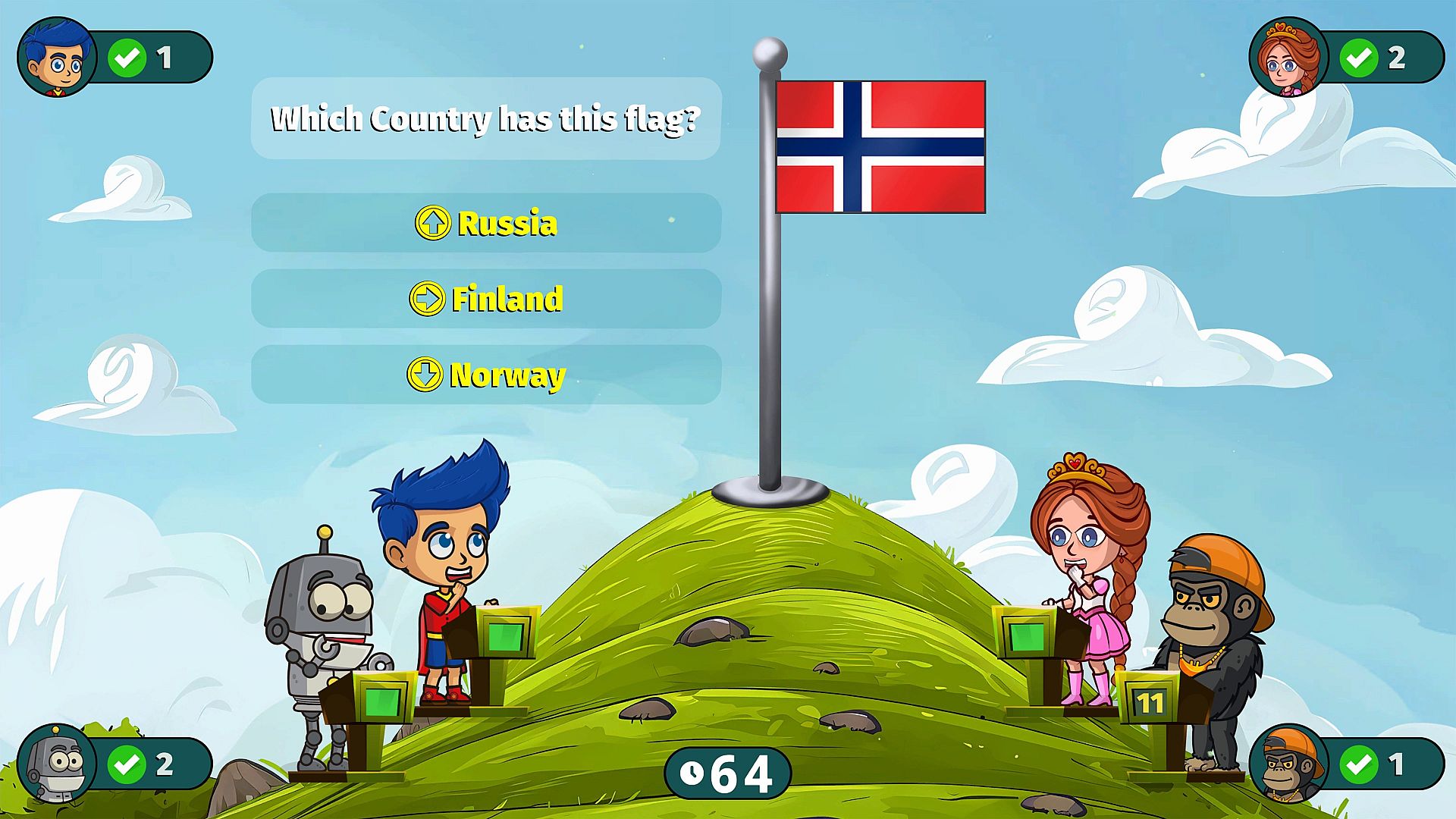


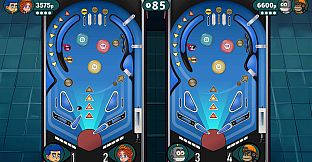
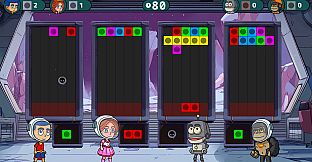

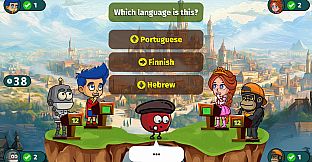
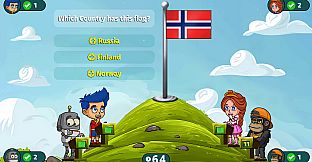
Educational Family Games is a local multiplayer party title that blends quick educational challenges with competitive minigames for families and groups. Available on Xbox and PC, it supports solo play against AI or shared-screen sessions with up to four players on a single device. The experience focuses on subjects such as math, geography, logic, memory, reflexes, science, chemistry, art, and anatomy while incorporating racing, dodging, and reaction-based tasks to keep sessions lively.
Gameplay
Players move through short rounds that test a range of skills without requiring any reading. Every instruction, word, and character is voiced across 19 languages, allowing pre-readers, grandparents, and mixed-ability groups to participate equally. Sessions alternate between problem-solving under time pressure, physical reaction tests, and creative tasks such as copying drawings or competing in two-versus-two formats. Gems and crowns serve as progression markers that encourage repeated play across different challenges. Compatible smartphones can function as additional controllers through a free companion app, removing the need for extra hardware when fewer gamepads are available.
Game Modes
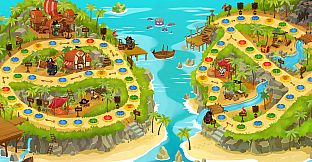
The core experience centers on local co-op and competitive play limited to one computer or console. Solo mode pits a single player against AI opponents across the full library of challenges. Multiplayer sessions accommodate two to four participants sharing the same screen, with rules that emphasize friendly rivalry rather than elimination. Five interactive game boards organize the content into themed collections, each containing multiple quick games that rotate through educational topics and party-style activities. No online connectivity is included, keeping all action contained to the same room.
Accessibility and Audience
Designed specifically for mixed-age groups, the game targets children starting at age five through adults and seniors up to 100. Violence-free mechanics and straightforward controls make it suitable for family gatherings, parties, and regular game nights. The emphasis on listening and reacting rather than reading broadens participation for younger players and those who prefer audio guidance. Local smartphone integration further lowers barriers for households without multiple controllers.
Is It Worth Playing?
Families seeking a violence-free option that combines learning with competition will find consistent value in the varied minigame library and shared-screen format. Positive user feedback highlights the smooth pacing and variety of challenges that prevent repetition across repeated sessions. The title remains actively supported on Xbox and PC with no reliance on online features or seasonal content. It delivers the most when played in person with multiple participants, turning living-room setups into regular sources of shared activity and lighthearted rivalry.