


Doamari es un RPG de aventuras gratuito en acceso anticipado para PC. Transcurre en un mundo extraño poblado por habitantes peculiares, lugares insólitos y encuentros impredecibles que se resuelven mediante exploración y combates por turnos.
Gameplay
La jugabilidad combina combates RPG por turnos con una exploración abierta en un entorno peculiar. Durante los enfrentamientos, los jugadores seleccionan entre distintas armas y hechizos para enfrentarse a enemigos variados, incluidos encuentros originales que rompen con lo habitual. Pueden optar por tácticas agresivas, como iniciar una pelea con una bestia, o por soluciones poco convencionales, como invitar al rival a un banquete en lugar de combatir.
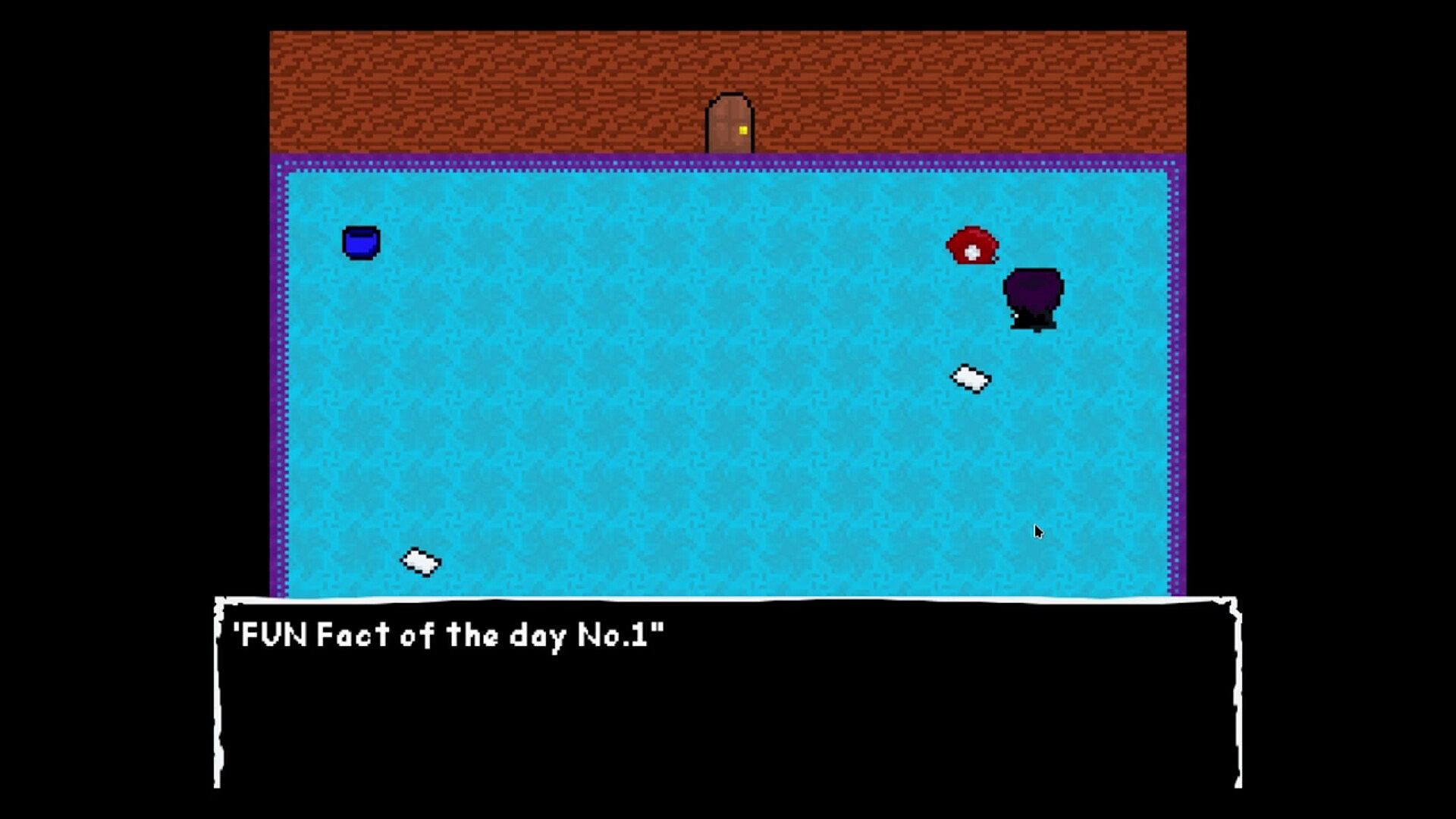
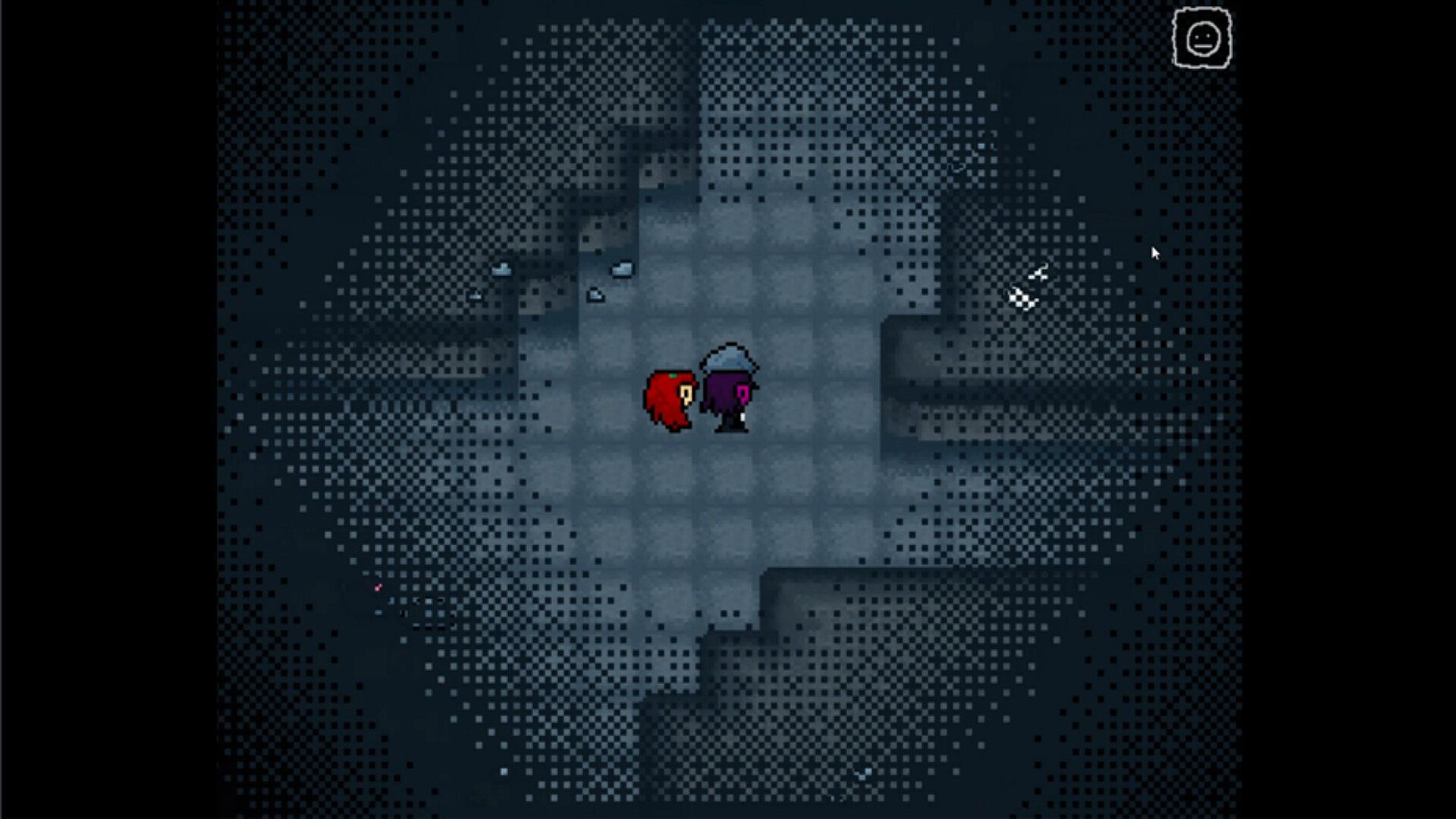
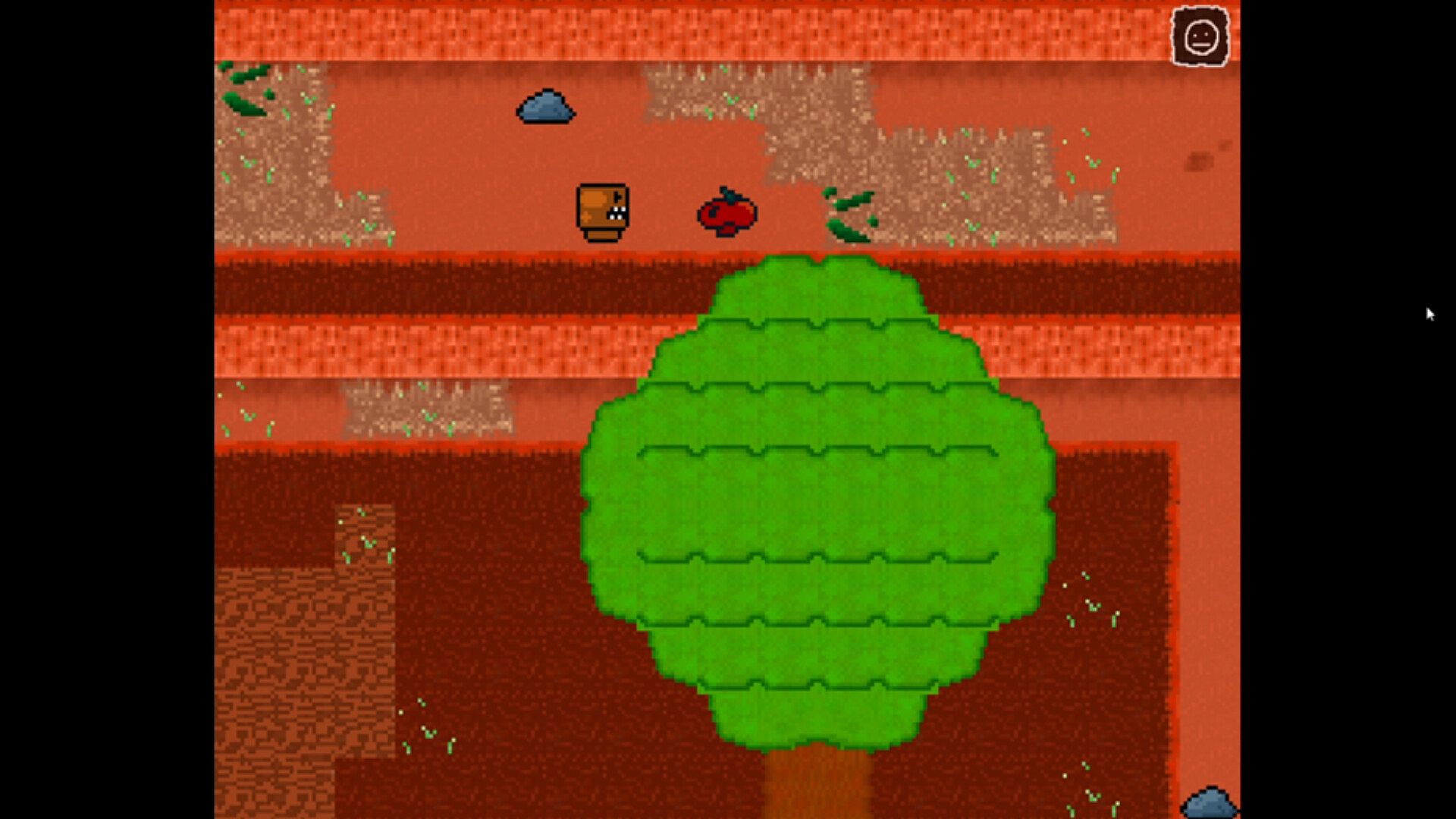
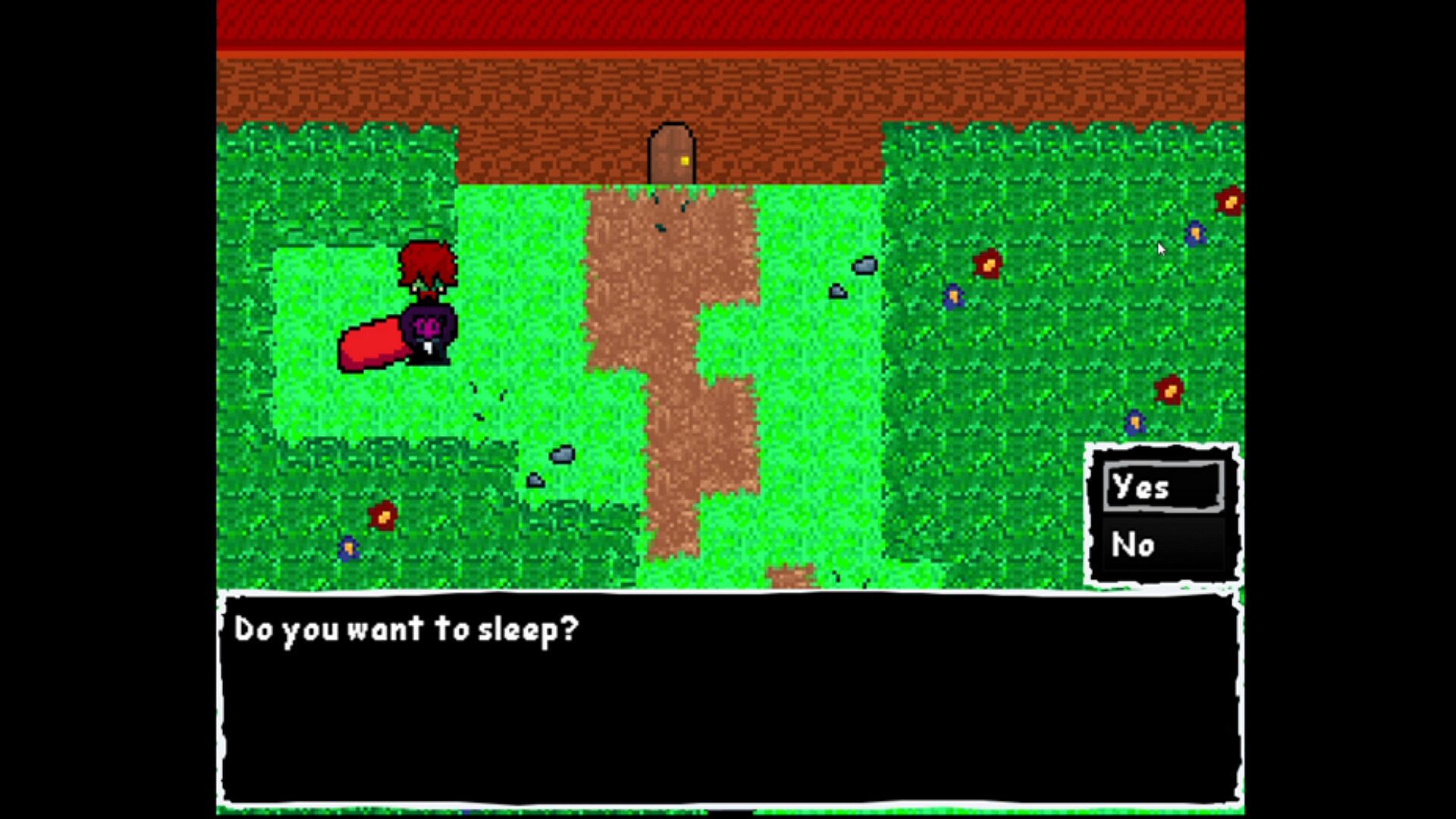
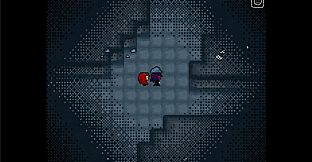
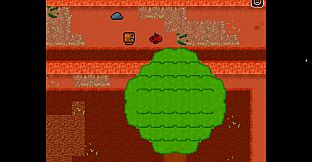
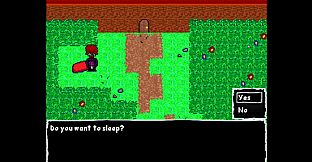
Fuera de los combates, el desplazamiento por el mundo revela nuevos detalles cada día. El entorno mezcla elementos reconocibles y distorsionados, con muros y árboles que desafían las expectativas. La exploración lleva a cuevas, encuentros con criaturas extrañas como un chico gusano de aspecto repulsivo y la interacción con conos de tráfico repartidos por el paisaje. El estilo artístico fusiona claymation, pixel art y sprites dibujados a mano para ofrecer distintas perspectivas visuales de las mismas escenas.
Modos de juego
Doamari es una experiencia para un solo jugador centrada en el descubrimiento personal, sin estructuras competitivas ni cooperativas. La actividad principal consiste en recorrer el mundo para desentrañar su verdad oculta y entablar relaciones con cientos de personajes. Destaca la figura de Iris, una enemiga que añade un componente personal a la aventura.
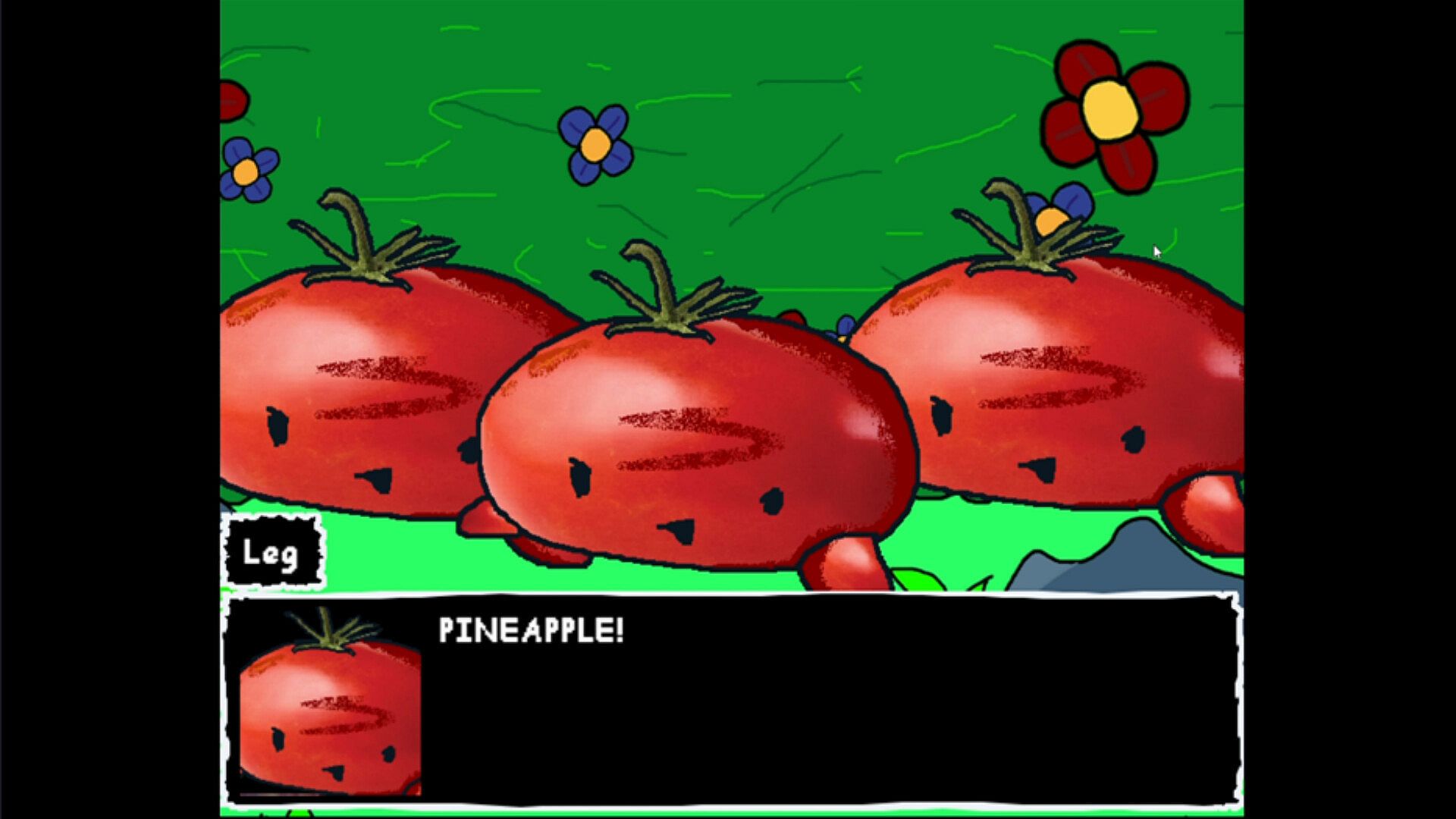
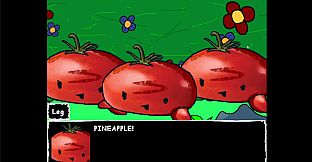
Los combates se mantienen por turnos, con jefes exigentes y desafíos opcionales aún más difíciles que ponen a prueba la preparación y la estrategia. Entre las actividades secundarias se incluyen enfrentamientos contra tomates llamados Raymatos o simplemente observar el entorno sin intervenir. El diseño favorece tanto la participación activa como los momentos de quietud, donde no hacer nada puede ser una opción válida.
Arte y atmósfera
La presentación multimedia es uno de sus rasgos más característicos. Las secuencias de claymation conviven con secciones pixeladas y elementos dibujados a mano, aportando distintas capas visuales a cada zona. Este enfoque refuerza la presencia de personas, lugares y objetos extraños que llenan el escenario.
Cada visita a un lugar puede revelar detalles nuevos, desde figuras dormidas de intenciones inciertas hasta motivos recurrentes como los conos de tráfico. El tono combina humor e inquietud, especialmente con personajes que generan reacciones intensas, como el chico gusano que provoca rechazo inmediato.
Características principales
Los jugadores pueden participar en diversas actividades que destacan el enfoque peculiar del juego:
- Combates por turnos con amplias opciones de armas y hechizos
- Exploración que desvela las verdades ocultas del mundo con el tiempo
- Oportunidades para formar numerosas amistades junto a una rivalidad concreta
- Enfrentamientos contra jefes de distinta dificultad, incluidos desafíos opcionales
- Interacciones con elementos distintivos como los Raymatos y los conos de tráfico
- Acceso a cuevas y otras zonas cerradas para investigar en profundidad
Estos elementos crean un mundo donde el progreso surge tanto de la acción directa como de la observación paciente.
¿Merece la pena jugarlo?
Doamari está dirigido a jugadores que buscan RPG poco convencionales que prioricen la atmósfera y los encuentros extravagantes frente a sistemas de progresión tradicionales. Su estado de acceso anticipado implica que la experiencia sigue evolucionando, con cambios diarios prometidos en el propio mundo. Quienes disfrutan de combates por turnos combinados con exploración surrealista y un estilo artístico distintivo encontrarán que las mecánicas descritas se ajustan a sus preferencias. El modelo gratuito en PC elimina cualquier barrera inicial y permite probar directamente el ciclo de combate y descubrimiento. Quienes prefieran escenarios de fantasía clásicos o opciones multijugador pulidas pueden considerar que el énfasis en lo extraño y el enfoque en un solo jugador resultan menos atractivos. La presencia de personajes memorables como Iris y el chico gusano aporta un toque personal que puede hacer que las visitas repetidas resulten gratificantes para el público adecuado.