

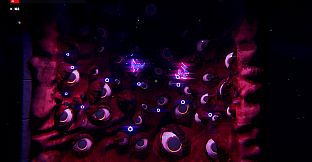
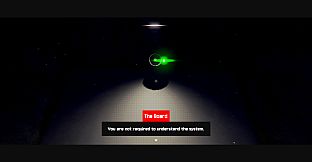
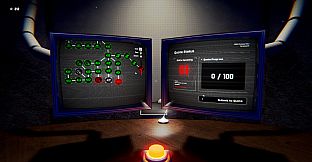
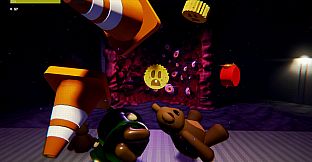
Diversion is a casual single-player game for PC in which players manage a processing operation centered on defective items and an advanced waste-management system. The core experience revolves around collecting materials, feeding them into the observation system, and scaling production through targeted upgrades while consistently hitting production targets.
Gameplay
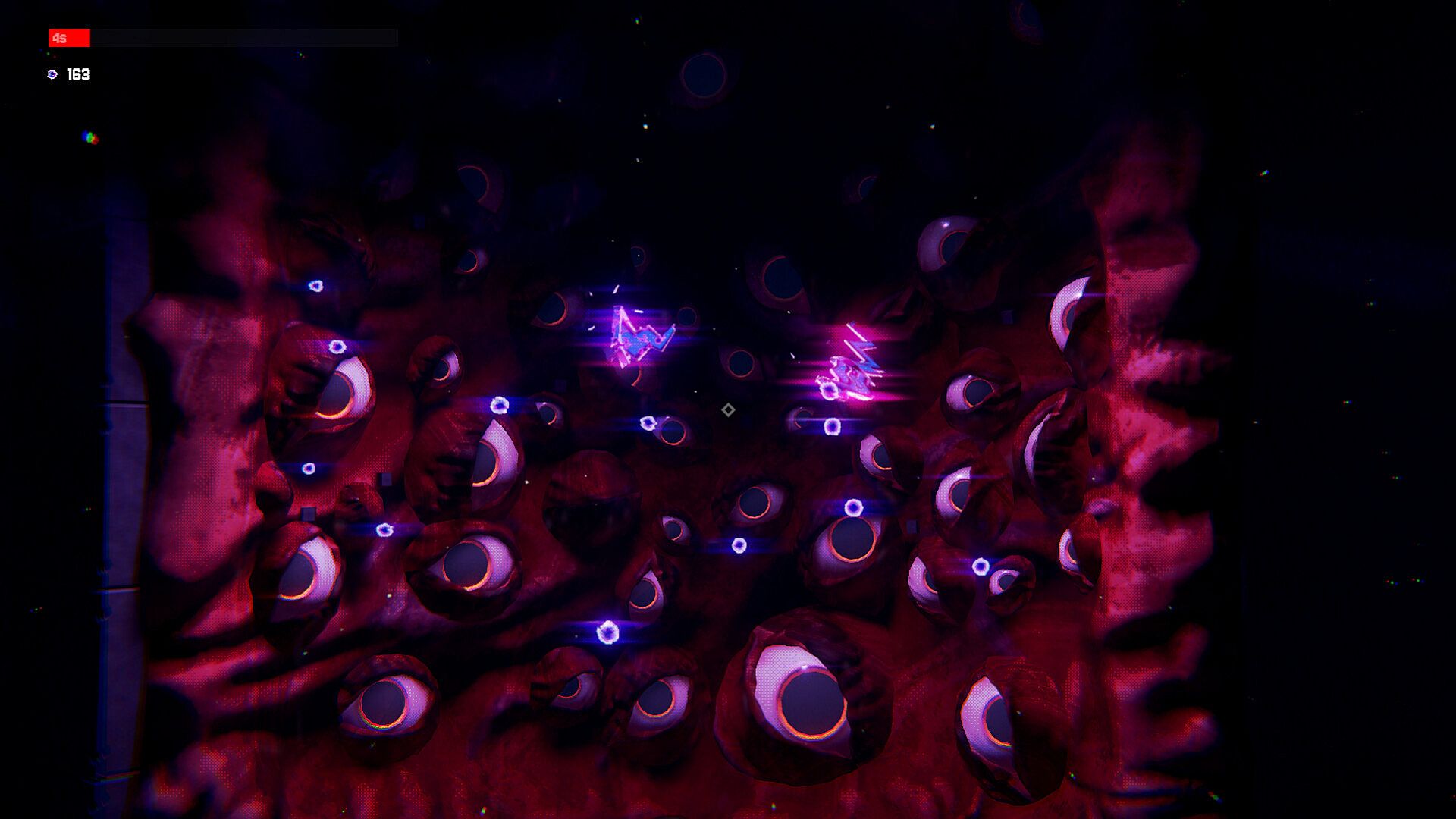
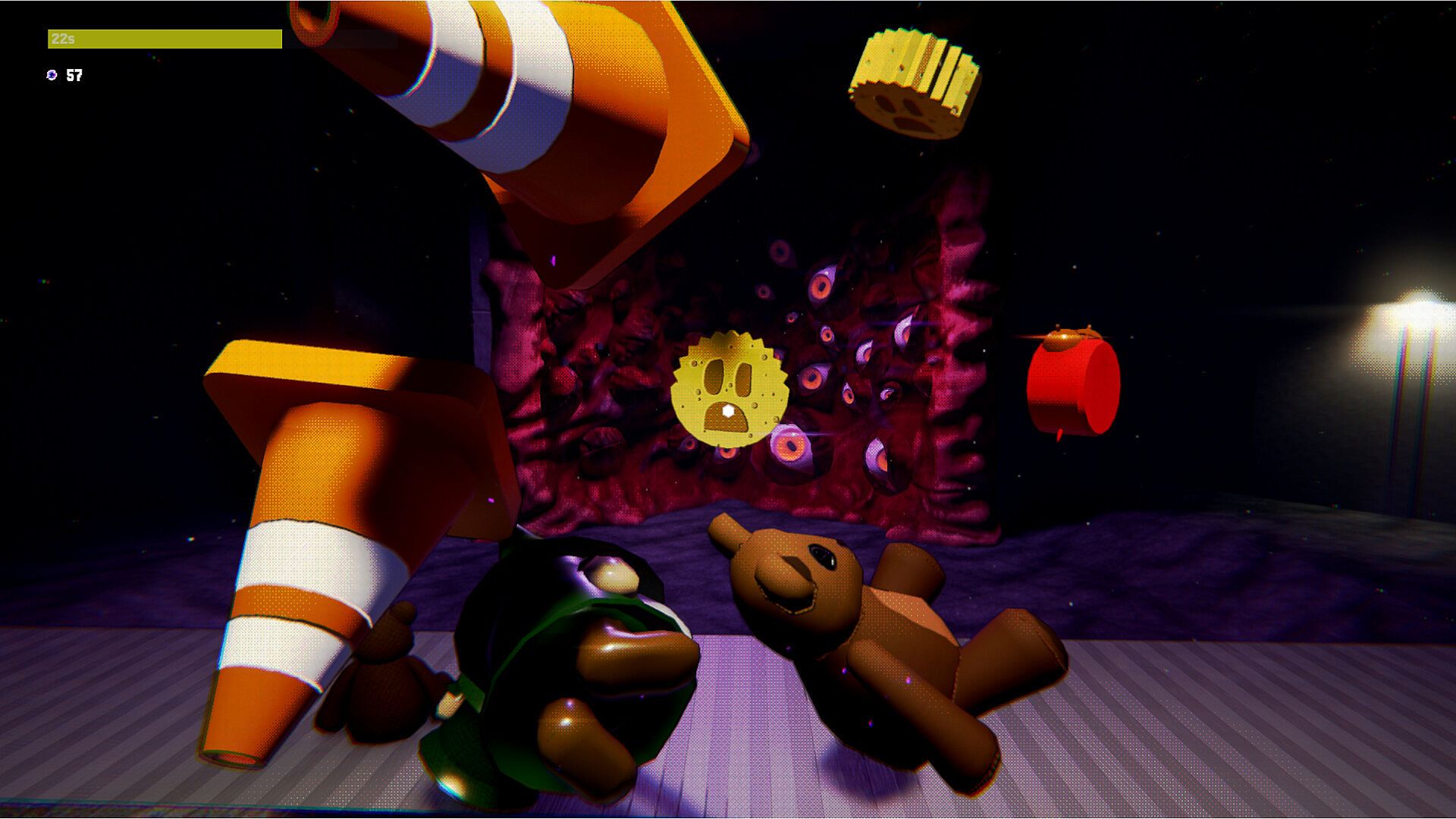
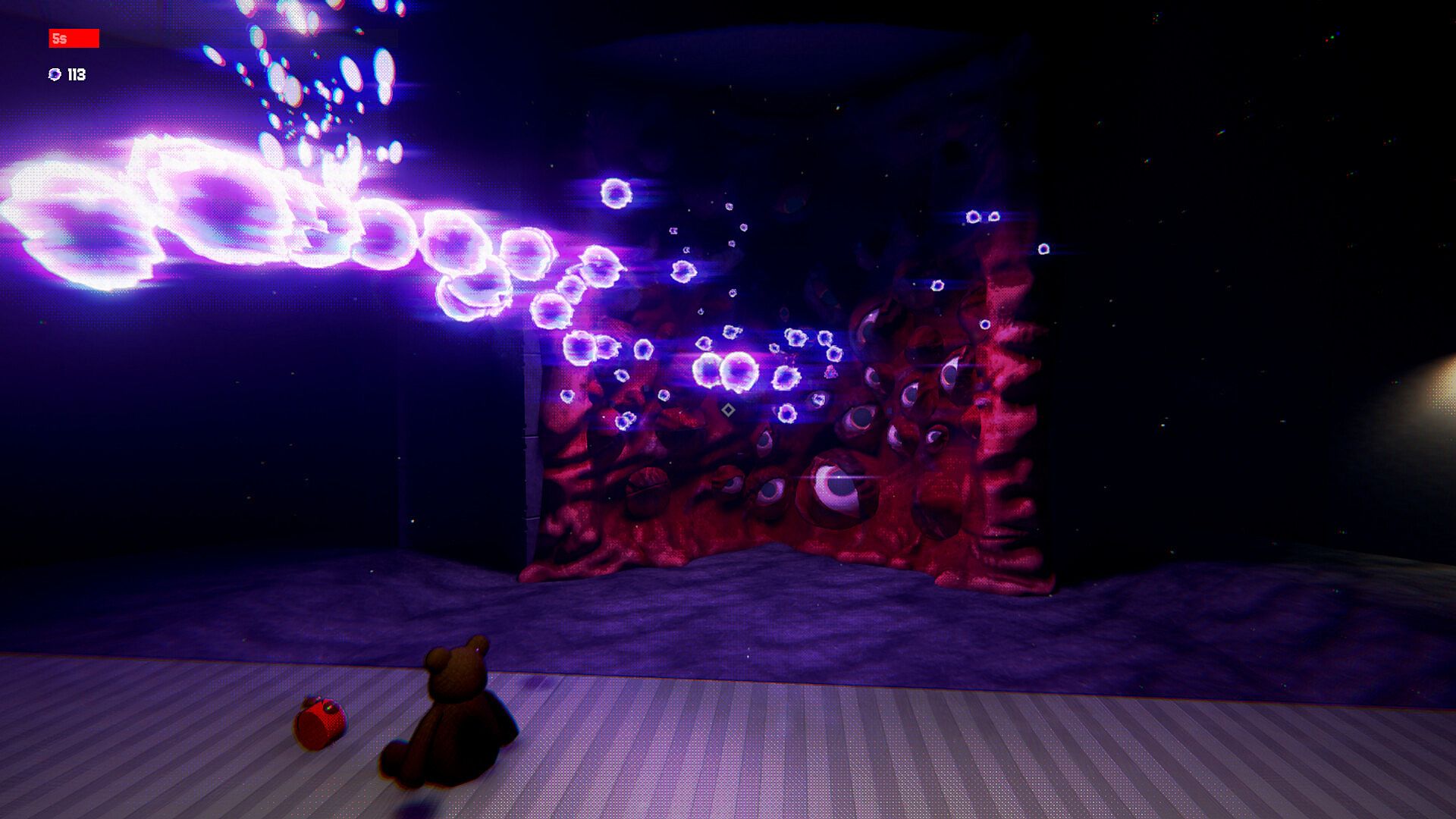
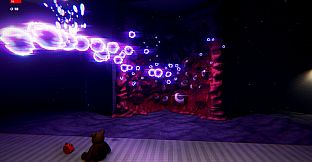
The central loop begins with gathering defective products and directing them toward the Advanced Observation System. Each item requires complete processing before it converts into energy residue, and tougher items deliver higher yields once fully handled. Players throw items directly at the system to initiate this conversion.
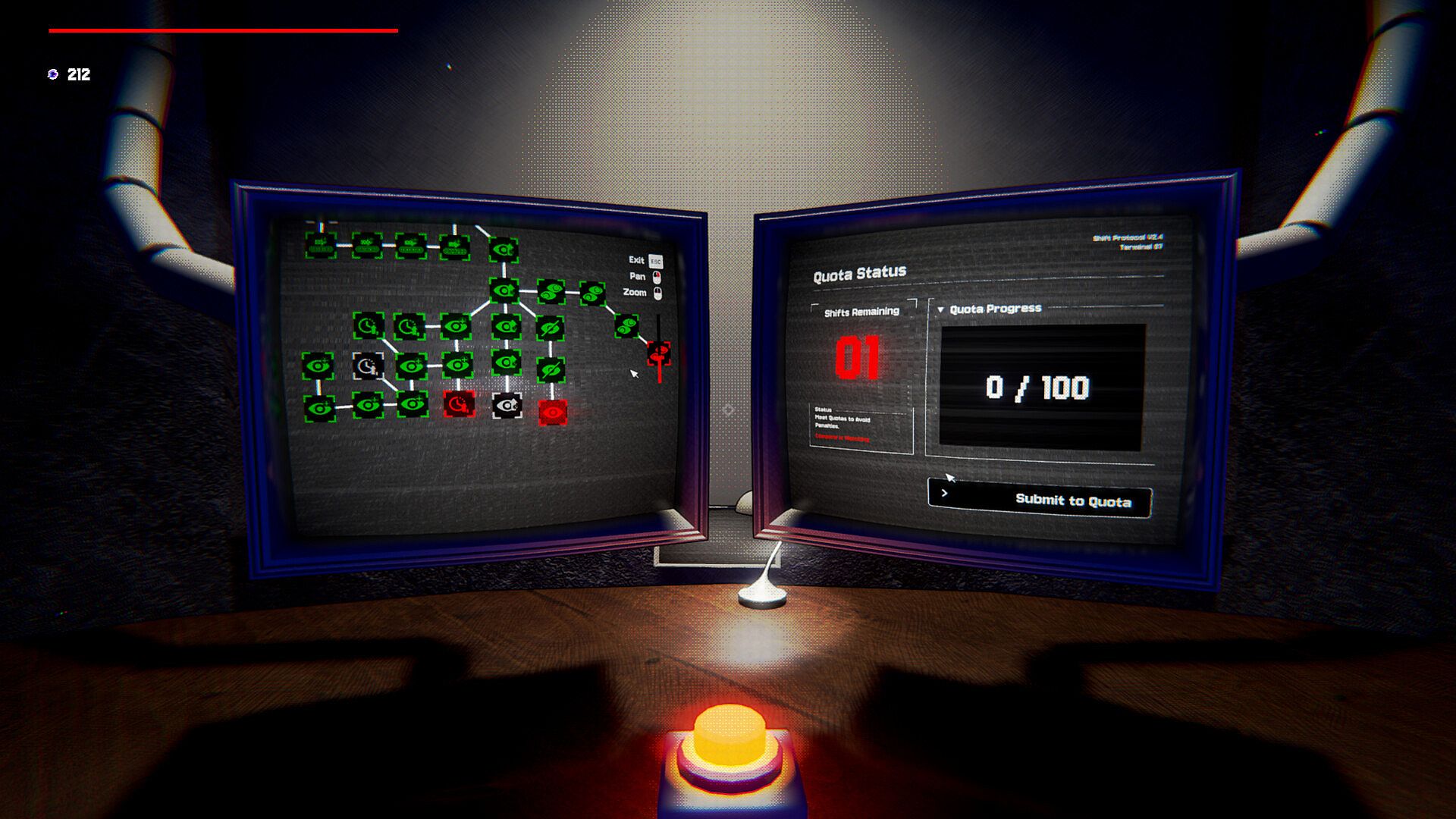
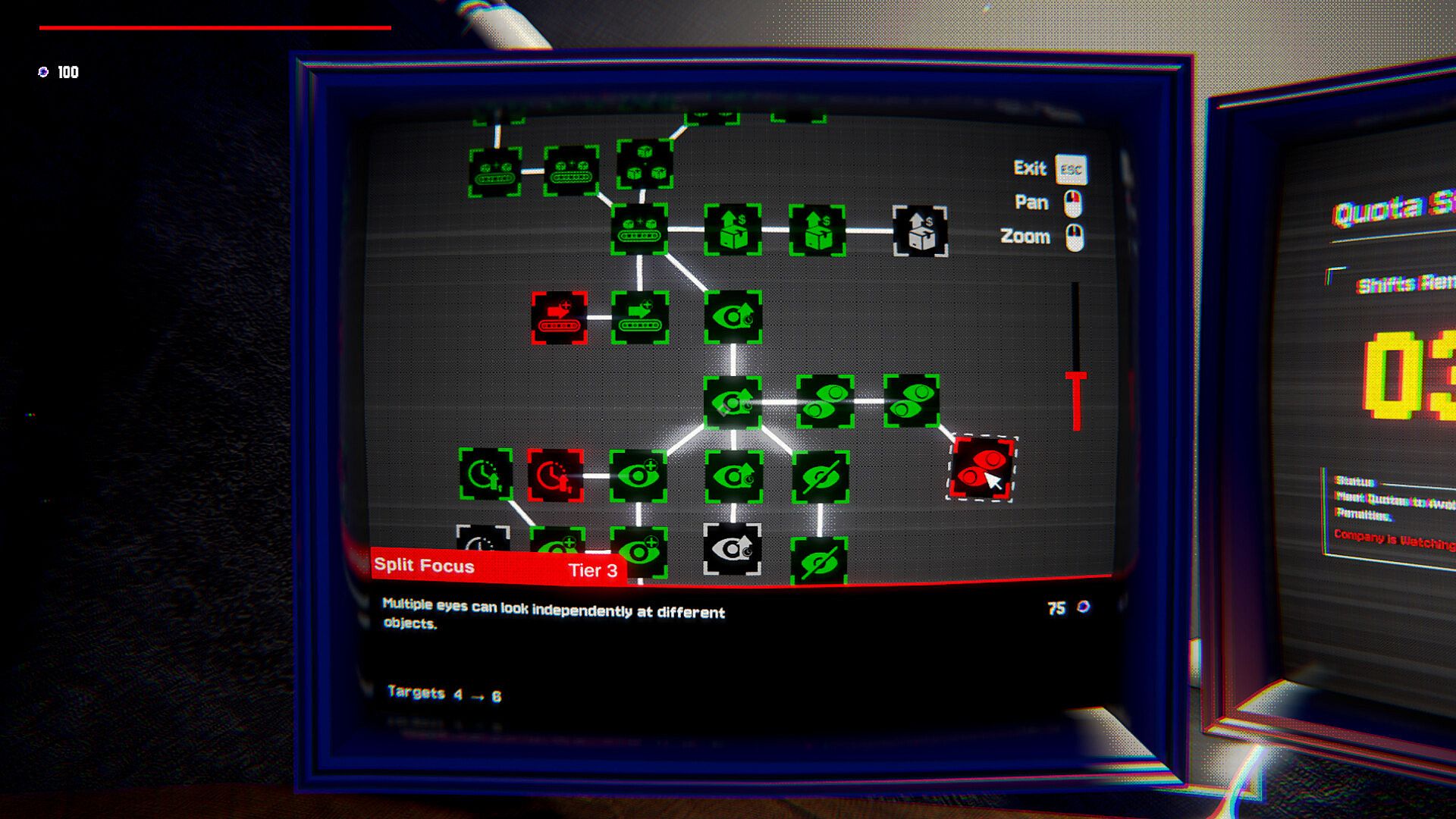
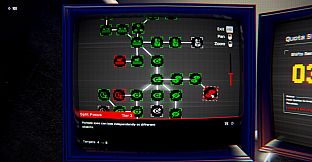
Residue collected from successful processing serves as currency for upgrades. These improvements target collection speed, throwing accuracy, and overall processing efficiency, allowing the operation to shift from manual handling to a streamlined production line. As output grows, new products become available for processing, each offering different residue potential.
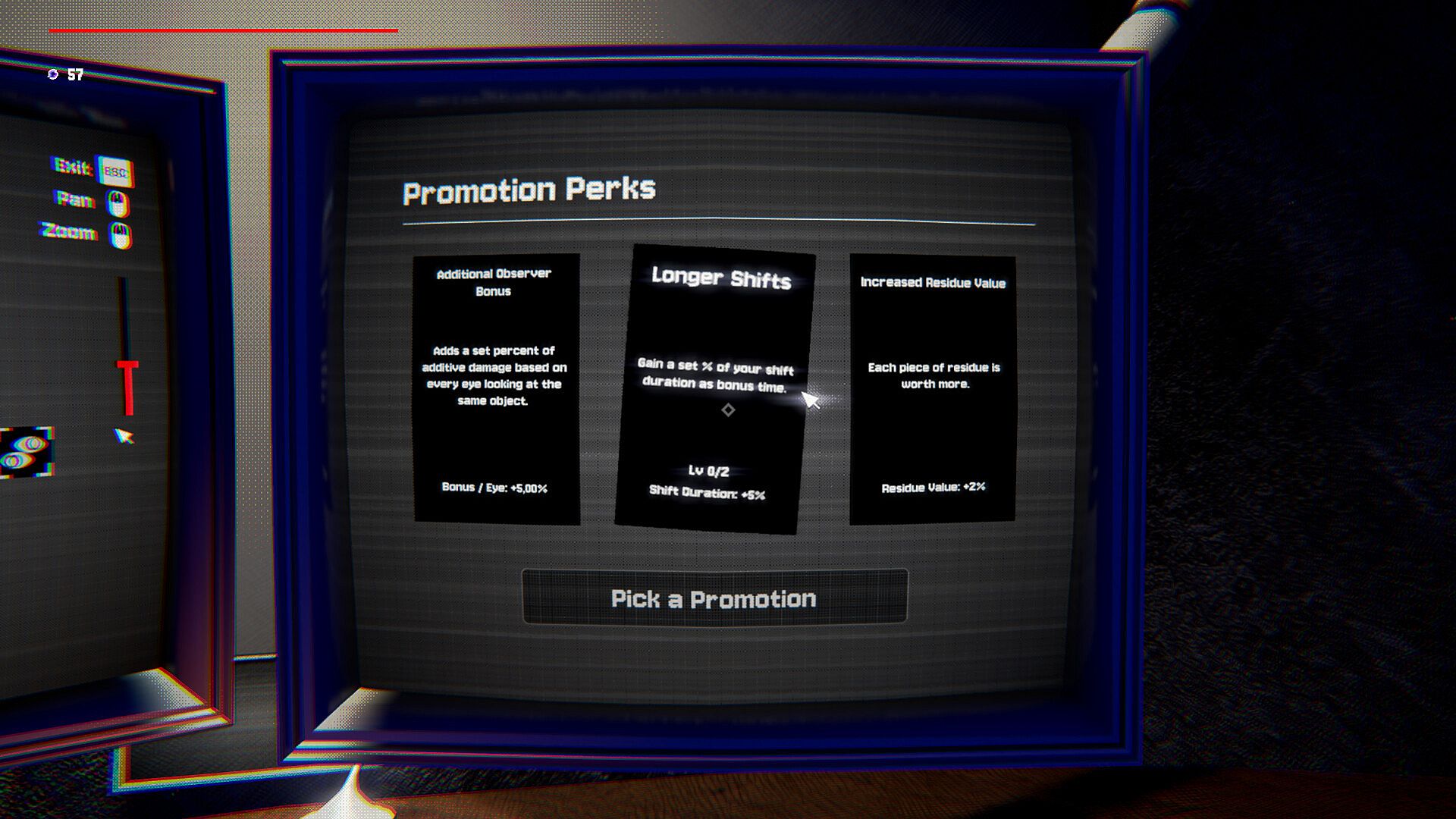
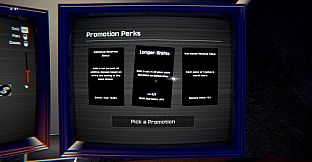
Quotas set the pace of progression. Meeting the current target earns a promotion that expands capabilities and raises the next threshold. Shortfalls trigger consequences that reset or hinder advancement, emphasizing steady performance over the session.
Game Modes
The game operates as a continuous single-player progression system without separate named modes. All activity centers on the quota-driven processing workflow, where players repeat and refine the collect-feed-upgrade cycle across increasing difficulty levels tied to promotions and product unlocks.
Progression unfolds through successive targets that introduce more resilient items and higher output demands. This structure encourages repeated sessions focused on optimization rather than branching paths or competitive elements.
Progression and Upgrades
Upgrades purchased with residue directly enhance the three key actions of collection, throwing, and processing. Early improvements might focus on basic efficiency, while later ones support higher-volume operations once promotions unlock expanded facilities.
Unlocking valuable products expands the range of items available for processing. Each new product type integrates into the existing loop, rewarding players who maintain quota compliance with greater residue returns and further upgrade options.
Is It Worth Playing?
Diversion suits players who enjoy methodical resource management and incremental improvement in a casual setting. The straightforward mechanics of item handling and upgrade investment create a focused loop that rewards consistent attention to quotas and efficiency gains.
Those seeking relaxed sessions built around clear goals and visible progress will find the promotion system and residue economy engaging. The absence of complex controls or additional layers keeps the experience accessible for short or extended play periods on PC.
Because the game emphasizes steady production scaling without extraneous features, it appeals most to fans of idle-style or management casual titles who appreciate direct feedback from upgrades and quota completion. Players preferring variety or social elements may find the singular focus limiting over time.