



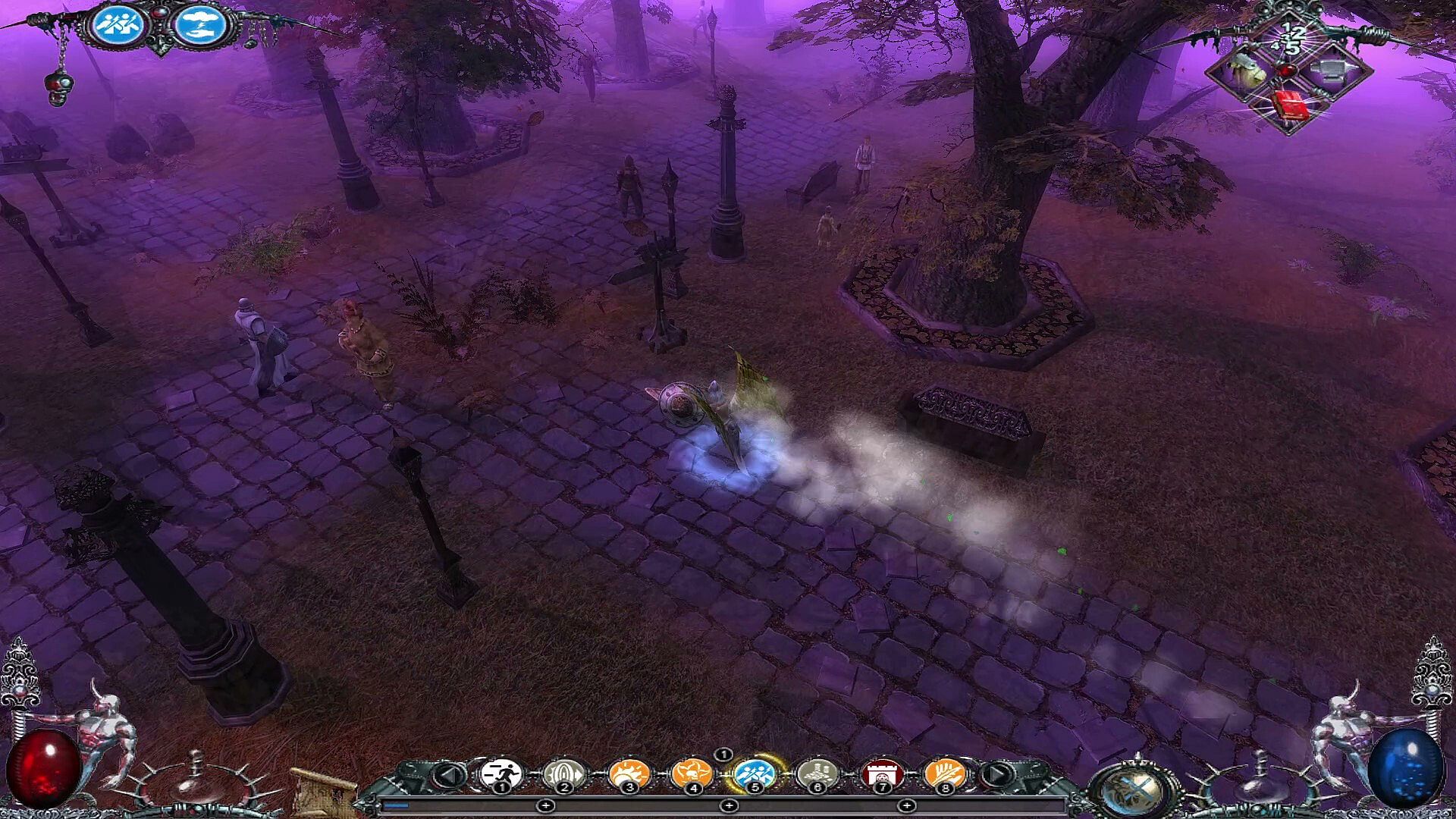
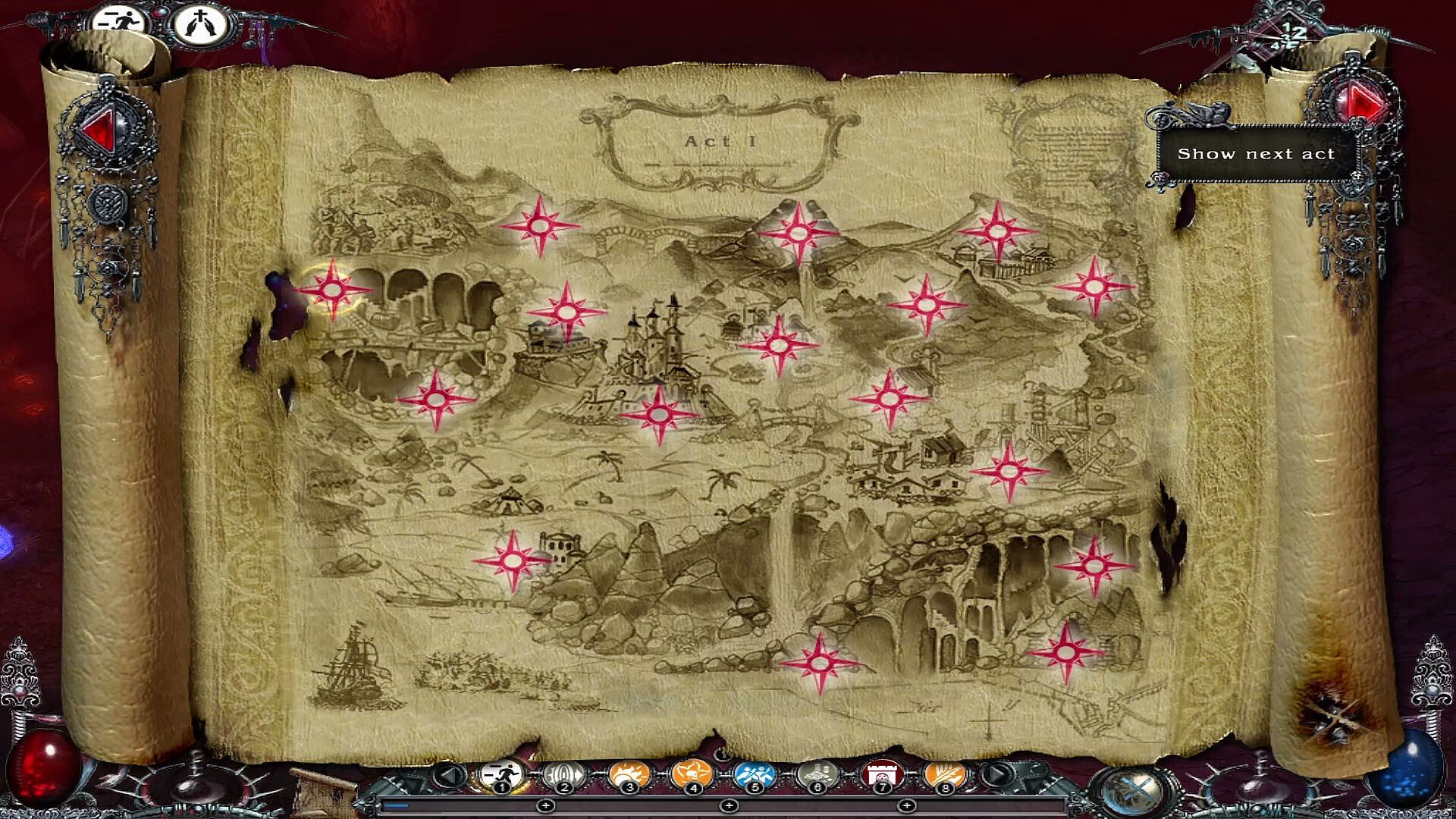
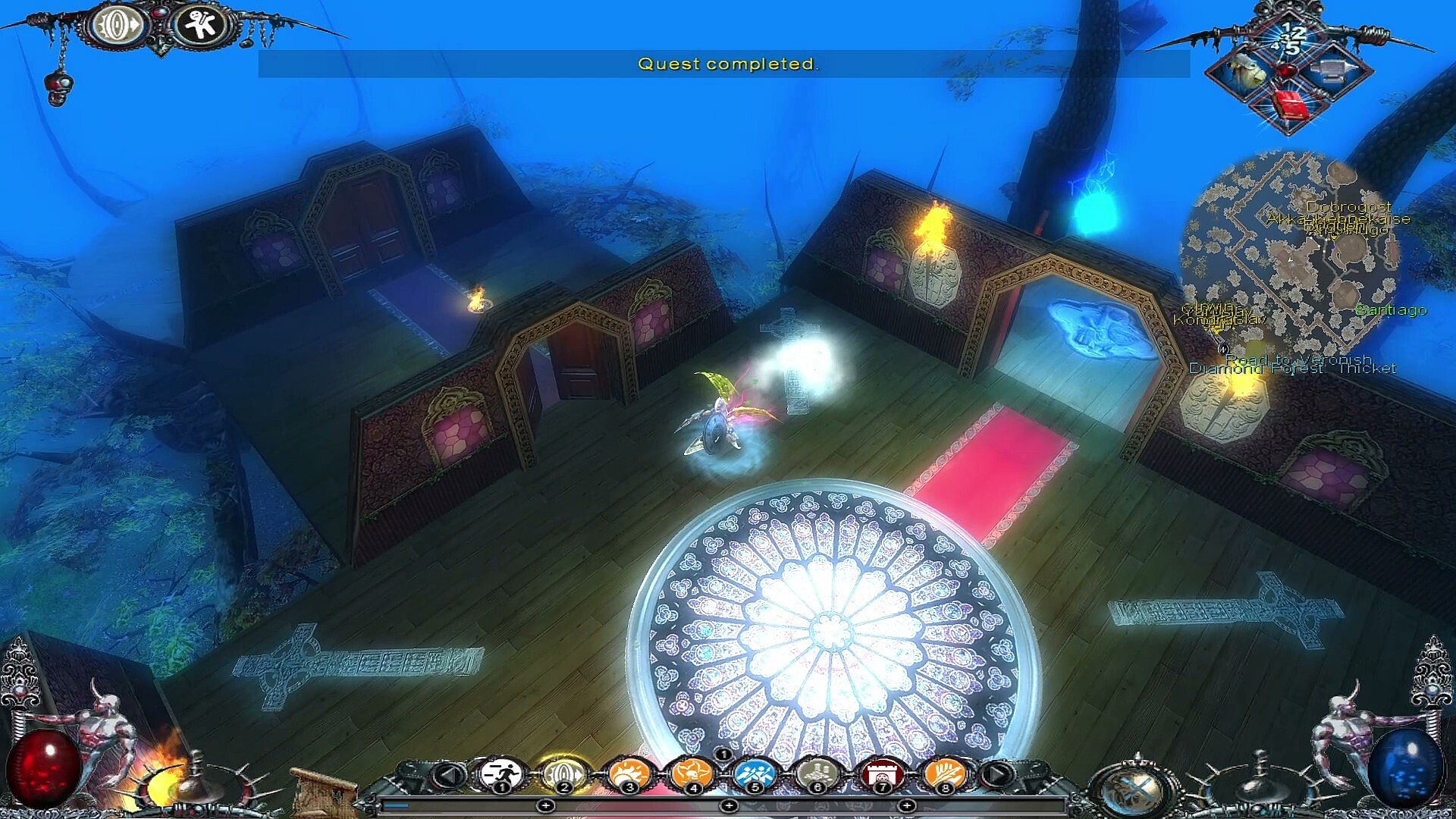
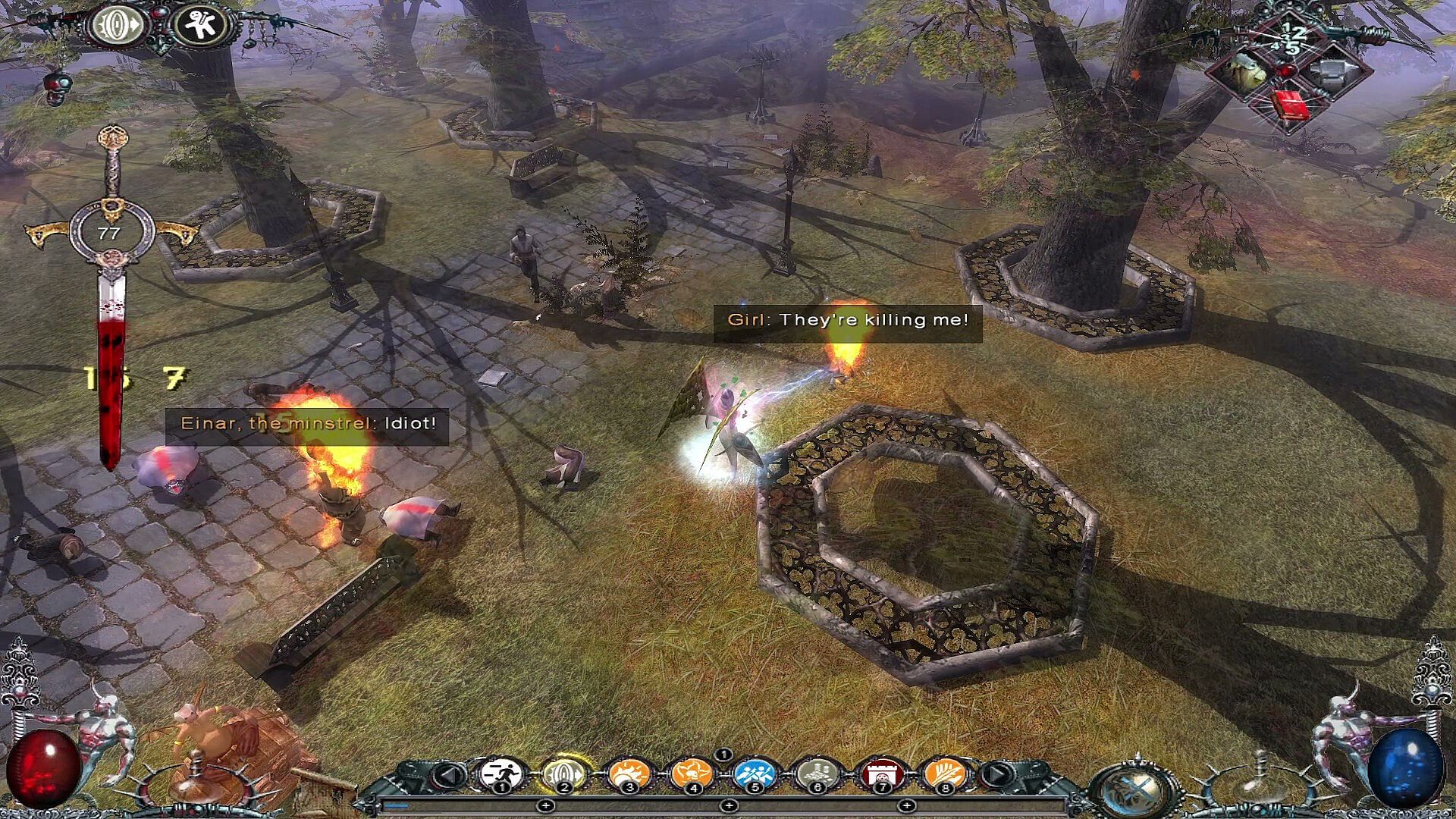
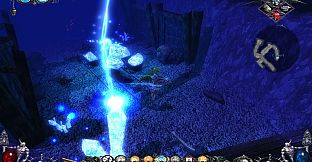
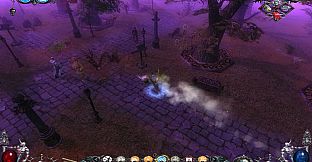
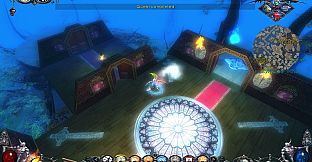
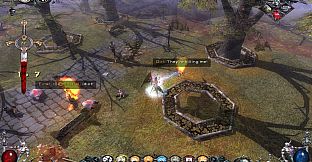
Dawn of Magic is an action RPG originally released in 2005 and now available on PC through a faithful re-release that keeps the original content and mechanics intact while adding compatibility updates for modern hardware.
Gameplay
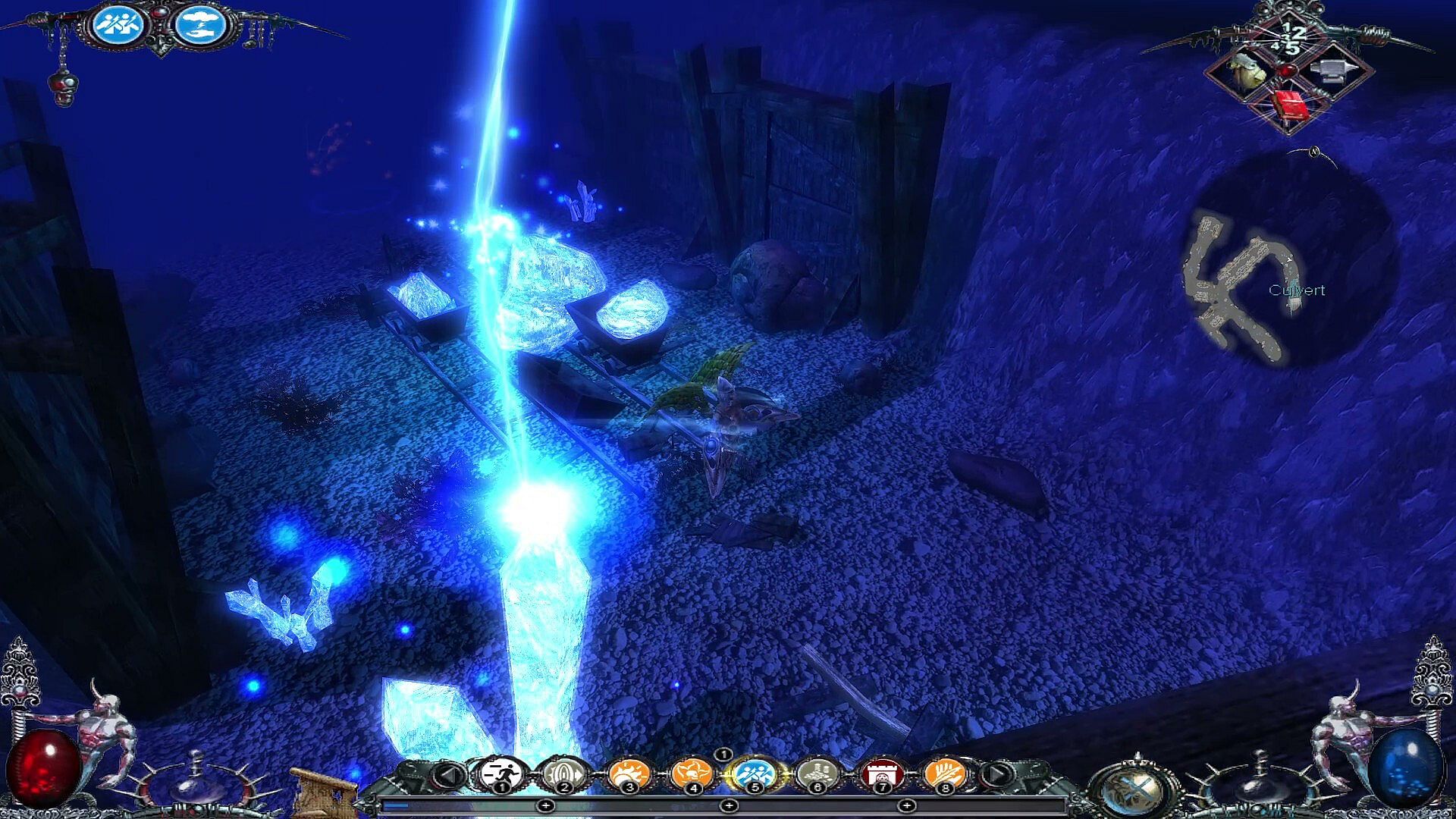
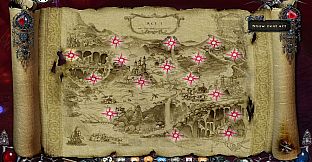
The core loop centers on real-time combat where players control one of four starting characters and develop them through spell selection and equipment. Combat mixes direct spellcasting with melee options, loot drops, and quest progression across interconnected area maps. Twelve schools of magic form the foundation of character building, with each school containing multiple spells that players learn via scrolls or traders and then enhance with skill points. Schools cover elements such as fire, air, earth, summoning, blood, bones, light, and darkness, allowing combinations that create varied playstyles from pure damage dealers to summoners or hybrids.
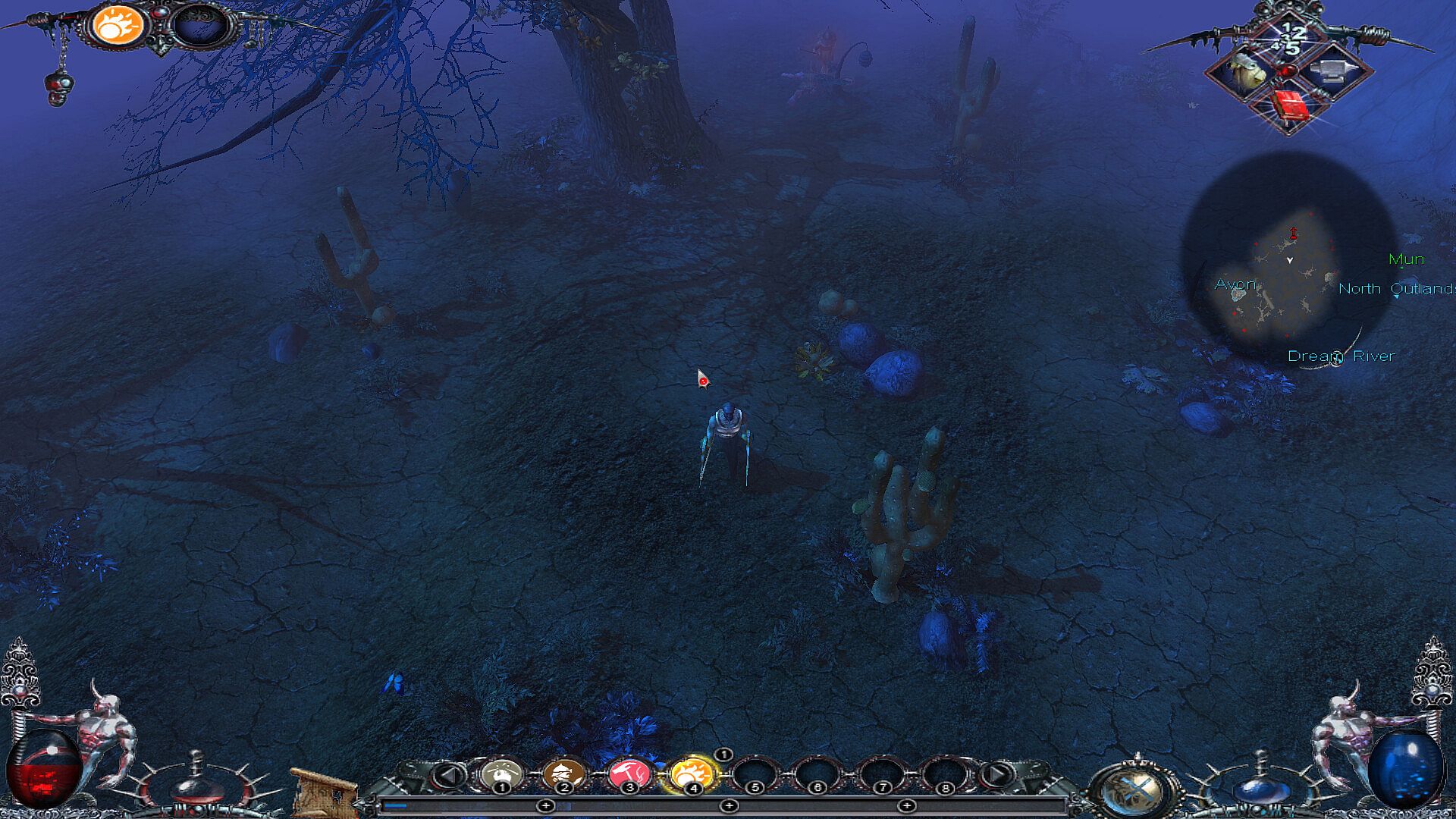
Progression includes attribute improvements, skill development in areas like melee and crafting, and a distinctive morphing system. As a hero masters spells from particular schools, their physical appearance changes visibly, with alterations to skin, features, limbs, and overall form that also influence stats and resistances. This visual feedback ties directly to chosen magic paths and encourages experimentation without locking players into rigid classes.
Equipment such as runes, tattoos, and items further customizes abilities. Enemies present varied threats that reward different spell approaches, and multiple difficulty settings support replay attempts. The game preserves its mid-2000s design, including the era's interface and pacing, while the re-release adds native support for modern resolutions including ultrawide monitors, increased camera zoom range, and Steam integration features.
Game Modes
The primary experience is single-player, focused on a story-driven campaign set in a fantasy world. Players follow the exile of an immortal being named Modo and make choices that lead to good, evil, or neutral story paths, determining alliances and outcomes without forcing a heroic or villainous role. Four starting heroes each bring unique backstories, though none tie to fixed classes, leaving development entirely to spell and skill selections.
Original versions included multiplayer support through LAN or online connections for up to 16 players, but the re-release emphasizes the preserved single-player campaign with its quests, loot, and progression systems. No additional named modes such as specific PvP formats appear in the current version.
Story and Character Development
The narrative follows Modo, stripped of power and banished to Earth in mortal form, as he plots to reclaim strength and destroy the world. Players can oppose him, aid his scheme, or pursue an independent route. Character growth remains flexible, with no predefined classes, so the same hero can evolve into a direct-damage caster, a summoner, or an unusual hybrid depending on chosen schools and enhancements. The morphing system ensures that playstyle choices manifest physically, turning progression into an observable process rather than abstract numbers alone.
Is It Worth Playing?
This re-release suits players who value authentic mid-2000s action RPGs and want to experience the original spell variety and morphing mechanics without modern overhauls. It delivers a classic loop of combat, loot collection, and flexible magic experimentation on PC, with small quality-of-life additions that improve accessibility on current hardware. Those seeking polished remasters or extensive new content may find the preserved limitations noticeable, while fans of the era's style will appreciate the unchanged spirit and replay potential from different magic combinations and story alignments. The game remains a one-time purchase with no ongoing seasons or expansions confirmed at launch.