


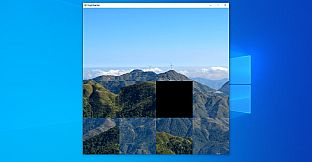
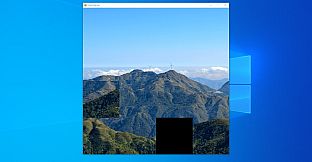
Datianding Peak is a casual puzzle game available on PC that challenges players to reassemble a complete image from a randomly shuffled 4x4 grid of smaller pieces.
Gameplay
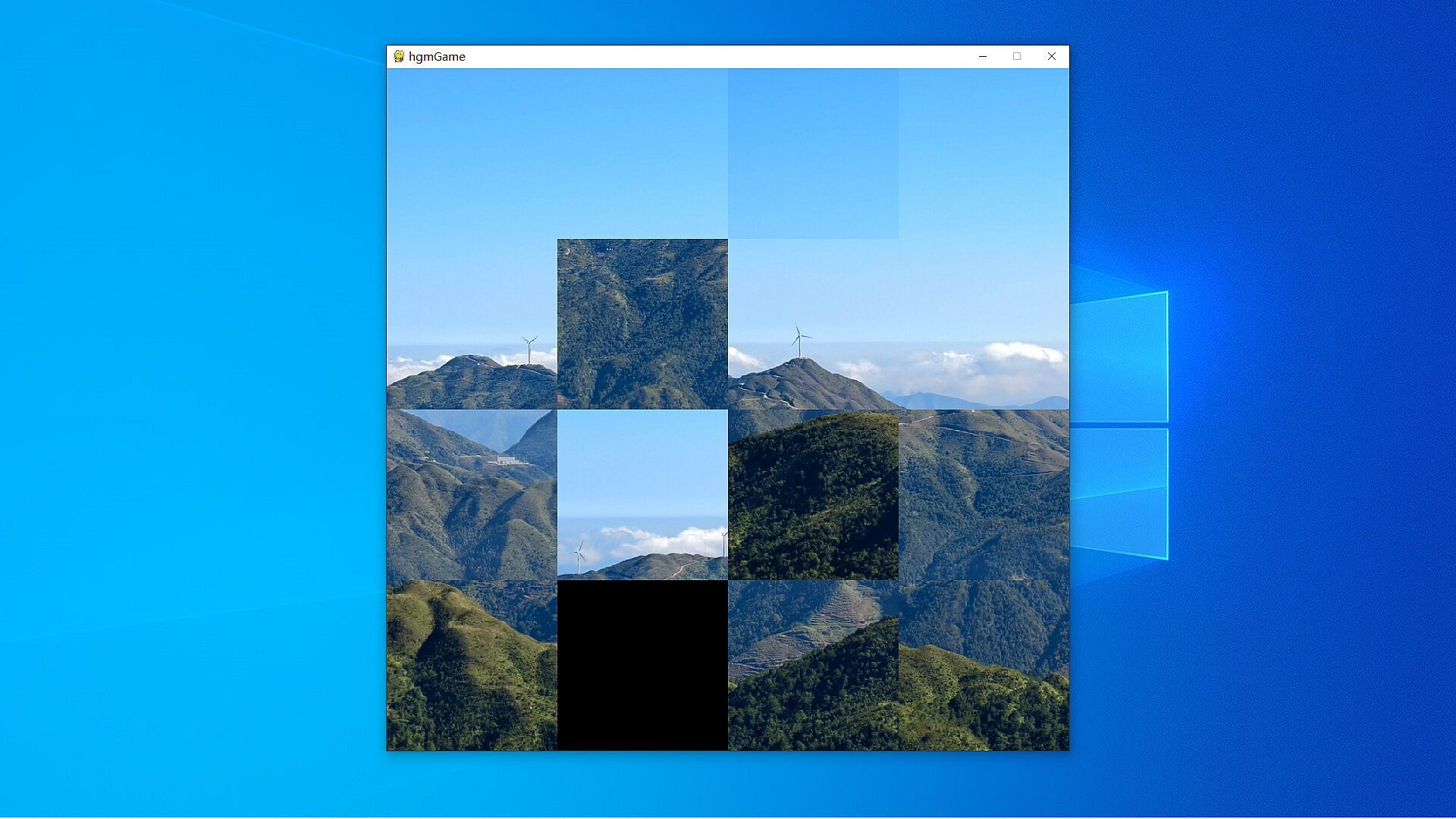
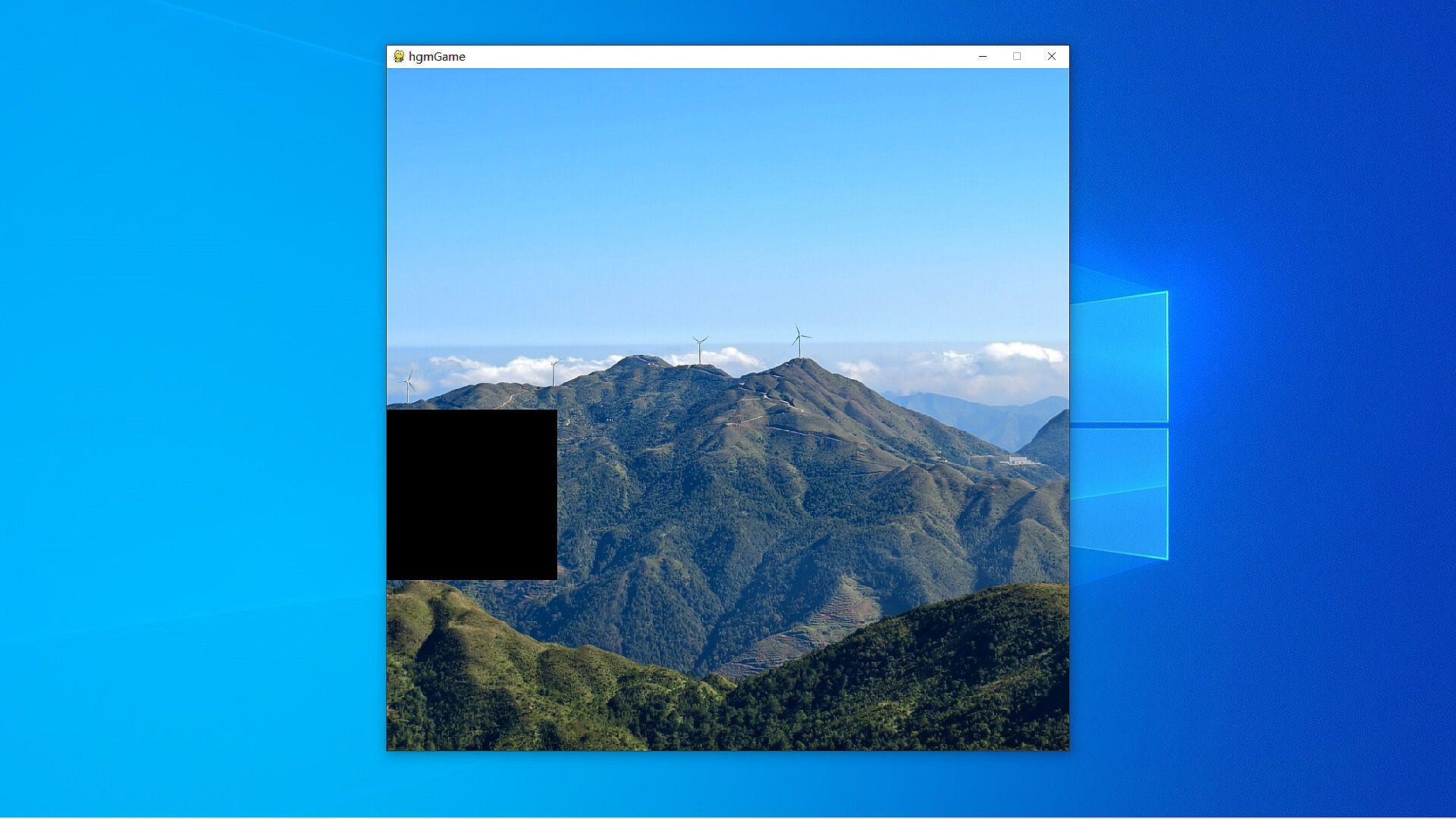
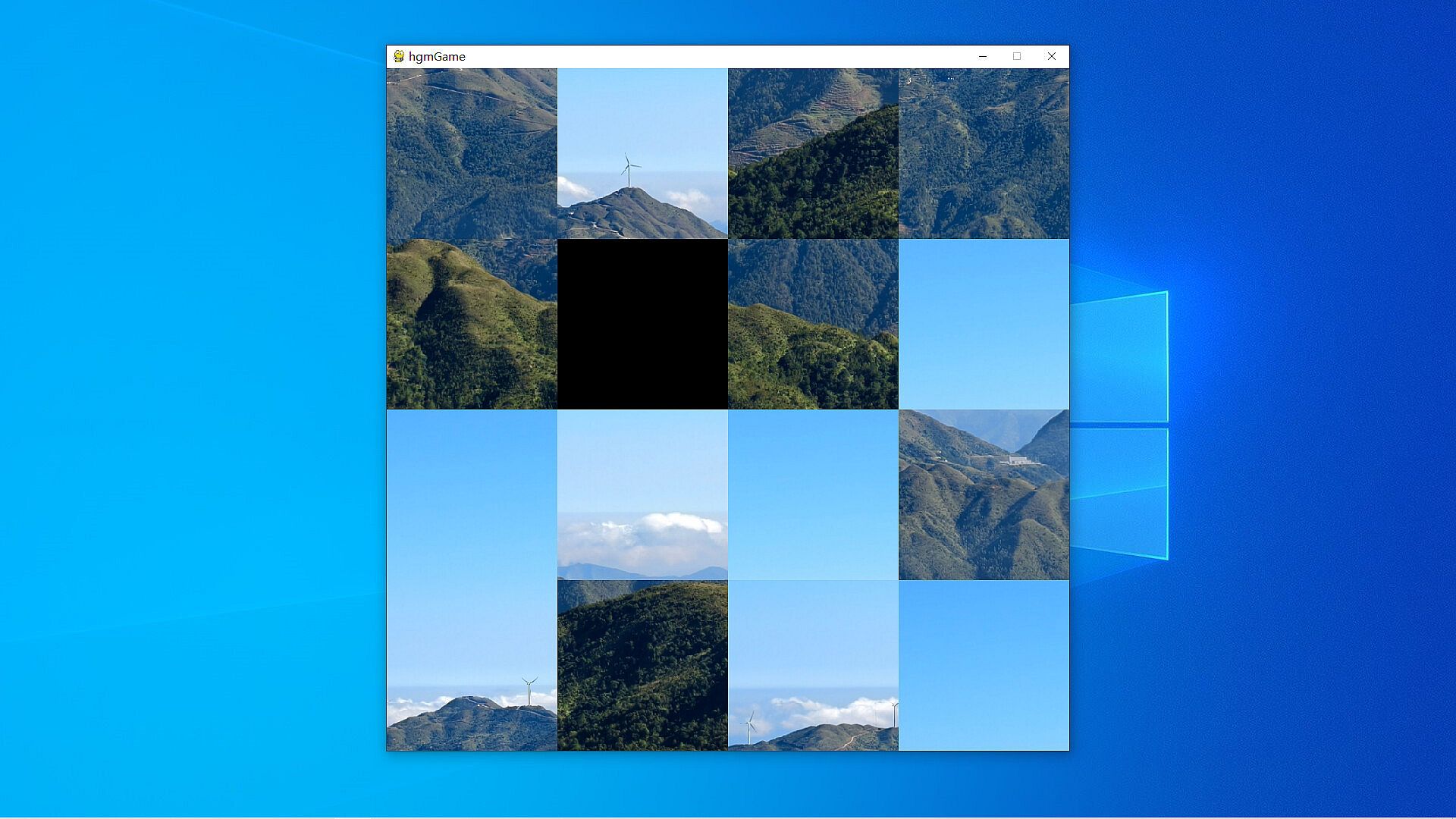
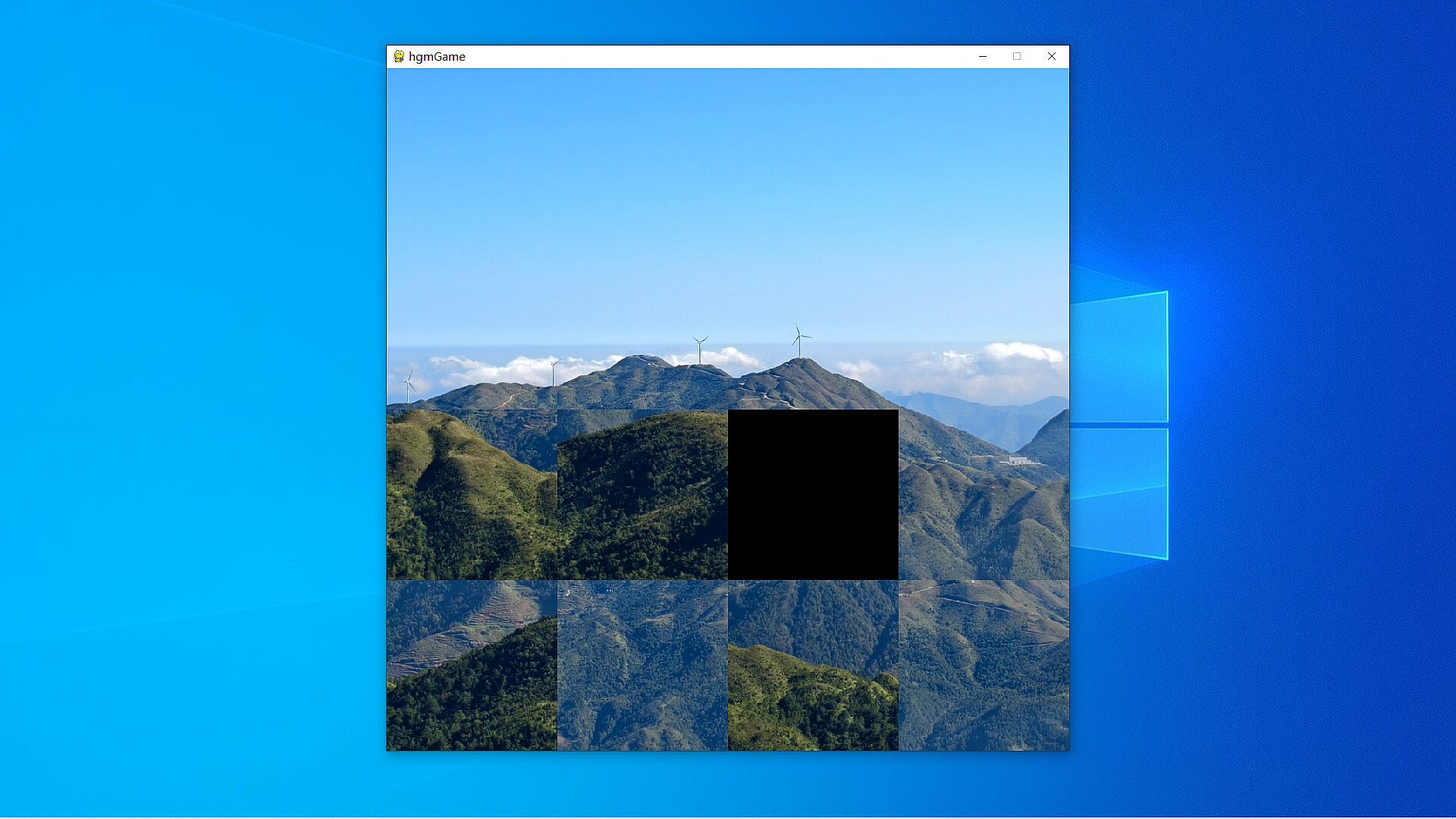
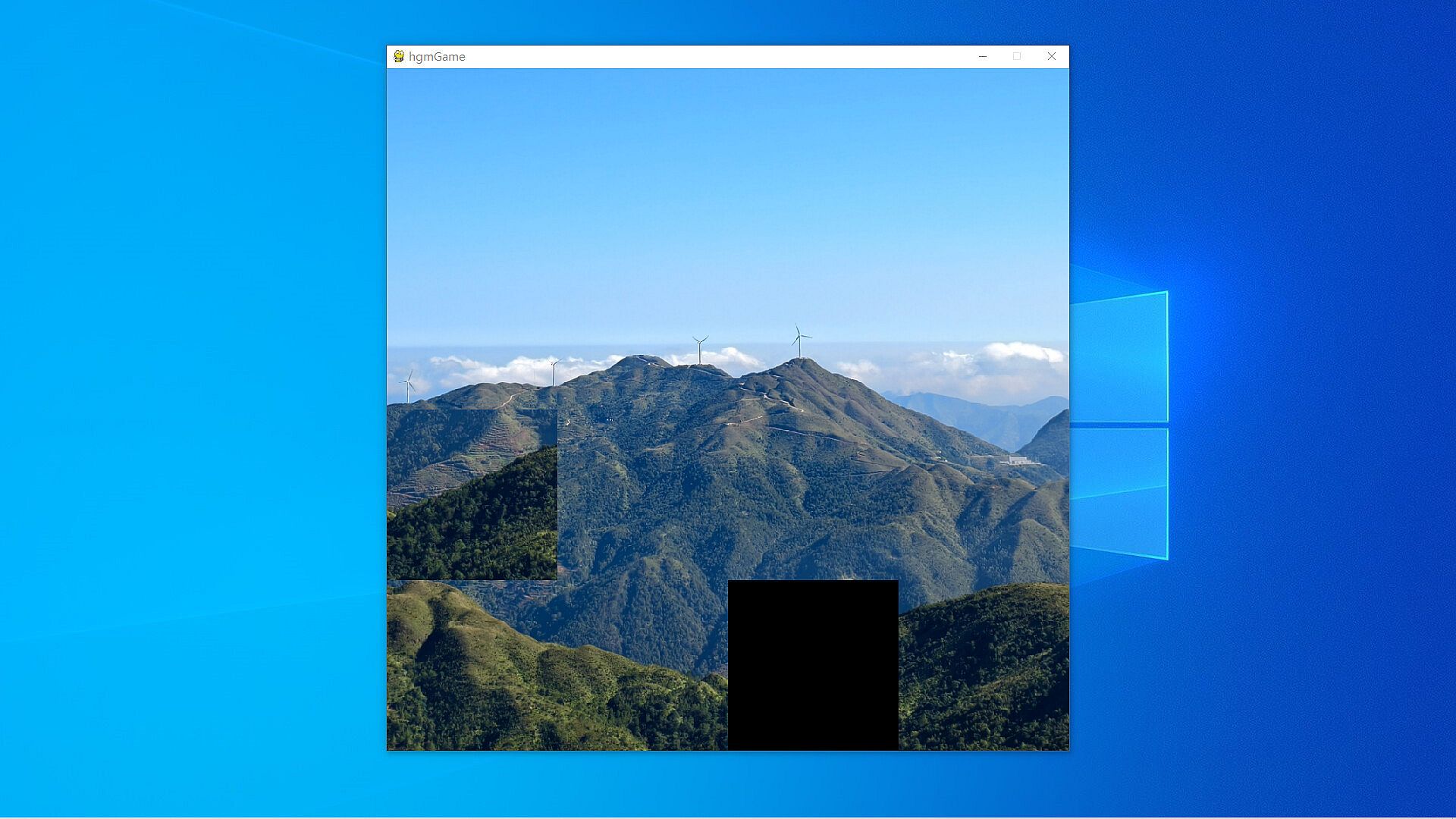
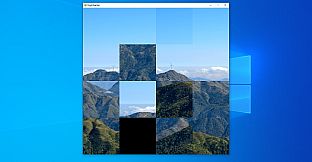
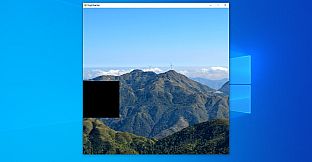
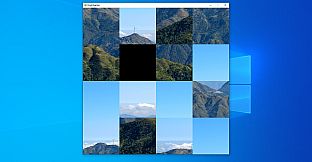
The core loop centers on a straightforward sliding puzzle mechanic. Each session begins with a full image divided into 16 equal sections placed in random positions on the screen. One spot remains empty as a black square, allowing pieces to move. Players click the left mouse button on any piece adjacent to the black square, causing an immediate swap that shifts the empty space. The objective remains consistent across attempts: restore every small image to its correct position so the original picture forms without gaps or misalignments. Because the empty square must exist for movement, the completed puzzle occupies slightly less space than the original image. Sessions emphasize patience and spatial reasoning, with each shuffle creating a fresh arrangement that demands careful planning to avoid dead ends late in the process.
Visual feedback shows the image gradually taking shape as pieces lock into place. Early stages often appear chaotic, but steady swaps reveal recognizable sections that guide subsequent moves. The interface stays minimal, focusing attention entirely on the grid and the single black square. No timers or scoring systems appear, which keeps the experience relaxed yet mentally engaging for short or extended sessions.
Game Modes
The game offers one primary experience built around repeated puzzle challenges. Every playthrough generates a new random shuffle of the same underlying image, ensuring variety without additional rules or variations. There are no separate difficulty settings, time trials, or alternate objectives described. Players simply select the puzzle and begin rearranging pieces until the full image reassembles. This single-mode design suits repeated attempts, as each shuffle presents a unique solving path while retaining the same core swap mechanic and goal.
Is It Worth Playing?
Datianding Peak appeals directly to anyone who enjoys classic sliding puzzles or seeks a low-pressure way to exercise spatial thinking during free time. The random shuffles provide consistent replay value, and the simple mouse-based controls make it accessible without requiring prior experience. Sessions can last just a few minutes or stretch longer depending on how quickly the pieces align. Because the game focuses solely on this one mechanic, it delivers exactly what the description promises: a repeatable brain-teaser without extra layers or distractions. Those looking for a straightforward casual puzzle will find it matches the intended audience well, while players seeking complex systems or multiplayer elements may prefer other titles.