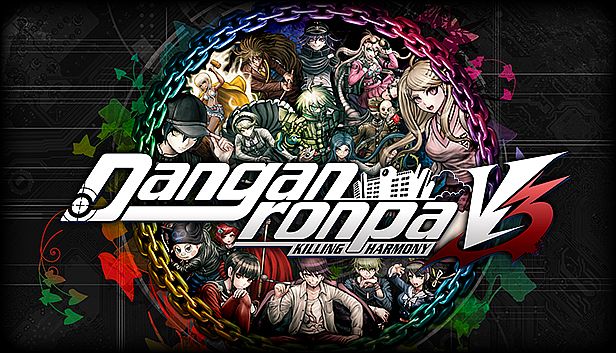














Danganronpa V3: Killing Harmony es una aventura para un solo jugador centrada en la investigación de asesinatos y los debates que se generan a partir de ellos. El jugador asume el papel de un nuevo protagonista entre 16 estudiantes conocidos como Ultimates, todos confinados en una escuela. La experiencia se basa en rutinas diarias que sirven para estrechar lazos, asesinatos repentinos que dan paso a las pesquisas y juicios estructurados en los que la lógica y la persuasión deciden el resultado.
Jugabilidad
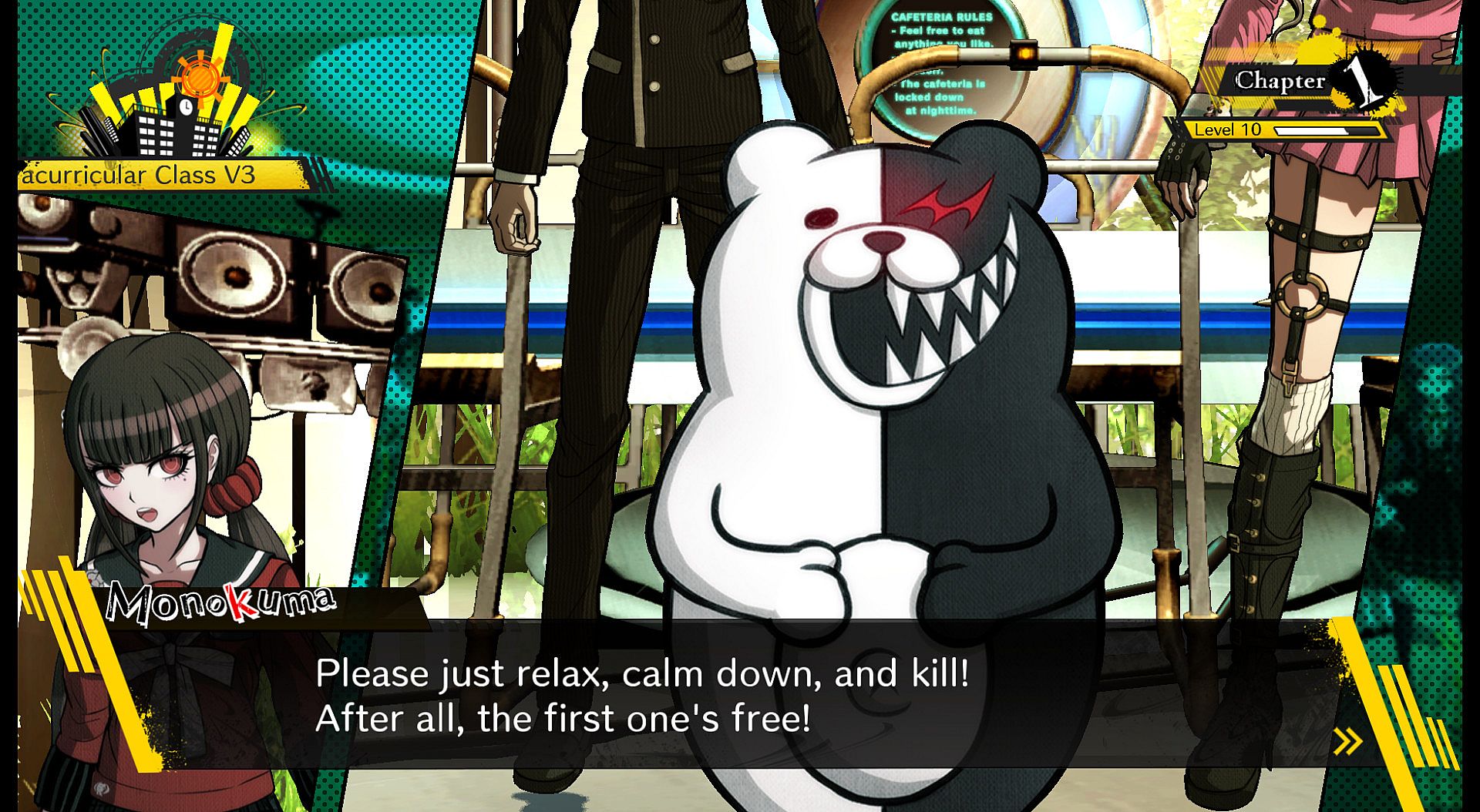
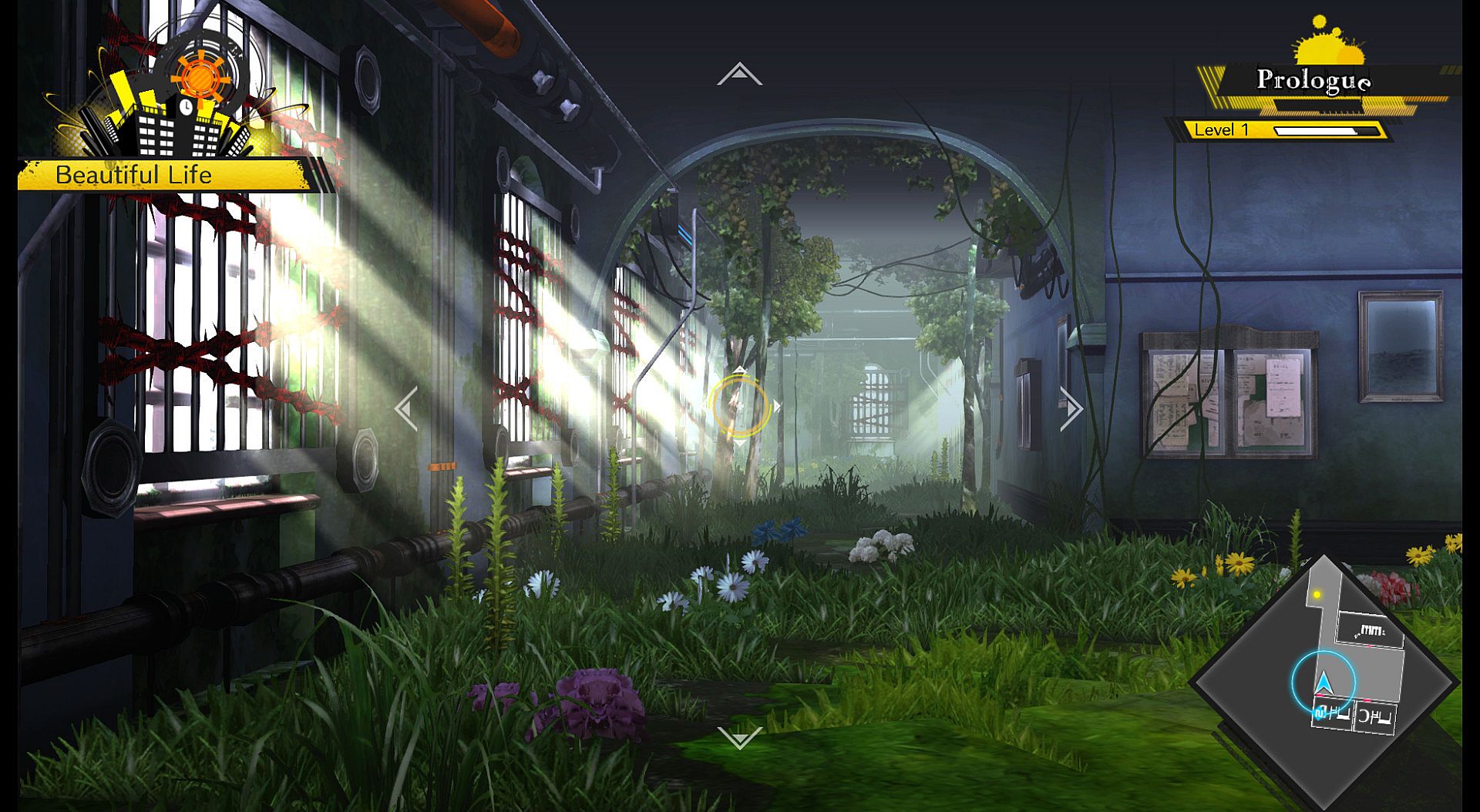
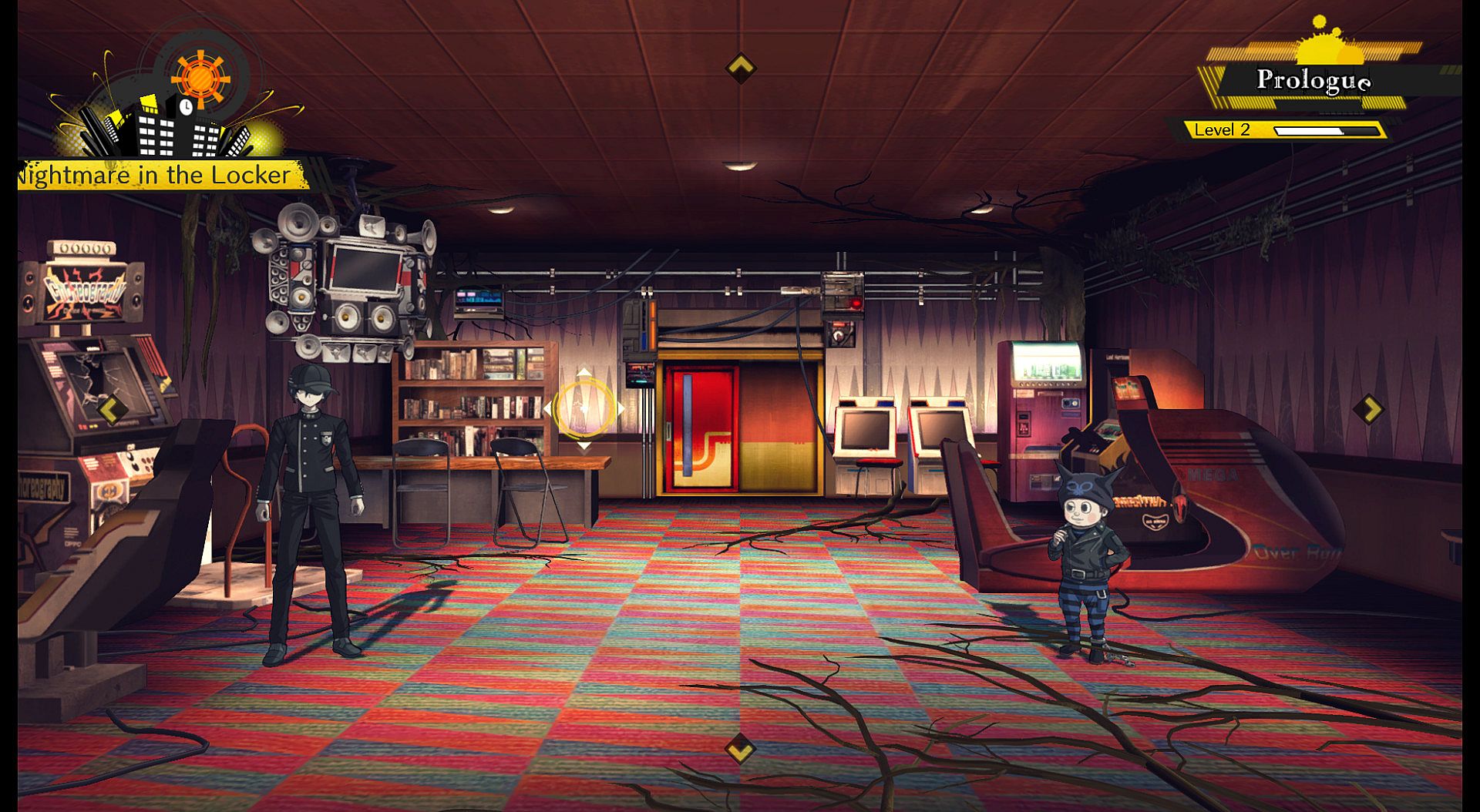
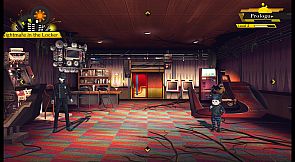
El juego avanza por capítulos que alternan entre periodos de exploración libre y fases de resolución de problemas. Durante la vida cotidiana, el jugador recorre el entorno, habla con sus compañeros y descubre pistas que impulsan la historia. Cuando se produce un crimen, comienza la fase de vida mortal, que exige registrar a fondo cada zona para reunir pruebas y testimonios. Toda esa información se convierte en herramientas para los debates posteriores.
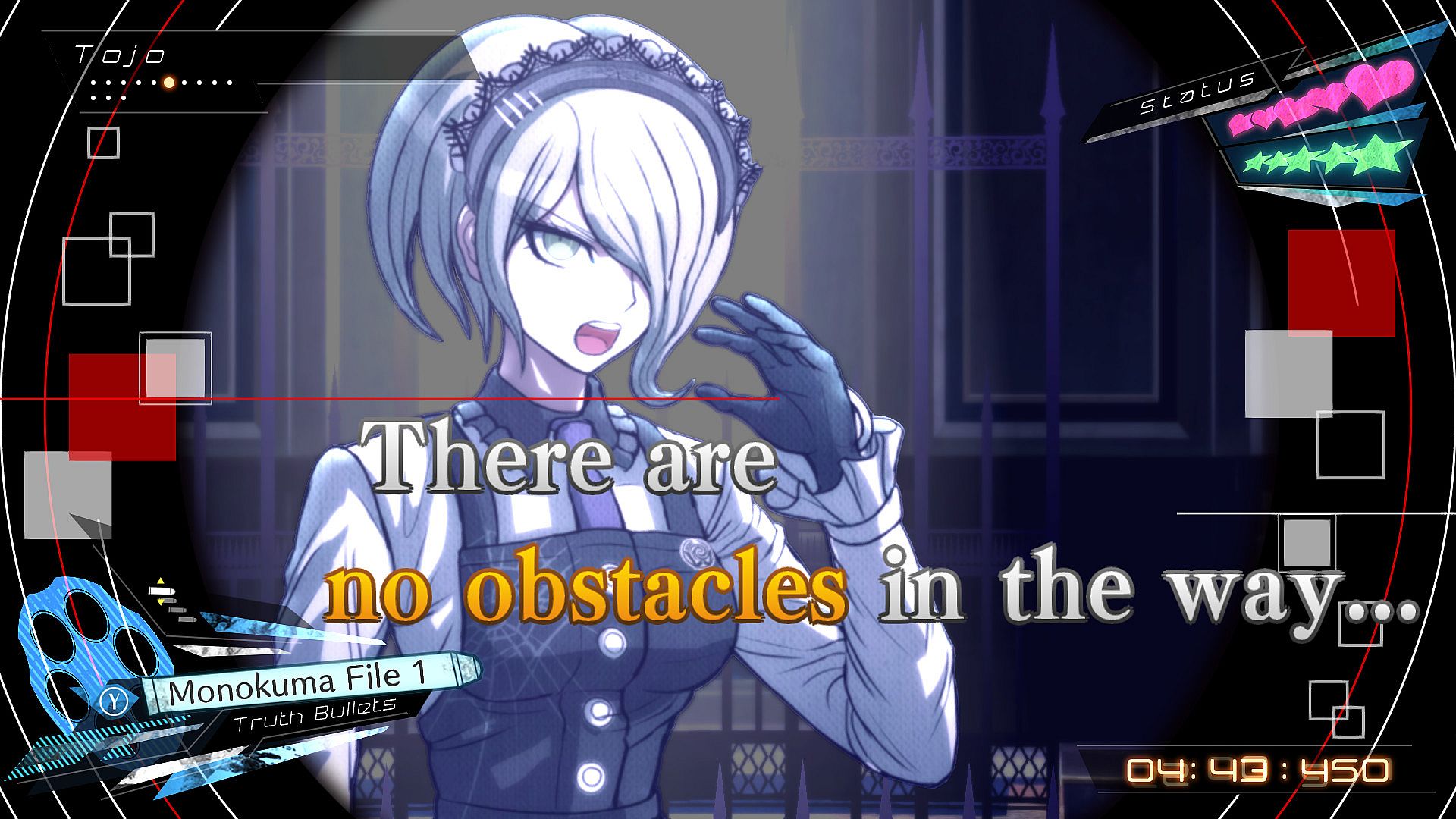
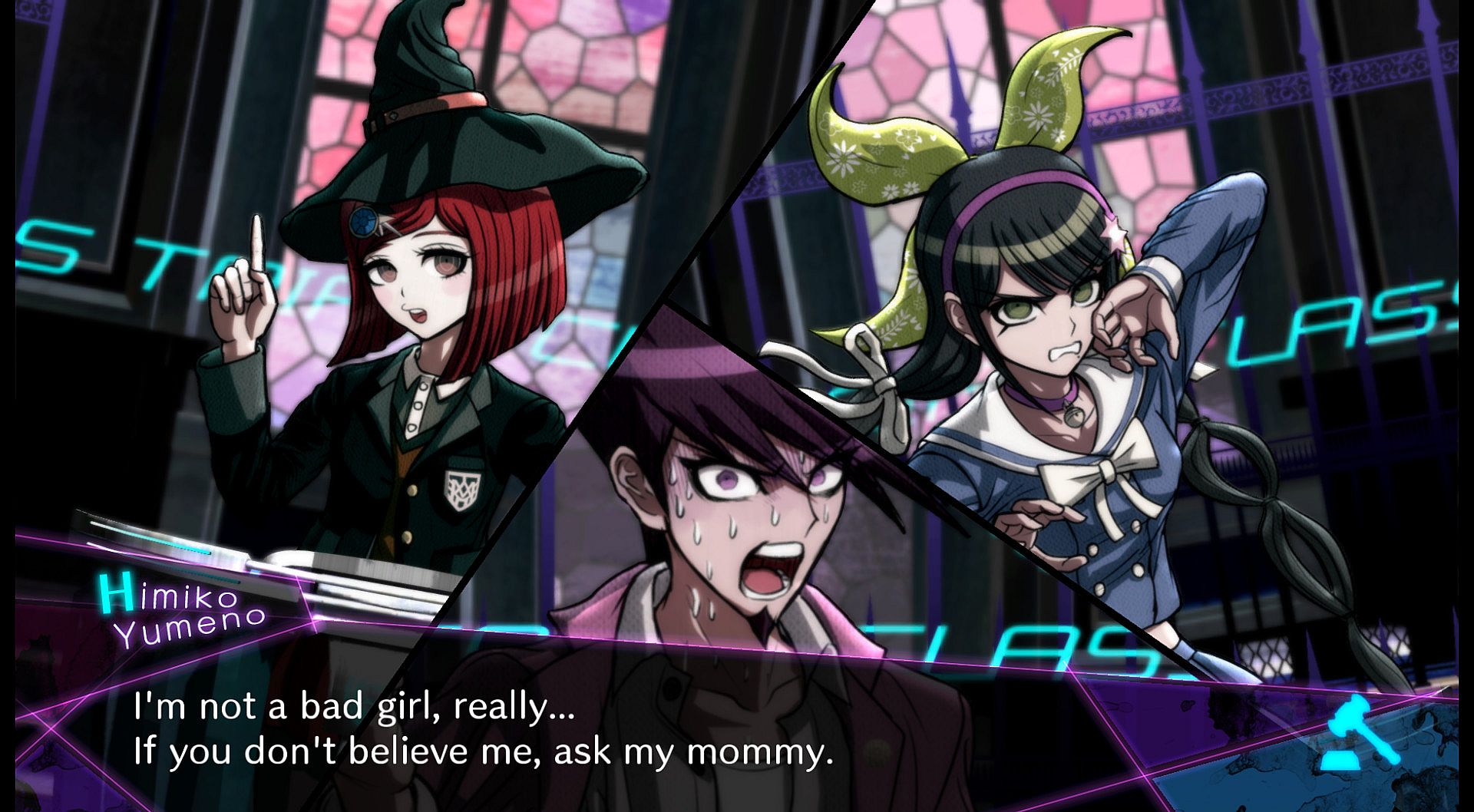
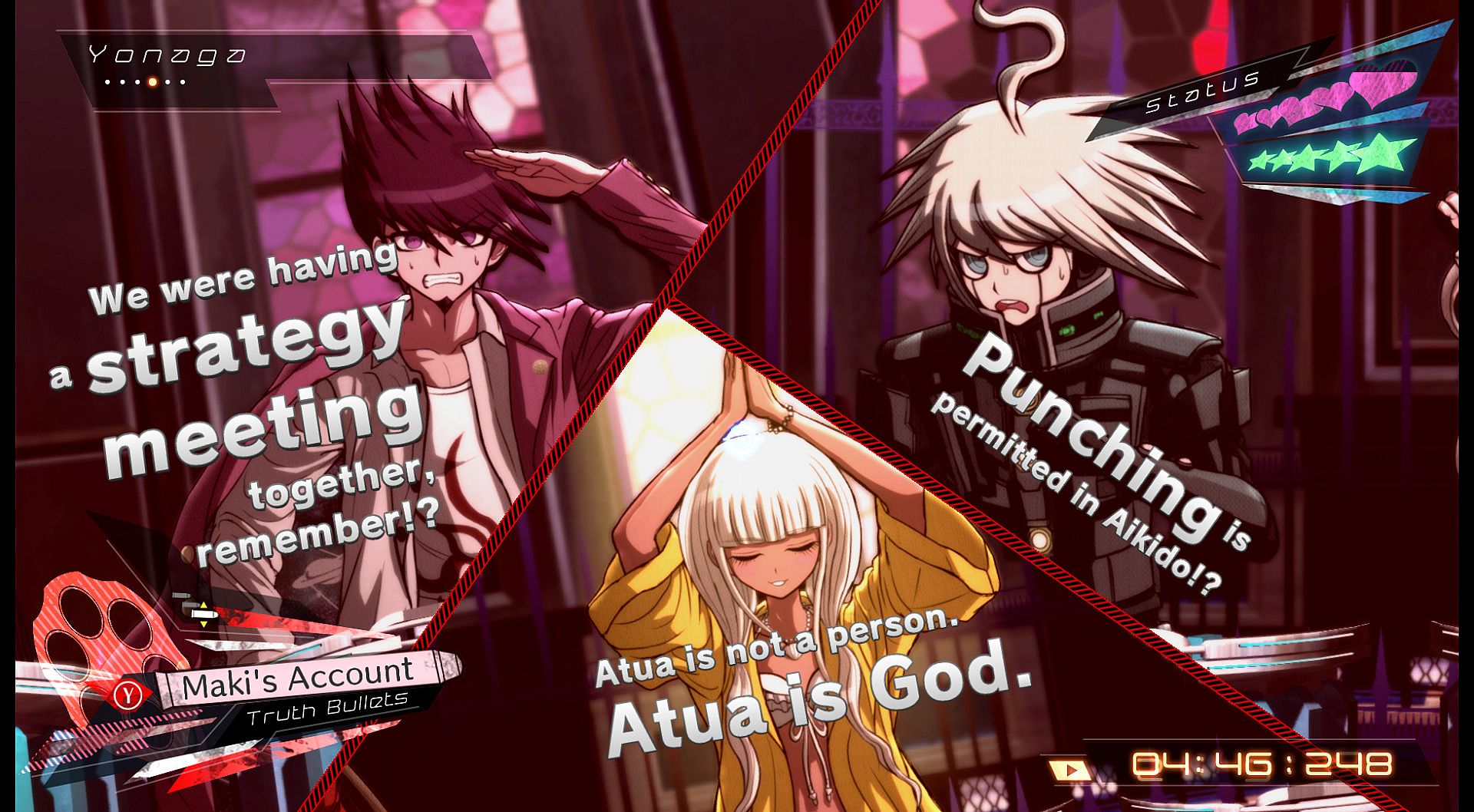
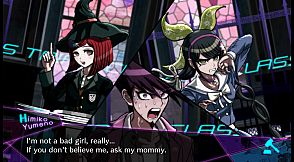
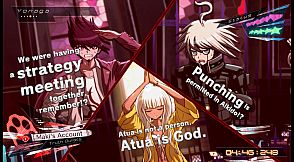
Los juicios de clase constituyen el núcleo de cada capítulo. Los participantes exponen sus argumentos en tiempo real y el jugador debe detectar contradicciones o respaldar afirmaciones con las pruebas obtenidas. Nuevas mecánicas permiten mentir de forma estratégica para influir en la conversación y responder con rapidez a los cambios de postura. Los puntos de experiencia conseguidos en interacciones y descubrimientos sirven para mejorar habilidades que otorgan ventajas en estos momentos de alta tensión. Entre los eventos principales, varios minijuegos originales rompen la intensidad con objetivos propios del formato de juicio.
Modos de juego
El modo principal sigue la historia principal a través de varios capítulos, cada uno centrado en un caso de asesinato y su resolución. Al terminar la trama central se desbloquea Salmon Team, un modo alternativo que prioriza interacciones más ligeras y objetivos distintos, manteniendo el mismo elenco y escenario. No hay componentes competitivos ni online; todos los modos están pensados para jugarse en solitario, con énfasis en el avance de la historia y la resolución de acertijos.
El elenco y el escenario
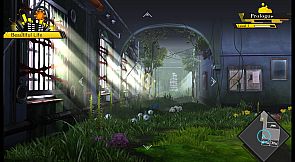
Dieciséis personajes nuevos llegan con talentos y personalidades propias que influyen tanto en las opciones de diálogo como en el desarrollo de los juicios. Sus motivaciones permanecen ocultas al principio, por lo que es necesario repetir conversaciones para descubrir más detalles. La escuela cerrada funciona como único escenario, repleto de objetos interactivos y detalles ocultos que recompensan la observación. Esta configuración centra la atención en los conflictos entre personajes y en la deducción, sin necesidad de explorar un mundo abierto.
¿Merece la pena jugarlo?
Las reseñas de medios especializados destacan el título de forma mayoritariamente positiva, especialmente por la mejora en los juicios y la incorporación de nuevos minijuegos que mantienen el interés durante toda la campaña. Está dirigido a quienes buscan el ritmo de una novela visual combinado con puzles de lógica y misterios centrados en los personajes. Quienes busquen actualizaciones continuas o elementos multijugador no los encontrarán, ya que el desarrollo finalizó tras el lanzamiento inicial. Para los aficionados a las aventuras de investigación con un nuevo grupo de protagonistas, las mecánicas pulidas y la estructura por capítulos ofrecen un entretenimiento constante sin necesidad de conocer las entregas anteriores.